Yes, some bed bug sprays can kill lice, but only when their labels specifically list lice as a target pest. Household sprays are not safe for treating lice on human hair or skin.
In the United States, families often look for a quick way to remove head lice after finding them on a child, a family member, or a shared pillow. A bed bug spray may seem like an easy answer because both pests are small insects. However, killing an insect on a surface is very different from treating an infestation on a person’s scalp.
Some products are made to kill both bed bugs and lice on mattresses, furniture, clothing, and other approved household surfaces. Their labels may also list lice eggs. However, this does not mean the spray can be used on people. Many household insecticides contain chemicals that can harm the skin, eyes, or lungs if used incorrectly.
The safest approach is to use a product made for human head lice when treating hair. Use household sprays only for the surfaces and items named on their labels. Understanding this difference can help you remove lice without exposing your family to unnecessary pesticide risks.
Source: walmart.com
Can Bed Bug Spray Actually Kill Lice?
Yes, certain bed bug sprays can kill lice, but the result depends on the active ingredients, the target pests listed on the label, and the surface being treated. A product designed only for bed bugs may not have a tested or approved claim for lice.
Some household insecticides contain ingredients that affect the nervous systems of insects. These chemicals may kill more than one type of pest. However, their effectiveness depends on the formula, the amount applied, and the insect’s sensitivity to the chemical.
The key difference is the product label. If lice are not listed as a target pest, do not assume that a bed bug spray will control them. Even when lice are listed, the directions may limit use to mattresses, furniture, clothing, or other non-living surfaces.
For example, the EPA has reviewed labels for products marketed as lice and bed bug sprays. One approved label describes killing lice and their eggs on household items while clearly stating that the product is not for use on humans. This shows why the exact wording matters more than the product’s general name.
Source: Amazon
Some sprays kill both pests
Dual-purpose products may target bed bugs and lice on specified household surfaces. Check the label to confirm which pests and life stages are included.
Not every bed bug spray kills lice
A product that works against bed bugs is not automatically effective against head lice or their eggs.
Household use is different from scalp treatment
A product may be suitable for a mattress or furniture but unsafe for direct contact with a person.
The label determines proper use
Check the target pest list, approved surfaces, restrictions, and safety instructions before applying any pesticide.
Why Some Bed Bug Sprays Also Work Against Lice
Many insecticides are designed to affect biological systems found in insects. Certain active ingredients can affect several insect species rather than just one. This explains why a specially formulated product may list both bed bugs and lice on its label.
However, different insects can respond differently to the same chemical. Some lice populations also show resistance to certain insecticides. Therefore, the presence of an insect-killing ingredient does not prove that every product will eliminate every lice infestation.
Active ingredients
Ingredients such as permethrin and related insecticides may target particular insect species, depending on the formulation and approved use.
Exposure
The pest must receive the type and amount of exposure required by the product’s tested directions.
Resistance
Some lice populations may survive certain insecticides, making the choice of a suitable treatment important.
Can You Use Bed Bug Spray on Your Hair or Scalp?
No. Do not use ordinary bed bug spray on your hair or scalp. Household insecticides are made for specific surfaces and environments, not for direct treatment of the human body.
Some sprays contain chemicals, solvents, or other ingredients that can cause irritation or harmful exposure. Spraying them near the face can also expose the eyes, nose, and mouth to pesticide droplets or vapors.
The US Environmental Protection Agency warns against applying household pesticides to the body when their labels do not allow that use. A product’s ability to kill insects does not make it safe for human skin.
Even a product that lists both bed bugs and lice may carry a clear restriction against human use. For example, some labels specifically state that the spray is intended for bedding and furniture and must not be applied to people.
If you have head lice, choose an over-the-counter or prescription medicine designed for human use. These treatments come with directions for applying the medicine to hair, leaving it on for the correct period, and washing it out.
Source: amazon.com.au
Avoid scalp exposure
Never spray household bed bug insecticide onto your head, hair, neck, or skin.
Protect your eyes
Pesticide droplets can irritate or injure the eyes. Keep household sprays away from the face.
Do not cover your head with sprayed items
Do not wear clothing, hats, or bedding treated with an insecticide until the label’s required drying and re-entry conditions have been met.
Use a human lice medicine
Choose a treatment specifically labeled for head lice and follow its age restrictions and directions.
What Happens If You Accidentally Spray Bed Bug Insecticide on Your Hair?
If household insecticide gets onto your hair or scalp, stop using the product and follow the first-aid instructions on its label. Do not apply more spray or try to neutralize the chemical with another household product.
If the product contacts your skin, remove contaminated clothing and wash the affected area with soap and water as directed by the label. If it enters your eyes, follow the label’s eye-flushing instructions.
Contact a poison control center for advice about the exact product and exposure. In the United States, Poison Control is available at 1-800-222-1222. Seek emergency medical help if someone has trouble breathing, severe symptoms, or another serious reaction.
Stop exposure
Move away from the spray and into fresh air if fumes or mist have been inhaled.
Check the label
Find the product’s first-aid section and follow its instructions.
Get medical advice
Contact Poison Control or a healthcare professional, especially after exposure involving a child.
What Is the Difference Between Head Lice and Bed Bugs?
Head lice and bed bugs are both insects, but they are different pests with different habits. Head lice live on the human scalp and feed on blood several times a day. Bed bugs hide near sleeping areas and come out to feed on people while they rest.
Head lice spread mainly through direct head-to-head contact. They crawl from one person’s hair to another person’s hair. They do not jump or fly, and pets do not carry or spread human head lice.
Bed bugs usually spread through infested furniture, luggage, clothing, and other belongings. They can hide in mattress seams, bed frames, cracks, and furniture joints. They do not live permanently on the human scalp.
This difference explains why treating one pest does not automatically solve the other problem. A head lice treatment is meant for hair and scalp use, while a bed bug treatment is designed for approved household locations.
Source: Amazon
Where they live
Head lice live on the human head. Bed bugs hide in nearby furniture, cracks, and other protected places.
How they spread
Head lice mainly spread through direct hair contact. Bed bugs often spread through infested belongings and furniture.
How they feed
Both feed on blood, but head lice remain close to the scalp while bed bugs leave their hiding places to feed.
How they are treated
Head lice need human-use lice medicine. Bed bugs require a separate household pest-control plan.
How to Tell If You Have Head Lice
The most reliable sign of an active head lice infestation is finding a live crawling louse in the hair. Look closely behind the ears, near the neckline, and around the scalp.
You may also find nits, which are lice eggs attached firmly to individual hair shafts. They can look like tiny white, yellow, or brown specks. Unlike dandruff, nits usually remain attached when you try to brush them away.
An itchy scalp is common, but itching alone does not confirm lice. A careful inspection with a fine-toothed lice comb can help you find live insects.
Live crawling lice
Small insects moving through the hair are the clearest sign of an active infestation.
Nits attached to hair
Eggs are usually firmly attached near the scalp, especially behind the ears and around the neckline.
Scalp itching
Itching may occur because of a reaction to lice bites, but other scalp conditions can also cause itching.
Which Bed Bug Sprays Can Kill Lice?
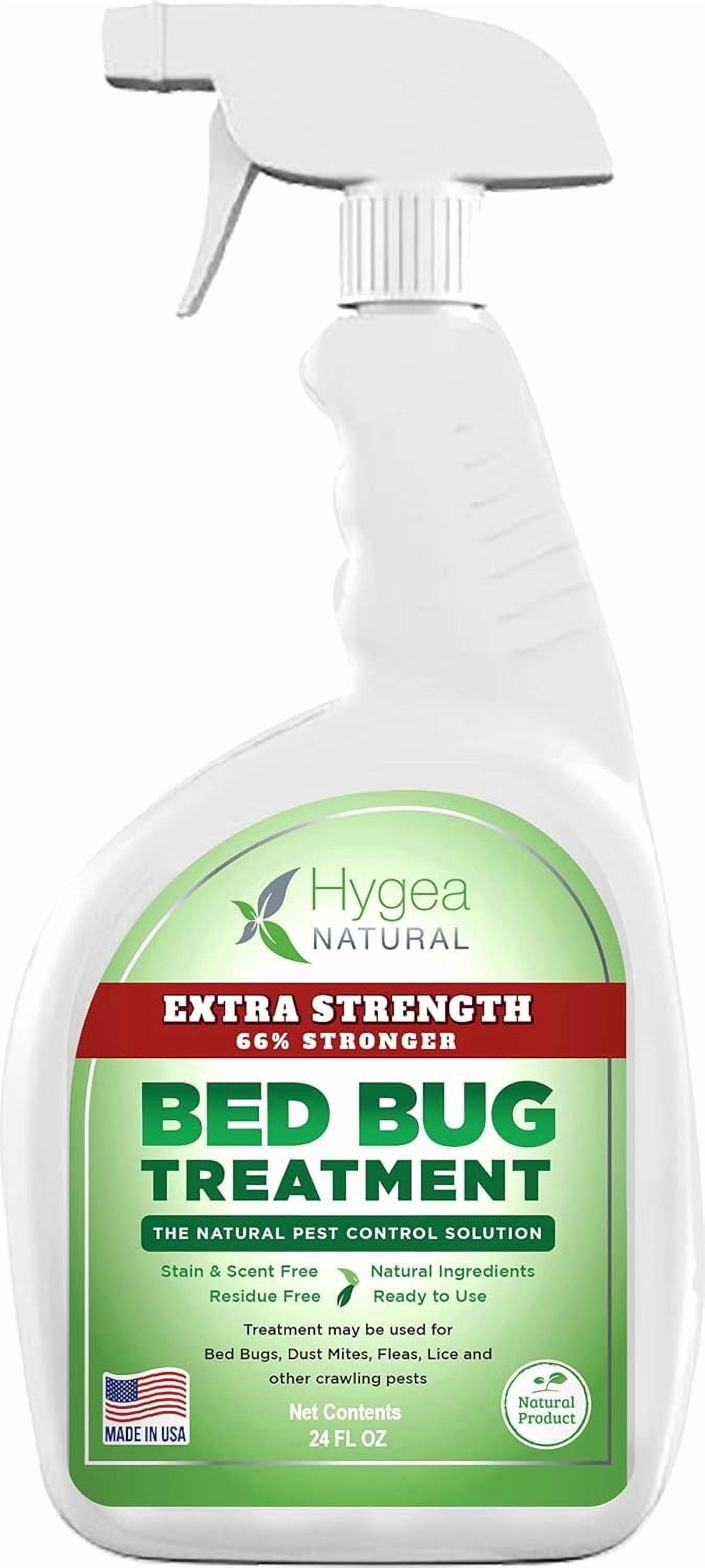
Only consider a bed bug spray for lice control when its current label specifically lists lice as a target pest and identifies the household surfaces where it can be used. Some products are designed to kill lice and their eggs on non-washable household items.
A useful example is the category of home lice and bed bug sprays. Certain EPA-reviewed product labels describe their use on mattresses, furniture, car interiors, clothing, and other specified items. They also state that these products are not intended for application to humans.
This distinction matters because a household spray can be part of a broader cleaning process without replacing a scalp treatment. If you find lice in someone’s hair, treat the person first with an appropriate human-use product. Then follow the household product label only if a specific item needs treatment.
Do not select a spray based only on words such as natural, extra strength, home treatment, or insect killer. These phrases do not establish that a product is effective against lice or safe for every surface.
Source: amazon.com
Dual-purpose lice and bed bug spray
May be suitable for certain household surfaces when both pests appear on the current product label.
Bed bug-only spray
Should not be assumed to kill lice unless the product label also lists lice.
Lice treatment shampoo
Designed for human head lice and applied to hair according to its specific directions.
Lice comb
Helps remove live lice and eggs from hair and can support a suitable treatment plan.
What to Check on a Bed Bug and Lice Spray Label
Read the full label before buying or applying a household insecticide. The front of a container may show several pest names, but the detailed directions explain where and how the product can actually be used.
Check the EPA registration number when applicable, the active ingredients, the listed pests, and the approved application sites. Also look for restrictions involving mattresses, bedding, furniture, clothing, children, pets, and ventilation.
A label that says a spray kills lice on furniture does not mean it can be used on sheets, pillowcases, or a person’s hair. Follow each surface restriction rather than guessing.
Target pests
Confirm that lice and, if needed, lice eggs are specifically included.
Approved surfaces
Check whether mattresses, upholstery, carpets, clothing, or other items are listed.
Human-use warning
Look for statements such as not for use on humans.
Application instructions
Follow the required distance, amount, drying time, ventilation, and restrictions.
How to Get Rid of Head Lice Safely
The safest way to remove head lice is to use a treatment specifically made for people, combined with careful inspection and combing when appropriate. Do not rely on household bed bug spray or general insecticide to solve a scalp infestation.
In the United States, several over-the-counter and prescription medicines are available for head lice. Their active ingredients and age limits differ, so read the package carefully or ask a pharmacist or healthcare provider for help.
Some medicines kill live lice but do not kill all unhatched eggs. Other treatments can kill both lice and eggs. This difference determines whether a second application is needed.
A fine-toothed lice comb can help remove insects and eggs from the hair. Regular checks also help you see whether the treatment is working or whether live lice remain.
Source: Amazon
Confirm the infestation
Use a fine-toothed comb and inspect the hair for live crawling lice before starting treatment.
Choose the right medicine
Select an age-appropriate head lice treatment intended for human use.
Follow the instructions
Use the correct amount and leave the medicine on for the exact time stated on its label.
Repeat only when directed
Some products require another treatment after newly hatched lice appear. Others usually do not.
Step 1: Check the Hair Carefully
Begin by checking the scalp in bright light. Pay close attention to the areas behind the ears and near the back of the neck, where lice and eggs are often easier to find.
Use a fine-toothed lice comb to separate small sections of hair. Wipe the comb on a white tissue after each pass so you can inspect anything it removes.
Look for moving lice rather than relying only on white specks. Dandruff, dry skin, and hair product residue can sometimes look like nits.
Use good lighting
A bright room or focused light makes it easier to see small insects.
Work in small sections
This helps you inspect the entire scalp without missing areas.
Step 2: Apply an Approved Lice Treatment
Choose a human-use lice medicine that matches the person’s age and other health needs. Common over-the-counter options include permethrin 1% lotion and pyrethrins combined with piperonyl butoxide.
The CDC lists permethrin 1% as an option for children two months of age and older. Pyrethrin products are generally intended for children two years of age and older. Always check the exact product label and consult a healthcare professional before treating young children.
Some lice have developed resistance to certain treatments. If the medicine does not work after correct use, do not simply apply more or combine several products. Ask a healthcare professional about another treatment option.
Check age limits
Different active ingredients have different minimum ages and precautions.
Avoid excess medicine
Using more than the directed amount can increase exposure without improving treatment.
Watch for reactions
Stop and seek medical advice if a serious or unexpected reaction occurs.
Step 3: Remove Lice and Eggs With a Fine Comb
Combing is useful for removing live lice and attached eggs. Divide the hair into small sections and pass the comb from close to the scalp toward the ends.
Clean the comb after each pass. Repeat the process until you have checked the full head, following the treatment’s instructions about when combing should take place.
Continue checking the hair every two to three days for the next two to three weeks when recommended. This helps identify surviving lice or newly hatched insects.
Use a proper lice comb
Choose a fine-toothed comb designed to catch small lice and nits.
Check the whole head
Do not focus only on the itchy areas.
Track live lice
Finding fewer live insects over time can help you assess progress.
Step 4: Repeat Treatment Only When Needed
Some head lice medicines do not kill unhatched eggs. In those cases, the CDC recommends a second treatment at the interval specified for the medicine, often around seven to nine days after the first application.
Other medicines kill both live lice and eggs, so routine repeat treatment may not be necessary. Always follow the product-specific instructions rather than using the same schedule for every medicine.
If live lice remain after the full treatment course, contact a healthcare professional before trying another product. The cause may be resistance, incorrect application, or a new infestation.
Follow the treatment schedule
The correct repeat date depends on the active ingredient.
Do not over-treat
Repeated insecticide exposure can increase the risk of unwanted effects.
How to Clean Your Home After Finding Head Lice
You do not need to spray your entire home to get rid of head lice. Head lice depend on human blood for food and do not survive long when separated from the scalp.
The CDC recommends focusing on clothing, bedding, combs, brushes, and other items used during the two days before treatment. Washing and drying these items properly is usually enough to address the small risk of lice remaining away from the person.
Household pesticide sprays and foggers are generally unnecessary for head lice control. They can expose family members to chemicals without providing a meaningful benefit.
If an item cannot be washed or dry-cleaned, sealing it in a plastic bag for two weeks is one option. Vacuuming furniture and floors can also help, although the chance of catching head lice from these surfaces is very small.
Source: Amazon
Wash bedding and clothing
Wash items used during the two days before treatment using hot water at 130°F when the fabric and care instructions allow.
Use high-heat drying
Dry suitable items using the high-heat drying cycle.
Clean combs and brushes
Soak them in water at least 130°F for five to ten minutes.
Vacuum furniture and floors
Focus on places where the person sat or rested.
Bag non-washable items
Seal items that cannot be washed or dry-cleaned in a plastic bag for two weeks.
Should You Spray Your Mattress for Head Lice?
Usually, no. Spraying a mattress is not a necessary part of treating an ordinary head lice infestation. Washing and drying removable bedding, along with vacuuming the mattress surface if needed, is generally sufficient.
If you have a special household lice spray, use it only when the product label identifies the mattress or other specific surface as an approved treatment site. Never spray sheets or pillowcases unless the label specifically allows that use.
Remember that bed bug control and head lice control are separate tasks. If you have confirmed bed bugs as well, follow an appropriate bed bug treatment plan rather than assuming that lice cleaning methods will eliminate them.
Remove washable bedding
Wash and dry sheets, pillowcases, and other suitable items.
Vacuum the mattress
Clean the surface and nearby areas where loose hair or debris may collect.
Avoid unnecessary insecticides
Do not apply household pesticides to sleeping surfaces without clear label instructions.
Bed Bug Spray vs. Head Lice Treatment: Key Differences
A bed bug spray and a head lice medicine may both contain insect-killing ingredients, but they are made for different purposes. The main difference is the intended application site and the safety testing behind the product directions.
A household insecticide is designed for approved surfaces such as cracks, furniture, or other listed areas. A head lice medicine is formulated and labeled for use on human hair or scalp.
Some products are made for both bed bugs and lice on household items. They can help with environmental cleaning when the label supports that use, but they do not replace medicine for an active scalp infestation.
The following table explains the main differences and helps prevent a common mistake: using a product for the right pest in the wrong place.
Source: walmart.com
Different application sites
Household sprays target surfaces, while head lice medicines are designed for people.
Different directions
Each product has its own application time, restrictions, and safety precautions.
Different treatment goals
Home sprays address pests on approved objects. Human-use treatments address lice living on the scalp.
Quick Comparison of Common Lice and Bed Bug Products
Use this comparison to understand which product belongs in each part of a lice-control plan. It is a general guide, not a substitute for reading the exact product label.
Bed bug-only spray
Use only for the bed bugs and surfaces listed on its label. Do not assume it kills lice.
Dual-purpose bed bug and lice spray
May kill lice on specified household items, but must not be used on people unless the label specifically permits that use.
Head lice lotion
Treats head lice on people when used according to its age limits and directions.
Lice shampoo
A human-use treatment designed for scalp and hair application when the label allows it.
Fine-toothed lice comb
Physically removes lice and eggs from hair and supports other treatment methods.
Why Bed Bug Spray May Not Eliminate Every Louse or Nit
Even a household product that lists lice as a target pest may not eliminate every insect or egg in every situation. The result depends on the product’s formula, application method, surface, and the pest’s response to the active ingredient.
One major issue is insecticide resistance. Some lice populations have developed resistance to certain chemicals, including ingredients related to pyrethroids. A treatment that once worked well may not produce the same result in every location.
Another issue is incomplete coverage. Lice and their eggs can remain on hair, clothing, bedding, and other items. A household spray applied to one surface cannot treat lice that remain on a person’s scalp.
Eggs are another important concern. Some products kill adult insects but do not kill all eggs. Others have specific claims for both stages. Always check whether the label includes lice eggs instead of assuming that killing adult lice will end the infestation.
Source: Amazon
Chemical resistance
Some lice may survive exposure to an insecticide that affects other members of the population.
Wrong application site
A surface spray cannot replace treatment of lice living on the human scalp.
Egg survival
Some treatments kill crawling lice but leave unhatched eggs that can produce new insects.
Incorrect application
Using the wrong amount, ignoring restrictions, or failing to follow directions can reduce effectiveness and increase risk.
What Should You Do If Lice Keep Coming Back?
First, check whether the original infestation was correctly identified. Itching can continue for a while after successful treatment, and empty egg cases may remain attached to hair.
Look for live crawling lice. If you find them, review the medicine’s instructions and confirm that it was used correctly. Also check whether the product requires a second treatment.
If live lice remain after a full course, ask a healthcare professional or pharmacist about another option. Repeatedly using the same ineffective product or combining different insecticides can cause harm without solving the problem.
Also check close household contacts. Treat people who have active infestations as recommended, and coordinate treatment when appropriate to reduce the chance of passing lice back and forth.
Confirm live lice
Do not judge treatment failure by itching or old nits alone.
Review the instructions
Check the application method and the required repeat-treatment interval.
Check close contacts
Inspect household members and people who share beds with the affected person.
Ask about another treatment
A healthcare professional can help select a suitable medicine if the first option fails.
Common Mistakes to Avoid When Treating Lice
Many lice treatment problems happen because people confuse household pest control with personal treatment. A product may be effective against insects on a surface but unsuitable for use on a human body.
Avoiding a few common mistakes can make the process safer and easier. You do not need to use several insecticides or spray every room to control a normal head lice infestation.
Household sprays can expose people to harmful chemicals. Use only a product specifically labeled for human head lice treatment.
Assuming every insecticide kills lice
Different products target different pests. Check the label before using a spray for lice control.
Ignoring lice eggs
Some treatments do not kill unhatched eggs. Follow the repeat-treatment schedule when required.
Spraying the entire house
Extensive pesticide treatment is usually unnecessary for head lice and can create avoidable exposure.
Mixing different treatments
Do not combine multiple lice medicines or household insecticides unless a healthcare professional specifically directs you to do so.
Using more product than directed
Extra insecticide does not guarantee better results and can increase the risk of harmful exposure.
Treating pets for human head lice
Human head lice do not live on pets. Do not apply pet insecticides or household bed bug sprays to animals for this purpose.
When Should You Contact a Healthcare Professional?
Ask a healthcare professional before treating an infant or young child, especially when the child’s age falls below the minimum listed for an over-the-counter product.
You should also seek advice if the scalp has open sores, signs of infection, or a strong reaction to treatment. A healthcare professional can help determine whether the symptoms are caused by lice or another skin condition.
If properly used treatment fails, professional advice is important. Resistance, reinfestation, and incorrect diagnosis may all require a different approach.
Very young children
Check with a healthcare provider before selecting a lice medicine.
Persistent live lice
Ask about another treatment if live lice remain after correct use.
Severe scalp irritation
Seek medical advice for painful sores, swelling, or signs of infection.
Possible pesticide exposure
Contact Poison Control or seek medical help after accidental exposure to household insecticide.
Frequently Asked Questions
Q
Can bed bug spray kill head lice instantly?
Some sprays formulated for both bed bugs and lice may kill lice on approved household surfaces, but instant results are not guaranteed. Their effectiveness depends on the active ingredients, application method, and target surface.
A household bed bug spray should never be used directly on a person’s head. Use a human-use lice treatment for an active scalp infestation.
Q
Does bed bug spray kill lice eggs?
Some dual-purpose household sprays specifically list lice eggs as a target, while others may only claim to kill adult lice. Check the exact product label before relying on it.
For head lice, choose a treatment that explains whether it kills unhatched eggs. If it does not, a second application may be necessary at the recommended interval.
Q
Can I spray my mattress to get rid of head lice?
Usually, you do not need to spray a mattress to control head lice. Washing and drying bedding, vacuuming the mattress, and treating the person with an appropriate lice medicine are generally sufficient.
If you choose a household lice spray for a non-washable item, make sure the mattress is specifically listed on the label. Follow all restrictions about sheets, pillowcases, drying, and contact with treated surfaces.
Q
Can I use a lice and bed bug spray on my pillow?
Only if the exact product label specifically allows that use. Some household sprays may permit application to certain mattress surfaces but prohibit use on pillowcases, sheets, or other items that directly contact the face.
Washing and high-heat drying suitable pillowcases and bedding is generally a better approach for managing head lice.
Q
Is permethrin bed bug spray the same as lice treatment?
No. Products can contain the same active ingredient but have different concentrations, formulations, directions, and approved uses. Permethrin 1% lotion is an established human-use option for head lice in the United States, subject to its age restrictions and directions.
A household permethrin insecticide is not interchangeable with a human-use lice medicine. Never apply a household pesticide to hair or skin unless its label specifically authorizes that use.
Q
Can bed bug spray prevent lice from coming back?
Household bed bug spray is not a reliable way to prevent head lice from returning. Head lice usually spread through direct head-to-head contact, not by living for long periods on household surfaces.
To reduce reinfestation, treat active cases correctly, check close contacts, avoid sharing items that touch the hair, and follow the recommended hair-checking schedule.
Q
Do I need to spray my whole house after finding lice?
No. The CDC does not recommend fumigant sprays or foggers for head lice control. These products are unnecessary and can expose people to harmful chemicals.
Focus on washing and drying recently used bedding and clothing, cleaning combs and brushes, and vacuuming areas where the affected person sat or rested.
Q
What should I do if bed bug spray accidentally gets on my scalp?
Stop using the product and follow the first-aid directions on its label. Wash exposed skin with soap and water when directed, and move into fresh air if you have inhaled the spray.
Contact Poison Control in the United States at 1-800-222-1222 for product-specific guidance. Seek emergency help for serious symptoms, including breathing problems or a severe reaction.
✦ Wrapping Up
Conclusion
So, can bed bug spray kill lice? Yes, certain specially formulated products can kill lice and sometimes their eggs on approved household surfaces. However, an ordinary bed bug spray is not automatically effective against lice, and even a dual-purpose product should never be used on a person’s scalp unless its label specifically allows human use.
The best way to handle head lice is to use a suitable over-the-counter or prescription lice medicine, follow its directions, and remove insects with a fine-toothed comb when appropriate. Wash and dry recently used bedding and clothing, clean combs and brushes, and avoid unnecessary pesticide spraying around the home.
Think of lice treatment and household pest control as two separate jobs. The right product in the right place can help solve the problem without putting your family at unnecessary risk.
💡 Key Takeaway
Before using any bed bug spray for lice, check whether the label specifically lists lice and the surface you plan to treat. Never apply household insecticide to human hair or skin. For head lice, choose an age-appropriate human-use treatment, follow its directions, and use careful combing and basic household cleaning to help prevent reinfestation.