How to Will Ant Killer Kill Spiders: Easy guide
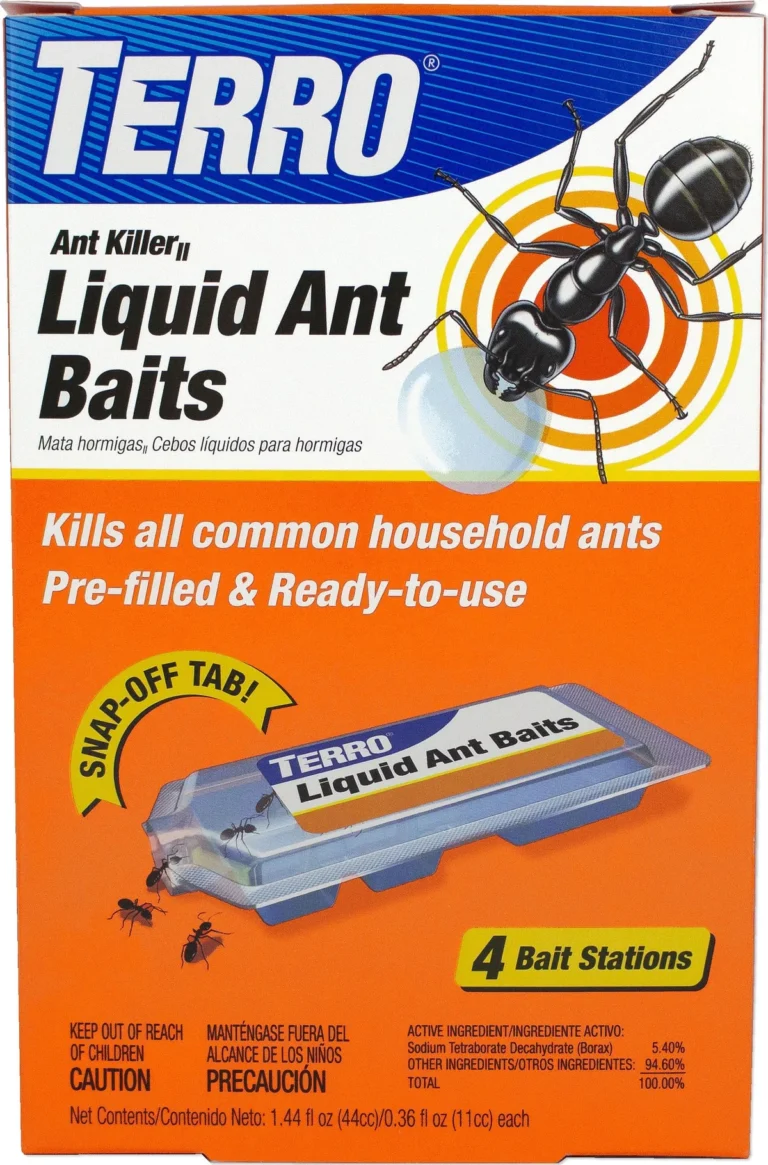
Most ant killers won't kill spiders. A colony bait is built for social insects. Spiders don't forage in groups or share food.
A labeled residual contact spray will kill both. The difference comes down to delivery mechanism and label claims, not the price on the shelf.
Manufacturer specs and EPA labeling rules as of 2026 make this distinction both legal and biological. A product only works on the pests listed under "Pests Controlled" on its label. Spiders aren't insects.
They're arachnids. That single fact changes which active ingredients and formulations actually take them down. Here's where your ant product hits and where it falls short.
The 5-Second Answer: Will That Ant Killer Actually Kill a Spider?
Most ant killers will not kill spiders. Colony baits target social insects. Spiders don't forage in lines or share food.
A residual contact spray labeled for arachnids will kill both. Check the "Pests Controlled" line before you spray.
Why Spiders and Ants Don't Die the Same Way
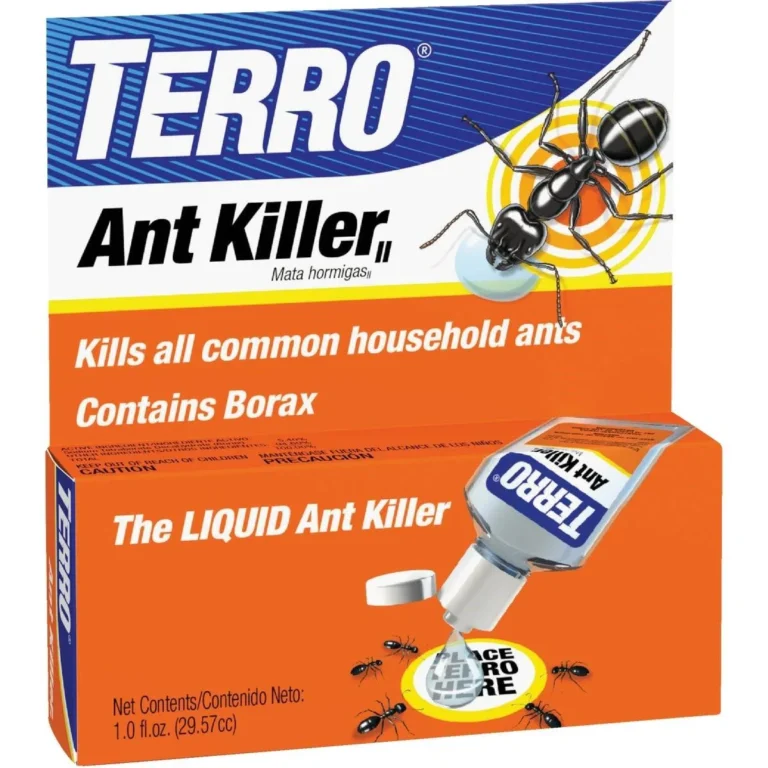
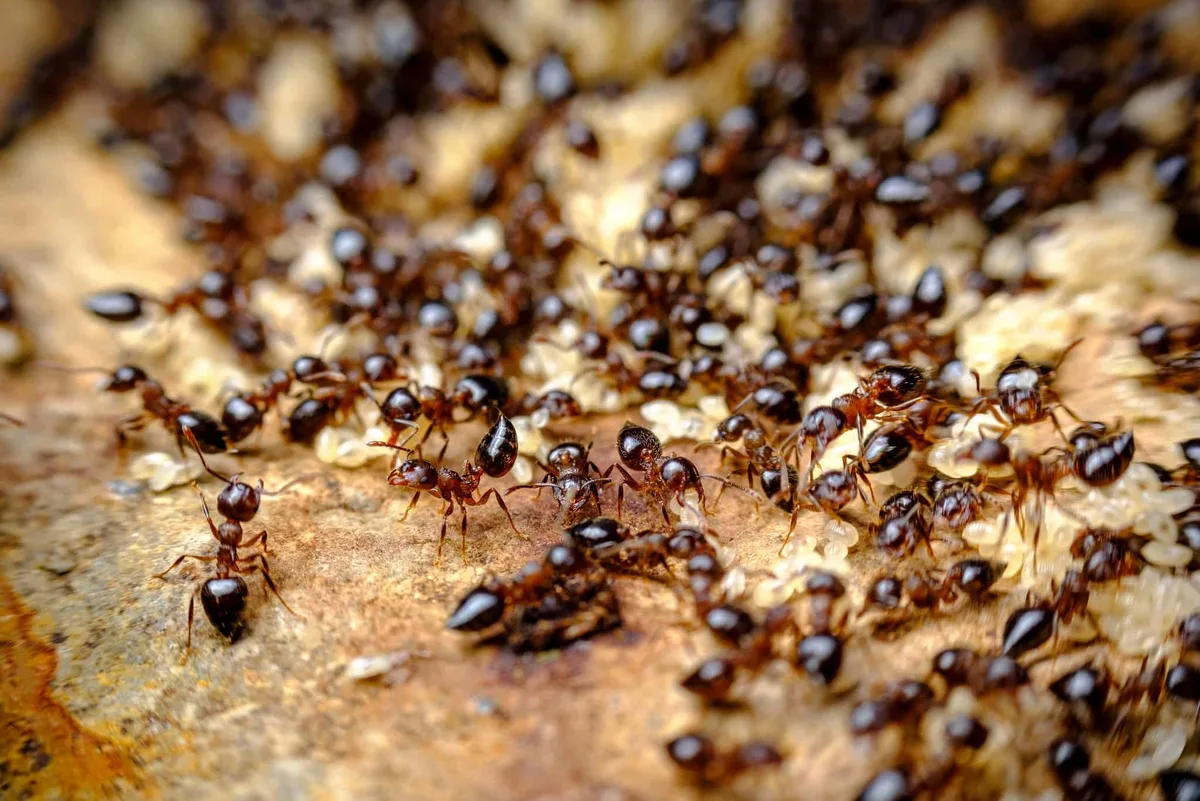
Ants are social insects. They live in colonies with a queen, workers, and a shared food cache. A poisoned pellet gets carried back to the brood chamber.
The whole colony eats it. That's trophallaxis, and it's why one bait station can take down a colony in 48 to 72 hours.
Spiders are solitary. There's no queen. There's no shared pantry.
A house spider or jumping spider hunts alone and won't drag a poisoned granule back to a nest full of siblings. The entire kill mechanism behind ant baits simply doesn't apply.
Then there's the nervous system. Insect neurotoxins like fipronil, indoxacarb, and neonicotinoids target receptor sites tuned to insect brains. Arachnids have two ventral nerve cord ganglia and a different acetylcholine receptor distribution.
Per EPA pesticide fact sheets, several common ant active ingredients don't bind effectively to arachnid neural targets at labeled doses. The spider walks over the residue and keeps walking.
So "will ant killer kill spiders" really means "does this formulation match the pest's biology?" It's a mismatch problem, not a strength problem.
The One Variable That Decides It: Formulation, Not Brand
You can hold a $4 can of brand A and a $12 bottle of brand B, both labeled "ant killer." One kills a spider on contact. The other won't. The deciding factor is never the logo on the front.
It's the formulation type and the label claims.
| Formulation type | How it kills | Works on spiders? |
|---|---|---|
| Gel or liquid bait | Ingestion, trophallaxis spread | No |
| Granular bait (foundation) | Ingestion by foraging workers | No |
| Residual contact spray (pyrethroid, etc.) | Direct contact with droplet | Yes, if labeled |
| Dust (boric acid, diatomaceous earth) | Abrasion / desiccation on contact | Yes |
| Aerosol "burst" spray (short-acting) | Knockdown, fast contact | Sometimes, no residual |
The rule is simple. If the kill mechanism requires the pest to eat the product, it won't work on a spider. If the kill mechanism is the spider touching a residue or crawling through a dust cloud, it will.
Brand is irrelevant. Formulation is everything.
If You're Holding a Bait (Gel, Liquid, or Granule)
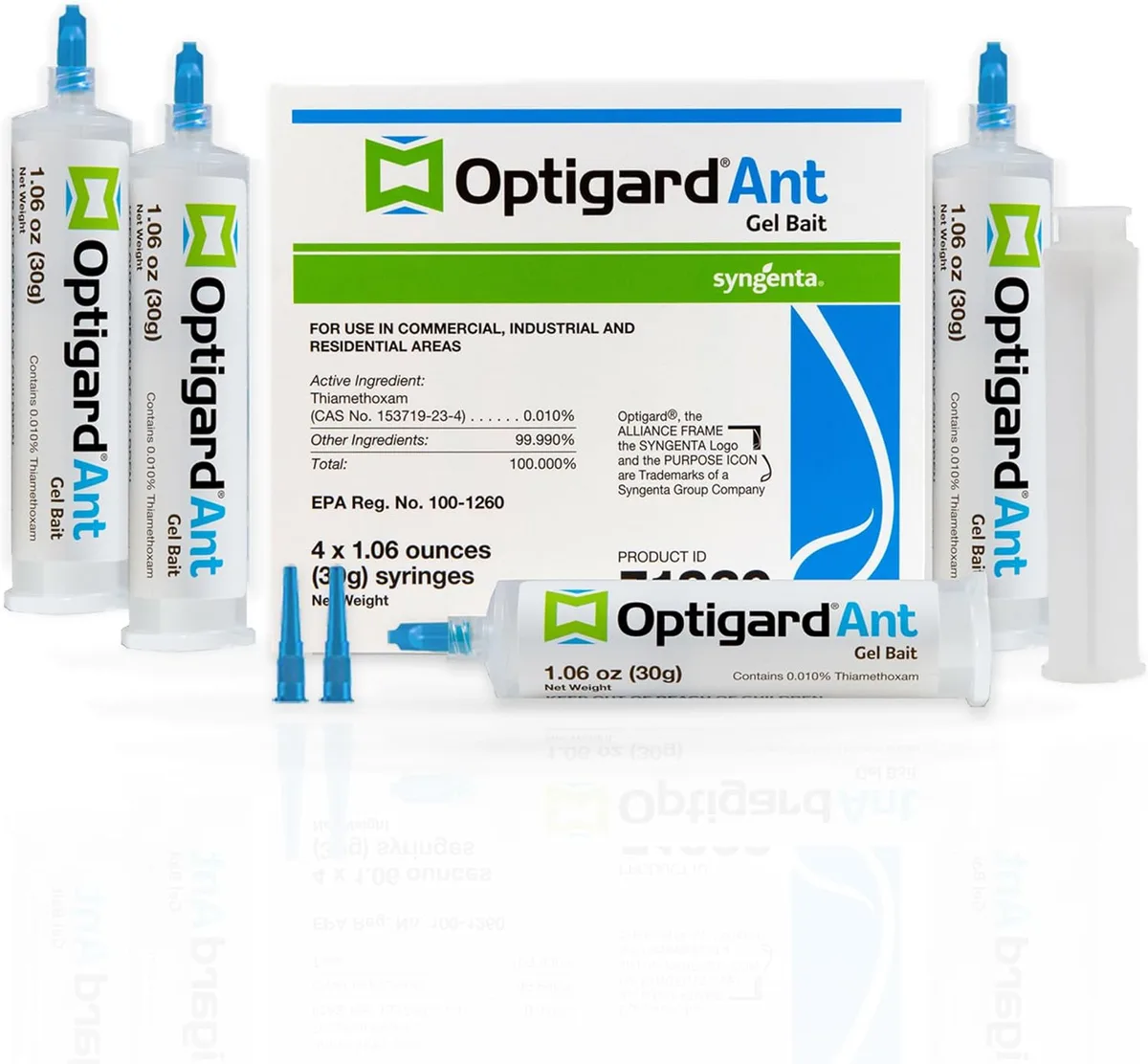
If your product is a syringe-style gel, a liquid dropper station, or granules scattered along the foundation, it's not a spider tool. Here's why the 72-hour wait never comes:
- The spider won't eat it. Ant baits rely on a worker picking up a pellet, walking it back to the colony, and letting the brood and queen consume it. A spider has no colony. It has no workers. It won't drag a gel bead into a corner.
- The active ingredient is tuned wrong. Fipronil and indoxacarb are highly effective on ants at gel-station doses. Arachnid LC50 values for those same ingredients are significantly higher. The spider walks over the gel, gets a light coating, and walks away unharmed.
- No secondary kill. In an ant colony, one worker eating the bait takes down hundreds of nestmates. A spider's case has no cascade. Even if it ingested the bait, only that one spider dies. The next one drops in from the window.
Put the bait back on the shelf for your ant problem. For the spider, reach for a residual contact product or clip the web and seal the entry point.
If You're Holding a Contact Spray (Aerosol, Trigger Bottle, or Barrier Treatment)
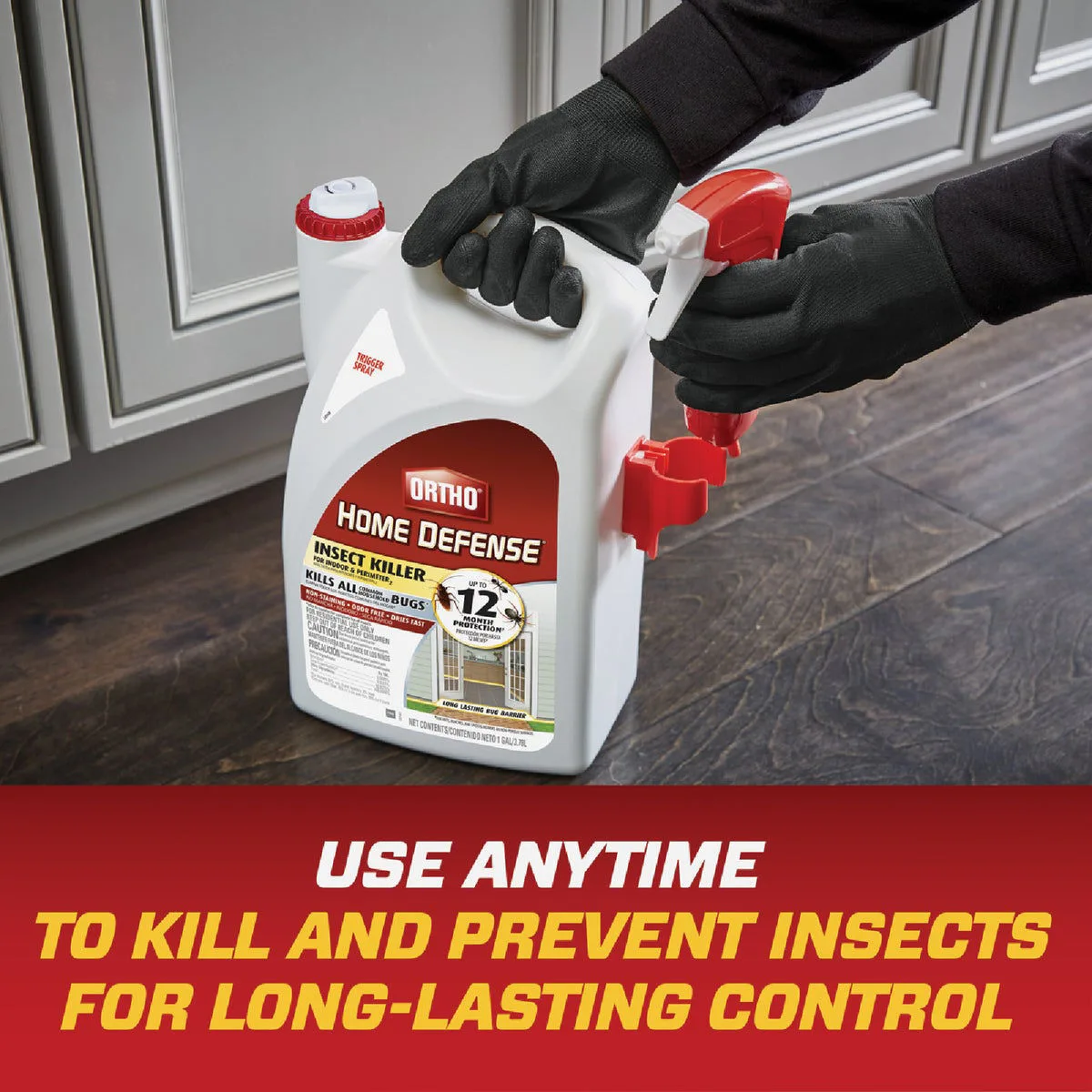
This is where it can actually work. A residual pyrethroid spray (cypermethrin, bifenthrin, or permethrin at labeled rates) applied as a thin film on baseboards, crack-and-crevice joints, and web sites will kill a spider on contact. The spider walks through the droplet.
No feeding behavior required.
Two conditions have to be met:
- The label must list spiders or arachnids. Flip the product over. Find the "Pests Controlled" section. If you only see "ants," "roaches," or "termites," it's off-label for spiders. Under FIFRA, using a pesticide for an unlisted pest is a violation, and EPA enforcement guidance treats it as such. You also lose manufacturer liability coverage.
- The residual has to still be there. Indoors, a properly applied pyrethroid residual lasts 60 to 90 days. After that, or after you've mopped the floor or rain hits an exterior barrier, the residue is gone. Re-apply on schedule.
If your can says "multi-pest" or "insecticide and acaricide" and lists spiders, you've got the right tool. Apply it directly on the web, the crack where the spider hides, and the surrounding baseboard. Kill time is typically 15 to 30 minutes on contact.
No waiting three days for a bait result that never comes.
Quick safety note: many pyrethroid sprays are highly toxic to cats. If you have a feline that sleeps near the baseboard you're treating, ventilate the room for at least two hours after spraying and keep the cat out until the surface is fully dry. Check the "Pets" section of your specific label for re-entry timing.
If You're Holding a Dust, Diatomaceous Earth, or Boric Acid Product
These work on spiders, but for a completely different reason than a neurotoxin spray. Diatomaceous earth (food-grade, not pool-grade) and boric acid dust kill by physical abrasion. The microscopic particles scrape the waxy exoskeleton.
The arachnid desiccates. No receptor binding involved. No colony sharing needed.
A spider that crawls through a dust line on a baseboard or into a crevice coated with DE dies within 24 to 48 hours.
The trade-off is speed and mess. You're not getting a 15-minute contact kill like a pyrethroid spray. You're setting up a slow-motion trap.
The dust also settles. Mopping, sweeping, or a damp cloth wipes it away. Reapplication is constant.
If you have pets or small children crawling on the floor, the risk spikes. Boric acid is low-toxicity to adults but causes vomiting, diarrhea, and hypothermia in a child who licks a dusted baseboard. Food-grade DE is non-toxic in small ingested amounts, but inhaled over time it irritates the lungs.
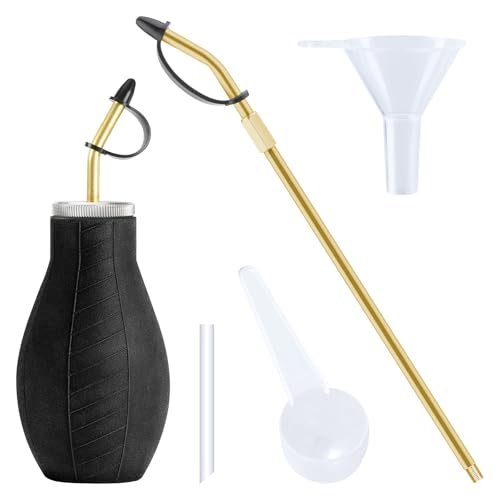
Apply it in thin lines along the underside of furniture, in crack-and-crevice joints, and behind appliances where paws and little hands don't reach.
What Actually Works on Spiders (and Will Take Out the Ants in the Same Pass)
The cleanest one-pass solution is a residual barrier spray labeled for both insects and arachnids. You spray the same baseboard, the same crack, the same door frame. Ants walking the trail get contact-killed.
The spider hanging in its web gets contact-killed. One application, two pests, one product.
Here's the if/then logic to keep it simple:
- If both ants and spiders are active in the same room: use a multi-pest residual spray. Apply along baseboards, under cabinets, and at web sites. Re-apply at 90 days.
- If only spiders are showing up (autumn surge, no ant activity): skip the bait stations. Clip the web, seal the gap, and spot-spray the entry point with a labeled product.
- If only ants are active (mid-summer): use the colony bait. Don't waste a residual spray on a problem a $6 gel station solves in two days.
- If you want zero chemicals: food-grade DE dust on web sites plus web clipping plus sealing entry points. Slower, messier, but pet-safe when applied correctly.
Glue boards and web clips aren't kill methods. They're monitoring tools. Set one near the corner where you keep seeing a spider.
If the board catches three or four individuals in a week, you've got a population, not a straggler. That changes your plan from a spot spray to a full perimeter barrier treatment.
How to Match the Right Tool in Four Steps
Step 1: Confirm it's actually a spider
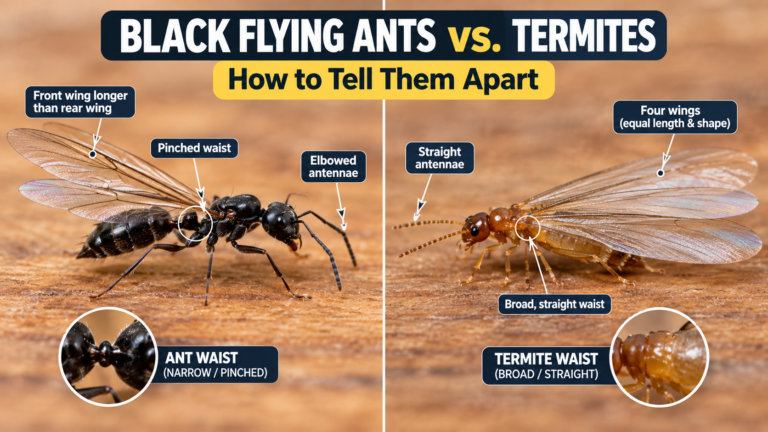
Count the legs. Eight legs, two body segments (cephalothorax and abdomen), no antennae. That's an arachnid.
Six legs, three body segments, narrow waist? That's an ant. You'd be surprised how often a "spider" is actually a small wasp or a flying ant.
Wrong ID means wrong product means three wasted days.
Step 2: Read the "Pests Controlled" line
Flip the can or packet. Find the regulated label. If it says "ants, roaches, spiders, and other crawling insects," you're clear.
If it only says "ants" or "termites," it's not your spider tool. This is a legal requirement under FIFRA, not a suggestion.
Step 3: Match formulation to feeding behavior
Colony social insect (ants, termites)? Bait. Solitary forager (spiders, most household beetles)?
Contact or residual spray. This single rule covers 90% of household pest scenarios.
Step 4: Apply, time, and re-treat
Baits: check in 48 to 72 hours. No visible decline? Move the station or switch ingredients.
Residual sprays: mark your calendar for the 90-day indoor re-application. Exterior barriers: 30 to 45 days after rain exposure. Log it.
You won't remember, and the spider will be back.
Mistakes That Waste Your Time (and the Can)
- Spraying a colony bait at a spider and waiting three days. It won't happen. The spider doesn't forage in a line. It doesn't share food. The bait just sits there, sticky and useless, while the next spider drops in from the window on Tuesday.
- Treating the web but not the entry point. You kill the spider in the corner. You don't seal the gap above the dryer vent. The next spider walks through the same hole in 48 hours. Exclusion is the layer no chemical replaces.
- Assuming "insecticide" on the label covers arachnids. It doesn't. Insect and arachnid are separate classes. A product labeled "insecticide" may or may not carry an acaricide claim. Read the full pest list.
- Skipping the re-spray after mopping or rain. The residual is gone. You're not treating a population. You're treating a single individual that happened to walk through yesterday's droplet. The next one has no residue to hit.
The most common frustration in verified buyer feedback isn't "the product didn't work." It's "the product worked, but the same spider came back a week later." That's a re-treatment gap, not a product failure.
Pet, Kids, and FIFRA: What You Can't Ignore Before You Spray
Using a product on a pest not listed on its label is an off-label use. Under FIFRA, the EPA considers that a violation. You void the manufacturer's liability coverage.
If the product causes a reaction or underperforms, you have no recourse. Check the label. Every time.
On the safety side, three things matter most in a household:
- Cats and pyrethroids. Cypermethrin, bifenthrin, and permethrin are acutely toxic to cats. A cat that licks a freshly sprayed baseboard can tremor, drool, and seize. Keep the cat out for the full re-entry period listed on the label, typically 2 to 4 hours for the surface to dry. Ventilate before the cat comes back in.
- Children and boric acid or DE dust. Boric acid ingestion causes GI distress. DE inhalation causes respiratory irritation. Apply dusts only in areas a crawling child won't reach, and wipe up any visible residue at knee height before the next play session.
- Food-contact surfaces. No pesticide goes on a countertop, cutting board, or inside a cabinet that holds food. The EPA label lists restricted surfaces. Follow them.
If you're in a region where black widows or brown recluses are established (parts of the southern and western US, select UK areas), a DIY spray is a stopgap, not a solution. A professional pest-control service can do a targeted barrier treatment and confirm the species. For those two spiders, the stakes are different.
Don't guess. Call in.
Seasonal Timing: Why Your Ant and Spider Problems Rarely Line Up
In temperate zones across the US and UK, ants hit their indoor peak in July and August. Spiders peak in October and November as they crawl inside for warmth. The two waves barely overlap.
That gap is why most people grab the ant product in summer and the spider product in fall without ever thinking the two share the same baseboard.
If you live in the southern US or the southern UK, that gap shrinks considerably. Year-round spider activity means your 90-day indoor residual re-treat schedule matters more than a seasonal product swap. Mark your calendar for exterior barrier refreshes every 30 to 45 days through the warm months.
Quick Decision Guide: Grab the Right Product Before You Start
Screenshot this table. Keep it in your phone for the next time you're staring at a can in the hardware store aisle.
| You're holding | Will it kill a spider? | What to do instead |
|---|---|---|
| Gel or liquid ant bait | No | Residual multi-pest spray or web clipping |
| Aerosol spray with "multi-pest" label | Yes, contact kill | Apply on web sites; re-spray at 90 days |
| Granular foundation bait | No | Barrier spray on the same cracks |
| Boric acid or DE dust | Yes, slow kill | Good for pet-safe areas; reapply after cleaning |
| Non-repellent spray, ants-only label | Unlikely | Swap for a product that lists spiders |
The middle column is the one that saves you a trip back to the store. If the answer is "No," put the bait away and grab the spray.
Frequently Asked Questions
Does ant spray kill spiders on contact?
Only if the label lists spiders or arachnids under "Pests Controlled." A standard ant-only aerosol may knock a spider down briefly, but without a residual arachnid claim the effect is unreliable. Read the full pest list before you pull the trigger.
How long does ant killer residue last on surfaces?
Most residual pyrethroid sprays hold 60 to 90 days indoors. Exterior barriers degrade in 30 to 45 days after rain or washing. Ant baits function until the colony is gone, typically within 48 to 72 hours of proper placement.
Re-apply residuals on schedule or the protection window closes.
Can I use one product for both ants and spiders?
Yes, if it is a residual multi-pest spray labeled for insects and arachnids. One pass on the baseboard handles both. Colony baits will not work on spiders.
Dust products like food-grade DE hit both but kill slower. Match the formulation to the feeding behavior, not the brand name.
Why did my ant bait not kill the spider in the kitchen?
Spiders don't forage in lines or share food with a colony. The bait's kill mechanism, trophallaxis, requires a social insect. A solitary spider walks past the gel station without touching it.
You need a contact or residual product for spider control.
Is it safe to spray near a spider web with a cat in the room?
Most pyrethroid-based sprays are acutely toxic to cats. Keep the cat out for the full re-entry period listed on the label, usually 2 to 4 hours. Ventilate the room before the cat re-enters.
For a pet-friendly home, a thin line of food-grade DE in a low-traffic crack beats an aerosol every time.