How to Is Terro Ant Killer Safe for Pets: Easy guide
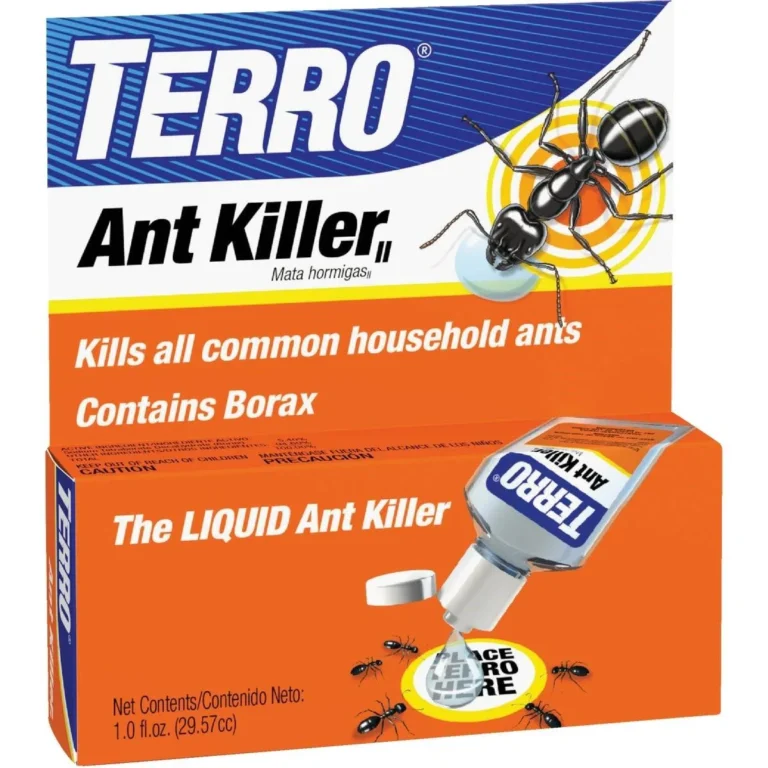
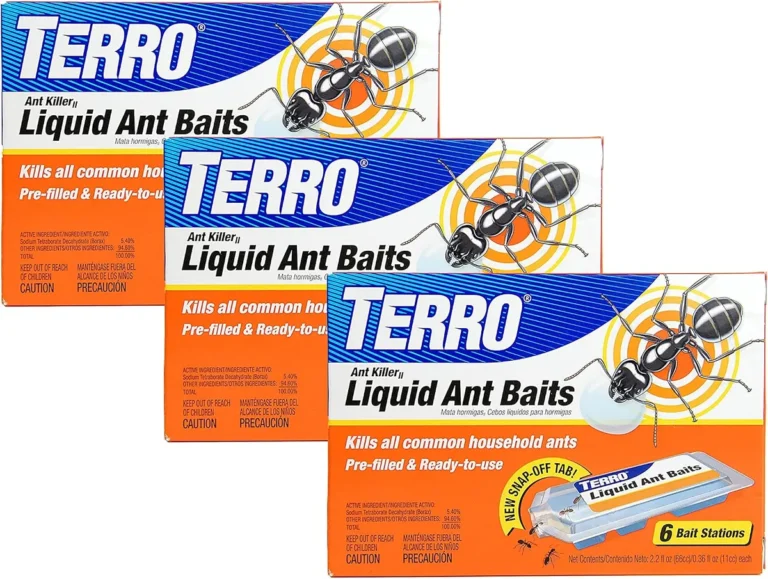
If you've got Terro Liquid Ant Killer running on your kitchen counter and a curious cat keeps sniffing at the little plastic station, you've probably typed "is terro ant killer safe for pets" into a browser at 2 a.m. The short version: the sealed station design keeps your pet out, and the active ingredient, sucrose octasuccinate, is dramatically less toxic to mammals than to insects.
Manufacturer specs and EPA registration data confirm the oral LD50 for rats sits above 25,000 mg/kg, which means the 15 mL of gel in one full station is well below any meaningful threshold for a cat or dog. Below, we break down exactly what's in that gel, why the plastic shell does most of the safety work, and the five specific scenarios where "safe" quietly stops applying.
The Short Answer: Yes, With One Critical Condition
Is terro ant killer safe for pets? Yes, when the station stays sealed and elevated. The gel contains sucrose octasuccinate, a slow-acting insect toxicant.
Mammal LD50 values exceed 25,000 mg/kg. The real risk is a knocked-over station, not the ingredient. Keep it off the floor and away from small animals.
What's Actually Inside a Terro Station: Sucrose Octasuccinate, 20.01 %
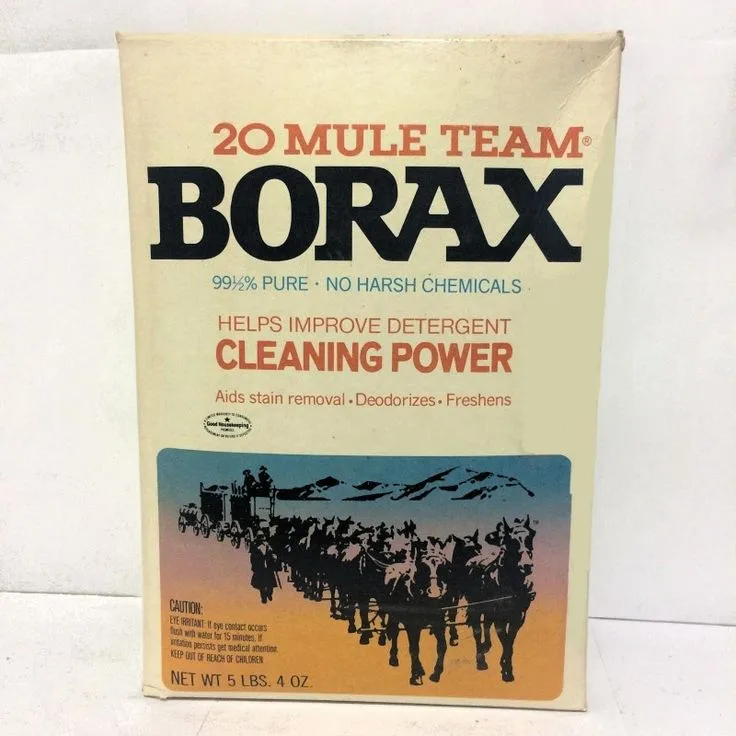
The full label for Terro Liquid Ant Killer (EPA-registered, FIFRA) lists one active ingredient: sucrose octasuccinate at 20.01 %. Everything else in the gel is inert: sugar syrup, water, a preservative (typically potassium sorbate), and a food-grade dye. No pyrethroid.
No organophosphate. No neonicotinoid. No boric acid.
That matters because most anxiety around "ant poison in the house" comes from products carrying those heavier toxicant classes. Sucrose octasuccinate works by disrupting the midgut lining of insects, causing fluid loss and death within 24 to 72 hours. Mammalian gut tissue doesn't break down the compound the same way, which is why it sits in a very low acute-toxicity band for cats, dogs, and humans.
Why the Sealed Plastic Station Is the Entire Safety Argument
Here's the thing most owners miss: the ingredient isn't the safety feature. The plastic shell is.
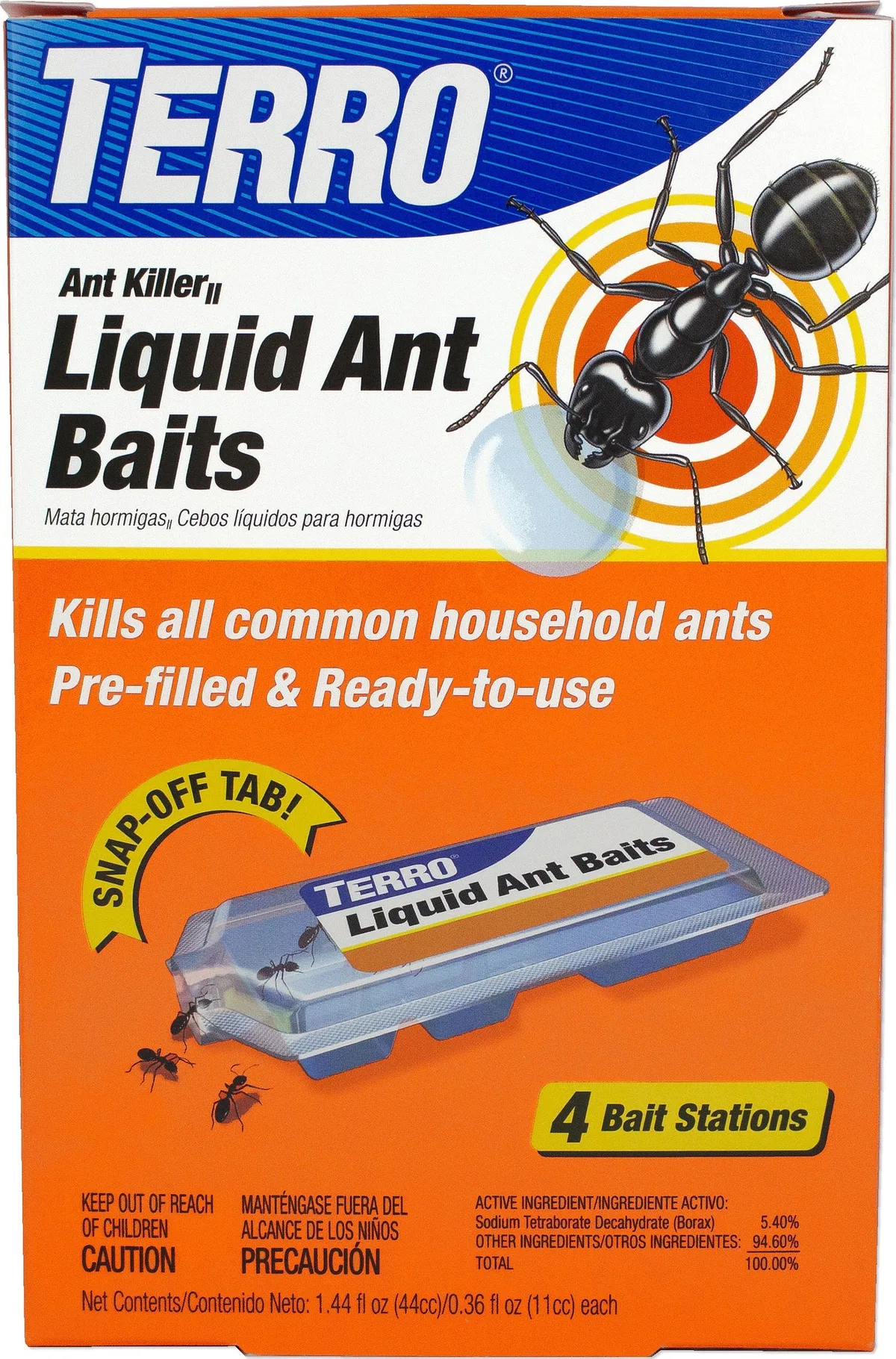
The Terro station is a small hinged plastic unit with a roughly 4 to 5 mm opening. An ant (about 50 mg body mass) slides in without issue. A kitten, a hamster, or even a small bird can't fit through that gap.
The gel stays inside the housing until a foraging worker carries it back to the colony.
Manufacturer design specs confirm the hinge opening targets arthropods under 5 mm. Any mammal over about 5 g body weight is physically excluded. That single engineering choice does more for household safety than the toxicology of sucrose octasuccinate itself.
As long as the station stays intact and upright, your pet simply can't reach the gel.
The Dose Math: What a 4 kg Cat or 10 kg Dog Would Realistically Ingest
Let's run the numbers. One full station holds about 15 mL of gel. At 20.01 % sucrose octasuccinate, that's roughly 3 grams (3,000 mg) of active ingredient total.
If a 4 kg cat somehow ingested the entire 15 mL, the dose works out to about 750 mg/kg of sucrose octasuccinate. The rat oral LD50 sits above 25,000 mg/kg. You'd need to exceed that by a factor of over 30 to approach the lethal threshold in a lab setting.
A 10 kg dog ingesting the same 15 mL lands at roughly 300 mg/kg, even further from concern.
For context, a foraging ant at 50 mg body mass hitting a tiny drop of that gel receives a dose lethal to its gut within days. The selectivity gap between a 50 mg insect and a 4 kg cat is enormous. That's the entire point of a slow-acting bait.
When "Safe" Stops Holding Up: Five Real Risk Scenarios
The sealed design is only as good as its placement and integrity. Here's where it breaks down.
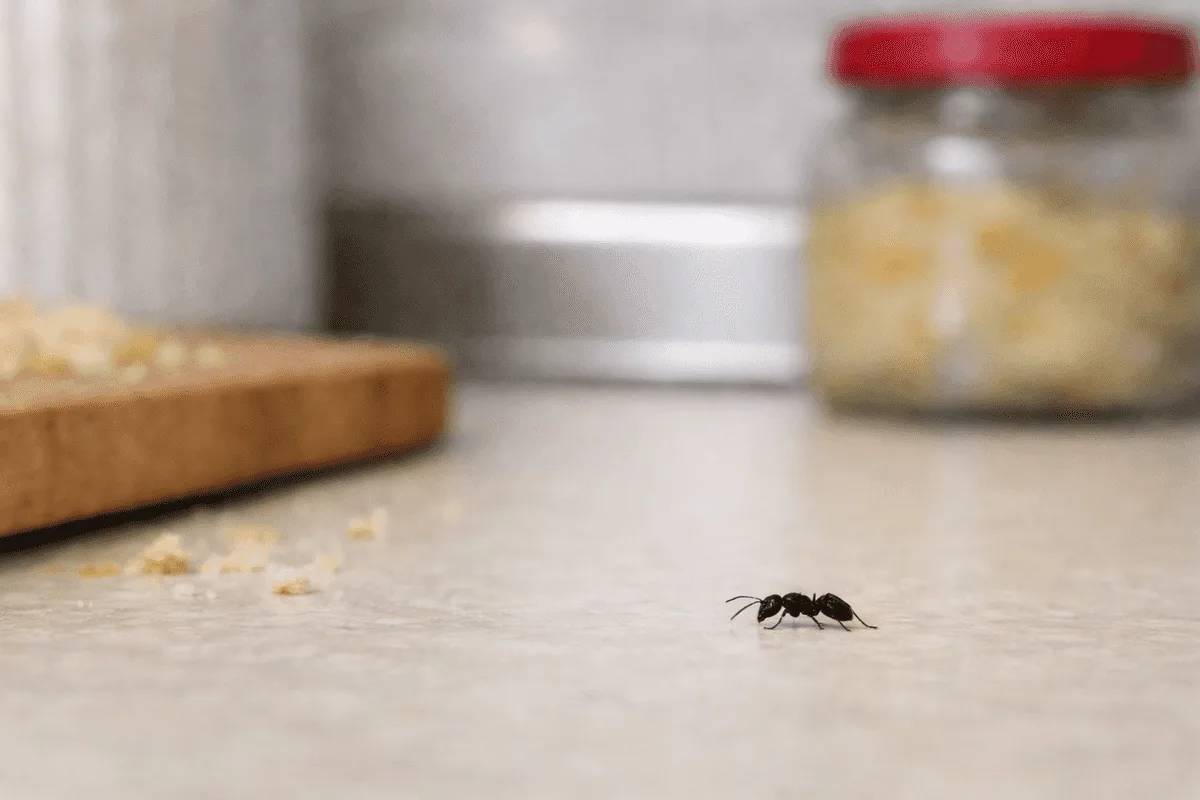
- Station knocked to the floor. A cat or puppy nudges it off the counter. The plastic cracks. The 15 mL of gel sits in an open puddle on the tile. Now there's no exclusion. A curious cat can lap up meaningful volume.
- Puppy or ferret chews through the housing. Small, sharp-toothed animals can snap the plastic in under a minute. The full gel load becomes accessible.
- Station placed at floor level. You skipped the "elevate it" instruction. A hamster or small bird walks right up to the opening. The 4 mm gap that's fine for a 50 mg ant is also fine for a 5 g finch.
- Multiple stations, cumulative handling. You've got six stations running. One gets bumped, gel smears on the counter. Your pet licks its paw after stepping in the smear. Small individual doses add up over days.
- Gel dries, station gets moved, re-opened. After 4 to 6 weeks the gel solidifies. You pop the lid to inspect it, set it on the counter, walk away. Your cat has free access to whatever moisture remains.
Each of these is a placement or maintenance failure, not a toxicology failure. The ingredient is still very low-risk. But the physical barrier is gone, and now dose becomes the variable.
How to Place Terro Stations Where Pets and Toddlers Can't Reach
Placement is the single biggest lever you control. Do it once, do it right, and the rest of the season runs on autopilot.
- Countertop height minimum 36 inches. Cats can't jump onto a clean, dry laminate counter with much grip. A high shelf or the top of a tall cabinet beats a kitchen counter for cat-heavy homes.
- Away from pet-traffic corridors. Don't line them up along the path from the food bowl to the litter box. Pick a spot near the ant trail, not near the cat trail.
- Anchor them. A strip of painter's tape under the station base stops a curious paw from sliding it off the edge.
- One station per trail, max three per home. You don't need six. Fewer units means fewer things a pet can bump.
- Label the spot. A small sticky note on the cabinet saying "ant station, don't move" stops a well-meaning roommate or cleaner from relocating it to a lower shelf.
What to Do in the Next 10 Minutes If Your Pet Ingests the Gel
If the worst happens and your cat or dog has gotten into exposed gel, here's the sequence. Don't panic. Don't induce vomiting at home unless a vet tells you to.
- Remove the pet from the source. Pick up the station, wipe the surface, and get the animal out of that room.
- Estimate the amount ingested. One station = 15 mL. A lick or two off a smeared counter is probably under 1 mL. Be specific when you call.
- Call the ASPCA Poison Control line at 888-426-4435 or the Pet Poison Helpline at 855-764-7661. Both are staffed 24/7. The ASPCA's published guidance on sucrose octasuccinate confirms that a single station's contents in a dog or cat is generally non-life-threatening but warrants a professional dose confirmation.
- Watch for 24 to 48 hours. You're looking for excessive drooling, vomiting, or lethargy. In practice, these symptoms are rare at household ingestion levels, but you monitor anyway.
- If you see dead ants on the floor, sweep them up. A cat or bird ingesting a few dead workers is not a meaningful secondary-poisoning risk, but it's one less variable.
Where Terro Falls on the Ant-Bait Risk Spectrum
Not all ant baits carry the same household risk. Here's how Terro's sucrose octasuccinate stacks up against the other common options:
| Factor | Terro (SOS 20 %) | Boric acid bait | Fipronil / imidacloprid bait |
|---|---|---|---|
| Mammal acute toxicity | Very low (LD50 > 25,000 mg/kg) | Moderate (GI irritant at small dose) | Moderate (CNS effect at high dose) |
| Physical exclusion as-placed | High (sealed station) | Variable (open tub or cap) | Variable |
| Airborne or residual exposure | None | Minimal (fine dust) | Minimal |
| Colony kill | Yes (7 to 14 days) | Yes | Yes |
| Best household fit | Pets + toddlers | General use | Heavy infestation, no small pets |
The key takeaway: if your home has a kitten, a hamster, or a toddler under three, the sealed sucrose octasuccinate station is the lowest-friction option. Boric acid works fine but needs more careful placement. Fipronil baits are effective but carry a lower mammal safety margin and are harder to justify in a multi-pet home.
"Pet-Safe" on the Label Is a Marketing Claim, Not a Regulation
You'll see phrases like "family-safe" or "pet-friendly" on ant product packaging. Here's the thing: the EPA does not certify any household insecticide as "pet-safe." That phrase is a marketing descriptor chosen by the brand.
What the EPA does require is a FIFRA registration, which includes acute and chronic risk assessments. Terro's signal word is "Caution," the lowest of the three tiers (Caution, Warning, Danger). That tells you the product met household-use risk thresholds for humans and mammals at labeled application rates.
It doesn't mean zero risk. It means the risk is quantified and low.
Always read the actual active ingredient and the LD50 on the EPA Pesticide Registration page rather than trusting a marketing adjective on the box.
Seasonal Rotation: When to Swap, Re-check, or Pull a Station
Terro stations don't run forever. The gel dries out within 4 to 6 weeks of opening. After that, ants lose interest and the unit becomes dead weight on your counter.
- Check weekly for ant activity around the station. No ants for 3 days in a row means the colony is collapsing.
- At 4 to 6 weeks, open the station. If the gel is dry or sticky-solid, pull it and replace with a fresh unit.
- In high-humidity climates (Florida, Gulf Coast), the gel dries faster. Expect to swap at the 3 to 4 week mark.
- Seasonal peaks hit in April through June and again in September and October. That's when you'll see fresh trails and need to re-station.
- Before a long vacation, pull active stations. No one's watching for a tipped unit for two weeks.
Three Misconceptions That Make Owners Either Overreact or Ignore a Real Hazard
"Any ant poison in the house is a ticking time bomb." Most household baits, including Terro, carry a mammal-toxicity profile orders of magnitude safer than a single ingestion of a human medication. The sealed station adds a physical layer on top. You don't need to clear the cat out of the kitchen for a week.
"If the label says Caution, it's basically harmless." Caution is the lowest tier, yes, but it still means the product has a registered toxicant. You don't leave it on a toddler's highchair tray. Respect the placement rules.
"My pet licked the counter and I need to rush to the ER." A single lick of smeared gel on a wiped-down counter is a trace dose. Call a poison line for peace of mind, but you're not watching for anaphylaxis. The actual emergency is a pet that's chewed through a station and gotten into the full 15 mL.
The Specific Questions Owners Keep Asking Me
Does Terro kill the whole colony or just the foragers?
It kills the colony. Workers carry sucrose octasuccinate back to the nest over 24 to 72 hours. The queen and brood die within 7 to 14 days.
You'll see the trail stop around day three, but the underground damage takes another week or two to finish.
Can I use Terro if I have a bird on a window feeder nearby?
The sealed station keeps birds out as long as it's intact. But if a station gets knocked off a sill, an exposed gel blob is accessible to a finch or canary. Place it on an interior counter, not an exterior ledge.
What about the Terro granular indoor version?
The granular format is an open-form product. No sealed station. You pour it into a small tub or cap.
The same sucrose octasuccinate ingredient, but the physical exclusion is gone. If a small pet has free floor access, the liquid station is the safer pick.
Is there a residue that settles on my cat's paws?
No. Terro liquid has no aerosol, no fogging, no surface film. The gel stays in the station.
There's nothing for a paw to walk through and carry to the mouth.
The Verdict: Who Should Run Terro Stations and Who Should Look Elsewhere
For the vast majority of pet-owning households, Terro Liquid Ant Killer is the right tool. The sealed station, the low mammal toxicity of sucrose octasuccinate, and the no-residue design give you colony-level ant control without a meaningful risk to a cat, dog, or small mammal that stays on the other side of that 4 mm gap.
The exceptions:
- You have a very small pet (finch, canary, mouse) with free floor access and no way to elevate the station. Look at exclusion (caulking, weather-stripping) first, or a professional targeted treatment.
- Your puppy or ferret is a confirmed plastic chomper. The station will fail. Switch to a product you can lock in a cabinet, or call a pest pro for crack-and-creep treatment.
- You've already got a knocked-over station and your pet has been licking the gel for hours. Call the ASPCA line now. Don't wait for symptoms.
As of 2026, the regulatory and toxicological picture for sucrose octasuccinate hasn't changed. The EPA registration stands. The LD50 data stands.
The station design stands. You're making a decision with a product that's been on the shelf for over a decade with a clean household-safety record. Place it well, watch it once a week, and let it do its job quietly in the corner of the kitchen where your cat can't jump.
Frequently Asked Questions
Will my cat get sick from just sniffing or touching a Terro station?
No. The gel is confined inside the plastic housing. Sniffing the 4 mm hinge gap exposes your cat to nothing.
Touching the outside of the station transfers no residue. Sucrose octasuccinate has no meaningful effect on mammalian tissue at the trace amounts a paw-to-mouth contact could carry.
What if my dog chewed through the station and got the full 15 mL?
A 25 kg dog ingesting 15 mL of Terro gel takes roughly 120 mg/kg of sucrose octasuccinate. The rat oral LD50 is above 25,000 mg/kg. That's over a 200-fold safety margin.
You won't see GI distress. Call the ASPCA line at 888-426-4435 to confirm dosing for your specific pet and watch for 24 hours. No ER visit is needed at that volume.
Can I put Terro stations under the kitchen cabinet where my cat likes to nap?
You can, but you shouldn't. That spot puts the station at floor level, which defeats the 36-inch elevation rule from the placement section. A cat stretching on the cabinet floor can bump the unit.
Pick a counter or high shelf above the pet's jumping height instead.
Is the granular Terro indoor version as safe for pets as the liquid?
The granular format has no sealed station. You pour it into an open tub or cap. A curious cat or hamster can walk right in.
Same sucrose octasuccinate ingredient, but the physical exclusion is gone. If your household has free-roaming small pets, the liquid station is the safer pick.
Do I need to wash my cat's paws after it walks near a station?
No. There is no surface residue, no aerosol, no powder. The gel stays in the plastic housing.
You're not dealing with a paw-to-mouth transfer risk the way you would with a granular product or a sprayed insecticide. Wipe the counter if the station gets bumped, and you're done.