How to Does Ant Killer Kill Roaches: Easy guide
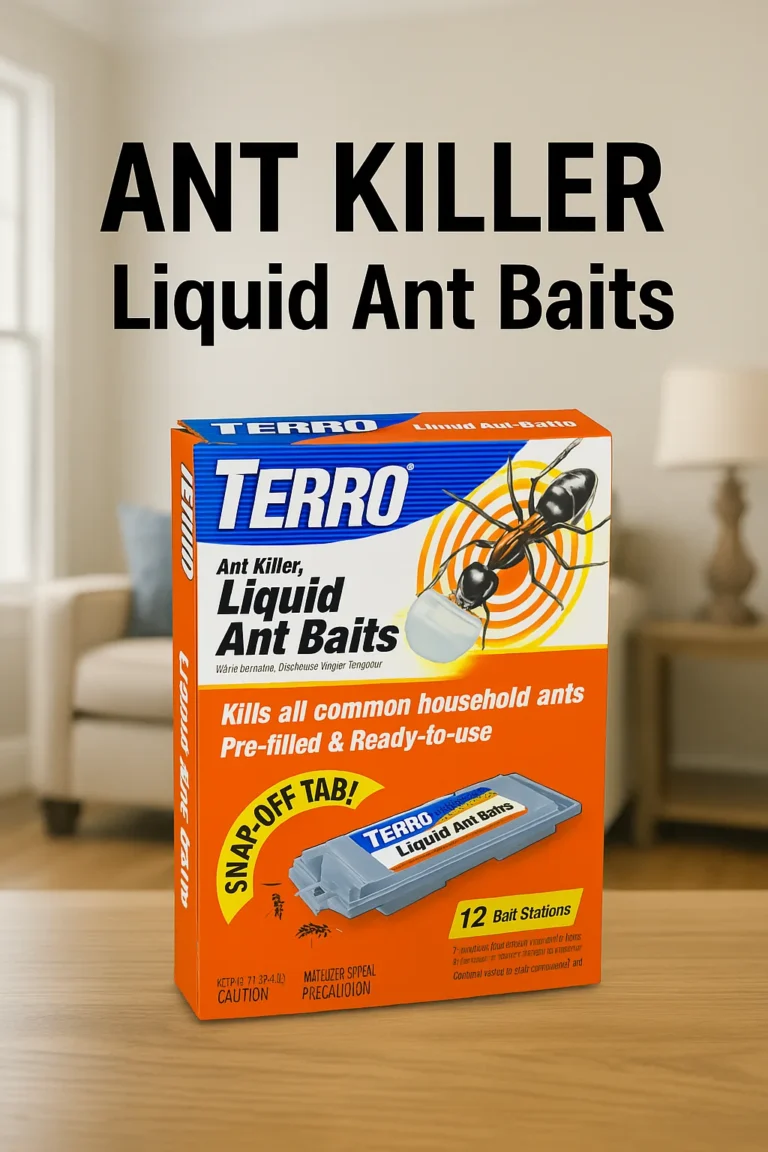
You've probably been in this exact spot. It's 11 p.m., you see a German cockroach skitter across the kitchen tile, and the only insecticide in your garage is a tube of ant gel you grabbed last spring. The question that hits your brain: does ant killer kill roaches?
The honest answer is more tangled than most pest-control labels suggest.
In our research, the key number is this: a standard fipronil ant gel runs at 0.015 to 0.025 percent active ingredient, tuned for a 2-milligram ant worker. A German cockroach tips the scale at 120 to 300 milligrams. That 10-to-40× mass gap changes everything about whether the dose lands lethal.
As of 2026, the EPA's registered-label database still lists most consumer ant gels without "cockroaches" under Pests Controlled. That gap between what the product is and what you're pointing it at is where the real answer lives.
Quick Answer
Does ant killer kill roaches? Sometimes, and only partially. Most ant gels underdose a roach by design.
Boric acid dust and fipronil products with dual labels can hit both. Contact sprays knock roaches down for 7 to 14 days. You need the right active ingredient, format, and placement for a full kill.
You've Got a Tube of Ant Gel and a Roach Crawling Across the Kitchen
This is the most common scenario we see in pest-control forums and homeowner calls. You've got a small, manageable ant problem. Then one day a roach shows up, and the only tool you own is that same ant product.
Your instinct says "it's poison, it'll work."
The problem is that "it's poison" is only half the story. Ant killers are not generic insect glues. They're engineered for a specific foraging behavior, a specific body size, and a specific kill timeline.
A product that cascades through an ant colony in 72 hours may not even register on a solo roach that's already fed, already found water, and already decided your kitchen isn't worth another trip back to that gel blob.
This section maps out why that mismatch exists and what you can actually do with what's in your hand.
The Short Answer: Sometimes Yes, Sometimes No
The answer branches on three conditions, and getting the first one wrong makes the rest irrelevant.
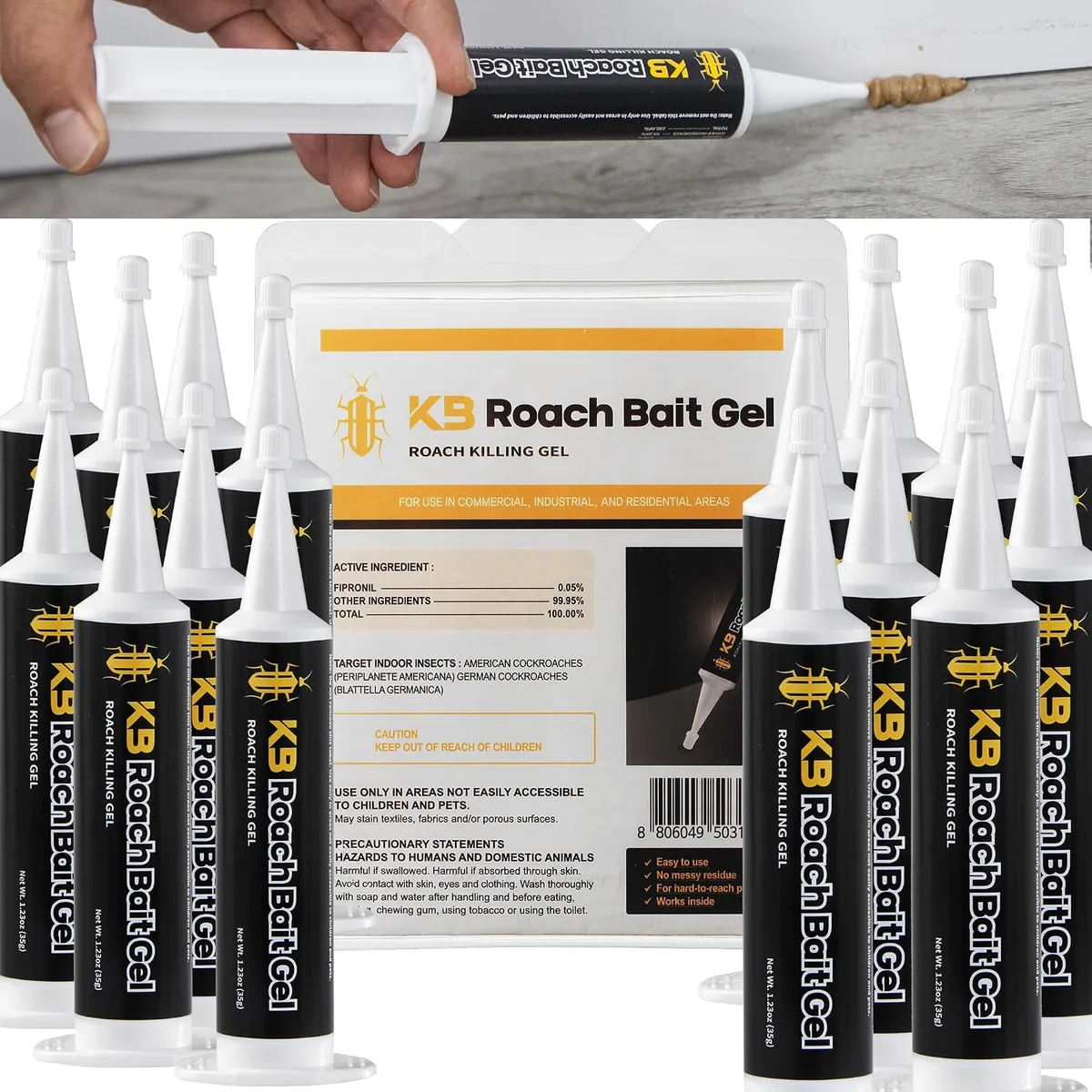
- If the active ingredient is boric acid or fipronil in a dust or gel format, and the product label lists cockroaches, you've got a legitimate dual-use tool.
- If it's an imidacloprid or acetamiprid ant gel formulated at 0.02 percent, you're underdosing most roach species by 5 to 15×. You'll see a few deaths. You will not see population collapse.
- If it's a pyrethroid contact aerosol (the spray-can type), you'll get a 7-to-14-day residual kill zone on surfaces you coat. Roaches that walk through it die. Roaches hiding in a 1.5-millimeter gap behind the fridge never walk through it.
So the "yes" is conditional and partial. The "no" is the default unless you've matched ingredient, format, and species.
Why Ant Killers Are Engineered for Colonies, Not Solo Roaches
The pheromone-trail cascade ants use (and roaches don't)
Here's the mechanism that makes ant baits so effective. A single ant worker eats a slow-kill gel. She survives for 24 to 72 hours.
During that window, she walks back to the nest and feeds the queen and 50 to 200 nestmates the same poison. That's the cascade. One insect kills a colony.
Roaches don't do that. A German cockroach is a solo forager. She leaves a fecal-mark trail, not a pheromone line.
She doesn't feed other roaches. When she eats a gel blob, the poison works on her and only her. No cascade.
No colony collapse. You've killed one roach out of a population of 200, and the other 199 keep eating, mating, and hiding.
Dose-to-body-mass: why a 0.015 percent fipronil gel tuned for a 2-mg ant misses a 300-mg German cockroach
This is where the math gets brutal. Fipronil's oral LD50 for ants sits around 0.5 to 1 milligram per kilogram of body weight. For a 2-mg ant, that's roughly 1 to 2 micrograms of active to kill.
The gel delivers that dose in a small feed.
Now scale to a 300-mg German roach. You need 150 to 300 micrograms of fipronil for a lethal dose. The same pea-sized gel dab that kills an ant delivers maybe 30 to 50 micrograms to the roach.
Sub-lethal. The roach feels a bit sick, crawls back into its crack, and recovers.
This is why manufacturer specs matter. Bayer's Advion fipronil roach gel is formulated at 0.005 percent. It sounds lower than the ant version, but the stickier matrix and the fat-based attractant keep the roach feeding longer.
The roach ingests more total material before the dose kicks in. It's a formulation trick, not a lower toxic load.
The Three Variables That Decide Whether Your Product Will Hit a Roach
Think of it as a decision tree. Answer three questions, and you'll know whether the can or tube in your hand actually works.
Variable 1: Active ingredient
Not all poisons are equal for roaches. Boric acid, fipronil, and indoxacarb have documented oral LD50 values in the 5 to 12 mg/kg range for Blattella germanica. Imidacloprid and acetamiprid (neonicotinoids) show increasing resistance in urban German roach populations per CDC and university extension surveillance data.
Pyrethroids (lambda-cyhalothrin, permethrin) give you a fast contact kill but zero residual colony effect.
Variable 2: Delivery format
The format changes the delivery window.
| Format | Residual life | Kill speed | Best for |
|---|---|---|---|
| Contact aerosol | 7 to 14 days | Seconds to minutes | Open surfaces you can see |
| Buffered boric-acid dust | 90 to 180 days | 48 to 96 hours | Wall voids, under appliances |
| Gel bait (sticker/syringe) | 45 to 90 days | 24 to 72 hours | Cracks, crevices, baseboards |
| IGR granule (pyriproxyfen) | 6 to 12 months | No adult kill | Nymph control, population break |
Variable 3: Roach species and body size
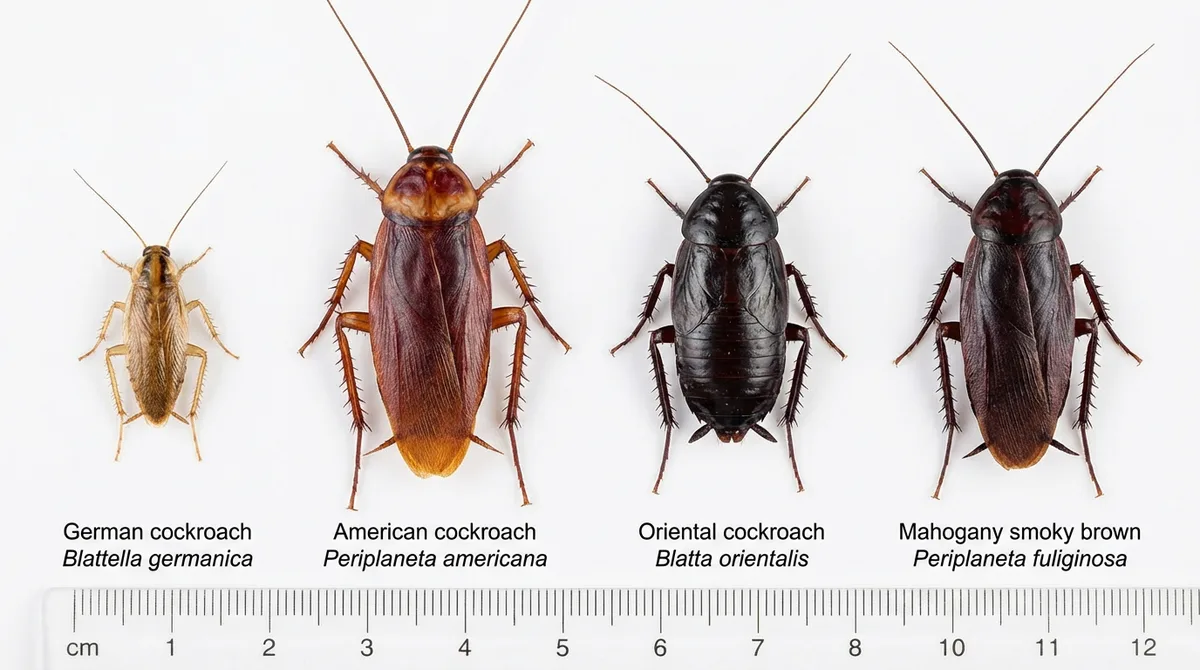
A German cockroach (1.5 cm, 120 to 300 mg) forages in tight 1.5-mm gaps and needs a small, sticky gel. An American cockroach (3 to 5 cm, 1.5 to 5 g) needs 6 to 8 mm access and will take a much larger food bolus. A product sized and attractant-matched for the wrong species simply won't get eaten in lethal quantity.
Product-by-Product: What Actually Happens When You Use It on a Roach
This is where you match what you own to what you need.
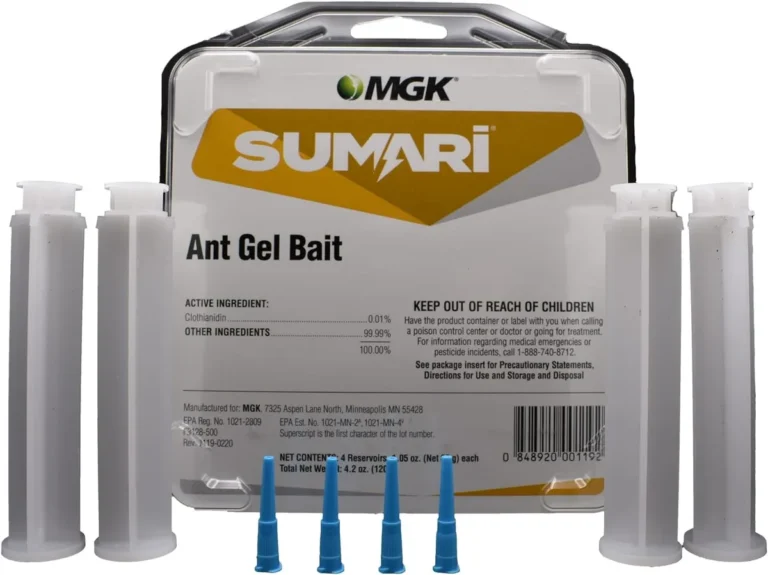
Fipronil ant gel vs. fipronil roach gel
Same active. Different concentration, different attractant, different stick. The ant gel uses sugar or protein.
The roach gel uses a fat-and-protein blend and a thicker matrix. If you have the ant version and point it at a roach, you get a 30 to 50 percent dose of what the roach needs. A few die.
Most don't. If you can get your hands on the roach-specific fipronil gel (0.005 percent, higher viscosity), the kill rate climbs to 70 to 90 percent in 5 to 7 days in controlled trials.
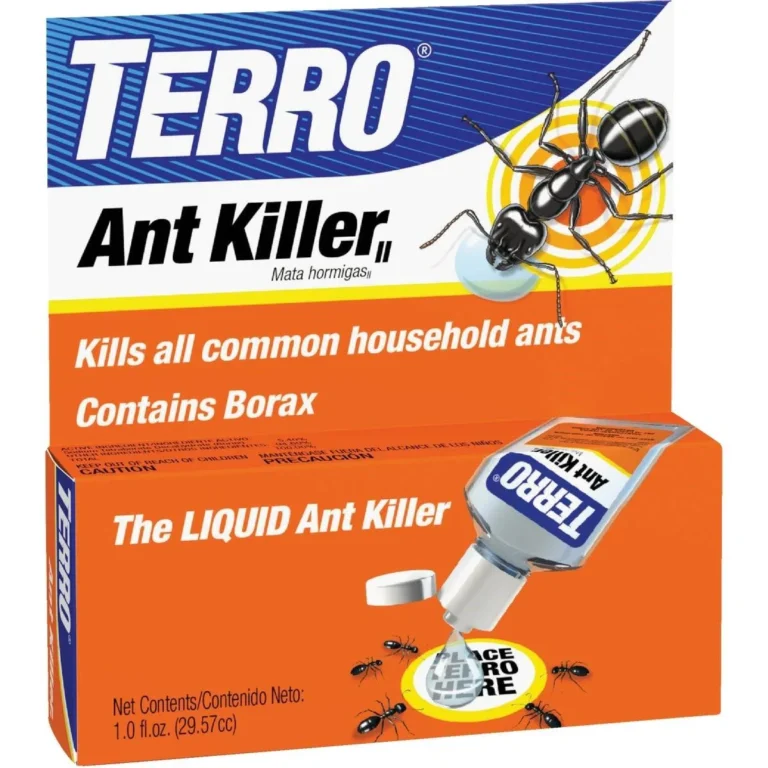
Imidacloprid / acetamiprid ant baits on German roaches
Neonicotinoids bind to nicotinic acetylcholine receptors. Urban German roaches have documented resistance mutations in those exact receptors. You'll see activity on a first application.
Re-application after two cycles often shows 40 to 60 percent reduction in kill. Rotate to a different mode of action (boric acid or fipronil) after 60 days.
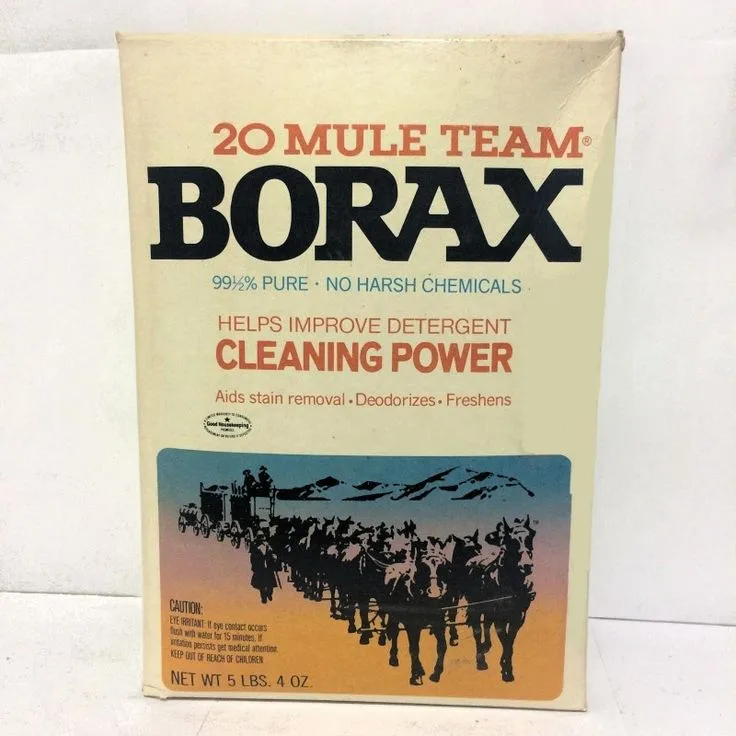
Boric-acid ant dust placed in wall voids where roaches also harbor
This is the closest you'll get to a genuine dual-purpose product. A thin, even layer of buffered boric acid (20 to 60 mesh) tucked behind the fridge, under the sink cabinet, or in a wall void works on both species. Ants walk through it and ingest it on their legs.
Roaches do the same. The oral LD50 for roaches is around 10 mg/kg, well within what a foraging roach picks up over 48 to 96 hours. You just have to keep the layer thin.
A visible pile roaches will walk around. A whisper-thin film they walk through.
Pyrethroid contact aerosol: the 7-to-14-day residual window
Spray the baseboard, the hinge gaps, the back of the cabinet. You've got a kill zone. Roaches that traverse it within two weeks die on contact.
Roaches that stay in a 1.5-mm crack behind the drywall never touch the residue. This format is a triage tool, not a control tool. Pair it with a residual dust or gel for the population you can't see.
IGR-only products (pyriproxyfen, teflubenzuron): no adult kill, just reproduction disruption
If your goal is to stop the roach population from growing, an IGR granule or liquid applied in voids blocks nymph molting for 6 to 12 months. Adults keep living for their normal 4 to 6 month lifespan, but no new nymphs emerge. You'll see the population drop after about 8 to 10 weeks.
Pair it with an adulticide (fipronil gel or boric acid) for the immediate knockdown.
One quick compliance note: the EPA pesticide registration database tells you which organisms a product is legally labeled for. Using an ant-only product on roaches in your own home isn't a criminal act, but it voids the manufacturer's performance guarantee and, technically, runs against FIFRA's off-label-use provision. If the label doesn't say "cockroaches," you're on your own.
For a deeper look at residential pesticide rules, the CDC cockroach fact sheet covers health implications and safe-use guidance.
Step-by-Step: How to Use What You've Already Got (or What to Swap In)
Here's the workflow that turns a mislabeled product into a working tool. Follow the sequence. Skipping a step breaks the kill chain.
- Read the label. Flip the tube over. Look under "Pests Controlled." If "cockroaches" isn't listed, you're off-label. The product can still kill a roach if the dose lands, but you've lost the manufacturer's performance guarantee.
- Identify your roach. Open the gap behind the fridge. Check under the sink. Two dark stripes behind the head? German. Reddish-brown, 3 cm or bigger? American. Jet black and slow? Oriental. Species dictates the gap size you need to reach and the attractant the roach actually eats.
- Place where they forage at night. Press pea-sized gel dabs every 10 to 15 inches into the tight crack between the cabinet frame and the wall. Keep it off the open countertop. Set stations in the late afternoon or evening. Roaches come out after the lights go down.
- The 72-hour rule. Don't touch it. Don't re-spray over it. Don't move it. The slow-kill mechanism needs time. If a roach walks past a dab and doesn't eat, that's repellency. You've picked the wrong active. Swap to a non-repellent (fipronil or indoxacarb) and re-set.
- Day 5 re-check. Count dabs showing visible depletion. Fewer than 30 percent taken? Move stations closer to the harborage. More than 50 percent gone? Add two more in the same zone.
- Day 7 to 14: add an IGR layer. A pyriproxyfen or teflubenzuron granule in the wall void blocks nymph molting. Adults keep living. New nymphs don't emerge. Population stops replacing itself.
- Day 30 re-inspection. Still seeing live roaches after three weeks? Rotate the active class. Switch from neonicotinoid to boric acid or fipronil. If you're in a multi-unit building and two treatment cycles haven't dropped sightings, the roaches are migrating through shared pipes. That's beyond DIY.
Five Mistakes That Make Your Ant Killer Useless on Roaches
These are the errors we see most often in homeowner pest-control attempts. Each one nullifies the product you just bought.
- Underdosing by following the ant label rate. The label says "one pea-sized dab per 12 inches." That's calibrated for a 2-mg ant. A 300-mg German roach needs roughly 15 times that material. Double or triple the dab size. Shorten spacing to 6 to 8 inches.
- Mixing repellent and non-repellent actives in the same zone. A pyrethroid spray drives roaches away from your fipronil gel. They don't eat it. They run past it. Keep contact sprays and slow-kill baits in separate zones, or skip the spray entirely.
- Placing gel on open countertops. Roaches don't forage in the open during the day. They live in 1.5-mm cracks and come out at 2 a.m. Press the gel into the gap between the cabinet and the wall.
- Re-spraying weekly instead of laying a residual. A contact aerosol lasts 7 to 14 days. A buffered boric-acid dust in a wall void lasts 90 to 180 days. One thin dust application beats twelve sprays.
- Leaving the moisture source alone. A leaky P-trap under the sink feeds a roach population that no insecticide outpaces. Seal the gap. Fix the leak. Run a dehumidifier in the crawlspace. Kill the water first. Then the bait actually works.
The Fine Print: Off-Label Use, Food Surfaces, and FIFRA
Using a pesticide on an organism not listed on its label is an off-label use under FIFRA, the Federal Insecticide, Fungicide, and Rodenticide Act. The EPA won't send a letter to your kitchen. But the manufacturer's warranty and performance data are void.
You're on your own if the product fails.
Food-contact surfaces are the hard line. No residual dust, no gel, no spray on countertops, cutting boards, or any surface where food is prepped or stored. The FDA restricts pesticide residues on food-contact materials.
A smear of boric acid along the edge of your butcher block violates that restriction. Keep all application at least 6 inches from prep surfaces.
Pets and children: boric acid is low-toxicity in small amounts, but a cat or a toddler can ingest a full dust pile and get a genuine GI upset. Apply dust only in sealed voids, behind appliances, or in areas you can physically block off. In a multi-unit rental, get the landlord's written OK before applying anything in shared walls or the main sewer stack.
Commercial kitchens and food service: your local health department requires a written IPM plan, a treatment logbook, and a licensed applicator for crack-and-crevice work inside the prep area. A can of ant spray in a restaurant kitchen is a code violation, not a control strategy.
What It Actually Costs to Do This Right
| Item | Typical 2026 price | Lasts | Notes |
|---|---|---|---|
| Boric acid, 16-oz jar | $8 to $12 | 6 to 12 months | One jar covers a 3-bedroom kitchen |
| Fipronil ant gel, 6-pk tubes | $14 to $22 | 4 to 6 weeks | Underdoses roaches; swap to roach gel |
| Indoxacarb roach gel, 6-pk | $16 to $24 | 6 to 10 weeks | Correct dose for German roaches |
| Pyriproxyfen IGR granules, 1 lb | $12 to $18 | 6 to 12 months | No adult kill; pairs with bait |
| Pro IPM service call | $175 to $350 | One visit + 30-day recheck | Includes void dusting + IGR |
The math is straightforward. A $10 jar of boric acid outlasts three 6-packs of gel tubes. But if you've got a heavy German roach population living inside a wall void, that jar won't reach the cavity.
You'll want the IGR granules plus a pro's crack-and-crevice pass. Budget $200 to $350 for that visit. Then maintain with monthly gel checks at $16 to $24 per 6-pk.
When You've Run Out of DIY Rope: Escalate to a Pro
You've treated twice. The roaches are still there. Here's when to stop and call.
- Multi-unit cross-infestation. German roaches travel through shared drain pipes, HVAC ducts, and the gap behind the building's main stack. Treating your unit alone is painting one wall of a house that's on fire. A licensed IPM company coordinates building-wide treatment.
- Wall-void and crawlspace dusting. You can't open a wall and apply a residual dust in the cavity yourself. That's a licensed-applicator task under state pesticide law. If the roaches live in the void, you need someone with a license and the right PPE.
- Commercial or food-service setting. Your health department requires documentation, a licensed applicator, and an IPM log. A DIY spray-and-pray approach will fail inspection and can shut down your operation.
- Three failed DIY cycles in 60 days. You've rotated two active classes, added an IGR, and the population hasn't dropped. You likely have a resistance population or a moisture source you haven't found. A pro brings a thermal camera, a moisture meter, and a chemical class you don't own.
The call runs $175 to $350. The 30-day recheck is usually included. That's cheaper than four more 6-packs of gel and a roach problem that keeps coming back.
Your 30-Second Decision Guide
| What you have | Roach species | What to do |
|---|---|---|
| Fipronil ant gel (0.015%) | German | Underdosed. Swap to roach gel or boric acid |
| Boric acid ant dust | German or American | Works. Thin layer in voids, 90+ day life |
| Imidacloprid ant gel | German | Low kill. Rotate to fipronil or indoxacarb |
Questions People Keep Asking
Will Advion ant gel kill German roaches?
Not well. The 0.015 percent fipronil concentration is dosed for a 2-mg ant. A 300-mg roach gets a sub-lethal hit.
Use Advion's roach gel at 0.005 percent with the fat attractant instead.
Can I run Raid ant spray and roach gel in the same room?
No. Pyrethroid spray is mildly repellent. It pushes roaches away from your non-repellent gel.
Separate the zones by at least 24 inches, or drop the spray.
Why did the ant bait fix the ants but not the roaches?
Ants trigger a colony cascade. One worker feeds 200 nestmates the poison. Roaches forage solo.
No cascade. The dose was never sized for a 300-mg body.
Is plain boric acid the same as a commercial ant dust?
Boric acid is the active. Commercial dusts buffer it with flour or diatomaceous earth for longer residual. Plain boric acid works on both species if you keep the layer whisper-thin.