Yes, ant traps can work on carpenter ants, but the bait must attract them, and the nest must be reached to control the colony.
In American homes, carpenter ants can show up in kitchens, bathrooms, basements, garages, and wooden decks. You might spot a few near a window or find them marching along a kitchen counter. An ant trap from a local hardware store may seem like an easy fix, but carpenter ants can be harder to control than common household ants.
The key is to understand what the trap contains and how carpenter ants feed. Carpenter ants eat insects and other protein-rich foods, as well as sweet substances. Their food choices can change over time, so a bait that attracts them today may not attract them tomorrow. The right bait can help workers carry a toxic food source back toward the colony, but poor placement or the wrong formula can leave the nest untouched.
Carpenter ants do not eat wood. They tunnel through it to create nests, often in damp or damaged wood. That means killing a few visible ants is not always enough. If a colony is nesting inside a wall, roof edge, porch, or window frame, you may need to find the nest, fix moisture problems, and use a more targeted treatment.
Source: thespruce.com
Do Ant Traps Work on Carpenter Ants?
Yes, ant traps can work on carpenter ants, but results depend on the bait, the colony, and where you place the station. A bait station contains food mixed with an insecticide. Worker ants feed on that mixture and may carry some of it back to the nest, where other ants can be exposed.
This process differs from simply catching an ant on a sticky surface. A sticky trap may help you monitor activity, but it usually does not remove a whole colony. Bait aims to affect more ants than the workers you see walking across the floor.
The biggest challenge is getting carpenter ants to eat the bait. If they prefer live insects or another food source, they may ignore a sweet liquid station. A station can sit untouched for days even when carpenter ants are active nearby.
Source: ucarecdn.com
When bait can help
Workers regularly visit the station, feed on the bait, and have a route that leads toward the colony.
When bait may fail
The formula does not match their food preference, the station is poorly placed, or the nest is difficult to reach.
When a trap is not enough
A large or hidden colony remains active inside structural wood, or ants keep returning after baiting.
Bait Stations Versus Sticky Traps
Bait stations and sticky traps serve different purposes. Bait stations offer food that may deliver insecticide to the colony. Sticky traps catch individual ants and can help you learn where and when they travel.
If your goal is colony control, a suitable bait is generally more useful than a sticky trap alone. If your goal is to confirm activity or monitor a route, a sticky trap may provide useful clues.
Bait station
Designed to attract feeding ants and expose them to an active ingredient.
Sticky trap
Designed to catch insects that cross its surface; it does not normally reach the nest.
Why Carpenter Ants May Ignore Ordinary Ant Traps
Carpenter ants do not always eat the same foods. Their diet can include other insects, honeydew from sap-feeding insects, and sweet foods. Their needs can shift with colony activity and the foods available nearby.
Many household ant baits are made to attract ants that seek sugar. That can work for some species and at some times, but it may not appeal to carpenter ants that are looking for protein or fat. A bait that attracts pavement ants or small kitchen ants may therefore fail against carpenter ants.
Food competition also matters. A bowl of pet food, a greasy spill, outdoor insects, or sweet residue may be more appealing than the bait. If ants have an easy alternative, they may pass the station without feeding.
Source: i.pinimg.com
Wrong food type
A sweet bait may not appeal to workers seeking protein or fat, while a protein-based bait may not be attractive when they prefer sweets.
Too many competing foods
Crumbs, pet food, sugary spills, and outdoor food sources can draw ants away from the bait.
Poor station placement
A bait station away from an active trail may never be found by the workers you need to reach.
Disturbed trails
Frequent spraying or cleaning directly over an active route can interrupt feeding and make it harder to tell whether the bait is attractive.
Sugar Bait or Protein Bait: Which Is Better?
Neither type is always best. Carpenter ants may prefer one food source at one time and another later. A sugar-based liquid can attract feeding workers, while a protein- or oil-based bait may suit workers seeking other nutrients.
Choose a product whose label permits use against carpenter ants or the relevant ants in your setting. Follow its directions rather than mixing your own pesticide bait. If workers repeatedly ignore one bait, reassess their food preference and consider another appropriately labeled formula.
Workers feed readily
Keep the suitable bait available according to the label and avoid disturbing the feeding trail.
Workers show no interest
Check placement, competing food, bait condition, and whether the product is labeled for carpenter ants before changing tactics.
How to Use Carpenter Ant Bait Effectively
The best approach is to identify the ants, find their routes, remove competing food, and place suitable bait where workers can reach it safely. Read the product label before setting out any bait station. A product sold for ordinary household ants is not automatically labeled or suitable for carpenter ants.
You do not need to place bait everywhere. Focus on observed activity, such as an established trail near a window, a baseboard, or an outdoor route beside the building. Keep stations away from children, pets, food surfaces, and places where they could be knocked over.
Give the bait time to work if ants are feeding and the label allows continued placement. Do not judge success from a single day’s count. Monitor activity, check whether workers are feeding, and follow the product’s instructions for replacement or disposal.
Source: antcontroltoronto.ca
Step 1: Confirm That the Ants Are Carpenter Ants
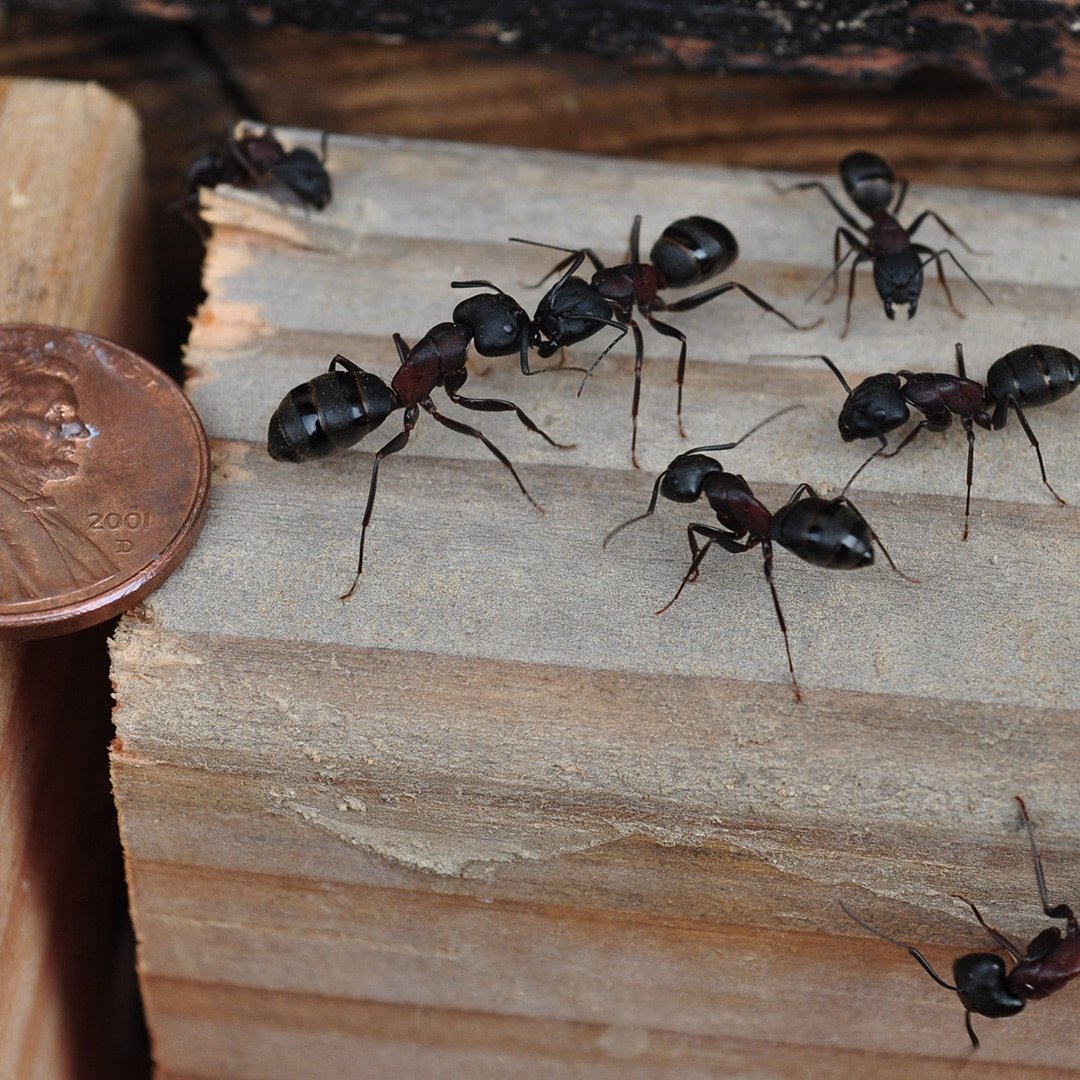
Carpenter ants are often larger than common household ants, though size varies by species and colony role. Many are black or a mix of black and reddish brown. A single size or color clue is not enough for certain identification.
Look for a smooth, evenly rounded upper surface of the thorax when viewed from the side and a narrow waist with one node. Other ant groups can look similar, so use several features rather than relying on size alone.
If you see winged ants indoors, repeated activity from a wall, or signs of wood damage, consider taking a clear photo for identification. Winged ants can be confused with termites, which require a different response.
Look for consistent trails
Watch where ants travel and whether they move toward a wall gap, window frame, pipe opening, or outdoor wood.
Check for wood shavings
Small piles of coarse material may contain wood fragments and insect debris pushed out of a nest. They are a warning sign, not proof by themselves.
Step 2: Locate the Main Ant Routes
Watch ant activity from a short distance rather than disturbing the trail. Carpenter ants often travel along edges, pipes, branches, trim, and gaps where surfaces meet. Activity may become easier to see in the evening or at night.
Check both indoors and outdoors. A colony may nest in damp wood outside and send workers indoors for food, or it may have a satellite nest within a wall or other wooden part of the home.
Inside
Inspect areas near sinks, plumbing leaks, window trim, roof leaks, crawl spaces, and basement edges.
Outside
Check damp deck boards, tree stumps, firewood, rotting branches, and wood that touches the soil or building.
Step 3: Choose a Suitable Bait
Use a ready-to-use product labeled for carpenter ants and the intended location. The label explains where it can be used, how much to apply, and what precautions are required.
If ants ignore the bait, do not assume the entire colony is resistant. They may not want that food source, or they may not be reaching the station. Check the route and available food before deciding what to change.
Check the active ingredient
Read the label to understand the pesticide and its permitted uses. Do not assume all bait stations contain the same active ingredient.
Check the target pest
Confirm that carpenter ants are listed or that the label otherwise clearly permits the intended use.
Step 4: Place Bait Near Active Trails
Place the station near a confirmed trail without blocking the ants’ path. Follow the label’s directions for distance, placement, and whether indoor or outdoor use is permitted.
Do not place bait directly on a food preparation surface or where children or pets can reach it. Never transfer bait into a food container, and do not use a product outdoors if its label restricts it to indoor use.
Keep the route accessible
Choose a spot near observed activity where ants can reach the bait without crossing a barrier or wet cleaning product.
Avoid mixing treatments
Do not spray insecticide over or beside bait unless the label directs you to do so. Repellent sprays can discourage ants from feeding.
Step 5: Monitor Feeding and Ant Activity
Check the station at the intervals stated on the label. Look for signs that ants are feeding, whether the bait remains usable, and whether activity along the original trail changes.
If the bait is being eaten but ants remain visible, continue to follow the label rather than adding extra pesticide. If the station remains untouched, reconsider the bait type and location or seek help identifying the ants.
Signs of progress
Feeding occurs, activity along the treated route declines over time, and new ant sightings become less frequent.
Signs the plan needs review
Workers consistently avoid the bait, fresh wood debris appears, or ants continue emerging from the same wall or structural gap.
How Long Do Ant Traps Take to Work on Carpenter Ants?
Carpenter ant bait does not usually produce an instant result. Workers need to find the station, accept the food, and carry or share it within the colony. The time needed depends on the bait formulation, the active ingredient, colony size, nest location, and how consistently ants feed.
Some changes in visible activity may appear within days, while meaningful control can take longer. There is no reliable universal countdown for every carpenter ant infestation. Use the product label as your main guide and judge progress by the pattern of activity rather than by one observation.
If ants remain active, first check whether they are feeding on the bait. A station that is not being used cannot deliver much pesticide to the colony. If feeding continues but activity does not decline as expected, the nest may be large, hidden, or outside the treatment area.
Source: helmetslab.com
Early stage
Workers may discover the bait and begin feeding. Seeing ants at the station does not mean the colony has already been controlled.
Monitoring stage
Track changes in trail activity and fresh sightings over the period specified by the product directions.
Reassessment stage
If the bait is ignored or activity persists, check the food source, placement, identification, and possibility of a hidden nest.
Why You Might See More Ants at First
A bait station can draw workers to a spot where you can see them more clearly. That can make activity look worse at first even when the ants are simply visiting the food source.
Do not treat an increase in visible ants as proof that the bait is failing. Look for sustained feeding and later changes in activity. If the product is attracting ants into an unsafe area, or children and pets could reach it, reassess placement promptly.
Ants gather at the station
This may indicate that the bait is attractive, but it does not confirm that the colony will be eliminated.
Ants spread into new rooms
Recheck their routes and possible nesting sites. Seek professional advice if activity is spreading or structural damage is suspected.
Where Carpenter Ants Nest and Why That Matters
Carpenter ants often nest in damp, decayed, or previously damaged wood, though some nests can occur in sound wood. They may use wall voids, roof edges, window frames, porch supports, tree stumps, or old logs. A colony can also have more than one nest connected by worker trails.
Finding ants in a kitchen does not mean the nest is inside the kitchen. Workers may enter to seek food and water while the main nest sits outside. On the other hand, repeated activity from a wall cavity or window frame may point to a nest inside the structure.
This distinction matters because bait stations only help where ants find and feed on them. If the colony remains hidden in a structural void, you may need a more targeted approach. A licensed pest professional can help locate the nest and select a treatment that suits the building and infestation.
Source: m.media-amazon.com
Signs of a Possible Carpenter Ant Nest
Look for a combination of clues rather than one isolated sign. Carpenter ants can push debris from nest openings, and damaged wood may sound hollow or show galleries beneath the surface. Moisture problems near these areas increase concern.
Coarse wood debris
Small piles of wood fragments, insect parts, or other debris near a gap may indicate a nearby nest.
Repeated indoor trails
Ants repeatedly emerging from the same trim, ceiling edge, wall gap, or window frame may signal a nearby nesting site.
Moisture damage
Soft, stained, rotting, or persistently damp wood can provide suitable nesting conditions.
Winged ants indoors
A group of winged ants indoors can indicate a mature colony nearby or within the building, though identification is needed.
Do Carpenter Ants Actually Eat Wood?
No. Carpenter ants excavate wood to build nesting galleries, but they do not use wood as food. They feed on other sources, including insects and sugary substances.
Their tunnels can still weaken wood over time, especially when a nest grows or several nesting areas are present. That is why pest control should include an assessment of damaged wood and the moisture conditions that may have helped the colony settle there.
Remove the cause
Repair leaks, improve drainage, and replace wood that has decayed beyond repair.
Do not rely on bait alone
Bait can help control ants, but it does not repair structural damage or remove the conditions that support nesting.
Carpenter Ant Bait, Sprays, and Professional Treatment Compared
The best control method depends on where the colony lives and how easy it is to reach. Bait may be useful when workers feed consistently and can carry it back to the nest. A spray may kill ants it directly contacts, but that does not mean it will eliminate a hidden colony.
Some sprays repel ants or disrupt their normal trails. Applying such products around bait can reduce feeding and make bait less effective. Other products are designed for different uses, so follow the label rather than assuming all sprays behave alike.
Professional treatment is worth considering when the nest may be inside structural wood, the infestation keeps returning, or the building shows signs of damage. A professional can inspect likely nesting areas and decide whether bait, a targeted treatment, nest removal, or a combination is appropriate.
Source: florida-environmental.com
Bait stations
Best suited to situations where the correct bait attracts workers and the colony can be reached through feeding.
Contact sprays
Can kill exposed ants, but may leave the colony unaffected if the nest is hidden.
Dusts or void treatments
May be suitable for certain nest locations when the product label permits the use. Application inside walls can pose risks if done incorrectly.
Professional pest control
Useful for persistent infestations, suspected structural nests, difficult identification, and cases involving possible wood damage.
Should You Spray Carpenter Ants Before Using Bait?
Usually, avoid spraying over an active bait route unless the product label specifically directs that combination. A repellent treatment can drive workers away from the station and interrupt feeding.
If you have already sprayed, follow the label for any restrictions on using bait in the same area. Do not layer products simply to make the treatment stronger. More pesticide does not automatically mean better control.
Read both labels
Check permitted locations, application directions, and any restrictions on combining products.
Keep treatment targeted
Avoid broad or repeated applications when you have not identified the route or nest.
Common Mistakes That Make Carpenter Ant Traps Less Effective
A failed bait attempt does not always mean that bait cannot work. Small errors in placement, food access, or product choice can keep ants from feeding. Review the setup before buying more products or applying additional pesticide.
Source: pestprotectionplus.com
Using a bait made for a different ant problem
Not every ant bait attracts carpenter ants. Confirm the intended pest and consider the workers’ current food preference.
Putting bait far from ant activity
Stations work only when workers can find them. Place bait near an observed route, following the label.
Cleaning away every trail immediately
Wiping the route before you understand it can make it harder to track ant movement. Clean food spills and unsafe areas, but first observe a trail when practical.
Spraying the bait station
Some sprays can repel ants or contaminate the bait. Do not combine treatments unless their labels permit it.
Leaving competing food out
Pet food, crumbs, sweet spills, and open trash can draw workers away from bait. Store food securely and clean up promptly.
Stopping as soon as the ants disappear
A quiet trail does not prove that the colony is gone. Continue monitoring according to the product directions.
Ignoring damp wood
If moisture-damaged wood remains, it may continue to offer a suitable nesting site. Repair the underlying problem as part of control.
What If Carpenter Ants Keep Coming Back?
Repeated sightings can mean that the original colony was not eliminated, a satellite nest remains, or new workers are entering from an outdoor nest. It can also mean that the ants were misidentified or the bait was not suitable.
Return to the evidence. Note where ants appear, whether they feed on the bait, and whether you see debris or moisture damage. If activity continues despite correct label use, a professional inspection may be more useful than repeating the same treatment.
Check entry points
Inspect gaps around pipes, window frames, siding, and doors. Seal suitable gaps once you understand the route and have considered whether ants may be nesting inside.
Inspect water sources
Repair leaks and address poor drainage, condensation, or damaged roof areas.
Escalate persistent activity
Arrange a professional inspection if ants keep emerging from a structural opening or fresh debris continues to appear.
Carpenter Ant Bait Safety Around Children and Pets
Ant bait contains an active ingredient that can be harmful if it is swallowed, mishandled, or used in a way the label does not allow. The risk depends on the ingredient, concentration, amount, and route of exposure. A closed bait station may reduce direct contact, but it does not make the product risk-free.
Use only products labeled for the intended location and pest. Keep stations out of reach of children and pets, and do not put them beside pet bowls, toys, food preparation areas, or surfaces where food is served. Store unused bait in its original container and follow all label instructions.
Do not use outdoor products indoors or indoor-only products outside. Avoid homemade mixtures that combine pesticides with food, and never transfer bait to an unmarked container. If a child or pet chews a station or may have swallowed bait, contact the appropriate poison or veterinary service promptly and keep the product label available.
Source: cdn.shopify.com
Read the label first
Check approved sites, protective measures, storage rules, and directions for disposal.
Prevent access
Use the placement method and protective station design specified by the manufacturer, and keep the product beyond reach.
Avoid excess treatment
Never use more bait than directed or mix it with other chemicals.
Respond to exposure quickly
For a suspected poisoning, follow the product label’s emergency directions and contact Poison Control in the United States at 1-800-222-1222. For pet exposure, contact a veterinarian or an animal poison service.
Can You Use Carpenter Ant Traps in a Kitchen?
You may be able to use a bait station in a kitchen if its label allows indoor use and the placement meets all safety directions. Keep it away from food, utensils, food-contact surfaces, and places where children or pets can reach it.
Clean food residue and store pantry goods in sealed containers. Do not put bait directly on a counter used for meal preparation. If you cannot place a station safely near the trail, choose a different label-approved location or seek professional guidance.
Safe placement
Use a permitted site where the station is stable and inaccessible to children and pets.
Food hygiene
Keep bait separate from food and clean spills with care to avoid spreading pesticide residue.
How to Prevent Carpenter Ants From Returning
Long-term prevention means making your home less inviting to carpenter ants and removing easy ways inside. Bait may reduce a colony, but it will not fix a leaking pipe, rotting deck board, or branch that touches the roof.
Start with moisture. Repair plumbing leaks, roof leaks, and damaged gutters. Keep crawl spaces and other suitable areas dry and ventilated, and replace wood that has decayed beyond repair.
Next, reduce access to food and nesting sites. Store food in sealed containers, clean crumbs and spills, manage trash, and keep firewood away from the house. Trim branches that touch the building, and inspect outdoor wood for signs of decay.
Source: extermpro.com
Control moisture
Fix leaks, direct water away from the foundation, and address damp wood or poor drainage.
Reduce wood-to-building contact
Keep firewood, fallen branches, and decaying wood away from exterior walls where practical.
Seal appropriate gaps
Close suitable entry gaps around pipes, windows, and doors after checking for hidden nesting activity.
Maintain outdoor areas
Trim touching branches and inspect decks, fences, stumps, and trim for decay.
Monitor known trouble spots
Check previous trails and damp areas from time to time, especially after repairs or periods of heavy rain.
Does Removing a Nest Solve the Problem?
Finding and removing a nest can be an effective part of control when the nest is accessible and the treatment is appropriate. However, a colony may have more than one nesting site, so removing one area does not always end all activity.
After treatment or nest removal, continue to monitor the building. Repair the wood and moisture conditions that supported the nest, and seek another inspection if ants continue to appear.
Confirm the result
Look for ongoing trails, new debris, and repeated emergence from the same opening.
Repair the structure
Address damaged wood and water entry rather than relying on pesticide alone.
When to Call a Carpenter Ant Control Professional
Call a licensed pest control professional if you suspect a nest inside a wall, ceiling, roof edge, or other structural area. Professional help is also sensible when ants return after properly used bait, when activity occurs in several rooms, or when you find repeated piles of wood debris.
A qualified professional can inspect likely nest sites, distinguish carpenter ants from other pests, and choose a method that suits the location. If wood appears weakened or has suffered significant decay, a qualified building or repair professional may also need to assess it.
Ask what the inspection found, where the nest is thought to be, what treatment will be used, and what steps you should take before and after treatment. A useful plan should address both the ants and the conditions that allowed them to nest.
Source: thespruce.com
Persistent activity
Ants remain visible after a reasonable period of correctly applied baiting or repeatedly return.
Possible structural damage
You find fresh debris, hollow-sounding wood, or signs of moisture damage around an active trail.
Hard-to-reach nests
Activity appears to come from wall cavities, ceilings, roof structures, or other inaccessible spaces.
Uncertain identification
You cannot tell whether the insects are carpenter ants, termites, or another species that needs a different treatment.
What Information Should You Give the Technician?
A few clear observations can make an inspection more useful. Note where and when ants appear, whether they feed on bait, and whether you have seen wings, wood debris, or damp areas.
Location
List the rooms, walls, windows, outdoor structures, and other places where ants have appeared.
Treatment history
Name any bait or spray products used and explain where and when you applied them.
Building conditions
Mention leaks, roof problems, decaying wood, and recent repairs.
A Simple Decision Guide for Carpenter Ant Problems
The best next step depends on what you observe. Use the following guide to separate a small baiting problem from a possible hidden nest. These are practical starting points, not a substitute for a product label or a professional inspection.
Source: i.pinimg.com
You see a few ants and they feed on bait
Use a suitable labeled bait station near the active trail, keep competing food under control, and monitor activity as directed.
You see ants but they ignore the bait
Check the species, food preference, station location, bait condition, and competing food sources before changing products.
You see ants emerging from a wall or ceiling
Investigate the likely route and consider a professional inspection, especially if the activity is repeated.
You find wood debris or damaged wood
Treat the signs as a reason to inspect the nearby wood and moisture conditions. Seek professional help if a structural nest is possible.
The ants disappear and then return
Check for a surviving nest, another colony, or an outdoor route into the building. Do not assume that repeating the same bait will solve the cause.
A Quick Comparison of Common Options
This table summarizes what each approach can do and where its limits matter most.
Bait station
Purpose: expose feeding ants to an insecticide that may reach other colony members. Main limit: workers must accept and consume the bait.
Sticky trap
Purpose: catch individual ants and help monitor activity. Main limit: it does not normally control a hidden colony.
Contact spray
Purpose: kill exposed ants when used as labeled. Main limit: ants in a hidden nest may survive, and some sprays interfere with baiting.
Nest-focused professional treatment
Purpose: target the colony based on inspection. Main limit: results depend on correct identification, access, treatment choice, and follow-up.
Frequently Asked Questions
Q
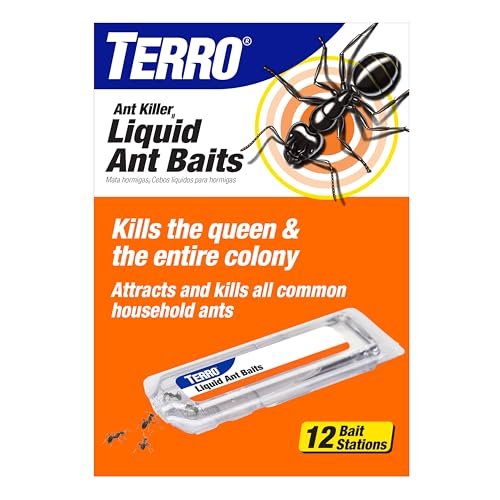
Do Terro ant traps work on carpenter ants?
A Terro bait may attract some carpenter ants, but success depends on the specific product, its label, and the workers’ current food preference. Many familiar liquid ant baits use sweet food to attract feeding ants, and carpenter ants do not always prefer sweets.
Check the label for the intended pest and location. If carpenter ants ignore the bait, do not keep adding more; reassess the route and food preference or seek professional advice.
Q
Will carpenter ants take bait back to their nest?
They may. Worker carpenter ants can carry food back to a nest and share food with other colony members. A suitable toxic bait can use this behavior to expose ants beyond those that visit the station.
However, not every bait is shared in a way that controls the colony. The result depends on bait acceptance, its active ingredient, feeding behavior, and access to the nest.
Q
Why are carpenter ants still alive after I put out traps?
The ants may not be eating the bait, the station may be away from their trail, or competing food may be more attractive. Another possibility is that the colony is large or has a nest in a hidden area.
Check for feeding, follow the label, and monitor activity. If ants continue to emerge from a wall or fresh wood debris appears, arrange a professional inspection rather than relying on repeated baiting alone.
Q
Do ant traps kill the entire carpenter ant colony?
A suitable bait can help control a colony, but a bait station does not guarantee complete elimination. Workers must feed on the bait, and the treatment must reach enough of the colony to have an effect.
A colony may also have satellite nests or another nearby colony. Confirm control through ongoing monitoring and investigate continued activity.
Q
Are carpenter ant traps safe for dogs and cats?
Safety depends on the product, active ingredient, exposure, and how the station is placed. Some stations help limit direct contact, but pets can chew or move them, so they must remain inaccessible.
Follow the label and keep bait away from pet bowls, toys, and sleeping areas. If a pet may have swallowed bait or chewed a station, contact a veterinarian or animal poison service and provide the product details.
Q
Should I remove carpenter ants as soon as I see them?
You should address carpenter ant activity, especially when it is repeated indoors or near damp wood. However, killing visible workers immediately does not necessarily solve the underlying problem.
If you plan to use bait, observe the route first when it is safe to do so, then place a suitable station according to the label. Investigate moisture and nesting signs rather than treating the visible ants as the only issue.
Q
Can carpenter ants damage a house?
Yes. Carpenter ants can tunnel through wood to make nesting galleries. They do not eat the wood, but their activity can damage structural or decorative timber, especially when nests remain active or moisture damage is present.
Inspect areas with repeated ant activity, wood debris, and dampness. Repair leaks and have suspected structural damage assessed by a qualified professional.
✦ Wrapping Up
Conclusion
Ant traps can work on carpenter ants, but only when the bait attracts them and the treatment reaches the colony. A sweet liquid bait may help in some cases, while other workers may prefer protein- or oil-based food. Correct identification, suitable placement, and careful monitoring make a real difference.
Do not rely on a trap alone if carpenter ants keep appearing, emerge from walls, or leave piles of wood debris. Carpenter ants nest in wood, and moisture-damaged timber can provide ideal conditions. Fixing leaks, removing decayed wood, and sealing suitable entry points help address the causes as well as the symptoms.
For a small, well-understood problem, a labeled bait station may be a sensible first step. For persistent activity or a suspected nest inside the structure, a licensed pest control professional can help locate the colony and choose an appropriate treatment.
💡 Key Takeaway
Identify the ants, watch their route, choose a bait labeled for carpenter ants, and place it safely near active trails. If workers ignore the bait or activity continues, reassess the setup and arrange a professional inspection when a hidden nest or wood damage is possible.
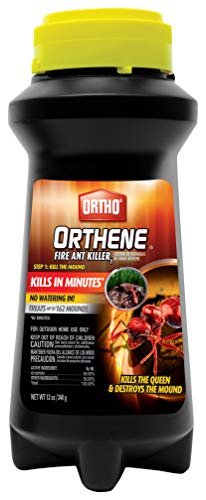
Does Orthene Fire Ant Killer kill roaches? Learn how acephate affects roaches, why fire ant formulas differ, safety limits, and better roach control options.