Does Orthene Fire Ant Killer Kill Roaches? What You Need to Know
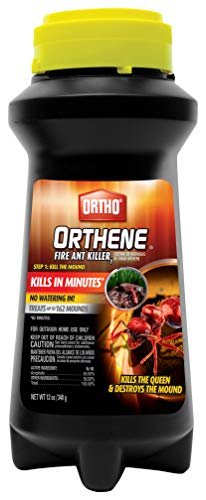
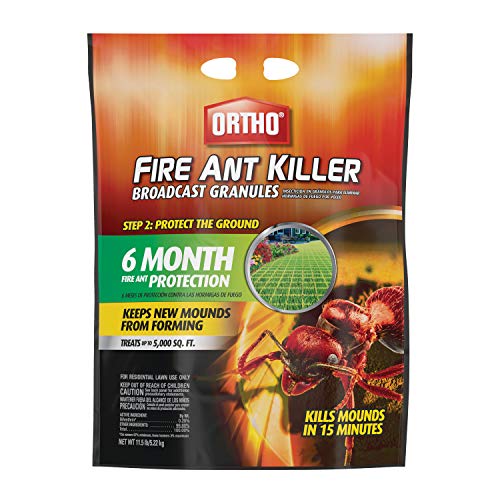
If you searched for “does orthene fire ant killer kill roaches,” you may already have a container of Orthene at home and wonder if it can do two jobs. The short answer needs one important detail: the active chemical and the product label are not the same thing. Orthene Fire Ant Killer products have been made for fire ant control, and the EPA label for Orthene Fire Ant Killer II lists outdoor fire ant mound treatment as its use.
Orthene Fire Ant Killer II uses acephate as its active ingredient. Acephate is an insecticide, so direct exposure can harm a range of insects. But a pesticide should only be used on pests, sites, and in ways listed on the current label. That matters for both safety and effective pest control.
In practice, I would not use a fire ant granule around kitchen cabinets, bedrooms, baseboards, or other indoor areas just because it may kill a roach on contact. If roaches are inside a U.S. home, a product labeled for indoor cockroach control is the better tool. The goal is not just to kill one visible roach. It is to control the source of the infestation.
Does Orthene Fire Ant Killer Kill Roaches?
So, does Orthene Fire Ant Killer kill roaches? It can, in the sense that its active ingredient, acephate, is an insecticide that can affect insects after exposure. However, that fact alone does not make Orthene Fire Ant Killer a suitable roach pesticide.
The key difference is the product label. The EPA label for Orthene Fire Ant Killer II identifies acephate at 50% and describes the product as an outdoor treatment for fire ant mounds. Its directions focus on fire ant workers, queens, and colonies, not indoor cockroach infestations.
This means the practical answer is more precise: **Orthene Fire Ant Killer may be toxic to roaches, but you should not use the fire ant product as an indoor roach killer unless the current label specifically permits that use.**

- ✦ Active ingredient
Orthene Fire Ant Killer II uses acephate, an organophosphate insecticide.
- ✦ Target pest
The fire ant product is designed and labeled for fire ant control.
- ✦ Indoor use
Do not assume that a product made for outdoor fire ant mounds is safe or approved for indoor roach control.
- ✦ Best approach
Choose a cockroach product whose current label clearly lists the roach species and indoor site you need to treat.
Why the Answer Is Not Simply Yes
People often judge pesticides by the ingredient alone. That can be misleading. A chemical may affect a pest, while the finished product may still be labeled only for certain pests, places, and application methods.
For U.S. pesticide use, the label is important. EPA-approved directions tell consumers where and how a registered pesticide may be used. Using a pesticide outside those directions can create safety and legal problems.
- ✦ Chemical effect is not the same as approved use
A roach may be harmed by acephate, but that does not automatically approve every acephate product for roach control.
- ✦ Formulation matters
Granules made for outdoor fire ant mounds are not the same as indoor sprays, baits, or dusts designed for cockroaches.
What Is Orthene Fire Ant Killer Made Of?
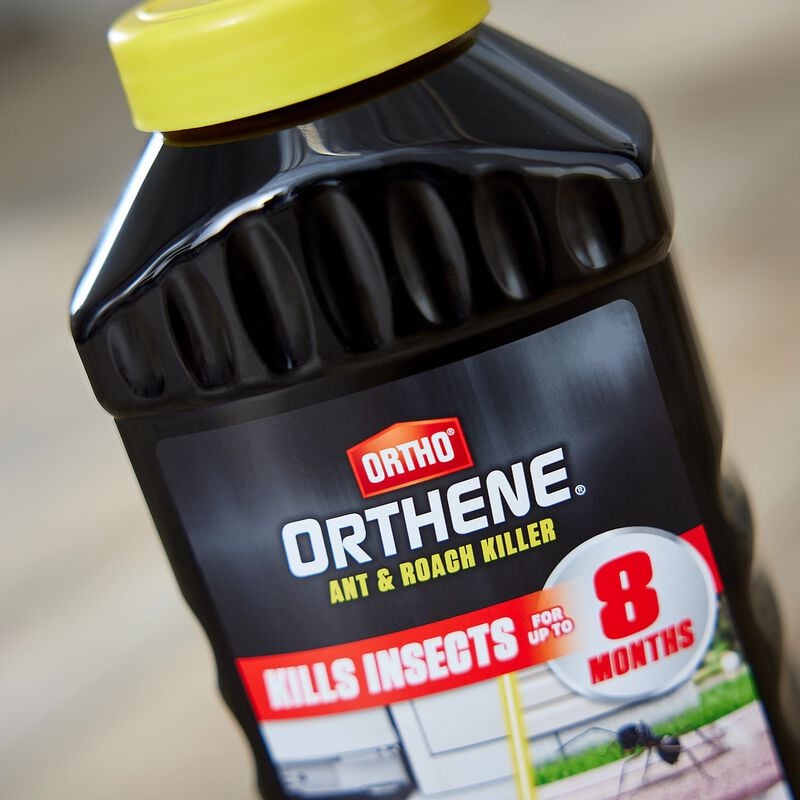
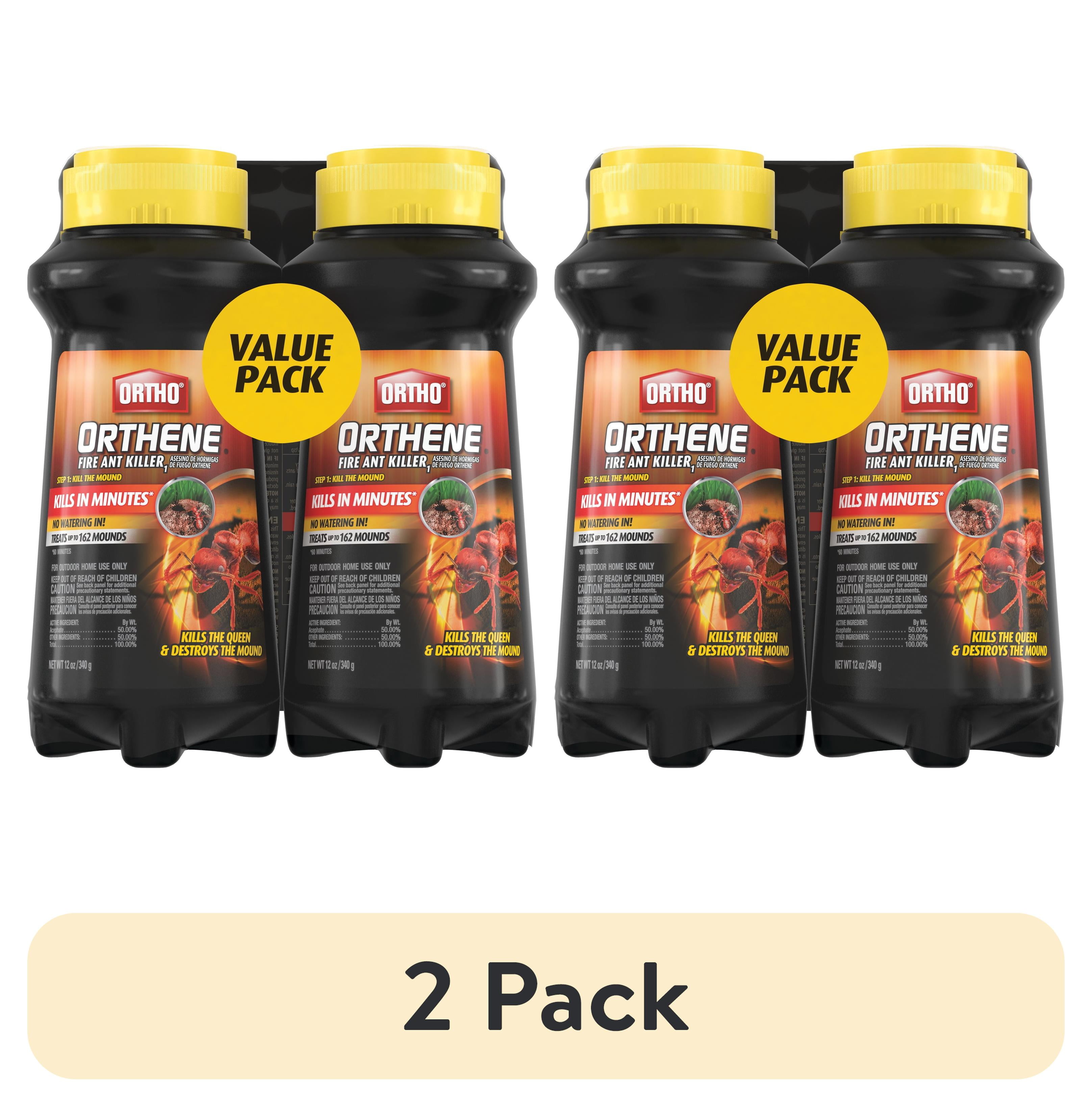
The name Orthene can cause confusion because several products have used the Orthene brand. They may contain different concentrations of acephate and may have different approved uses. That is why you should identify the exact product before deciding how to use it.
The EPA record for Orthene Fire Ant Killer II lists acephate as the active ingredient at 50%. Acephate belongs to the organophosphate group of insecticides and works on an insect’s nervous system.
The important point for homeowners is simple: **do not treat the word Orthene as if it describes one single product.** Check the product name, EPA registration number, active ingredient, pest list, application site, and directions on your own container.
- ✦ Acephate
Acephate is the active insecticide in the Orthene Fire Ant Killer II label discussed here.
- ✦ Concentration
The EPA label for Orthene Fire Ant Killer II lists 50% acephate.
- ✦ Product identity
Different Orthene products can have different labels and approved uses, so always check the exact container.
How Acephate Affects Insects
Acephate is an organophosphate insecticide. In simple terms, it disrupts normal nerve signaling in insects. Enough exposure can lead to loss of normal movement and death.
That explains why people may see claims that Orthene can kill more than ants. It does not, however, answer the separate question of whether a particular Orthene product should be applied to a particular pest or location.
- ✦ Mode of action
Acephate interferes with an enzyme involved in nerve signaling, which can cause insect paralysis and death after sufficient exposure.
Why Fire Ant Killer Is Different From Roach Killer
Fire ants and cockroaches have very different habits. Fire ants live in colonies in soil, while many household roaches spend much of their time inside cracks, wall voids, cabinets, appliances, and other protected spaces.
A fire ant treatment is built around getting insecticide into an outdoor mound. The EPA label for Orthene Fire Ant Killer II says the powder is applied to fire ant mounds and describes workers carrying the material deeper into the colony.
Cockroach control often needs a different strategy. Baits, targeted crack-and-crevice products, and other labeled treatments can reach roaches where they hide. A product that works well on an outdoor ant mound may be a poor fit for a hidden indoor roach population.
- ✦ Fire ant behavior
Fire ants build outdoor colonies in soil, so mound treatment is central to control.
- ✦ Roach behavior
Roaches often hide in cracks, wall voids, cabinets, appliances, and other sheltered areas.
- ✦ Treatment goal
Good roach control aims to reach hidden roaches and reduce food, water, and shelter that support the infestation.
Why Killing One Roach Is Not Enough
Seeing one roach does not always mean there is only one roach. Cockroaches can hide well, and some species reproduce quickly when food, water, warmth, and shelter are available.
A contact kill may solve the visible problem for a moment but leave the larger infestation untouched. This is why baiting, sanitation, exclusion, monitoring, and targeted treatment often work better than simply spraying every insect you see.
- ✦ Look for harborages
Check dark, warm, damp areas near sinks, appliances, plumbing, and stored items.
- ✦ Remove food sources
Keep food sealed, clean crumbs, manage trash, and avoid leaving pet food out overnight.
- ✦ Reduce water
Repair leaks and dry wet areas where practical.
Can You Use Orthene Fire Ant Killer Inside Your House?
This is where homeowners should be most careful. The EPA label for Orthene Fire Ant Killer II identifies the product for outdoor home use and fire ant mound treatment. That is very different from an indoor cockroach treatment.
Do not sprinkle fire ant granules behind a refrigerator, under a kitchen sink, along bedroom walls, or inside cabinets simply because you want to kill roaches. If the product label does not allow that site and pest, choose a different product.
Pesticides are designed for specific uses. More product does not mean better control. It can increase exposure without solving the reason roaches are present.

- ✦ Read the current label
Confirm the exact product, approved pest, application site, and application method before use.
- ✦ Do not improvise
Do not create your own indoor use for an outdoor pesticide.
- ✦ Protect people and pets
Keep pesticides away from children, pets, food, dishes, and other areas where accidental exposure could occur.
- ✦ Follow disposal rules
Dispose of unused pesticide and empty containers according to the product label and local requirements.
Why the Label Matters in the United States
In the United States, pesticide labels are not just marketing text. They give legally approved directions for use. The EPA provides a pesticide label system that allows users to search product and registration information.
Because pesticide registrations and labels can change, an old web article should not replace the label on the product you own. If the container and an online claim disagree, check the current label and manufacturer information before applying the product.
- ✦ Check the EPA registration
Use the registration information on the package to identify the exact pesticide product.
- ✦ Check the pest list
Make sure cockroaches or the specific pest you want to control are listed.
- ✦ Check the site
Make sure the intended indoor or outdoor location is listed as an approved application site.
What Should You Use for Roaches Instead?
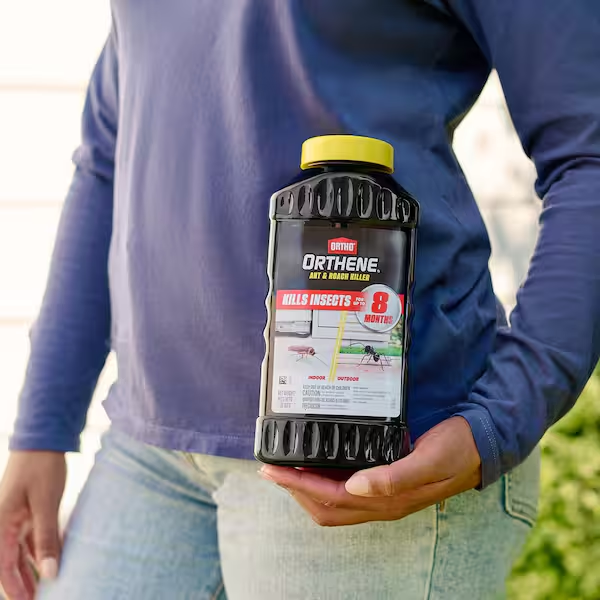
If the real problem is a roach infestation, use a product designed and labeled for cockroach control. In many homes, bait can be useful because roaches feed on it and carry the active ingredient back into areas where other roaches may encounter it.
Targeted indoor products can also help when used exactly as directed. The right choice depends on the roach species, infestation size, location, and whether children or pets are present.
For a small problem, start with sanitation, moisture control, monitoring traps, and a properly labeled roach bait or treatment. For a large or persistent infestation, professional pest control may be the most practical route.
- ✦ Roach baits
Baits can target roaches that feed on them and may help reach roaches beyond the one you see.
- ✦ Sticky traps
Traps can help confirm activity and show where roaches are moving.
- ✦ Sealing gaps
Caulking cracks and sealing openings around pipes can reduce hiding and entry points.
- ✦ Professional treatment
A licensed pest professional can identify the species, locate harborages, and build a treatment plan for a larger infestation.
Baits Versus Sprays
Many homeowners reach for a spray as soon as they see a roach. Sprays can kill exposed insects, but they may not solve a hidden infestation. In some situations, heavy spraying can also interfere with bait placement by making the area less attractive to feeding roaches.
A better plan often combines monitoring with targeted control. The exact product should match the roach species and the label directions.
- ✦ Bait
Useful when roaches are likely to find and eat the bait in their hiding and feeding areas.
- ✦ Contact spray
Useful for exposed pests when the product is labeled for the site and pest.
- ✦ Integrated control
Combining sanitation, exclusion, monitoring, and targeted pesticide use can address more parts of the infestation.
How to Deal With a Roach Problem Safely
The safest roach-control plan starts with finding out why roaches can live in the space. Kitchens and bathrooms often provide food, moisture, warmth, and hiding places. Removing those resources can make pesticide treatment work better.
Use monitoring traps to learn where activity is highest. Look under sinks, near plumbing, behind appliances, around cabinets, and in other dark areas. Avoid placing pesticides in places where children or pets can reach them.
If you use a pesticide, read every direction before applying it. Wear the protective equipment listed on the label, keep people and pets away when required, and never mix pesticides unless the label specifically tells you to do so.
- ✦ Step 1: Inspect
Find droppings, egg cases, shed skins, live roaches, and likely hiding places.
- ✦ Step 2: Clean
Remove crumbs, grease, standing water, and clutter that can provide food or shelter.
- ✦ Step 3: Monitor
Use sticky traps in suitable locations to learn where activity is concentrated.
- ✦ Step 4: Treat
Use only a pesticide labeled for cockroaches and the specific site being treated.
- ✦ Step 5: Recheck
Continue monitoring and address leaks, gaps, and other conditions that can support the infestation.
What Not to Do
Do not use more pesticide because you think a stronger dose will work faster. Do not put outdoor fire ant granules inside your home as an improvised roach treatment.
Also avoid mixing different insecticides unless the label specifically allows the combination. If you are unsure about a pesticide or have concerns about exposure, contact a poison control center, your doctor, veterinarian, or a licensed pest professional as appropriate.
- ✦ Do not misuse outdoor products
An outdoor fire ant product should not become an indoor roach treatment without label authorization.
- ✦ Do not overapply
Using extra pesticide does not guarantee better control and can increase exposure.
- ✦ Do not ignore the source
Food, water, clutter, leaks, and entry points can keep an infestation going.
Does Orthene Fire Ant Killer Kill Roaches on Contact?
If a roach directly contacts acephate, the insecticide may affect it. That is one reason some people report that Orthene products can kill roaches. But a contact effect is not the same as a product being designed, labeled, and tested for household roach control.
There is also a practical issue. Roaches often hide in places where a fire ant granule treatment will not reach them. Killing one exposed roach does little if eggs, nymphs, and adults remain in a protected harbor.
So, when someone asks, “does orthene fire ant killer kill roaches,” the useful answer is: **possible insecticidal effect does not make it the right roach-control product.** Use the label as the deciding guide.
- ✦ Direct exposure
Acephate can affect insects that receive enough exposure.
- ✦ Limited reach
Fire ant granules are not designed to penetrate the typical indoor hiding places used by roaches.
- ✦ Control is broader than contact
Effective roach management requires attention to harborages, food, water, entry points, and reproduction.
Why Online Claims Can Be Misleading
You may see websites or product discussions say that Orthene works on roaches. Some of these claims may refer to a different Orthene product, a different formulation, or the insect-killing action of acephate itself.
Always separate three questions: can the chemical harm a roach, is the exact product labeled for roaches, and is the product labeled for the place where you plan to use it? Those questions can have different answers.
- ✦ Chemical question
Can the active ingredient affect roaches?
- ✦ Product question
Does the exact product label list cockroaches?
- ✦ Location question
Does the label permit use in the exact area you want to treat?