Does Fire Ant Killer Kill Roaches? What You Need to Know
If you have seen a roach after treating your yard for fire ants, it is natural to wonder if the same product will solve both problems. The short answer is that the result depends on the product, its active ingredient, how it is applied, and whether the label allows use against cockroaches.
The key point is simple: an insecticide does not become a good roach killer just because it can kill a roach on contact. Effective pest control also depends on getting the right dose to the right pest in the right place. In the United States, the product label matters because it tells you where the product can be used and which pests it is meant to control.
This guide explains does fire ant killer kill roaches in plain terms. It also covers the difference between fire ant bait, granules, sprays, and roach baits, plus safer ways to deal with cockroaches inside an American home.
Does Fire Ant Killer Kill Roaches?
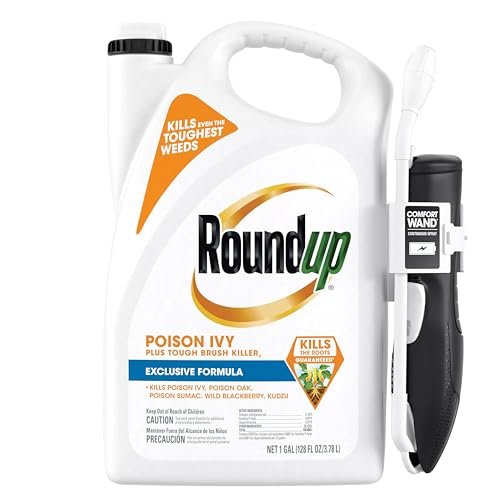
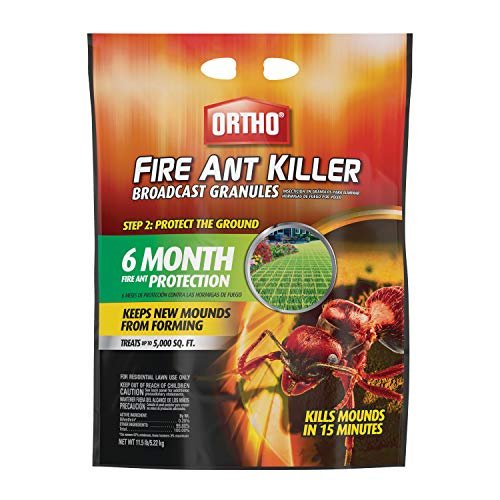
So, does fire ant killer kill roaches? **It can, but not every fire ant product will work well on roaches.** Many insecticides affect several insect species. A roach that contacts a suitable insecticide may become sick or die even when the product was sold mainly for ants.
The bigger issue is control. Fire ant products often target ants in lawns, soil, mounds, or other outdoor areas. Cockroaches have different habits. They hide in cracks, wall voids, cabinets, drains, appliances, and other protected areas. A treatment that works well on an exposed fire ant colony may miss most of the roaches in a home.
That is why the product label is more useful than the product name. If the label lists cockroaches as a target pest and allows the planned site of use, the product may be suitable for that job. If it does not, do not assume that it is safe or effective for roach control.

- ✦ It may kill individual roaches
A roach can die after enough exposure to an insecticide that affects its nervous system or other vital processes.
- ✦ It may not control an infestation
Killing a few exposed roaches does not mean the product will reach the hidden population or stop reproduction.
- ✦ The label controls the use
In the U.S., use a pesticide according to its label. Do not apply an outdoor fire ant product inside unless the label specifically permits indoor use.
Why the Active Ingredient Matters
The active ingredient is the part of an insecticide that controls the pest. Different fire ant products use different chemicals and delivery systems. Some are designed to act through contact, while others work after insects eat the bait.
A roach may respond to an ingredient that also affects ants, but the dose, formulation, and exposure route still matter. This is one reason you should check the active ingredient and the listed pests rather than judging a product by its name alone.
- ✦ Check the active ingredient
Read the product label to see what chemical is used and how the manufacturer says it should be applied.
- ✦ Check the target pests
Look for cockroaches on the list of pests controlled by the specific product.
How Fire Ant Killers Work on Insects
To understand does fire ant killer kill roaches, it helps to understand how insecticides work. A fire ant killer may use a spray, granule, dust, or bait. Each form changes how the chemical reaches the insect.
Contact insecticides can affect insects that walk across a treated surface or receive a direct dose. Baits work in a different way. The insect eats the bait and may carry some material back to its nest or shelter, depending on the pest and product.
Roaches also respond to different control methods. A good roach program often aims to reach hiding places and reduce food, water, and shelter. Simply spraying a visible roach may give a quick result without solving the larger problem.

- ✦ Sprays
Sprays can kill exposed insects through direct contact or treated surfaces, depending on the formulation and label.
- ✦ Granules
Granules are often made for outdoor use and may be placed on soil or lawns. Their use around buildings depends on the product label.
- ✦ Baits
Baits rely on insects eating the treated food source. Roach baits are designed around cockroach feeding behavior.
- ✦ Dusts
Some insecticidal dusts can work in dry, protected spaces, but they must be labeled for the pest and site where they are used.
Why Fire Ant Killer May Not Solve a Roach Problem
Even if a fire ant killer can kill a roach, it may not be the right tool for a cockroach infestation. Roaches spend much of their time hidden. They may stay behind refrigerators, under sinks, inside cabinets, or in wall spaces where a lawn treatment cannot reach them.
Roaches also reproduce in protected areas. One visible roach can be a sign that others are nearby. A product that only kills insects that cross an outdoor treatment zone may have little effect on a population living indoors.
This explains why the answer to does fire ant killer kill roaches is different from the answer to whether it controls roaches. Killing an exposed insect is one task. Reducing an infestation is a much larger task.

- ✦ Different pest behavior
Fire ants often live in soil colonies, while many household roaches hide in dark, protected indoor areas.
- ✦ Different treatment zones
A lawn treatment may stay outdoors and never reach roaches living inside a kitchen or bathroom.
- ✦ Hidden egg cases
Cockroach egg cases can remain protected from a treatment that only reaches exposed insects.
- ✦ Poor product fit
A product can be toxic to roaches yet still be a poor choice if it is not labeled for cockroaches or the intended location.
Fire Ant Bait vs. Roach Bait
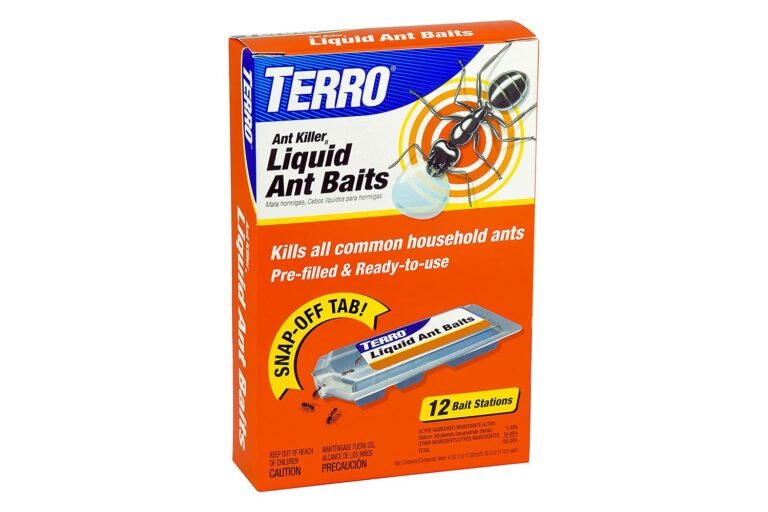
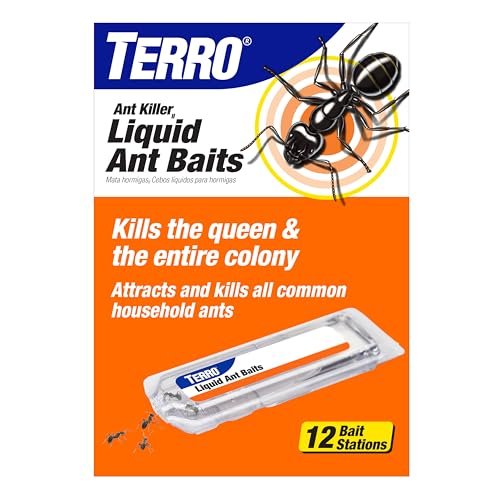
Baits are especially important because insects do not all feed in the same way. A fire ant bait is designed to attract ants and fit the way a colony gathers and shares food. A roach bait is designed to attract cockroaches and keep the bait available where they forage.
Using the correct bait can make a major difference. If your goal is to control cockroaches, choose a product whose label specifically includes the roach species or cockroach group and the location where you plan to use it.
- ✦ Fire ant bait
Made to attract and control fire ants, usually around outdoor nests or feeding areas.
- ✦ Roach bait
Made for cockroach feeding behavior and commonly placed near roach activity indoors or in other labeled areas.
What Works Better for Cockroaches?
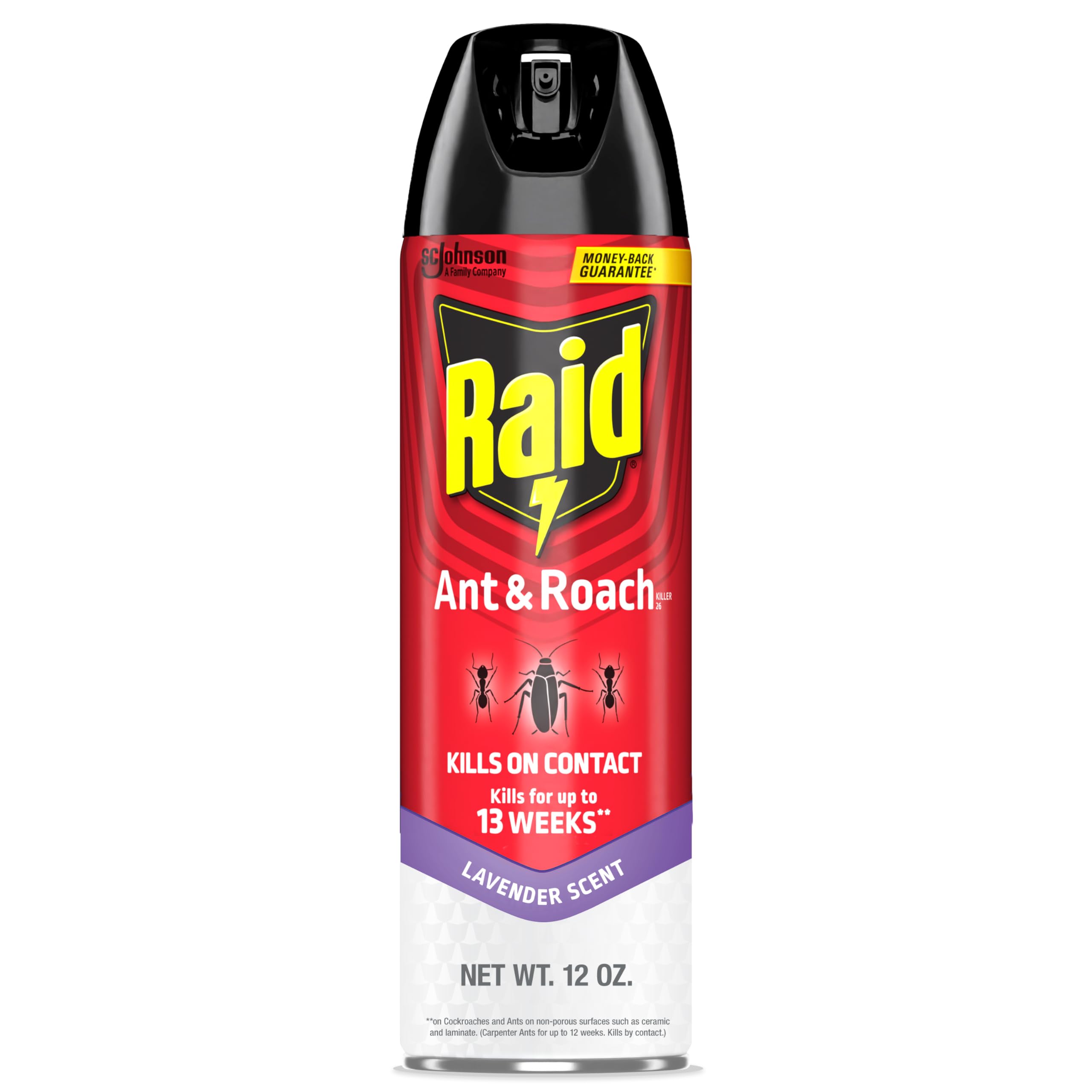
If roaches are inside your home, start with a product made and labeled for cockroach control. Gel baits, bait stations, targeted sprays, and other registered products can each have a role. The best choice depends on the roach species, location, level of activity, and product label.
Good pest control also starts with the basics. Roaches need food, water, and shelter. Fixing leaks, cleaning crumbs, storing food in sealed containers, reducing clutter, and sealing gaps can make your home less attractive to them.
For a large or persistent infestation, professional pest control may be the better option. A trained technician can identify the species, find harborage areas, and build a treatment plan instead of relying on repeated random spraying.
- ✦ Use labeled roach bait
Place a cockroach bait in areas where roach activity is present, following the product label.
- ✦ Remove food sources
Clean food spills, empty trash often, and keep food in closed containers.
- ✦ Reduce moisture
Repair leaks and dry damp areas around sinks, pipes, bathrooms, and appliances.
- ✦ Seal entry points
Close cracks and gaps around doors, windows, pipes, and other possible entry routes.
- ✦ Monitor activity
Sticky traps can help show where roaches are active and whether your control plan is working.
Why Roach Baits Can Be Useful
Roaches often spend time moving between food sources and hiding places. A bait placed near active areas can give them a reason to feed where you want the treatment to work.
Baits also avoid the need to spray every visible surface. Always follow the product label, and keep pesticide products away from children and pets as directed.
- ✦ Place bait near activity
Use signs such as droppings, shed skins, or repeated sightings to choose suitable labeled locations.
- ✦ Do not contaminate bait
Avoid spraying over or around bait unless the product directions specifically allow it, because sprays may interfere with feeding.
Can You Use Fire Ant Killer Inside Your House?
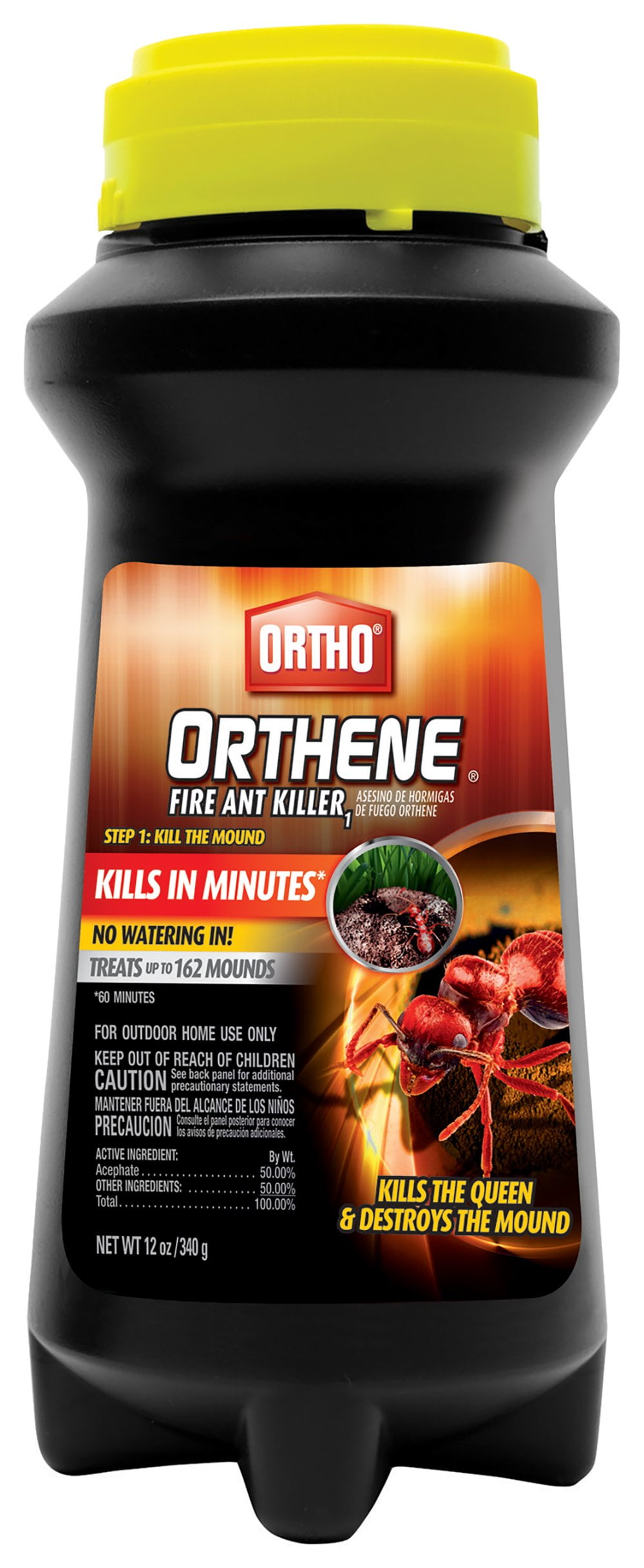
This is one of the most important safety questions. **Do not bring an outdoor fire ant killer indoors simply because you want to kill roaches.** Some pesticide formulations are made for lawns, soil, or outdoor perimeter areas and may not be approved for indoor use.
Read the entire label before applying any pesticide. The label can state the allowed sites, target pests, application rate, protective steps, ventilation needs, and restrictions around food, children, pets, or treated surfaces.
If the label does not list indoor cockroach control, choose a product that does. More insecticide is not a better treatment, and using a product in an unapproved location can create unnecessary exposure and may violate pesticide-use rules.
- ✦ Read before use
Check the product label for the exact pest and application site before treating.
- ✦ Follow the stated dose
Never increase the application rate because you want faster results.
- ✦ Protect people and pets
Follow all label directions for keeping people, pets, food, dishes, and treated surfaces safe.
- ✦ Do not mix products
Do not mix pesticides unless the product label specifically directs you to do so.
The EPA Label Is Your Best Guide
In the United States, pesticide labels provide the legal directions for using registered pesticide products. The label is more reliable than a product review, social media post, or claim that a product worked for someone else.
When you ask does fire ant killer kill roaches, the practical question should be more specific: does this exact product list cockroaches, and does it allow use in this exact location? If either answer is no, select a labeled roach-control product instead.
- ✦ Pest listed
Confirm that cockroaches are among the pests the product is intended to control.
- ✦ Site listed
Confirm that the label permits use in the place you want to treat.
How to Tell Whether You Have a Roach Problem
Seeing one roach does not always tell you how large the problem is. Still, repeated sightings are worth investigating. Roach droppings, egg cases, shed skins, grease-like marks, and a stale odor can all point to ongoing activity.
The location also gives useful clues. German cockroaches often thrive in warm, humid areas close to food and water. American cockroaches are larger and may enter buildings from drains, basements, sewers, or outdoor areas. Other species behave differently, so correct identification can improve treatment.
If you keep seeing roaches after treatment, do not simply increase the amount of insecticide. Recheck the species, food and water sources, hiding places, entry points, and whether the product you chose is actually labeled for the pest and site.

- ✦ Droppings
Small dark spots or smears can appear near food, water, cabinets, and hiding areas.
- ✦ Egg cases
Cockroach egg cases may be found in protected cracks, cabinets, or other sheltered locations.
- ✦ Repeated sightings
Frequent sightings, especially during the day, can indicate significant activity.
- ✦ Live or dead roaches
Finding several insects over time suggests that more than one roach may be present.
When to Call a Pest Professional
Consider professional help when roaches keep returning despite careful cleaning and labeled treatment. Professional service can be useful when roaches are coming from wall voids, neighboring units, drains, shared building spaces, or other places you cannot easily inspect.
In apartments and other multi-unit buildings, treating only one room may not solve the source. A coordinated approach may be needed when pests move between units.
- ✦ Persistent activity
Repeated sightings after a properly followed treatment plan may call for a professional inspection.
- ✦ Hard-to-reach harborage
Wall voids, plumbing spaces, and other hidden areas can make home treatment difficult.
Common Mistakes When Trying to Kill Roaches
Many failed roach treatments come from using the wrong product or applying too much of it. People often focus on the roach they can see instead of the places where roaches hide, feed, and reproduce.
Another common mistake is using several pesticides at once. More chemicals do not always mean better control. Some sprays can also make roaches avoid baited areas, which can make a bait-based treatment less useful.
If you are still asking does fire ant killer kill roaches after trying it, step back and review the whole plan. Identify the pest, read the label, remove food and water sources, and use a treatment designed for the problem.

- ✦ Mistake: treating only visible roaches
Visible insects may be only a small part of the population. Focus on hiding places and conditions that support the infestation.
- ✦ Mistake: using an outdoor product indoors
Outdoor fire ant products may not be approved for indoor use. Always check the label first.
- ✦ Mistake: using too much product
Applying extra pesticide does not guarantee faster control and can increase unwanted exposure.
- ✦ Mistake: ignoring water
Leaks, damp areas, and standing water can help support roach activity.
- ✦ Mistake: ignoring entry points
Cracks around pipes, doors, windows, and other openings can give roaches repeated access.
A Simple Roach Control Plan
Start by finding where roaches are active. Use observations and sticky traps to locate hot spots. Then remove food and moisture sources and seal obvious gaps.
Next, choose a registered product that is labeled for cockroaches and the area you need to treat. Follow the directions exactly and monitor the results instead of adding more pesticide at random.
- ✦ Step 1
Inspect kitchens, bathrooms, utility areas, cabinets, and other likely hiding places.
- ✦ Step 2
Clean food debris, reduce clutter, repair leaks, and remove easy sources of water.
- ✦ Step 3
Seal cracks and gaps that may allow roaches to enter or move between areas.
- ✦ Step 4
Use a labeled cockroach control product and follow every label direction.
- ✦ Step 5
Monitor activity and adjust the approach if roaches continue to appear.