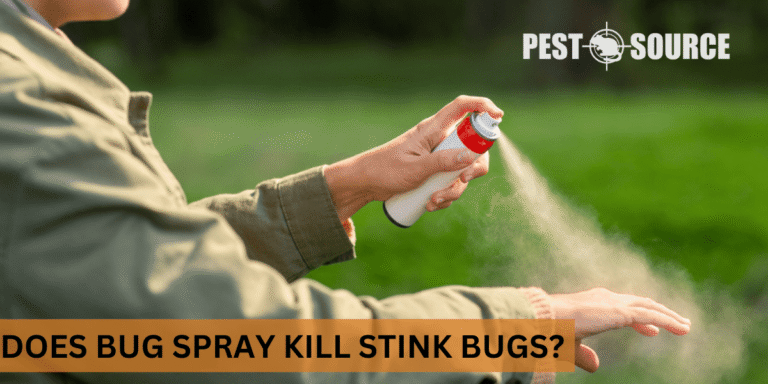
You can make a simple homemade bug spray by combining water, witch hazel, and a small amount of essential oil. However, homemade mixtures are not proven to prevent insect bites. For reliable protection against mosquitoes and ticks in the United States, use an EPA-registered insect repellent.
Mosquitoes, ticks, flies, and other insects can make outdoor activities uncomfortable across the United States. Whether you are gardening in Florida, camping in Colorado, enjoying a backyard barbecue in Texas, or walking through a park in New York, insect protection can make a real difference.
Making bug spray at home may seem like an easy way to avoid store-bought products. Many DIY recipes use common items such as witch hazel, distilled water, citronella, and peppermint essential oil. These ingredients can create a scented spray, but their ability to stop insect bites is not well established.
The most important distinction is between a homemade scented mixture and a tested insect repellent. The Centers for Disease Control and Prevention recommends EPA-registered repellents because their effectiveness has been evaluated. A homemade recipe should never replace proven protection when mosquitoes or ticks may spread disease.
This guide explains how to prepare a simple DIY spray for limited, non-protective uses, what ingredients to avoid, and how to choose safer alternatives. It also covers skin, children, pets, household pests, and outdoor use so you can make an informed decision.
Source: happy-mothering.com
How To Make a Simple Homemade Bug Spray
A simple DIY spray can be prepared with a clean spray bottle, distilled water, and witch hazel. A small amount of essential oil may be added for fragrance, but this mixture has not been established as an effective insect repellent.
The recipe below is intended as a limited-use scented mixture, not as a substitute for an EPA-registered product. Do not rely on it to prevent mosquito bites, tick bites, or insect-borne illness.
Before mixing anything, decide where the spray will be used. A mixture intended for a room is not automatically safe for skin, plants, pets, or food surfaces. Each use has different safety requirements.
Source: Don’t Waste the Crumbs
What you need
A clean 8-ounce spray bottle, distilled water, witch hazel, and an optional small amount of a suitable essential oil for fragrance. Use ingredients with clear labels and avoid concentrated or unknown mixtures.
Distilled water
Distilled water provides a simple liquid base. It does not provide insect protection by itself.
Witch hazel
Witch hazel is commonly used in homemade scented sprays. It does not make a mixture an approved or tested insect repellent.
Essential oil
Some essential oils have shown insect-repelling activity in limited research. Their effects vary by insect, concentration, formulation, and exposure conditions.
Step 1: Clean the Spray Bottle
Start with a clean, empty spray bottle. Wash it with dish soap and warm water, rinse it well, and allow it to dry. A clean container helps prevent dirt and old product residue from entering the mixture.
Do not reuse a container that once held bleach, pesticide, automotive chemicals, or another hazardous product. A bottle that looks clean may still contain chemical residue.
Choose a suitable bottle
Use a clearly labeled container with a working spray nozzle. Keep it separate from food and drinking-water containers.
Step 2: Prepare the Liquid Base
For a basic scented mixture, add distilled water to the clean bottle. Witch hazel may be used as part of the liquid base if the product label permits the intended use.
Do not assume that adding witch hazel makes essential oils dissolve evenly in water. Oil and water separate naturally, so an ordinary spray bottle may deliver uneven amounts from one spray to another.
Avoid improvised chemical mixing
Do not add rubbing alcohol, bleach, ammonia, disinfectants, or cleaning products to strengthen the mixture. Such combinations can create unnecessary exposure risks.
Step 3: Consider the Essential Oil Carefully
Essential oils are concentrated plant extracts. Popular options in homemade recipes include citronella, peppermint, lavender, and lemongrass, but their presence does not establish that a spray will prevent bites.
Some oils can cause skin irritation, allergic reactions, or other harmful effects. Do not put concentrated essential oils directly on your body or use an online recipe as a substitute for a product safety assessment.
For this reason, the safest approach is to avoid making a homemade essential-oil mixture for application to skin. If you want personal insect protection, choose a labeled repellent instead.
Check the intended use
An essential oil sold for fragrance is not automatically approved for skin application, pest control, or use around animals.
Step 4: Label and Store the Mixture
If you prepare a scented mixture for a suitable non-skin use, write every ingredient and the preparation date on the bottle. Never leave an unlabeled spray where another person might mistake it for a commercial repellent or cleaning product.
Keep it away from children, pets, heat, and direct sunlight. Do not assume that a homemade water-based mixture has a long shelf life. Discard it if its appearance or smell changes, or if contamination occurs.
Store responsibly
Keep the container closed, upright, and separate from food, medicines, and household cleaning products.
Which Ingredients Are Used in Homemade Bug Spray?
Homemade bug spray recipes often include plant oils, herbs, water, and other household ingredients. Each ingredient has a different purpose, and not all ingredients have reliable evidence of insect-repelling effects.
A natural ingredient is not automatically safe or effective. Its effect depends on the insect, the amount used, how it is prepared, and how a person or animal is exposed to it.
The U.S. Environmental Protection Agency lists several ingredients used in certain unregistered repellents. However, an ingredient’s eligibility for an exemption from registration does not mean that EPA has tested every homemade recipe containing it for effectiveness.
Source: www.pinterest.com
Citronella
Citronella oil is used in some commercial and homemade insect-repellent products. Its protection can be limited, and the presence of citronella in a homemade mixture does not establish a reliable protection time.
Peppermint oil
Peppermint oil has a strong scent and is common in DIY recipes. It may irritate skin and can pose risks to pets, especially when concentrated.
Lavender oil
Lavender oil is popular in scented products. Some laboratory findings suggest activity against certain insects, but this does not prove that a homemade spray protects people outdoors.
Lemongrass oil
Lemongrass oil appears in many natural repellent recipes. Its effects can vary, and concentrated oil should not be treated as a safe skin product.
Witch hazel
Witch hazel is often used as a liquid base. It is not an EPA-approved insect-repellent active ingredient simply because it appears in a DIY recipe.
Distilled water
Distilled water can serve as a liquid base for a simple mixture. It does not kill or repel insects by itself.
Is Oil of Lemon Eucalyptus the Same as Lemon Eucalyptus Essential Oil?
No. These names refer to products that should not be treated as interchangeable. Certain formulated insect repellents contain oil of lemon eucalyptus, also called OLE, or its active component, para-menthane-3,8-diol, known as PMD.
Pure lemon eucalyptus essential oil is different. The CDC does not recommend using pure oil of lemon eucalyptus as a substitute for a formulated insect repellent because it has not undergone the same validated testing for safety and effectiveness.
If you want this type of protection, choose a labeled product with an EPA registration number. Do not try to recreate its formulation by mixing essential oils at home.
Important age restriction
CDC advises against using products containing OLE or PMD on children younger than 3 years. Follow the exact product label and current guidance.
How To Make Bug Spray for Different Uses
The right approach depends on where you want to use the spray. A product intended for exposed skin has different safety and performance requirements from a product intended for a garden or household surface.
There is no single homemade formula that safely and reliably controls every insect. Mosquitoes, ants, flies, fleas, and ticks have different habits, so identifying the pest is the first step.
Source: www.pinterest.com
For skin
Choose an EPA-registered personal insect repellent instead of relying on homemade essential-oil mixtures. Follow its age restrictions, application instructions, and reapplication directions.
For indoor spaces
Use window screens, remove food crumbs, repair gaps, and eliminate standing water. Avoid spraying homemade mixtures into the air as a substitute for pest control.
For gardens
Identify the pest and the affected plant before choosing a control method. Use physical removal or a pesticide specifically labeled for that plant and pest when needed.
For clothing
Consider clothing and gear products specifically labeled for fabric treatment. Permethrin products intended for clothing must never be applied directly to skin.
How To Protect Your Skin From Mosquitoes
For outdoor activities, use an EPA-registered repellent that lists protection against the insects you expect to encounter. Common active ingredients include DEET, picaridin, IR3535, OLE, PMD, and 2-undecanone.
Check the label for the product’s protection time and age restrictions. The concentration and formulation can affect how long protection lasts, so do not assume that two products with different active ingredients will work for the same amount of time.
Apply the product as directed. Avoid the eyes, mouth, cuts, and irritated skin. Adults should apply repellent to their own hands before applying it to a child’s face.
Use sunscreen correctly
When using sunscreen and insect repellent together, apply sunscreen first and insect repellent second, following both product labels.
Protect exposed areas
Apply repellent only where directed. Do not spray it beneath clothing or use more than the label recommends.
How To Reduce Bugs Around Your Home
You can reduce many common insect problems without making a chemical spray. Start by removing the conditions that attract pests, especially food waste, moisture, clutter, and standing water.
For mosquitoes, inspect outdoor containers after rain. Empty and scrub items that hold water, such as flowerpot saucers, buckets, toys, and old tires. Repeat this check at least once a week.
For ants and flies, keep food covered, clean spills quickly, and close trash containers. These simple steps address the source of the problem rather than only treating the insects you can see.
Repair screens
Fix holes in window and door screens so flying insects cannot enter easily.
Remove standing water
Empty, scrub, cover, or discard containers that collect water around the property.
Seal entry points
Close small gaps around doors, windows, pipes, and other common insect entry points.
Homemade Bug Spray vs. Store-Bought Insect Repellent
The main difference is the level of testing and the information available to the user. A homemade mixture may have familiar ingredients, but it usually lacks validated instructions for protection time, target insects, and safe application.
An EPA-registered skin-applied repellent has undergone evaluation for safety and effectiveness when used according to its label. This gives consumers a clearer basis for choosing protection.
The choice becomes especially important when you are visiting a place with mosquito-borne illnesses, hiking in tick habitats, or spending long hours outdoors.
Source: www.pinterest.com
Homemade mixture
May be inexpensive and easy to prepare, but its insect-repelling effect, useful concentration, protection time, and shelf life are generally not established.
EPA-registered repellent
Provides a labeled active ingredient, directions, precautions, and evaluated effectiveness. It is the better choice when reliable bite prevention matters.
Physical prevention
Protective clothing, screens, and removal of standing water can reduce insect exposure without requiring a homemade chemical mixture.
Which EPA-Registered Ingredients Should You Know?
Different active ingredients can provide different protection times. The best option depends on the target insect, the amount of time you will spend outside, and the product label.
DEET and picaridin are common options. IR3535, OLE, PMD, and 2-undecanone are also among the active ingredients recognized in CDC guidance. Check the EPA product information and label before choosing.
DEET
A widely used repellent active ingredient. Choose a concentration that fits the expected exposure time and follow the label.
Picaridin
An established alternative to DEET for protection against mosquitoes and ticks. Check the label for the product’s stated protection time.
IR3535
An active ingredient used in registered insect-repellent products. Use only according to the product directions.
OLE and PMD
Plant-derived or related active ingredients used in formulated repellents. These products should not be confused with pure essential oil.
Safety Rules Before Making or Using Bug Spray
Safety should come before fragrance or convenience. Essential oils are concentrated substances, and a product that is safe for one purpose may be unsuitable for another.
The risk depends on the ingredient, concentration, exposure route, and person or animal exposed. Skin contact, inhalation, and accidental swallowing can create different problems.
Do not use an online DIY recipe as proof that a mixture is safe for babies, pregnant people, people with sensitive skin, or pets. When reliable insect protection is needed, a properly labeled product is a more suitable choice.
Source: www.pinterest.com
Do not apply concentrated oils directly to skin
Concentrated essential oils can cause irritation, allergic reactions, or burns. Do not assume that a plant-based ingredient is harmless.
Keep sprays away from the face
Avoid spraying mixtures near the eyes, nose, mouth, and other sensitive areas.
Protect children
Do not experiment with homemade essential-oil repellents on children. Use products suitable for the child’s age and follow the label.
Consider pets
Some essential oils can be harmful to cats, dogs, and other animals. Ask a veterinarian before using scented products around pets.
Avoid chemical combinations
Never mix bleach with ammonia, acids, disinfectants, pesticides, or other household chemicals to make an insect spray.
Store products safely
Keep all sprays in labeled, closed containers away from children, pets, food, and heat.
Can You Use Homemade Bug Spray on Babies and Children?
Homemade essential-oil sprays are not a suitable substitute for age-appropriate insect protection. Young children can be more vulnerable to accidental exposure and skin irritation.
The CDC advises against using products containing OLE or PMD on children younger than 3 years. Other repellents also have label instructions that must be followed.
For babies, use physical protection such as properly fitted clothing and mosquito netting over strollers and carriers. Ask a pediatrician or pharmacist if you are unsure which labeled product is suitable for your child’s age.
Avoid hands and faces
Do not apply insect repellent to a child’s hands, eyes, mouth, cuts, or irritated skin.
Can Homemade Bug Spray Harm Pets?
Yes, some homemade mixtures can expose pets to ingredients that may be harmful. Cats can be particularly sensitive to certain concentrated essential oils, and dogs may also react to unsuitable products.
Do not spray essential oils directly on an animal, its bedding, or its food area unless a veterinarian has confirmed that the specific product is appropriate. A product intended for human skin is not automatically safe for animals.
If your pet develops drooling, vomiting, weakness, breathing problems, unusual behavior, or skin irritation after exposure, contact a veterinarian promptly.
Use pet-specific products
Choose flea, tick, or other pest-control products specifically labeled for the animal species, age, and weight.
What Should You Do if a Homemade Spray Causes a Reaction?
Stop using the mixture if you notice redness, itching, burning, swelling, or other unusual symptoms. Wash exposed skin with mild soap and water, and move away from the source of exposure.
If the spray gets into the eyes, rinse with clean running water. Seek medical advice for persistent irritation, severe pain, swelling, or signs of an allergic reaction.
For breathing difficulty, collapse, or a severe allergic reaction, seek emergency medical help. In the United States, Poison Control can also provide guidance at 1-800-222-1222.
Keep the container
Save the ingredient list or bottle so a healthcare professional can identify what caused the exposure.
Common Mistakes When Making Bug Spray
Many DIY recipes look simple because they use familiar household ingredients. However, easy preparation does not prove that a spray will work or remain safe during use.
Avoid these common mistakes before preparing or applying any homemade mixture. A small change in ingredients or intended use can affect exposure and results.
Source: www.pinterest.com
Assuming natural means safe
Plant oils can be concentrated and irritating. Natural ingredients still need careful handling.
Using pure lemon eucalyptus oil as a proven repellent
Pure essential oil is not equivalent to a formulated EPA-registered OLE product.
Adding more essential oil
Increasing the amount does not guarantee better protection. It may increase the risk of irritation or other harmful exposure.
Expecting long-lasting protection
Homemade mixtures do not have established protection times. Do not rely on them for extended outdoor activities.
Using one recipe for every insect
Mosquitoes, ants, flies, fleas, and ticks have different biology and control needs.
Spraying plants without checking
Some ingredients can damage leaves or flowers. Use only products and application methods appropriate for the specific plant.
Keeping an old mixture indefinitely
Water-based homemade mixtures can become contaminated. Label preparation dates and discard questionable mixtures.
How Can You Tell Whether Your Bug Spray Is Working?
For a homemade mixture, there is no reliable way to confirm protection just by smelling it or watching insects move away briefly. A strong fragrance does not prove that mosquitoes or ticks cannot bite through the treated area.
If you continue to experience bites, stop relying on the mixture. Switch to a suitable EPA-registered repellent and check that you are applying it according to its label.
For household pest problems, look for changes in the number of insects and signs of the source, such as entry gaps, food debris, standing water, or nests. Persistent infestations may require a targeted, labeled treatment or professional pest-control help.
Check the actual problem
Identify the insect rather than judging a spray by its smell, color, or appearance.
How To Choose the Right Bug Protection for Your Needs
The best approach depends on the insect, the place where you will use the product, and the level of protection required. A backyard mosquito problem needs a different solution from a tick concern during a hiking trip.
Before buying or preparing anything, identify the pest and consider how people, pets, plants, and food may be exposed. This simple step helps prevent the wrong product from being used in the wrong place.
Source: www.pinterest.com
For mosquitoes
Use an EPA-registered personal repellent, wear protective clothing, install screens, and remove standing water.
For ticks
Wear long sleeves and pants, check your body after outdoor activities, and use a suitable labeled repellent. Consider permethrin-treated clothing when appropriate.
For ants
Remove food sources, seal entry points, and use a bait or pesticide labeled for the specific ant problem when needed.
For flies
Keep trash covered, remove decaying organic material, and use appropriate screens or traps.
For fleas
Treat the animal, home, and environment using products suitable for the species and situation. Ask a veterinarian about pet treatments.
When Should You Contact a Pest-Control Professional?
A professional may be needed when an infestation continues despite basic prevention, insects are difficult to identify, or the treatment area includes sensitive people, pets, or food-handling spaces.
A licensed pest-control professional can identify the pest and recommend a treatment that fits the location. This is especially useful for recurring infestations, difficult-to-reach nests, and problems involving structural damage.
Ask which product will be used, where it will be applied, how long people and pets should stay away, and what preparation is required. A clear treatment plan is more useful than repeated spraying without identifying the source.
Ask about the product label
Check that the pesticide is labeled for the target pest and intended application site.
Follow reentry instructions
Keep people and pets away for the period stated on the product label or by the qualified applicator.
Frequently Asked Questions
Q
Can I make bug spray with just water and essential oil?
You can physically combine water and essential oil in a spray bottle, but the oil will not dissolve evenly in plain water. The mixture may separate, leading to inconsistent amounts in each spray.
It is also not a proven way to prevent insect bites. Avoid using this mixture on skin, and do not assume that shaking the bottle makes it an effective or tested repellent.
Q
What is the best natural ingredient for homemade bug spray?
There is no single natural ingredient that works best for every insect or every situation. Citronella, peppermint, lemongrass, and other plant oils appear in DIY recipes, but their effectiveness and protection time vary.
Some formulated products containing plant-derived active ingredients are registered with the EPA. These products should not be confused with homemade mixtures or pure essential oils.
Q
Can I make bug spray without essential oils?
Yes. You can avoid essential oils entirely and focus on physical insect prevention. Window screens, protective clothing, mosquito netting, covered trash containers, and removal of standing water can reduce insect exposure.
For personal protection against biting insects, choose a labeled EPA-registered repellent rather than relying on a homemade water-based spray.
Q
How long does homemade bug spray last?
There is no established protection time for most homemade bug sprays. Their effectiveness can change with the ingredients, concentration, storage conditions, and type of insect.
Do not assume that a homemade mixture provides several hours of protection. For an EPA-registered repellent, follow the protection and reapplication information on its label.
Q
Can I use homemade bug spray on my clothes?
Do not assume that a homemade essential-oil or water-based mixture is suitable for clothing. Some ingredients can stain fabric, damage certain materials, or leave residues.
If you want insect protection for clothing, use a product specifically labeled for fabric treatment. Permethrin products intended for clothing should never be applied directly to skin, and treated clothing must be allowed to dry according to the label.
Q
Can vinegar be used to make homemade bug spray?
Vinegar appears in some online homemade bug-spray recipes, but that does not establish reliable protection against mosquitoes, ticks, or other biting insects.
Vinegar can also irritate sensitive skin and damage some household surfaces or plants. Do not apply a vinegar mixture to your body as a substitute for a tested repellent.
Q
Is homemade bug spray safe for cats and dogs?
Not necessarily. Certain essential oils can be harmful to cats and dogs, particularly when concentrated or used in unsuitable ways.
Do not spray homemade essential-oil mixtures on pets or their bedding without veterinary advice. Use pest-control products specifically labeled for the animal’s species, age, and weight.
✦ Wrapping Up
Conclusion
Learning how to make bug spray at home can help you understand common ingredients and the limits of DIY pest-control recipes. A simple scented mixture can be prepared with a clean spray bottle and suitable liquid ingredients, but that does not make it a tested insect repellent.
For reliable protection against mosquitoes and ticks in the United States, choose an EPA-registered product with an appropriate active ingredient. DEET, picaridin, IR3535, OLE, PMD, and 2-undecanone are among the options recognized by the CDC.
You can also reduce insects around your home by removing standing water, cleaning food spills, repairing screens, and sealing entry points. These steps address common reasons insects enter or gather around a property.
Always consider the safety of children, pets, plants, and other people before using a spray. When an infestation persists or a pesticide is needed, identify the pest and use a product specifically labeled for that purpose.
💡 Key Takeaway
Before making or using any bug spray, identify the insect and decide where protection is needed. For skin protection, choose an EPA-registered repellent and follow its label. For home and yard problems, begin with sanitation, screens, standing-water removal, and pest-specific control.