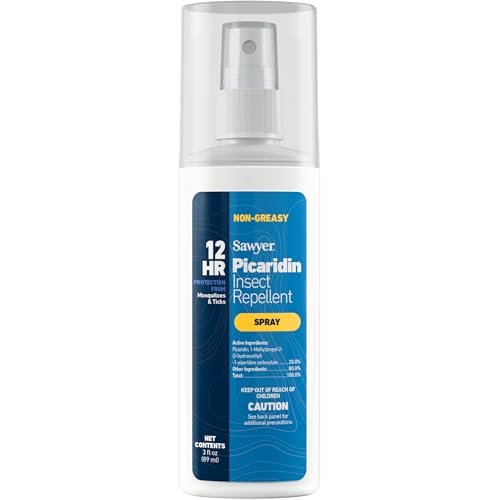
Most bug sprays are not completely waterproof. Swimming, showering, heavy sweating, and rain can reduce their protection. Check the product label and reapply only as directed.
Across the United States, people use bug spray for camping, fishing, hiking, gardening, and trips to lakes and beaches. These activities often involve water. A common question is whether insect repellent keeps working after a swim or a sudden rain shower. The short answer is that most skin-applied bug sprays are not fully waterproof.
Water can wash away or reduce the amount of repellent left on your skin. Sweat, towels, clothing, and regular movement can also affect how long protection lasts. The U.S. Environmental Protection Agency (EPA) lists water exposure and perspiration among the factors that can change insect repellent effectiveness.
Some products may use longer-lasting or water-resistant formulas. However, a claim about lasting protection does not mean a product can withstand unlimited swimming or repeated showers. The directions on the exact product label are the best guide. If the label says to reapply after swimming, follow that instruction rather than relying on the original application.
Source: the-independent.com
Is Bug Spray Waterproof or Water Resistant?
Most bug sprays are not completely waterproof. They are designed to repel insects from treated skin or clothing, not to create a permanent barrier against water. Once you swim, shower, or get caught in heavy rain, some of the product may wash away.
The terms waterproof and water resistant also have different meanings. Waterproof suggests that water cannot remove the product. Water resistant means a product may retain some performance during limited water exposure. Neither term should be treated as proof that an insect repellent will protect you through every swim.
The EPA explains that insect repellent effectiveness can change with water exposure, perspiration, air temperature, and physical activity. This means two people using the same spray may experience different protection times during different outdoor activities.
The most useful rule is simple: never assume that your bug spray is waterproof unless its label gives specific directions about water exposure. Even then, follow its stated limits.
Source: householdjoy.org
Regular bug spray
May lose some protection after swimming, showering, rain, or heavy sweating.
Water-resistant repellent
May retain some effectiveness during limited water exposure, but still requires label-based use and reapplication.
Waterproof claims
Should not be assumed to mean unlimited protection. Look for clear product instructions and verified claims.
What Does Water Resistant Mean on Bug Spray?
Water resistant means that a product may retain some of its intended performance when exposed to water. It does not mean that the active ingredient stays on your skin forever. The formula, application method, and amount of water exposure all matter.
For example, a person walking through light rain may experience less product loss than someone swimming for an extended period. A quick splash is also different from repeatedly entering and leaving a swimming pool.
If a label does not explain how to handle swimming or showering, contact the manufacturer or follow the general instruction to check before reapplying. Do not invent a waiting period or assume that a water-resistant claim overrides the label.
Check the full label
Look for directions about swimming, showering, sweating, and reapplication.
Avoid assumptions
A long advertised protection time does not automatically mean the product is water resistant.
Does Bug Spray Wash Off When You Swim?
Yes, swimming can remove some insect repellent from your skin. The amount depends on the product, its formula, how much you applied, and how long you stay in the water. Pool water, lake water, and ocean water can all create conditions that reduce the amount of repellent remaining on treated skin.
Water does not affect every formula in exactly the same way. Some ingredients have different physical properties, and some products use formulations designed to provide longer-lasting protection. However, the presence of DEET or picaridin alone does not prove that a spray is waterproof.
The CDC also identifies water exposure, sweating, temperature, and rubbing as factors that can affect the duration of insect repellent protection. Therefore, a product that normally provides several hours of protection may not provide the same duration after a long swim.
If you swim outdoors in an area with mosquitoes or ticks, plan for protection after leaving the water. Dry your skin, check the product directions, and apply more repellent if the label calls for it. Do not assume that a brief rinse or a towel dry restores the original application.
Source: lakehomes.com
Before swimming
Read the label to learn whether the product has specific instructions about water exposure.
After swimming
Dry your skin and check whether the product requires reapplication after swimming.
During outdoor activities
Use clothing, screens, and other protective measures alongside skin-applied repellent.
Does Pool Water Remove Bug Spray?
Pool water can reduce the amount of insect repellent on your skin. Chlorine does not make ordinary bug spray waterproof, and swimming can also involve friction from water movement, towels, and swimwear.
Do not rely on a single application to protect you throughout a full day at the pool. Follow the label after swimming and avoid applying more product than the manufacturer allows.
If you are spending time near a pool where mosquitoes are present, consider wearing suitable clothing when you are out of the water. This can reduce the amount of exposed skin that needs protection.
Pool swimming
Can reduce the amount of repellent remaining on exposed skin.
Towel drying
Can rub away some of the product that remains after swimming.
Does Bug Spray Wash Off in the Ocean?
Ocean swimming can also reduce insect repellent protection. Salt water, waves, repeated swimming, and towel drying can affect how much product remains on your skin.
Salt water should not be treated as a protective coating for insect repellent. If you swim at a beach and then spend time outdoors, check the label before deciding whether to reapply.
Beachgoers should also remember that sunscreen and bug spray serve different purposes. Use both when needed, following the application instructions for each product.
Salt water
Does not guarantee that insect repellent will stay on your skin.
Beach activities
Swimming, sweating, and towel drying can all affect repellent protection.
Does Bug Spray Work After Rain or Heavy Sweating?
Bug spray may continue to provide some protection after light rain or mild sweating, but its effectiveness can decrease. Heavy rain and intense perspiration can remove or spread the product across your skin. This makes complete coverage less certain.
For example, someone gardening in warm weather may sweat more than someone sitting under a shaded porch. A hiker walking uphill may also experience more friction from clothing and a backpack. These conditions can shorten the time that repellent remains effective.
The EPA specifically identifies physical activity, perspiration, and water exposure as factors that affect repellent effectiveness. This is why the protection time printed on a label should not be treated as a guarantee under every condition.
If you notice mosquitoes landing or biting despite applying repellent, check whether the product has been rubbed or washed off. Follow the label’s reapplication instructions. Do not repeatedly spray yourself without checking the maximum application limits.
Source: www.wired.com
Light rain
May have a smaller effect than prolonged exposure to heavy rain, but the result depends on the formula.
Heavy sweating
Can reduce protection, especially during exercise or outdoor work in hot weather.
Clothing friction
Can rub repellent away from areas such as the arms, legs, and neck.
Repeated water exposure
May reduce protection more than a brief splash or short period of light rain.
Should You Reapply Bug Spray After Getting Wet?
You should reapply after getting wet when the product label tells you to do so. Some products specifically require reapplication after swimming or showering. Others provide different instructions, so there is no single waiting time that applies to every bug spray.
First, move to a suitable place for application. Dry your skin if needed, read the label, and apply only the amount directed. If the product does not permit another application yet, use protective clothing and other bite-prevention methods instead.
The goal is to maintain protection without overusing the product. More spray does not always mean more protection, and excessive application can increase unnecessary exposure.
Read first
Check the exact directions for reapplication after swimming, showering, or sweating.
Apply correctly
Cover only the exposed skin or clothing areas allowed by the product label.
Respect limits
Never exceed the stated frequency or maximum number of applications.
Which Bug Spray Ingredients Offer Longer Protection?
Several active ingredients are used in EPA-registered insect repellents. Common options include DEET, picaridin, IR3535, oil of lemon eucalyptus, and para-menthane-diol. These ingredients can help repel mosquitoes and other biting insects when used according to their labels.
However, the active ingredient does not tell you whether a product is waterproof. It also does not provide a universal protection time. Concentration, formulation, insect species, weather, activity, and water exposure all affect the result.
The CDC’s 2026 Yellow Book explains that higher concentrations of active ingredients generally provide longer protection. It also notes that products containing less than 10% active ingredient may provide only limited protection, often around one to two hours. These are general findings, not a guarantee for every product or activity.
Choose an EPA-registered product that matches the insects you need to repel and the amount of time you plan to spend outdoors. Then follow its specific directions for water exposure and reapplication.
Source: householdjoy.org
DEET
A widely used repellent ingredient that can provide effective protection when used according to the label. Its presence does not make a product waterproof.
Picaridin
An established insect repellent ingredient used in products designed for mosquito and tick protection. Water exposure can still affect its performance.
IR3535
An EPA-recognized repellent ingredient found in certain skin-applied products. Follow the individual product’s directions after swimming.
Oil of lemon eucalyptus and PMD
Repellent ingredients used in some registered products. Pure oil of lemon eucalyptus is not the same as a formulated, EPA-registered repellent.
Is DEET Bug Spray Waterproof?
DEET bug spray is not automatically waterproof. DEET is an effective insect repellent ingredient, but swimming, heavy sweating, and rubbing can still affect the product’s performance.
A DEET product may provide several hours of protection under normal use. The actual duration depends on the concentration, formulation, insects, and outdoor conditions. Follow the specific label rather than relying on a general estimate.
If you use DEET before swimming, check the product instructions for what to do afterward. Do not assume that a higher DEET concentration eliminates the need to reapply after water exposure.
Important distinction
DEET concentration and water resistance are separate product characteristics.
Is Picaridin Bug Spray Waterproof?
Picaridin products are not automatically waterproof either. Picaridin can provide effective protection against mosquitoes and ticks, but its performance can still be affected by swimming, perspiration, and friction.
Some picaridin formulas may be designed to remain effective for longer periods than other products under specified conditions. That does not establish how they will perform after a long swim. Read the exact label for water-related instructions.
Check the formulation
Different products can have different protection times even when they contain the same active ingredient.
How to Choose Bug Spray for Swimming and Outdoor Activities
Choose an insect repellent based on the activity, the insects in your area, and the protection time stated on the label. A product for a short walk may not be the best option for a full day of fishing or camping.
For swimming and beach trips, look for a clearly labeled skin-applied repellent with instructions that explain what to do after water exposure. Do not choose a product based only on words such as long-lasting, outdoor protection, or all-day coverage.
An EPA registration number is useful when choosing a personal insect repellent in the United States. It indicates that the product has been registered with EPA and that the company provided technical information about its effectiveness.
You can also use the EPA’s online repellent search tool to compare products by active ingredient, protection time, and other details. The product label remains the final guide for safe application.
Source: habitatista.com
For swimming
Choose a product with clear instructions about reapplication after swimming or showering.
For hiking
Consider a registered repellent that provides suitable protection against the mosquitoes or ticks in the area.
For fishing
Plan for water exposure and long periods outdoors. Check the label before leaving home.
For camping
Combine repellent with suitable clothing, mosquito netting, and other protective measures.
What to Check on the Product Label
The front of a bottle may highlight its active ingredient or advertised protection time. The back label provides the practical information needed to use it correctly.
Read the directions before buying a product for a water-based activity. This helps you avoid relying on claims that do not explain what happens after swimming.
Active ingredient
Identify whether the product contains DEET, picaridin, IR3535, OLE, PMD, or another registered ingredient.
EPA registration number
Look for the EPA Reg. No. on the package.
Protection time
Check the stated protection time and the insects covered by the product.
Water exposure
Look for instructions about swimming, showering, and getting wet.
Application limits
Check how often you may reapply and whether a daily maximum applies.
How to Apply Bug Spray After Swimming
Applying insect repellent after swimming is straightforward, but the process should follow the product label. The goal is to restore suitable protection without applying too much product or using it on the wrong areas.
If you have just left a pool, lake, or ocean, move away from the water and dry your skin. Check the label to see whether another application is permitted and whether the manufacturer gives a specific instruction after swimming.
Never apply repellent to broken, irritated, or sunburned skin unless the product label specifically permits it. Avoid spraying near your eyes and mouth, and never spray directly into your face.
If you use an aerosol, apply it in an open, well-ventilated area. Keep it away from food, flames, and sources of heat when the label warns about flammability. For facial application, spray onto your hands first and then apply sparingly while avoiding the eyes and mouth.
Source: storage.googleapis.com
Step 1: Leave the water
Move to a suitable place away from the pool, lake, or beach before applying repellent.
Step 2: Dry your skin
Use a clean towel and avoid rubbing the skin more than necessary.
Step 3: Read the label
Confirm that reapplication is allowed and check the instructions after swimming.
Step 4: Apply the product
Use the directed amount on exposed skin or permitted clothing areas.
Step 5: Check your coverage
Make sure the allowed exposed areas are covered without spraying near the eyes, mouth, or irritated skin.
What If You Do Not Know Whether to Reapply?
Do not guess. Look for the manufacturer’s directions on the container or official product website. If the instructions are unclear, contact the manufacturer or use other bite-prevention measures until you can confirm the correct application method.
Avoid applying a second layer simply because your skin feels dry. A dry surface does not prove that the original repellent has stopped working. Likewise, a wet surface does not reveal exactly how much product remains.
Best approach
Use the product label as the main source for reapplication decisions.
Avoid overuse
Never exceed the maximum daily applications or shorten the stated reapplication interval without label instructions.
Can You Use Bug Spray and Sunscreen Together?
Yes, you can use insect repellent and sunscreen together. However, they should generally be applied as separate products because they have different purposes and may need to be reapplied at different times.
The CDC recommends applying sunscreen first and insect repellent second. This order helps each product perform its intended job when used according to its own directions.
Swimming adds another concern. Sunscreen may need reapplication after water exposure, while insect repellent may also need attention after swimming. Their reapplication schedules are not necessarily the same.
Do not assume that a sunscreen labeled water resistant also makes the insect repellent waterproof. A combined sunscreen and bug spray product may also create a problem because sunscreen often needs more frequent application than repellent.
Source: the-independent.com
Apply sunscreen first
Use sunscreen according to its directions and allow it to settle as instructed.
Apply bug spray second
Follow the repellent label and avoid mixing the two products in your hands or a container.
Reapply separately
Use each product’s own water exposure and reapplication instructions.
Does Water-Resistant Sunscreen Protect Bug Spray?
No. Water-resistant sunscreen is designed to help maintain sun protection during specified water exposure. It does not provide waterproof properties to insect repellent applied over it.
The two products have separate formulas and separate performance claims. If you swim, follow the sunscreen instructions for sun protection and the insect repellent instructions for bite prevention.
The CDC also notes that DEET-containing repellents applied over sunscreen can reduce the sunscreen’s SPF. This is another reason to use separate products and follow their instructions carefully.
Separate functions
Sunscreen protects against ultraviolet radiation, while insect repellent helps prevent insect bites.
Separate directions
One product’s water-resistance claim does not apply to the other product.
Common Mistakes When Using Bug Spray Around Water
The biggest mistake is assuming that insect repellent remains effective simply because the advertised protection time has not passed. Water, sweat, friction, and other conditions can change how long a product works.
Another common mistake is applying extra spray after every splash. This can lead to unnecessary exposure and may exceed the product’s permitted application frequency. Always check the label before applying another layer.
Some people also use outdoor insecticide sprays as if they were personal repellents. These products are not interchangeable. A household bug killer is not automatically safe for skin, and a personal repellent is not designed to kill insects in the same way as an indoor insecticide.
Understanding the product type and following its directions can help prevent both insect bites and improper chemical exposure.
Source: lakehomes.com
Assuming all sprays are waterproof
Different products have different formulas and directions. Never treat a general claim as proof of water resistance.
Ignoring swimming instructions
Some labels specifically require reapplication after swimming or showering.
Applying too much
Excessive application does not guarantee longer protection and can increase unnecessary exposure.
Using household insecticide on skin
Only use products on the body when their labels specifically identify them as personal insect repellents.
Forgetting treated clothing instructions
Products intended for clothing may have different application and washing directions from skin repellents.
Is Bug Spray Safe to Use Before Swimming?
Whether you should apply bug spray before swimming depends on the exact product and its label. A product intended for exposed skin may be suitable for normal outdoor use, but that does not establish that it should be applied immediately before entering a pool or natural body of water.
Read the instructions before use and follow any precautions related to swimming or water exposure. Avoid applying a product in a way that could contaminate water or conflict with its directions.
If the label requires reapplication after swimming, wait until you have left the water and can apply the product correctly. This is a more reliable approach than assuming the original application will last throughout the activity.
Check first
Read all swimming and water exposure instructions before applying the product.
Protect natural water
Follow disposal and environmental precautions on the label, especially near lakes, rivers, and other natural waters.
How to Stay Protected From Mosquitoes After Swimming
Bug spray is only one part of outdoor insect protection. You can reduce the chance of mosquito bites by combining a suitable repellent with clothing and other preventive measures.
After swimming, put on clean, loose-fitting clothing when practical. Long sleeves and pants cover more skin and can reduce the number of areas that insects can reach. Choose lightweight clothing that feels comfortable in warm weather.
If you are camping or spending time outdoors after sunset, consider mosquito netting and screened areas. Remove standing water around campsites and homes when possible, since mosquitoes can use water-holding containers as breeding sites.
The CDC recommends EPA-registered insect repellents and protective clothing as part of mosquito bite prevention. These methods can work together, reducing the need to depend on a single product.
Source: www.wired.com
Wear protective clothing
Use loose-fitting shirts, long pants, and socks when conditions allow.
Choose an EPA-registered repellent
Select an appropriate product for the insects and protection time you need.
Use mosquito netting
Protect sleeping areas, strollers, and other suitable spaces with properly fitted netting.
Reduce standing water
Empty and scrub containers that hold water around your home or campsite.
Check for ticks
After outdoor activities, inspect your body and clothing for ticks, especially after hiking or walking through grass.
Can You Use Permethrin-Treated Clothing Instead?
Permethrin-treated clothing and gear can provide another layer of insect protection. Permethrin is an insecticide used to treat certain fabrics and outdoor gear, and the CDC notes that properly treated clothing can continue providing protection after multiple washings.
However, permethrin products intended for clothing must not be applied directly to skin. Follow the product instructions for treatment, drying, washing, and use. Factory-treated clothing may have its own care instructions.
Treated clothing can be useful for hiking, camping, and other activities where insects are common. It does not replace all personal repellent use, especially on exposed skin.
Use the correct product
Choose a product specifically labeled for clothing or gear.
Never apply it to skin
Permethrin clothing treatments are not substitutes for skin-applied insect repellents.
Frequently Asked Questions
Q
Does bug spray wash off in water?
Yes. Water can remove some insect repellent from your skin. Swimming, showering, heavy rain, and perspiration can reduce protection. The amount lost depends on the product and the conditions. Check the label for instructions about reapplying after water exposure.
Q
How long does bug spray last after swimming?
There is no universal protection time after swimming. Some products specifically instruct users to reapply after swimming or showering. Others have different directions. Read the label rather than assuming that the original advertised protection time still applies after getting wet.
Q
Is waterproof mosquito repellent available?
Some insect repellents may advertise water resistance or longer-lasting protection. However, you should not assume that any product is completely waterproof. Look for clear instructions about swimming, showering, and reapplication. EPA registration and the full product label are useful starting points when choosing a repellent.
Q
Does DEET wash off in the shower?
A shower can remove DEET-containing insect repellent from your skin. The amount depends on the formulation and how thoroughly you wash. If you are finished spending time outdoors, washing treated skin with soap and water is a sensible way to remove the product. If you plan to go outdoors again, follow the label before applying another dose.
Q
Should I reapply bug spray after sweating?
Heavy sweating can reduce insect repellent effectiveness. Check the label for its reapplication directions and maximum application limits. If you begin getting bitten, do not automatically apply another layer before confirming that reapplication is permitted.
Q
Can I swim with bug spray on my skin?
Whether you can use a particular repellent before swimming depends on its label. Do not assume that a skin repellent is waterproof or suitable for every water activity. Follow the product’s water exposure precautions and reapplication instructions. Avoid using household insecticide sprays on your body.
Q
Is water-resistant sunscreen enough to protect bug spray?
No. Water-resistant sunscreen does not make insect repellent water resistant. They are separate products with different functions. Apply sunscreen first and insect repellent second, then follow the directions for each product after swimming or sweating.
Q
Does bug spray work in heavy rain?
It may provide some protection, but heavy rain can reduce the amount of repellent remaining on your skin. The effect depends on the formula and exposure. Check the label and reapply only as directed when conditions require it.
✦ Wrapping Up
Conclusion
So, is bug spray waterproof? In most cases, no. Regular insect repellents can lose some effectiveness when exposed to swimming, showering, heavy rain, and excessive sweating. Even products advertised as long-lasting should not be assumed to provide unlimited protection in water.
The active ingredient matters, but so does the complete formula. DEET, picaridin, IR3535, and other registered ingredients can provide effective protection when used correctly. None automatically makes a product waterproof. Always read the exact label before using repellent around water.
If you plan to swim, fish, hike, or camp, prepare for water exposure. Choose a suitable EPA-registered repellent, follow its application directions, and use protective clothing where practical. Combine these steps with sunscreen, mosquito netting, and other ways to reduce insect bites.
💡 Key Takeaway
Before your next swim or outdoor trip, check your bug spray label for instructions about water exposure and reapplication. After swimming or heavy sweating, dry your skin and reapply only when the label allows it. Never assume that long-lasting protection means waterproof protection.
Is ant killer safe for dogs? Learn which ant killers can harm dogs, how bait and sprays differ, warning signs, safe use tips, and what to do after exposure.