Is Ant Killer Safe for Dogs? A Complete Pet-Safe Guide for Dog Owners
For many U.S. dog owners, ants are a common home problem. A few ants near the kitchen can soon turn into a trail across the floor. The hard part is choosing a product that kills ants without creating a new risk for your dog.
So, is ant killer safe for dogs? There is no single yes-or-no answer. Ant products use different chemicals and come in sprays, gels, granules, powders, and bait stations. A product may be low risk when used correctly but dangerous if a dog chews the container, drinks a liquid product, or eats a large amount of bait.
The safest approach is simple: read the label, keep the product away from pets, and use the smallest amount needed. If exposure has already happened, do not guess from the brand name alone. Find the exact product and active ingredient, then get advice from a veterinarian or a pet poison service.
Is Ant Killer Safe for Dogs? It Depends on the Product
The answer to “is ant killer safe for dogs” depends on what is in the product and how the dog is exposed. Some ant products contain ingredients that cause little harm after a small exposure, while others can irritate the mouth, stomach, skin, or nervous system.
The amount also matters. A dog that briefly walks over a treated surface faces a different risk from a dog that chews an ant bait station or drinks concentrated insecticide. Small dogs and puppies can also face greater risk from the same amount because their body weight is lower.
Never assume that a product is safe just because it says “natural,” “plant-based,” or “pet friendly.” Read the full label and follow every use restriction. A product designed for outdoor use may not be suitable for indoor areas where dogs can reach it.

- ✦ Active ingredient
The active ingredient helps determine the type of poisoning risk. Common insecticide groups include pyrethrins, pyrethroids, borates, and other compounds with different effects.
- ✦ Dose
A small amount may cause mild or no signs, while a larger exposure can be much more serious. Risk depends on the product strength and the dog’s size.
- ✦ Exposure route
Swallowing a product is often more concerning than brief contact with a dry, treated surface. Inhalation, skin contact, and eye exposure can also matter.
- ✦ Product form
Bait stations, gels, sprays, powders, and outdoor granules do not carry the same exposure risks. Dogs can also chew or knock over some products.
Why the Label Matters
The product label is the best starting point for safe use. It tells you where the product can be used, how much to apply, what precautions to take, and when people and pets may return to the treated area.
Do not rely only on a product name. Different products from the same brand can contain different active ingredients and have different directions. If you cannot read the label, keep the package and contact a veterinarian for advice.
- ✦ Check the active ingredient
Look for the active ingredient and its concentration on the product label. This information is useful if a veterinarian needs to assess an exposure.
- ✦ Follow the pet restrictions
Some labels require pets to stay away during application or until a treated area has dried. Follow the stated time instead of using your own estimate.
Which Types of Ant Killer Are More Concerning for Dogs?
When asking is ant killer safe for dogs, it helps to look at the product type. A sealed bait station usually limits direct contact, while a liquid spray or loose powder may spread across a larger area. Still, no product should be treated as automatically safe just because it is sold for home use.
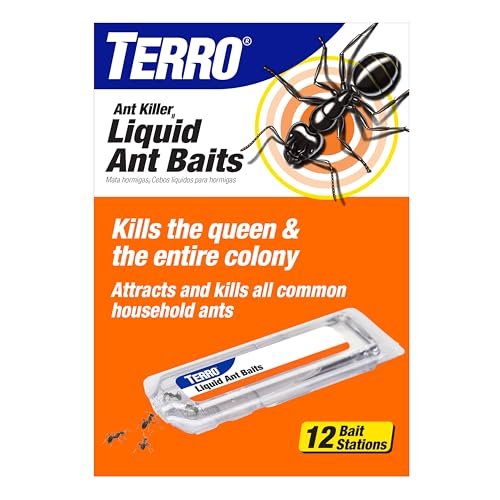
Bait products are made to attract ants. Some contain sweet or food-based materials that can also attract curious dogs. A dog may chew the plastic station or eat exposed gel. For this reason, bait should be placed where ants can reach it but dogs cannot.
Sprays and concentrates need extra care. Concentrated insecticides can contain a much higher amount of active ingredient than a ready-to-use product. Never transfer an insecticide into a food or drink container, and never use more than the label allows.

- ✦ Bait stations
A sealed bait station can reduce direct contact when placed correctly. Keep it behind barriers or in locations your dog cannot reach.
- ✦ Ant gels
Gel bait can be effective against ants, but exposed gel may be easy for a dog to lick. Apply it only in inaccessible cracks or areas approved by the label.
- ✦ Sprays
Sprays can create contact with paws, skin, eyes, or the mouth. Keep dogs away during application and for the label-required period afterward.
- ✦ Loose powders and dusts
Loose products can be spread by paws, air movement, or household activity. Dogs may also lick residue from their feet.
- ✦ Outdoor granules
Granules can be risky if a dog eats them from a lawn, garden, or treated soil. Follow the label’s re-entry instructions and prevent access until the area is safe.
What About Boric Acid and Borates?
Some ant baits use boric acid or related borate compounds. These products can cause stomach upset and other problems if a dog eats enough of them. The risk depends on the amount swallowed, the product concentration, and the dog’s size.
A small accidental taste of a low-concentration bait may not cause severe poisoning, but you should not assume that it is harmless. Keep the package and ask a veterinary professional if your dog has eaten the bait.
- ✦ Do not confuse low risk with no risk
A product may have a lower toxicity risk at the amount normally present in bait, but direct ingestion can still cause illness.
- ✦ Keep packaging
The label gives veterinary professionals the information they need to assess the exposure.
Common Ant Killer Ingredients and Dog Safety
Understanding active ingredients can make the question “is ant killer safe for dogs” much easier to answer. Insecticides do not all work in the same way, and dogs may react differently depending on the chemical and dose.
Pyrethrins and pyrethroids are common in household insect control products. Dogs can tolerate many products containing these chemicals when the products are used as directed, but larger exposures can cause signs such as drooling, vomiting, agitation, weakness, tremors, or seizures.
Boric acid and borates can cause digestive upset after ingestion. Other insecticides may cause different signs. Because product formulas vary, the safest response to a suspected poisoning is to identify the exact product rather than trying to diagnose the chemical from the brand name.
- ✦ Pyrethrins
These insect-killing compounds come from chrysanthemum plants. High exposure can affect the nervous system and may cause tremors, weakness, or seizures.
- ✦ Pyrethroids
These are synthetic insecticides related to pyrethrins. Dogs can have adverse effects after significant exposure, especially if a concentrated product is swallowed.
- ✦ Boric acid and borates
These compounds appear in some ant baits. Ingestion can cause gastrointestinal upset and, with larger exposures, more serious illness.
- ✦ Other insecticides
Some products contain other chemical groups. Their risks can differ greatly, so the exact active ingredient matters.
Why Natural Does Not Always Mean Safe
Natural substances can still harm pets. Essential oils, concentrated plant extracts, and other natural compounds may irritate the skin or stomach or cause toxicity when swallowed in enough quantity.
The phrase “natural ant killer” should therefore not replace a safety check. Look at the active ingredients, directions, warnings, and required precautions before using any product around your dog.
- ✦ Check concentration
A concentrated natural compound can be very different from the diluted form used in a finished product.
- ✦ Watch for essential oils
Some essential oils can be harmful to pets when swallowed or used at high concentrations. Do not apply an ant-control mixture directly to your dog.
How to Use Ant Killer Safely Around Dogs
If you need ant control in a home with a dog, prevention and placement matter as much as the chemical itself. The goal is to stop ants while keeping the product outside your dog’s normal reach.
For indoor use, sealed bait stations can help limit direct contact when placed in protected locations. Do not leave open bait on floors, near food bowls, under furniture your dog can reach, or beside a water dish.
Before using a spray, remove your dog, food bowls, toys, bedding, and other items from the treatment area. Ventilate the space when the label calls for it, and do not let your dog return until the label says it is safe.

- ✦ Store products securely
Keep ant killers in their original containers and store them in a closed cabinet that your dog cannot open.
- ✦ Use the smallest effective amount
More product does not mean better pest control. Extra chemical can increase exposure without improving results.
- ✦ Block access
Use barriers, closed cabinets, protected bait stations, or other label-approved placement methods to keep dogs away.
- ✦ Keep food and water away
Do not place insecticide near pet food or water. Prevent contamination of bowls and feeding areas.
- ✦ Clean up spills
If a product spills, keep your dog away and clean it according to the product label. Do not let your dog lick the area.
A Safer Indoor Ant-Control Routine
Start by removing food crumbs, spilled drinks, and standing water. Seal food in closed containers and wipe ant trails with an appropriate household cleaner. These steps can reduce the food sources that keep ants coming back.
Next, seal cracks around windows, doors, pipes, and other entry points when practical. If you still need insecticide, choose a product and placement method that limits your dog’s access.
- ✦ Remove attractants
Clean crumbs, wipe spills, and keep trash closed.
- ✦ Seal entry points
Close small gaps that ants use to enter the home when possible.
- ✦ Use protected bait
Place bait where ants can reach it but your dog cannot.
What to Do If Your Dog Eats Ant Killer
If your dog has eaten ant killer, treat the situation seriously even if the dog looks normal. Some signs can appear quickly, while others may take time. The best next step depends on the exact product, amount, time since exposure, and your dog’s size and health.
Remove the product from your dog’s reach and keep the package. Check the label for the active ingredient, concentration, and first-aid directions. Then contact your veterinarian, an emergency veterinary clinic, or an animal poison service for guidance.
Do not make your dog vomit unless a veterinary professional specifically tells you to do so. Some substances can cause more injury if they come back up, and home remedies can make the situation worse.

- ✦ Find the product
Keep the original container, label, receipt, or a clear photo of the product if available.
- ✦ Estimate the exposure
Tell the veterinary professional how much may have been eaten, when it happened, and whether the dog chewed the container.
- ✦ Know your dog’s details
Have your dog’s approximate weight, age, breed, and current symptoms ready.
- ✦ Do not induce vomiting on your own
Only follow vomiting instructions from a veterinary professional who has assessed the specific exposure.
Signs of Possible Insecticide Exposure
Possible signs vary by product and dose. Mild cases may involve drooling, nausea, vomiting, diarrhea, or irritation. More serious poisoning can involve weakness, unusual behavior, tremors, poor coordination, breathing problems, or seizures.
A dog with severe symptoms needs urgent veterinary care. Do not wait for symptoms to become severe if you know that a potentially dangerous product was swallowed.
- ✦ Digestive signs
Vomiting, diarrhea, nausea, or heavy drooling can occur after some exposures.
- ✦ Nervous system signs
Tremors, weakness, agitation, poor coordination, or seizures can signal a more serious exposure.
- ✦ Breathing problems
Difficulty breathing is an emergency and requires immediate veterinary attention.
- ✦ Severe weakness or collapse
Collapse, loss of consciousness, or marked weakness should be treated as an emergency.
Are Ant Baits Safer Than Ant Sprays for Dogs?
A common question is whether ant bait is safer than ant spray. In many home situations, a sealed bait station can reduce the chance of direct contact because the insecticide stays inside a container. However, that does not make every bait safe to eat.
Sprays can create a wider treated area and may expose paws, skin, eyes, or the respiratory system during application. Concentrated products can be especially risky if swallowed.
The better choice depends on the product label, the ant problem, and whether you can keep your dog away from the treatment. For a home with a curious dog, controlled placement is often more important than the marketing term on the package.

- ✦ Bait station advantage
A closed station can reduce direct access to the insecticide when used and placed according to the label.
- ✦ Spray concern
Spray can spread over floors, surfaces, and other areas where dogs may later walk or lick.
- ✦ Dog behavior matters
A dog that chews plastic objects or explores every corner needs stronger access controls than a dog that ignores household items.
- ✦ Label rules still apply
Never treat a bait or spray as automatically safe simply because it is sold for household use.
What Does Pet Safe Really Mean?
“Pet safe” can be a useful description, but it should not be read as “safe to eat” or “safe for direct contact.” A product may be designed to reduce risk when used correctly while still causing illness after misuse or heavy exposure.
The practical question is not only is ant killer safe for dogs, but also: Can my dog reach it? Can my dog lick the treated surface? Can the dog chew the package? Can I follow every label restriction?
- ✦ Safe use is conditional
Most household pest products require correct storage, placement, dosage, and re-entry precautions.
- ✦ Avoid direct exposure
Never apply an ant killer to a dog’s body, food, water, bedding, or toys unless a veterinary professional and product label specifically permit that use.
Pet-Safe Alternatives to Chemical Ant Killer
If you are still asking is ant killer safe for dogs because you want to avoid insecticides, start with non-chemical control. Ants need food, water, and a way into the home. Removing those conditions can make the problem easier to manage.
Keep counters and floors clean, repair leaks, store food in sealed containers, and empty indoor trash often. Seal small gaps around doors and windows when practical. These steps are simple, but they can reduce the need for repeated chemical treatment.
For a persistent infestation, consider a licensed pest professional. Tell the technician that you have a dog and ask how the treatment will affect pet access, how long the dog must stay away, and what steps are needed before the dog returns.

- ✦ Clean food trails
Wipe up sugar, crumbs, grease, and spilled drinks that can attract ants.
- ✦ Fix moisture sources
Repair leaks and reduce standing water around sinks, pipes, and other areas where ants may find moisture.
- ✦ Seal entry points
Use suitable caulk or other repairs to reduce gaps around doors, windows, pipes, and walls.
- ✦ Protect pet food
Keep dry food sealed and clean food bowls and nearby floors after meals.
- ✦ Ask a professional
A licensed pest professional can help identify the ant species and choose a treatment plan that accounts for pets.
Be Careful With Homemade Ant Killers
Homemade does not always mean safer. Recipes that use boric acid, essential oils, detergents, or other substances can expose dogs if they are placed on floors or in open containers.
If a homemade treatment can be reached, licked, spilled, or eaten by your dog, it creates an avoidable risk. Use established pest-control methods and keep any active substance out of your dog’s reach.
- ✦ Do not place open mixtures on the floor
Dogs may investigate unfamiliar smells and can accidentally swallow mixtures intended for ants.
- ✦ Do not apply insecticides to pets
Ant control products are not the same as veterinary flea or tick medicines and should never be substituted for them.
How to Choose an Ant Killer When You Have a Dog
The safest buying decision starts with the label, not the front of the package. Look for the active ingredient, directions, warnings, approved use areas, and instructions about keeping people and pets away.
A product that lets you control placement can be useful in a home with dogs. Sealed bait stations may be easier to secure than loose powders or open gel, but you still need to prevent your dog from chewing or moving the station.
If your dog has a history of chewing household objects, do not assume a bait station will stay intact. Choose a placement method that the dog cannot reach and inspect the area regularly.

- ✦ Read before buying
Check the active ingredient and pet-related precautions before bringing the product into your home.
- ✦ Prefer controlled placement
Products that can be placed in protected locations may reduce accidental contact compared with loose material.
- ✦ Avoid unnecessary treatment
Use pest control only where needed and according to the label.
- ✦ Keep the package
Store the original package after use. It can be important if accidental exposure occurs later.
Questions to Ask Before Using a Product
Before applying an ant killer, ask whether your dog can reach the treated area, whether the dog can lick the surface, and whether the product must dry before pets return. Also ask whether the product is approved for indoor or outdoor use.
If you cannot answer these questions from the label, do not guess. Contact the manufacturer or ask a veterinary or pest-control professional for product-specific guidance.
- ✦ Where can it be used?
Confirm that the label permits the intended indoor, outdoor, kitchen, garden, or other use.
- ✦ When can my dog return?
Follow the label’s exact re-entry instructions after spraying or treating an area.
- ✦ What is the active ingredient?
Knowing the ingredient makes it easier to understand exposure risks and get accurate veterinary advice.