Guide to Will Ant Killer Kill Termites
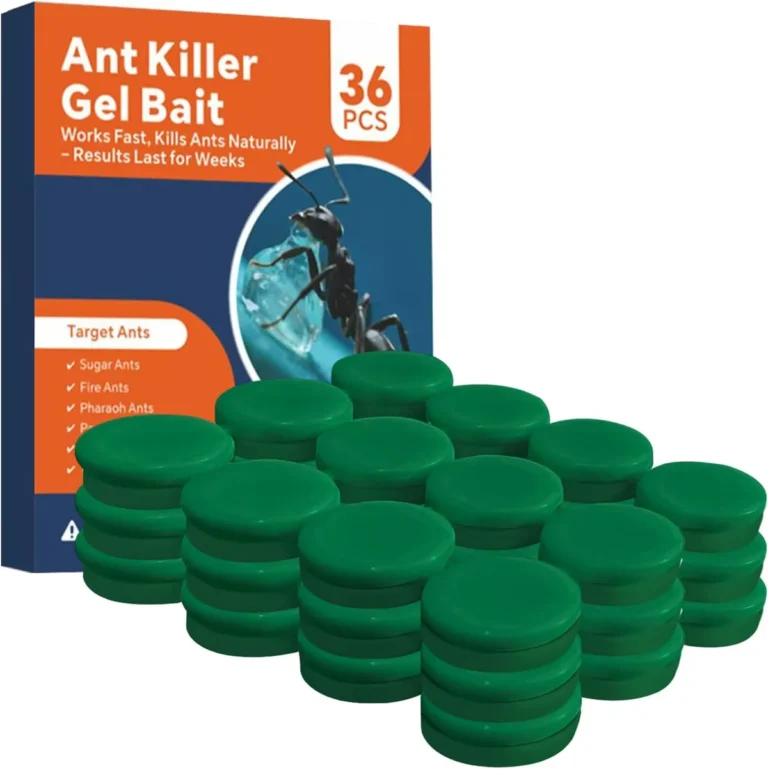
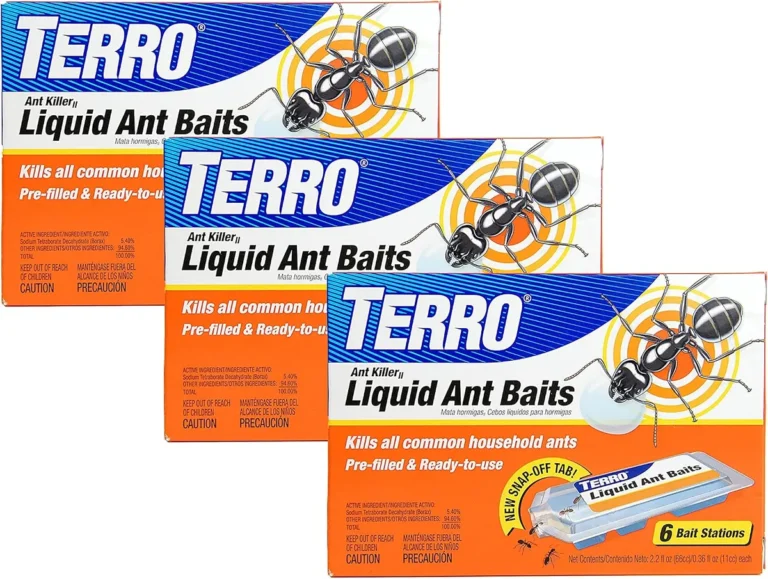
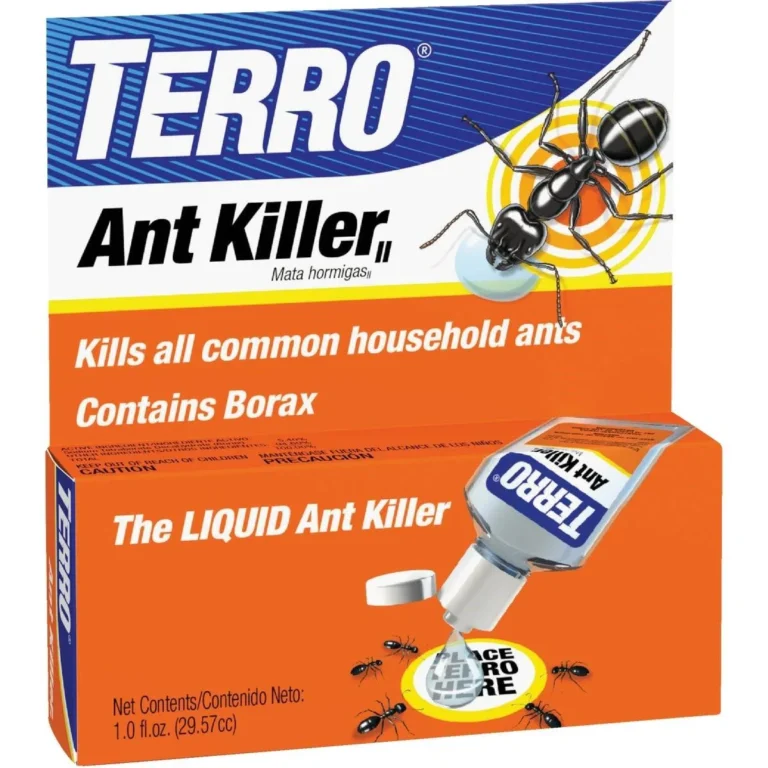
You've got a can of ant killer on the shelf and you're wondering, will ant killer kill termites? You spray what you think is a termite. It dies on the spot.
But the colony is still alive and still feeding on your framing.
A mature subterranean termite colony can hold anywhere from 20,000 to 4 million workers. A household permethrin spray kills the two or three termites it touches. The queen, buried in moist soil 10 to 30 feet from your foundation, keeps laying.
Per EPA label data, as of 2026, no general-purpose household ant spray lists termites as a target pest.
The Quick Answer: Will Your Ant Killer Actually Kill Termites?
Most household ant sprays won't kill a termite colony. They're contact pyrethroids that only kill what they touch. The colony keeps feeding underground.
You need a product labeled for termites. Bait systems or soil treatments are what actually work.
Why Ant Foraging and Termite Biology Don't Match (The Core Mismatch)
Ants forage. Workers march 50 to 200 feet from the nest in search of food. They pick up granules, baits, and trail pheromones, then carry them back to the colony.
That's why an ant bait station in your kitchen works. Termites don't do that.
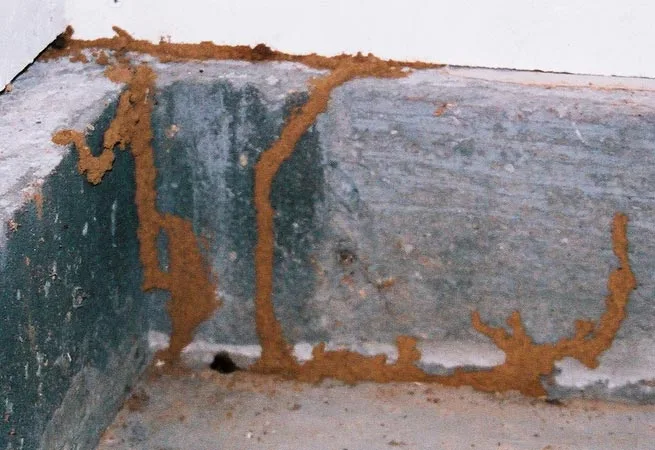
Subterranean termites live inside a continuous mud-tube network connected to the soil. They forage within that tube system, rarely more than 100 feet from the colony, and only in dark, moist conditions. They don't scatter across open ground the way ant workers do.
They don't respond to the same trail-pheromone cues that make ant bait stations effective.
This is the core mismatch. An ant product is engineered for a foraging insect that will pick up a granule and carry it home. A termite is built to stay in its tube, feed on cellulose, and never leave the soil-wood interface.
Spray the tube. You kill the surface workers. The colony regenerates in two to four weeks.
How to Confirm You've Got Termites, Not Carpenter Ants (the 30-Second Check)
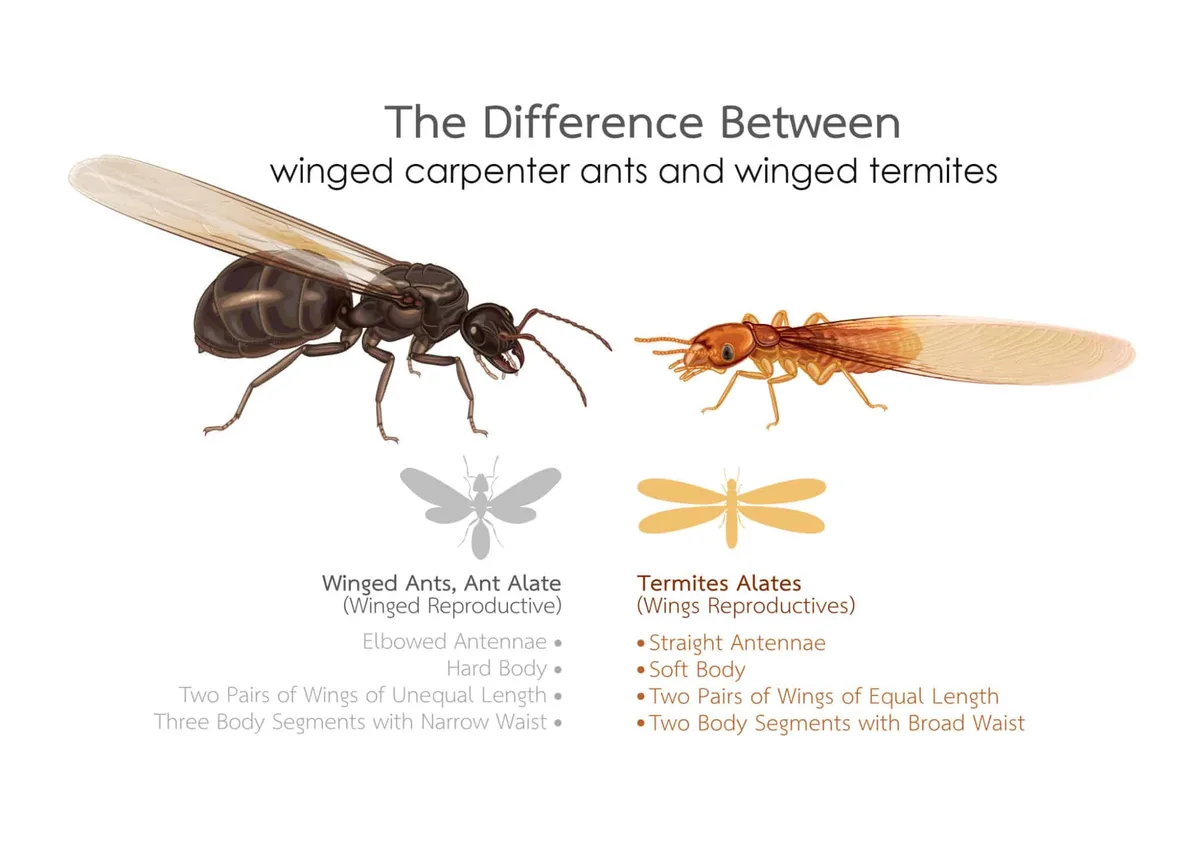
Before you spend a dime on the wrong product, make sure you're actually dealing with termites. The confusion is common because winged termites (alates) look shockingly similar to winged carpenter ants. But three quick checks separate them.
Check the waist. An ant has a pinched, two-segment waist. A termite has a broad, even-width waist. No pinch.
Check the wings. Carpenter ants have elbowed front wings, noticeably longer than the back pair. Termite alates have two equal-length, straight wings that look almost identical.
Check the head. A termite's head is rectangular and roughly the same width as the thorax. An ant's head is distinctly narrower than its thorax.
If you spot mud tubes on your foundation or hear hollow wood when you tap a window sill, skip the debate. You've got termites. Per the University of Florida IFAS Extension, the presence of active (moist, glossy) mud tubes is the single most reliable field indicator of live subterranean termite activity.
Which Ant-Killer Ingredients Touch Termites at All, and Which Don't
Not every active ingredient in a household ant product is equally useless against termites. Some have collateral effect. Most don't.
Here's the breakdown:
| Ingredient | What it does to termites | Fixes the colony? |
|---|---|---|
| Pyrethroids (permethrin, cypermethrin, bifenthrin) | Contact kill on the few termites touched | No. Colony regenerates in 2 to 4 weeks. |
| Fipronil | Slow systemic transfer if termites ingest it | Yes, at termite-labeled rates. Not at ant-spray dilution. |
| Spinosad / spinetoram | Minimal contact effect | No. Not a registered termite treatment. |
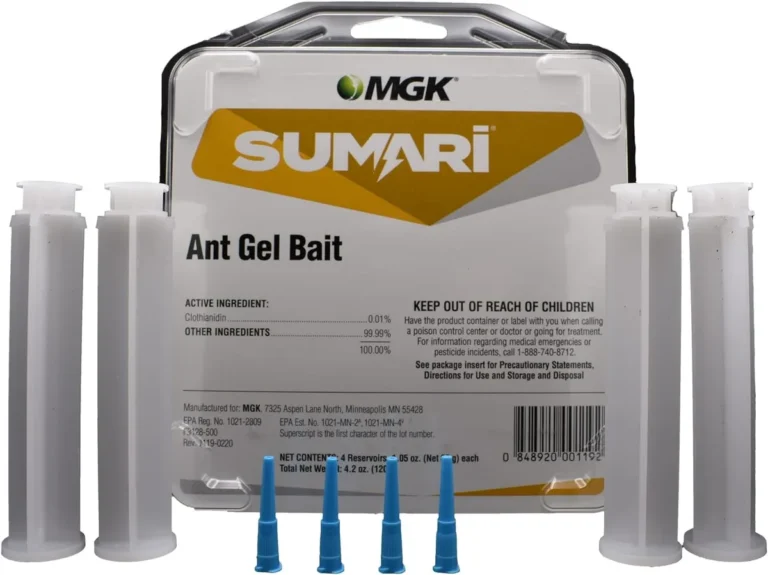
| Imidacloprid / clothianidin | Systemic in soil at termite rates | Yes, but only in professional soil formulations. |
The critical detail is "at termite-labeled rates." A fipronil ant bait tablet contains a tiny concentration designed to last long enough for ant workers to carry it back to the nest. A termite soil treatment uses fipronil at 0.05 to 0.25% in a granular matrix applied along the full foundation perimeter. The difference in concentration and volume is 10 to 100 times.
Pull up the EPA pesticide registration database and you'll find that household ant products register fipronil, spinosad, or pyrethroids under "ants" only. None of those same canisters carry a "termites" statement on the label. Using them on termites is off-label, and that has legal consequences.
The Branch That Changes Everything: Subterranean, Drywood, or Formosan
The right treatment changes completely depending on which termite species you're dealing with. Get the ID wrong and you're treating the wrong layer of the building.
Subterranean termites (Reticulitermes, Coptotermes). They live in soil and build mud tubes to reach your structure. They need moisture.
Treatment happens at the soil-to-foundation interface. Bait stations and liquid soil barriers work here. This is the most common "I found termites" scenario across the US South and Southeast.
Drywood termites (Cryptotermes). They live entirely inside the wood. No soil connection.
No mud tubes. They infest already-dried lumber in upper stories, window frames, and door jambs. A soil treatment is irrelevant to them.
You need borate wood preservatives, targeted injection, or whole-structure heat treatment.
Formosan termites (C. formosanus). A subterranean species with colony densities 5 to 20 times higher than native Coptotermes. Found in Florida, Houston, and the Los Angeles basin.
They spread through direct wing-to-wing contact with neighboring colonies. Standard bait stations often fail. You need professional-grade chlorantraniliprole or a fipronil grid application.
If you're in the Pacific Northwest or the arid Southwest, you're likely dealing with a different Reticulitermes species and the treatment profile shifts again. Species ID is not optional. It determines whether your next move is a $60 can of granules or a $4,000 professional fumigation.
Your Workflow: From "I Found Bugs" to a Product That Actually Reaches the Colony
Now you've confirmed termites. Here's the path from "I found something in the wall" to a treatment that actually kills the colony.
Step 1: Confirm species and location. Subterranean, drywood, or Formosan. Check for mud tubes (subterranean), frass in window frames (drywood), or swarm density (Formosan). This single step determines which product class you need.
Step 2: Assess damage extent. Tap the wood with a solid object. If it sounds hollow, probe with an awl. Photograph every affected section.
Measure the linear footage of compromised framing. This number drives your cost estimate later.
Step 3: Match product to biology. If subterranean, you need a soil-level intervention. Bait stations or liquid granular treatment along the foundation. If drywood, you need to treat the wood itself.
Borate preservative or targeted heat. If Formosan, you're likely in pro territory.
Step 4: Read the label before you buy. Does the product list "termites" as a target pest? What's the application rate? Is it restricted-use?
If the label only says "ants," stop. You're off-label and the product won't be formulated to reach the colony.
Step 5: Apply or schedule correctly. Soil treatments need moist, tilled soil within 6 inches of the foundation. Dry, compacted soil blocks absorption. Bait stations need 4 to 6 week monitoring cycles.
Drywood injection requires drilling into the infested member at the correct angle.
Step 6: Monitor and escalate. Check bait stations at 4 to 6 week intervals. Re-tap the wood at 90 days. If new tubes appear or frass increases, the colony hasn't been touched.
Switch to a professional.
When the Ant Product Fails: What to Escalate To and How to Know
You sprayed the mud tube with your permethrin ant killer. The visible termites died. You felt good for about two weeks.
Then the tube reappeared, thicker this time. That's the tell. A contact pyrethroid killed the foragers, not the queen.
The colony compensated by sending more workers.
Signs you need to escalate:
- New mud tubes within 30 days of your spray
- Hollow-sounding wood where it was solid last month
- A second swarm event in the same season
- Frass accumulating under a window sill you already treated
If any of these hit, the DIY window is closing. Subterranean termites can infest structural wood undetected for 2 to 5 years. A contact spray bought you zero months of that clock.
Your escalation path looks like this. If damage is under 10 linear feet and the species is native subterranean, a DIY fipronil granular treatment around the affected wall section is viable. Product cost runs $50 to $150.
If damage exceeds that, or the species is Formosan or drywood, call a licensed pest control operator. The EPA maintains a state-by-state applicator licensing lookup through its Pesticide Regulatory Program.
What It Costs Down the Line: DIY Path vs. Pro Path vs. Repair Path
Here's the money reality of each path, based on manufacturer specs and aggregate industry data.
| Path | Typical Cost | What You Get | Timeline |
|---|---|---|---|
| DIY granular fipronil, 20-ft wall | $50 to $150 | 5 to 12 year residual on treated zone | 1 to 3 days application, 60 to 120 days full colony kill |
| Pro liquid soil treatment (full perimeter) | $1,200 to $3,500 | 5 to 10 year barrier, whole foundation | 1 to 2 days on-site |
| Pro bait station system (12 to 24 stations) | $2,000 to $6,000+ | 3 to 5 years of monitoring and kill cycles | 4 to 12 months to full colony elimination |
| Structural repair (2×6 framing, 30+ ft) | $5,000 to $15,000 | Physical replacement of compromised wood | 1 to 4 weeks |
| Whole-structure fumigation (drywood) | $3,000 to $7,000 | Kills all drywood termites in the building | 1 to 3 days gas cycle + 48 hr re-entry |
The math is blunt. A $30 ant spray that handles the visible termites costs you nothing upfront. The $5,000 repair you'll need in 18 months because the colony kept feeding costs you everything.
The cheapest intervention is almost never the ant product on your shelf.
Mistakes That Turn a Manageable Infestation into a $10,000 Structural Bill
Most of the damage we see in structural assessments traces back to one of these five errors.
- Spraying the tube and calling it done. You killed the workers. The queen is still in the soil. The colony sends replacement foragers in 14 days.
- Treating the wrong layer. You bought a soil granule for a drywood problem in your second-story window frame. The termites aren't in the soil. The product is in the wrong plane entirely.
- Skipping the moisture fix. Subterranean termites need soil moisture above 30% VWC. If your gutters dump against the foundation and the crawlspace stays wet, you're farming a habitat. No treatment holds against a persistent moisture source.
- Ignoring the 90-day check. Bait systems need 4 to 6 week monitoring. Liquid treatments need a 12-month re-inspection. Skip the check and you have no idea if the colony is dead or just dormant.
- Not documenting damage for insurance or resale. No photos, no measurements, no timeline. When you need an insurance claim or a disclosure on a sale, you've got nothing.
Label Law, FIFRA, and Why "It's Just a Spray" Is Legally Risky
This one surprises a lot of homeowners. Under the Federal Insecticide, Fungicide, and Rodenticide Act (FIFRA) Section 6, it is a federal violation to use a registered pesticide on a pest not listed on the product label. The EPA enforces this.
State agencies can also issue citations and fines.
What does that mean in practice? You bought a permethrin ant spray. The label says "for control of ants." You use it on termites.
That's off-label use. The product was not tested, registered, or approved for that target. The residue rates, application volumes, and re-entry times in the label don't apply.
You're technically in violation.
In most states, a citation for residential off-label pesticide use carries a fine of $100 to $1,000 per violation, plus potential liability if the treatment causes structural damage a properly labeled product wouldn't have. Your homeowner's insurance may contest a claim if the cause traces back to a pesticide applied outside its label scope.
The practical fix is simple. Buy only a product whose label lists termites as a target. If it's a restricted-use material (fipronil granules, chlorantraniliprole, most liquid termiticides), you need a licensed applicator.
Check your state's licensing board. The EPA maintains the state contact list on its Pesticide Regulatory Program page.
FAQs That Come Up Right Before Someone Picks Up the Phone to Call a Pro
Can I use fipronil ant bait stations on termites?
No. Household fipronil ant baits contain a concentration far too low to affect a termite colony. You need a termite-labeled fipronil product, applied at soil rates of 0.05 to 0.25% along the foundation.
The ant bait was never tested or registered for that target.
How fast will I see results from a termite bait station?
Typically 3 to 6 months for full colony elimination of a native subterranean species. Formosan colonies can take up to 12 months. You'll monitor stations every 4 to 6 weeks.
If no termite activity shows by week 12, the stations are likely placed outside the foraging range.
Does homeowners insurance cover termite damage?
Almost always, no. Standard HO-3 policies exclude insect damage as a progressive condition. You're covered for a sudden event like a pipe burst, not slow feeding.
Check your policy's exclusion list. A separate termite bond or warranty is a separate purchase.
What if I found termites but I'm in a dry climate like Arizona or Nevada?
You're likely dealing with a different Reticulitermes species adapted to arid soil. Mud tubes will be shorter and closer to the structure. Soil treatments still work, but moisture management matters less.
Focus on wood-to-ground contact and sealed penetrations around the foundation.
Can I pour liquid termiticide into the existing mud tube?
You can, but it's a band-aid at best. The tube is a highway, not the destination. The colony sits in the soil 10 to 30 feet away.
Pouring into the tube kills surface workers. The queen keeps laying. You need to treat the soil zone where the colony actually lives, not the tube it built to reach your wood.
Your Decision Guide: Three Situations, Three Moves, Three Timelines
Here's the fork in the road, mapped to what you'll actually do Monday morning.
**Situation A: A few winged termites after a spring rain. No mud tubes. No hollow wood.
No frass.**
You've got a swarming event, but not necessarily an active colony in your structure. Wait 48 to 72 hours. Check for shed wings along baseboards and windowsills.
If you find under 10 and zero other signs, monitor for 60 days. If nothing reappears, you're looking at a transient swarm from a neighbor's property. No treatment needed.
**Situation B: Active mud tubes on your foundation. Hollow-sounding window sills. Frass under a door frame.
Confirmed subterranean termites.**
You have a live colony feeding on your structure. Time is your enemy. If the damaged linear footage is under 10 feet and the species is native, a DIY fipronil granular treatment around the affected zone is your fastest, cheapest fix.
Apply within 2 weeks. Set bait stations at the active tube locations. Re-tap the wood at 90 days.
If the hollow sound persists, escalate to a licensed pro.
Situation C: Drywood termites in second-story framing. Or Formosan termites with multiple swarm sites. Or damage exceeding 30 linear feet.
Call a licensed pest control operator today. Drywood termites in upper framing need targeted borate injection or whole-structure heat. Formosan colonies need a pro-grade bait grid or fipronil application.
Structural damage past 30 feet means you need a framing contractor alongside the pest pro. Get a written inspection report before signing any treatment contract.
The through-line across all three: the product on your shelf labeled "ant killer" is not in any of these decision trees. The right tool for the job is the one whose label, biology, and application method match the species in your wall.