Yes, a bug zapper can kill bees, but it is not equally attractive to all bee species. These electric traps can harm bees and other beneficial insects that fly close enough to touch the charged grid.
Across the United States, many homeowners use bug zappers to reduce mosquitoes and other flying pests around patios, porches, gardens, and outdoor dining areas. However, these devices do not know the difference between a harmful insect and a helpful pollinator. A bee that enters the electric grid can receive a fatal shock.
The good news is that you can reduce this risk. Most bees are more interested in flowers, pollen, and nectar than the light from a typical bug zapper. Still, some bees and other pollinators may approach outdoor lights or fly through the area where a trap operates. Understanding how these devices work can help you control pests without needlessly harming useful insects.
How Does a Bug Zapper Kill Bees?
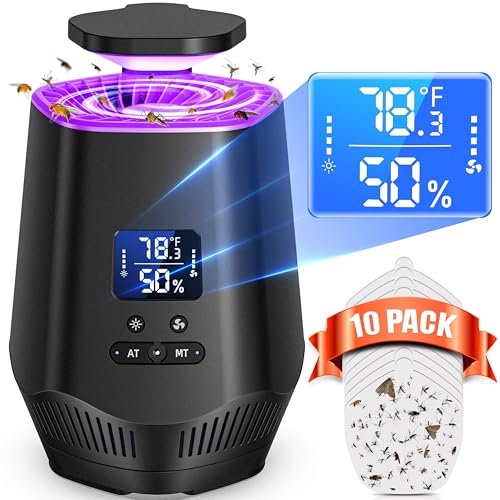
A traditional bug zapper uses light to attract flying insects toward an electric grid. The device usually contains an ultraviolet or near-ultraviolet light source surrounded by metal wires. When an insect flies between the charged wires, electricity passes through its body and kills it.
This process does not depend on the insect being a mosquito, fly, or bee. The grid reacts to physical contact, not insect identity. If a bee reaches the charged section and completes an electrical path between the wires, it can be killed.
The risk depends on the device design, the insect’s flight path, and how close the trap is to places where bees travel. A bee that never approaches the grid faces no direct electrical risk from that device. However, one that flies into it can be injured or killed.
A bug zapper does not need to attract bees deliberately to harm them. An insect may enter the area while searching for food, moving between plants, or flying through the yard. The electric grid is unable to tell whether that insect is useful or unwanted.
Light attraction
The lamp draws some flying insects toward the device, although different species respond to different light wavelengths.
Electrical contact
An insect that touches the charged grid may complete an electrical circuit and receive a fatal shock.
No species recognition
The zapper cannot distinguish a honey bee from a mosquito, moth, beetle, or other flying insect.
Can a Bee Survive a Bug Zapper Shock?
A bee that receives a direct shock may die immediately or suffer severe injury. The outcome can depend on the electrical design and the nature of the contact. A bee that touches a charged grid should not be assumed to survive simply because it falls away or continues moving briefly.
There is no reliable household method for predicting survival after an electrical injury. If you find a bee that appears stunned, avoid touching it with your bare hands. Move away from the device and let the area remain undisturbed.
Direct grid contact
This presents the clearest risk of a fatal electrical injury.
Near contact
A bee flying near the device without touching the charged grid is not automatically electrocuted.
Are Bees Attracted to Bug Zappers?
Bees are not usually drawn to traditional bug zappers in the same way that many night-flying insects are. Their strongest natural attractions include flowers, nectar, pollen, and suitable nesting areas. Flower color, scent, shape, and food availability often play a much greater role in their movement than an outdoor insect trap.
Many traditional zappers use ultraviolet light. Some insects respond strongly to this light, while others do not. Bee responses vary by species, time of day, light conditions, and the type of lamp used. Therefore, it would be inaccurate to claim that every bee is attracted to every bug zapper.
However, low attraction does not mean zero risk. A bee may pass close to a zapper while traveling between flowers or searching for a nesting location. Artificial lights can also change the movement patterns of some insects, particularly at night.
The practical lesson is simple: do not place a bug zapper beside a flower bed just because bees are not its main target. Reducing unnecessary contact is easier than trying to predict exactly which insects will approach.
Flowering plants
Bees often visit flowers because they provide nectar and pollen.
Ultraviolet light
Different insect groups have different responses to ultraviolet wavelengths, so attraction is not universal.
Accidental contact
A bee can enter the trap area even when the light is not its main attraction.
Do Honey Bees and Bumble Bees React Differently?
Honey bees and bumble bees share an important role as pollinators, but they do not behave in exactly the same way. Honey bees often travel between a colony and nearby food sources. Bumble bees may forage in different patterns and can visit flowers in cooler conditions.
Neither group is completely protected from a bug zapper. Individual behavior and exposure matter more than a simple label such as honey bee or bumble bee. A bee that reaches the electric grid can be harmed regardless of its species.
For homeowners, there is little benefit in trying to identify every bee species before placing a trap. Keeping electric devices away from active flowers and common pollinator routes is a more useful prevention step.
Honey bees
They may travel repeatedly between a hive and flowering plants, creating regular flight paths.
Bumble bees
They forage on many garden plants and may visit flowers at different times and temperatures.
Solitary bees
These bees often nest in soil, stems, or small cavities, so nearby nesting areas deserve protection.
Why Bug Zappers Can Harm Beneficial Insects
A major problem with traditional electric bug zappers is that they are not selective. They can kill insects that provide useful services in gardens and natural areas. Bees are only one part of this wider concern.
Many flowering plants depend on insects for pollination. Bees move pollen between flowers while collecting food. This helps plants produce seeds and fruit. When a pest-control device kills pollinators without reducing the target pest effectively, the trade-off may be poor.
Bug zappers can also kill moths, beetles, and other non-target insects. Some moths pollinate flowers, while beetles and other insects support food webs. Their ecological roles vary, but they should not all be treated as household pests.
The impact of one zapper depends on its location, operating hours, design, surrounding habitat, and local insect populations. It would be misleading to say that every zapper causes the same level of harm. Still, a device that kills a broad range of insects creates a clear reason to consider more targeted alternatives.
Pollination
Bees and other pollinators help many plants reproduce and support the growth of some crops.
Food chains
Insects provide food for birds, bats, amphibians, spiders, and other wildlife.
Non-target deaths
A traditional zapper can kill insects that were never causing a problem in the yard.
Poor targeting
A device that attracts many flying insects may kill large numbers of non-target species.
Why Pollinators Matter in American Gardens
Pollinators support many home garden plants and agricultural crops across the United States. Apples, squash, berries, and other crops benefit from insect pollination. The level of dependence varies by crop, but pollinators remain an important part of food production.
A backyard garden also provides food and shelter for local wildlife. Native flowers, shrubs, and trees can support bees throughout the growing season. Killing pollinators near these plants works against the goal of creating a healthy garden.
Protecting bees does not mean that you must accept every mosquito or fly around your home. It means choosing a control method that targets the actual nuisance while creating less risk for useful insects.
Home food gardens
Many fruit and vegetable plants benefit from visits by bees and other pollinators.
Native plants
Native flowering plants can provide food and shelter for local pollinator species.
Wildlife support
Healthy insect populations help sustain birds and other animals.
Do Bug Zappers Actually Kill Mosquitoes?
Bug zappers can kill mosquitoes that reach their electric grids, but they are not a dependable way to control mosquito populations. Many mosquitoes are guided by cues such as carbon dioxide, body odors, heat, and other signals associated with potential hosts.
A traditional ultraviolet zapper does not reproduce all of these cues. As a result, it may attract many other insects without drawing enough mosquitoes to make a meaningful difference in the yard. Seeing insects fall into the collection tray does not prove that the device is controlling the mosquitoes that bite people.
This distinction matters when considering bee safety. If a zapper kills useful insects but does little to reduce biting mosquitoes, its practical value may be limited. The right question is not simply how many insects the device kills, but whether it reduces the specific pest that bothers your household.
For outdoor mosquito control, the U.S. Environmental Protection Agency and the Centers for Disease Control and Prevention provide guidance on reducing breeding sites and using suitable repellents. These approaches address mosquito exposure more directly than relying on a general-purpose electric insect killer.
Mosquito attraction
Ultraviolet light alone may not provide the cues mosquitoes use to find people.
Non-target insects
A large insect count in a zapper does not mean the device killed a large number of mosquitoes.
Better control
Removing standing water and using approved mosquito protection can address the problem more directly.
Why a Full Zapper Tray Does Not Prove Mosquito Control
A collection tray can contain moths, beetles, flies, and many other insects. Some may be harmless or beneficial. Without identifying the insects, you cannot tell whether the device is removing the mosquitoes responsible for bites.
A useful way to judge mosquito control is to check whether biting activity changes in the areas where people sit or walk. Even then, weather, nearby breeding sites, and mosquito activity can affect the result. A full tray alone is not a reliable measure.
Check the target
Do not assume every dead insect in the tray is a mosquito.
Check biting activity
Consider whether people experience fewer bites, while recognizing that several factors affect mosquito numbers.
How to Use a Bug Zapper Without Harming Bees
You can lower the chance of killing bees by choosing a better location, limiting unnecessary operation, and keeping the device away from pollinator habitat. These steps do not make an electric zapper completely bee-safe, but they can reduce avoidable exposure.
Before installing the device, look around your yard during the day. Identify flower beds, fruit trees, flowering shrubs, water sources, and likely nesting locations. Bees often travel between these areas, so placing an electric grid nearby can create unnecessary risk.
Follow the manufacturer’s installation and electrical safety instructions. Outdoor devices should be rated for their intended environment and installed where children, pets, and people cannot accidentally touch the grid. Never modify the wiring or remove protective parts.
If the zapper is not reducing the pest problem, turn it off and reconsider the control method. Running an ineffective trap for longer hours can increase unnecessary insect exposure without providing a useful benefit.
Choose a location away from flowers
Keep the device away from flowering plants, vegetable gardens, and areas where bees regularly forage.
Avoid nesting areas
Do not install a zapper beside bare soil used by ground-nesting bees or near bee hotels.
Limit unnecessary operation
Switch off the device when it is not needed, especially if you see non-target insects approaching it.
Follow electrical safety rules
Use a suitable outdoor-rated product and follow its mounting, cleaning, and maintenance instructions.
Where Should You Place a Bug Zapper?
The best location depends on the target insect and the device instructions. Do not place a zapper directly beside a patio dining table, flowering garden, or area where people and pollinators gather. A separate location away from flowers may reduce unwanted contact, although it cannot guarantee that bees will never reach the trap.
Keep the device away from doors, windows, and areas where insects may be drawn into the home. Avoid damp locations or exposed electrical connections unless the device is specifically rated for those conditions.
If your main concern is mosquitoes, placement alone will not solve the problem. Remove breeding water and use a control method that targets mosquitoes rather than attracting a broad mix of flying insects.
Away from flower beds
Reduce overlap with common bee feeding areas.
Away from people
Keep the electric grid out of reach and follow the required clearance instructions.
In a suitable outdoor location
Use only a location that meets the product’s weather and electrical safety requirements.
What Should You Do If Bees Gather Near a Zapper?
If you notice bees repeatedly flying around the device, switch it off if you can do so safely. Disconnect power according to the manufacturer’s instructions before moving or inspecting it. Do not reach into a live grid or try to remove insects while the device is powered.
Once the unit is disconnected, inspect the area from a safe distance. Look for nearby flowers, a water source, or a flight path that may explain the activity. Move the device only when it is safe and permitted by its installation instructions.
If a large number of bees are gathering around a structure or appear to be nesting inside it, contact a qualified local beekeeper or bee-removal professional. Do not spray the group or attempt to destroy a colony yourself.
Turn off the power
Do this before approaching or moving the unit.
Check nearby food sources
Flowers and water may explain why bees are active in the area.
Get qualified help
Contact a local professional if bees have formed a colony or are nesting in a building.
Bee-Friendly Alternatives to Traditional Bug Zappers
If you want fewer mosquitoes without killing bees, start with methods that target mosquito breeding or reduce human exposure. No single method works in every yard, but several practical steps can help.
The most useful first step is to remove standing water. Mosquitoes lay eggs in or near water, depending on the species. Empty containers, clean clogged gutters, refresh water in outdoor items as appropriate, and maintain pools according to their care instructions.
For personal protection, use an EPA-registered insect repellent according to its label. Wear long sleeves and pants when mosquito activity is high, and use window and door screens to keep insects outside. These methods reduce exposure without relying on a light trap that can kill many unrelated insects.
For a larger mosquito problem, consider a targeted approach that fits the breeding site and local species. Follow label directions for any pesticide or larval control product, and seek advice from your local mosquito control district or extension office when the problem continues.
Remove standing water
Empty containers, plant saucers, buckets, and other items that collect water. Maintain water features and drains so they do not become breeding sites.
Use window screens
Repair damaged screens and close gaps that allow mosquitoes to enter the home.
Choose an approved repellent
Use an EPA-registered product and follow its label for age limits, application, and reapplication.
Wear protective clothing
Long sleeves and long pants can reduce exposed skin when mosquitoes are active.
Consider targeted larval control
Use an appropriate labeled product only in the water sources and conditions listed on its label.
Are Mosquito Dunks Safe for Bees?
Some mosquito larval control products use Bacillus thuringiensis subspecies israelensis, often called Bti. Bti targets the larvae of certain flies, including mosquitoes, black flies, and fungus gnats. It is used in products designed for specific water habitats.
Bti products are not automatically safe for every insect or every situation. The product formulation, application site, dose, and label directions matter. Do not use a mosquito control product in a flower bed, pond, or water feature without checking whether the label permits that use.
A label-compliant product used in an appropriate mosquito breeding site is generally more targeted than an electric grid that kills insects on contact. However, this does not mean you should apply it indiscriminately or assume every formulation has identical environmental effects.
Check the active ingredient
Confirm whether the product contains Bti and identify the exact formulation.
Read the label
Follow all permitted-use, dosage, water-body, and environmental instructions.
Avoid broad application
Treat only the approved sites where mosquito larvae are present or likely to develop.
Can Citronella Candles Replace a Bug Zapper?
Citronella candles may offer limited and variable mosquito protection in some outdoor settings. Their effect depends on wind, placement, the amount of active material released, and the surrounding environment. They should not be treated as a dependable way to eliminate mosquitoes.
They also introduce an open flame, so they need careful placement away from dry plants, curtains, children, and pets. A candle is not automatically the best option simply because it does not use an electric insect grid.
For more dependable personal protection, an appropriately labeled insect repellent and suitable clothing are generally more practical. The best choice depends on the setting and the level of mosquito activity.
Limited coverage
Wind and outdoor airflow can reduce the usefulness of a citronella candle.
Fire precautions
Keep open flames away from flammable materials and never leave them unattended.
Bug Zapper vs. Other Insect Control Methods
Different insect control methods solve different problems. A bug zapper kills insects that contact its electric grid. A mosquito repellent helps protect people from bites. Standing-water removal reduces breeding opportunities. These methods should not be judged as if they do the same job.
For a homeowner who wants to protect bees, the most useful comparison is selectivity. A method that targets mosquito larvae in an approved breeding site may expose fewer beneficial adult insects than a general-purpose light trap. Personal repellents also focus on reducing human contact rather than killing every flying insect nearby.
The table below summarizes the main differences. Actual performance depends on the product, its approved use, local insect species, and the conditions in your yard.
Choose by target
Identify whether the problem is mosquitoes, flies, wasps, or another insect before choosing a control method.
Consider non-target effects
Think about whether the method can harm pollinators and other useful insects.
Which Method Is Better for Protecting Bees?
For reducing bee exposure, removing standing water and using personal mosquito protection are often better starting points than running a broad-spectrum electric zapper. These methods do not require attracting flying insects toward a charged grid.
When mosquitoes breed in a water source, a properly labeled and targeted larval control method may be appropriate. For a severe or persistent problem, local mosquito control professionals can help identify the source and recommend a suitable approach.
No method should be called completely harmless without considering the exact product and conditions. Keep pesticides away from flowering plants and follow all label restrictions designed to protect pollinators.
Best first step
Remove standing water and reduce mosquito breeding opportunities.
For personal protection
Use an approved repellent, screens, and protective clothing.
For persistent problems
Ask a local mosquito control program or extension service for targeted advice.
Common Mistakes That Put Bees at Risk
Many problems arise because homeowners assume that all flying insects are pests. A bee near a porch or garden is not necessarily a threat. It may simply be collecting food from nearby flowers.
Another mistake is treating a bug zapper as a mosquito-only device. Traditional electric grids are not selective, and the insects they kill may include pollinators and other harmless species. A large collection tray should not be mistaken for proof of effective mosquito control.
Placement also matters. A zapper beside a flowering shrub or vegetable patch creates an unnecessary overlap with bee activity. Moving the device away from these areas can reduce exposure, although it cannot remove all risk.
Finally, avoid using insecticides without checking their labels. Some products can harm bees when they contact treated flowers or exposed residues. Never spray flowering plants while bees are visiting them, and follow all restrictions on pesticide use.
Assuming every insect is harmful
Bees, moths, beetles, and many other insects play useful roles in gardens and ecosystems.
Placing zappers near flowers
This can increase overlap between the trap and pollinator activity.
Running the device all day
Longer operation may increase non-target exposure without proving better mosquito control.
Ignoring pesticide labels
Incorrect use can expose bees and other wildlife to harmful chemicals.
Assuming no attraction means no risk
A bee can still enter the grid area by chance.
Should You Turn Off a Bug Zapper During the Day?
Turning off a traditional zapper during periods when it is not needed can reduce unnecessary insect exposure. Daytime operation may expose active bees and other pollinators if they fly close to the device.
However, switching it off during daylight does not make nighttime use completely safe. Some bees and other pollinators may be active in low light, and other beneficial insects can still approach artificial lights after dark.
If the zapper is not providing a clear benefit, leaving it switched off is a reasonable choice. You can then focus on targeted mosquito prevention and personal protection.
Reduce unnecessary use
Operate a device only when its purpose and benefit justify using it.
Watch local activity
Observe which insects approach the device before deciding whether to continue using it.
How to Protect Bees While Keeping Your Yard Comfortable
You do not need to choose between a bee-friendly yard and a comfortable outdoor space. A few simple changes can support pollinators while reducing mosquito problems.
Start by planting a mix of native flowers that bloom at different times of the growing season. This gives local bees access to food across more months. Avoid placing electric insect traps near these plants, and leave suitable nesting areas undisturbed.
Next, inspect your yard after rain. Empty containers that collect water, clean gutters, and maintain outdoor equipment. Even small amounts of standing water can provide breeding sites for some mosquito species.
Finally, protect people rather than trying to kill every insect in the area. Use screens, appropriate clothing, and labeled repellents. This approach allows bees to continue visiting flowers while helping your household reduce mosquito exposure.
Plant native flowers
Choose plants suited to your local climate and flowering season.
Keep nesting sites undisturbed
Avoid disturbing bee nests in soil, stems, and other natural locations.
Remove mosquito breeding sites
Check containers, gutters, and other places where water can collect.
Use personal protection
Apply an approved repellent as directed and use screens where practical.
When Should You Contact a Local Professional?
Contact a beekeeper or qualified bee-removal professional if you find a colony in a wall, roof, tree cavity, or another structure. Moving or destroying a colony without proper knowledge can put people and bees at risk.
For a persistent mosquito problem, contact your local mosquito control district, county health department, or Cooperative Extension office. These services may help identify breeding sites and explain local control options.
If an electric zapper has damaged its housing, wiring, or protective grid, stop using it. Have it repaired or replaced according to the manufacturer’s guidance rather than attempting an unsafe electrical repair.
Bee colony in a building
Seek qualified removal advice instead of spraying or sealing the entrance.
Persistent mosquito activity
Ask local public health or mosquito control staff about the source and suitable treatment.
Damaged electrical device
Disconnect it safely and arrange proper repair or replacement.
What Does the Evidence Tell Us About Bug Zappers and Bees?
The central finding is clear: an electric bug zapper can kill a bee that contacts its charged grid. This follows from the device’s electrical mechanism and does not require the trap to attract bees intentionally.
The more complex question is how often this happens. That depends on the trap, local insect species, nearby flowers, operating hours, and surrounding habitat. A general statement that all zappers kill large numbers of bees would go beyond what can be established without device-specific field data.
Research and guidance on electric insect traps also raise a wider concern about non-target insects. Traditional ultraviolet traps may kill many kinds of flying insects, and the insects found in a collection tray are not necessarily the pests the homeowner intended to control.
The strongest practical conclusion is not that every bug zapper must be removed from every property. It is that a broad-spectrum electric trap should not be placed or used without considering its effects on beneficial insects and whether it actually controls the target pest.
Documented mechanism
Contact with a charged electric grid can kill insects, including bees.
Variable exposure
The number and types of insects affected depend on local conditions and device design.
Important limitation
A full insect collection tray does not establish how many mosquitoes or bees were killed.
Practical conclusion
Use targeted mosquito prevention and keep broad-spectrum traps away from pollinator habitat.
A Useful Way to Judge Whether a Zapper Is Worth Using
Ask three questions before keeping an electric zapper in your yard. First, does it measurably reduce the specific insects that bother you? Second, does its location overlap with flowers or other places where beneficial insects gather? Third, is there a more targeted method that can solve the same problem?
If the device produces many dead insects but mosquitoes remain a problem, the benefit may not justify the non-target deaths. If it sits beside a pollinator garden, moving it or choosing another method may be the better decision.
This is a practical decision framework, not a laboratory performance test. It helps you weigh the purpose of the device against its location, visible effects, and available alternatives.
Measure the real benefit
Look for a meaningful reduction in the target pest rather than counting all insects killed.
Review the location
Check whether bees, flowers, and nesting areas are close to the device.
Compare alternatives
Consider water removal, screens, repellents, and targeted mosquito control.
Frequently Asked Questions
Q
Does a bug zapper kill honey bees?
Yes. A traditional electric bug zapper can kill honey bees if they touch its charged grid. Honey bees are not usually the main target of these devices, but accidental contact can still cause fatal injury.
Q
Do bug zappers attract bees at night?
Most bees are not strongly attracted to traditional ultraviolet bug zappers in the same way as some night-flying insects. However, attraction varies by species and conditions. A bee can still fly near or contact a zapper, so nighttime operation does not remove the risk.
Q
Do bug zappers kill butterflies?
A butterfly can be killed if it reaches the charged grid. Traditional bug zappers are not selective, so they may harm butterflies, moths, beetles, and other insects as well as unwanted flying pests.
Q
Are electric bug zappers safe for a pollinator garden?
A traditional electric zapper is not an ideal device to place inside or beside a pollinator garden. Bees and other beneficial insects use these areas for food and shelter. Keep electric traps away from flowering plants and consider targeted pest control instead.
Q
Will turning off my bug zapper during the day protect bees?
It can reduce exposure for bees that are active during daylight, but it does not guarantee protection. Other beneficial insects may approach the light at night, and some pollinators can be active in low-light conditions. Placement and the choice of control method also matter.
Q
What is the safest way to control mosquitoes without killing bees?
Start by removing standing water, maintaining screens, wearing protective clothing, and using an EPA-registered repellent according to its label. If breeding water remains, consider a targeted larval control product that is approved for that specific site. Keep all pesticides away from flowering plants unless the label explicitly permits the use.
Q
Should I remove my bug zapper if I want to save bees?
Removing or switching off a traditional broad-spectrum zapper is a reasonable option if it is near flowers or does not provide meaningful mosquito control. You can replace its role with targeted mosquito prevention and personal protection. If you keep it, place it away from pollinator habitat and follow its safety instructions.
✦ Wrapping Up
Conclusion
Yes, a bug zapper can kill bees. Although bees are not usually the main insects attracted to traditional electric traps, any bee that touches the charged grid can receive a fatal shock. The device cannot tell the difference between a harmful pest and a useful pollinator.
That does not mean you must accept mosquitoes around your home. Removing standing water, repairing screens, using approved repellents, and choosing targeted mosquito control can help protect your household while reducing harm to bees and other beneficial insects.
The best approach is to match the control method to the pest. If an electric zapper does not reduce the mosquitoes that bother you, keeping it running may create more harm than benefit. A well-planned yard can support pollinators and still provide a comfortable place to relax.
💡 Key Takeaway
Check your bug zapper’s location today. If it is close to flowering plants, bee nesting areas, or a pollinator garden, switch it off safely and consider moving it or replacing it with targeted mosquito prevention.