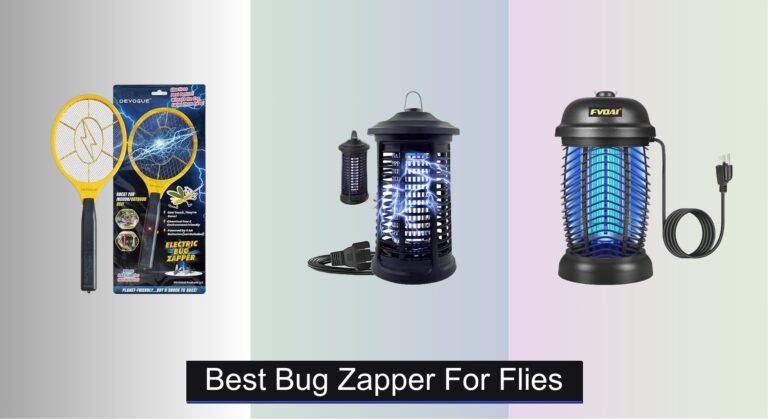
Hang a bug zapper from a sturdy hook, pole, or suitable tree branch about 5 to 7 feet above the ground, unless its manual gives a different height. Place it away from people, competing lights, food, and water. Use a safe outdoor power source and follow the manufacturer’s instructions.
Summer evenings in the United States often mean backyard cookouts, porch dinners, camping trips, and time on the patio. But flying insects can quickly make these activities less pleasant. An electric bug zapper can help catch certain flying pests when you place and install it correctly. The key is to choose a safe spot, hang the unit securely, and keep it away from the people and areas you want to protect.
Learning how to hang a bug zapper is not just about finding a branch or putting a hook in the ceiling. Height, airflow, nearby lights, electrical access, and weather exposure all affect the setup. A poor location can reduce the trap’s usefulness or create an electrical or physical hazard.
The right installation also depends on the type of device. A small hanging bug zapper, a large outdoor electric insect killer, and a portable battery-powered trap may have different mounting needs. Always check the owner’s manual before drilling, attaching a chain, or connecting an extension cord. This guide explains the basic steps and the safety checks that help you install your device with care.
What You Need Before Hanging a Bug Zapper
Gather the right tools and mounting parts before you start. The exact items depend on the bug zapper, its weight, and the surface where you plan to hang it. A basic setup may need only the supplied chain and hook, while a permanent installation may need a rated mounting bracket and suitable fasteners.
Read the owner’s manual first. Check the approved hanging method, recommended height, outdoor-use rating, electrical requirements, and weather limits. Do not assume that two bug zappers use the same mounting system.
Inspect the unit before installation. Look for cracks, loose parts, exposed wires, damaged plugs, and bent hanging loops. Do not install a damaged electrical device.
Bug zapper and mounting hardware
Use the chain, hook, bracket, or other parts supplied or approved by the manufacturer. Replace missing hardware only with a compatible part.
Sturdy support
Choose a sound tree branch, freestanding pole, suitable ceiling structure, or other approved support. The support must carry the device’s weight without bending or shifting.
Measuring tape
Measure the distance from the ground to the hanging point. This helps you reach the recommended mounting height.
Drill and suitable fasteners
Use these only if the mounting instructions require them. Select fasteners that match the support material and the load.
Outdoor-rated extension cord
Use one only when needed and allowed by the manufacturer. Its rating must meet or exceed the device’s electrical requirements.
Protective equipment
Wear suitable eye protection and work gloves when drilling or handling mounting hardware. Use a stable ladder when needed.
Check the Bug Zapper’s Weight and Power Needs
The weight of your bug zapper determines what kind of support you need. A lightweight portable model may work with its supplied hanging loop, while a larger outdoor unit may need a stronger bracket or a dedicated pole. Never judge a mounting point by appearance alone.
Check the electrical label for the voltage, wattage, and plug type. Make sure the available outlet matches the device’s requirements. If you need a new outdoor electrical outlet or permanent wiring, ask a qualified electrician to install it.
Corded models
Plan the route to a suitable outlet before choosing the final hanging position. Keep the cord away from sharp edges and walking paths.
Battery-powered models
Check battery access and charging needs. Choose a position that allows you to remove or recharge the battery safely.
Solar-powered models
Check the manufacturer’s solar panel placement instructions. The panel may need direct sunlight even if the trap itself hangs in a shaded location.
Where Should You Hang a Bug Zapper?
Hang your bug zapper in an open outdoor area away from regular human activity. A quiet corner of the yard, a freestanding pole near vegetation, or an area away from your patio may work better than a spot directly above your outdoor table.
The purpose is to give flying insects access to the trap without placing the device in the middle of your living space. Electric zappers attract insects with light and kill some of them when they reach the energized grid. That means the unit should not hang where people eat, walk, sit, or play.
Think about the yard as several zones. Your patio is a living zone, your garden is a growing zone, and the zapper should have its own trapping zone. Keeping these areas apart can make the setup more practical.
Away from seating areas
Avoid hanging the zapper over chairs, benches, hammocks, and outdoor dining tables. Insects may gather around the device, and dead insects may fall from the collection area.
Away from doors and windows
Do not place the zapper directly beside a frequently used entrance. This helps prevent people from walking close to the energized grid and avoids drawing insects toward busy openings.
Near suitable insect activity
A position near shrubs or other outdoor vegetation may expose the trap to flying insects. Keep enough open space around the device for airflow and safe access.
Away from competing lights
Avoid placing the unit beside bright porch lights, security lights, or strong garden lighting. Other light sources may reduce the attraction of the zapper.
Away from food preparation
Keep the unit away from grills, food counters, picnic tables, and outdoor kitchens. This also makes cleaning and maintenance less disruptive.
Should You Hang a Bug Zapper Near a Patio?
You can hang a bug zapper in the same general yard as a patio, but avoid placing it directly over or beside the seating area. A separate spot away from people is usually more practical.
For example, if your patio sits beside a garden, consider a suitable freestanding mounting point farther into the yard. Make sure the device remains within the electrical limits and coverage guidance in its manual.
Do not assume that putting a zapper close to the patio will protect the entire space. A conventional electric zapper may attract many insects that do not bite people, and its effect on mosquitoes can be limited.
Good placement
An open, stable mounting point away from the main seating area.
Poor placement
A hook directly above a dining table, beside a doorway, or over a busy walkway.
Should You Hang a Bug Zapper Near Trees or Bushes?
A tree or garden area can provide a suitable location if the mounting point is strong and the device remains clear of branches and leaves. Some flying insects spend time around vegetation, so an open position near this habitat may be useful.
However, do not hang the zapper from a weak branch, a dead limb, or a tree that moves heavily in the wind. Avoid dense foliage that can block access to the device or bring leaves into contact with the housing.
If you use a tree, inspect the branch and hanging hardware regularly. A dedicated pole may be a better option when the tree cannot provide stable support.
Choose a healthy branch
Use a strong, stable branch that can support the device without excessive movement.
Keep the area clear
Leave enough space around the unit for safe operation, cleaning, and removal.
How High Should You Hang a Bug Zapper?
A common starting height for many hanging outdoor bug zappers is about 5 to 7 feet above the ground. Some manufacturers recommend a different range. For example, certain models specify a height around 6 feet, while other brands recommend 6 to 8 feet.
The manufacturer’s instructions should always come first. The correct height depends on the device’s design, the insects it targets, and its intended installation method. A height that works for one model may not be right for another.
Measure from the ground to the bottom or designated reference point of the unit as directed by the manual. Do not confuse the height of the hook with the height of the actual zapper.
Follow the model’s height range
Use the exact measurement in the owner’s manual when one is provided.
Keep the unit out of easy reach
Avoid low mounting positions where children, pets, or adults could touch the electrical grid.
Allow safe maintenance access
The unit should be high enough for safe operation but still reachable for cleaning with an appropriate ladder.
Consider wind movement
Leave enough clearance so the unit does not strike a wall, branch, fence, or other structure when the wind moves it.
Does Hanging a Bug Zapper Higher Work Better?
Not always. Raising a zapper does not automatically increase its insect-catching performance. The device’s light, placement, nearby insect activity, and model-specific design all matter.
A unit placed too high may become difficult to clean or inspect. A unit placed too low may be easier for children and pets to reach. The best height is the one that follows the manual while allowing a secure and practical installation.
Avoid changing the height repeatedly without a clear reason. First check the manufacturer’s instructions and make sure the surrounding area does not have stronger competing lights.
Too low
May create contact risks and increase the chance of accidental damage.
Within the recommended range
Supports the installation conditions specified for the device.
Too high
Can make cleaning, inspection, and removal more difficult without guaranteeing better results.
Step-by-Step Guide: How to Hang a Bug Zapper
The safest way to hang a bug zapper is to install the mounting support first, attach the device while it is disconnected from power, and then check the entire setup before switching it on.
The following steps apply to many common hanging outdoor models. Your owner’s manual takes priority if it gives different instructions. Never modify the electrical housing or create a new hanging point in the device unless the manufacturer allows it.
Step 1: Turn Off and Unplug the Device
Make sure the bug zapper is disconnected from the electrical supply before handling it. If it has a removable battery, follow the manufacturer’s instructions for disabling the unit during installation.
Step 2: Choose the Installation Location
Find an open outdoor area away from people, food, doorways, and competing lights. Check the distance from the nearest suitable power outlet and make sure the cord will not cross a walkway.
Step 3: Check the Mounting Surface
Inspect the branch, pole, ceiling support, or other structure. Do not use loose wood, cracked masonry, damaged brackets, or unstable objects. If you are unsure whether a structure can support the load, seek qualified help.
Step 4: Install the Hook or Bracket
Use the mounting hardware approved for your device and support. Install it according to the hardware instructions. For a drilled installation, use the correct fastener and avoid hidden electrical wires or plumbing.
Step 5: Attach the Hanging Chain
Connect the supplied chain or hanging loop to the approved mounting point. Check that each link, clip, and connection is fully closed and secure. Do not use damaged wire, string, or improvised knots as a substitute.
Step 6: Hang the Bug Zapper
Lift the device carefully and attach it to the chain or bracket. Keep your hands away from the electrical grid. Confirm that the unit hangs upright and does not lean against nearby objects.
Step 7: Check the Height and Clearance
Measure the installation height and compare it with the owner’s manual. Check that branches, walls, curtains, awnings, and other objects do not obstruct the device or create a contact hazard.
Step 8: Arrange the Power Cord
Route the cord according to the manufacturer’s directions. Keep it away from sharp edges, hot surfaces, standing water, and walking areas. Use only an approved outdoor-rated extension cord if one is permitted.
Step 9: Inspect the Installation
Check the support, chain, housing, plug, and cord. Make sure the unit cannot fall easily and that the electrical connections are protected as required by the product instructions.
Step 10: Connect and Test the Device
Follow the manufacturer’s startup instructions. Stand clear of the unit and check that the light and other operating indicators work as expected. If you see sparks outside the intended grid, smell burning, or notice damaged wiring, disconnect power if it is safe and stop using the device.
How to Know Whether the Bug Zapper Is Hung Correctly
A correctly installed zapper should hang steadily from its approved support. The housing should remain upright, the mounting parts should not shift, and the cord should not pull against the unit.
The surrounding area should also remain clear. Nobody should need to walk directly beneath the zapper, and children and pets should not be able to reach the energized grid.
After the first period of operation, inspect the mounting point again. Look for a loose hook, a stretched chain, a damaged cable, or signs that wind has moved the unit.
Stable hanging position
The device does not swing excessively or strike nearby surfaces.
Secure mounting hardware
The hook, chain, and bracket remain firmly attached.
Safe cord routing
The power cord does not hang across a walkway or sit in pooled water.
Normal operation
The device operates according to its manual without unusual noise, burning smells, or visible electrical damage.
How to Hang a Bug Zapper Without a Tree
You do not need a tree to install a hanging bug zapper. A suitable freestanding pole, approved wall bracket, or structural ceiling support may work, depending on the product’s instructions.
The main concern is the strength of the support. A mounting point must hold the device securely during normal use and resist movement caused by wind. Do not attach a heavy zapper to a thin fence panel or an unsupported section of siding.
Use a freestanding mounting pole
A suitable outdoor pole can provide a dedicated installation point. Follow its load limits and installation instructions, including any required ground anchoring.
Use an approved wall bracket
A wall bracket may work when the wall material and fasteners can support the device. Avoid drilling blindly into walls that may contain electrical wiring or plumbing.
Use a suitable porch support
A structural beam or other approved support may be suitable. Do not assume that decorative trim or a thin ceiling panel can carry the device.
Use a purpose-built hanging stand
A compatible stand can help when you cannot drill into a wall or use a tree. Make sure the base remains stable and the unit cannot tip over.
Can You Hang a Bug Zapper Under a Porch Roof?
You may be able to hang a bug zapper under a porch roof if the manufacturer permits that installation and the support is suitable. First check whether the unit is approved for the location and whether the roof provides enough clearance.
Avoid placing the device beside curtains, fabric decorations, dry leaves, or other materials that could contact the housing. Keep the unit away from areas where people sit or walk.
Also check the product’s weather rating. A covered porch may reduce direct rain exposure, but it does not automatically make an indoor-only zapper suitable for outdoor use.
Check the support
Use a structural part of the porch rather than decorative trim.
Check weather protection
Follow the exact indoor or outdoor use instructions for the device.
Check nearby materials
Keep the zapper clear of fabric, dry leaves, and other objects that could create a hazard.
How to Hang a Bug Zapper With an Extension Cord
An extension cord can provide power when the nearest outlet is not close to the chosen location, but only use one when the bug zapper’s manual permits it. The cord must be rated for outdoor use and must meet the device’s electrical requirements.
In the United States, outdoor extension cords should be specifically marked for outdoor use. If the zapper has a three-prong grounding plug, use a compatible grounded cord and outlet. Do not remove the grounding pin or force an incompatible plug into an outlet.
A ground-fault circuit interrupter, or GFCI, helps reduce the risk of electric shock by interrupting power when it detects a ground fault. Use appropriate GFCI protection for outdoor electrical equipment and follow local electrical requirements.
Check the cord rating
Choose an outdoor-rated cord with a suitable wire size and current rating for the device. A longer cord may require a different rating, so check the manufacturer’s guidance.
Protect electrical connections
Keep plugs and connectors away from rain, sprinklers, and standing water. Use only weather-protection accessories approved for the equipment and installation.
Keep the cord off walking paths
Route it along a safe edge where people, pets, lawn equipment, and vehicles will not damage it.
Avoid cord damage
Do not run cords through doors, windows, or pinch points. Replace damaged cords rather than covering damaged sections with tape.
Avoid unsafe connections
Do not connect multiple extension cords together unless the product instructions explicitly permit the arrangement.
Can You Leave a Bug Zapper Plugged in Outside?
You can leave an outdoor-rated bug zapper connected during normal operation only when its manual allows continuous outdoor use and the electrical installation is suitable. Not every model is designed for permanent exposure to rain, heat, or severe weather.
Check the weather instructions before leaving the unit outside overnight or during a storm. Some models can tolerate ordinary outdoor conditions, while others must be moved indoors when severe weather is expected.
If the outlet, plug, or connector becomes wet in a way the manufacturer does not permit, stop using the equipment. Do not touch a wet electrical connection. Disconnect power from a dry, safe location if possible and wait until the equipment can be inspected safely.
Use the correct outdoor equipment
The zapper, extension cord, outlet, and connection accessories must be suitable for the environment.
Follow storm instructions
Unplug, remove, or store the device as directed by the manufacturer when severe weather approaches.
Inspect the cord
Look for cracks, worn insulation, loose plugs, and other signs of damage.
Safety Tips When Hanging an Outdoor Bug Zapper
Electrical and mounting safety should come before insect control. A bug zapper contains an energized grid, and some models also use a high-voltage circuit inside the housing. Treat the unit as electrical equipment, not as an ordinary outdoor decoration.
Read every warning in the owner’s manual before installation. Never open the housing, touch the grid, or attempt repairs while the unit is connected to power. Follow the manufacturer’s instructions for waiting after unplugging because some models may retain an electrical charge.
The installation should also protect children, pets, and wildlife. A secure height and suitable location reduce accidental contact, while regular inspection helps identify loose parts and damaged wiring before they become bigger problems.
Keep children away
Hang the unit beyond their reach and explain that the electrical grid must never be touched.
Protect pets
Choose a position that prevents pets from jumping up, knocking the unit down, or reaching the grid.
Never hang it over a pool
Keep the device and its electrical connections away from pools, ponds, and other water hazards.
Avoid combustible materials
Follow the manual’s clearance instructions and keep the unit away from dry fabric, leaves, and other materials that could create a fire risk.
Do not install during bad weather
Avoid ladder work in rain, strong wind, or lightning. Wait for safe conditions before installing or adjusting the device.
Use a stable ladder
Place the ladder on firm, level ground. Do not lean far to one side while lifting the zapper or attaching its chain.
Disconnect before cleaning
Unplug the device and follow the manufacturer’s discharge and waiting instructions before removing dead insects or debris.
Do not modify the unit
Never drill into the housing, change its wiring, or bypass a safety feature to make installation easier.
Should a Bug Zapper Be Protected From Rain?
The answer depends on the model. Some outdoor zappers are designed to tolerate normal rain, while other units require a covered location or indoor storage during wet weather.
Check the product’s weather rating and manual. A claim such as weather-resistant does not mean that the device can be submerged, sprayed with a hose, or left exposed to every kind of storm.
Never assume that a roof or plastic cover makes an indoor-only electrical device safe outdoors. Do not add a homemade cover that blocks ventilation or traps heat unless the manufacturer approves it.
Weather-resistant model
Use it only within the weather conditions listed by the manufacturer.
Covered-location model
Install it under a suitable roof or shelter as directed.
Indoor-only model
Do not hang it outside, even under a porch roof, unless the manufacturer specifically permits that use.
Can You Hang a Bug Zapper Near Pets or Children?
A zapper should be positioned so children and pets cannot touch, pull, or knock it down. A high mounting position helps, but it does not replace supervision or the safety instructions supplied with the product.
Do not place the unit where a dog can reach it from a raised platform or where a child can climb onto furniture to touch it. Also consider the cord, because a hanging or loose cable may attract attention or become a tripping hazard.
If the unit has a damaged outer guard or exposed electrical parts, stop using it. Keep children and animals away until the device has been repaired or replaced according to the manufacturer’s instructions.
Choose an inaccessible position
Consider nearby fences, chairs, tables, steps, and other objects that could help a child or pet reach the unit.
Secure the cord
Prevent pets from chewing or pulling the electrical cable.
Inspect the protective housing
Stop using a zapper with a broken guard or damaged electrical components.
Common Bug Zapper Hanging Mistakes to Avoid
Many installation problems come from choosing a convenient location without checking the manufacturer’s requirements. A zapper may light up and appear to work even when its mounting position is unsafe or poorly suited to the insects you want to catch.
Avoid the following mistakes when planning your setup. Correcting them before installation is easier than moving a powered unit later.
Hanging the zapper too close to people
A zapper beside a dining table or seating area can attract insects into a place where people gather. Move it to a separate outdoor zone.
Using a weak tree branch
A thin or damaged branch may break and drop the unit. Choose a sound support or use a suitable pole.
Ignoring the recommended height
A height that looks convenient may not match the model’s instructions. Measure the actual hanging position before connecting power.
Using an indoor extension cord
Indoor cords are not designed for normal outdoor exposure. Use an appropriately rated outdoor cord when the manual permits one.
Placing the zapper beside bright lights
Competing lights can reduce the attraction of the zapper. Choose a location with less competing illumination.
Assuming every zapper controls mosquitoes
Many standard electric zappers catch large numbers of harmless flying insects but few biting mosquitoes. Use a control method suited to the target pest.
Leaving the unit exposed to severe weather
Not every outdoor zapper can withstand storms or heavy rain. Follow its weather limits.
Forgetting routine cleaning
Dead insects and debris can collect in the tray or grid area. Disconnect the device and clean it according to the manual.
Why Is My Bug Zapper Not Catching Many Bugs?
A zapper that catches few insects may have a location problem, a maintenance issue, or a limitation related to the type of insects in your yard. A bright light does not guarantee that every flying pest will be attracted to it.
Start with the simplest checks. Confirm that the unit is powered, the bulb is working, the electrical grid is clear, and the device is placed away from competing lights. Some bulbs can lose useful output over time even when they still appear to glow.
If the device operates normally but catches few insects, the local pest population or the trap’s design may explain the result. Moving it to a more suitable location may help with some flying insects, but it will not turn a standard light zapper into a specialized mosquito trap.
Check the power
Confirm that the outlet, plug, and approved power connection work correctly.
Check the light
Look for a failed or aging bulb and replace it only with the correct manufacturer-approved type.
Check for debris
Unplug the unit and clean the collection tray or grid area as directed.
Check the location
Look for strong competing lights, blocked airflow, or a position far from normal flying-insect activity.
Check the target pest
Confirm that the device is designed to attract the type of insect you want to control.
How to Hang a Bug Zapper for Different Outdoor Areas
The best mounting point changes with the layout of your property. A large backyard offers more placement choices than a small apartment balcony, while a covered porch may need a different mounting method from an open garden.
Use the following examples as planning guidance, not as universal measurements. The owner’s manual, the mounting surface, and local electrical conditions determine whether a location is suitable.
Backyard
Consider a stable pole or healthy tree branch in an open part of the yard, away from the main seating and cooking areas.
Covered porch
Use an approved structural support under the roof if the device is suitable for that location. Keep it away from people and combustible decorations.
Garden
A suitable pole near vegetation may provide access to flying insects. Avoid placing the unit among dense leaves or where sprinklers can soak its electrical connections.
Farm or large property
Choose a secure, accessible support that allows safe cleaning and maintenance. Keep the device away from livestock, feed areas, and places where dust or flammable vapors may be present.
Small balcony
Check building rules, available electrical protection, and the manufacturer’s instructions. Do not suspend a heavy device from a railing unless the mounting system is specifically designed for that use.
How to Hang a Bug Zapper in a Small Backyard
A small backyard has fewer places to separate the zapper from people. Choose the farthest suitable location from the seating area while keeping the device within its permitted power range.
A secure pole near a fence may work if the pole is properly anchored and the zapper does not interfere with neighboring properties. Check that the electrical cord does not cross a gate, path, or lawn area.
If there is no safe place to hang the device, do not force an installation. A suitable freestanding model may be more practical than drilling into an unsuitable surface.
Measure the available space
Check the distance from seating areas, doors, fences, and the power outlet.
Keep access clear
Leave enough room to inspect and clean the unit safely.
How to Hang a Bug Zapper in a Garage or Shed
Do not assume that an outdoor bug zapper is suitable for every garage or shed. Some devices have restrictions involving dust, flammable vapors, combustible materials, or enclosed spaces.
Read the manual and check the intended environment before installation. Avoid areas near gasoline, solvents, paint fumes, fuel storage, or other flammable substances unless the product is explicitly approved for those conditions.
If the manual allows the installation, use a suitable structural support and keep the unit away from stored materials. Make sure the device can be cleaned and inspected without moving heavy equipment around it.
Check the operating environment
Follow all restrictions for indoor use, dust, fumes, and ventilation.
Avoid hazardous storage areas
Keep the device away from flammable liquids and combustible storage.
Use suitable wiring
Have an electrician assess any permanent electrical installation that is needed.
Does Hanging a Bug Zapper Help Control Mosquitoes?
A standard electric bug zapper is not a dependable way to reduce mosquito bites. These devices often attract and kill moths, beetles, and other flying insects, while mosquitoes make up only a small share of the insects caught by many conventional zappers.
This matters when choosing where to hang the device. A zapper may be useful for certain flying pests, but placing it beside a patio does not guarantee that mosquitoes will stay away from people. It may also kill insects that do not harm humans and may play useful roles in the environment.
For mosquito control, focus on the places where mosquitoes breed and the ways they reach people. Remove standing water, maintain screens, use suitable personal repellents, and follow local public health guidance.
Remove standing water
Empty or manage water in buckets, plant saucers, old tires, toys, and other containers where mosquitoes may breed.
Maintain window and door screens
Repair holes and gaps so mosquitoes cannot enter the home easily.
Use EPA-registered repellents
When in the United States, choose an appropriate EPA-registered insect repellent and follow its label directions.
Wear protective clothing
Long sleeves, long pants, and suitable footwear can reduce exposed skin during periods of mosquito activity.
Choose a specialized mosquito trap when appropriate
Some traps use carbon dioxide, heat, or other attractants. Their performance depends on the model, placement, maintenance, and local conditions.
Is a Bug Zapper Better Than a Mosquito Trap?
The better option depends on the insect you want to control. A standard electric zapper uses light to attract a range of flying insects, while a specialized mosquito trap may use additional signals that target mosquito behavior.
A mosquito trap can still have limited results. Its performance depends on its attractants, placement, maintenance, and the species in the area. Do not rely on any single device as a complete substitute for removing breeding sites and protecting exposed skin.
If mosquitoes are your main concern, compare the actual target species and documented operating instructions before choosing a device. A large number of insects in a collection tray does not prove that mosquito bites will decrease.
Standard bug zapper
Designed to attract and electrocute certain flying insects, often with ultraviolet or other light sources.
Specialized mosquito trap
May use carbon dioxide, heat, scent, or other attractants to target mosquitoes.
Source reduction
Removes standing water and other breeding opportunities rather than relying on a device to catch adult insects.
Bug Zapper Maintenance After Installation
A bug zapper needs regular inspection and cleaning after you hang it. Dead insects, dust, and plant debris can collect inside the device and affect its operation. A dirty unit may also become unpleasant to maintain.
Always disconnect the power before cleaning. Follow the manufacturer’s instructions for waiting, discharging, removing the tray, and handling the grid. Never spray water into the electrical housing or use cleaning products that the manual does not approve.
Check the mounting hardware as part of routine maintenance. Outdoor exposure can loosen screws, weaken some supports, or damage cords over time.
Clean the collection tray
Remove dead insects according to the manufacturer’s cleaning procedure.
Inspect the electrical grid
Look for visible damage or excessive debris. Do not touch the grid or attempt to repair it yourself.
Check the bulb
Replace a failed or worn bulb with the specified compatible replacement.
Inspect the chain and hook
Look for rust, cracks, loose connections, and signs of excessive movement.
Check the cord
Look for damaged insulation, loose connections, and signs of moisture exposure.
Store the device when needed
Follow the manual’s seasonal storage instructions and keep the unit dry and protected.
How Often Should You Clean a Hanging Bug Zapper?
The cleaning schedule depends on insect activity, dust, weather, and the design of the device. A zapper used during a busy summer season may need more frequent attention than one used occasionally.
Check the collection tray regularly and clean it when debris begins to build up or when the manual recommends service. Some models have removable trays, while others require a different cleaning process.
Never create a cleaning schedule that ignores the manufacturer’s instructions. If the grid, housing, or power connection appears damaged, stop using the unit and arrange appropriate repair or replacement.
During heavy use
Inspect the collection area frequently and clean it as needed.
After severe weather
Check the housing, mounting support, and electrical cord before using the device again.
Before seasonal storage
Disconnect, clean, dry, and store the unit according to the owner’s manual.
Quick Bug Zapper Installation Checklist
Before finishing the installation, review the important details in one place. This checklist can help you catch common problems before the device is connected to power.
Location
The zapper is away from people, food, busy walkways, doors, and competing light sources.
Height
The hanging height matches the manufacturer’s instructions.
Support
The hook, branch, pole, or bracket is suitable for the device’s weight.
Hardware
The chain and connections are secure, compatible, and free of damage.
Clearance
The unit has adequate space around it and cannot strike nearby objects.
Power
The outlet and cord meet the device’s electrical requirements.
Weather
The device is approved for the expected outdoor conditions.
Safety
Children and pets cannot reach the electrical grid, and the cord does not create a trip hazard.
Maintenance
The unit can be safely disconnected, inspected, cleaned, and removed.
When Should You Call a Professional?
A simple hanging installation may not require professional help when the product includes suitable hardware and the support is already safe. However, some jobs involve structural or electrical risks that should not be handled as a basic DIY project.
Contact a qualified electrician if you need a new outdoor outlet, permanent wiring, circuit changes, or help assessing a questionable electrical installation. Ask a qualified contractor or other appropriate professional to assess a damaged structure or uncertain mounting surface.
Do not continue using a device with exposed wires, a damaged plug, a cracked electrical housing, or unexplained sparks. Disconnect it safely and arrange repair or replacement.
Electrical work
Use a qualified electrician for permanent wiring and new outdoor electrical outlets.
Structural concerns
Seek suitable professional advice when the support may not carry the device’s weight.
Damaged equipment
Stop using the device when its electrical or protective components are damaged.
Next-Question Gap Map: What to Check After Installation
The main task is hanging the zapper safely. However, readers may also need answers about power, weather, cleaning, and pest-control results after installation. The following map separates practical next needs inferred from the installation process from questions that require more specific product information.
These are editorially inferred follow-up needs, not verified search-volume findings or claims about current search rankings. The research for this guide focused on installation instructions, electrical safety, and mosquito-control limitations.
What height should my exact bug zapper use?
Reader stage: Before installation. Basis: Inferred next need. Competitor coverage: Model-specific guidance varies and general height advice may not apply to every device. Reader benefit: Prevents incorrect mounting. Evidence needed: Exact owner’s manual. Priority: High. Placement: Height section.
Can I use an extension cord with my zapper?
Reader stage: Before installation. Basis: Inferred next need. Competitor coverage: Electrical guidance is often separate from hanging advice. Reader benefit: Helps prevent shock and fire risks. Evidence needed: Device rating, outdoor cord rating, and electrical safety guidance. Priority: High. Placement: Extension cord section.
Can I leave my bug zapper outside in the rain?
Reader stage: During and after installation. Basis: Inferred next need. Competitor coverage: General outdoor-use claims do not establish the weather limits of every model. Reader benefit: Prevents misuse in wet conditions. Evidence needed: Exact model weather instructions. Priority: High. Placement: Rain safety section.
Why is my bug zapper not catching mosquitoes?
Reader stage: After installation. Basis: Inferred next need. Competitor coverage: Mosquito-control sources explain the limits of standard zappers, but basic hanging guides may not. Reader benefit: Helps set realistic expectations and choose better control methods. Evidence needed: Extension research and mosquito-control guidance. Priority: High. Placement: Mosquito control section.
How often should I clean my zapper?
Reader stage: Ongoing maintenance. Basis: Inferred next need. Competitor coverage: Maintenance frequency varies by model and may receive limited attention in installation instructions. Reader benefit: Supports safe upkeep. Evidence needed: Owner’s manual and actual use conditions. Priority: Medium. Placement: Maintenance section.
Can I hang a bug zapper on a porch or balcony?
Reader stage: Choosing an installation location. Basis: Inferred next need. Competitor coverage: General hanging guidance may not address limited mounting space or structural support. Reader benefit: Helps readers assess alternative mounting points. Evidence needed: Product instructions and mounting surface requirements. Priority: Medium. Placement: Location and mounting sections.
Frequently Asked Questions
Q
What is the best height to hang a bug zapper?
A common starting height for many outdoor bug zappers is about 5 to 7 feet above the ground. Some manufacturers recommend 6 to 8 feet or another specific range. Always follow the instructions for your exact model because its design and intended use determine the correct height.
Q
Can I hang a bug zapper from a tree?
Yes, if the manufacturer allows it and the tree has a strong, healthy branch. Use the approved hanging hardware and make sure the unit cannot hit nearby branches or other objects. Avoid dead limbs, thin branches, and supports that move excessively in the wind.
Q
Should a bug zapper be near the house or away from it?
Place it away from busy areas of the house, including doors, windows, patios, and outdoor dining spaces. A separate location in the yard may be more practical. Keep the unit within the permitted power range and follow the manufacturer’s recommended placement distance.
Q
Can I hang a bug zapper under a covered porch?
Yes, when the model is approved for that location and the porch has a suitable structural support. Check the weather rating, electrical requirements, and clearance instructions. Keep the device away from people, curtains, dry decorations, and other materials that could create a hazard.
Q
Can I use a regular extension cord for an outdoor bug zapper?
No. Use an extension cord specifically rated for outdoor use when the manufacturer permits an extension cord. Its electrical rating must meet the device’s requirements. Keep all connections protected from moisture and use compatible grounding and GFCI protection where required.
Q
How far should a bug zapper be from a seating area?
There is no universal distance for every model. Some manufacturers recommend placing their units about 20 feet or more from the area being protected, while other products have different instructions. Check your manual and choose a location away from people, food, and outdoor activity.
Q
Does hanging a bug zapper higher attract more insects?
Not necessarily. A higher position does not automatically improve insect-catching results. The light source, target insect, local activity, nearby lights, and product design all affect performance. Use the recommended mounting height rather than assuming that higher is always better.
Q
Can I leave a bug zapper on all night?
Some outdoor models are designed for continuous operation, while others have timers or dusk-to-dawn settings. Check the manufacturer’s operating instructions and weather restrictions. Disconnect the device before cleaning, servicing, or moving it.
Q
Will a hanging bug zapper keep mosquitoes away?
A standard electric bug zapper is generally not an effective way to reduce mosquito bites. Many conventional models catch more harmless flying insects than biting mosquitoes. Remove standing water, maintain screens, wear protective clothing, and use an appropriate EPA-registered repellent when needed.
Q
Can I hang a bug zapper near a swimming pool?
Avoid placing a bug zapper over or immediately beside a pool. Electricity and water create serious shock hazards. Keep the unit and its connections away from water, follow the product’s installation limits, and use appropriate outdoor GFCI protection.
✦ Wrapping Up
Conclusion
Learning how to hang a bug zapper starts with choosing the right location and a secure mounting point. For many outdoor models, a height of about 5 to 7 feet is a useful starting point, but the manufacturer’s instructions always take priority. Keep the device away from people, food, busy walkways, and competing light sources.
A safe installation also needs the correct hanging hardware, a suitable support, and a properly rated power connection. Inspect the chain, hook, cord, and housing before use. Follow the product’s weather limits, and disconnect the unit before cleaning or moving it.
Finally, remember that a standard electric bug zapper does not reliably control mosquitoes. It may catch other flying insects, but removing standing water, repairing screens, and using suitable repellents are more useful steps for reducing mosquito exposure. A careful installation and realistic expectations will help you get the most appropriate use from your device.
💡 Key Takeaway
Before hanging your bug zapper, read its owner’s manual, choose a sturdy support away from people, and measure the recommended height. Secure the supplied hardware, use only approved outdoor electrical equipment, and inspect the entire installation before connecting power. Keep the unit clean and follow its weather and maintenance instructions.
Does fire ant killer kill regular ants? Learn how fire ant treatments work, which ants they can kill, when they may fail, and how to choose the right ant control.
You’ve spotted the trail. Grabbed a spray can. Hit a few foragers. They stopped showing up. For about 48 hours. Then the line is back, thicker than before.…