Yes, ant traps can lose effectiveness over time, but their useful life depends on the bait formula, storage, and the product label.
Across American homes, ant traps often sit in a kitchen drawer, garage, pantry, or basement until ants return. You may find a half-used pack from last summer and wonder if those traps will still work. The answer depends on the type of bait and how you stored it.
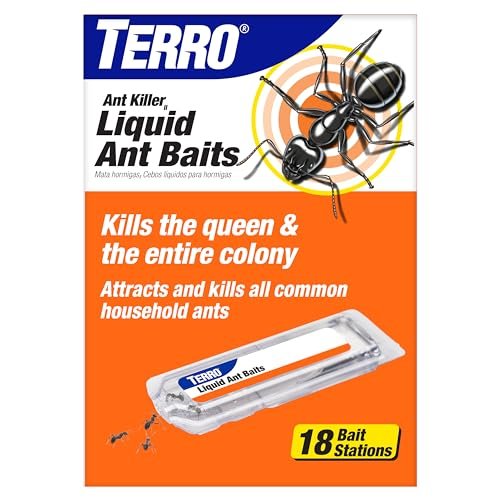
Some ant baits have no printed expiration date. For example, TERRO says its liquid bait’s active ingredient does not lose its effectiveness over time, but the bait can become less appealing to ants. The company recommends fresh bait after extended storage. Raid, meanwhile, recommends replacing its ant bait stations every three months after use. These instructions show why you should check the exact product rather than assume every trap has the same shelf life.
This guide explains how to inspect old ant traps, spot signs of deterioration, store unused bait, and dispose of unwanted pesticide products. It also explains why an old trap may fail even when its active ingredient is still effective.
Source: m.media-amazon.com
Do Ant Traps Expire or Just Lose Their Effectiveness?
Ant traps can lose their usefulness over time, but the word expire does not mean the same thing for every product. Some pesticide products have a stated expiration date. Others do not have a fixed date, yet their bait can still dry out or become less attractive to ants.
An ant bait station usually contains food that attracts ants and an active ingredient that harms them. Worker ants eat the bait and may carry some back to the nest. This process helps spread the bait through the colony. If the bait becomes hard or ants stop feeding on it, the station may no longer work as intended.
The active ingredient and the bait itself are two different things. A chemical can remain active while the food mixture changes. Think of a jar of honey that stays edible for a long time but becomes hard to pour when it forms crystals. A similar change in liquid ant bait can make it harder for ants to feed on it.
The safest rule is simple: check the label first, then inspect the trap. A missing expiration date does not prove that a bait station will work forever. It only means you should use the product-specific instructions and its physical condition to guide your decision.
Source: antsauthority.com
Chemical stability
The active ingredient may remain effective for a long time, depending on the formula and storage conditions.
Bait quality
The food, water, or liquid carrier may dry out, harden, separate, or become less attractive to ants.
Product condition
Cracks, leaks, damaged seals, and contamination can make an otherwise usable trap unsuitable.
What the Manufacturer’s Guidance Tells You
TERRO states that its liquid ant bait does not have a standard expiration date because the active ingredient does not diminish over time. However, the company recommends replacing old bait after extended storage because ants may find it less appealing. Its guidance also says to replace bait that has hardened.
Raid recommends replacing its ant bait stations every three months. That is a product-use recommendation, not proof that every unopened station expires after three months. Always distinguish between a sealed product’s storage life and the recommended service life of a station already in use.
For sealed traps
Check the package, printed date, storage instructions, and manufacturer’s advice.
For traps already in use
Follow the stated replacement interval and replace stations sooner if they are damaged or the bait has deteriorated.
How Long Do Ant Traps Last?
There is no single shelf life that applies to every ant trap. The expected life depends on the product, the bait material, whether the package is open, and the conditions where you keep it. A sealed station in a cool, dry cupboard may remain in better condition than one left in a hot garage.
For the most reliable answer, read the label or contact the manufacturer with the product name and model. Do not apply a shelf-life claim from one brand to another. Different products can use different active ingredients, food bases, containers, and replacement schedules.
The table below gives practical guidance for checking common ant bait types. It is not a universal expiration chart. Use it to decide what to inspect, then follow the directions for the exact product in your home.
Source: bugpursuits.com
Liquid bait stations
Check whether the liquid remains fluid and whether the station is sealed, clean, and free of leaks. Replace hardened bait or bait that the label says to discard.
Gel bait
Check the product’s date and instructions. Gel can dry out after application, which can reduce feeding and make the bait less useful.
Solid bait blocks
Inspect the block and its container for moisture, mold, crumbling, damage, or contamination. Use the label’s replacement schedule.
Check for rain exposure, flooding, dirt, extreme heat, and damage. Replace or service them as directed by the manufacturer.
Unopened Ant Traps Versus Opened Traps
An unopened ant trap has had less exposure to air, dust, and moisture. That can help preserve the bait, but it does not establish a guaranteed shelf life. A damaged seal or years of poor storage may still affect the product.
Once you open or place a trap, conditions change. Air can dry the bait, and household dust or spilled liquids can contaminate the station. The bait may also attract ants for a time and then become less appealing as its texture changes.
If you cannot determine how old an unmarked trap is, contact the manufacturer if the product can be identified. If you cannot identify the contents, the package is damaged, or the product’s history is unknown, do not guess. Follow local pesticide disposal guidance.
Best practice
Keep unused traps in their original, labeled packaging until you need them.
Avoid overbuying
Buy only what you expect to use soon, rather than storing large amounts for years.
Seven Signs Your Ant Traps May Need Replacing
You can often spot a problem by checking the trap’s appearance, texture, and packaging. These signs do not all prove that the active ingredient has expired. They do show when a trap may no longer deliver bait as intended or should not be used.
Inspect the trap without opening a sealed station or touching the bait. Wear gloves if the label recommends them, and wash your hands after handling the product. If a station is leaking, keep children and pets away while you follow the label’s cleanup directions.
Source: media.greenmatters.com
1. The liquid has hardened
Liquid bait should remain in the condition described by the manufacturer. If it has turned solid or become too thick for ants to feed on, replace it as directed.
2. The bait has dried out
Air exposure can remove moisture from liquid or gel bait. A dry surface may prevent ants from feeding on it properly.
3. The station is cracked or leaking
A broken casing can expose pesticide bait to people, pets, dirt, and moisture. Do not continue using a damaged station.
4. The bait is contaminated
Dust, food crumbs, cleaning products, or other materials can interfere with the bait. Replace a contaminated station according to its label.
5. The package date or label says to replace it
Follow any stated expiration date, use-by instruction, or replacement interval. Do not extend the product’s recommended life without manufacturer guidance.
6. The station has been exposed to harsh conditions
Direct sun, high heat, flooding, and prolonged dampness may affect the bait or its container. Check the storage and use limits on the label.
7. Ants no longer feed on the bait
A lack of feeding can mean the bait has dried out, the ants have another food source, the placement is poor, or the ants do not prefer that bait. It does not automatically prove expiration.
Does a Change in Color Mean Ant Bait Has Expired?
Not always. TERRO explains that its liquid bait can change from clear to yellow or brown over time. According to the manufacturer, color change alone does not necessarily mean the bait has stopped working.
Texture is often more useful for this type of bait. If the liquid has hardened, crystallized, or become difficult to pour, the manufacturer recommends replacing it. Other brands may use different formulas, so do not assume that every bait can safely be used after a color change.
Color change only
Check the manufacturer’s instructions before deciding whether to replace the product.
Hard, dry, or leaking bait
Stop using the affected station and follow its label for replacement and disposal.
How to Check Old Ant Traps Before Using Them
If you find old ant traps in a drawer or storage box, inspect them before placing them around your home. The goal is to confirm that the product is identifiable, its packaging is intact, and its condition meets the manufacturer’s instructions.
You do not need to dismantle a station, open a sealed container, or touch the bait to check it. Leave the trap closed during the inspection. If the package is missing, the product cannot be identified, or the bait appears to have leaked, do not use it.
Source: image.made-in-china.com
Step 1: Find the Product Name and Label
Look for the brand, product name, active ingredient, directions, and any date or batch code. Some products have a clear expiration date, while others do not. If you see a printed date, follow its instructions rather than relying on a general shelf-life estimate.
If the date is missing or the code is unclear, check the manufacturer’s official website or contact its customer support team. Provide the product name and any code printed on the packaging. Do not treat a manufacturing code as an expiration date unless the manufacturer confirms that meaning.
Check the instructions
Look for storage limits, replacement timing, first-aid steps, and disposal directions.
Step 2: Inspect the Container
Look for cracks, loose seals, swelling, leaks, or damage from insects and rodents. Do not use a station that can release bait unintentionally. Keep any damaged product away from children and pets while you determine the proper disposal method.
Do not transfer leftover bait into a food jar, drink bottle, or another container. The original label contains information needed for safe handling and disposal.
Pass
The package is intact, identifiable, and within the manufacturer’s stated use conditions.
Fail
The container leaks, the bait is exposed, or the product cannot be identified.
Step 3: Check the Bait Without Touching It
Look through the station’s viewing area, if it has one. Check for hardening, excessive drying, contamination, or other changes described in the label. A small color change may be normal for some formulas, so use the manufacturer’s guidance rather than color alone.
Never taste the bait or test it on your skin. Avoid opening a station just to see whether the contents are still fresh.
Replace
The bait has hardened, the station is damaged, or the product instructions call for replacement.
Seek guidance
The product’s age, identity, or condition remains unclear.
Step 4: Place a Usable Trap Correctly
If the product passes the checks, place it only where the label allows. Follow the instructions for indoor or outdoor use, and keep the station away from food, children, pets, and surfaces used to prepare meals.
Choose a spot near an active ant trail if the label permits it. Do not spray insecticide or apply cleaners directly around the bait unless the product directions allow it, because those products may interfere with ant feeding.
A good sign
Ants begin visiting the bait and feeding on it without the station being disturbed.
A warning sign
The bait remains untouched or the station is exposed to water, dirt, or other interference.
Why Old Ant Traps May Stop Working
An ant trap that attracts no ants is not always expired. The problem may come from the bait, the location, the type of ant, or food elsewhere in the home. Check these factors before deciding what to change.
Ants may also visit bait for several days before their numbers begin to fall. Workers need time to carry suitable bait back to the nest, and results depend on the ant species and the product. Do not expect every station to eliminate an entire colony overnight.
Source: allrecipes.recipess.fun
The Bait Is No Longer Attractive
Ants search for different food sources as their needs change. Some species prefer sweet liquids, while others may favor protein or fats. If ants ignore an old station, a fresh bait designed for the target ants may work better.
Avoid putting several different baits together without checking their labels. Use a product labeled for the ants you are dealing with, and follow its placement instructions.
What to do
Replace deteriorated bait and observe whether ants begin feeding on the fresh station.
The Trap Is in the Wrong Place
A fresh station may fail if it sits far from the ants’ route. Watch where ants travel, then place the bait near an active trail if the label permits. Keep the station level, dry, and out of reach of children and pets.
Do not block the trail with a strong cleaner just before placing the bait. Cleaning may help remove food residue, but sudden changes around the trail can cause ants to move elsewhere.
What to do
Move the station to a permitted location near active ants and check it as directed on the label.
Other Food Is Competing With the Bait
Crumbs, sticky spills, open pet food, and unsealed pantry goods can offer ants easier meals. Remove those competing food sources and wipe up spills, taking care not to contaminate the bait station.
Store food in sealed containers and keep trash covered. These steps help make the bait a more appealing option while reducing the reasons ants enter the home.
What to do
Clean up food residue, seal pantry items, and keep pet food areas tidy.
The Ant Species May Not Respond to That Bait
Not all ant species respond to the same bait. Some common household ants prefer sweets, while others may seek protein or oily foods. A product that works on one species may have limited results on another.
If ants keep returning despite fresh bait and correct placement, identify the ant if possible and choose a labeled product suited to the problem. A licensed pest control professional can help when the species is hard to identify or the infestation continues.
What to do
Check the product’s target pests and seek professional help for persistent or widespread activity.
How to Store Ant Traps So They Last Longer
Good storage helps preserve unused ant traps and reduces the chance of accidental exposure. Keep them in their original packaging, follow the label’s temperature and storage directions, and store them in a cool, dry place when the label allows it.
The U.S. Environmental Protection Agency advises consumers to follow pesticide storage instructions, keep products in their original containers, and store them out of reach of children and pets. It also advises against storing pesticides near food, animal feed, or medical supplies.
A garage, shed, or utility room may become very hot or damp. Do not assume that a sealed package is protected from extreme temperatures. Check the label’s storage limits and choose a secure location that stays within them.
Source: cdn.outrank.so
Keep the original label
The label provides the product identity, use directions, first aid details, and disposal instructions.
Avoid heat and direct sun
Store traps away from windows, heaters, and places that can become very hot.
Keep them dry
Moisture can damage packaging or alter some bait formulas.
Use secure storage
Place products in a locked cabinet or other secure location that children and pets cannot reach.
Buy only what you need
Smaller purchases reduce the chance of keeping unused traps for years.
Should You Keep Ant Traps in a Hot Garage?
A hot garage is not the best place to store ant traps unless the product label confirms that the conditions are suitable. High heat can affect some bait formulas, packaging, and seals. Temperature swings can also create conditions that are less favorable for long-term storage.
If you find traps that have spent a long time in a hot garage, inspect the package and check the manufacturer’s advice before using them. Discard damaged or leaking products according to local rules. Never place a questionable trap in a food storage area to see whether it still works.
Safer option
Use a secure indoor storage area that follows the label’s temperature and moisture limits.
How to Dispose of Expired or Damaged Ant Traps
Do not throw away an ant trap without first checking its label and your local disposal rules. Ant bait is a pesticide product, so the right disposal method depends on the formulation, the amount remaining, and local waste guidance.
The U.S. Environmental Protection Agency advises consumers to follow pesticide label instructions for safe handling and disposal. Local household hazardous waste programs may accept unwanted pesticides, including certain expired products. Rules differ by location, so check your city or county waste service for instructions.
Never pour ant bait into a sink, toilet, storm drain, or outdoor waterway. Do not burn pesticide containers or reuse them for another purpose. If bait has spilled, keep children and pets away and follow the label’s cleanup instructions.
Source: cdn.shopify.com
Read the label
Follow its specific disposal instructions before placing a product in household waste.
Contact local waste services
Ask whether your local household hazardous waste facility accepts the product.
Keep the container intact
Do not open, crush, or dismantle a station unless the label specifically directs you to do so.
Handle spills with care
Keep people and pets away, then follow the product’s cleanup directions. Seek local hazardous waste advice for a large or uncertain spill.
What If a Child or Pet Contacts the Bait?
Move the child or pet away from the station and prevent further contact. Follow the product label’s first-aid instructions. Do not induce vomiting or try a home remedy unless a qualified medical or veterinary professional tells you to do so.
In the United States, call Poison Control at 1-800-222-1222 for guidance after a possible human exposure. For a pet, contact a veterinarian or an animal poison control service. If the person has trouble breathing, collapses, or has another severe reaction, call 911.
Keep the package
Have the product label and active ingredient available when seeking medical or veterinary advice.
Do not wait for symptoms
Get prompt professional guidance if someone may have swallowed bait or had a significant exposure.
Common Mistakes When Using Old Ant Traps
A few simple mistakes can make a usable bait seem ineffective or turn a questionable product into a safety risk. The best approach is to follow the label, inspect the station, and give the bait time to work under the stated conditions.
Avoid these common errors when you find old ant traps or try to solve a recurring ant problem.
Source: lh7-us.googleusercontent.com
Assuming every trap lasts forever
Some products have a stated expiration date, while others have a recommended replacement interval. Check the exact product rather than relying on a general rule.
Throwing away bait only because its color changed
A color change may be normal for certain liquid baits. Check the product guidance and look for other signs of deterioration.
Using bait that has hardened
Hard bait may be difficult for ants to eat or carry. Replace it as directed by the manufacturer.
Putting traps near food preparation areas
Keep bait away from food, dishes, utensils, and surfaces used to prepare meals. Follow all placement restrictions on the label.
Spraying insecticide beside the bait
A spray may repel or kill ants before they feed on the bait. Follow the product instructions and avoid incompatible treatments near bait stations.
Leaving bait where pets can reach it
A closed station is not automatically pet-proof. Place it where children and pets cannot reach or damage it.
Using an unidentified product
If the label is missing and the contents are unknown, do not guess at the ingredients or safe use. Follow local pesticide disposal guidance.
When Should You Call a Pest Control Professional?
Consider professional help if ants keep appearing after you have used fresh, properly placed bait according to the label. You may also need help if ants enter through walls, appear in several rooms, or are difficult to identify.
A pest control professional can assess the ant species, locate entry points, and recommend a suitable treatment. This can be especially useful when repeated bait changes have not solved the problem or when the infestation may involve carpenter ants and possible wood damage.
Seek help for persistent activity
Repeated infestations may need better identification, entry-point control, or a different treatment plan.
Do not overapply pesticides
Using more bait or adding sprays outside the label directions does not guarantee better results and may increase exposure risks.
Frequently Asked Questions
Q
Do ant traps expire if they have never been opened?
They can become unsuitable for use even if they have never been opened. Storage conditions, damaged seals, and the product formula all matter. Some ant baits do not have a fixed expiration date, while others may carry a date or specific storage instructions.
Check the package and contact the manufacturer if the age or date code is unclear. Do not assume an old, sealed trap is effective just because the casing looks normal.
Q
Can I use ant traps that are two years old?
Possibly, but the age alone cannot confirm whether a trap is still suitable. TERRO recommends using fresh liquid bait if the same bait has been stored for more than two years, even though its active ingredient may remain effective.
Other brands may have different guidance. Check the exact product label, inspect the packaging, and replace the bait if it has hardened, leaked, or become contaminated.
Q
Does dried-up ant bait still work?
Dried-up bait may no longer work as intended because ants need to feed on it or carry it back to the colony. Some active ingredients may remain present, but that does not mean the bait can still attract and feed ants effectively.
Replace dried or hardened bait according to the manufacturer’s instructions. Do not add water or another liquid to restore it unless the product label specifically allows that step.
Q
Why are ants ignoring my old ant traps?
The bait may have dried out, become less appealing, or been contaminated. The station may also be in the wrong place, competing food may be available, or the ants may not prefer that bait formula.
Inspect the station and check its instructions. If the bait is damaged or old, replace it with a fresh product labeled for the target ants. Place it near an active trail where permitted, remove competing food, and avoid spraying insecticide around it unless the label allows it.
Q
How often should I replace ant bait stations?
Follow the replacement schedule on the product label. For example, Raid recommends replacing its ant bait stations every three months, while the correct timing for other products may differ.
Replace a station sooner if it leaks, becomes damaged, or contains bait that has dried out or hardened. Outdoor stations may need closer checks because rain, heat, and dirt can affect them.
Q
Does a yellow or brown color mean liquid ant bait has expired?
Not necessarily. TERRO says its liquid bait may turn yellow or brown over time and that color change alone does not prove the bait has lost its effectiveness.
Check the texture and the manufacturer’s instructions. If the bait hardens, crystallizes, or becomes difficult to pour, replace it as directed. Other brands may have different formulas, so do not apply one product’s guidance to every liquid bait.
Q
Can expired ant traps harm pets or children?
An old or expired ant trap should not be treated as harmless. The station may still contain an active pesticide, and a damaged container can expose its contents. Keep all bait out of reach of children and pets, regardless of age.
If exposure occurs, follow the label’s first-aid directions and contact Poison Control for a human exposure or a veterinarian for a pet. Do not use an unknown product or leave a damaged station where someone could touch or swallow the bait.
Q
Can I throw old ant traps in the trash?
The correct disposal method depends on the product label and local waste rules. Some products may be accepted in household trash under their directions, while others may need to go to a household hazardous waste collection site.
Read the label and check your city or county waste service before disposal. Never pour pesticide bait down a drain or into a waterway, and never reuse the original container for food or drinks.
✦ Wrapping Up
Conclusion
So, do ant traps expire? Yes, ant traps can lose their usefulness, but there is no single expiration period for every product. Some bait formulas remain chemically active for a long time, yet the food that attracts ants can dry out, harden, or become less appealing. Product labels and manufacturer guidance provide the best way to decide when to replace a trap.
Before using an old station, check its label, packaging, storage history, and bait condition. Replace damaged or hardened bait, store unused traps in their original packaging, and keep all pesticide products away from children, pets, and food. If fresh bait does not solve the problem, check placement and competing food sources or ask a pest control professional for help.
💡 Key Takeaway
Check the brand and label today. If the trap is damaged, leaking, unidentified, or past its stated use date, do not use it. If its age or condition is uncertain, contact the manufacturer or follow local pesticide disposal guidance.