You can make a simple homemade bug spray by mixing water with a small amount of suitable essential oil and a proper dispersing agent. However, homemade mixtures are not proven to protect against mosquito or tick bites like EPA-registered repellents.
Summer in the United States often means backyard cookouts, camping trips, garden work, and evenings on the porch. It also means dealing with mosquitoes, flies, ants, and other unwanted bugs. Many Americans look for simple ways to keep these pests away without spending much money on store-bought sprays.
Making bug spray at home can seem like an easy answer. Common recipes use ingredients such as peppermint oil, citronella, lavender, witch hazel, and water. These mixtures may have a strong scent that some insects dislike, but their ability to protect people from bites is not well established.
The most important step is choosing the right type of spray for the job. A mixture intended for cleaning outdoor surfaces is not automatically safe for skin. Likewise, a pleasant-smelling essential oil mixture should not replace a tested insect repellent when mosquitoes or ticks may carry disease.
This guide explains how to prepare a basic homemade scent-based spray, which ingredients to consider, how to use it with care, and when a tested product is the better choice. It also covers children, pets, indoor use, and common DIY mistakes.
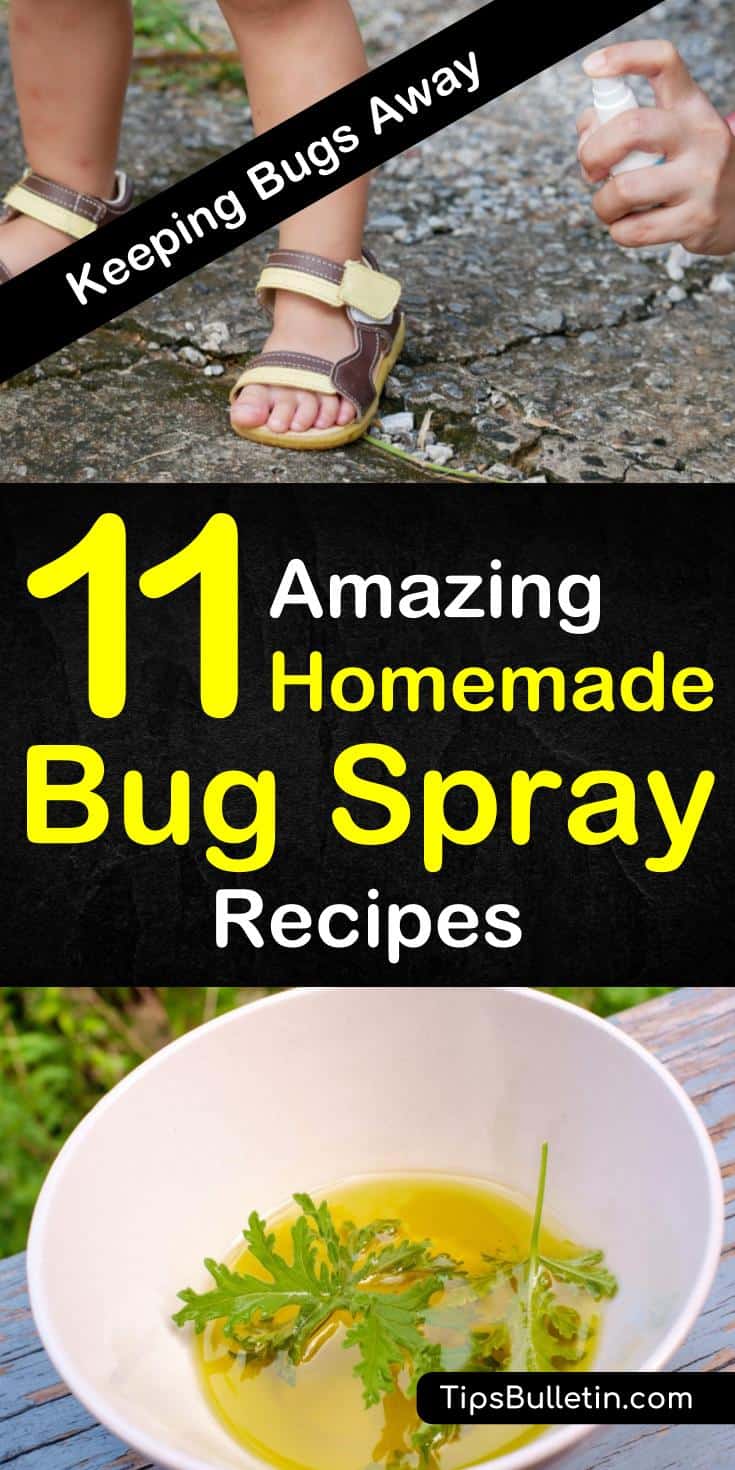
Source: tipsbulletin.com
How Do You Make Homemade Bug Spray?
You can prepare a basic homemade scent spray with a clean spray bottle, water, a suitable emulsifier, and a small amount of essential oil. An emulsifier helps oil spread through water instead of floating in separate drops. This matters because an uneven mixture can leave some sprays much more concentrated than others.
A homemade scent spray is best treated as an experimental household mixture, not a proven insect repellent. There is no standard DIY recipe with validated protection time, reliable coverage, or established effectiveness against mosquitoes and ticks.
If your goal is to avoid mosquito bites during a camping trip, outdoor meal, or walk near wooded areas, use a tested repellent instead. You can still make a household fragrance spray for limited purposes, but do not depend on it for protection from insect-borne diseases.
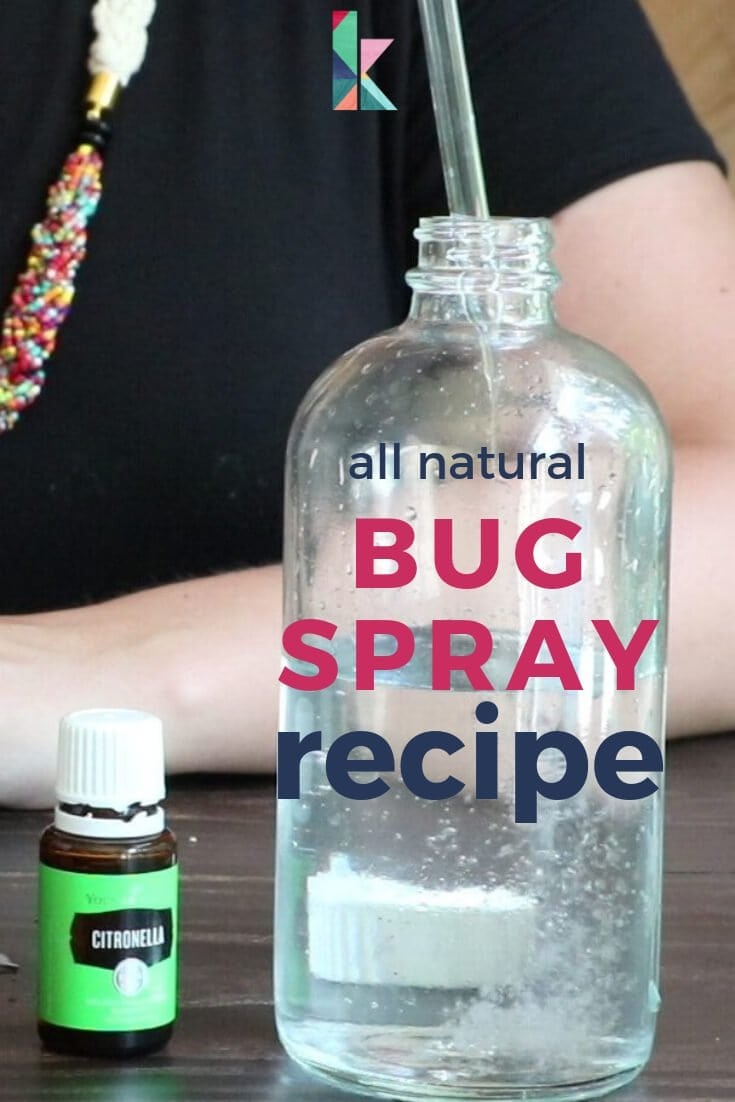
Source: cdn.morningchores.com
What you need
A clean spray bottle, water, a suitable cosmetic-grade emulsifier, and a compatible essential oil if you are making a scent-based mixture.
What it can do
It can create a scented mixture for limited household use. Some essential oil scents may discourage certain insects temporarily, but results are uncertain.
What it cannot guarantee
It cannot guarantee protection from mosquito bites, ticks, fleas, or insects that carry diseases.
Basic Homemade Scent Spray Preparation
Start with a small batch rather than making a large bottle that may sit unused. Use a clean container and follow the emulsifier manufacturer’s instructions for the amount needed to disperse the selected oil. Add water only as directed by the product instructions.
If you choose an essential oil, use only an ingredient intended for the proposed application. Do not pour concentrated essential oil directly onto skin or assume that a few drops in water create a safe skin product. A properly formulated skin product requires more than simply combining household ingredients.
Mix the ingredients according to the emulsifier instructions, label the bottle with its contents and preparation date, and keep it away from children and pets. If the ingredients separate, the mixture develops an unusual smell, or the container changes, stop using it.
Start small
A small experimental batch reduces waste and makes it easier to identify unwanted reactions or changes.
Label the bottle
Write down every ingredient and the preparation date. Never store an unidentified liquid in a spray bottle.
Keep it separate
Do not store homemade mixtures in food or drink containers. Keep them away from children and animals.
Which Ingredients Can You Use in Homemade Bug Spray?
Several ingredients appear in popular homemade bug spray recipes. They include citronella, peppermint, lavender, eucalyptus, witch hazel, and water. Each has a different purpose, and none should be treated as a guaranteed solution for insect bites.
Essential oils contain concentrated plant compounds. Their strong scents can make them appealing for household fragrance mixtures, but a strong smell does not prove that a product will repel insects for a useful length of time.
Water is a common base because it is inexpensive and easy to obtain. However, it does not dissolve essential oils. A suitable emulsifier or a professionally formulated base is needed to create a more even mixture.
Source: designertrapped.com
Citronella oil
Citronella is commonly used in scented candles and insect-related products. It may provide some temporary repellency in certain formulations, but a homemade mixture has no established protection time.
Peppermint oil
Peppermint has a strong mint scent. It is often included in DIY pest recipes, but its presence does not establish reliable protection against biting insects.
Lavender oil
Lavender is commonly used for fragrance. Some insect-repellent properties have been explored, but homemade lavender mixtures are not validated substitutes for registered repellents.
Eucalyptus oil
Different eucalyptus oils have different compositions. Ordinary eucalyptus essential oil should not be confused with EPA-registered oil of lemon eucalyptus repellent products.
Witch hazel
Witch hazel is found in some homemade skin-care recipes. It does not establish insect-repellent effectiveness and may irritate sensitive skin.
Water
Water can serve as a base in a properly formulated mixture, but it does not preserve a homemade spray or dissolve essential oils.
Why Oil and Water Need a Dispersing Agent
Oil and water naturally separate. Think of a bottle of salad dressing: the oil rises and forms its own layer when the bottle sits still. Essential oils behave in a similar way when mixed with plain water.
This separation can create uneven amounts of oil in different sprays. One application may contain mostly water, while another may contain concentrated oil droplets. That makes exposure harder to predict.
A suitable emulsifier can help distribute oil more evenly. However, an emulsifier does not prove that the final product is safe for skin or effective against insects. Those are separate questions that require proper formulation and testing.
Avoid plain water mixtures
Do not assume that shaking an essential oil and water mixture makes it a stable or evenly distributed skin product.
Avoid adding random chemicals
Dish soap, cleaning alcohol, and other household chemicals are not interchangeable with cosmetic-grade formulation ingredients.
Homemade Bug Spray Recipes for Different Purposes
The best approach depends on where you want to use a mixture. A spray for a room, a garden surface, or personal skin exposure has different safety needs. Do not use one recipe for every situation.
The following options explain common DIY ingredient combinations and their limitations. They are not tested pesticide formulations or proven skin repellents. In particular, avoid applying these homemade mixtures to your body as a substitute for an EPA-registered product.
Source: i.pinimg.com
Citronella Scent Spray
Citronella is one of the best-known ingredients in homemade mosquito-related recipes. Its recognizable plant scent is also used in candles and outdoor fragrance products.
A citronella-based household scent mixture can be prepared only with ingredients suitable for the intended surface and a compatible formulated base. Follow the ingredient manufacturer’s directions rather than guessing the amount of oil to add.
Do not assume that a citronella scent in a room or on a table protects everyone nearby from bites. A scented surface product is not the same as a personal repellent.
Possible use
Limited household fragrance use when the formulation is suitable for the surface and the product label permits it.
Main limitation
The strength and duration of mosquito repellency from a homemade citronella mixture are not established.
Peppermint Scent Mixture
Peppermint oil has a sharp, fresh smell and appears in many online DIY pest-control recipes. Some people use peppermint-scented products around household spaces because they prefer the fragrance.
However, peppermint oil is concentrated. Direct contact may cause irritation, and the smell should not be used as proof that mosquitoes, ants, or other insects have been controlled.
For a household fragrance product, choose a professionally formulated base that is compatible with the oil. Keep the mixture away from food, children, pets, and sensitive surfaces.
Possible benefit
Provides a noticeable mint fragrance in a suitable household application.
Important caution
Peppermint oil can irritate skin and may be unsafe for certain pets, especially when concentrated.
Lavender Scent Mixture
Lavender is another popular choice for people who prefer a floral scent. It is used in household fragrance products and some commercially formulated insect-related products.
A lavender scent mixture may be suitable for limited fragrance use when the base and intended surface are compatible. It should not be treated as a reliable mosquito barrier or a replacement for tested protection.
Avoid using concentrated lavender oil directly on the body. People with sensitive skin or fragrance allergies should be especially cautious.
Possible benefit
Offers a mild floral fragrance in an appropriate household formulation.
Main limitation
A lavender scent does not provide a measured period of protection against biting insects.
Herbal Infusion for Household Fragrance
Fresh mint or lavender leaves can be steeped in hot water to create a mild herbal infusion. After the mixture cools, it can be strained and used for limited fragrance purposes when the intended application is appropriate.
This type of mixture is mostly water. It has no validated insect-repellent strength, and plant material can introduce contamination or shorten its useful storage period.
Do not treat an herbal infusion as a disinfectant, pesticide, or personal mosquito repellent. Prepare only a small amount and discard it if its appearance or smell changes.
Preparation
Use clean equipment, fresh plant material, and clean water. Strain out all leaves before transferring the cooled infusion.
Storage
Keep it refrigerated in a clearly labeled container and discard it promptly rather than assuming it has a long shelf life.
How to Make Homemade Bug Spray for Different Insects
Different insects respond to different conditions. A recipe that creates a strong scent may have little effect on a particular mosquito or fly. Identifying the pest is more useful than simply adding more essential oils.
Before choosing a DIY method, decide whether you are dealing with mosquitoes, flies, ants, or ticks. Also decide whether the insects are inside the home, around outdoor seating, or in a garden. These details change which prevention methods are most useful.
Source: cdn.homedit.com
For Mosquitoes
Mosquitoes are more than a nuisance in many parts of the United States. Some species can spread illnesses such as West Nile virus and dengue. That makes reliable bite prevention more important than choosing a pleasant-smelling homemade recipe.
Citronella and other plant oils are common in DIY mosquito spray discussions. However, homemade combinations do not have the validated protection time needed to depend on them during outdoor activities.
Use an EPA-registered personal repellent when mosquito exposure is a concern. Wear long sleeves and pants, use properly fitted mosquito netting when needed, and remove standing water from containers around your property.
Best practical approach
Combine a tested personal repellent with clothing, window screens, and mosquito netting.
What to avoid
Do not depend on a homemade essential oil mixture when mosquito-borne disease is a concern.
For House Flies
House flies are often attracted to food scraps, uncovered garbage, pet waste, and other organic material. A scented spray does not remove these sources, so flies may keep returning even when a room smells strongly of herbs.
Keep food covered, clean spills quickly, use covered trash bins, and repair damaged window screens. These steps address the reasons flies enter and remain in a home.
A suitable household fragrance mixture may change the smell of an area, but it should not be confused with a proven fly-control treatment.
Remove food sources
Clean counters, wash dishes, cover food, and empty garbage regularly.
Block entry points
Repair window screens and seal gaps around doors where practical.
For Ants
Ants usually enter homes while searching for food or water. Spraying a scented mixture around a trail may change the smell temporarily, but it may not remove the colony or stop the insects from finding another route.
Wipe ant trails with an appropriate household cleaner, store food in sealed containers, and fix moisture problems. If an infestation continues, identify the ant species before selecting a suitable control method.
Avoid spraying random mixtures into wall openings or near electrical outlets. Never combine cleaning chemicals in an attempt to make a stronger pest treatment.
Clean the trail
Remove food residue and follow the ant trail to find possible entry points.
Remove attractions
Keep sugary foods, crumbs, and standing water away from areas where ants appear.
For Ticks
Ticks need a different prevention strategy from ordinary household insects. They can spread illnesses such as Lyme disease in parts of the United States, and homemade essential oil mixtures are not reliable tick protection.
Wear long pants, use appropriate EPA-registered repellents, and consider clothing or gear treated with permethrin according to its label. Permethrin products intended for clothing must not be applied directly to skin.
After spending time in wooded or grassy areas, check your clothing and body for ticks. Pay close attention to the scalp, behind the knees, around the waist, and other areas where ticks may attach.
Protect clothing
Use suitable clothing coverage and follow the directions for any clothing treatment.
Check after outdoor activities
Inspect your body, clothes, and outdoor gear after visiting areas where ticks may live.
Homemade Bug Spray vs. Store-Bought Insect Repellent
The main difference is testing. An ordinary homemade essential oil mixture has no established protection time or validated performance. EPA-registered skin-applied repellents have undergone evaluation for safety and effectiveness when used according to their labels.
The US Environmental Protection Agency and the Centers for Disease Control and Prevention identify several active ingredients used in effective personal repellents. These include DEET, picaridin, IR3535, oil of lemon eucalyptus in registered formulations, and other approved options.
A natural ingredient is not automatically safer or more effective than a synthetic one. The complete formulation, concentration, intended use, and application instructions all matter.
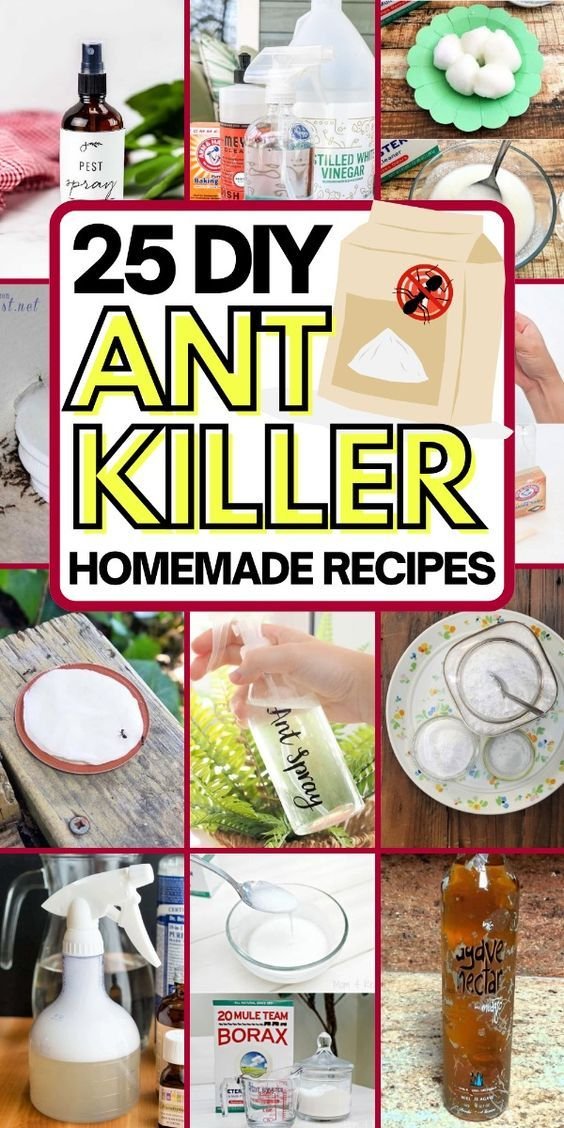
Source: i.pinimg.com
Homemade mixtures
Can be inexpensive and easy to prepare, but their effectiveness, protection time, and skin safety are not established.
EPA-registered repellents
Have product-specific evaluations and label directions that explain their intended use and protection claims.
Natural commercial products
Some use plant-derived active ingredients and have EPA registration or other applicable regulatory status. Check the exact product and its label.
Physical protection
Clothing, mosquito nets, screens, and removal of standing water reduce exposure without requiring a homemade skin mixture.
What Does EPA Registration Mean?
An EPA registration number on a skin-applied insect repellent indicates that the product has undergone the applicable EPA review for its intended use. The registration does not mean that every product works for the same number of hours or protects against every insect.
Read the complete label to identify the active ingredient, target insects, application instructions, and any age restrictions. The product’s stated protection time depends on its formulation and concentration.
Some minimum-risk pesticide products are exempt from federal registration requirements under specific conditions. Therefore, the absence of an EPA registration number does not automatically establish that every product is illegal. However, it also does not establish that a homemade mixture provides proven disease protection.
Check the active ingredient
Look for the specific ingredient and concentration listed on the product label.
Check the target insect
A product intended for mosquitoes may not provide the same protection against ticks or other pests.
Follow the label
Use the product only as directed, including its reapplication schedule and age restrictions.
Is Homemade Bug Spray Safe for Skin?
Homemade bug spray is not automatically safe for skin just because its ingredients come from plants. Essential oils are concentrated substances, and some can cause irritation, allergic reactions, or other unwanted effects.
The risk depends on the oil, its concentration, the other ingredients, the amount applied, and the person’s age and skin condition. A mixture that seems harmless on a household surface may not be suitable for direct body contact.
There is another important issue: water-based DIY mixtures may not contain a proper preservative system. Microorganisms can grow in poorly stored products, especially when fresh herbs or contaminated equipment are involved.
Should You Apply Essential Oils Directly to Your Skin?
No. Do not apply undiluted essential oils directly to your skin as a homemade insect repellent. Concentrated oils may cause irritation or allergic contact reactions, even when the product smells pleasant.
Adding a few drops of essential oil to water does not guarantee safe dilution because the oil can remain in separate droplets. A proper skin formulation needs compatible ingredients, suitable concentrations, and safety assessment.
If you experience redness, itching, burning, swelling, or a rash after contact, stop using the mixture and wash the affected area with soap and water. Seek medical advice if the reaction is severe, spreads, or does not improve.
Avoid broken skin
Do not apply homemade mixtures to cuts, wounds, irritated skin, or areas affected by dermatitis.
Avoid sensitive areas
Keep essential oils and homemade sprays away from the eyes, mouth, nose, and other sensitive areas.
Do not assume patch testing proves safety
A small skin test cannot establish long-term safety or reliable insect-repellent performance.
Can You Use Homemade Bug Spray on Babies and Children?
Do not use homemade essential oil bug spray on babies or young children. Their skin and behavior can increase the chance of unwanted exposure, and homemade mixtures do not have established age-specific safety instructions.
For babies younger than 2 months, the CDC recommends avoiding insect repellent on the skin. Use protective clothing and mosquito netting over strollers and baby carriers instead. Ensure that netting is secure and does not obstruct the baby’s breathing.
For older children, choose an appropriate registered repellent and follow its label. The CDC advises against using products containing oil of lemon eucalyptus or PMD on children younger than 3 years. Adults should apply repellent to their own hands before applying it to a child’s face, while avoiding the eyes and mouth.
Babies under 2 months
Use protective clothing and properly fitted mosquito netting instead of applying skin repellent.
Children under 3 years
Avoid products containing OLE or PMD, following CDC guidance and the specific product label.
Older children
Use an age-appropriate registered product and follow the label instructions carefully.
Is Homemade Bug Spray Safe Around Pets?
Essential oils can be harmful to pets, especially when concentrated or used in ways that allow licking, inhalation, or skin contact. Cats can be particularly sensitive to several essential oil compounds because of differences in how their bodies process them.
Do not spray homemade peppermint, citronella, eucalyptus, or lavender mixtures directly on pets. Also avoid applying these mixtures to pet bedding, carriers, or places where animals regularly lick or rest without veterinary guidance.
If you want to control fleas, ticks, or mosquitoes around animals, ask a veterinarian about products designed for the particular species. A product safe for a dog may be dangerous to a cat.
Never spray pets directly
Do not use human homemade bug spray as an animal insect treatment.
Protect pet resting areas
Keep concentrated oils and homemade mixtures away from bedding, food bowls, toys, and litter areas.
Ask a veterinarian
Choose animal-specific pest prevention products based on the pet’s species, age, and health.
How to Use Homemade Bug Spray Around the House
For indoor pest problems, prevention is often more useful than spraying scented mixtures. Bugs enter homes because they find food, moisture, shelter, or an easy path through doors and windows.
Before using any homemade fragrance mixture, check that its ingredients are suitable for the intended surface. Essential oils can damage some plastics, painted finishes, fabrics, and other materials. Test surface compatibility according to the material and product manufacturer’s guidance.
Never spray homemade mixtures into electrical outlets, appliances, air vents, or enclosed spaces. Do not mix vinegar, bleach, ammonia, alcohol, or other cleaners to create a stronger bug spray. These combinations can produce dangerous reactions or fumes.
Use Window Screens and Door Seals
A well-fitted screen can stop many flying insects from entering the home. Check window frames, screen doors, and gaps around exterior doors for holes or loose edges.
Repair damaged screens and use door sweeps where needed. These simple changes help prevent insects from entering without exposing household members to unnecessary sprays.
Inspect screens
Look for holes, loose corners, and gaps around window frames.
Seal entry points
Use suitable door seals and repair openings around windows and exterior doors.
Remove Standing Water
Standing water can provide mosquito breeding sites. Check flowerpot saucers, buckets, birdbaths, old tires, clogged gutters, and other containers around the property.
Empty and clean water-holding containers regularly. Cover stored water when appropriate and keep gutters clear so water does not collect.
A homemade spray cannot replace removing a mosquito breeding site. Reducing the number of places where mosquitoes can reproduce is a more direct prevention step.
Empty containers
Remove water from buckets, unused pots, and other containers that collect rain.
Maintain gutters
Clear debris that prevents rainwater from draining properly.
Check outdoor equipment
Inspect tarps, toys, drains, and other objects after rainfall.
How Long Does Homemade Bug Spray Last?
There is no reliable universal shelf life or protection time for homemade bug spray. The answer depends on the ingredients, formulation, storage conditions, container, and intended use.
A mixture made with water and essential oils may separate over time. A homemade herbal infusion can also become contaminated because it usually lacks a validated preservation system.
Do not assume that a homemade spray protects against insects for several hours simply because a commercial product with a similar plant ingredient makes that claim. Commercial protection times are based on the tested formulation, not the ingredient name alone.
Watch for separation
Changes in appearance may indicate that the mixture is no longer evenly distributed.
Check for contamination
Discard a water-based mixture if it develops an unusual smell, visible growth, or an unexpected change in texture.
Use clean containers
Wash and dry reusable containers properly before use, provided the container is suitable for the ingredients.
Avoid long-term storage
Make only small quantities of experimental mixtures and do not assume refrigeration makes them safe indefinitely.
Does Shaking the Bottle Make It More Effective?
Shaking can temporarily redistribute ingredients, but it does not turn an unstable mixture into a tested formulation. Oil droplets may separate again after the bottle sits.
This is especially important when a mixture is intended for skin. Uneven distribution can cause inconsistent exposure, and repeated shaking does not establish a safe concentration.
If you need predictable protection against mosquitoes or ticks, use a properly formulated repellent with clear application and reapplication instructions.
Shaking has limits
It may temporarily mix ingredients but does not establish stability, safety, or insect-repellent performance.
Common Mistakes to Avoid When Making Homemade Bug Spray
Many DIY bug spray problems come from assuming that natural ingredients are always safe or that a strong smell means insects will stay away. A homemade mixture can be ineffective, irritating, or unsuitable for the surface where it is used.
The best way to avoid these problems is to understand what each ingredient does and what the finished mixture has not been tested to do. Avoid adding extra ingredients simply because a recipe on the internet recommends them.
Using too much essential oil
More oil does not automatically mean better repellency. Higher concentrations can increase the chance of irritation, allergic reactions, and other unwanted effects.
Mixing oil with plain water
Oil and water separate naturally. A simple shake does not guarantee an even or stable mixture.
Applying a household spray to skin
A product intended for rooms, furniture, or outdoor surfaces may not be suitable for human skin.
Using homemade spray on babies
Do not expose infants to untested essential oil mixtures. Use age-appropriate prevention methods and follow CDC guidance.
Using essential oils around pets
Some concentrated oils can harm animals. Keep them away from pets unless a veterinarian confirms the proposed use is appropriate.
Assuming natural means non-toxic
Plant-derived substances can still irritate skin, trigger allergies, and cause poisoning if swallowed or misused.
Expecting hours of protection
Homemade mixtures have no validated protection period. Do not use them as a replacement for tested insect repellents.
Ignoring the actual pest source
Spraying a room will not solve an ant infestation caused by accessible food or a mosquito problem caused by standing water.
What to Do If Homemade Bug Spray Does Not Work
If insects continue to appear after using a homemade mixture, do not keep adding more oil or spraying more often. The recipe may simply lack proven repellent activity, or the insects may be coming from an untreated source.
Start by identifying the insect and where it appears. Check for food, moisture, standing water, entry gaps, and other conditions that attract pests. Choose a prevention or control method designed for that specific problem.
If mosquitoes or ticks are the concern, switch to a tested repellent rather than experimenting with stronger homemade mixtures. If a household infestation continues despite basic prevention, a licensed pest-control professional can help identify the source and recommend suitable treatment.
Signs That You Need a Different Method
Repeated bites, visible insects after spraying, or the return of the same ant trails suggest that the homemade mixture is not solving the problem. A strong scent should never be used as the only sign of success.
For indoor infestations, look for breeding sites, food sources, moisture, and structural entry points. For outdoor biting insects, use personal protection that has been evaluated for the target pest.
Mosquitoes keep biting
Use a tested personal repellent, protective clothing, and mosquito netting where appropriate.
Ants return repeatedly
Find the entry point and food source. Consider an appropriate ant-control method if the problem continues.
Flies keep entering
Inspect screens, garbage storage, food handling, and other possible sources.
Ticks are found on clothing or skin
Use recognized tick-prevention measures and inspect your body and clothing after outdoor activities.
Safer Alternatives to Homemade Bug Spray
You do not need to rely on a homemade spray to reduce insect exposure. Several practical methods can help protect your home and family without using untested mixtures.
For personal protection, the CDC recommends choosing an appropriate EPA-registered repellent. Depending on the product, active ingredients can include DEET, picaridin, IR3535, oil of lemon eucalyptus, PMD, and other recognized ingredients.
For the home, physical barriers and good sanitation are useful first steps. For outdoor spaces, removing standing water and maintaining the yard can help reduce mosquito breeding opportunities.
Use an EPA-registered repellent
Choose a product for the insect you want to avoid and follow the label’s application and reapplication directions.
Wear protective clothing
Long sleeves, long pants, socks, and closed shoes can reduce exposed skin during outdoor activities.
Install mosquito netting
Use suitable netting around beds, strollers, and other areas where people need protection from mosquitoes.
Maintain window screens
Repair openings that allow mosquitoes and flies to enter indoor spaces.
Remove standing water
Empty water-holding containers and maintain gutters and drains around the property.
Choose clothing treatments carefully
Use permethrin-treated clothing and gear according to the label. Do not apply clothing-treatment products directly to skin.
Is Oil of Lemon Eucalyptus the Same as Lemon Eucalyptus Essential Oil?
No. This is an important distinction when comparing natural insect repellents. EPA-registered products containing oil of lemon eucalyptus or PMD are formulated and evaluated for their intended use.
Pure lemon eucalyptus essential oil is not the same as a registered oil of lemon eucalyptus repellent. The CDC does not recommend using pure oil of lemon eucalyptus as a mosquito repellent because it has not undergone the same validated safety and effectiveness testing.
The CDC also advises against using OLE or PMD products on children younger than 3 years. Always check the exact product label rather than relying on a general ingredient description.
Registered OLE products
These are specific formulated products with applicable product information and directions.
Pure essential oil
Do not treat ordinary lemon eucalyptus essential oil as an approved substitute for a tested repellent.
Choosing the Right Bug Prevention Method
The right method depends on the pest, location, and level of exposure. A household fragrance mixture may be suitable for limited scent purposes, but it is not a reliable solution for every insect problem.
Use the following table to compare practical options. It separates personal bite protection from household prevention and experimental fragrance use.
For outdoor mosquito exposure
Choose an appropriate EPA-registered repellent and combine it with protective clothing and mosquito barriers.
For indoor flies
Focus on food storage, clean surfaces, covered garbage, and window screens.
For indoor ants
Remove food and water sources, locate entry points, and use a suitable pest-control method when needed.
For household fragrance
Use a compatible, properly formulated product and do not make claims about insect protection.
Quick Decision Table
This comparison shows which method fits common situations and where homemade mixtures have important limits.
Mosquito bites outdoors
Best approach: EPA-registered personal repellent, long clothing, and mosquito netting. Homemade sprays are not dependable protection.
Ants in the kitchen
Best approach: clean food residue, seal food, remove moisture, and address entry points.
Flies near garbage
Best approach: covered bins, frequent disposal, clean surfaces, and repaired screens.
Ticks in grassy areas
Best approach: appropriate registered repellent, protective clothing, suitable clothing treatments, and tick checks.
A pleasant household scent
Best approach: a suitable household fragrance product used according to its directions.
Frequently Asked Questions
Q
What is the easiest homemade bug spray recipe?
A basic household scent mixture can use water, a compatible emulsifier, and a suitable essential oil. Follow the emulsifier and fragrance ingredient instructions for the correct formulation. Do not assume this mixture is a proven insect repellent or safe for direct skin application.
Q
What is the best natural ingredient for homemade bug spray?
Citronella, peppermint, and lavender are popular ingredients in DIY recipes. However, no single essential oil makes an ordinary homemade mixture a dependable personal insect repellent. For reliable mosquito or tick protection, choose a tested product with an appropriate active ingredient.
Q
Can I make homemade bug spray without essential oils?
Yes. You can use physical prevention methods without making a spray. Mosquito netting, window screens, protective clothing, and removing standing water can help reduce insect exposure. These options are often more useful than an untested water-based mixture.
Q
Can vinegar keep mosquitoes away?
Vinegar is not a dependable personal mosquito repellent. Adding vinegar to water or essential oils does not create a tested insect-repellent formulation. It can also irritate the eyes and damage some surfaces, so avoid spraying it indiscriminately around the home.
Q
How often should I apply homemade bug spray?
There is no validated reapplication schedule for homemade bug spray because its protection time has not been established. Do not assume that applying it more often will make it effective. For personal protection, follow the reapplication instructions on an EPA-registered product.
Q
Can I use homemade bug spray on my clothes?
Do not assume a homemade essential oil mixture is suitable for clothing. Oils may leave stains, damage some fabrics, or cause skin exposure when clothing touches the body. For clothing-based insect protection, use products specifically labeled for that purpose and follow their instructions.
Q
Is homemade bug spray safe to use indoors?
Safety depends on the ingredients and the way the mixture is used. Essential oil vapors may irritate some people and animals, while liquid mixtures can damage certain surfaces. Keep homemade products away from food, children, pets, flames, and electrical equipment. Use only ingredients suitable for the intended indoor application.
Q
Does homemade bug spray expire?
Yes, a homemade mixture can deteriorate or become contaminated. Water-based sprays without a validated preservative system should not be stored indefinitely. Discard a mixture if it changes color, develops an unusual odor, shows visible growth, or separates unexpectedly.
Q
Can I use homemade bug spray on my dog or cat?
No. Do not apply human homemade essential oil sprays directly to dogs or cats. Some essential oils can cause harmful reactions, and cats may be especially sensitive. Ask a veterinarian to recommend an animal-specific insect or flea prevention product.
Q
What is the safest way to protect a baby from mosquitoes?
For babies younger than 2 months, the CDC recommends not applying insect repellent to their skin. Use clothing that covers exposed skin and properly fitted mosquito netting over strollers and baby carriers. For older babies and children, follow age restrictions and the directions of an appropriate registered repellent.
✦ Wrapping Up
Conclusion
Making homemade bug spray can be an interesting household project, especially if you enjoy using plant-based fragrances. Common DIY ingredients include citronella, peppermint, lavender, and eucalyptus. However, these ingredients do not automatically create a safe or effective insect repellent when mixed at home.
The most important distinction is between a scented household mixture and a product designed to prevent insect bites. Homemade essential oil sprays have no validated protection time, and uneven mixing can create unpredictable exposure. They should not replace proven protection against mosquitoes and ticks, particularly in areas where insects may carry disease.
For everyday pest prevention, start by removing standing water, keeping food covered, repairing window screens, and sealing entry points. When you need personal bite protection, choose an EPA-registered repellent that is suitable for your age group and the insects you want to avoid.
A simple recipe is not always the safest solution. Understanding the ingredients, choosing the correct application, and knowing when to use a tested product will help you protect your home and family more effectively.
💡 Key Takeaway
Before making homemade bug spray, decide whether you need household fragrance or actual bite protection. Use only properly formulated mixtures for their intended purpose, keep essential oils away from children and pets, and choose an EPA-registered repellent when reliable mosquito or tick protection matters.
Most ant killers won’t kill spiders. A colony bait is built for social insects. Spiders don’t forage in groups or share food. A labeled residual contact spray…
The question “is Amdro ant killer safe for pets” usually comes up right after a dog has nosed around a can of granules on the porch or a cat has batted a gel…