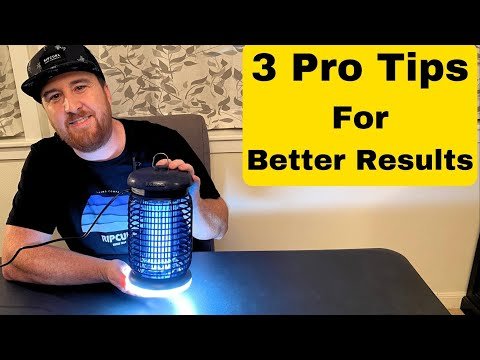
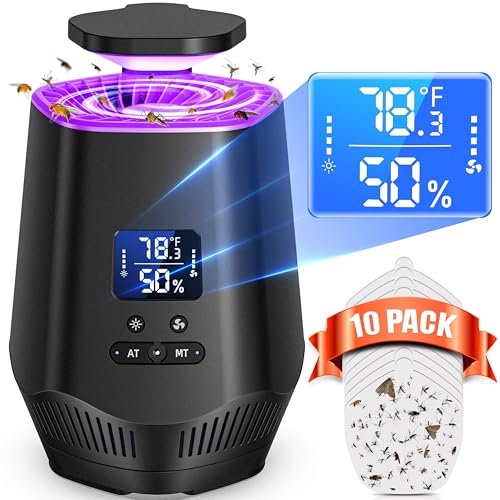
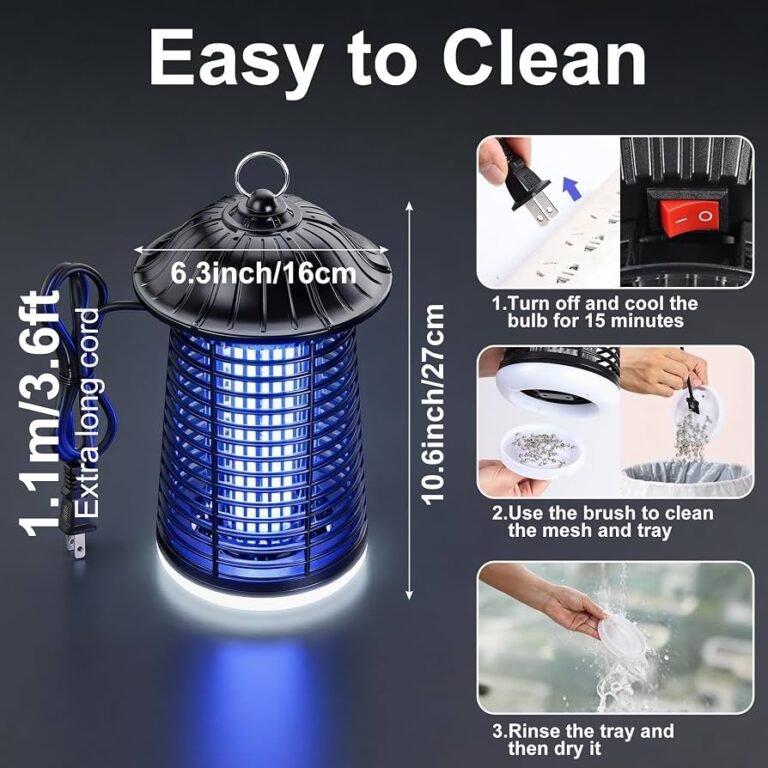
To attract mosquitoes more effectively, use a trap designed with carbon dioxide, heat, and mosquito-specific scent lures. A standard UV bug zapper is not very effective because mosquitoes respond more strongly to human odors and carbon dioxide than to ordinary UV light.
Mosquitoes can make a summer evening in the United States uncomfortable. They gather around patios, porches, gardens, and pools. Many homeowners buy an electric bug zapper and expect its bright blue or purple light to draw mosquitoes away. However, there is a problem with this approach. Most mosquitoes do not respond to light in the same way that moths and other flying insects do.
If you want to learn how to attract mosquitoes to a bug zapper, start by understanding what makes mosquitoes search for people. Female mosquitoes use carbon dioxide from breath, skin odors, body heat, and other signals to locate a host. A basic electric zapper usually offers only light. This means that changing its position or brightness may not make a major difference.
You can improve mosquito capture by choosing equipment that uses suitable attractants. Some traps combine carbon dioxide, heat, and scent lures with a fan or collection chamber. These devices are different from ordinary electric zappers. This guide explains the difference, how to position a trap, what to avoid, and which mosquito control steps offer better protection.
Source: www.pinterest.com
1. Understand What Attracts Mosquitoes
The first step is to understand how mosquitoes find a target. Female mosquitoes of many species seek blood meals to help produce eggs. They use several signals to locate a suitable host. These signals include carbon dioxide, skin odors, heat, moisture, and visual cues.
Carbon dioxide is one of the most useful signals. People release it when they breathe. A mosquito can detect changes in carbon dioxide levels and move toward a source. This is why many purpose-built mosquito traps use carbon dioxide to imitate part of the signal produced by a living host.
Skin odors also matter. Human skin releases a mix of chemicals, and sweat can add more odor cues. The exact response can vary by mosquito species and individual host. Heat can help mosquitoes locate a target at close range. Some species also respond to visual contrast and other environmental signals.
A normal bug zapper does not reproduce this full combination. Its UV light may attract certain night-flying insects, but it does not create the same host signals as a person. This explains why a zapper can collect many insects while catching very few mosquitoes.
Source: storage.googleapis.com
Carbon dioxide
A strong host-finding cue that many female mosquitoes use when searching for people and animals.
Human skin odor
A mixture of natural skin chemicals and sweat-related odors that can help mosquitoes identify a potential host.
Heat
A close-range signal that can help some mosquitoes locate warm hosts.
UV light
A common feature of electric bug zappers, but not a dependable stand-alone attractant for biting mosquitoes.
Why Female Mosquitoes Are the Main Target
Female mosquitoes are the main concern when you want to reduce bites. Many female mosquitoes need a blood meal to develop eggs. Male mosquitoes do not bite people for blood. They mainly feed on plant sugars and other natural sources.
This difference matters because a trap that catches large numbers of harmless flying insects may still catch few female mosquitoes. A useful mosquito trap needs to attract the species and life stage that cause the problem in your yard.
Look for mosquito-specific equipment
Choose a device that names its attractant and target mosquitoes rather than relying only on a bright lamp.
2. Can You Attract Mosquitoes to a Regular UV Bug Zapper?
You can attract some flying insects to a regular UV bug zapper, but you should not expect it to work well against mosquitoes. These devices use ultraviolet light to draw insects toward an electrified grid. Many moths, beetles, and other night-flying insects respond to the light. Mosquitoes often respond more strongly to other signals.
Research and university extension guidance have repeatedly raised concerns about using ordinary electric zappers for mosquito control. These devices can kill many insects that do not bite people. The share of captured insects that are biting mosquitoes can be very small.
This creates an important difference between catching insects and controlling mosquitoes. A full collection tray may look impressive, but it does not prove that the device has reduced the number of mosquitoes in your yard. It also does not prove that your family will receive fewer bites.
If you already own a standard zapper, you can follow its manual and use it for the insects it is designed to catch. However, adding homemade bait or moving it closer to your seating area will not turn it into a proven mosquito control system.
Source: pestcontrolhacks.com
What a standard zapper can do
It can attract and electrocute some light-responsive flying insects.
What it cannot reliably do
It cannot be relied on to attract enough female mosquitoes to reduce outdoor mosquito activity or prevent bites.
The ecological concern
It can kill non-target insects, including moths and other insects that play useful roles in local ecosystems.
Does a Brighter UV Bulb Attract More Mosquitoes?
A brighter bulb may change how visible a device is to some insects. However, brightness alone does not solve the main problem. Mosquitoes are not strongly dependent on the UV signal used by many conventional zappers.
Replacing a bulb may restore a zapper that has become dim with age. It does not change the basic attraction method. If mosquito control is your goal, focus on a device with suitable mosquito attractants rather than simply buying a brighter UV lamp.
Check the bulb specification
Use only the replacement type listed by the manufacturer. Do not install a stronger bulb unless the manual allows it.
3. Use Carbon Dioxide to Improve Mosquito Attraction
Carbon dioxide is one of the most useful attractants in purpose-built mosquito traps. A trap that releases carbon dioxide can create a signal similar to part of the signal that mosquitoes detect when people breathe. Host-seeking female mosquitoes may follow this signal toward the device.
Some commercial traps produce carbon dioxide through propane combustion. Other systems use a carbon dioxide cylinder or dry ice. Each method has its own setup, operating costs, and safety needs. The correct choice depends on the trap design and its instructions.
A carbon dioxide trap is not the same as a simple electric bug zapper. Some models use a fan to pull mosquitoes into a net or collection chamber. Others combine carbon dioxide with a scent lure and a separate killing or capture method. Read the product description carefully before assuming that a device uses these features.
Do not attach a carbon dioxide cylinder to a standard zapper unless the manufacturer specifically designed and approved that combination. A homemade modification can create electrical, pressure, fire, or equipment hazards. Use a complete mosquito trap designed for its intended attractants.
Source: www.pinterest.com
Choose a compatible trap
Check whether the device is designed for carbon dioxide, how it supplies the gas, and whether it needs a separate lure.
Follow the operating instructions
Use the specified gas source, connection parts, ventilation conditions, and maintenance schedule.
Check ongoing costs
Some traps need replacement gas, fuel, nets, or other supplies. Include these costs when comparing devices.
Can Dry Ice Attract Mosquitoes?
Dry ice releases carbon dioxide as it changes directly from a solid into a gas. This can be used as an attractant in certain mosquito monitoring traps. The CDC describes dry ice as a carbon dioxide source for CDC light traps used to collect host-seeking mosquitoes.
However, this does not mean dry ice should be placed inside a household bug zapper. A trap must be designed to use the gas safely and direct mosquitoes into its collection area. Dry ice can cause severe cold burns and can create a dangerous carbon dioxide buildup in enclosed spaces.
Never store or use dry ice in a sealed container. Handle it with suitable insulated gloves and follow the supplier’s safety directions. Do not use it indoors as a casual mosquito bait.
Use the right equipment
Only use dry ice with a trap designed for that method.
Avoid enclosed spaces
Carbon dioxide can build up and displace oxygen, creating a serious breathing hazard.
4. Consider Octenol and Other Mosquito Scent Lures
Some mosquito traps use octenol or other approved scent lures to improve attraction. Octenol is a chemical found in some animal and human odors. It is used in certain commercial insect traps as an additional attractant.
The effect depends on the mosquito species, trap design, and surrounding conditions. A lure that works for one target species may not work equally well for another. This is why you should check the product label for the intended mosquito types.
Some traps combine octenol with carbon dioxide. The two signals can work together to make a device more attractive to certain host-seeking mosquitoes. Still, no lure guarantees that every mosquito in the area will enter the trap.
Replace scent cartridges at the interval stated by the manufacturer. An old cartridge may release less attractant than intended. Do not pour perfume, body spray, essential oils, or household chemicals into a commercial lure holder unless the product instructions specifically allow it.
Source: myvipon.com
Check the target species
Read the lure label to see which mosquito species or insect groups the product is intended to attract.
Replace expired lures
Use the replacement schedule supplied with the trap or lure.
Avoid unapproved mixtures
Household fragrances and oils have not been established as safe or effective substitutes for a tested lure.
Do Homemade Sugar and Yeast Baits Work?
Sugar and yeast mixtures are sometimes promoted as a low-cost way to produce carbon dioxide. Yeast can release carbon dioxide while consuming sugar. However, a homemade mixture is not automatically a reliable mosquito trap.
The gas output can change over time. The mixture may attract other insects, spill, ferment, or become dirty. It also does not provide the controlled airflow and capture system found in a purpose-built mosquito trap.
A homemade bottle mixture should not be added to an electric zapper. Liquid near an electrical grid creates an avoidable hazard. If you want to experiment with a non-electrical monitoring trap, use a design from a reliable public health or university extension source and keep it away from children and pets.
Do not mix bait with electrical parts
Keep liquids and homemade fermentation mixtures away from powered zappers and exposed electrical components.
5. Place Your Mosquito Trap in the Right Location
Correct placement can make a major difference to how a mosquito trap performs. Even a trap with suitable attractants can struggle if wind carries the scent away from the target area or if the device sits in a poor location.
Start by identifying where mosquitoes rest or move around your property. Common areas include dense shrubs, shaded vegetation, damp corners, and places near standing water. The exact resting and activity sites vary by species.
Place the trap away from people who are sitting outside. If the trap attracts mosquitoes, positioning it beside a patio chair may draw insects closer to the people you want to protect. A separate location between mosquito resting areas and the outdoor living space may be more useful, depending on wind and trap design.
Follow the manufacturer’s height and distance instructions. Some mosquito traps have specific placement requirements. A CDC light trap, for example, has different monitoring instructions from a consumer outdoor mosquito trap. Do not assume that every model should hang at the same height.
Wind can affect the path of carbon dioxide and scent. A sheltered location may help the attractant plume remain more predictable. However, the trap still needs enough open space for mosquitoes to reach its intake or capture area.
Source: clevast.com
Keep it away from seating
Do not put a mosquito-attracting device beside a porch chair, picnic table, or outdoor dining area.
Check nearby vegetation
Look for shaded shrubs and damp resting areas where adult mosquitoes may shelter.
Consider wind direction
Avoid locations where strong airflow constantly carries the lure away from the intended approach area.
Respect the manual
Use the stated mounting height, clearance, and distance requirements for your specific device.
Should You Put a Mosquito Trap Near Standing Water?
A trap may be useful near a mosquito activity area, but placing it beside standing water is not a substitute for removing breeding sites. Many mosquitoes lay eggs in water, and some species can develop in very small containers.
Empty containers that hold rainwater. Clean birdbaths and refresh their water on a regular schedule. Check gutters, plant saucers, buckets, toys, and unused outdoor equipment. If water cannot be drained, seek local mosquito control guidance on suitable treatment.
Keep the trap separate from water containers used by pets or wildlife. Do not place an electrical device where flooding, splashing, or irrigation can reach its power supply.
Remove breeding water first
Eliminate water that is not needed and maintain containers that must remain outdoors.
6. Choose the Right Time to Run a Mosquito Trap
The best operating time depends on the mosquito species in your area. Many mosquitoes are active around dusk and dawn. Other species may bite during the day, especially in shaded areas. Therefore, running a trap only after sunset may miss some mosquito activity.
If the trap manufacturer recommends continuous operation, follow that schedule. Some devices need time to attract mosquitoes and build up a collection. Switching the unit on for a few minutes may not provide a useful result.
For monitoring, the CDC describes certain light traps that are commonly set at dusk and collected after dawn. This is a specific monitoring approach, not a universal instruction for every household mosquito trap.
Keep a simple record of when you run the trap and what it catches. Compare similar periods and weather conditions. This can help you see whether the device is collecting mosquitoes, although a collection count alone cannot prove that biting activity around the property has fallen.
Follow local activity patterns
Observe when mosquitoes are most active around your yard rather than assuming all species bite at the same time.
Use the recommended schedule
Follow the manufacturer’s operating instructions for the specific trap and attractant.
Record results
Note the run time, weather, lure condition, and insects collected to make fair comparisons.
Does Weather Affect Mosquito Attraction?
Yes. Wind can disperse attractants, while heavy rain can affect equipment and mosquito activity. Temperature and humidity also influence mosquito behavior. A trap may collect different numbers on two nights even when you do not change its settings.
Do not leave an outdoor electrical device exposed to weather beyond its rated conditions. Check the product’s outdoor-use rating, power connection, and weather instructions. Disconnect it before cleaning or servicing it.
Check after storms
Inspect the housing, cable, plug, and mounting point before using the device again.
7. Improve Mosquito Control Around Your Yard
A mosquito trap should be only one part of a wider control plan. The most useful starting point is to reduce places where mosquitoes can lay eggs and develop. This can lower the number of new mosquitoes emerging around your home.
Walk around your property at least once a week and look for containers that hold water. Empty or cover items that collect rain. Clean gutters so water can drain. Refresh water in birdbaths and pet bowls regularly.
Protect the places where people spend time. Repair holes in window screens and door screens. Use a fan on a porch or patio because moving air can make it harder for mosquitoes to fly and land. Keep doors closed when practical.
For personal protection, use an EPA-registered insect repellent according to its label. Products with active ingredients such as DEET, picaridin, IR3535, oil of lemon eucalyptus, or 2-undecanone may provide protection when used as directed. Check age restrictions and product instructions before applying repellent to children.
Wear loose-fitting long sleeves and long pants when mosquitoes are active. Clothing treated with permethrin can provide another layer of protection, but permethrin products intended for clothing must not be applied directly to skin unless the label specifically permits that use.
Remove standing water
Empty buckets, toys, unused pots, and other containers that collect rainwater.
Maintain screens
Repair tears and gaps that allow mosquitoes to enter your home.
Use outdoor fans
Keep air moving around patios and porches where people sit.
Use registered repellents
Choose an appropriate EPA-registered product and follow all label directions.
Maintain your yard
Reduce unmanaged damp areas and dense vegetation where adult mosquitoes may rest.
Why Removing Standing Water Matters More Than Adding Another Zapper
A zapper attempts to catch some adult insects after they have become active. Removing breeding water addresses a source of future mosquitoes. This makes water management an important part of long-term prevention.
Mosquitoes do not all breed in the same type of water. Some use containers, while others use larger water sources or different habitats. If you have a recurring problem, your local mosquito control district or health department can help identify the likely species and suitable control steps.
Inspect weekly
Check water-holding items around the property and repeat the inspection after rainfall.
8. Common Mistakes When Trying to Attract Mosquitoes
Many mosquito control mistakes come from treating every flying insect as if it responds to the same attractant. A device that catches moths or flies may not be useful against mosquitoes. Before changing the setup, check what the trap was designed to catch.
Another mistake is placing an attractant device beside people. A mosquito trap is intended to draw target insects toward itself. If it sits next to a person, the result may be the opposite of the protection you want.
Some homeowners also add random scents, food scraps, or liquids to their devices. These mixtures may not attract the intended mosquito species. They can also create spills, odors, contamination, and electrical risks.
Finally, do not judge success only by the number of insects inside the collection tray. A better assessment includes whether the target mosquitoes are being caught and whether people experience fewer bites in the protected area.
Mistake: Relying on UV light alone
Correction: Use a mosquito-specific trap with documented attractants if mosquito capture is the goal.
Mistake: Putting the trap beside people
Correction: Place it away from seating areas and follow the manufacturer’s placement guidance.
Mistake: Using homemade chemical mixtures
Correction: Use only attractants approved for the device.
Mistake: Ignoring breeding sites
Correction: Remove standing water and maintain outdoor containers.
Mistake: Assuming a full tray means success
Correction: Check the types of insects caught and assess actual mosquito activity.
How to Troubleshoot a Trap That Catches No Mosquitoes
First, confirm that the device is designed to attract mosquitoes. A standard UV insect zapper may catch few mosquitoes even when it works as intended. No amount of routine cleaning can change that basic limitation.
Next, inspect the attractant. Check the carbon dioxide supply, fuel source, lure expiration date, and installation. Make sure the fan and collection system work if the device uses them.
Then review placement. Strong wind, nearby people, and poor positioning may reduce the chance of mosquitoes reaching the trap. Check the manual for the required height and clearance.
Finally, compare results over several suitable operating periods. Mosquito activity changes with weather and season. If the trap still performs poorly, contact the manufacturer or consider a different type of mosquito control device.
Check power and function
Confirm that the device operates normally and that its fan, light, and collection system are working.
Check the lure
Replace an expired or depleted attractant using the correct model-specific cartridge.
Review placement
Move the trap only within the placement limits given by the manufacturer.
Check what it catches
Identify whether the insects are actually mosquitoes rather than moths, flies, or beetles.
9. Safety Rules for Bug Zappers and Mosquito Traps
Electric bug zappers contain high-voltage components. Never touch the grid, even when the device appears to be switched off. Follow the manual for unplugging, discharge time, and cleaning. Do not use metal tools or wet cloths on electrical parts.
Keep zappers away from children and pets. Use a stable mounting point and protect the power cable from damage. Do not place an indoor-only unit outside or expose an outdoor unit to conditions beyond its rating.
Keep electrical traps away from swimming pools, sprinklers, standing water, and wet surfaces unless the product is specifically rated for the intended conditions. Do not modify the power supply or connect homemade bait systems to the unit.
Carbon dioxide systems have their own risks. Use cylinders and regulators designed for the equipment. Keep gas containers secured and follow ventilation requirements. Dry ice should never be handled with bare hands or stored in a sealed container.
For insecticide-based attractants or other chemical products, read the label before use. Keep products in their original containers and store them where children and pets cannot reach them. If a device is damaged, unplug it if safe to do so and contact the manufacturer or a qualified repair professional.
Disconnect before cleaning
Follow the manufacturer’s procedure and never clean an energized electrical grid.
Keep away from water
Prevent splashes, rain beyond the unit’s rating, and irrigation from reaching electrical connections.
Do not modify the device
Avoid homemade wiring, gas connections, and unapproved attractant mixtures.
Protect children and pets
Mount and store traps so people and animals cannot touch hazardous parts.
10. Which Mosquito Attraction Method Should You Choose?
The best method depends on what you want to achieve. If your goal is to catch mosquitoes, choose a trap that uses attractants suited to the target species. If your goal is to avoid bites, focus on personal protection and reducing mosquito breeding sites.
A conventional UV zapper is generally not the best choice for mosquito control. A purpose-built trap with carbon dioxide and an appropriate scent lure may capture more host-seeking mosquitoes, but performance depends on the species, setup, weather, and surrounding environment.
The following comparison shows the main differences. It is a practical guide, not a guarantee of performance for every brand or model.
Standard UV bug zapper
Best understood as a general flying-insect electrocution device, not a dependable mosquito control tool.
Carbon dioxide mosquito trap
Designed to imitate a host-finding signal and capture certain host-seeking female mosquitoes.
Carbon dioxide and scent-lure trap
Combines multiple attraction signals, which may improve capture for some target species.
Personal repellent and fan
Useful for protecting people in outdoor living areas rather than drawing mosquitoes into a distant trap.
A Simple Decision Guide
If you already own a UV zapper, use it according to its instructions but do not depend on it to reduce mosquito bites. If mosquitoes are your main concern, compare purpose-built traps that state their attractants and target species.
If people are still being bitten, add personal protection and remove breeding water. A trap is not a substitute for an EPA-registered repellent, intact screens, or local mosquito control advice.
For fewer bites
Use repellent, suitable clothing, screens, and fans.
For mosquito collection
Choose a purpose-built trap with a suitable attractant and capture method.
For long-term prevention
Remove breeding water and seek local help for persistent mosquito problems.
11. How to Tell Whether Your Mosquito Trap Is Working
A working trap should operate as described in its manual. Depending on its design, you may see mosquitoes in a collection net, chamber, or other capture area. However, the number caught is only one part of the assessment.
Check the captured insects if you can do so safely and without touching electrical components. Some devices collect many non-target insects. A high catch count that consists mostly of moths and beetles does not demonstrate strong mosquito control.
Compare mosquito activity near the areas you want to protect. Keep the trap setup and observation periods consistent. Record weather, operating time, lure condition, and any changes in the number of bites. This gives you a more useful picture than looking at one collection tray.
Remember that a trap may catch mosquitoes without reducing the wider population. New adults can move into the yard, and mosquitoes may continue to emerge from breeding sites. Continue water removal and personal protection even when the trap appears to collect insects.
Confirm target catches
Look for actual mosquitoes rather than judging performance by the total number of insects.
Track operating conditions
Record run time, wind, rain, temperature, and lure condition.
Assess bite activity
Check whether people experience fewer bites in the intended protected area.
Continue prevention
Maintain screens, remove standing water, and use personal protection.
Frequently Asked Questions
Q
How do I make a regular bug zapper attract more mosquitoes?
There is no dependable adjustment that turns a standard UV bug zapper into an effective mosquito trap. Mosquitoes respond more strongly to host cues such as carbon dioxide, odors, and heat. A purpose-built mosquito trap with suitable attractants is a better option than simply increasing UV brightness.
Q
Does carbon dioxide attract more mosquitoes than UV light?
Carbon dioxide is generally a more useful host-finding cue for female mosquitoes than the UV light used in ordinary zappers. Purpose-built traps may combine carbon dioxide with scent lures and other signals. The results still depend on mosquito species, weather, placement, and trap design.
Q
Should I put a mosquito zapper near my porch?
Avoid placing a mosquito-attracting trap right beside people. If the device draws mosquitoes toward it, its location could bring them close to your seating area. Follow the manufacturer’s placement instructions and keep the trap away from areas where people gather.
Q
Does a bug zapper kill all types of mosquitoes?
No. A standard electric zapper does not reliably catch all mosquito species or even a large share of the mosquitoes in an area. It often kills other flying insects. A mosquito-specific trap may target certain species more effectively, but no trap catches every mosquito.
Q
Can I use dry ice to attract mosquitoes to a bug zapper?
Dry ice releases carbon dioxide, which can attract host-seeking mosquitoes in traps designed to use that gas. Do not put dry ice inside a standard electric zapper or modify the device. Dry ice can cause cold burns, and carbon dioxide can create a breathing hazard in enclosed spaces. Use only a suitable trap and follow all safety instructions.
Q
Do mosquitoes prefer light or human scent?
Mosquitoes use several cues, including carbon dioxide and skin odors, to locate hosts. Heat can help some species find a target at close range. Ordinary UV light is not a dependable substitute for these signals, which is why standard bug zappers generally perform poorly against biting mosquitoes.
Q
Will a mosquito trap reduce the mosquito population in my whole yard?
Not necessarily. A trap may capture mosquitoes near its attraction range, but its effect on the wider population can be limited. Other mosquitoes may fly into the area or emerge from breeding sites. Removing standing water and using personal protection remain important.
Q
What is the best way to prevent mosquito bites outdoors?
Use an EPA-registered insect repellent according to its label, wear suitable clothing, and use fans in outdoor seating areas. Remove standing water around your home and repair window and door screens. These measures provide a more dependable approach than relying on an ordinary UV bug zapper.
✦ Wrapping Up
Conclusion
Learning how to attract mosquitoes to a bug zapper starts with understanding the difference between ordinary flying insects and biting mosquitoes. A standard UV zapper may attract moths and beetles, but it is generally not an effective way to catch the female mosquitoes that bite people.
For better mosquito attraction, consider a purpose-built trap that uses carbon dioxide, an appropriate scent lure, and a suitable capture system. Place it away from people, protect it from unsuitable weather, and follow the manufacturer’s instructions. Check its actual mosquito catch rather than judging it by the number of insects in the collection tray.
Most importantly, do not depend on a trap alone. Remove standing water, maintain screens, use suitable insect repellent, and keep air moving around outdoor seating areas. These steps address both mosquito breeding and the risk of bites.
💡 Key Takeaway
Check whether your current zapper uses only UV light. If it does, do not rely on it for mosquito control. Consider a mosquito-specific carbon dioxide and scent-lure trap, place it away from people, remove standing water weekly, and use an EPA-registered repellent when outdoors.