Is Amdro Ant Killer Safe for Pets: Easy guide
The question "is Amdro ant killer safe for pets" usually comes up right after a dog has nosed around a can of granules on the porch or a cat has batted a gel tube off the counter. The short version: no, Amdro isn't labeled pet-safe, and you shouldn't treat it as one. But "not labeled safe" and "will kill your dog" are not the same statement.
Manufacturer specs confirm that Amdro's fipronil granular bait contains 0.025% active ingredient by weight, with over 80% of each granule being inert corn-grit carrier. That split matters because it tells you exactly how much neurotoxin a pet absorbs versus how much harmless bulk it swallowed. Let's walk through what that number means for your specific animal.
Quick Answer
Is Amdro ant killer safe for pets? No. The label reads "keep away from pets" on every Amdro SKU.
Fipronil at 0.025% triggers neurotoxicity in dogs above roughly 50 mg/kg. A typical accidental dose delivers far below that threshold. Place bait where pets physically cannot reach it.
The Short Answer: Amdro Isn't Labeled "Pet-Safe," but the Real Risk Is Narrower Than You Think
"Pet-safe" on a label means the manufacturer ran full mammalian toxicity studies and cleared the product. Amdro hasn't. It carries an EPA Pesticide Category II designation, which translates to "harmful if swallowed." The signal word on every canister reads "Danger." In the EPA pesticide registration database, each Amdro SKU carries a mandatory statement: keep out of reach of children and pets.
That's a regulatory floor, not a ceiling.
The practical risk is dose-dependent. A pet has to actively swallow a meaningful quantity of granules or gel for fipronil to cross into the neurotoxic range. A dog that nicks two granules off a tile floor is in a very different boat than a 5-pound kitten that gobbles a spoonful from an open can.
As of 2026, no Amdro ant product has triggered a federal recall, and ASPCA Animal Poison Control logs ant-pesticide ingestions at roughly 2 to 3% of all pet toxicology calls.
The bottom line: the risk is real, it scales with dose and body weight, and it's manageable if you control placement.
What's Actually in Amdro: Fipronil 0.025% Granules vs. Hydramethylnon 0.1% Gel
Amdro sells two distinct ant-bait formulations, and they carry very different pet-risk profiles. You need to know which one is in your garage before you do anything.
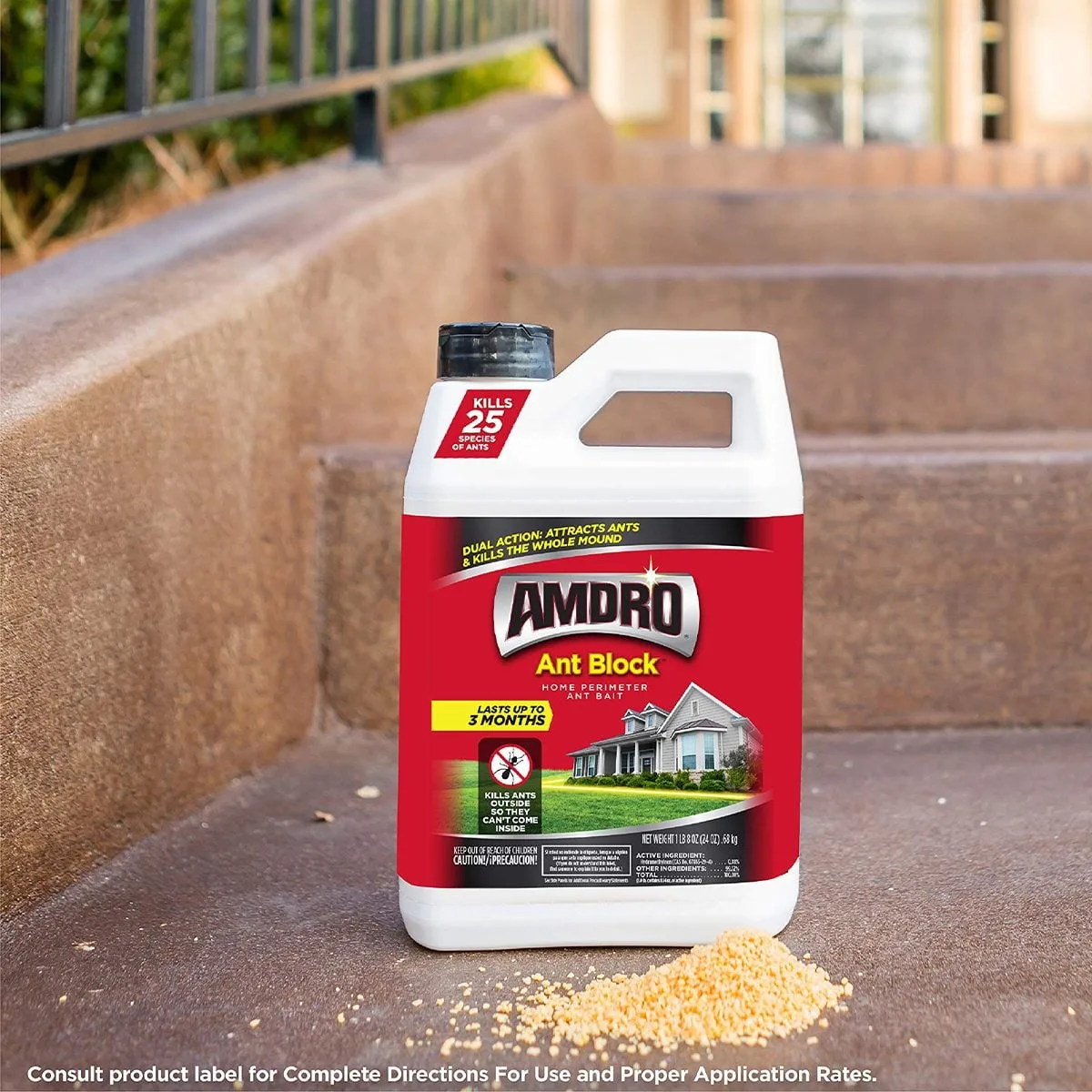
Amdro 98043 / Ant Barrier Plus (Fipronil, Granular)
Fipronil belongs to the phenylpyrazole class. It blocks GABA-gated chloride channels in the insect nervous system. In mammals, that same mechanism produces tremors, ataxia, and generalized seizures at high enough doses.
The granule itself is mostly corn grit and maize starch. Fipronil makes up 0.025% of that mixture by weight.
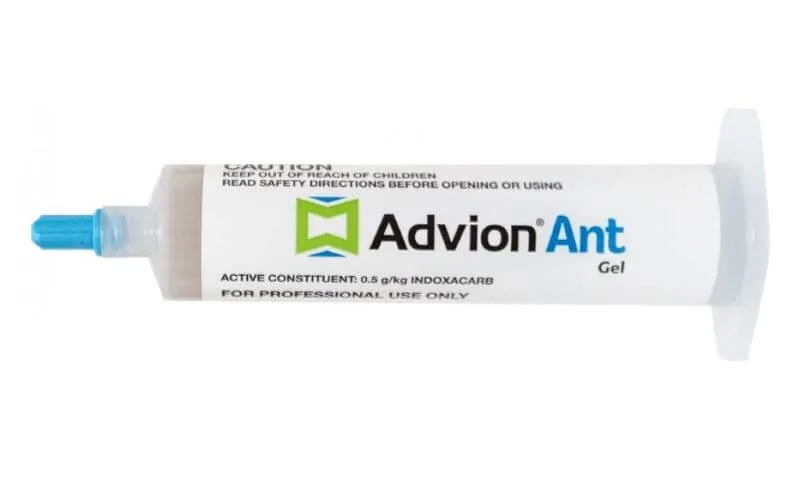
Amdro 97183 (Hydramethylnon, Gel in Tubes)
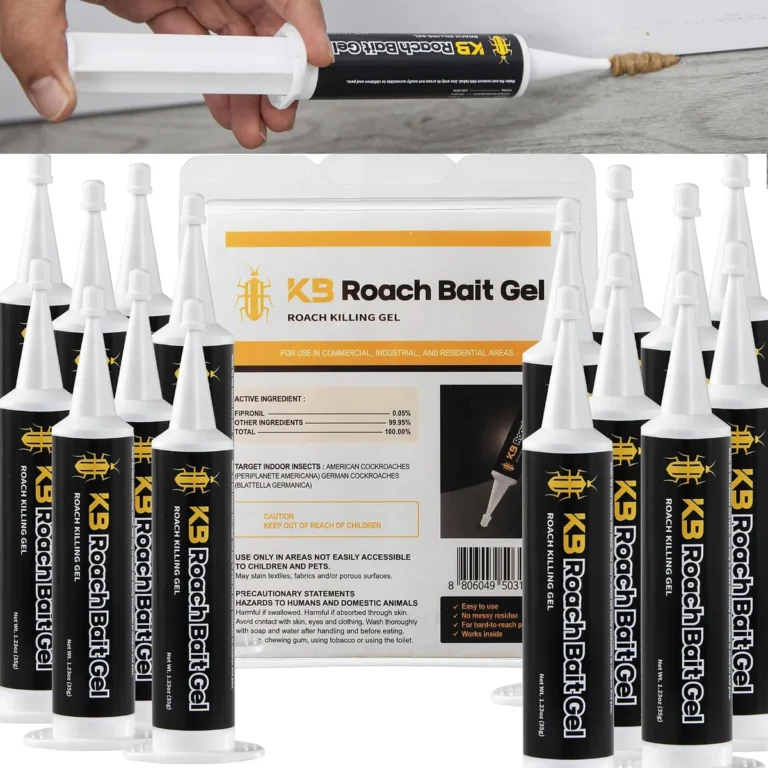
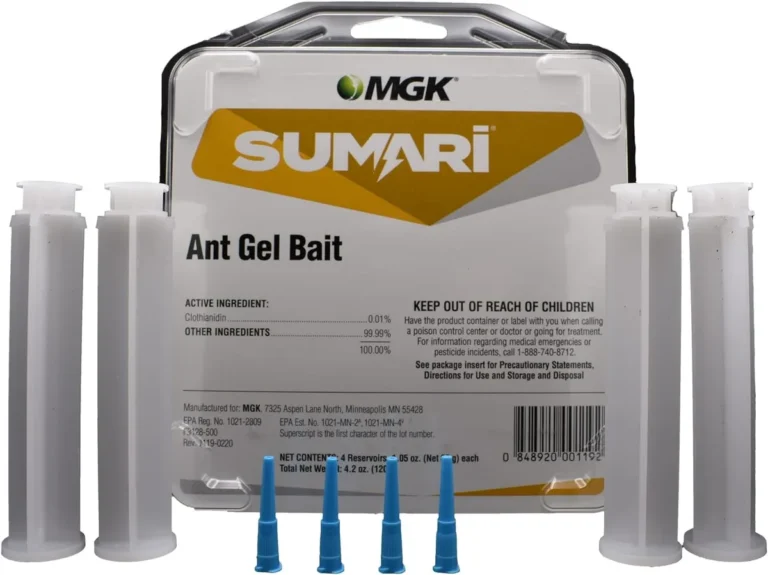
Hydramethylnon is a glycol ether that acts as a GABA-antagonist anticonvulsant in insects. It's been registered since the 1980s and has a much broader mammalian safety margin. The gel comes in slim plastic tubes you dot along ant trails.
The 0.1% concentration is still low, but the physical form means a curious cat is less likely to swallow a large bolus compared to loose granules on a floor.
| Feature | Amdro 98043 (Fipronil) | Amdro 97183 (Hydramethylnon) |
|---|---|---|
| Active ingredient | Fipronil 0.025% w/w | Hydramethylnon 0.1% w/w |
| Physical form | ~1 mm dry granules | Soft gel in plastic tubes |
| EPA signal word | Danger (Category II) | Caution |
| Residual life | 8 to 12 weeks outdoor | 4 to 8 weeks |
| Primary pet concern | Delayed neurotoxicity (seizures) | GI upset, mild sedation |
How Ant Bait Hits a Dog or Cat's Nervous System (It's Not the Same Dose an Ant Gets)
A worker ant weighs roughly 0.5 mg. It ingests a tiny fraction of a granule and carries the fipronil back to the colony over 48 to 72 hours. The queen and larvae get a lethal cumulative dose.
That's the whole point of bait.
Now scale up. A 20-pound (9 kg) dog that chews 10 grams of granules ingests about 2.5 mg of fipronil, roughly 0.28 mg/kg body weight. Published toxicology literature places the no-observed-effect threshold for fipronil in dogs around 1 mg/kg, with seizure activity not appearing until you push past 50 mg/kg.
So 0.28 mg/kg sits well below the danger line.
The catch: "well below" doesn't mean "zero." Corn-grit bulk can irritate a small pet's stomach. And if the pet is a 5-pound kitten, that same 10 grams delivers about 1.1 mg/kg, which enters the lower end of the concern zone. This is where the weight-to-dose math stops being theoretical.
Why Cats Get Burned Faster Than Dogs (The Feline Liver Gap)
Cats metabolize fipronil slower than dogs, and that single fact changes the risk equation. Canine liver enzymes oxidize fipronil through a faster hepatic pathway. Feline hepatic oxidation runs roughly 40% slower based on published metabolic studies in feline liver tissue.
What does that mean in practice? A cat that ingests the same absolute amount of fipronil clears it from its bloodstream over a longer window. The compound lingers, gets redistributed, and has more time to reach GABA receptors in the brain.
Onset of neurological signs may be delayed an extra 12 to 24 hours compared to a canine.
Cats also can't glucuronidate certain aromatic compounds the way dogs can. Fipronil's phenylpyrazole ring hits that metabolic wall. The safety margin for a cat is thinner than for a dog of the same weight, and the fuse burns slower.
Small Dogs, Kittens, and the Weight-to-Dose Problem Nobody Talks About
The Amdro label says "keep away from pets" without specifying weight classes because the risk curve is inverse-proportional to body weight. Here's the math laid out plainly.
| Pet weight | 10 g of fipronil granules delivers | mg/kg fipronil |
|---|---|---|
| 70 lb dog | 2.5 mg active ingredient | 0.035 mg/kg |
| 20 lb dog | 2.5 mg active ingredient | 0.14 mg/kg |
| 10 lb dog | 2.5 mg active ingredient | 0.28 mg/kg |
| 5 lb kitten | 2.5 mg active ingredient | 1.13 mg/kg |
| 2 lb kitten | 2.5 mg active ingredient | 2.83 mg/kg |
A 70-pound lab that snags a few granules off the patio is in the clear. A 2-pound kitten that gobbles the same amount crosses into the territory where fipronil starts competing for GABA receptor sites. You're not at full seizure territory yet, but you're no longer in the "the bulk is the only problem" zone.
The rule of thumb: under 10 pounds (4.5 kg), treat every fipronil exposure as a "call the poison line" event, even if the pet seems fine at the 30-minute mark. The delayed-onset window means "seems fine" is not the end of the story.
Placing Amdro Without Creating a Pet Accident: Zone Rules and Placement Basics
The single most effective way to keep Amdro away from your pet is to treat your property in two zones. Zone A is anywhere within a dog's sniff-and-strike range: the patio, the porch, under the water bowl, along the fence line. Zone B is the back corner of the garage, the underside of a shed, or a covered enclosure the pet can't reach.
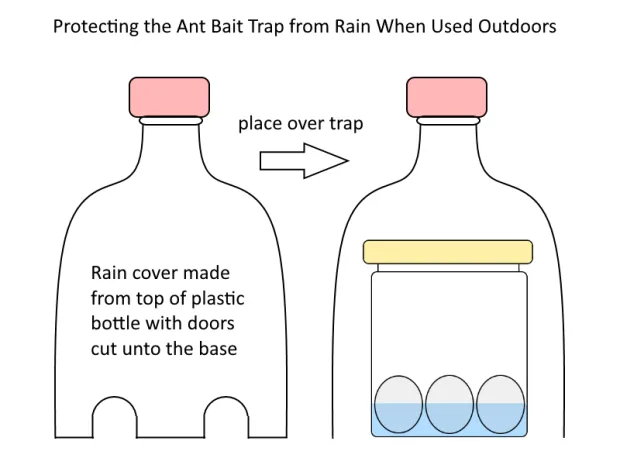
Scatter fipronil granules in Zone B only. If you must treat a Zone A ant trail, use hydramethylnon gel tubes instead, and place them inside a shallow inverted food container so a paw can't swipe them away.
- Keep a 3-foot pet-free radius around any open granule pile
- Never place bait directly under or adjacent to a pet's food or water dish
- After rain or wind, check that granules haven't drifted toward a pet traffic lane
- In winter, move indoor gel tubes to under-cabinet spots a cat can't climb to
Amdro Fipronil vs. Hydramethylnon vs. Borax Bait: The Pet-Risk Ladder
If you're already treating for ants, the active ingredient you choose determines your pet's exposure ceiling. Here's how the three common options stack up.
| Bait type | Active ingredient | Pet risk profile | Best for |
|---|---|---|---|
| Amdro 98043 | Fipronil 0.025% | Neurotoxic above ~50 mg/kg; feline clearance is slow | Outdoor mounds, heavy infestations |
| Amdro 97183 | Hydramethylnon 0.1% | GI upset below 5 g; wider mammalian margin | Indoor cabinets, cat households |
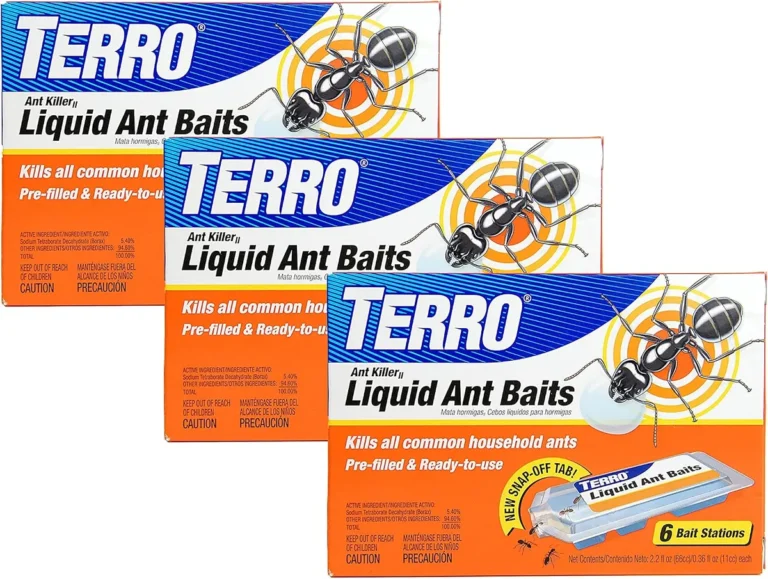
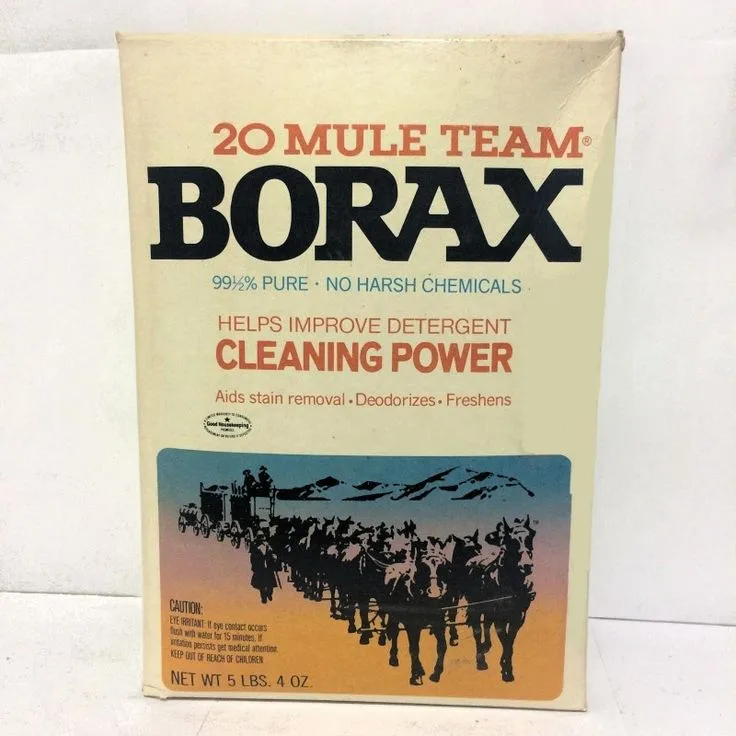
| Borax gel (Terro-style) | Boric acid + glycerol | Lethal in cats above ~2 g; low risk to large dogs | Small indoor colonies, multi-pet homes |
Fipronil sits at the top of the risk ladder for small cats. Hydramethylnon is the middle ground. A household-concentration borax gel is the mildest option.
If you have a 4-pound kitten free-roaming the kitchen, the borax gel is the least stressed choice. If you're dealing with a fire ant mound outside a dog-run, fipronil granules placed in Zone B are the most effective.
Your Pet Just Ate Amdro: The First 30 Minutes, Step by Step
Calm first. A panicked owner makes bad decisions in the first five minutes. Here's what to do, in order.
- Note the exact product. Grab the canister or tube. Read the active ingredient and concentration off the label.
- Estimate the amount eaten. Did the dog lick one granule off the tile? Did the cat gulp a spoonful of gel? A rough range (5 g, 20 g) is enough.
- Do not induce vomiting. No salt water, no hydrogen peroxide, no home remedy.
- Call ASPCA Animal Poison Control at 888-427-2700. They're 24/7. The per-incident fee runs $10 to $15, and most pet insurance policies cover it.
- If the pet is under 10 lb, or you can't reach the hotline within 15 minutes, head to the nearest emergency vet. Bring the product container.
You don't need to wait for symptoms to start. The fipronil delay means your pet can look perfectly normal at the 20-minute mark and still be on the clock.
The 6-to-24-Hour Window: Tremors, Ataxia, Seizures, and What They Signal
Fipronil's delayed neurotoxicity is the reason this section exists. The compound doesn't hit the brain the way a fast-acting poison would. It accumulates, crosses the blood-brain barrier slowly, and then the signs cascade over hours.
Here's the timeline to watch:
- 0 to 2 hours: Pet looks normal. Maybe mild GI upset. Drooling or a slightly loose stool. Don't read into it yet.
- 2 to 6 hours: Restlessness, pacing, increased drooling. Hydramethylnon cases usually peak here with mild sedation.
- 6 to 12 hours: Fipronil's window opens. Limb tremors. Head tremors. Ataxia, the drunk-like wobbly gait. The pet struggles to stand.
- 12 to 24 hours: If the dose was high enough, generalized tonic-clonic seizures. The pet may collapse. This is the go-to-the-vet moment.
If you see ataxia or any tremor after a fipronil exposure, that's your go-to-the-vet-now signal. The vet will likely administer diazepam for seizure control and monitor for 48 hours. The half-life of fipronil in feline blood is long enough that monitoring can't end at 12 hours.
Mistakes That Turn a Manageable Situation Into an Emergency
Most of the damage in a pet-ant-bait incident isn't the original ingestion. It's the owner's response.
- The vomiting trap. Salt water or hydrogen peroxide forces granules back up through the esophagus. Fipronil re-exposes the mucosa. The corn-grit bulk can aspirate into the lungs. Both outcomes are worse than the original stomach exposure.
- Waiting it out. A 10-pound dog that ate 30 g of granules at 8 AM looks fine at 10 AM. The owner calls it a night. At 2 AM, the dog is seizing. The 6-to-24-hour delay is the whole problem.
- Calling human poison control. 800-222-1222 handles human exposures. They don't have species-specific dosing for a 5-pound cat. Call the ASPCA line instead.
- Inducing vomiting on a friend's advice. Even if someone says "just make her puke," the granule texture and the second active ingredient in some Amdro SKUs make blind emesis a liability.
ASPCA Poison Control vs. Emergency Vet: Where to Call and When to Drive
Call the hotline first. Drive to the vet second, if the hotline tells you to.
ASPCA Animal Poison Control handles the triage call. You tell them the product, estimated dose, species, weight, and breed. They'll give you a specific "watch for X for Y hours" or "go to the ER now" instruction.
The $10 to $15 fee is nominal.
You drive to the emergency vet when the hotline says the dose crosses the treatment threshold, when the pet is already showing tremors or ataxia, or when you simply can't wait out the monitoring window at home. Bring the product container. Bring the estimated time of ingestion.
An emergency visit with a full workup runs $250 to $800 depending on your region and whether the pet needs seizure medication and overnight observation.
Your Amdro Pet-Safety Decision Guide: Match Your Situation to the Right Move
If Your Pet Is a Cat
Feline hepatic clearance runs roughly 40% slower than canine. You're working with a longer danger window and a thinner margin. Use hydramethylnon gel or borax-based baits for any indoor placement.
If you must use fipronil granules, confine them to a Zone B spot the cat physically can't access. Any suspected ingestion in a cat under 10 lb gets an immediate call to the ASPCA line.
If Your Pet Is a Dog Under 20 lb
The weight-to-dose ratio squeezes the safety buffer. A 15-pound dog eating 20 g of granules hits roughly 0.56 mg/kg, below the seizure threshold but well above the "ignore it" zone. Treat any ingestion above 10 g as a phone-call event.
Keep the fipronil canister on a high shelf, not on the garage floor where a terrier can chew the lid off.
If No Ingestion Happened and You're Planning Preventive Use
You don't have to choose between ant control and pet safety. Match the product to the zone. Fipronil granules for the outdoor mound 50 feet from the dog-run.
Hydramethylnon gel under the kitchen sink where the cat can't reach. Borax bait for small indoor trails. Rotate placement points every 6 to 8 weeks so ant colonies don't build bait avoidance.
Frequently Asked Questions
Can a dog get sick from just licking one Amdro granule?
One granule delivers roughly 0.25 mg of fipronil. For a 50-pound dog, that's about 0.0023 mg/kg. It falls well below the 1 mg/kg no-observed-effect threshold.
The corn-grit bulk is the only real concern, and even that's minimal at a single granule.
Is Amdro fipronil granular bait safe for birds or chickens in the yard?
No. Avian GABA receptors are more sensitive to phenylpyrazole binding than mammalian receptors. A free-range chicken pecking fipronil granules from the ground faces a meaningful risk.
Keep all Zone A poultry-free and confine granule placement to the back perimeter where birds don't forage.
What should I feed my pet if I'm worried about hidden granules in the yard?
There's no dietary antidote that binds fipronil in the gut. You can't out-feed the exposure. The only effective control is removing the source: pick up stray granules, hose the yard after rain, or switch to a gel or borax product in pet-accessible zones.
Does pet insurance cover a vet visit for Amdro ingestion?
Most policies cover accidental pesticide ingestion under a scheduled illness or injury claim. The $10 to $15 ASPCA hotline fee is typically reimbursable too. Check your policy's "pet toxicology" or "accidental poisoning" rider before the emergency hits.
Call your insurer's vet line the same day.
How long do Amdro granules stay active after a heavy rain?
Manufacturer residual data shows 8 to 12 weeks of outdoor efficacy under normal conditions. Heavy rain washes the corn-grit carrier away and leaches fipronil into the soil, reducing surface concentration. Re-apply after a 1-inch rainfall event.
The granules remaining on the surface post-rain are less potent but still carry enough fipronil to matter to a small pet.