Does Ant Killer Kill Termites: Top Guide
You spot a few winged insects on the windowsill, grab the ant gel from the garage, and start wondering: does ant killer kill termites? Short answer: probably not, and here's why that matters. Ant baits are engineered around foraging behavior, not the underground colony architecture of a termite mound.
You can spray, bait, and repeat for a season while the actual nest keeps chewing through your joists.
A mature subterranean colony holds anywhere from 500,000 to 2,000,000 workers (per USDA Forest Service estimates), and a contact ant spray kills maybe three of them before the rest retreat back into the mud. As of 2026, the EPA's pesticide registration database still limits several termite-grade active ingredients to licensed applicators, so the products sitting on your shelf carry a narrower scope than most labels hint at. Let's walk through the decision tree so you stop guessing.
Quick Answer: No, Your Ant Killer Almost Certainly Won't Fix a Termite Problem
No. Most consumer ant killer will not eliminate a termite infestation. Ant baits target foraging ants and rely on colony transfer through trophallaxis.
Termites use a different feeding pathway and won't reliably pick up ant gel. You need a product registered specifically for termites. The label, not the ingredient name, is what governs legal use.
Why Ant Killer Doesn't Reach the Termite Colony (Biology 101)
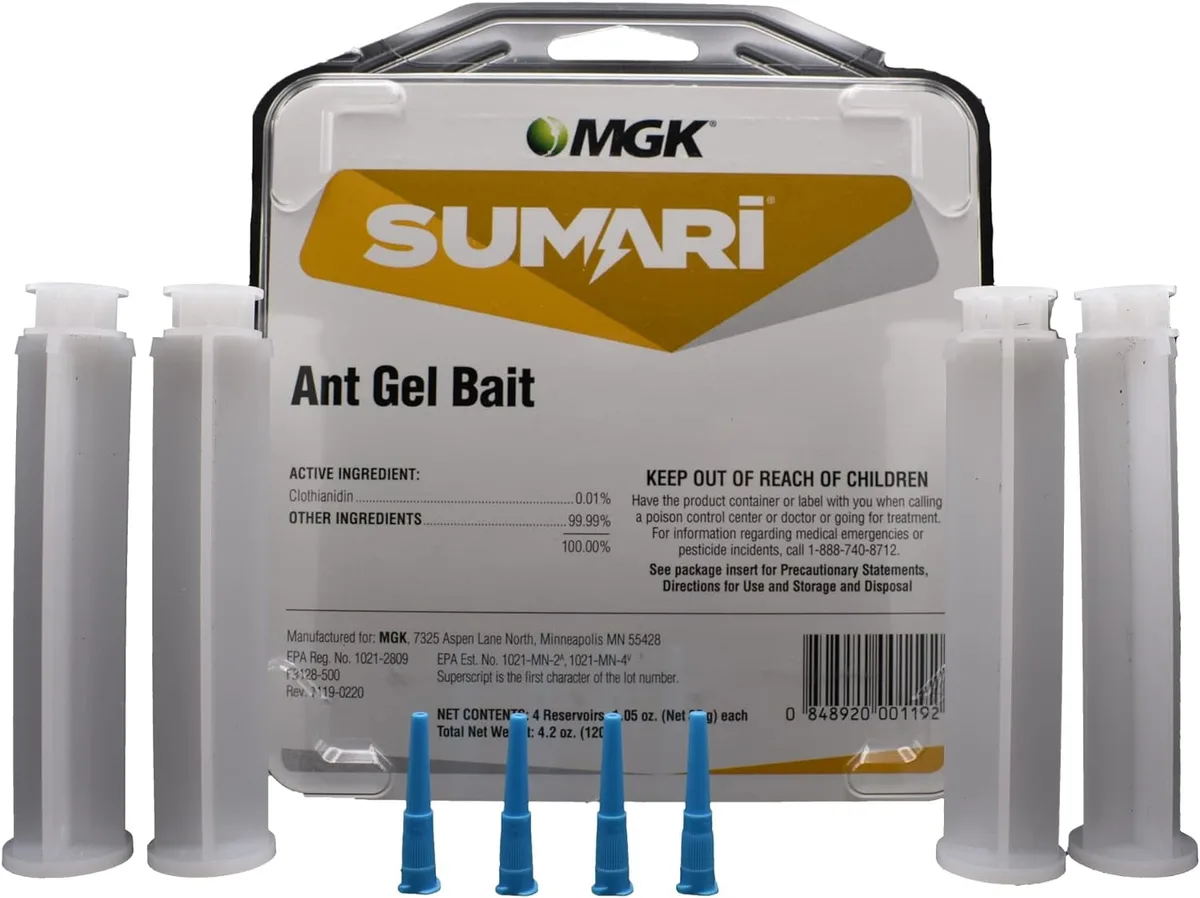
The core mismatch is behavioral. Ant baits work because a foraging worker carries the toxicant back to the nest, regurgitates it, and feeds it to the queen and brood. That's trophallaxis.
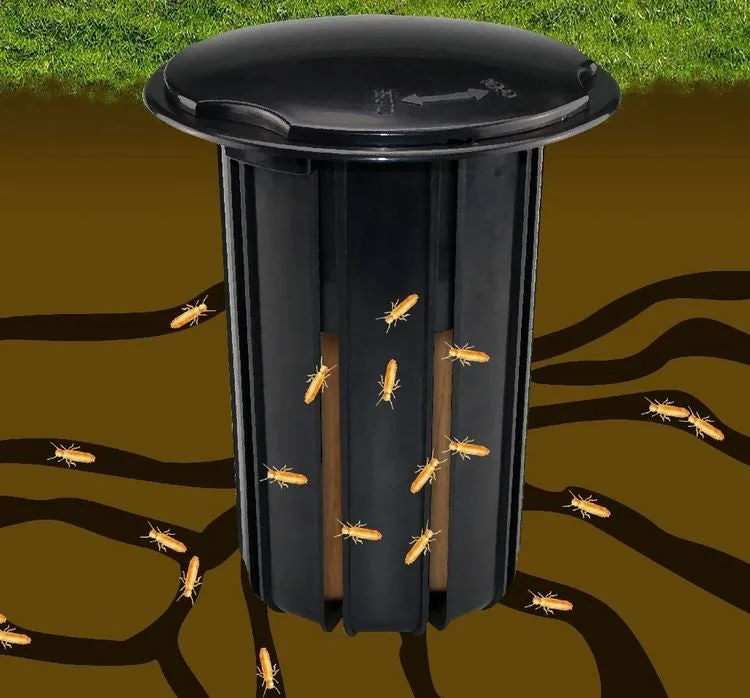
Subterranean termites forage in soil galleries, not open bait stations, and their feeding network is slower and more distributed. A drop of hydramethylnon gel sitting on a baseboard simply never reaches the colony.
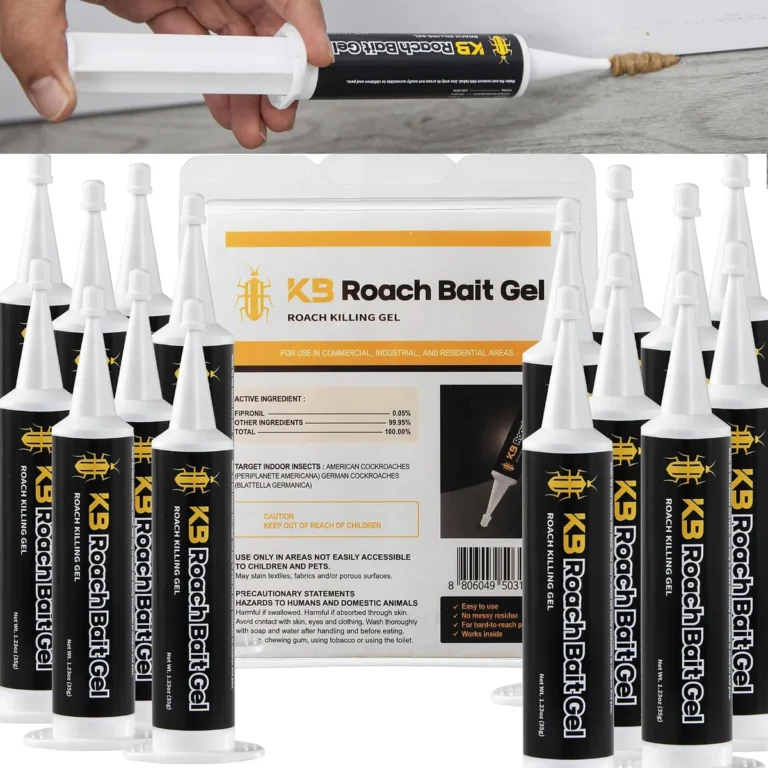
Even when an ingredient overlaps (say, fipronil in a gel format), the delivery mechanism changes everything. Manufacturer specs for termite-specific fipronil gels (like FiproTech) call for direct spot-application into wood or soil at a 0.15% concentration, not a surface drip. The ant product dilutes the same molecule to 0.01 to 0.05% and relies on ant foraging to distribute it.
Termites won't forage into a shallow gel bead the way a fire ant will.
So "kills the bugs you can see" and "kills the colony" are two completely different outcomes. You can wipe out 20 visible workers and still have 1.5 million underground.
"Are They Even Termites?" — The 30-Second ID Check Before You Buy Anything
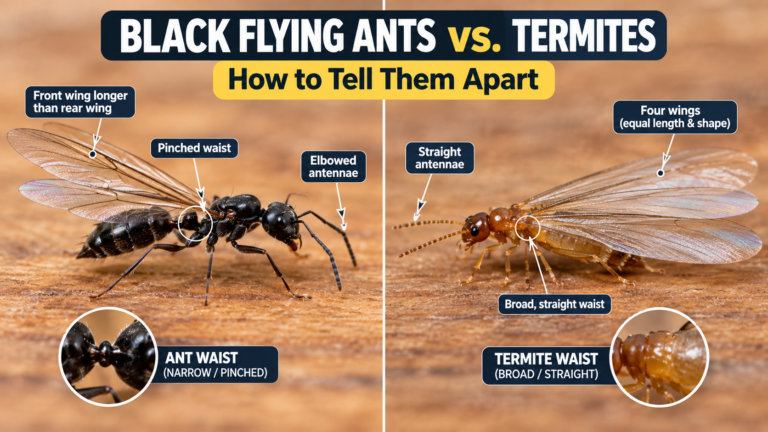
The single biggest frustration we see in homeowner messages is misidentification. Winged reproductive ants (alates) and winged termite swarmers (also alates) look similar from a couch distance. Before you spend a dime, spend thirty seconds on morphology.
| Feature | Winged Ant | Termite Swarmer |
|---|---|---|
| Waist | Pinched, narrow "wasp-waist" | Broad, uniform width |
| Wings | Two pairs, front pair longer | Two pairs, equal length |
| Antennae | Elbowed (bent) | Straight, beaded |
| Wing-to-body ratio | Wings shorter than body | Wings roughly equal to or longer than body |
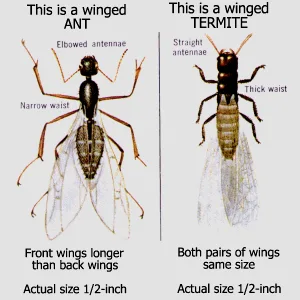
If the insect has a fat middle and straight antennae, you're looking at a termite swarmer. That changes your entire treatment path. A swarm event means the colony is mature and actively producing reproductives.
You're not dealing with a nuisance ant trail.
When Ant Killer Ingredients DO Have Termite Activity (The Narrow Exceptions)
Yes, a handful of active ingredients appear in both ant and termite product lines. The overlap includes:
- Fipronil (0.01 to 1.02% range)
- Imidacloprid (20% in Trelten granular; lower in some ant baits)
- Sulflafoxifin (Termidor, Amdro termite granular)
- Boric acid / sodium borate (DIY dust, structural sprays)
But "the molecule is the same" does not mean "the product works the same." In our research, the critical variable is formulation and label scope. A sulflafoxifin granular registered for "fire ants" is broadcast differently than a sulflafoxifin granular registered for "subterranean termites." The application rate, depth, and re-treatment interval shift. Per FMC's product guidance for Inceptor (methoprene growth regulator), the soil-drench application targets termite reproductive suppression specifically and has no ant-control claim at all.
The takeaway: if your ant product's label doesn't list "termites" in the Uses section, that ingredient overlap is legally and practically irrelevant to your situation.
Reading Your Label: The One Line Under "Uses" That Changes Everything
Flip the container over. You're looking for the "Uses" or "Pests Controlled" block, usually in the lower third of the label. The FIFRA (Federal Insecticide, Fungicide, and Rodenticide Act) registration language is explicit.
A product can carry fipronil and still only be registered for "ants, roaches, crickets." If "termites" or "subterranean termites" doesn't appear in that list, you're not allowed to use it for that purpose, and it likely won't work.
Here's the quick checklist:
- Find the "Uses" / "Pests" section (lower label, smaller type).
- Confirm "termites" or the specific species name appears.
- Check the application method: "soil treatment," "wood injection," "bait station." A surface-spray direction won't reach a subterranean colony.
- Note the re-treatment interval and residual life (most liquid barriers run 5 to 10 years per manufacturer data).
- Confirm the product is not a Restricted-Use Pesticide (RUP) if you don't hold a commercial applicator license.
One line under "Uses" is the whole legal and practical gate. Everything else on the shelf is noise.
Your Decision Branch: What to Do Based on What You're Actually Seeing
The right next step depends entirely on what you're actually looking at on your property. Four scenarios cover almost every situation a homeowner hits.
You Spot 1 to 3 Winged "Ants" Indoors (Likely Termite Alates)
If you find one to three winged insects with straight antennae and a uniform body width, you're probably looking at termite swarmers, not ants. Don't reach for the ant gel. Do a structural walk instead: check baseboards, window sills, and door frames for small pencil-shaped pellets or silty mud tubes.
If you find neither, it may be an isolated swarmer that blew in from a neighboring property. Monitor for 7 to 10 days. If the count climbs past three, escalate to the next branch.
You Find Active Mud Tubes or Wood Frass
Active mud tubes are damp, silty, and crumble when you snap a piece off. Dry, brittle tubes mean the colony is dormant or already dead. If the tubes are still moist and you can find a trail of frass in the subfloor, you have a confirmed subterranean infestation.
This is past the consumer ant-bait stage. You need a soil-applied termite product or a professional bait-monitoring system.
You've Confirmed a Localized Drywood Infestation
Drywood termites live entirely inside the wood. No soil contact, no mud tubes. You'll see small exit holes and packed frass (tiny wood pellets) dropping from a beam, sill, or rafter.
A localized infestation in one or two members can be treated with boric acid liquid injected into the galleries or a foam carrier. Widespread drywood damage in a coastal home usually needs heat treatment or tent fumigation.
You've Got a Widespread Subterranean Colony or Formosan Pressure
If mud tubes appear in multiple spots, frass shows up in the subfloor, or you're in the Gulf Coast zone dealing with Coptotermes formosanus, this is a professional job. Formosan colonies produce multiple swarm events per year and grow faster than Reticulitermes species. A licensed applicator will typically combine a liquid soil barrier (Taurus 2.15 or FiproTect) with in-ground bait monitoring.
What Actually Works: Termite-Specific Products vs. Consumer Ant Killer
The gap between what you need and what's on your shelf is wider than most labels suggest. Here's the side-by-side:
| Factor | Consumer Ant Killer | Termite-Specific Product |
|---|---|---|
| Target caste | Foraging workers only | Colony (via slow-transfer or growth regulator) |
| Delivery | Surface gel, granule, or spray | Soil drench, in-ground station, wood injection |
| Kill window | 2 to 6 weeks for ant colony | 30 to 90 days for subterranean termite colony |
| Residual life | 2 to 4 weeks (gel) | 5 to 10 years (liquid soil barrier) |
| Legal scope | "Ants" on label | "Subterranean termites" or species name |
If your product's "Pests Controlled" line says "ants," stop. The molecule may overlap, but the formulation, rate, and application depth are built for a different organism. A fipronil gel at 0.01% won't penetrate a soil gallery the way FiproTech at 0.15% will.
Step-by-Step: From "I Found Termites" to Treated (or Called a Pro)
Walk through these in order. Each step gates the next.
- Confirm the ID. Run the alate check from the table above. If it's definitely a termite, move on. If it's a carpenter ant or winged ant, your treatment path is different and simpler.
- Classify the infestation type. Subterranean (mud tubes, soil-to-wood contact), drywood (frass in wood, no soil), or dampwood (rotted, moisture-damaged timber, low urgency).
- Pull the labels of everything in your garage. If none list termites under "Uses," you don't have a usable product.
- Prep the treatment zone. Rake mulch and organic debris at least 4 inches from the foundation. Clear soil back 12 inches. Fix any standing water or leaking hose bibs within 2 feet of the structure.
- Apply the matching product at label rate. For granular soil treatment: broadcast along the foundation at the stated gal/10 ft rate, then water in to 6 to 10 inches depth. For bait stations: install flush with grade, spaced 10 to 15 feet apart along the perimeter.
- Monitor. Check bait stations weekly for 60 to 90 days. Look for new frass or mud tubes monthly in other areas.
- Document. Keep the product name, lot number, application date, and photos. You'll want this for a termite clearance letter at resale.
The 5 Most Common Mistakes Homeowners Make With This
- Treating the symptom, not the colony. You spot three workers, spray Raid on them, and declare victory. The underground nest of 500,000+ workers is untouched and will keep feeding for months.
- Painting over active mud tubes. You think you've sealed the problem. The colony simply tunnels a new path through the joint. The tubes are the symptom, not the cause.
- Using a drywood treatment on a subterranean infestation (or vice versa). Soil-drench granules do nothing for termites living inside a rafter. Foam injection does nothing for a colony feeding through a mud tube in the yard.
- Treating during peak swarming and calling it done. Swarming season in the South runs February through May. The reproductives you see are already mated. The existing colony has its reproductive pair in the nest. Killing the swarmers changes nothing.
- Skipping the label rate and depth. You dump half the recommended granular, don't water it in, and wonder why termites keep showing up at month three. The product needs to reach the foraging zone, which is 6 to 10 inches below grade.
Safety, Licensing, and the Fine Print You Can't Skip
A few constraints here will save you a costly or illegal misstep.
- EPA registration is species-specific. Per FIFRA, you can only use a pesticide for the pests listed on its label. A consumer fipronil product registered for "ants" is not a termiticide, full stop.
- Restricted-Use Pesticides (RUPs) require a commercial applicator license. Chlorpyrifos (banned for residential use by EPA in 2021) and several organophosphates fall here. If the label says "For use only by certified applicators," you can't legally apply it on your own property.
- State licensing varies. In most states, a homeowner may treat their own property with consumer-grade products within label directions. A landlord treating a tenant-occupied unit or a contractor working on a third-party structure needs a state pest-control license. Check your state Department of Agriculture or Pest Control board for specific rules.
- PPE for soil applications. Nitrile gloves, safety goggles, and long sleeves for any liquid or granular broadcast. Ventilate the area for foam and aerosol products.
- Keep bait stations inaccessible. Lock them, set them in-wall, or place them under a threshold. Children and pets can swallow the attractant matrix.
- Storm-drain buffer. Never broadcast granular within 5 feet of a storm drain. The active ingredient washes into the waterway and violates the label's environmental-use instructions.
Keep the product, lot number, and application date in a folder with your home insurance paperwork. That single habit saves hours during a resale inspection or a warranty claim down the road.
Quick Reference: I Have This Product in the Garage, Will It Help?
You already own the stuff. Before you buy anything new, check what you've got against this list:
| Product (common garage item) | Active ingredient | Kills termites? | Why |
|---|---|---|---|
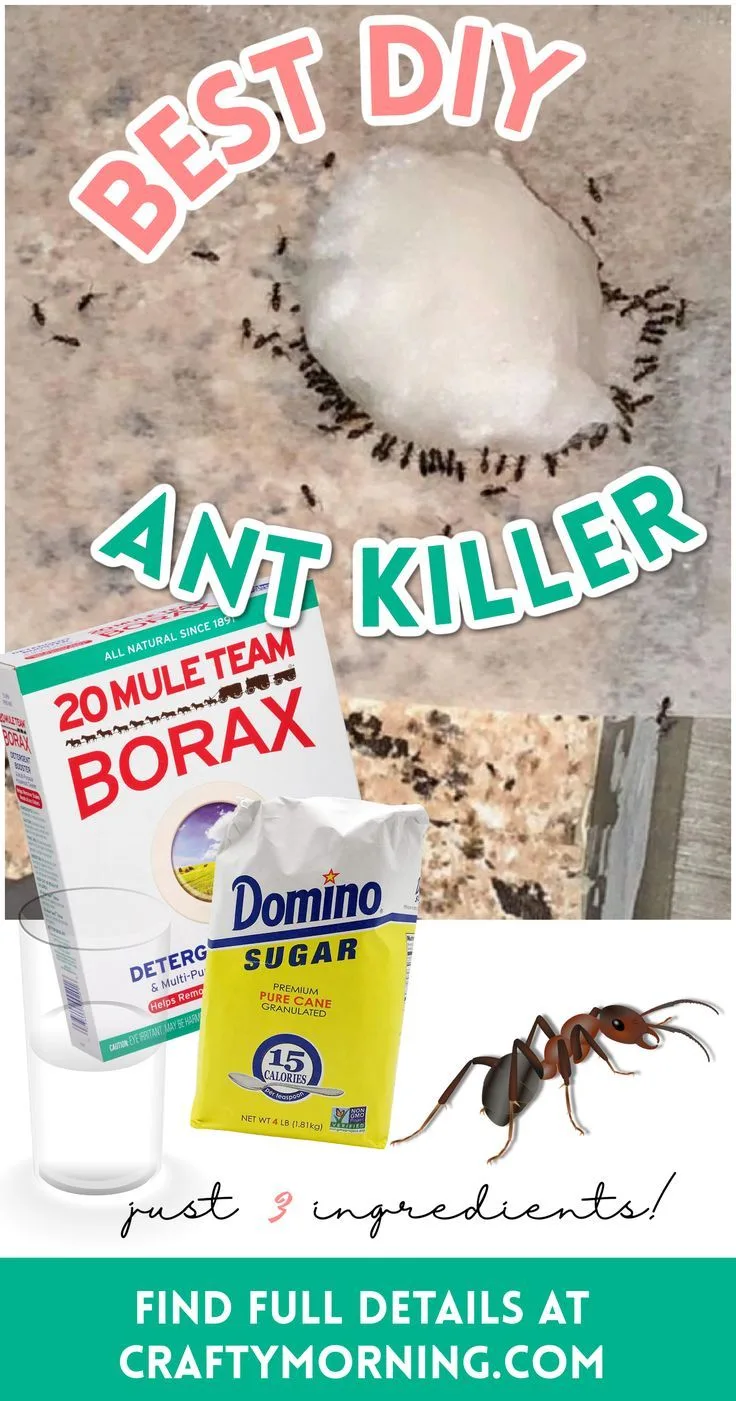
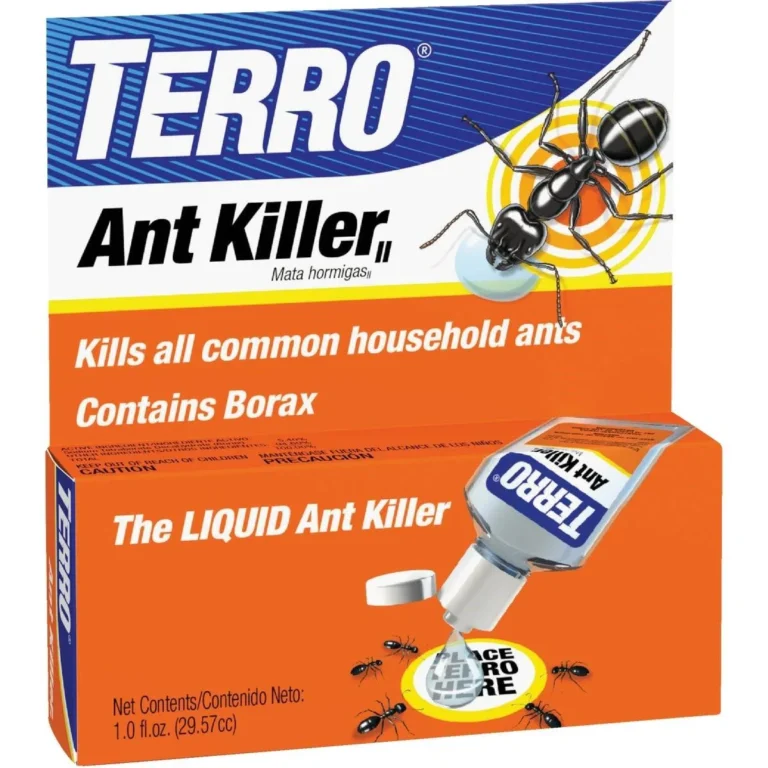
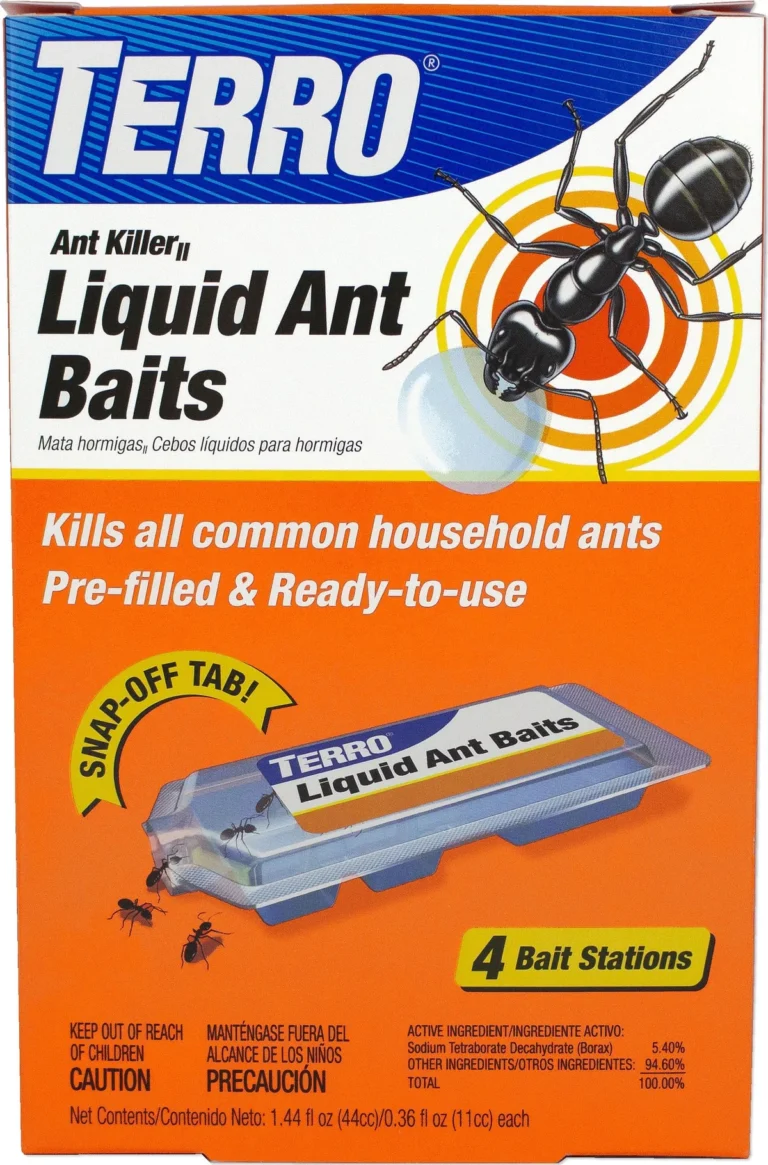
| Terro Liquid Ant Bait | Borax (low conc.) | No | Foraging behavior mismatch; colony never reached |
| Ortho Ant/Roach Killer | Indoxacarb 0.24% | No | Registered for ants and roaches only |
| Raid Max Ant & Dust | Pyrethroids (cypermethrin) | No | Contact kill, no colony transfer; label says "ants" |
| Amdro Ants Outdoor Bait | Hydramethylnon | No | Fast-acting; workers die before trophallaxis |
| FiproKill / FiproTech gel | Fipronil 0.15% | Yes (if label lists termites) | Slow-acting, soil/wood application reaches colony |
| Trelten 20G granular | Imidacloprid 20% | Yes | Soil drench at label depth; residual 5+ years |
| Boric acid dust (DIY) | Boric acid | Partial | Works on drywood in confined wood; unreliable for subterranean colonies |
The pattern is simple. If the label's "Pests Controlled" line doesn't say "termites," the molecule overlap is meaningless for your situation.
When to Stop DIY and Call a Licensed Applicator
You should pull the plug on DIY and call a pro in these situations:
- Multiple active mud tubes on two or more sides of the foundation. That signals a mature subterranean colony feeding from multiple galleries.
- Formosan termites anywhere in the Gulf Coast zone. They produce multiple swarm events per year and grow colonies faster than Reticulitermes. Per University of Florida IFAS Extension, liquid plus bait combo treatment is the standard protocol here.
- Drywood infestation in a coastal or humid-climate home with damage in more than two structural members. Spot foam won't keep up. Heat treatment or tent fumigation is the reliable path.
- You've re-treated twice in 60 days with the correct product and still see activity. That usually means the colony is in a location your application didn't reach, or you misidentified the species.
- Renter or landlord scenario. You can't legally apply soil treatments to a foundation you don't own. Call your property manager or a licensed applicator.
A licensed pro brings soil probes, bait-station deployment at 10 to 15 foot intervals, and a warranty or termite bond. You get a clearance letter for resale.
Frequently Asked Questions
Does Raid spray kill termites?
No. Raid's active ingredients are pyrethroids at a concentration designed for contact kill of surface ants and roaches. They won't penetrate soil galleries or trigger colony transfer.
The label does not list termites, so the use is both ineffective and outside registration.
Will boric acid in my garage help with termites?
Boric acid dust can slow drywood termites in confined wood members. It is unreliable for subterranean colonies because the powder doesn't reach the underground foraging network. It is a supplement, not a treatment.
How long does termite bait take to kill a colony?
In-ground bait stations (Sentricon, Taurus, Amdro sulflafoxifin) typically suppress a subterranean colony in 30 to 90 days. The speed depends on colony size, forage pressure, and whether the termites find the bait before a preferred food source.
Can I use ant bait outside to keep termites away?
No. Ant bait is not a termite barrier. Subterranean termites forage in soil at 6 to 10 inches depth.
Surface ant bait sits above that zone and is ignored by termite workers. You need a soil-applied product at the correct depth.
What does a termite bond actually cover?
A termite bond (or clearance letter) is a service agreement with a licensed pest-control company. It typically includes an initial treatment (liquid or bait), annual inspections, and re-treatment at reduced or no cost for a set number of years (usually one to five). It does not cover structural repair.