How to make ant killer with borax: Best guide
You've probably sprinkled sugar on a counter, watched a line of tiny workers trudge past, and wondered why the next morning looked exactly the same. If you've been searching how to make ant killer with borax at 11 p.m. with a sticky kitchen, you're not alone. The fix is simpler than most people realize, but the placement matters more than the mix.
Per EPA pesticide registration data, borax (sodium tetraborate decahydrate) carries a rat oral LD50 of roughly 6,000 mg/kg, which puts it in a noticeably safer tier than most commercial aerosol sprays. That number is the reason a small spoonful on a lid can take down an entire colony without endangering the household. The trick is knowing which ants you're dealing with before you start mixing.
Quick Answer
To make ant killer with borax, start with 1 teaspoon of fine borax. Add it to 1 cup of warm water. Stir in 3 teaspoons of granulated sugar.
Pour the cooled mix into open bottle caps. Set caps along the ant trail, not random spots. Colony decline shows in 3 to 7 days.
Why Your Ants Keep Coming Back (And Why Borax Actually Fixes That)
Here's the problem with most kitchen counter ant solutions. You spray a line, the visible workers drop, and you call it a win. The queen is still in the wall, the brood is still hatching, and a fresh batch of workers marches out within 48 hours.
Repellent sprays work on sight. They kill what you see and scare the rest away.
Borax bait does the opposite. It's a non-repellent, slow-acting compound. Workers eat it, walk back to the nest, and share it through trophallaxis (mouth-to-mouth food exchange).
The poison hits the queen and the developing larvae before the workers even start dying. That delayed-kill window is the whole game.
So the decision is straightforward:
- If you're seeing 2 to 3 ants a day on a single trail, a quick spray handles it. No borax needed.
- If you've got 20+ workers, multiple entry points, or the ants keep returning 3 days after spraying, you need colony-level elimination. That's where borax bait earns its keep.
- If you're dealing with a confirmed fire ant mound outside, skip the bottle caps and move to the USDA-recommended mound treatment rate (about 25 grams of borax per mound, worked into the central tunnel and watered in).
As of 2026, UC IPM (University of California Integrated Pest Management) still lists borax-based baits as the first-line DIY intervention for household ants before escalating to commercial active ingredients like fipronil or indoxacarb.
The One Thing That Makes or Breaks a Borax Ant Bait
You can have the perfect ratio and still fail. You can use a slightly off recipe and still win. What separates the two?
Placement along the actual foraging trail.
Ants don't wander. They follow a chemical pheromone path from the entry point to the food source and back. If you dump a bottle cap of borax-sugar water in the middle of a clean counter, no ant is ever going to find it.
They'll march right past. You need to put your stations ON the trail, where the workers are already committing to a path.
The ratio is the second variable, and it depends on species:
| Ant type | Preferred attractant | Borax to attractant ratio | Kill window |
|---|---|---|---|
| Odorous house / ghost ants | Granulated sugar or honey | 1 part borax : 3 parts sugar | 48 to 72 hr |
| Fire ants / carpenter ants | Peanut butter or soft cheese | 1 part borax : 5 parts protein | 72 hr to 5 days |
| Pharaoh ants (satellite colonies) | Refined sugar + butter blend | 1 part borax : 10 parts sugar | 5 to 7 days |
Notice the pattern. The more dangerous the colony, the weaker the ratio. Pharaoh ants fragment into satellite nests.
If you hit them with a strong mix, the workers die at the station and the queen never gets the poison. You need them to live long enough to carry it three feet back into the wall.
One more thing most DIY guides skip: the form of the bait. In a dry kitchen, a liquid in a bottle cap dries out in 12 hours. In a humid bathroom or Gulf Coast summer, a liquid mold-spots in 6 hours.
Match the format to the room. Gel or solid baits survive longer in wet spaces.
How Borax Kills the Whole Colony, Not Just the 20 Workers You See
Borax isn't a contact killer. It's a metabolic disruptor that works from the inside. Once a worker ingests sodium tetraborate, the compound interferes with the ant's gut lining and its ability to absorb nutrients.
Dehydration follows within 24 to 72 hours. The worker doesn't die at your station. It dies on the walk back, or the next day in the nest.
That timing is the feature, not the bug. In a colony of 10,000 to 50,000 workers, only a fraction visit your bait. The ones that do carry the borax home through direct feeding and regurgitation.
The queen, who never forages, gets it from her workers. The larvae and pupae get it through the brood-feeding cycle.
Here's the timeline you should expect:
- Day 1 to 2: Normal or even increased ant traffic at your stations. Workers are still feeding. Don't panic. Don't add more borax.
- Day 3 to 4: Trail activity drops by 50 to 70%. You'll spot dead or sluggish workers near the nest entry.
- Day 5 to 7: The trail is essentially gone. If the queen was in that foraging group (which she almost always is in a single-colony situation), reproduction stops. The remaining workers age out within 2 to 3 weeks.
- Day 10 to 14: If you see a new thin trail, it's a new colony or a satellite you missed. Run a second generation of bait.
This is why the "ants are still coming, my bait isn't working" panic usually happens on day 2, right before the curve bends. Give it the full 7-day window before you declare failure.
Borax vs. Boric Acid: Don't Grab the Wrong Jar Off the Shelf
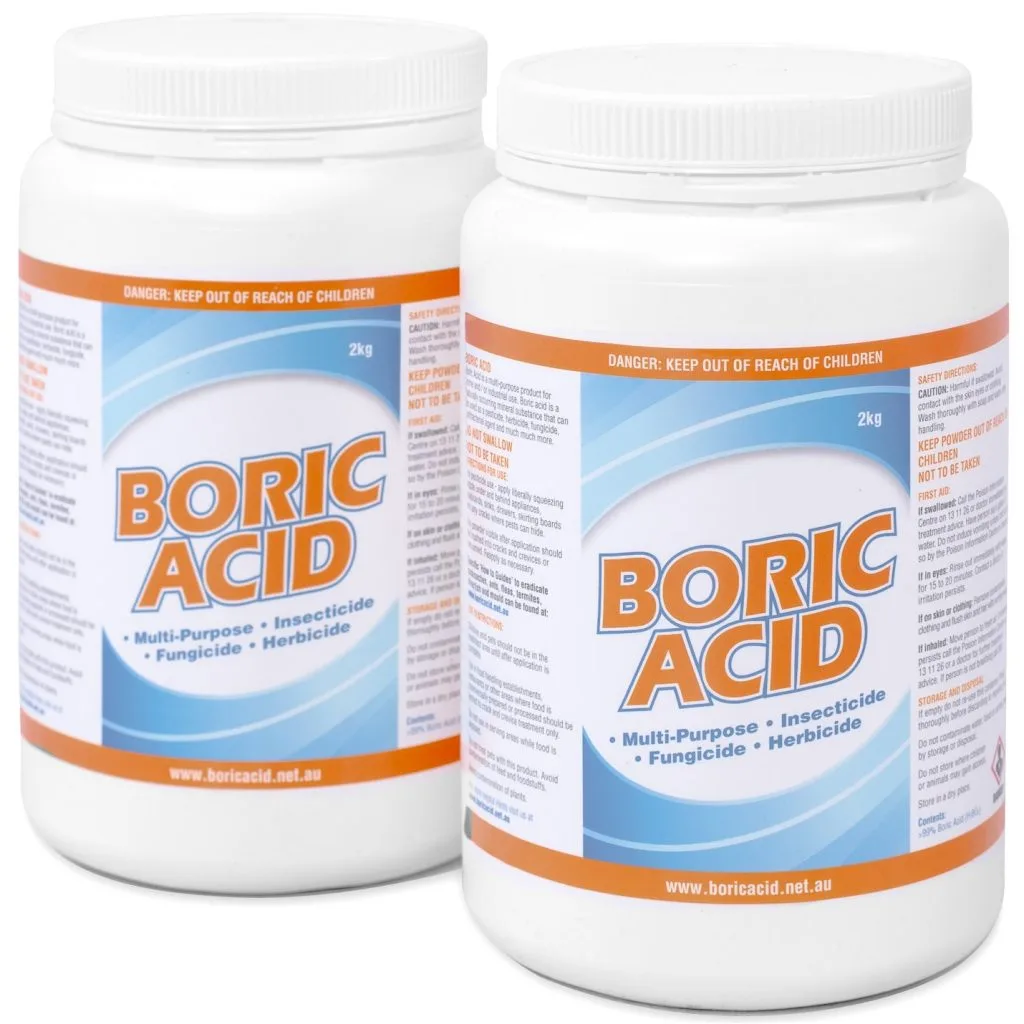
Walk into a hardware store aisle and you'll see two white powders that look nearly identical. Borax (sodium tetraborate decahydrate) and boric acid (H3BO3) sit side by side, both labeled for pest control, both registered with the EPA. They are not the same compound, and the swap changes your safety math.
Boric acid has a rat oral LD50 of roughly 1,500 mg/kg. That's about four times more acutely toxic than borax's 6,000 mg/kg. For cats, the borax LD50 drops to around 1,000 to 1,500 mg/kg, and boric acid is even lower.
If you have a curious kitten on the floor, the distinction isn't academic.
Physical ID tips:
- Borax: Flat, plate-like crystals. Slightly chalky. Dissolves in warm water with a faint fizz.
- Boric acid: Fine, needle-shaped or granular crystals. Smoother to the touch. Dissolves more cleanly.
On the label, check the chemical name. "Sodium tetraborate decahydrate" means borax. "Boric acid" or "H3BO3" means the more toxic one.
Both are legal household pesticides in the US, but boric acid carries tighter food-contact restrictions and a narrower "intended use" label.
One hard rule: never mix borax with bleach, ammonia, or hydrogen peroxide. The reaction degrades the tetraborate structure and can release irritating boron compounds. Keep your bait station sealed from your cleaning caddy.
Which Recipe Fits Your Situation? (By Species, Location, and Household)
This is where the workflow branches. Your recipe changes based on three variables: the ant species, the location (kitchen, bathroom, yard), and who's in the house (kids, pets, food-prep surfaces).
Sugar-lovers: Odorous House Ants, Ghost Ants
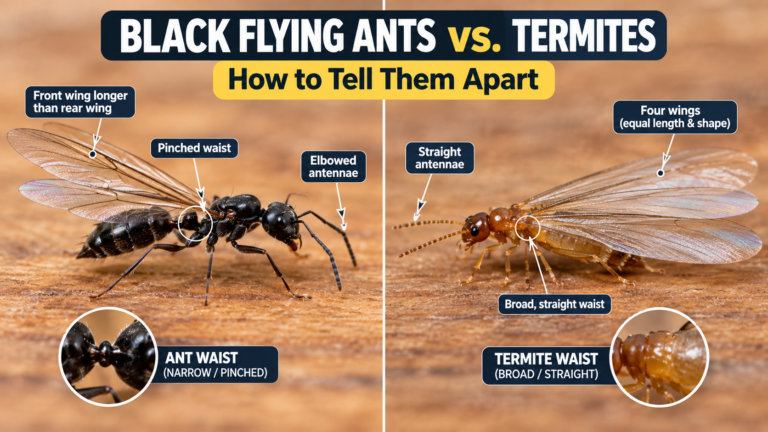
If you see tiny (2 to 3 mm), pale, fast-moving ants in your kitchen or bathroom after a leak, you're likely dealing with Tapinoma species. They want sugar. Mix 1 teaspoon fine borax into 1 cup warm water with 3 teaspoons granulated sugar.
Pour into open lid caps and set them ON the trail, 2 to 3 inches apart, in a short line. Check at 48 hours. If the trail's still active, refresh the liquid.
In high-humidity rooms, swap to a cornstarch-thickened gel so it doesn't evaporate overnight.
Protein-seekers: Fire Ants, Carpenter Ants
These are bigger, darker, and they're after fat and protein. Skip the sugar. Blend 1 part borax with 5 parts soft peanut butter (or crumbled soft cheese for outdoor use).
Form small pellets the size of a lentil. Drop 4 to 6 pellets along the trail or at the mound's entrance. For outdoor fire ant mounds in the USDA-designated zone, push 25 grams of dry borax-sugar mix (roughly 1/4 cup) into the central tunnel and water it in.
Re-treat in 30 days during peak season.
Refined-sugar and fat: Pharaoh Ants
Monomorium pharaonis is the nasty one. They fragment into satellite colonies, so one station in the kitchen doesn't cover the nest in the wall behind the bathroom. You need 4 to 6 stations, each using the 1:10 borax-to-sugar ratio (very dilute, so workers survive the trip back).
Mix 1 teaspoon borax into 2 cups water with 10 teaspoons sugar. Place stations at every visible entry point. Run the protocol for 10 days minimum.
If a new trail appears in a different room on day 8, that's a satellite. Add a station there and keep going.
Households with kids under 6 or cats
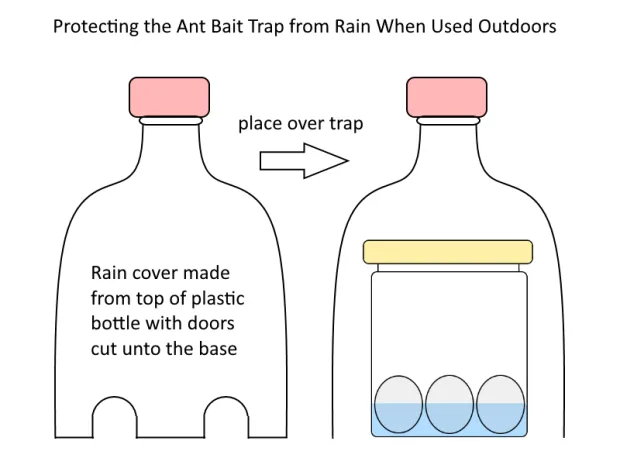
Use covered bait containers (a plastic cup with two 1/4-inch holes cut in the side, lid on). The holes are wide enough for an ant, too narrow for a toddler's finger. For cats, mount stations at 18 inches or higher on a wall or baseboard, not at floor level.
Keep the original borax box sealed and labeled. Never decant borax into a sugar bowl or a spice jar. The visual and taste confusion is the #1 pediatric ingestion risk flagged by CDC Poison Control guidance.
If after two full 7-day cycles the ant traffic hasn't dropped by at least 80%, you're likely dealing with a structural entry (a gap behind a dishwasher, a cracked foundation seam) that re-seeds the colony every 10 days. Seal the gap first, then run the bait. Bait can't outpace a fresh queen if the pipeline stays open.
Making and Placing Your Borax Ant Bait: Step by Step
Mix the Bait (Liquid, Gel, or Solid)
Pick your format based on the room. For a dry kitchen, liquid works fine. For a humid bathroom or a hot garage, go gel or solid.
- Liquid: 1 tsp fine borax + 3 tsp sugar + 1 cup warm water. Stir until the borax fully dissolves. Let it cool before pouring.
- Gel: Add 1 tbsp cornstarch to 1 cup warm water, whisk to thicken. Fold in 1 tsp borax and 2 tsp sugar. The gel holds for 5 to 7 days sealed.
- Solid: Paint a wood chip or damp paper towel with a thick borax-sugar paste. No liquid to evaporate.
Use food-grade or laundry-grade borax with a fine crystal structure. The coarse laundry variety dissolves slowly and leaves undissolved grit that ants avoid.
Position Stations Along the Foraging Trail, Not Randomly
Trace the actual line of workers with your eyes. Place 3 to 6 stations ON that line, spaced 2 to 3 inches apart. If the trail runs along a baseboard, set the caps against the baseboard, not in the middle of the floor.
For pharaoh ants with satellite colonies, place stations at every entry point you can find. That might mean a station in the kitchen, one behind the fridge, and one in the bathroom wall gap.
Monitor, Refill, and Run a Second Generation
Check at 24, 48, and 72 hours. You want to see dead or sluggish workers at the station by day 2. If the trail thins by day 4, you're winning.
If nothing changes by day 5, refresh the bait. A second generation (a new batch placed the same way) covers any queen that dodged the first round. Budget 10 to 14 days for full colony collapse.
The 6 Mistakes That Make Your Borax Ant Bait Fail
- Using a ratio that's too strong. A 1:1 borax-to-sugar mix kills workers at the station. They never walk back. The colony survives. Stick to 1:3 or weaker for indoor species.
- Placing bait where no trail exists. A bottle cap on a clean counter is invisible to foragers. Follow the line. If you can't see the trail, wait an hour and watch.
- Panic-replacing the station on day 2. Ants are still feeding. The kill is delayed by design. Pulling the station resets the clock.
- Letting the liquid dry out. In a 90-degree kitchen, a liquid cap desiccates in 6 hours. Swap to gel or re-wet it every 12 hours.
- Mixing borax with bleach or vinegar. The acid or oxidizer breaks down the tetraborate. You get a sludge that repels instead of attracts.
- One station for a multi-room infestation. Pharaoh ants and odorous house ants fragment. A single cap in the kitchen doesn't reach the nest behind the bathroom wall. Add stations at every visible entry point.
Borax Around Kids and Pets: What Actually Matters (and What's Hype)
The internet is full of "borax is perfectly safe" and "borax will kill your cat" claims. The truth sits in the middle, and the middle is about quantity and access.
The oral LD50 for borax in rats is around 6,000 mg/kg. For a 40-pound cat, that's roughly 108 grams of pure borax to reach the lethal threshold. A teaspoon of borax weighs about 3 grams.
So a cat would need to swallow roughly 35 teaspoons to hit that number. That's not going to happen with a station on a baseboard.
But the real risk is confusion. Borax looks like sugar, like salt, like baking soda. A toddler grabbing a handful from an open counter and putting it in their mouth is a genuine poisoning scenario.
The CDC Poison Control line (1-800-222-1222) handles pediatric ingestion calls daily, and "white powder, unknown" is the most common label description they get.
What actually matters:
- Keep the original box sealed and labeled. Never decant into a spice jar or sugar bowl.
- Mount stations 18 inches or higher, or use a covered cup with two 1/4-inch side holes.
- If a child ingests borax, call Poison Control immediately. Don't wait for symptoms.
- For cats, floor-level open stations are the only real concern. Elevate or cover them.
What's hype: the idea that "natural" means "zero risk." Borax is a registered pesticide. It has a toxicity profile. Respect it, but don't treat a properly placed station like a loaded gun.
Borax Bait vs. Commercial Gel vs. Spot-Spray: When Each One Wins
| Method | Best for | Cost per treatment | Time to colony kill | Downside |
|---|---|---|---|---|
| DIY borax bait | 1 to 3 entry points, known species | $0.30 to $0.50 | 3 to 7 days | You must identify the ant and place correctly |
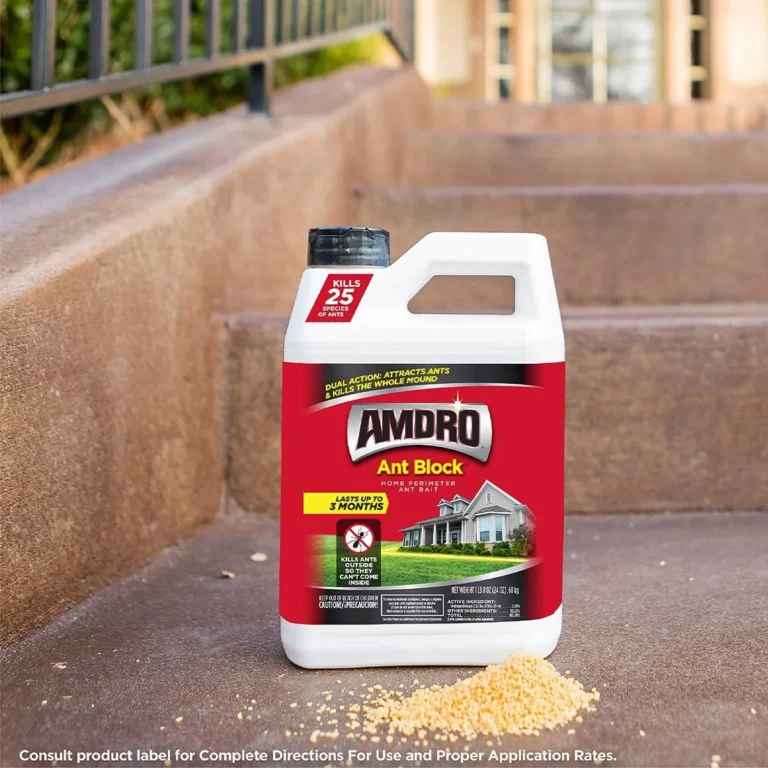
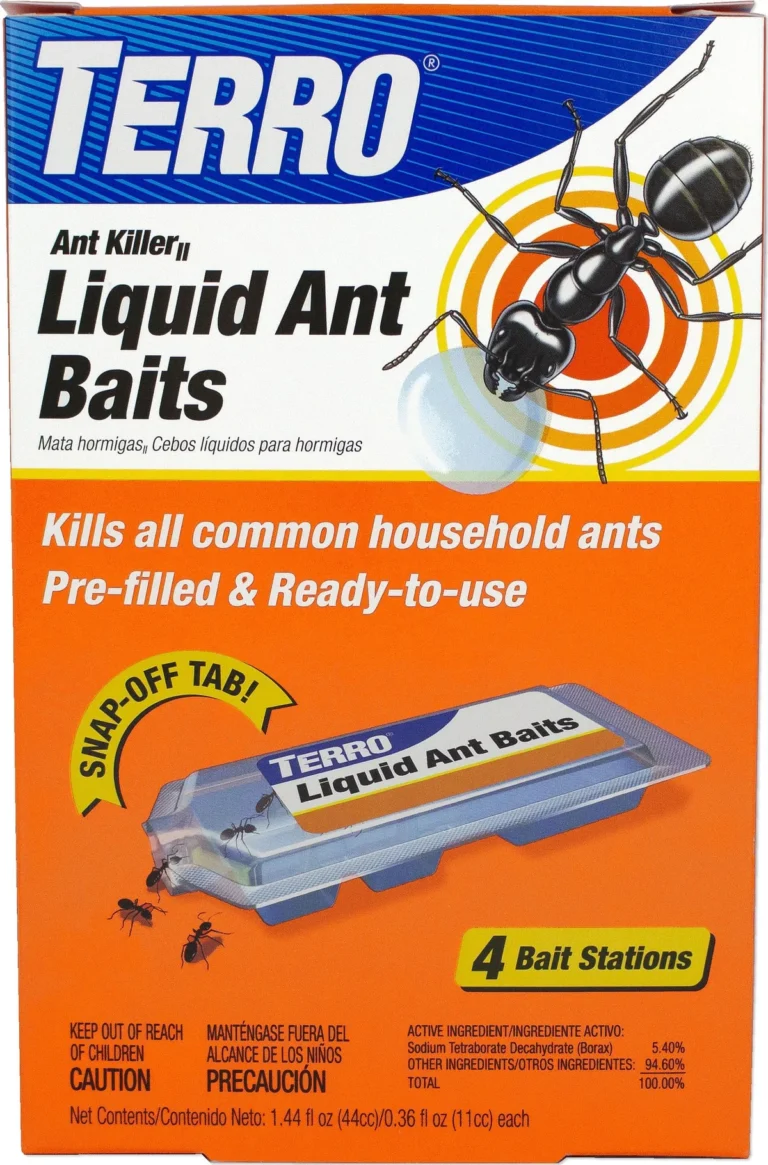
| Commercial gel (fipronil, indoxacarb) | Busy households, multi-species, no time to mix | $15 to $25 per tube | 5 to 10 days | Pricier, less ratio control, brand lock-in |
| Spot-spray (aerosol) | Single visible trail, knock-down only | $6 to $10 per can | Immediate kill, no colony effect | Workers die on sight; queen unaffected |
If you're a renter and just need the 12 ants on your counter to stop, spot-spray is fine. You're not trying to kill a colony. You're trying to kill 12 workers and wipe the surface.
If you've got a confirmed fire ant mound in the yard and a toddler running through it daily, commercial gel is the faster, less fiddly option. You don't need to learn the 1:5 peanut-butter ratio. Squeeze the tube, done.
If you've got a kitchen with ghost ants coming through a single crack under the sink, DIY borax bait is the cheapest, most targeted fix. You control the ratio, you place it exactly on the trail, and a box of borax lasts you a year of treatments.
Ants Are Ignoring the Station? Troubleshoot Before You Quit
A dead station doesn't mean borax failed. It usually means one of four things went wrong. Work through this list before grabbing a commercial product.
Wrong attractant. Ghost ants and pharaoh ants in a dry season will skip sugar for protein. Swap in peanut butter or a dab of soft cheese. If the species is a carpet ant or a sugar-preferring odorous house ant, keep the sugar but add a pinch of honey for scent.
Stale bait. Borax mixed 3 days ago in 90-degree heat smells off to an ant. Their sense of taste is chemoreception. Moldy, oxidized, or desiccated bait registers as "wrong." Make a fresh batch.
Competition. A smear of honey, a forgotten piece of fruit, or a dog food bowl two feet away outcompetes your station. Clear the area. The trail needs to lead to your bait, not to a competing food source.
You missed the trail. The foraging path shifted after a recent cleaning or a window was opened. Walk the room at 6 a.m. or 10 p.m. (peak foraging hours) and watch where the workers actually enter.
Move your stations to the new line.
If after two fresh batches, correct attractant, cleared area, and proper placement, you still see zero ant activity at the station after 72 hours, the colony likely entered through a sealed gap you can't reach. That's the point where a professional's thermal imaging or boroscope wins. You can't bait what you can't see.
Keeping Ants Out After the Colony Is Gone
Seal the entry gap with copper mesh or caulk. Wipe surfaces with a vinegar solution to erase residual pheromone trails. Remove standing water within 24 hours.
Recheck for new trails weekly from May through September. A fresh foraging line means a new colony, not a rescue of the old one.
FAQ: Borax Ant Bait Questions I Keep Getting
Does borax actually kill the queen?
Yes, through trophallaxis. Workers regurgitate food to the queen over 48 to 72 hours. By day 5, the queen stops laying.
Reproduction halts before the last worker dies.
How long does a borax ant bait station stay effective?
Liquid in a dry kitchen: 24 to 48 hours. Gel, sealed: 5 to 7 days. Solid paste on a wood chip: up to 3 weeks.
Once the bait dries or molds, replace it.
When Borax Is Enough (And When You Are Better Off Calling a Pro)
Two full 7-day cycles with no visible trail means you won. If trails persist, or the entry is a foundation crack, HVAC seam, or wall void you cannot reach, borax alone will not close the loop. That is the point where a licensed operator with thermal imaging and targeted void treatment saves you three more months of bait rotation.