Pictures of Carpenter Ants vs Black Ants: Key Differences
Are Carpenter Ants Easy to Identify?
Yes. Carpenter ants are often easier to recognize when you compare their size and body shape with smaller household ants. Many common carpenter ants measure about 1/4 to 1/2 inch long. Some reproductive ants can be larger. Their color often ranges from black to reddish-brown or a mix of both.
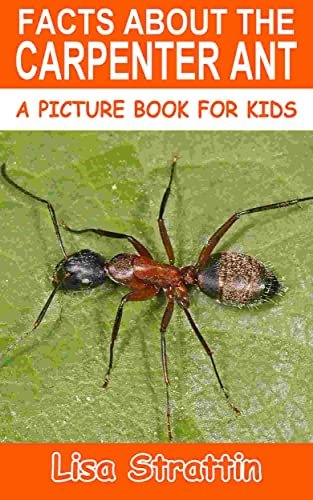
The first thing I would look for in pictures of carpenter ants vs black ants is the thorax. The thorax is the middle body section between the head and abdomen. Carpenter ants have a smoothly rounded upper thorax when viewed from the side. They also have one small waist node and elbowed antennae. Their large mandibles help them cut and move wood fibers.
Another useful clue is where you find them. Carpenter ants often travel near trees, decks, window frames, and damp wood. They do not eat wood like termites. Instead, they remove wood to create nesting galleries. If I found large ants near a damp window frame, I would check the surrounding wood for small piles of sawdust-like material called frass.
Carpenter ants are not automatically a sign of a major infestation. A few outdoor workers may simply be looking for food. Still, repeated indoor activity or ants emerging from a wall deserves closer attention.
What Makes Carpenter Ants Stand Out
- Larger BodyMany common carpenter ant workers measure around 1/4 to 1/2 inch long, although size varies by species and colony role.
- Rounded ThoraxThe middle body section has a smooth, rounded upper outline when viewed from the side.
- One Waist NodeCarpenter ants have one visible waist node between the middle body section and abdomen.
- Elbowed AntennaeTheir antennae bend at an angle rather than forming a straight line.
- Strong MandiblesTheir jaws help them cut and remove wood fibers when making nesting galleries.
- Variable ColorsMany species are black, but some have reddish, brown, or two-tone bodies.
- Wood NestingThey often nest in damp, decayed, or previously damaged wood, including tree stumps and building structures.
My Recommendation
Use carpenter ant pictures when you find unusually large dark ants near damp wood, trees, decks, or window frames. Compare the thorax and waist before making an identification. If you see repeated indoor activity, inspect nearby wood for frass and small openings.
| Best For | Why |
|---|---|
| Large dark ants | Their size and rounded thorax can help identify carpenter ants. |
| Wood damage concerns | Their nesting habits make them important to check around damp or damaged wood. |
| Outdoor ant activity | They commonly forage around trees, stumps, decks, and buildings. |
Are Common Black Ants Easy to Identify?
It depends. Common black ants can be easy to recognize by their dark color, but color alone does not tell you which species you have. Many different ant species appear black or dark brown. Some are tiny, while others are surprisingly large.
When looking at pictures of carpenter ants vs black ants, I would avoid treating every small black ant as one specific insect. For example, the black garden ant, commonly known as Lasius niger, is a distinct species. Other dark ants found in American homes include pavement ants, odorous house ants, and little black ants.
Most small household black ants have bodies that measure only a few millimeters long. Their shape, waist nodes, and antennae vary by species. Some form trails along kitchen counters, baseboards, and outdoor walkways. Others nest beneath stones, inside soil, or near building foundations.
One useful clue is their behavior. If you see a steady line of tiny ants moving between a food source and a crack in the wall, you may be looking at a common household species. However, this behavior alone cannot rule out carpenter ants. Small carpenter ant workers can also forage indoors.
I would use pictures of carpenter ants vs black ants as a starting point, then compare the body structure and nesting location. A close photograph is much more useful than color alone.
What Makes Common Black Ants Stand Out
- Dark Body ColorMany common species have black, dark brown, or nearly black bodies.
- Often Smaller SizeMany household species measure only a few millimeters, although some black ants grow much larger.
- Different Body ShapesThe thorax and waist structure vary depending on the species.
- Food TrailsMany household ants form visible trails while searching for sweets, grease, crumbs, and other food.
- Varied Nesting SitesDifferent species may nest in soil, pavement cracks, wall spaces, under stones, or other sheltered locations.
- Different Waist NodesSome species have one waist node, while others have two. This feature can help narrow down identification.
- Wide Species RangeThe phrase black ant includes many species, so a species-level identification needs more than body color.
My Recommendation
Use common black ant pictures when you see small dark ants around food, pavement, garden beds, or foundation cracks. Compare their size and body structure, but identify the species before choosing a control method.
| Best For | Why |
|---|---|
| Small kitchen ants | Body size and food trails can help narrow down common household species. |
| Garden ants | Their outdoor nesting sites and movement patterns provide useful clues. |
| Species identification | Body shape and waist structure help separate different dark-colored ants. |
Pictures of Carpenter Ants vs Black Ants: Side-by-Side Comparison
The best way to compare pictures of carpenter ants vs black ants is to look at several features at once. Size matters, but it is only one part of the answer. A large black ant could be a carpenter ant, while a small black ant could belong to several other groups.
I would compare the thorax, waist, antennae, color, and nesting habits before deciding what I was looking at. Think of these clues as pieces of a puzzle. One clue may be misleading, but several matching clues can provide a much stronger identification.
1. Body Size: Which Ant Is Bigger?
Body size is one of the first things to check in pictures of carpenter ants vs black ants. Many carpenter ant workers are noticeably larger than common household black ants.
| Feature | Carpenter Ants | Common Black Ants |
|---|---|---|
| Typical worker size | About 1/4 to 1/2 inch for many common species | Often a few millimeters, depending on species |
| Size variation | Workers vary in size within a colony | Varies widely across species |
| Visual impression | Often large and easy to notice | Often small and less noticeable |
| Best clue | Large body with other carpenter ant features | Small body with species-specific features |
⭐ Carpenter Ant Identification – 9/10 | Common Black Ant Identification – 7/10
Carpenter ants have the edge in visual size recognition, but size alone cannot confirm an ant species.
2. Body Shape: What Does the Thorax Look Like?
The middle body section is one of the most useful clues when comparing these ants. A side-view photograph can reveal details that a top-view image may hide.
| Feature | Carpenter Ants | Common Black Ants |
|---|---|---|
| Thorax | Smoothly rounded upper outline | Shape varies by species |
| Waist | One waist node | One or two nodes, depending on species |
| Antennae | Elbowed | Usually elbowed |
| Identification value | Rounded thorax helps narrow down the group | Waist structure helps separate species |
⭐ Carpenter Ant Identification – 9/10 | Common Black Ant Identification – 8/10
The thorax and waist provide better clues than color alone.
3. Color: Are All Carpenter Ants Black?
Color can confuse anyone comparing pictures of carpenter ants vs black ants. Carpenter ants are not always completely black, and many unrelated ant species share the same dark color.
| Feature | Carpenter Ants | Common Black Ants |
|---|---|---|
| Main color | Black, reddish-brown, or mixed colors | Black or dark brown in many species |
| Body markings | Some species have reddish sections | Depends on the species |
| Color consistency | Varies across carpenter ant species | Varies across many unrelated species |
| Best identification clue | Body shape and size | Body shape and species-specific features |
⭐ Carpenter Ant Identification – 7/10 | Common Black Ant Identification – 6/10
Neither group wins on color alone. Both can look nearly identical in a dark photograph.
4. Nesting Habits: Where Do They Live?
A photograph tells you what an ant looks like, but its nesting location can tell you much more. This is especially useful when checking for carpenter ant activity around an American home.
| Feature | Carpenter Ants | Common Black Ants |
|---|---|---|
| Common nest sites | Damp wood, tree stumps, and wall voids | Soil, pavement cracks, stones, and sheltered spaces |
| Wood activity | Excavates wood to create galleries | Most species do not excavate structural wood |
| Indoor nesting | Can nest inside damp or damaged building wood | Some species nest in walls and other building spaces |
| Outdoor activity | Common near trees and decaying wood | Common in gardens and around foundations |
⭐ Carpenter Ant Identification – 10/10 | Common Black Ant Identification – 8/10
Nesting location is a strong clue, especially when carpenter ants appear near damp or damaged wood.
5. Food and Foraging: What Attracts Them?
Both groups may enter homes in search of food. Their food preferences overlap, so their eating habits should support an identification rather than decide it.
| Feature | Carpenter Ants | Common Black Ants |
|---|---|---|
| Sugary foods | May feed on honeydew and sweet foods | Many species seek sugary foods |
| Protein | May collect insects and other protein sources | Many species collect insects and protein-rich food |
| Grease and crumbs | May forage for suitable household food | Some household species readily forage for these foods |
| Food trails | Can create trails between food and nests | Many species create visible trails |
⭐ Carpenter Ant Identification – 7/10 | Common Black Ant Identification – 8/10
Food preferences overlap, so body features and nest location are more useful than diet.
6. Home Damage: Which Ant Is More Concerning?
This category matters most to homeowners. Carpenter ants can damage wood by excavating nesting galleries, while most common black ant species do not cause the same type of structural concern.
| Feature | Carpenter Ants | Common Black Ants |
|---|---|---|
| Wood excavation | Yes, to create nests | Not typical for most common species |
| Structural concern | Possible if a colony nests in building wood | Usually low from direct structural damage |
| Frass | May leave wood fragments and insect debris | Not a typical sign of common black ant activity |
| Moisture connection | Often associated with damp or damaged wood | Depends on the species and nest location |
⭐ Carpenter Ant Identification – 10/10 | Common Black Ant Identification – 8/10
Carpenter ants deserve closer inspection when they appear near damaged wood, but they do not eat wood.
7. Wings: How Do Reproductive Ants Compare?
Winged ants can make identification harder. Both carpenter ants and other black ant species may produce winged reproductive ants during certain periods.
| Feature | Carpenter Ants | Common Black Ants |
|---|---|---|
| Winged forms | Winged males and reproductive females occur | Some species produce winged reproductives |
| Wing number | Two pairs of wings | Two pairs of wings in reproductive forms |
| Body appearance | Often larger and robust | Varies by species |
| Identification clue | Thorax shape, size, and wing proportions | Body structure and species features |
⭐ Carpenter Ant Identification – 8/10 | Common Black Ant Identification – 7/10
Wings alone cannot confirm carpenter ants. Compare body shape and size as well.
Final Verdict: Which Ant Are You Seeing?
When comparing pictures of carpenter ants vs black ants, carpenter ants are often larger and have a smooth, rounded thorax. Many common black ants are smaller, but black color alone does not identify a species. Carpenter ants can also be black.
If you see large ants near damp wood, check for frass and nesting activity. If you see tiny ants following food trails, identify the species before choosing a treatment. My main advice is simple: look at the whole ant, not just its color. A clear photograph, body shape, and nesting location offer a much stronger answer than size alone.