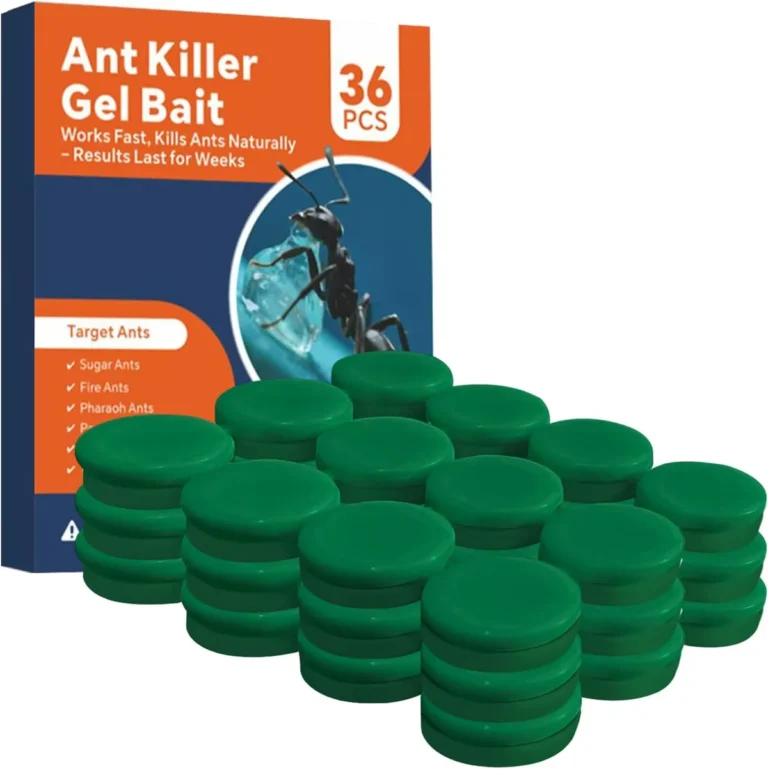
Does Terro Ant Killer Kill Carpenter Ants: Top guide
You see a black ant the size of a pencil tip crawling along your baseboard at 2 a.m. You grab the Terro from the garage shelf, set it on the counter, and wait. Three days later, the trail is still there.
That is the exact question behind "does Terro ant killer kill carpenter ants," and the answer is messier than the product label suggests.
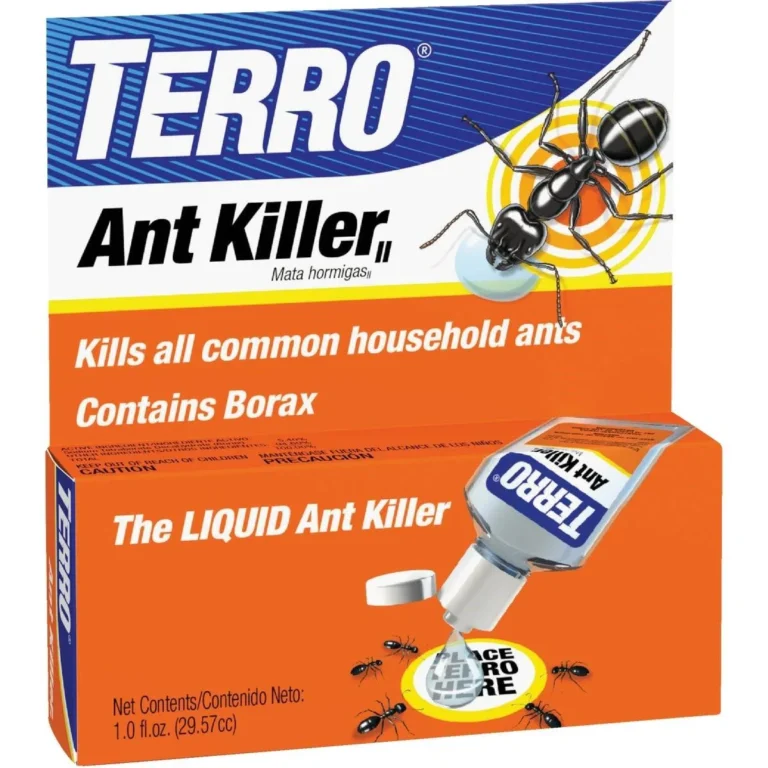
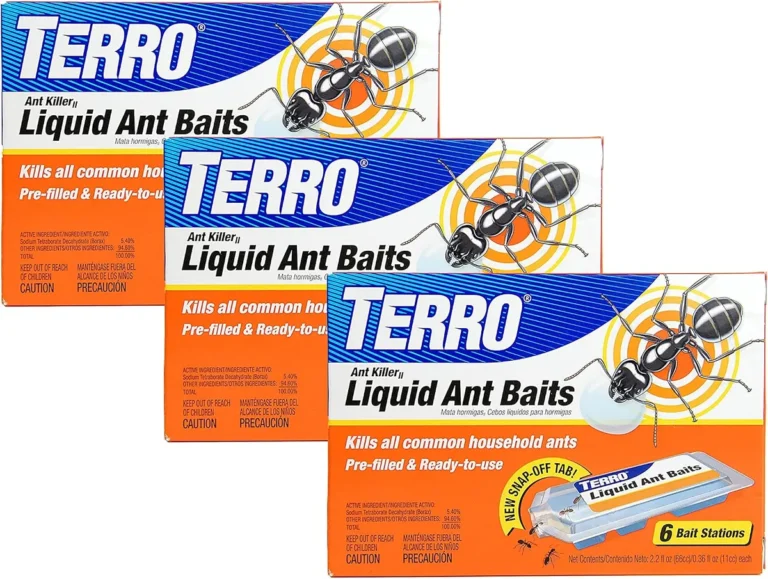
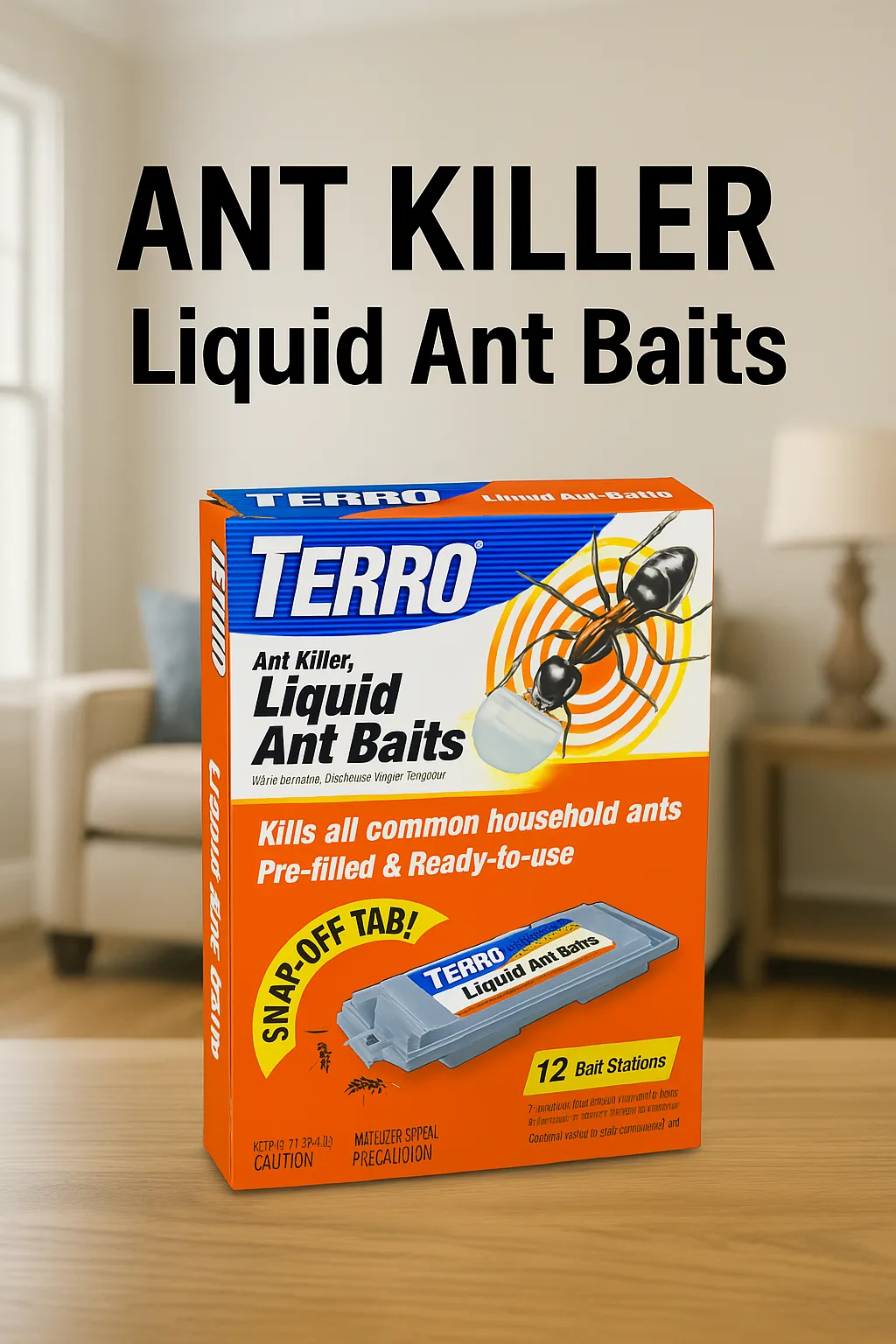
Terro's liquid bait carries 5.9 percent boric acid in a sugar solution. That concentration will kill any ant that ingests it, full stop. The catch is that carpenter ants (Camponotus genus) forage for protein and fat, not sugar, so they often walk right past the station.
As of 2026, manufacturer specs still list Terro's primary target as "sugar-feeding ants," which quietly excludes your wood-carving neighbor. Let's untangle when it works and when it doesn't.
Quick Answer
Does Terro ant killer kill carpenter ants? Terro's 5.9 percent boric acid formula kills any ant that eats it. Carpenter ants rarely seek sugar baits.
They prefer protein and fat sources. Terro only works on small, actively foraging colonies.
The Short Answer: When Terro Actually Works on Carpenter Ants
Terro kills carpenter ants only when three conditions line up at once:
- The colony is small (under roughly 100 workers) and still actively foraging on your floors.
- The foragers happen to encounter the sugar bait before they find a protein source.
- The queen is close enough to the feeding workers that the slow-kill poison reaches the brood.
When those three hold, boric acid disrupts the ant's digestive system over 24 to 72 hours. Workers carry residue back to the nest. Satellite colonies collapse within two to three weeks.
When even one condition fails, Terro becomes an expensive no-op. The ants keep foraging. The queen never gets touched.
You've spent eight dollars to watch the same trail a month from now.
The EPA's pesticide registration database lists boric acid as a registered active ingredient with specific application limits. Reading the label for your exact product variant matters because Terro makes both a liquid and a powder form with different active ingredients and concentrations.
Why Carpenter Ants Won't Line Up for a Sugar Bait Station
The Protein-versus-Sugar Foraging Mismatch
Carpenter ants aren't like the small, fast odorous house ants that flock to a sugar droplet. In the wild, Camponotus species scavenge dead insects, honeydew, fatty seeds, and pet food. Their mandibles are built for tearing protein, not lapping up syrup.
In our review of foraging behavior data from university extension entomology programs, carpenter ants show a strong preference for protein baits during the larval-rearing season. A sugar solution on a tile floor registers as "not worth the trip" to a worker that has a protein source 40 feet away.
Colony Architecture: Why the Queen Isn't Touching Your Bait
This is the structural problem. A mature carpenter ant colony hides its queen 12 to 18 inches inside a wall stud, a rotted window sill, or a hollow joist. Workers shuttle out through tiny galleries no wider than a pencil lead.
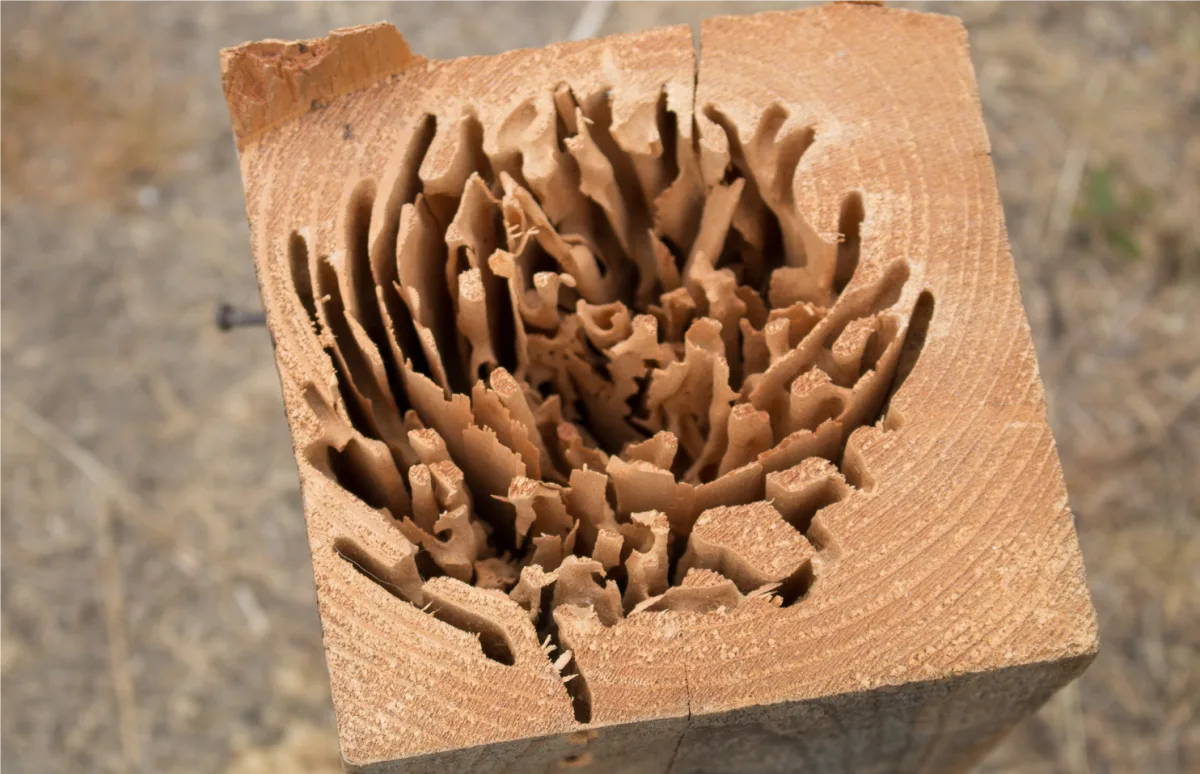
Your Terro station sits on the kitchen floor. A foraging worker might sniff it, take a drop, and walk on. That one worker represents maybe 1 percent of the colony.
The queen, her nurses, and the brood are sealed in damp wood, far from any floor-level bait. Without sustained feeding pressure across many workers, the colony regroups in ten days.
The Four Variables That Change Everything
Whether Terro is a viable first step or a complete waste depends on four conditions. Run through this checklist before you open the package.
| Variable | Terro Works When | Terro Fails When |
|---|---|---|
| Colony size | Under 100 workers, one visible trail | 500+ workers, multiple satellite sites |
| Wood moisture | Dry wood, no active leak | Ongoing moisture from a pipe, roof, or crawl space |
| Season / temperature | 70 to 90 °F, peak foraging (May to Sept) | Below 55 °F, ants barely leave the nest |
| Foraging radius | Short trail, nest close to your floor | Nest deep in structure, foragers travel 150+ ft |
If three out of four favor Terro, you're in a reasonable position to try it. If two or fewer do, skip ahead to dust or professional treatment. That saves you a month of waiting.
A moisture meter costs under $30 at most hardware stores. Ten seconds of reading on the affected wood tells you more than a week of baiting ever will.
Decision Tree: Is Terro the Right Move Here?
Walk through these branches in order. The first "yes" you hit tells you where to start.
Branch A: Small Satellite, Active Foraging, Dry Wood
If you see fewer than 20 workers, one trail, no visible shavings in the wood, and your moisture meter reads under 15 percent on the affected framing, Terro is a fair first attempt. Set it up properly (next section). Give it seven to ten days.
Branch B: Established Colony, Multiple Trails, Visible Frass
Round shavings (frass) at the base of a door frame mean the colony is actively excaviting. Multiple trails in different rooms mean satellite colonies. Terro's slow-kill sugar bait won't reach the queen in this scenario.
You need boric acid dust or fipronil dust injected into the wood void, or a licensed applicator.
Branch C: Moisture-Driven Infestation
Carpenter ants don't eat wood. They carve it. But they're driven into structures by moisture from leaks, condensation, or high crawlspace humidity.
If your moisture meter reads above 18 percent in the affected wood, no amount of bait matters until the water source is fixed. Seal the leak. Dry the wood below 15 percent.
Then treat.
How to Set Up Terro Correctly (If You're in Branch A)
You've confirmed a small, active satellite. Good. Here's how to maximize your chances before you escalate.
Placement and cleanliness.
- Set stations directly on the foraging trail, not 10 feet away from it.
- Wipe the floor clean first. Grease, sticky residue, or pet food crumbs make the station look "dirty" to ants.
- Use at least two stations: one at the trail's midpoint and one near where you first spotted workers.
Monitoring rhythm.
- Check daily for the first 48 hours. You want to see workers actually entering the station.
- If zero activity after 48 hours, move the station two feet closer to the trail. Repeat once.
- By day 5 to 7, worker traffic should drop noticeably. If the trail is still dense at day 7, Terro isn't working for your situation.
Protein supplement (the key upgrade).
Terro's sugar formula is the bottleneck. A small piece of raw chicken or a crumb of tuna placed next to the station can pull carpenter workers in. Once they're at the station, they sample the liquid.
This isn't printed on the Terro label, but it's standard entomology practice for protein-preferring species.
Escalation trigger.
If day 10 hits and the trail hasn't thinned, you've outgrown the bait. The next step is getting active ingredient into the wood void. Jump to the escalation section below.
What to Do When Terro Falls Short: Escalation Options
You've tried the bait, waited ten days, and the trail is still thick. Time to get active ingredient into the wood where the queen lives.
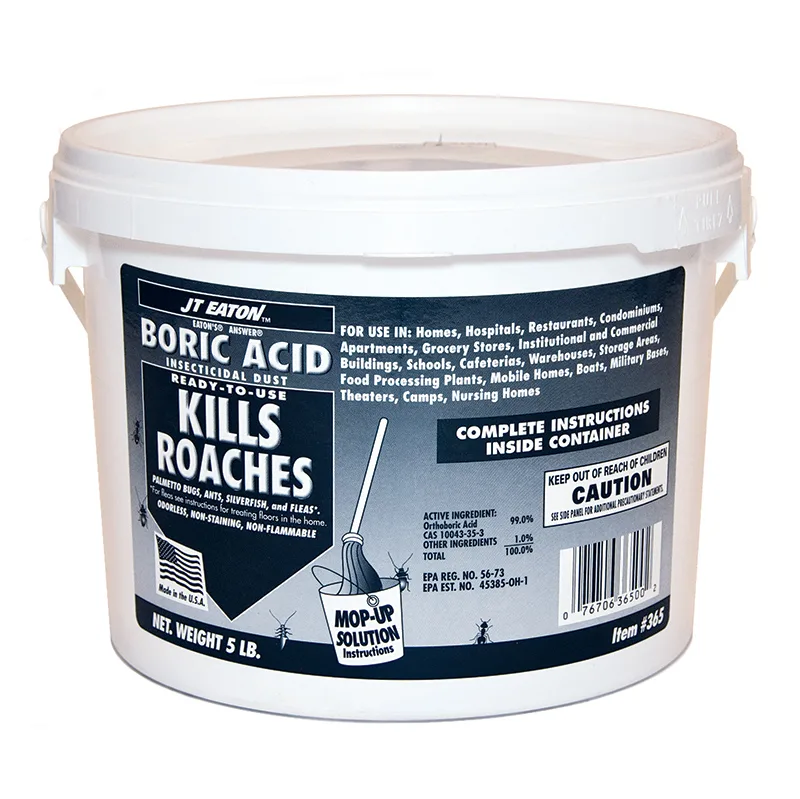
Boric acid dust (Boracide, EcoBor). You drill 1/4-inch holes along the visible trail at the wood's surface, then inject dust into the cavity. The residue contacts workers inside the galleries. They groom, transfer it to brood, and the colony collapses from the inside.
Kill window: 2 to 4 weeks for full suppression.
Fipronil dust or liquid (Talstar, Bifen-X). Longer residual than boric acid. Effective against multiple satellite colonies at once. One treatment can hold for 60 to 90 days.
Best when you've identified two or more foraging trails in different rooms.
IGR products (methoprene, pyriproxyfen). These don't kill adults. They stop larvae from reaching the worker stage. The colony can't replace lost foragers.
Useful as a supplement alongside dust, not a standalone fix.
When to stop DIY and call a licensed applicator:
- You can't identify the wood void because it's behind finished drywall in a multi-story home
- Multiple species are present (carpenter ants plus termites or powderpost beetles)
- You've already treated once and the colony regrew within 30 days
- The structure shows visible sagging, soft spots, or water damage
A professional injection or targeted dust application typically runs $200 to $600 for a single treatment. Whole-house programs with follow-up inspections run $500 to $1,200. That's still cheaper than replacing a rotted window sill and the labor to patch it.
Mistakes That Waste Terro and Delay Real Progress
Most failed attempts boil down to four recurring errors.
Placing the station off the trail. A Terro packet on the counter, three feet from where the ants actually walk, gets ignored. Put it on the foraging path. Wipe the floor clean first so grease doesn't make the station look contaminated.
The "no ants for two days" trap. You see zero activity on day two, declare victory, and walk away. The colony regroups in 10 to 14 days. You need to monitor through day 10 minimum before concluding it worked.
Skipping the moisture check. A leaking downspout, a wet crawl space, or a condensation problem in the attic feeds the colony. Terro kills workers it touches. It does nothing about the waterlogged joist that keeps producing new satellite nests. Fix the water first. Then treat.
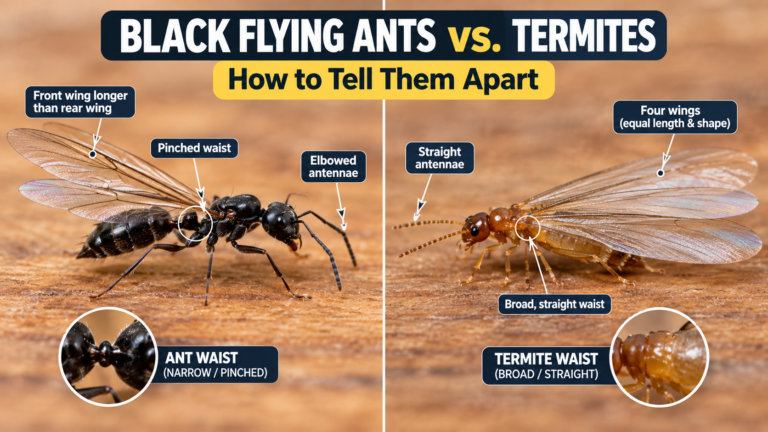
Misidentifying the pest. Round shavings at the base of a door frame = carpenter ant frass. No shavings, white-skeleton workers, mud tubes = termites. Small round holes with sawdust = powderpost beetles. Treating the wrong insect with the wrong product wastes a month. If you're not sure, snap a photo of the ant and the damage, then cross-reference with a university extension ID guide before you buy anything.
Cost, Timeline, and What to Realistically Budget
Here's the spending picture from DIY to pro, with realistic kill windows.
| Option | Cost (approx.) | Time to Results | Best For |
|---|---|---|---|
| Terro liquid or powder bait | $4 to $10 | 2 to 4 weeks (if colony is small) | Under 100 workers, one trail, dry wood |
| Boric acid dust DIY (drill + dust) | $15 to $30 in materials | 3 to 4 weeks | Established colony, accessible voids |
| Fipronil dust or liquid DIY | $30 to $60 | 2 to 3 weeks | Multiple satellite sites |
| Licensed pro (single treatment) | $200 to $600 | 2 to 6 weeks | Deep voids, multi-story, mixed species |
| Pro whole-house program | $500 to $1,200+ | 4 to 8 weeks (with 2 to 3 visits) | Severe infestation, insurance documentation |
In the humid South (FL, GA, AL, Gulf Coast), colonies establish year-round and hit peak size by June. In the Northeast and Upper Midwest, you're fighting a shorter window, roughly May through September. Outside that window, foragers are slow and bait uptake drops.
Time your treatment to peak activity.
Safety, Label Compliance, and When Regulations Apply to You
Boric acid and fipronil are EPA-registered pesticides. The label is the law for your situation.
Children and pets. Liquid bait in enclosed Terro stations is low-risk. Keep powder baits sealed and out of reach. A cat licking loose boric acid dust off the floor can get a mild stomach upset. The EPA's pesticide registration database lists specific re-entry intervals for each product. Read yours before you open the package.
State licensing. In most states, injecting dust or liquid into wall voids on a commercial property requires a licensed applicator. For your own home, DIY void dusting is generally legal. However, IGR application and any fumigation (sulfuryl fluoride, aluminum phosphide) require a licensed pest control professional in every state we've checked. Call your county extension office to confirm before you drill.
Disposal. Unused liquid bait goes in the trash, sealed in a bag. Do not pour down the drain. Powder dust leftover goes in household waste, not the garden. Boric acid in soil is fine in tiny amounts, but a 5-lb bag dumped in the yard is not.
Insurance context. Unaddressed carpenter ant damage can erode structural members over two to five years. Some homeowner's policies exclude "gradual wood damage" unless you document a pest control visit. Keep receipts from any pro treatment. They become your proof of timely action.
Quick-Reference Decision Guide: "If This, Then That"
Run through this list. The first match is your next move.
If you see 20 or fewer workers, one trail, dry wood (under 15 percent moisture), and it's between May and September: place Terro on the trail, add a protein lure beside it, monitor for 10 days.
If you see 50+ workers, shavings at the base of frames, or two or more trails in different rooms: skip surface bait. Drill and inject boric acid or fipronil dust into the wood void.
If your moisture meter reads above 18 percent in the affected framing: fix the water source first. No insecticide holds while the wood stays wet.
If you're in the humid South and the infestation is active in January: you're fighting an overwintered colony. It's smaller but not gone. Treat now while the population is low, before it explodes in spring.
If you've already tried Terro for 10 days with no reduction: escalate. Surface bait has done what it can. Move to void treatment or a pro visit. Don't keep resetting the same station and hoping.
If you can't tell whether you have carpenter ants, termites, or beetles: stop buying products. Get a visual ID first. A wrong species means a wrong treatment and a wasted month.
Frequently Asked Questions
How long does Terro take to kill a carpenter ant colony?
If the colony is small and workers are actively feeding, boric acid kills individuals in 24 to 72 hours. Full colony suppression takes two to four weeks. If you see no reduction in trail density by day 10, the colony is too large or too deep for the bait to reach the queen.
Can Terro cause carpenter ants to spread to new areas?
It's possible but uncommon. If you place bait at the trail's edge and the colony senses disturbance, workers may shift to a new foraging path. Slow-kill baits reduce this risk because the ant dies in 48 hours rather than instantly at the station.
Still, place stations on the trail, not off it.
What should I do if Terro doesn't work after two weeks?
Move to targeted wood-void treatment. Drill small holes along the trail at the wood's surface. Inject boric acid dust or a fipronil-based product into the cavity.
Many states require a licensed applicator for this step. Check the EPA registration database for products registered in your area.
Do carpenter ants and termites need the same treatment?
No. Termites digest wood and create a different damage pattern. Carpenter ants excavate but don't eat the wood.
Termites require soil treatment, baiting systems, or fumigation. Carpenter ants respond to void dusting and moisture control. Misdiagnosis is the most common reason DIY treatment fails.
Is Terro safe around pets and small children?
The enclosed liquid station is low-risk if placed out of reach. The 5.9 percent boric acid concentration is too low to harm a dog or cat that licks the outside of the station. Keep powder forms sealed and away from children.
Follow the manufacturer's label for specific pet and child re-entry intervals.