What Is a Good Homemade Ant Killer? Safe DIY Methods That Actually Work
If ants keep showing up on your kitchen counter, near a sink, or around a pet bowl, you may want a simple home remedy. The key is to understand how ants live. Killing a few workers is not the same as stopping the colony.
For many common household ants, bait works because worker ants can carry food back to the nest. Extension guidance notes that indoor ant baits can reach ants in places sprays cannot. This is why a slow-acting bait can be more useful than simply spraying every ant you see.
When people ask what is a good homemade ant killer, I look at two goals: quick control and colony control. Soapy water can handle visible ants fast. A suitable bait can target the nest. Cleaning and sealing then help keep new ants from coming back.
What Is a Good Homemade Ant Killer?
The answer depends on what you mean by “good.” If you want to kill ants on contact, soapy water is a simple option. If you want to affect the colony, bait is usually the better idea.
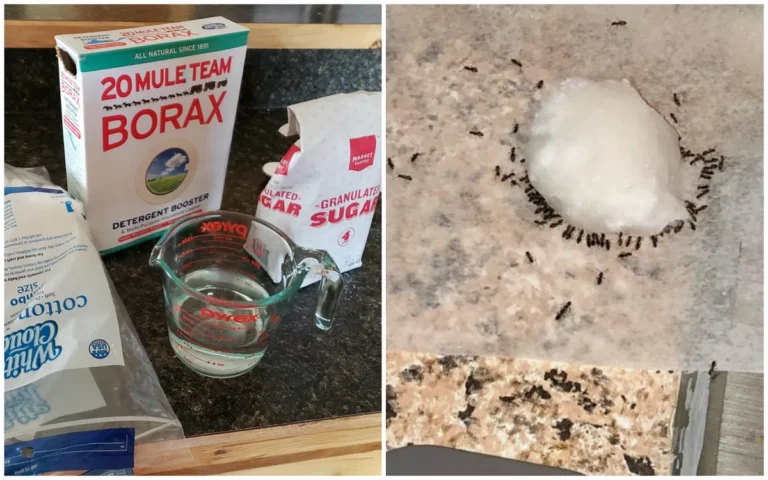
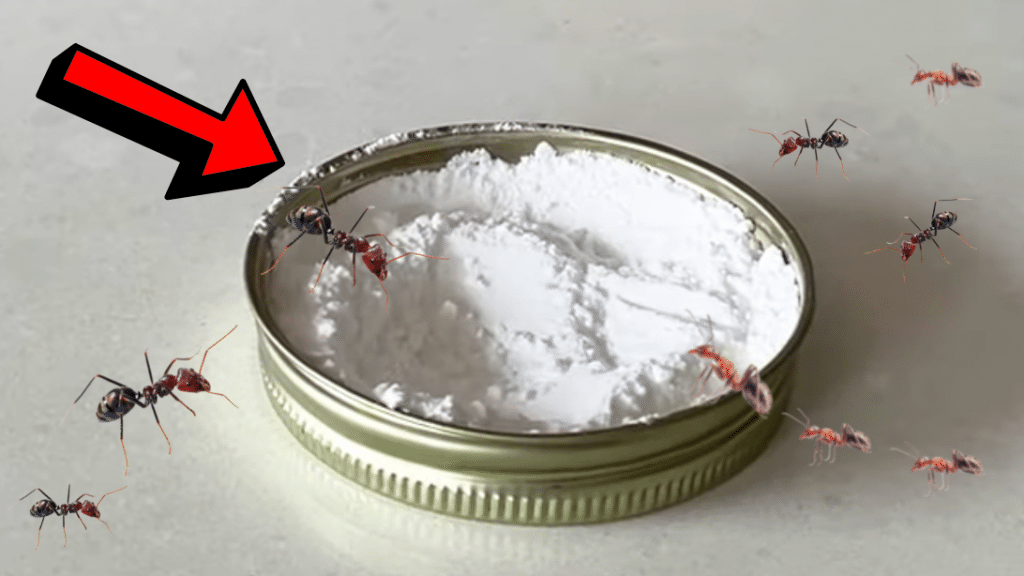
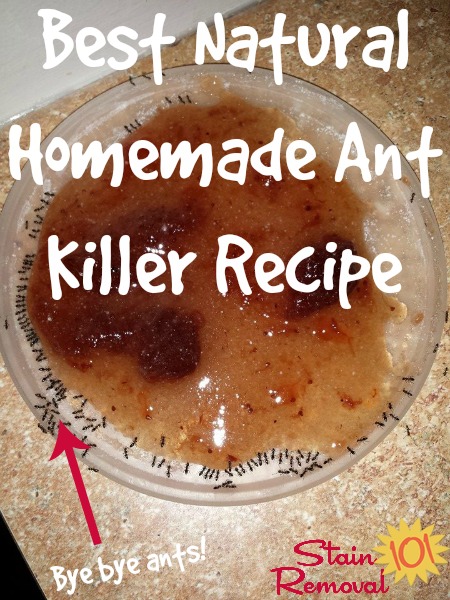
A homemade sugar bait with a small amount of boric acid can work for some sugar-feeding ants. The sugar attracts workers, while the boric acid acts as the toxic part of the bait. The slow action matters because workers may have time to carry the bait back to the nest.
This does not mean every homemade recipe will work for every ant. Ant species can prefer different foods, and some colonies may reject a bait. Store-bought ant baits also have an advantage because their formulas and labels are designed for specific uses.
- ✦ For visible ants
Soapy water can kill or immobilize ants quickly and lets you wipe away the trail.
- ✦ For the colony
A slow-acting bait may let worker ants carry the active ingredient back to the nest.
- ✦ For prevention
Remove food and water, clean trails, and seal cracks around doors, windows, pipes, and baseboards.
Why Killing Only the Ants You See Often Fails
Most ants seen inside a home are workers. Their job is to find food and take it back to the colony. If you kill those workers without addressing the nest or the reason they entered, more workers may follow the same trail.
Ants also use chemical trails to guide other workers toward food. Cleaning the trail can help break that pattern. Long-term control works best when you remove the food and water that made the home attractive in the first place.
- ✦ The colony remains
Killing visible workers may have little effect on the queen and the rest of the nest.
- ✦ New workers can arrive
A colony can send more workers when a food trail remains useful.
How a Homemade Boric Acid Ant Bait Works
Boric acid is used in some ant baits because it can act as an insecticide when ants consume it. The basic bait idea is simple: an attractive food source helps draw workers in, while the active ingredient provides the killing action.
The important part is the pace. A bait that kills too fast may stop an ant before it reaches the nest. A slower bait can give workers time to return and share food with other colony members.
If you use boric acid, treat it as a pesticide. Do not assume that a homemade recipe is harmless just because it uses a common household ingredient. Keep it away from children, pets, food, dishes, and food-preparation surfaces.

- ✦ Use a small amount
More boric acid is not automatically better. A bait must remain attractive enough for ants to eat it.
- ✦ Use a protected bait location
Place bait where ants can reach it but children and pets cannot.
- ✦ Do not spray over the bait trail
Sprays can disrupt ant movement and may stop workers from carrying bait back to the nest.
- ✦ Watch the label
For a commercial boric-acid product, follow the exact EPA-approved label directions. The product label is the legal guide for use.
A Simple Homemade Bait Concept
For sugar-loving ants, the classic homemade approach combines a sweet food source with a small amount of boric acid. Many online recipes vary widely, so there is no single homemade ratio that can be called universally safe or effective.
A safer choice is often a ready-to-use ant bait that is labeled for indoor use. Commercial products are formulated and labeled for specific pests and locations. If you still choose a homemade bait, keep the amount small, label the container clearly, and prevent access by children and pets.
- ✦ Do not put bait on food surfaces
Keep any pesticide bait away from cutting boards, plates, counters used for food preparation, and stored food.
- ✦ Do not use an open dish where children or pets can reach it
Use a protected bait location or choose a commercial bait station designed to reduce exposure.
Soapy Water: The Best Quick Homemade Ant Killer
If you need to deal with ants right now, soapy water is one of the simplest options. A mild dish-soap solution can immobilize ants so you can wipe them away. This approach is useful when ants are on a counter, floor, sink, or other washable surface.
The limitation is important: soapy water usually does not solve the nest. It is a contact treatment, not a colony bait. After wiping the ants away, clean the area and look for the entry point.
This method also avoids placing an insecticide around food areas. Still, use common sense with cleaning products. Do not mix dish soap with bleach, ammonia, or other cleaners.

- ✦ Spray
Apply a mild soapy-water solution directly to visible ants.
- ✦ Wipe
Remove the ants and wipe the surface clean.
- ✦ Clean the trail
Wash away food residue and the scent trail that can guide more ants to the same place.
- ✦ Find the entry point
Check around windows, doors, pipes, cabinets, baseboards, and other small openings.
When Soapy Water Is a Good Choice
Soapy water makes sense when you have a small number of visible ants and want a fast cleanup. It is also useful for wiping trails after you remove the food source.
For a large or repeated infestation, do not rely on this method alone. Repeated ant activity often means that a colony still has access to food, water, shelter, or an entry route.
- ✦ Best for
Fast control of visible ants and cleanup of ant trails.
- ✦ Not best for
Removing a hidden colony or dealing with a serious carpenter ant problem.
What About Vinegar, Baking Soda, Cinnamon, and Essential Oils?
Many homemade ant remedies use vinegar, baking soda, cinnamon, peppermint oil, or other strong-smelling ingredients. Some may help disrupt an ant trail or make an area less attractive for a while. That is different from proving that the ingredient kills the colony.
Vinegar is more useful as a cleaning tool than as a dependable colony killer. A vinegar solution can help remove food residue and scent trails, but it should not be treated as a replacement for bait when colony control is the goal.
Baking soda is also often promoted as an ant killer. Evidence for common kitchen mixtures is much less clear than the evidence for established ant bait methods. Essential oils can have repellent effects, but a repellent may simply move ants to another route.

- ✦ Vinegar
Useful for cleaning some washable surfaces and removing food residue, but not a reliable stand-alone colony treatment.
- ✦ Baking soda
A popular DIY remedy, but claims that it reliably eliminates ant colonies are not well supported.
- ✦ Cinnamon
Its strong smell may discourage ants in some areas, but it is not a dependable colony killer.
- ✦ Peppermint and other essential oils
They may repel or disrupt ants, but they do not reliably remove the nest and can be unsafe around pets in concentrated forms.
Natural Does Not Always Mean Safe
The word natural can be misleading. Essential oils can be potent, and some are dangerous to pets when used in concentrated form. Boric acid and borax are also not harmless simply because they are familiar household substances.
The safest approach is to think about exposure, not just ingredients. Keep any pesticide or concentrated DIY mixture away from children, pets, food, and places where people touch surfaces often.
- ✦ Think about exposure
Ask who can touch, breathe, spill, or accidentally eat the product.
- ✦ Use less clutter
Avoid leaving several different homemade chemicals around the home at once.
How to Make Homemade Ant Control Work Better
The biggest mistake is focusing only on the killer. Ant control works better when you remove the things that attract ants. Food crumbs, sugary spills, pet food, standing water, and damp areas can all make a home more appealing.
Start by cleaning the area where ants are active. Then follow the trail and look for the point where ants enter. Seal small gaps around windows, doors, pipes, cabinets, and baseboards after you understand the route.
This approach follows integrated pest management. The goal is not to fill the home with pesticides. The goal is to remove the conditions that let the pest survive and enter.
- ✦ Clean food spills
Wipe sugar, grease, crumbs, and drink spills as soon as possible.
- ✦ Store food well
Keep sweet foods, pet food, and pantry items in sealed containers.
- ✦ Fix leaks
Repair leaking faucets, pipes, appliances, and other moisture sources.
- ✦ Seal entry points
Caulk cracks and gaps around windows, doors, cabinets, pipes, and baseboards.
- ✦ Manage outdoor conditions
Keep firewood away from the house and trim vegetation that touches exterior walls.
Follow the Ant Trail
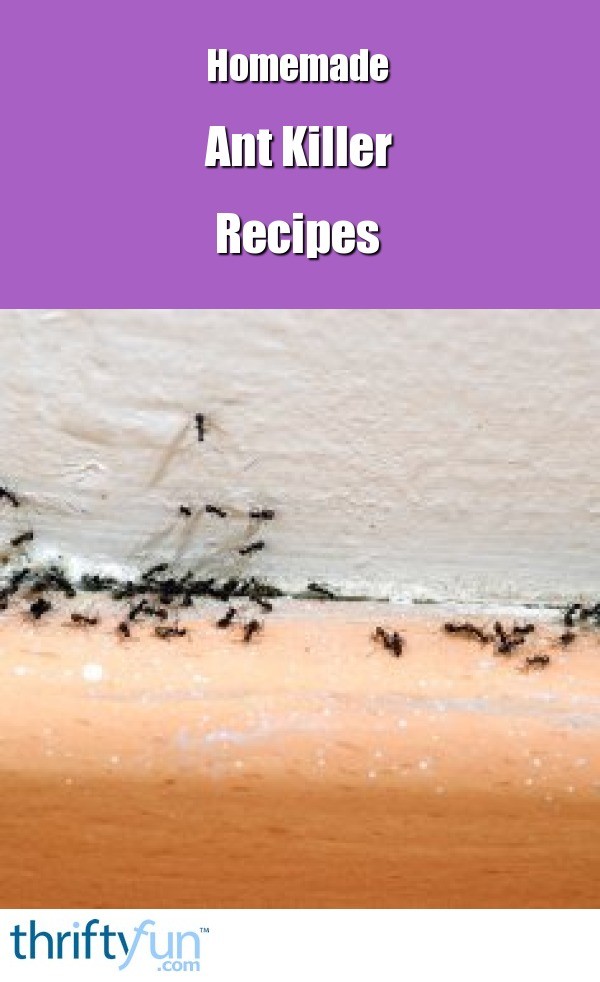
Do not wipe away every ant before you watch where it goes. A trail can show you where workers enter the house and can help you locate the best bait placement.
Once you understand the route, place the appropriate bait near the trail but away from children and pets. Avoid spraying the trail at the same time if you want workers to carry bait back to the nest.
- ✦ Observe
Watch ants for a few minutes and identify their path.
- ✦ Remove attractants
Clean the food or water source that brought them inside.
- ✦ Treat
Use an appropriate bait or contact method based on your goal.
How to Tell Which Ant Problem You Have
Not every ant infestation calls for the same solution. Small ants around food may be common household nuisance ants. Large dark ants, especially near damp wood, deserve more attention.
Carpenter ants can excavate wood to make nesting galleries. They prefer damp or damaged wood, so repeated activity can be a sign that a moisture problem needs attention.
If you see large ants, winged ants indoors, sawdust-like debris, or ants coming from walls or ceilings, do not rely only on a homemade ant killer. Find the source and consider professional inspection.

- ✦ Small ants near food
These are often nuisance ants attracted by food or moisture. Bait and sanitation can be useful.
- ✦ Large dark ants
These may be carpenter ants, especially when found near damp or damaged wood.
- ✦ Winged ants indoors
A large number of winged ants inside can signal a nearby or indoor nest and deserves investigation.
- ✦ Sawdust-like debris
Coarse debris near cracks or wood can be a clue to carpenter ant activity.
Why Carpenter Ants Need Extra Care
Carpenter ants do not eat wood like termites. They excavate galleries for nesting, and they often favor wood that has become damp or decayed.
That means the ant problem may point to another home problem. Check roofs, gutters, plumbing, windows, crawl spaces, and other areas where moisture can reach wood.
- ✦ Check for moisture
Look for leaks, condensation, poor drainage, and wet or decaying wood.
- ✦ Check the structure
Look for nesting activity in wall voids, ceilings, floors, or damaged wood.
- ✦ Get help when needed
Persistent carpenter ant activity may require a licensed pest professional and moisture repairs.
Homemade Ant Killer Safety Rules
Safety should come before speed. A DIY ant killer can expose people or pets if it is placed in an open dish, stored in an unmarked container, or used near food.
Boric acid and borax should never be treated as harmless kitchen ingredients. Keep them out of reach of children and pets, avoid inhaling powders, and wash hands after handling them.
For families with young children or pets, a labeled commercial bait station may be a better choice than an exposed homemade bait. The EPA advises using pesticides according to their labels and keeping treated areas away from children and pets.
- ✦ Never place bait near food
Keep pesticide bait away from food, dishes, utensils, and food-preparation surfaces.
- ✦ Keep children away
Store boric acid, borax, and other pesticide ingredients where children cannot reach them.
- ✦ Protect pets
Do not leave accessible bait where dogs, cats, birds, or other pets can lick or eat it.
- ✦ Label homemade containers
If you prepare a mixture, clearly mark the container so nobody mistakes it for food or a drink.
- ✦ Do not mix cleaners
Never combine household cleaning products unless the product label specifically says the combination is safe.
When to Skip DIY Treatment
DIY control is not the right answer for every infestation. If ants keep returning despite cleaning and baiting, the nest may be hidden or the species may need a different control method.
Professional help is especially sensible when you suspect carpenter ants, when activity is inside walls, or when an infestation is widespread. A professional can identify the species and locate conditions that support the colony.
- ✦ Persistent activity
Ants continue to appear after several weeks of reasonable control efforts.
- ✦ Possible carpenter ants
Large ants, winged ants, or wood debris suggest that further inspection may be needed.
- ✦ Hard-to-reach nests
Ants coming from wall voids, ceilings, or other inaccessible spaces can be difficult to treat safely.
Homemade Ant Killer vs. Commercial Ant Bait
A homemade ant killer can be cheap and convenient, but it has limits. You must choose the ingredients, control the concentration, decide where to place the bait, and manage safety yourself.
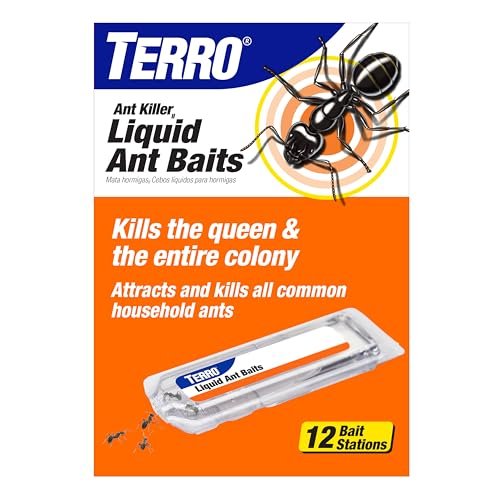
Commercial ant baits offer a more controlled option. They are made for a stated use and carry directions and safety information. Many are also enclosed in bait stations, which can reduce direct exposure when used correctly.
For a small, simple ant trail, a homemade method may be enough to help. For repeated infestations, a labeled bait can make the process more predictable.

- ✦ Homemade bait
Low cost and easy to make, but results can vary and safety depends on how it is prepared and placed.
- ✦ Commercial bait
Usually has a tested formulation, pest directions, and a product label that explains proper use.
- ✦ Professional treatment
Useful for hidden nests, carpenter ants, recurring infestations, or problems that DIY methods do not solve.
A Practical Decision Guide
If you see a few ants, start with cleaning and trail removal. If the ants return, consider a suitable bait. If the problem continues or the ants look like carpenter ants, move from simple home remedies to species identification and professional advice.
- ✦ A few ants
Clean the area, remove food, and seal obvious entry points.
- ✦ A steady trail
Consider an appropriate bait and avoid disrupting the trail with insecticide spray.
- ✦ A recurring infestation
Look for the nest, moisture, food sources, and structural entry points.
- ✦ Suspected carpenter ants
Inspect damp wood and consider professional pest control.