Will Fire Ant Killer Kill Other Ants? What You Need to Know
If you have ants in your yard, it is easy to assume that one ant killer should work on all of them. That is not always true. A product sold for fire ants may kill other ants when they contact the insecticide, but a fire ant bait may not attract another ant species well enough to control its colony.
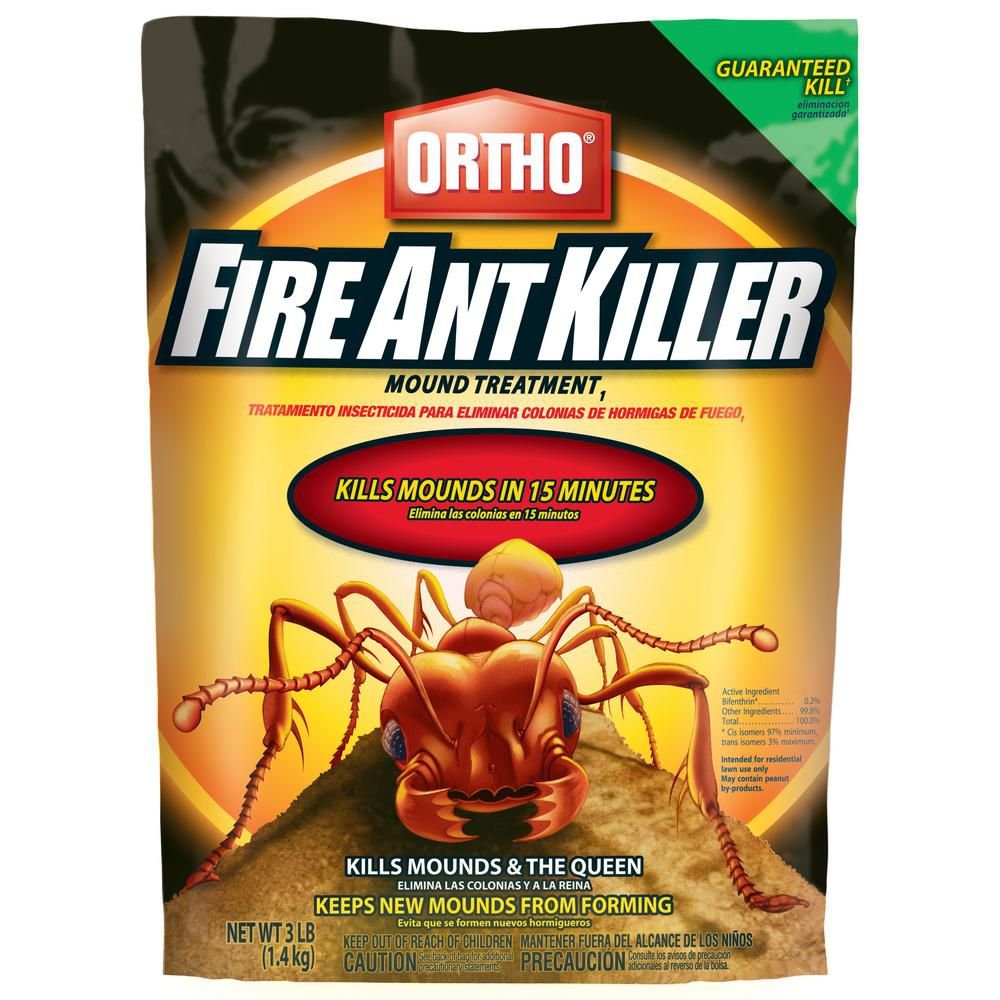
The key is to look past the words on the front of the package. Fire ant products can use baits, sprays, granules, dusts, or mound treatments. Each method works in a different way, and the active ingredient can affect which ants are controlled. University extension guidance also stresses that pesticide labels should be followed because products are approved for specific pests and uses.

Will fire ant killer kill other ants?
In many cases, yes. Fire ant killers contain insecticides that can harm or kill ants beyond the fire ant species named on the package. However, killing a few ants is not the same as controlling an entire colony.
A contact insecticide may kill an ant that walks across a treated surface. A bait works in a different way. Worker ants must find the bait, accept it as food, carry it home, and share it with the colony. That makes bait choice very important.
So, when asking “will fire ant killer kill other ants,” the best answer is: it can, but the result depends on how that product works and whether the other ants will take the bait.
- ✦ Contact insecticide
It can kill ants that touch the treated area. This may affect several ant species, depending on the active ingredient.
- ✦ Fire ant bait
It is made to attract foraging fire ants. Other ants may ignore it or may not carry enough of it back to their colony.
- ✦ Mound treatment
A product may kill ants in or near a treated nest, but its label may limit the pests and locations for which it can be used.
Why the label says fire ants
A pesticide label does not mean the chemical can affect only one species. It tells you how the product has been tested, registered, and approved for use. A fire ant bait may be specially formulated so fire ants find and carry it back to their colony.
This is why a product can be toxic to several kinds of ants but still be a poor choice for another ant problem. The insecticide may work, yet the bait may not attract the target ants.
- ✦ Toxicity is not the whole story
An insecticide can kill an ant after exposure, but the product still needs to reach the ant in a useful way.
- ✦ Bait acceptance matters
Different ants can prefer different food sources. A bait that attracts fire ants may not attract pavement ants, carpenter ants, or other species equally well.
How fire ant killers work
Fire ant control products fall into a few basic groups. Some use slow-acting bait, while others use faster insecticides that work after direct contact or ingestion. Understanding this difference helps explain why one product may affect many ants while another does not.
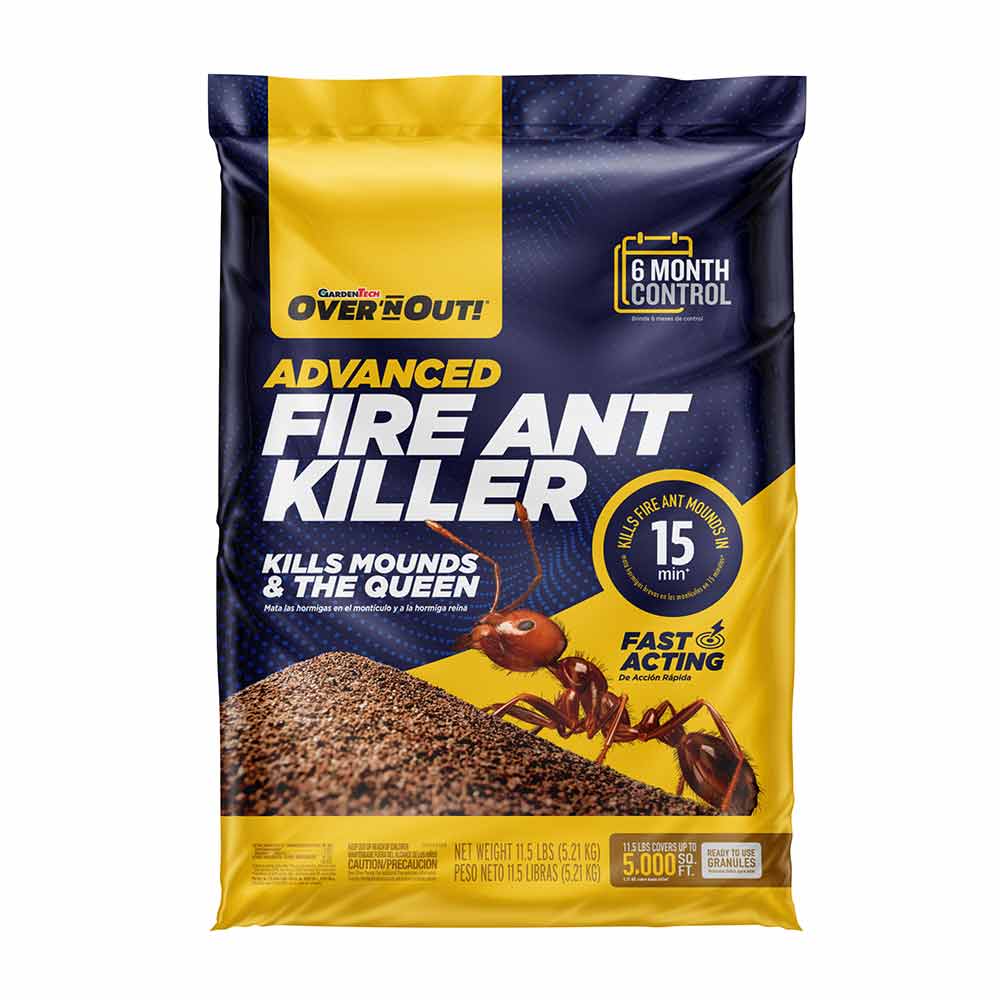
Fire ant bait is designed to use the ants’ own food-sharing behavior. Extension guidance explains that adult fire ants cannot eat solid bait directly. Workers carry the bait to the mound, and the colony processes and shares the food. Slow action gives the bait time to spread through the colony before the ants die.
That colony-based action is useful for fire ants. But another ant species may have different food preferences or nesting habits. This can make a fire ant bait much less useful against that species.
- ✦ Slow-acting bait
Workers carry the bait into the nest. The active ingredient can then spread through the colony.
- ✦ Contact treatment
The insecticide acts when ants touch or otherwise receive the treated material. This can give faster visible results.
- ✦ Insect growth regulator
Some fire ant baits contain ingredients that disrupt insect development. These products may take longer to show full results.
- ✦ Combination products
Some products combine different types of active ingredients to affect both adult ants and developing ants.
Bait versus spray
A spray may give the most obvious result because you can see ants die soon after treatment. But killing workers on the surface does not always remove the nest. If the queen and brood remain, more workers can appear later.
Baits take a different approach. The goal is not just to kill the ant you see. The goal is to let workers carry the active ingredient into the colony. This is why slow action can be a benefit rather than a weakness.
- ✦ Sprays
Useful for direct contact control when the label allows that use, but they may not eliminate the whole colony.
- ✦ Baits
Better suited to colony control when the target ants readily accept the bait and carry it into the nest.
Which other ants can fire ant killer affect?
There is no single list of ants that every fire ant killer will control. Product formulas differ, and so do ant species. Some products are broad insecticides, while others are specialized baits.
For example, an outdoor granular insecticide that kills insects on contact may affect ants that cross the treated area. A fire ant bait, however, depends much more on feeding behavior. If the target ants do not find the bait attractive, the product may have little effect on the colony.
Common household and yard ants include pavement ants, odorous house ants, carpenter ants, acrobat ants, and other species. Their nesting sites and food habits can vary, so identification is useful before treatment.

- ✦ Pavement ants
They often nest under pavement, stones, slabs, and other protected areas. A bait labeled for their control may work better than a fire ant-specific bait.
- ✦ Odorous house ants
They can form large colonies and may follow trails into buildings. Bait choice is important because their food preferences can change.
- ✦ Carpenter ants
They often nest in wood and can enter buildings. A fire ant mound treatment is not automatically the right solution for a carpenter ant nest.
- ✦ Other outdoor ants
Some may die after contact with a broad insecticide, but colony control depends on the product, ant behavior, and label directions.
Why ant species identification matters
Ants can look similar at first glance, especially when you see only workers. Yet their nests, diets, and behavior can be very different. A product that works well on fire ants may not solve an indoor carpenter ant problem.
If ants keep returning after treatment, the problem may not be the strength of the pesticide. The product may simply be aimed at the wrong species or the wrong part of the colony.
- ✦ Look at the location
Ants in a lawn mound are a different problem from ants nesting inside a wall, under a slab, or in damaged wood.
- ✦ Watch the trail
Following ants can help you find food sources and possible nesting areas without disturbing the colony.
Does fire ant bait work on regular ants?
Sometimes, but you should not assume it will. Fire ant bait is usually made with an attractive food carrier plus a small amount of insecticide or an insect growth regulator. The bait must be attractive to the target ants for the treatment to work well.
Mississippi State University Extension notes that fire ant baits are designed around fire ant feeding behavior. It also notes that some indoxacarb-based baits made for other insects and ants are not as attractive or effective on fire ants. This shows why bait formulation matters.
If your problem is not fire ants, look for a product whose label specifically includes the ant species or pest group you need to control. Do not simply increase the amount of a fire ant product because you want a stronger effect.
- ✦ Check the active ingredient
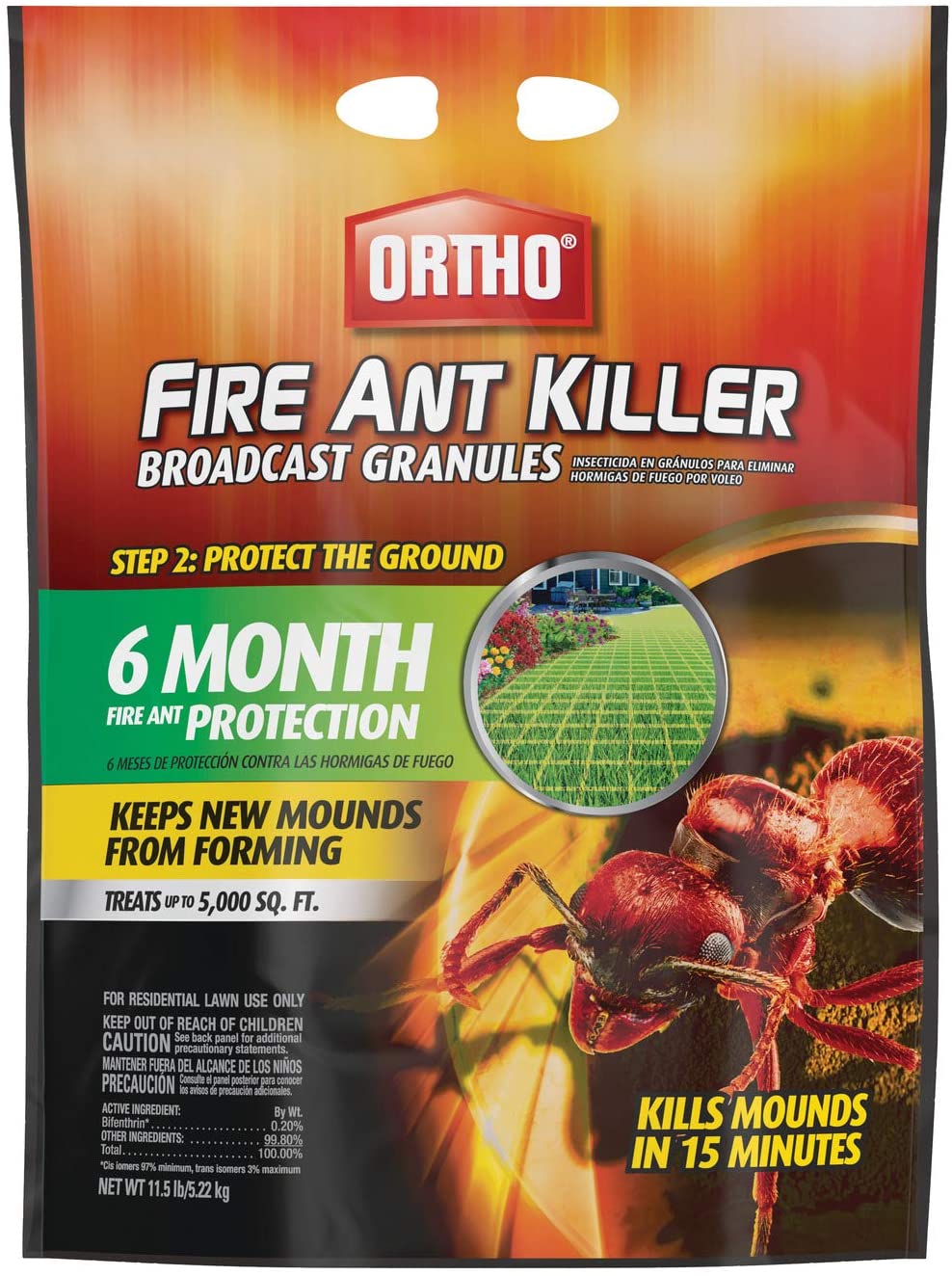
Common fire ant bait ingredients include hydramethylnon, indoxacarb, spinosad, methoprene, pyriproxyfen, and other registered insecticides.
- ✦ Check the target pest
The label should tell you which ants or pests the product is registered to control.
- ✦ Check the application site
A product labeled for lawns may not be labeled for indoor use, vegetable gardens, food crops, or every other outdoor surface.
- ✦ Use the stated rate
More pesticide does not mean better control. Follow the exact label rate and application method.
Can other ants eat fire ant bait?
Yes, some other ants may feed on a fire ant bait. But feeding on a bait does not guarantee good colony control. The bait may not match the food preference of that species, and the colony may not respond to the active ingredient in the same way.
This is one reason the question “will fire ant killer kill other ants” needs more than a simple yes or no. The insecticide may be capable of killing the ants, while the bait system may still fail to reach enough of the colony.
- ✦ They may eat it
Some ants can be attracted to the food carrier.
- ✦ They may ignore it
Other ants may prefer different foods or may not recognize the bait as a useful food source.
- ✦ They may die without colony control
A few dead workers do not prove that the queen, brood, and rest of the colony have been eliminated.
Will fire ant spray kill other ants?
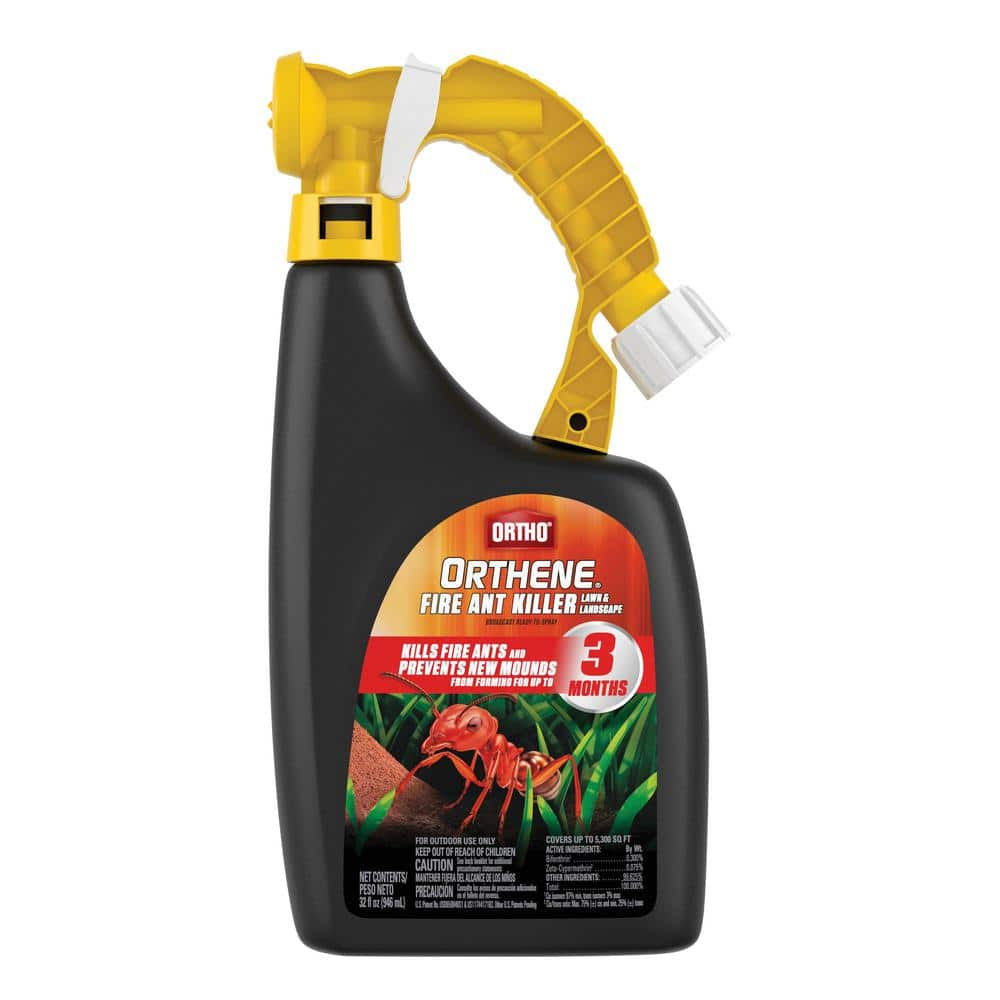
Often, yes. A fire ant spray that contains a broad insecticide may kill other ants when they receive a lethal dose. Many outdoor insecticides act on the nervous system of insects and are not limited to one ant species.
However, the label still controls how the product should be used. Some products are approved for specific outdoor areas or specific pests. Using a product on an unlisted pest or site can be unsafe and may violate pesticide-use rules.
Contact sprays also have a major limitation: they may kill exposed workers without reaching the colony. If the nest remains active, new ants may replace the workers you killed.
- ✦ Fast visible action
Contact insecticides can produce quick results on exposed ants.
- ✦ Limited colony reach
A spray may not travel through the nest or reach the queen and brood.
- ✦ Possible non-target effects
Broad insecticides can affect other insects. Avoid unnecessary spraying and follow the label to reduce harm to beneficial insects and aquatic life.
Why killing visible ants may not solve the problem
An ant colony can contain many workers that you never see. When a spray kills ants on a trail, the colony may continue to produce more workers. The result can look successful for a short time and then fail.
For a lasting solution, focus on the nest when the product label and ant biology support that approach. Baits can help because workers carry food back to the colony, while some sprays are mainly useful for direct contact or surface protection.
- ✦ Treat the source
When possible, find where the ants are nesting or entering the building.
- ✦ Use the right method
Choose bait, spray, dust, or another treatment based on the ant species and labeled use.
Fire ant killer active ingredients and what they do
The active ingredient often tells you more about a product than the words “fire ant killer.” Different ingredients act in different ways, and some are used mainly in bait while others are used in contact treatments.
For fire ant control, extension resources list active ingredients such as hydramethylnon, indoxacarb, spinosad, methoprene, pyriproxyfen, and others. The same or related insecticides may appear in products made for different pests, but the formulation and label can differ.
Do not compare products only by the percentage printed on the package. A lower percentage does not automatically mean a weaker product. Formulation, dose, application method, and insect biology all matter.

- ✦ Hydramethylnon
Used in some ant baits. Workers carry the bait into the colony, where the active ingredient can spread through feeding.
- ✦ Indoxacarb
Used in some fire ant baits and other ant products. It is a slow-acting insecticide that can allow bait to reach the colony.
- ✦ Spinosad
Used in some fire ant bait products and other insect control products. It can affect insects that consume or contact the active ingredient.
- ✦ Methoprene
An insect growth regulator used in some fire ant baits. It disrupts insect development rather than acting like a typical fast contact spray.
- ✦ Pyriproxyfen
Another insect growth regulator used in some fire ant bait programs. Its effects can take longer because it targets development.
Does a stronger insecticide kill more ants?
Not necessarily. Ant control depends on getting the right amount of the right product to the right place. A powerful contact insecticide may kill many workers but leave the colony intact.
A slower bait can sometimes produce better colony control because workers carry it into the nest. For this reason, speed of visible kill should not be the only measure of success.
- ✦ Visible kill
Shows that exposed ants received enough insecticide to die.
- ✦ Colony control
Means the treatment reduces or eliminates the colony, not just the workers you can see.
How to choose the right ant killer for your problem
Start by identifying where the ants are and what they are doing. A large mound in a sunny lawn points to a different problem than a steady trail of small ants inside your kitchen.
Next, read the pesticide label. Look for the target pest, approved application site, active ingredient, application rate, safety instructions, and restrictions. In the United States, the label is a key part of legal pesticide use.
If you are not sure which ant you have, take a clear photo and compare it with reliable extension resources. For a large or persistent infestation, a licensed pest professional can help identify the species and nesting site.
- ✦ For fire ant mounds
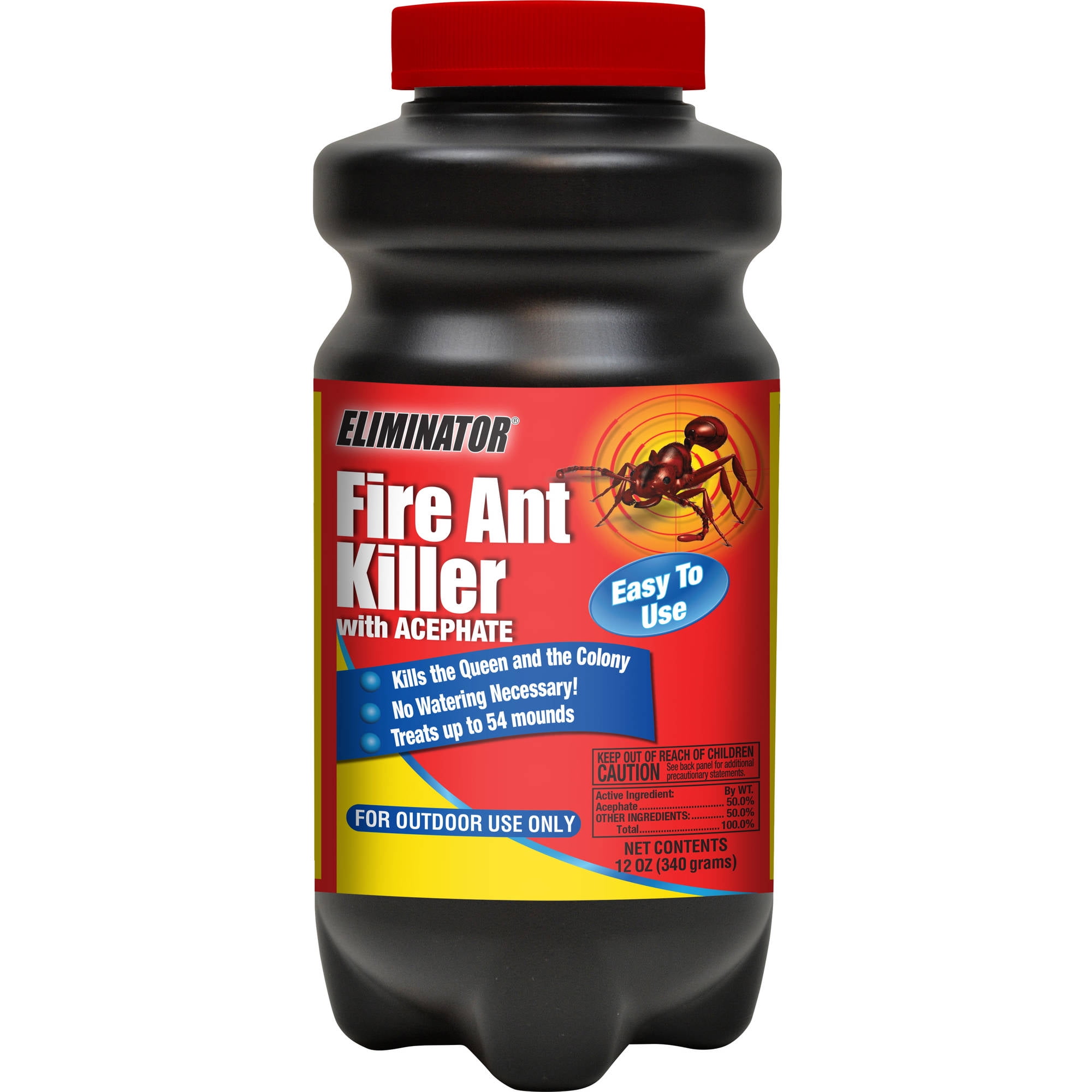
Use a fire ant product that is labeled for your site and follow its directions. Baits and direct mound treatments serve different roles.
- ✦ For indoor ants
Use a product labeled for indoor ant control. Do not assume an outdoor fire ant product is suitable inside a home.
- ✦ For carpenter ants
Look for the nest and moisture source. Carpenter ant problems often need a different strategy from lawn fire ant control.
- ✦ For mixed outdoor ants
A product labeled for the ant species or a broader group of ants may be more appropriate than a fire ant-specific bait.
A simple decision process
First, ask what kind of ant you have. Second, decide whether you need colony control or only quick control of exposed ants. Third, select a product whose label covers both the pest and the place where you plan to use it.
This approach is more reliable than asking only whether fire ant killer will kill other ants. The better question is whether the product is designed and labeled to control the ants you actually have.
- ✦ Identify
Confirm the ant species or at least narrow it down by size, color, location, and nesting behavior.
- ✦ Choose
Pick a product that lists the target pest and treatment site.
- ✦ Apply
Follow the label exactly. Do not increase the dose to make a product work faster.
- ✦ Monitor
Watch the area after treatment. Continued activity may mean the colony survived or another colony is entering the area.
How to use fire ant killer safely around a home
Pesticides can be useful tools, but they need careful handling. Read the entire label before applying a fire ant killer, especially if children, pets, gardens, ponds, or vegetable beds are nearby.
Do not mix products unless the label specifically permits it. Do not apply extra product because ants remain active. More pesticide can increase exposure without improving control.
Keep granules and sprays away from drains, streams, ponds, and other water sources unless the label specifically allows the application. Some insecticides can be highly harmful to aquatic life and non-target insects.
- ✦ Follow the label
Use only the listed amount, method, location, and timing.
- ✦ Protect children and pets
Keep them away from treated areas as required by the product label.
- ✦ Protect beneficial insects
Avoid unnecessary broad insecticide use, especially around flowers where pollinators may be present.
- ✦ Protect water
Prevent pesticide granules and runoff from reaching ponds, streams, storm drains, and other water bodies.
- ✦ Store products safely
Keep pesticides in their original containers and follow the storage directions on the label.
Why label directions matter
The label tells you more than how much product to use. It also tells you where the product can be applied, which pests it can control, and what precautions are required.
This is especially important when using a fire ant product against another type of ant. Even if the chemical can kill that ant, the use may not be listed on the product label.
- ✦ Legal use
In the United States, pesticide labels provide legally important directions for use.
- ✦ Better results
Correct rates and timing can improve control while reducing unnecessary pesticide exposure.