How to Make Homemade Ant Killer: Simple DIY Baits That Work
If ants are marching across your kitchen counter, the first idea is often to grab a spray. That can kill the ants you see, but it may not solve the nest. A bait works in a different way. Worker ants eat the bait, carry it back, and share it with other ants in the colony.
When learning how to make homemade ant killer, the key is not to make the strongest mixture possible. The goal is to make a bait that ants will accept and carry away. A slow-acting bait can give workers time to return to the nest before the toxic ingredient takes effect.
A practical note on safety matters here. Borax and boric acid are pesticides in certain products and are not harmless household ingredients. The U.S. Environmental Protection Agency warns that borax can pose health hazards when used in the wrong way, so homemade bait should never be treated like ordinary food or left where children or pets can reach it.
How Homemade Ant Killer Works
Before making a bait, it helps to understand the problem. Most ants seen indoors are worker ants. Their job is to find food and take it back to the colony. This behavior is why bait can work better than simply killing ants on a countertop.
A good ant bait has two parts. The first part attracts the ants. The second part acts slowly enough for workers to carry the bait back to the nest. University extension guidance notes that indoor ant baits can reach parts of a colony that sprays may not reach.
This is also why patience matters. You may see more ants around the bait at first. That does not always mean the bait has failed. Workers may be feeding and carrying the bait away.
- ✦ Food attracts the workers
Sugar or another food source can draw ants to the bait. Different ant species prefer different foods, so a sweet bait may not work for every species.
- ✦ The slow action matters
A bait should not kill the worker before it can return to the colony. Slow action gives the worker time to share the bait.
- ✦ The colony is the target
The goal is not only to kill visible ants. The goal is to reduce the number of ants in the nest.
Why Spraying Every Ant Can Backfire
Fast sprays can remove visible ants but may leave the nest untouched. University extension guidance recommends baiting for many indoor ant problems and warns that insecticide sprays can interfere with baiting because ants may stop visiting the bait.
For this reason, do not spray directly around a bait station. Let the ants find the bait and carry it away.
How to Make Homemade Ant Killer With Borax and Sugar
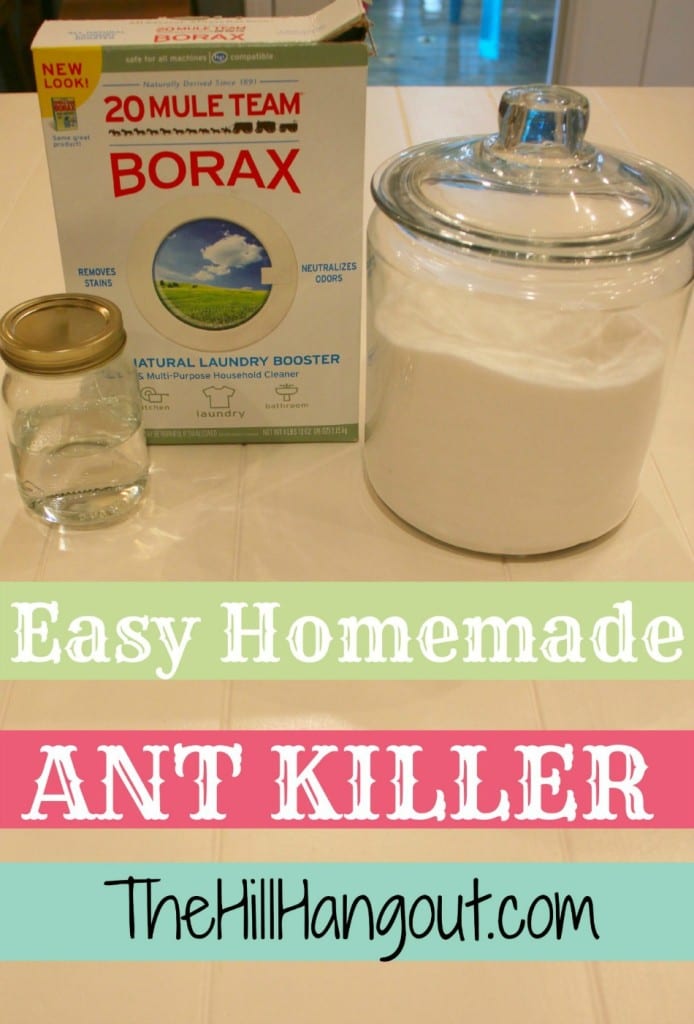
One common DIY approach uses borax and a sweet food source. The idea is simple: the sugar attracts ants, while the borax supplies the active ingredient. Commercial ant baits also use slow-acting active ingredients in food-based bait systems, although commercial formulas are tested and labeled for specific uses.
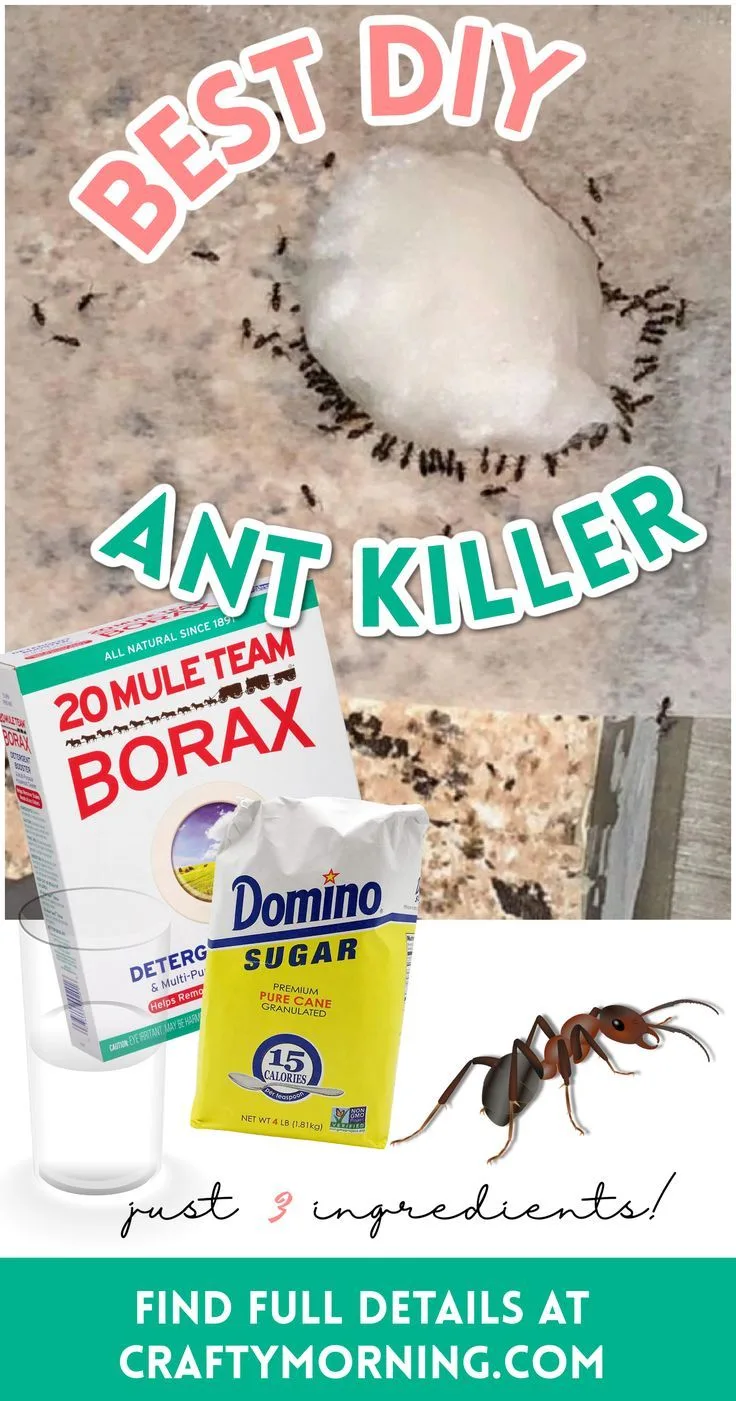
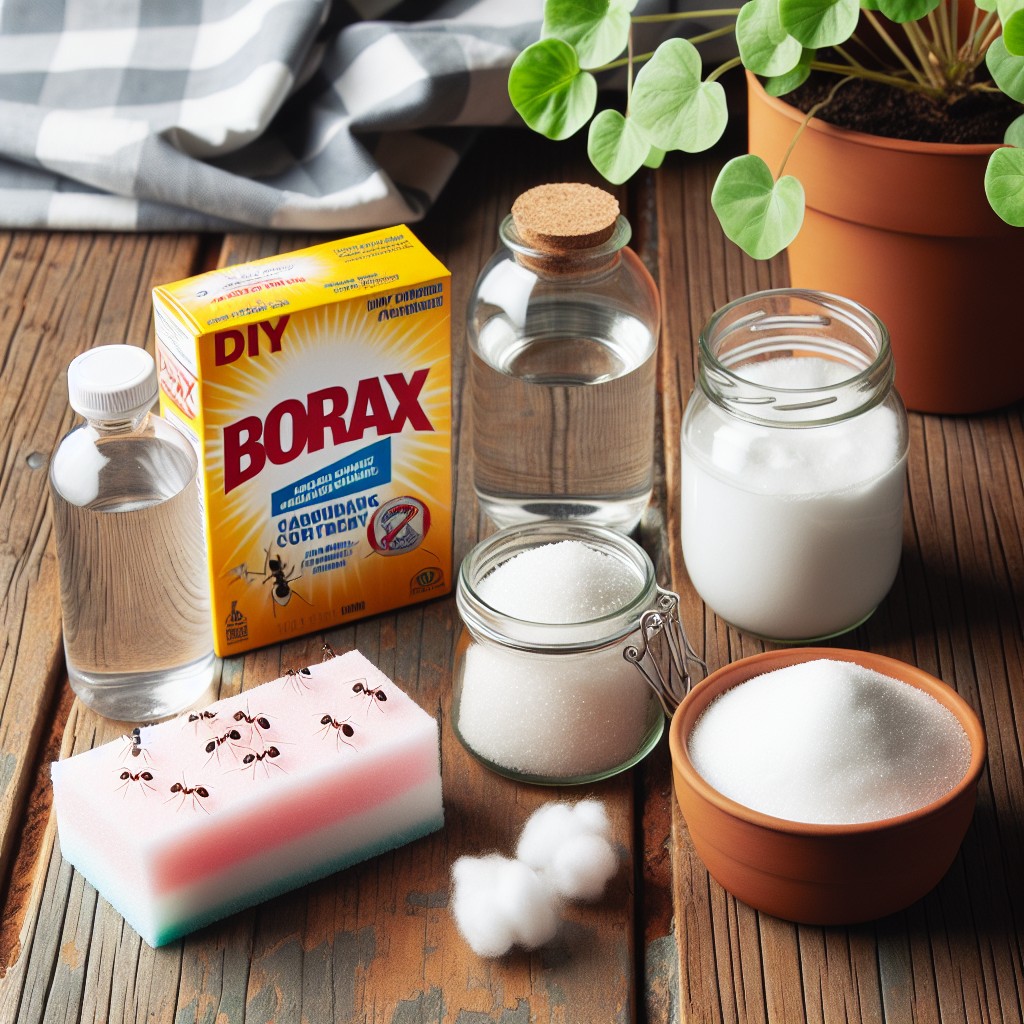
For a small indoor bait, mix **1 teaspoon of borax with about 1/4 cup of sugar and enough water to make a thin syrup**. Put only a small amount on a piece of cardboard, wax paper, or another disposable bait surface. Do not put the mixture directly on food-preparation surfaces.
The mixture should be attractive to ants but should not be treated as food for people or animals. Make only a small amount, label it clearly, and place it in an area that children and pets cannot access.

- ✦ Basic ingredients
Use about 1 teaspoon of borax, 1/4 cup of sugar, and enough water to make a thin syrup. This is a DIY bait recipe, not a substitute for a registered pesticide label.
- ✦ Use a tiny amount
You do not need a pool of bait. A small amount placed close to an active trail is usually enough to test whether ants will accept it.
- ✦ Use fresh bait
Replace bait if it dries out, becomes dirty, or is no longer attractive to the ants.
Step-by-Step Method
First, find the ant trail. Watch where the workers travel instead of placing bait at random. Next, mix the sugar, borax, and water in a clearly labeled container that will never be confused with food.
Place a small amount near the trail but outside the reach of children and pets. Watch from a distance. If ants accept it, let them feed and carry it away. Avoid disturbing the trail with sprays or strong cleaners while the bait is being used.
Check the bait each day. If the ants ignore it, remove it and try a different food-based bait or use a labeled commercial ant bait. Ant food preferences can vary by species.
How to Make Homemade Ant Killer Without Borax
If you do not want to use borax, focus on non-toxic control steps rather than trying to replace one pesticide with another household chemical. There is no simple kitchen ingredient that can reliably kill an entire ant colony while also being completely harmless to people and pets.
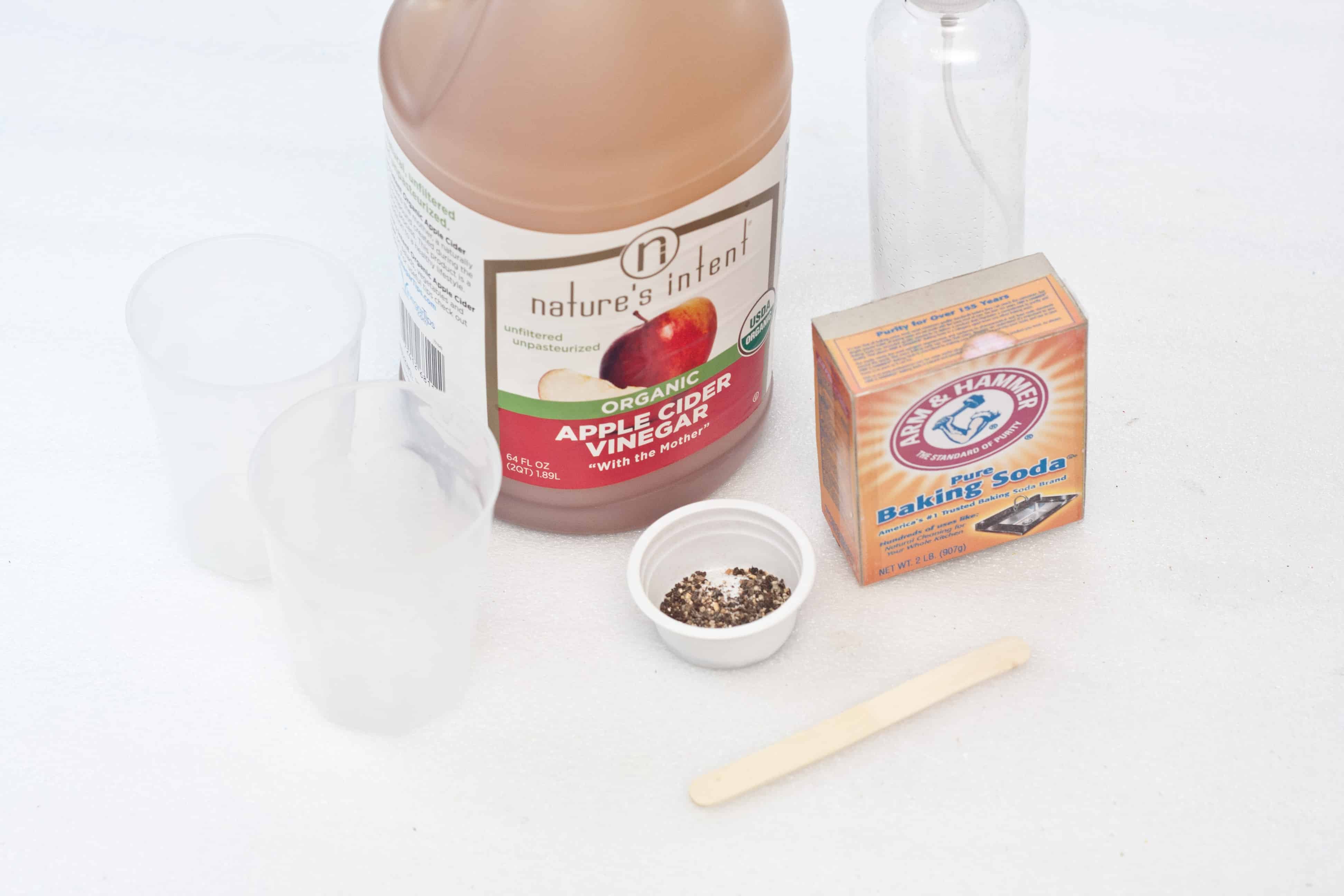
Vinegar and water can help clean an ant trail and remove food odors, but this is better viewed as a cleaning step than a colony-killing treatment. Baking soda, cinnamon, coffee grounds, and similar home remedies are widely discussed online, but results can vary and they should not be treated as proven colony control.
The safest non-chemical approach is often a combination of cleaning, exclusion, moisture control, and physical removal. This can reduce the reasons ants enter the home in the first place.
- ✦ Clean trails
Wipe ant trails with ordinary household cleaner to remove food residue and scent trails.
- ✦ Remove food
Store sugar, cereal, pet food, and other foods in sealed containers. Clean crumbs and spills soon after they happen.
- ✦ Fix moisture
Repair leaks and reduce damp areas around sinks, pipes, windows, and appliances.
- ✦ Seal entry points
Caulk cracks around windows, doors, baseboards, and plumbing openings when practical.
Why Some Popular Home Remedies Disappoint
A repellent may make ants change direction without removing the colony. That can move the problem to another room or create a new trail.
For lasting control, think beyond the ants you can see. The food source, water source, entry point, and nest all matter.
How to Place Homemade Ant Bait Correctly
Placement can matter as much as the recipe. Put the bait close to an active ant trail, but do not block the trail. Workers should be able to reach the bait and return to the nest without being disturbed.
For indoor use, small bait placements near baseboards, under sinks, behind appliances, or close to entry points may be useful when those areas are inaccessible to children and pets. Commercial ant bait labels commonly direct users to place small amounts near active ant areas.
Do not place homemade bait on counters, cutting boards, plates, or other food-contact surfaces. Wash your hands after handling borax or bait materials.
- ✦ Follow the trail
Find the path ants already use. A bait placed near an active route has a better chance of being discovered.
- ✦ Keep the route open
Do not surround the bait with strong cleaners or insecticide sprays. The ants need to approach and carry the bait away.
- ✦ Use small placements
Small bait placements reduce unnecessary exposure and make it easier to monitor whether ants are feeding.
- ✦ Monitor the area
Check the bait regularly and remove it when the ant activity ends or when the bait is no longer needed.
How to Make Homemade Ant Killer Safer Around Children and Pets
Safety should come before convenience. Borax is not the same as table salt or sugar, even though it can look like a common household powder. The EPA notes that borax can present health hazards when used incorrectly, and boric acid products can be harmful if swallowed.
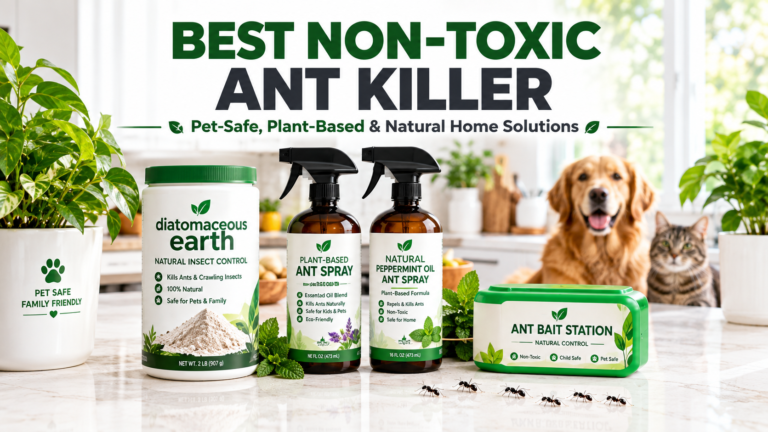
Never leave loose bait where a child, dog, cat, or other animal can reach it. If a household has young children or pets that can access the treatment area, an enclosed, tamper-resistant commercial bait station is generally a safer choice than exposed homemade bait.
Do not store homemade bait in a food container. Keep any remaining material in a clearly labeled container and follow safe disposal practices. If someone swallows borax or boric acid, contact a poison control center or seek medical advice promptly.

- ✦ Keep it inaccessible
Place bait only where children and pets cannot reach it. Never leave bait beside pet bowls, toys, or children’s play areas.
- ✦ Avoid food containers
Never store ant bait in a jar, bottle, or container that could be mistaken for food or a drink.
- ✦ Do not use extra borax
More borax does not automatically mean better control. Too much toxicant can make bait less attractive and can increase exposure risk.
- ✦ Consider commercial bait stations
A labeled, enclosed bait station can reduce direct contact with the bait and provides directions for safe use.
What Not to Mix With Ant Killer
Never mix pesticides or household chemicals unless the product label specifically says the combination is safe. In particular, never mix bleach with ammonia or other incompatible cleaners.
Avoid adding random chemicals to a homemade bait in an attempt to make it stronger. A simple bait plus good sanitation is safer and easier to manage.
How to Get Better Results From Homemade Ant Killer
A homemade bait works best as part of a wider ant-control plan. If food and water remain easy to find, ants may ignore your bait or return after the treatment ends.
Start by cleaning the area. Wipe up sweet spills, remove crumbs, empty trash often, and keep pet food in sealed containers. Look for leaks under sinks and around appliances, because moisture can also attract some ant species.
Then look for the entry route. Ants often use tiny gaps around windows, doors, pipes, baseboards, and utility lines. Sealing those gaps can reduce repeat infestations.

- ✦ Remove food sources
Keep food sealed and clean crumbs, grease, and sweet spills quickly.
- ✦ Remove water sources
Repair leaks and dry damp areas where possible.
- ✦ Seal cracks
Use caulk or another suitable sealant around common entry points.
- ✦ Trim outdoor vegetation
Keep branches and plants from creating easy routes onto the building when practical.
- ✦ Watch for nesting signs
Repeated activity from walls, damaged wood, or damp areas may point to an indoor nest that needs a more targeted solution.
Give the Bait Time to Work
Do not expect instant results from a colony bait. University extension guidance notes that indoor baits can take days or longer, depending on the ant species and colony.
If ant numbers slowly fall, continue monitoring rather than immediately adding more pesticide. If activity stays high or spreads, reassess the ant species and food preference.
Sugar Bait vs. Protein Bait: Why Ants May Ignore Your Recipe
Not every ant wants the same food. Some household ants strongly prefer sweet foods, while others may seek protein or greasy foods. This is one reason a homemade sugar bait can work well in one home and fail in another.
If ants walk past a sweet bait without feeding, do not assume that more borax will solve the problem. The bait may simply be the wrong food for that species or colony.
Observe what the ants are naturally eating. If they gather around a sweet spill, a sweet bait may make sense. If they show more interest in greasy or protein-rich food, a different bait strategy may be needed.

- ✦ Sweet feeders
Some common household ants are strongly attracted to sugary foods and may accept a sweet liquid bait.
- ✦ Protein or grease feeders
Some ants prefer protein or oily foods. A sugar bait may be ignored by these species.
- ✦ Season can change behavior
Ant food needs can change with colony development and seasonal conditions.
A Simple Test
Watch the ants for several minutes before treating them. Note whether they gather around sugar, meat, grease, pet food, or another source.
This small observation can help you choose a bait that matches their behavior instead of relying on a one-size-fits-all recipe.
When Homemade Ant Killer Is Not Enough
A DIY bait is not the right answer for every ant problem. Carpenter ants can be linked to damp or damaged wood, while some tiny indoor ants can form hard-to-reach colonies in walls or other hidden spaces.
If ants keep returning after careful cleaning and baiting, the nest may be inside the structure or there may be an outdoor colony feeding the indoor trail. Repeated activity can also mean the ant species needs a different bait.
Professional help makes sense when the infestation is large, persistent, or linked to structural damage. A pest professional can identify the species, locate likely nesting areas, and select a labeled treatment.
- ✦ Carpenter ants
Large ants near damp or damaged wood deserve closer attention because the problem may involve a nest in or near the structure.
- ✦ Persistent trails
If ants return again and again despite sanitation and baiting, look for hidden nests, moisture, or an outdoor source.
- ✦ Winged ants indoors
Large numbers of winged ants indoors can indicate a nearby colony and may deserve professional identification.
- ✦ Hard-to-identify ants
Some tiny ants look alike but respond differently to baits. Correct identification can save time and reduce unnecessary pesticide use.
Homemade Ant Killer vs. Commercial Ant Bait
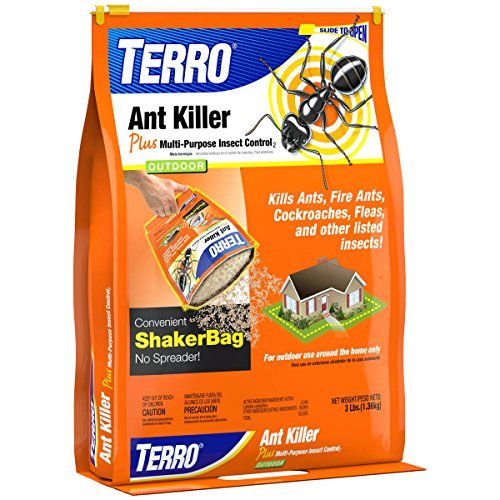
Homemade bait can be inexpensive and easy to prepare, but it has limits. Commercial ant baits are formulated and labeled for particular pests and use patterns. Some also come in enclosed stations that reduce direct contact with the bait.
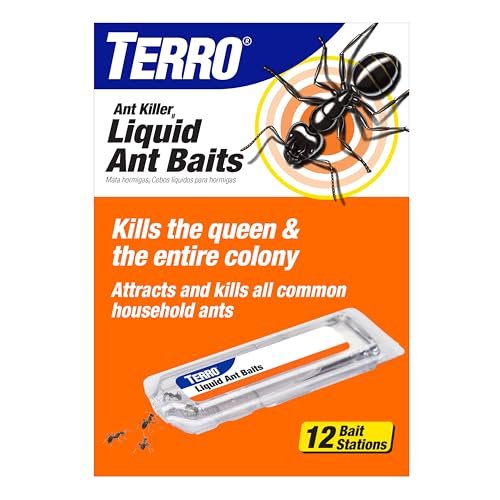
For a household with children or pets, a tamper-resistant commercial bait station may be a better fit than exposed homemade bait. The EPA recommends using pesticides according to their labels and keeping treated areas away from children and pets.
If you use a commercial product, read the entire label. Do not assume that a product made for one ant species will work equally well on another.
- ✦ Homemade bait
Low-cost and simple, but concentration, attraction, storage, and safety are harder to control.
- ✦ Commercial bait
Formulated for pest control and sold with directions, warnings, and approved uses.
- ✦ Enclosed bait stations
These can reduce direct access to the bait and may be useful in homes with children or pets.