What Is a Natural Ant Killer: Safe and Effective Ways to Get Rid of Ants
If you are asking what is a natural ant killer, the short answer is simple: it is a way to control ants with ingredients or methods that come from natural sources or common household materials. These methods can include soapy water, vinegar for trail cleaning, diatomaceous earth, essential oils, and carefully made bait systems.
The important point is that killing the ants you see may not solve the problem. Most ants you find indoors are workers searching for food or water. A lasting solution often requires removing their food source, breaking their scent trail, blocking entry points, and dealing with the nest when possible.
In U.S. homes, ants often appear around kitchens, sinks, windows, doors, patios, and foundations. Warm weather can make the problem more noticeable. A good natural ant control plan should focus on both immediate control and long-term prevention.
What Is a Natural Ant Killer?
What is a natural ant killer in practical terms? It is a substance or control method that uses natural materials, simple household ingredients, or physical action to reduce an ant problem. Some methods kill ants on contact, while others repel them or help stop the trail that brings more ants inside.
Natural ant killers can be useful when you want to limit the use of conventional pesticides in living areas. Still, natural methods vary a lot in strength. A remedy that works well on a few ants may fail when a large colony is nesting inside a wall or under a slab.
The goal should not be to find one magic ingredient. Good ant control uses the right method for the right problem.
- ✦ Contact control
A substance such as soapy water can kill exposed ants quickly when it reaches them.
- ✦ Repellent control
Some strong scents may discourage ants from using an area, but repellents may not remove the colony.
- ✦ Bait control
A suitable bait can allow worker ants to carry food back to the nest, making bait-based control different from a simple contact spray.
- ✦ Physical control
Vacuuming ants, cleaning trails, sealing cracks, and removing food can reduce ant activity without applying a pesticide.
Natural Does Not Mean Risk-Free
The word natural can create a false sense of safety. Essential oils can irritate skin, eyes, or airways. Some powders can be harmful if inhaled, and homemade mixtures can damage plants, wood, stone, or finished surfaces.
Use every product or ingredient as directed. Keep mixtures in labeled containers and store them where children and pets cannot reach them.
- ✦ Use care
Natural ingredients still need safe handling, correct dilution, and proper storage.
How Natural Ant Killers Work
To understand what is a natural ant killer, it helps to know how different methods affect ants. Some methods damage the insect directly. Others change the conditions that attract ants or interfere with the trail workers use to find food.
Ants often leave chemical trails that help other workers reach a food source. Cleaning the trail can therefore help reduce repeat traffic. However, cleaning alone may not solve an infestation if the colony still has access to food, water, or shelter.
A natural ant killer works best when you combine control with prevention. Think of the process as three steps: remove what attracts ants, control the ants that remain, and block their route back inside.

- ✦ Soapy water
Dish soap mixed with water can kill ants on contact by disrupting the insect’s outer surface and can also help wash away their trail.
- ✦ Diatomaceous earth
Food-grade diatomaceous earth can damage the outer layer of insects that contact it. Avoid breathing the dust and follow the product label.
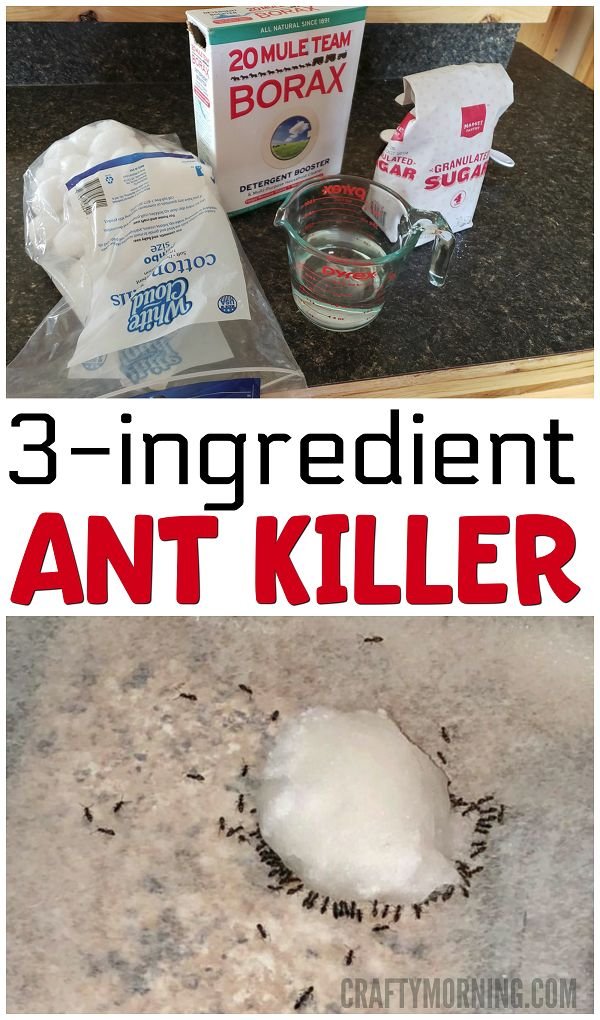
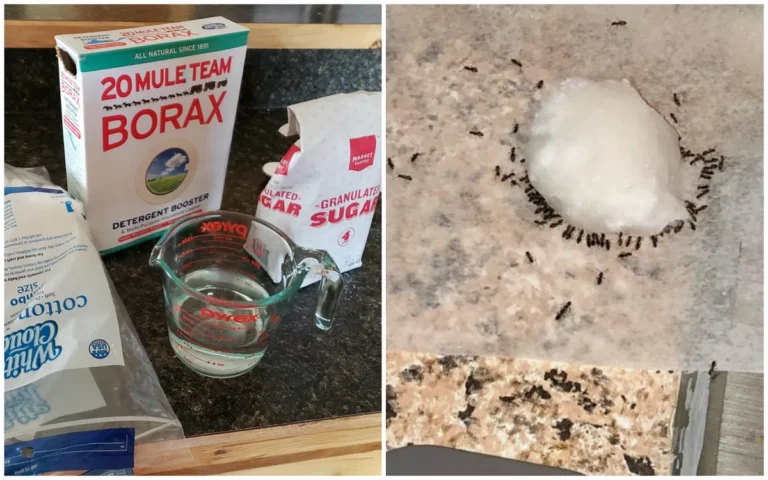
- ✦ Boric acid or borate baits
These can be used in carefully prepared ant baits, but they should be handled and placed according to the product label and kept away from children and pets.
- ✦ Essential oils
Some essential oils may repel ants or interfere with their normal movement, but results can vary and they may not eliminate the nest.
Why Killing Worker Ants May Not Be Enough
The ants walking across your counter are often only part of the colony. A colony may contain a queen, workers, brood, and other ants hidden from view. If the nest remains healthy, more workers may appear after you kill the visible ones.
This is why a strong ant control plan looks beyond the ants you can see. Find the food source and entry route, then consider whether bait or professional treatment is needed.
The Best Natural Ant Killer Options for a Home
There is no single answer to what is a natural ant killer that works for every home. Different methods fit different situations. A few ants near a sink need a different approach from a large trail that appears every morning.
For small indoor problems, start with simple steps. Clean the area, remove food and water, wash the trail, and seal visible gaps. Then choose a control method that fits the location and the type of ant problem.
If ants keep returning despite good sanitation, the nest may be close by or inside the building. At that point, repeated spraying may only hide the problem for a short time.
- ✦ Soapy water spray
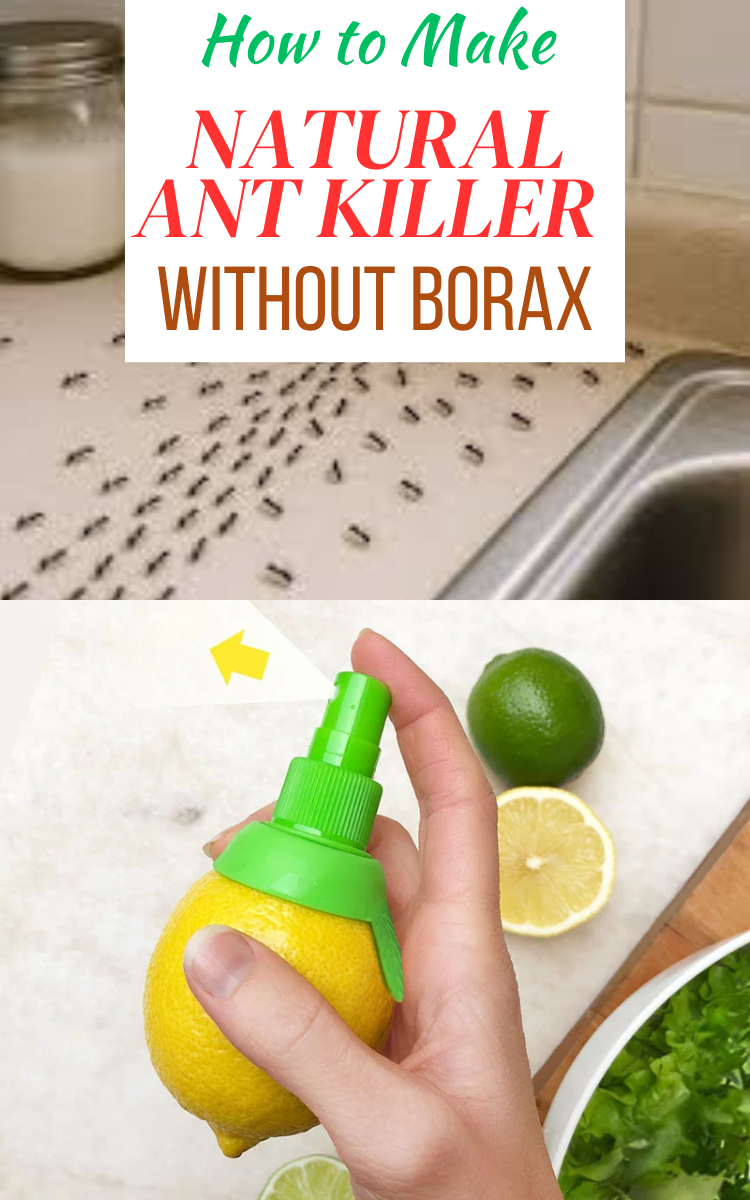
Mix a small amount of ordinary dish soap with water and use it for direct contact with visible ants. Test the mixture on a small surface first because some finishes can react to cleaning solutions.
- ✦ Food-grade diatomaceous earth
Apply a thin layer only where the product label allows. Keep dust away from faces and avoid creating airborne clouds.
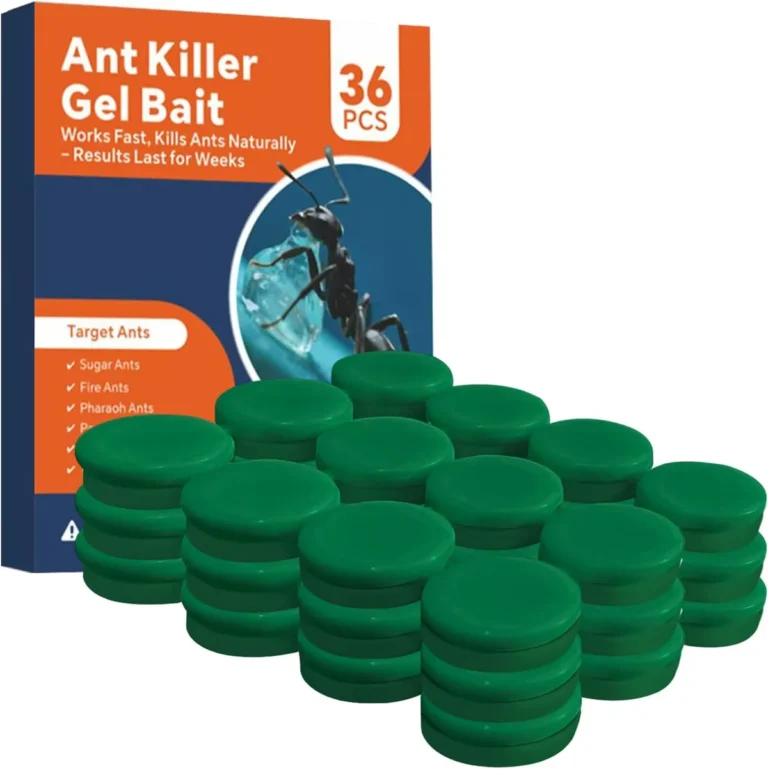
- ✦ Ant bait
A properly labeled bait can be more useful than a repellent when the goal is to affect the colony. Do not place bait where children or pets can access it.
- ✦ Trail cleaning
Wash ant trails with a suitable household cleaner to remove food residue and the scent cues that guide other workers.
- ✦ Entry-point sealing
Seal cracks around windows, doors, pipes, and foundations after you identify where ants enter.
What About Vinegar?
Vinegar is often mentioned when people ask what is a natural ant killer. It can be useful for cleaning some ant trails and removing food odors, but it should not be treated as a reliable colony-killing pesticide.
Use vinegar only on surfaces that can safely handle it. Do not mix vinegar with bleach or other cleaning products, as dangerous gases can form.
What About Peppermint and Other Essential Oils?
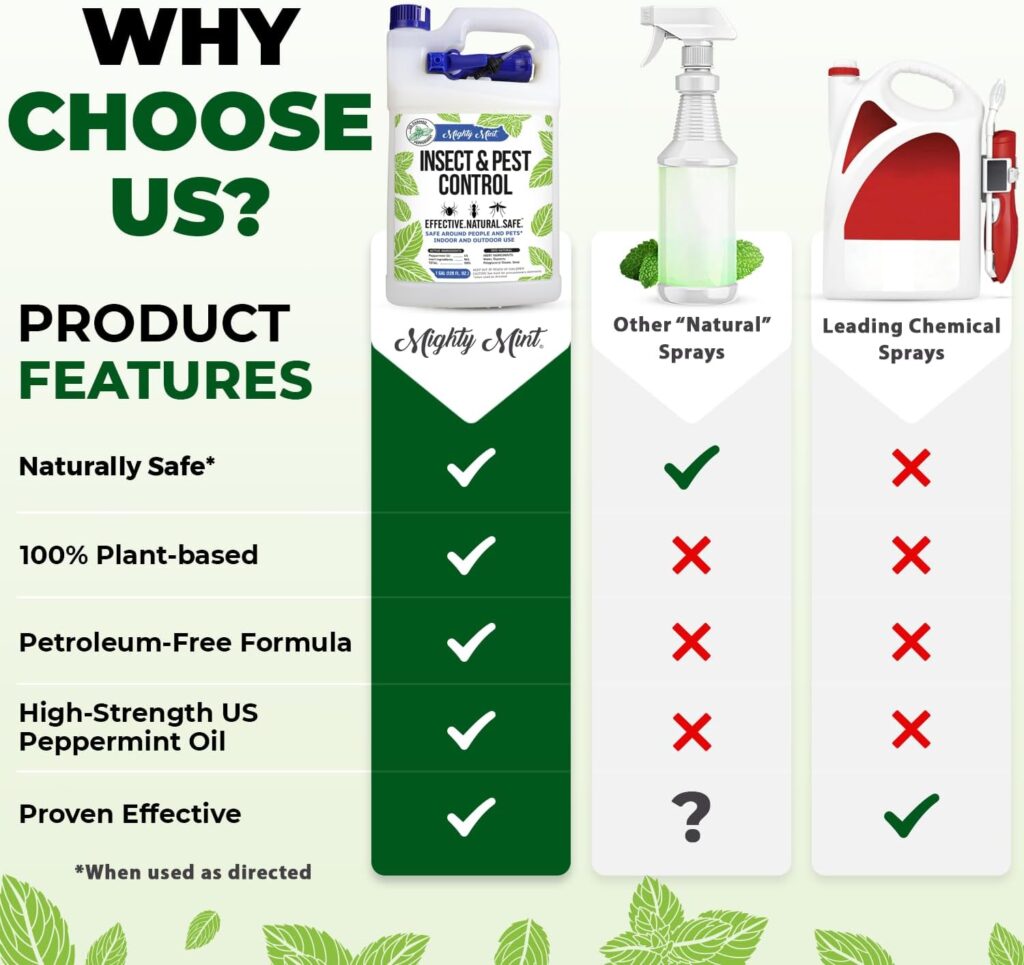
Strong scents such as peppermint are commonly used as ant repellents. They may help make an area less attractive for a time, but they do not reliably destroy an established colony.
Essential oils also need care around pets. Some oils can be harmful to animals, especially when used in concentrated form. Check guidance from a veterinarian or trusted animal safety source before using them around pets.
How to Make a Simple Natural Ant Killer at Home
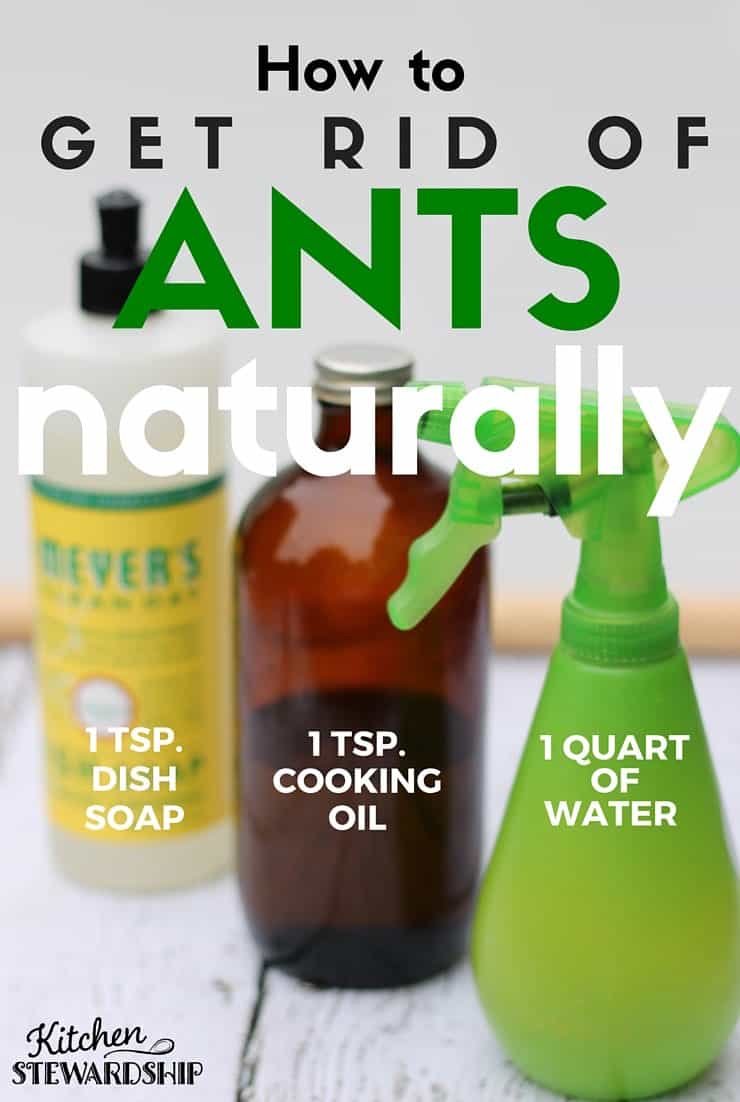
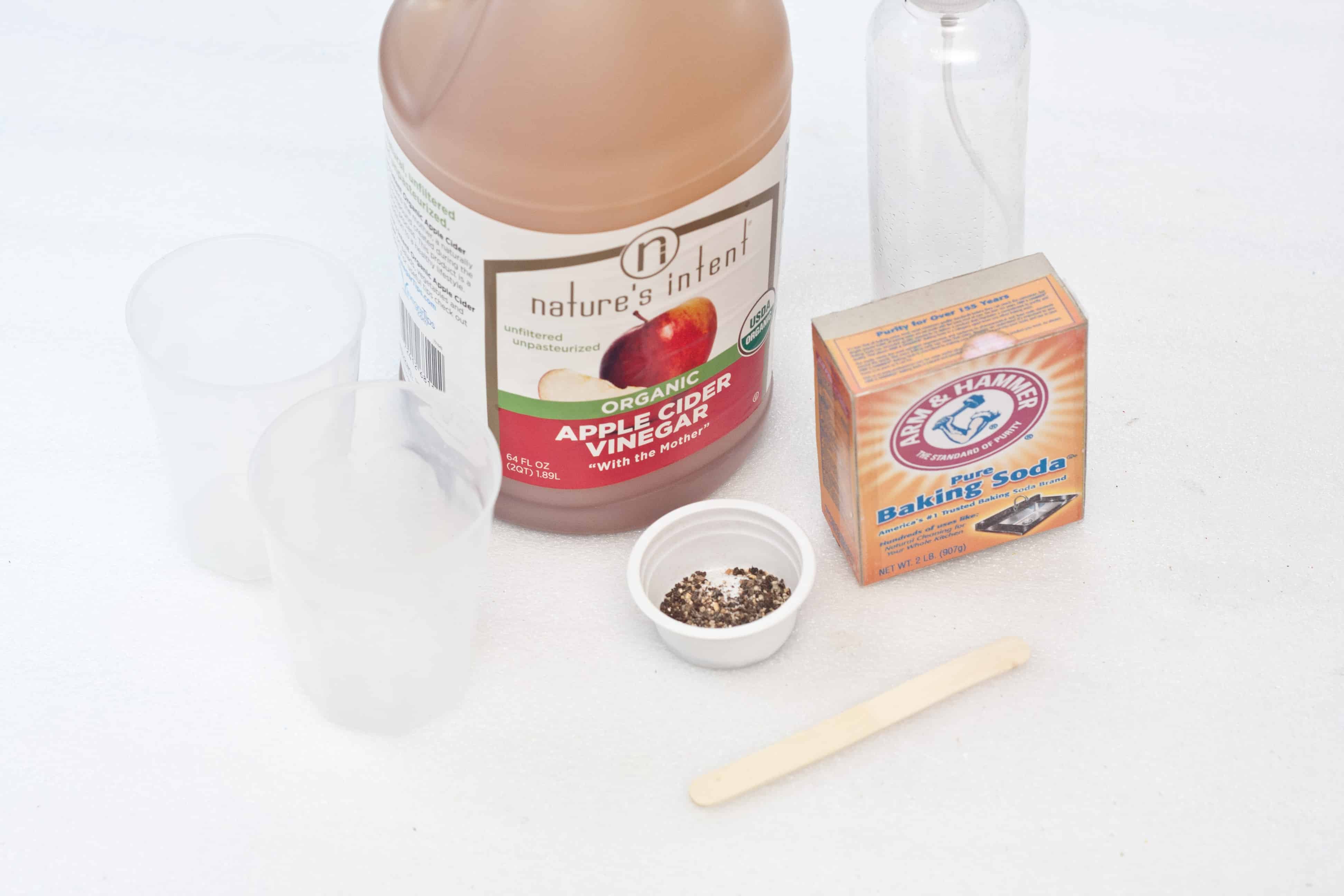
A simple contact spray can help when you need to deal with visible ants right away. One common option is water with a small amount of dish soap. The goal is direct contact, not long-term colony control.
Before using any homemade spray, test it on a hidden area. Some surfaces, including natural stone, wood finishes, painted surfaces, and certain metals, can react badly to household cleaners.
For a larger infestation, avoid relying on homemade sprays alone. Repeatedly killing visible workers can leave the nest untouched and may make the problem seem solved when it is not.
- ✦ Step 1: Remove food
Clean crumbs, grease, spills, pet food, and sweet residue from the area.
- ✦ Step 2: Find the trail
Watch where ants travel so you can identify their entry point and possible nest area.
- ✦ Step 3: Use contact control
Apply soapy water directly to visible ants when appropriate, then wipe the area clean.
- ✦ Step 4: Seal the route
After you understand where ants enter, close cracks and gaps with a suitable sealant.
- ✦ Step 5: Monitor
Check the area for several days. Continued activity can signal a nearby colony or another source of food or moisture.
A Simple Soapy Water Method
Add a small amount of dish soap to water and place the mixture in a labeled spray bottle. Spray directly on visible ants and wipe the area after the ants are gone.
Do not assume that a homemade spray is safe for every surface, plant, child, or pet. Store it securely and never place an unlabeled mixture in a food container.
Natural Ant Baits: When Killing the Colony Matters
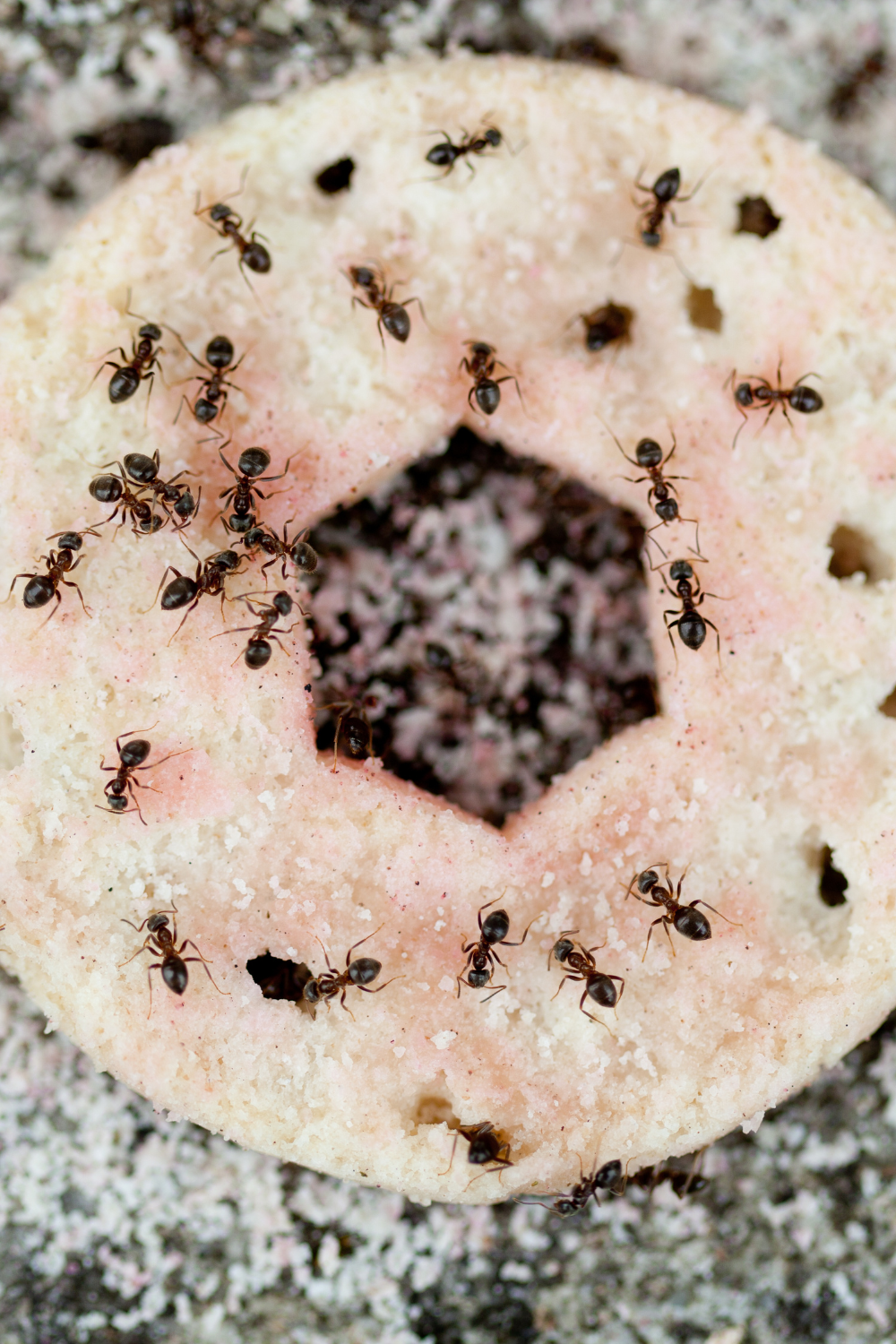
When people ask what is a natural ant killer, they often mean a remedy that will make the whole colony disappear. That goal is different from killing ants on contact. A bait works by getting worker ants to take food back to the nest.
Some ant baits use boric acid or borate compounds. These are minerals, but that does not make them harmless. The concentration, placement, ant species, and bait design all matter.
Commercial ant baits can offer clearer directions and safety information than improvised recipes. If you use a pesticide product, read the entire label and follow its directions.
- ✦ Use the right bait
Different ants prefer different foods. Some seek sweets, while others prefer protein or grease.
- ✦ Do not spray over bait trails
Repellent sprays can interfere with ants reaching the bait and carrying it back to the colony.
- ✦ Give bait time
Colony control can take time because worker ants must find, feed on, and carry the bait back to the nest.
- ✦ Protect children and pets
Place bait only in locations and containers allowed by the product label and keep it inaccessible to children and animals.
Why Ant Species Matter
Ant behavior differs by species. A bait that attracts one type of ant may not attract another. Some indoor ants also change food preferences over time.
If an infestation keeps returning, correct identification can save time. A pest professional can help identify the ant and recommend a control plan when home methods fail.
Natural Ant Repellents vs. Natural Ant Killers
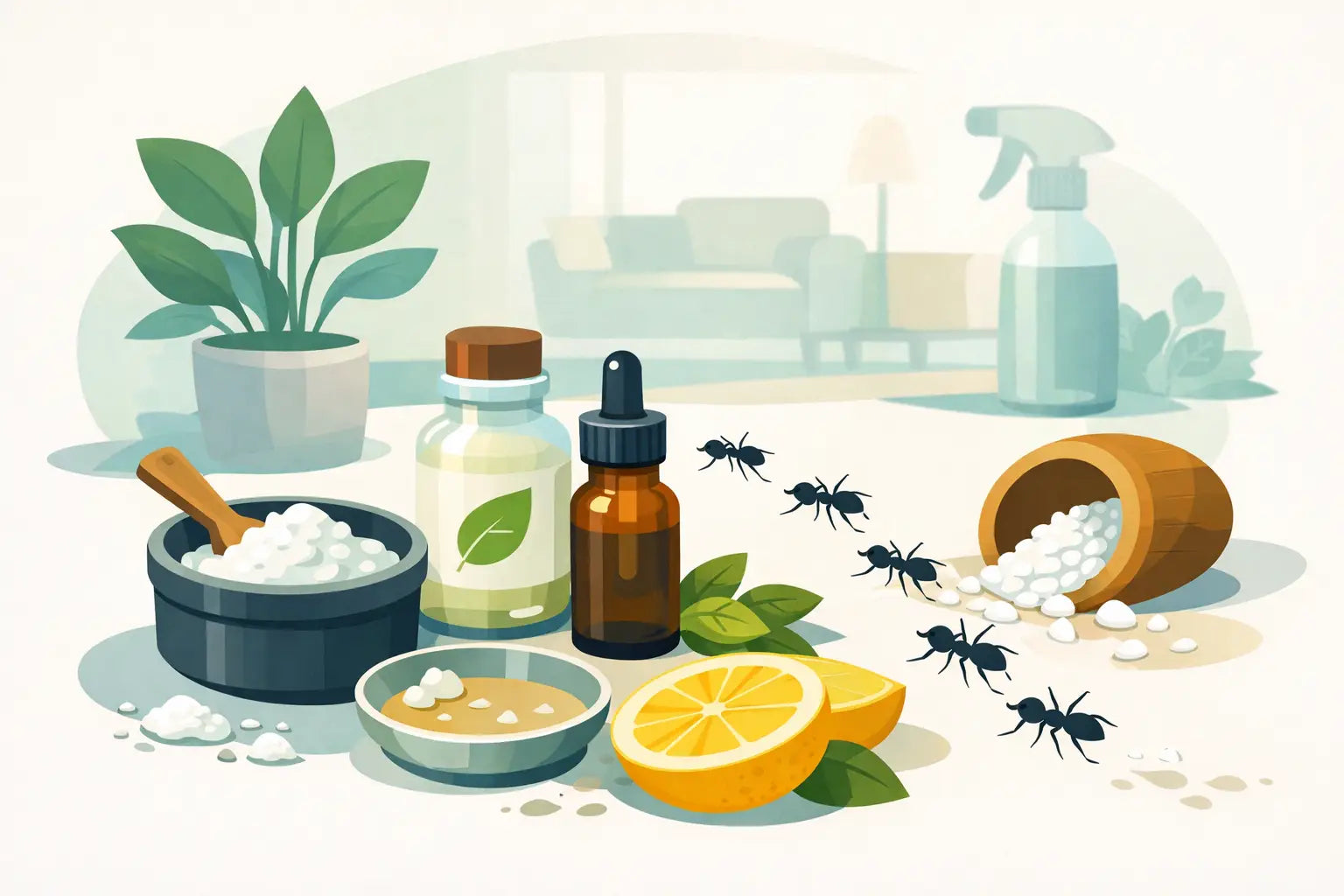
A repellent and a killer are not the same thing. This distinction is important when deciding what is a natural ant killer. A repellent aims to make an area less attractive, while a killer aims to reduce the number of ants or affect the colony.
Peppermint, citrus scents, and other strong odors are often used as repellents. They may change ant behavior for a while, but ants can find another route or return after the scent fades.
If your goal is long-term control, focus on food removal, moisture control, entry-point sealing, and a suitable bait or treatment when needed.
- ✦ Repellent
May keep ants away from a treated area but may leave the colony alive.
- ✦ Contact killer
Kills exposed ants but may have little effect on hidden ants or the nest.
- ✦ Bait
Can target ants beyond the visible trail because workers may carry food back to the colony.
How to Prevent Ants From Coming Back
The best natural ant killer is often the one you never need to use. Ants enter homes because they find something useful, such as food, water, warmth, or shelter. Remove those resources and make entry harder.
In a typical U.S. home, the kitchen deserves special attention. Clean under appliances, wipe counters after meals, store sweet foods in sealed containers, and do not leave pet food out longer than needed.
Outdoor maintenance matters too. Trim vegetation away from the house, keep areas near the foundation clean, and repair leaks or damp spots. These simple steps can make your home less attractive to ants.
- ✦ Store food well
Use sealed containers for sugar, cereal, pet food, and other foods that can attract ants.
- ✦ Clean crumbs and spills
Wipe counters and floors soon after food preparation and meals.
- ✦ Control moisture
Repair dripping faucets, leaking pipes, and damp areas around sinks or appliances.
- ✦ Seal openings
Check gaps around doors, windows, pipes, utility lines, and foundation cracks.
- ✦ Manage outdoor conditions
Keep mulch, plant debris, and dense vegetation from creating easy routes or shelter close to the building.
How to Find Where Ants Enter
Watch the trail instead of killing every ant at once. Follow workers when possible and look for gaps near windows, doors, baseboards, plumbing, and exterior walls.
Once you find the route, clean the trail and seal the opening when practical. If the ants are coming from inside a wall or another inaccessible area, professional inspection may be the safer choice.
Natural Ant Killers and Safety for Children and Pets
A major reason people search for what is a natural ant killer is concern about chemical exposure. That concern is understandable, but the safest approach is not to assume that every natural ingredient is safe. Risk depends on the substance, dose, exposure route, and person or animal exposed.
Keep all ant treatments away from food preparation areas unless the product label allows use there. Never leave powders, bait mixtures, or essential oils where children or pets can reach them.
If a child or pet may have swallowed an ant control product, contact a poison control service, veterinarian, or emergency service as appropriate. Have the product container or label available so professionals can identify the substance.
- ✦ Label homemade containers
Clearly mark any spray or mixture so nobody mistakes it for water or another household product.
- ✦ Avoid airborne dust
Do not create clouds of powdered products. Follow the product label and use protective measures when required.
- ✦ Be careful with essential oils
Concentrated oils can irritate people and may pose risks to pets. Research the specific oil before using it indoors.
- ✦ Follow pesticide labels
If a product is registered as a pesticide, use it only as directed on the label.
When Natural Ant Control Is Not Enough
Natural methods can work well for small, manageable ant problems. They may not be enough when ants keep appearing after repeated cleaning and sealing, or when you find large numbers in walls, ceilings, or other hidden spaces.
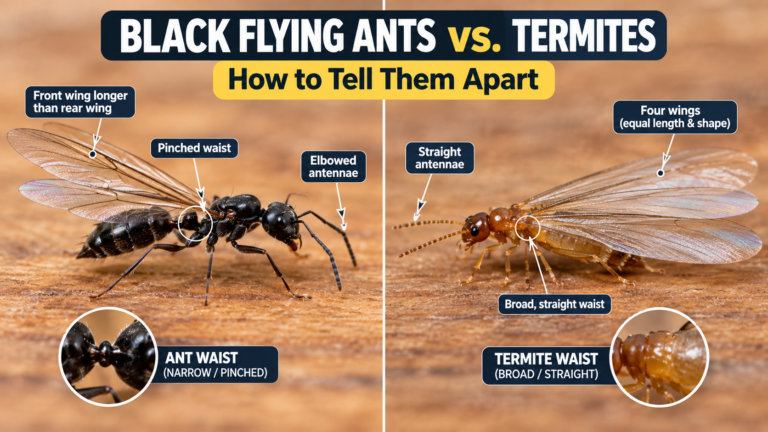
Certain ants can also cause structural concerns. Carpenter ants, for example, can nest in damp or damaged wood. They do not eat wood like termites, but their nesting can be associated with moisture problems and damaged wood.
If you cannot identify the ant, cannot find the source, or keep seeing ants after several control attempts, consider a qualified pest professional. The right treatment depends on the species and where the colony lives.
- ✦ Persistent activity
Ants continue to appear for weeks despite good sanitation and entry-point control.
- ✦ Large infestation
You see large numbers of ants or multiple trails throughout the home.
- ✦ Possible carpenter ants
You find large ants, sawdust-like material, or signs of activity near damp or damaged wood.
- ✦ Hard-to-reach nest
The colony appears to be inside a wall, ceiling, foundation, or other inaccessible area.
Why Professional Identification Can Help
Correct identification can change the treatment plan. Ant species differ in nesting habits, food preferences, and response to control methods.
A professional can also help distinguish an ant problem from other pests and identify moisture or building conditions that may be supporting the infestation.