How Do You Make Homemade Ant Killer? 7 Simple DIY Methods That Work
If you have ever found a line of ants crossing a kitchen counter, you may have searched for how do you make homemade ant killer. The good news is that you do not always need a strong commercial spray. A simple bait can help control ants while also targeting the colony.
The key is to understand how ants feed. A spray may kill the ants you see, but bait can work in a different way. Worker ants may carry food back to the nest and share it with other ants. That makes bait useful when the goal is colony control, not just a quick kill.
For a U.S. home, the safest approach is to keep any homemade pesticide away from children, pets, food, and food-preparation areas. Homemade does not mean harmless. Always label a bait container and use only small amounts in places where people and animals cannot reach it.

How Do You Make Homemade Ant Killer That Targets the Colony?
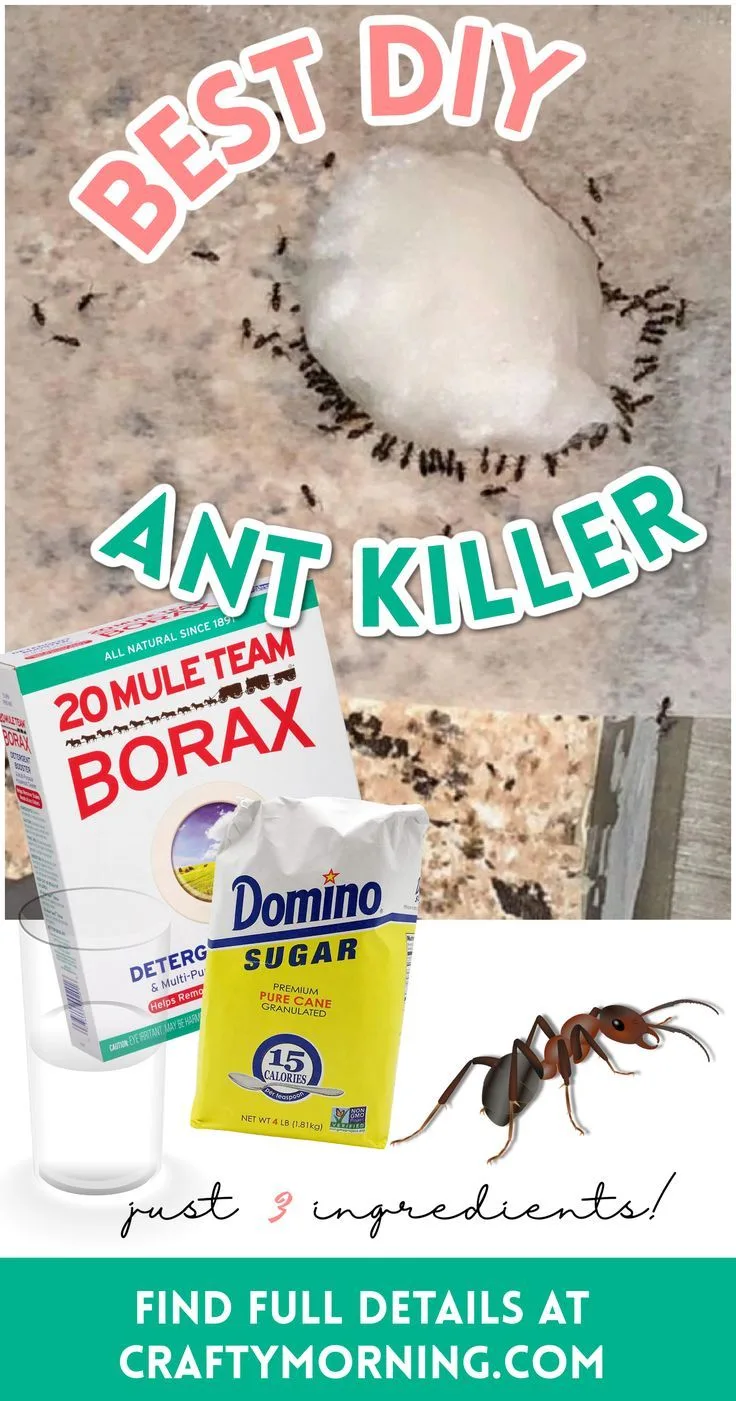
The basic idea is simple. Make a bait that ants want to eat, then add a low amount of a slow-acting insecticide such as boric acid or borax. The slow action matters because worker ants need time to carry the bait back to the nest.
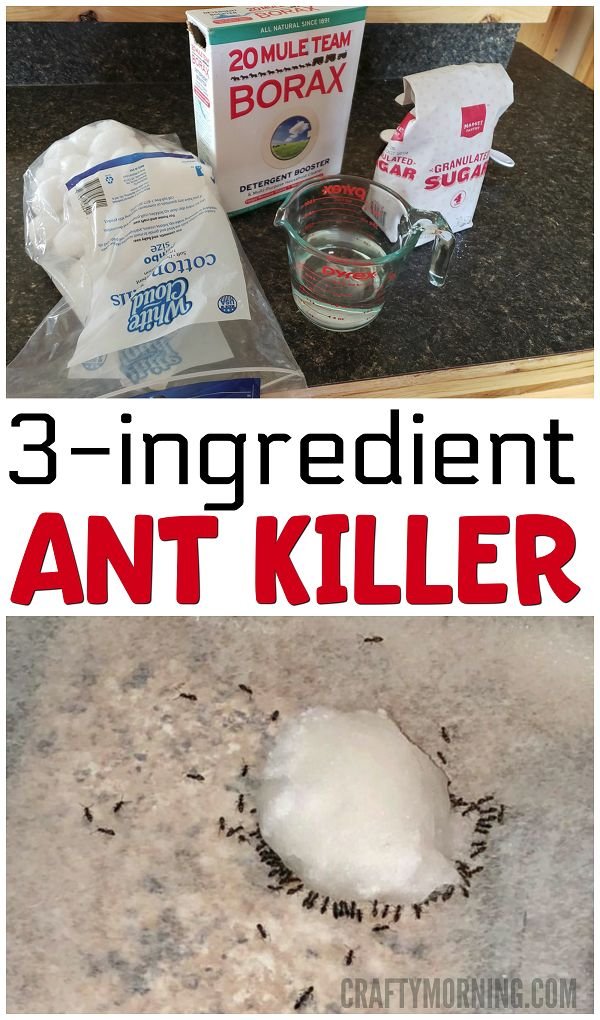
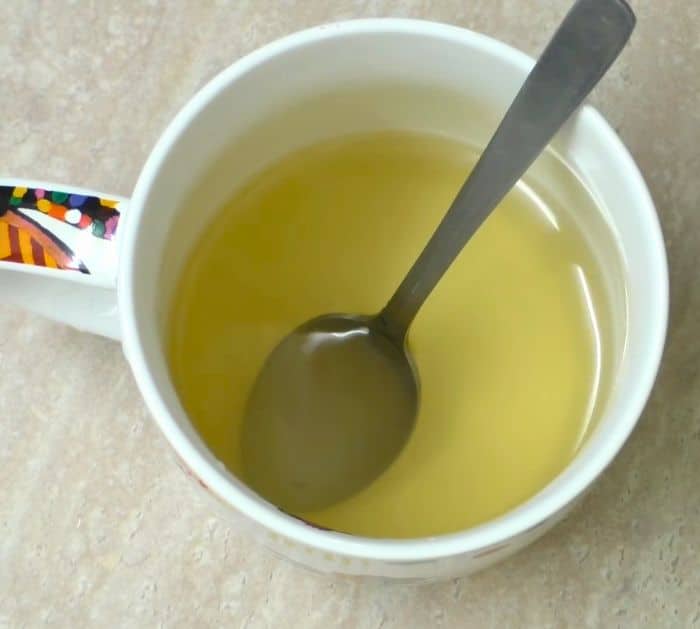
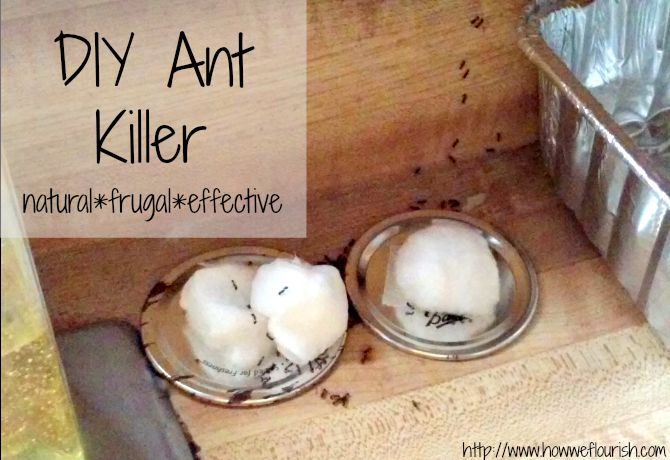
A common DIY bait uses sugar, water, and a small amount of boric acid or borax. Mix about 1 cup of warm water with 1 cup of sugar. Stir in about 1 teaspoon of boric acid or borax, then place a small amount in a shallow, clearly labeled bait container near an active ant trail.
Do not put the mixture directly on food surfaces. Keep it out of reach of children and pets. Check the bait often and replace it if it dries out or becomes dirty.

- ✦ Use a sweet bait
Sugar can attract ants that are looking for carbohydrates. This can make it useful for a liquid bait.
- ✦ Keep the dose low
A slow-acting bait gives worker ants a chance to take food back to the nest. More powder is not always better.
- ✦ Place bait near activity
Put the bait beside an active trail rather than far away from the ants. Do not block the trail with the bait.
- ✦ Protect people and pets
Treat boric acid and borax bait as pesticides. Store ingredients safely and keep prepared bait inaccessible to children and animals.
Why Bait Can Work Better Than Spray
A contact spray mainly works on ants that it reaches. Bait works through feeding behavior. Worker ants may eat the bait and carry some back to the colony, where it can reach other ants.
This is why you may still see ants after setting bait. Do not assume the bait has failed after a few hours. Colony control can take time, and wiping out the visible trail too soon can reduce the chance that ants will find and carry the bait.
- ✦ Give bait time
Avoid spraying the trail while ants are actively feeding on the bait.
- ✦ Watch the trail
A change in ant activity can help show whether the bait is being found and used.
How Do You Make Homemade Ant Killer Without Borax?
If you do not want to use borax or boric acid, you can try methods that focus on removing ants, disrupting trails, or making your home less attractive to them. These methods may help with small problems, but they are not equal to a proven insecticide bait for colony control.
A simple option is soapy water. Mix a small amount of liquid dish soap with water in a spray bottle and use it on visible ants and their trails. This can kill exposed ants and remove some of the chemical trail they use to follow one another.
Another option is to use plain sugar water only as an attractant while you identify the ant trail. Sugar water will not reliably kill ants. It can, however, help you see where ants are coming from before you seal the entry point.
- ✦ Soapy water
A dilute dish-soap solution can help kill exposed ants and clean ant trails from hard surfaces.
- ✦ Sugar water
Sugar water can attract ants, but it should not be treated as a reliable ant killer.
- ✦ Physical removal
Vacuuming visible ants and cleaning the area can reduce activity while you find the source.
What About Baking Soda and Sugar?
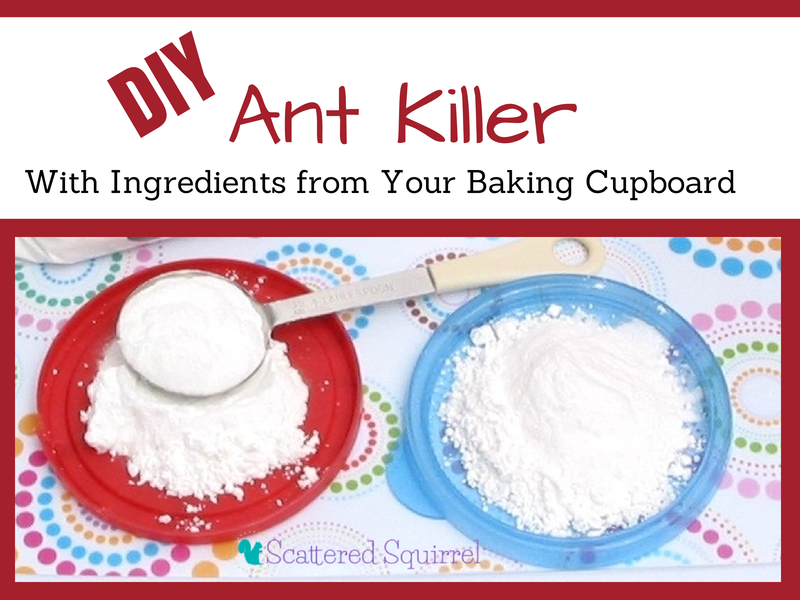
You may see recipes that mix baking soda with sugar and describe the mixture as a natural ant killer. Evidence for this method is much less clear than for registered ant baits, and results can vary by ant species and conditions.
If you try a non-toxic household method, treat it as a low-risk experiment rather than a guaranteed colony treatment. If ants keep returning, a properly labeled commercial bait or a pest professional may be a better choice.
- ✦ Expect mixed results
Baking soda and sugar recipes are widely shared, but they should not be presented as a guaranteed way to eliminate an ant colony.
How Do You Make Homemade Ant Killer With Borax or Boric Acid?
Borax and boric acid are related compounds, but they are not exactly the same product. Both are used in some ant bait recipes, yet their concentration and labeling can differ. Read the product label before mixing or using either one.
For a simple liquid bait, dissolve about 1 cup of sugar in 1 cup of warm water. Add about 1 teaspoon of boric acid or borax and stir well. Put only a small amount into a secure bait container and place it beside the ant trail.
The exact recipe is less important than safe placement and proper dilution. A bait that is too strong may kill worker ants before they return to the nest. A bait that is too weak may not control the colony.

- ✦ Label the container
Write a clear warning such as ‘ANT BAIT – DO NOT EAT’ on any container used for homemade bait.
- ✦ Use a covered bait station
A secure station can reduce the chance that children, pets, or other animals will touch the mixture.
- ✦ Do not increase the powder
Adding more borax or boric acid does not automatically make bait more effective.
- ✦ Follow product directions
If you use a packaged boric acid or borax product, follow its label. The label is the legal safety guide for that product.
Boric Acid vs. Borax
Boric acid is commonly used as an active ingredient in some pest-control products. Borax is a different borate compound that is also found in household products and some DIY recipes.
Do not assume that a household product is approved for pest control just because it contains borax or boric acid. For reliable pest control, use a product that is labeled for the intended use and follow its directions.
- ✦ They are not interchangeable by weight
Boric acid and borax have different chemical compositions. Do not swap them in a recipe without considering the concentration and product label.
How Do You Make Homemade Ant Killer for Different Types of Ants?
Ant species do not all want the same food. Some ants prefer sweet foods, while others seek protein or greasy foods. This is one reason a homemade ant killer that works in one kitchen may not work well in another.
Start by watching the ants. Note whether they gather around sugar, meat, grease, pet food, or other sources. Then choose a bait that matches what the ants are already seeking.
Ant identification also matters because some species can nest inside walls, under floors, near plumbing, or outdoors. Carpenter ants, for example, can be linked with damp or damaged wood. A recurring problem may need more than a homemade bait.

- ✦ Sweet-feeding ants
Sugar-based liquid bait may be attractive when ants are seeking carbohydrates.
- ✦ Protein-seeking ants
A commercial bait labeled for the target ants may work better when the colony is seeking protein rather than sugar.
- ✦ Carpenter ants
Look for moisture, damaged wood, and possible nesting areas. Persistent carpenter ant activity can require professional inspection.
- ✦ Tiny indoor ants
Small household ants often follow narrow trails from food or water sources. Cleaning and sealing entry points can be as important as baiting.
How to Find the Ant Trail
Do not kill every ant as soon as you see it. Watch the trail for a few minutes when practical. The ants may lead you to a crack, window frame, cabinet gap, pipe opening, or outdoor nesting site.
Once you know the route, place bait beside the trail. After activity falls, clean the trail and seal the entry point so new ants have fewer ways into the home.
- ✦ Check kitchens
Look around sinks, counters, trash cans, pantries, and pet-food areas.
- ✦ Check wet areas
Inspect bathrooms, laundry areas, under sinks, and places with leaks or condensation.
How Do You Make Homemade Ant Killer Safer to Use at Home?
The safest DIY ant-control plan starts with prevention. Remove food crumbs, wipe sticky spills, store food in closed containers, empty trash often, and repair leaks. Ants need food and water, so reducing both can make your home less attractive.
Keep all bait away from children and pets. Do not put bait on counters, cutting boards, dishes, or other surfaces that touch food. Wash your hands after handling bait materials and clean tools after use.
Never mix homemade ant killers with bleach, ammonia, insecticides, or other cleaning products. Mixing chemicals can create dangerous fumes or unexpected reactions.

- ✦ Protect children
Use secure bait stations and keep powders and prepared mixtures in places children cannot access.
- ✦ Protect pets
Keep bait away from pet bowls, floors where pets eat, and other areas that animals can reach.
- ✦ Protect food
Never prepare or store ant bait with food utensils or containers that will later be used for eating.
- ✦ Store ingredients safely
Keep boric acid, borax, and other pest-control materials in their original labeled containers when possible.
When Homemade Ant Killer Is Not the Right Choice
DIY bait is not ideal for every infestation. If you see large numbers of ants, repeated indoor activity, winged ants, signs of damaged wood, or ants returning after several rounds of treatment, investigate the source.
For serious or persistent infestations, a licensed pest professional can identify the species and choose a treatment that fits the site. This is especially useful when ants are inside walls or near electrical equipment.
- ✦ Persistent infestation
Repeated activity after reasonable baiting and cleaning suggests that the nest or entry point may not have been addressed.
- ✦ Possible structural damage
Carpenter ant activity near damp or damaged wood deserves closer inspection.
- ✦ Safety concerns
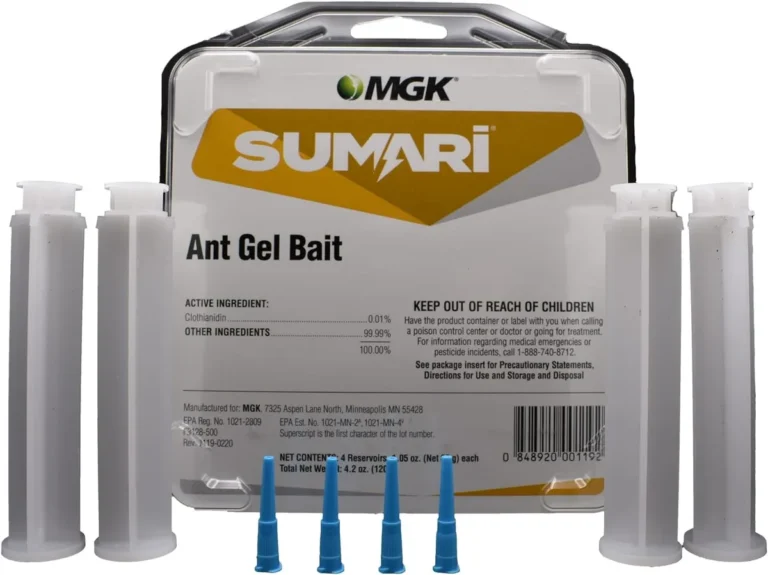
If children, pets, or vulnerable household members could contact bait, consider a professionally installed bait station or another labeled option.
Common Homemade Ant Killer Mistakes to Avoid
Many DIY ant-control attempts fail because they focus only on visible ants. The goal should be to reduce the food, water, and shelter that attract ants while using bait in a way that supports colony control.
Another common mistake is using too much active ingredient. A strong mixture may kill ants before they have a chance to carry the bait home. More is not always better when dealing with social insects.
It is also easy to mix cleaning and pest-control chemicals without thinking about the reaction. Keep each product separate and follow its label.
- ✦ Mistake: spraying the bait trail
Spraying active ants can stop them from reaching bait and carrying it back to the colony.
- ✦ Mistake: using too much borate
An overly strong bait may be less useful for colony transfer and can increase exposure risk.
- ✦ Mistake: ignoring water
A dripping pipe, damp cabinet, or standing water can keep attracting ants even after food is removed.
- ✦ Mistake: skipping entry-point repairs
If a crack or gap remains open, new ants may continue to enter after the original trail disappears.
A Better Step-by-Step Plan
First, watch the ants and find their trail. Second, remove food and water sources. Third, place an appropriate bait near the trail while keeping it away from people and pets.
After ant activity drops, clean the trail and seal cracks or gaps. If the problem returns, identify the ant species or get professional help instead of repeatedly increasing the strength of homemade bait.
- ✦ Step 1
Find where ants enter and what food or water source attracts them.
- ✦ Step 2
Clean the area and remove accessible food and water.
- ✦ Step 3
Place a suitable bait near the active trail in a protected location.
- ✦ Step 4
Wait, monitor activity, and avoid disrupting ants that are feeding on the bait.
- ✦ Step 5
Clean the area and seal the entry point after activity declines.
How to Prevent Ants From Coming Back
Knowing how do you make homemade ant killer is useful, but prevention often does more long-term work. Ants enter homes because they find resources or shelter. Make those resources harder to reach and many trails will disappear.
In a typical U.S. home, focus on the kitchen, pantry, bathrooms, pet-food areas, windows, doors, and plumbing openings. These spots often give ants access to food, water, or an easy path indoors.
Keep trees and shrubs trimmed away from the house when practical. Also check around windows, doors, utility lines, and foundation gaps for openings that ants may use.
- ✦ Clean crumbs quickly
Wipe counters and floors after meals, especially after sweet foods and drinks.
- ✦ Seal food
Use tight containers for sugar, cereal, snacks, pet food, and other foods that can attract ants.
- ✦ Fix leaks
Repair dripping faucets and pipes and dry damp areas when possible.
- ✦ Seal gaps
Use an appropriate sealant around cracks, windows, doors, and utility openings.
- ✦ Manage outdoor sources
Remove food waste and standing water near the home and keep vegetation from creating easy bridges indoors.
Why Ants Keep Returning
Ant trails are often a sign that ants have found something useful. If the food or water source remains, killing individual ants may only provide temporary relief.
A complete approach combines bait, cleaning, moisture control, and exclusion. That combination is usually more useful than relying on one homemade ant killer recipe alone.
- ✦ Food
Even tiny crumbs and sticky spots can provide enough food for small ants.
- ✦ Water
Leaks, condensation, and damp areas can support ant activity.
- ✦ Shelter
Cracks, wall voids, damaged wood, and clutter can give ants protected nesting areas.