Delta Dust vs Diatomaceous Earth: Which Works Better?

Is Delta Dust Good?
Yes, for the right pest and the right labeled site. Delta Dust is an insecticide dust based on 0.05% deltamethrin. It is made for pest control, rather than being a general household powder. Its biggest practical strength is moisture resistance. That matters in places such as wall voids, utility areas, and other spots where a normal dust may lose performance.
In a U.S. home, I would look at Delta Dust when I need a labeled insecticide with broad pest coverage and a long residual effect. It can be useful when a pest hides in a crack that a spray cannot easily reach. The catch is simple: it is still a pesticide. I would never treat it like ordinary dust. I would read the current label, use the smallest labeled amount, and avoid breathing the dust.
For delta dust vs diatomaceous earth, Delta Dust makes more sense when speed, residual control, and moisture resistance matter most. It is not automatically the better choice for every room or every pest.
What Makes It Stand Out / Key Features
- Active ingredientDelta Dust uses deltamethrin, a pyrethroid insecticide, at a 0.05% concentration.
- Water resistanceThe product is designed as a waterproof dust and is less likely to clump or lose function in damp locations.
- Broad pest useIts label covers many crawling and flying pests, including ants, cockroaches, bed bugs, fleas, spiders, silverfish, ticks, and several stored-product pests.
- Residual controlThe manufacturer states that the dust can keep killing crawling insects for up to eight months when left undisturbed.
- Indoor and outdoor useIt is labeled for both indoor and outdoor applications, but the exact site and pest must match the current product label.
- Low odorDelta Dust is described by the manufacturer as odorless, which can be useful for targeted pest work around a home.
My Recommendation
Consider Delta Dust when you need a labeled insecticide dust, especially where moisture resistance and residual control matter. It is a stronger fit for targeted pest control than casual household use.
| Best For | Why |
|---|---|
| Moist or damp areas | Its waterproof dust formulation is built for places where moisture can be an issue. |
| Broad pest control | Its label covers many insect pests and several hard-to-reach treatment sites. |
| Long residual control | The manufacturer states that it can remain effective for months when left undisturbed. |
Is Diatomaceous Earth Good?
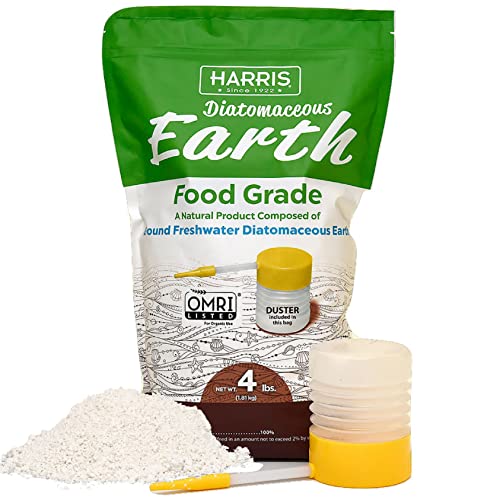
It depends on the product and the pest. Diatomaceous earth, often called DE, is made from fossilized diatoms. In insect control, the powder works by damaging and absorbing the waxy outer layer of insects. The insect then loses moisture and dies. That makes DE very different from Delta Dust.
For a dry area in a U.S. home, DE can be a useful tool against crawling insects. It does not depend on a conventional insecticide target site, so insects cannot simply become resistant to its physical action in the same way they can to some chemical insecticides. But moisture is its weak spot. A wet layer can lose the qualities that make dry DE useful.
The biggest lesson in delta dust vs diatomaceous earth is that not all DE products are interchangeable. For pest control, use a product registered and labeled for the intended pest and site. The EPA warns against using food-grade or pool-grade DE as a substitute for a registered pesticide product for bed bug control because of inhalation concerns.
What Makes It Stand Out / Key Features
- Physical actionDE works by physically damaging and drying the insect rather than relying on a conventional neurotoxic insecticide.
- Dry conditionsIt performs best when the treated surface stays dry.
- No conventional insecticide activePesticide DE products rely on the physical properties of the dust for insect control.
- Broad crawling insect useLabeled DE products can target pests such as ants, cockroaches, fleas, earwigs, and other crawling insects.
- Long-lasting when dryA dry layer can remain useful until it is removed or becomes wet.
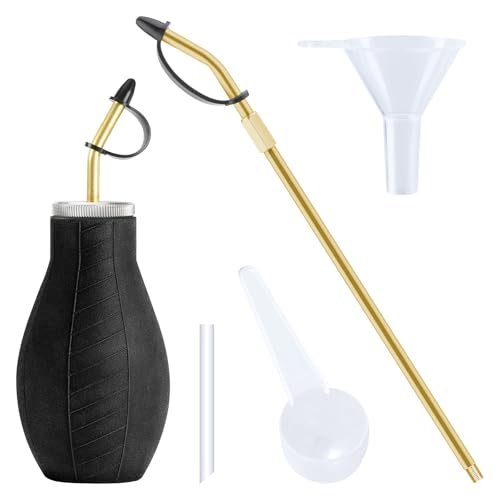
- Simple dust applicationLabeled products can be applied lightly to cracks, crevices, and other approved areas with a suitable duster.
My Recommendation
Consider registered pesticide-grade DE when you want physical insect control in a dry area. It can be useful for targeted crawling-pest control, but the label and dry conditions matter.
| Best For | Why |
|---|---|
| Dry cracks and crevices | A dry layer can remain active until it is removed or becomes wet. |
| Physical pest control | It works through abrasion and moisture loss rather than a conventional insecticide mode of action. |
| Crawling insects | Registered DE products can be labeled for ants, roaches, fleas, earwigs, and other crawling pests. |
delta dust vs diatomaceous earth: Side-by-Side Test
The simplest way to understand delta dust vs diatomaceous earth is to picture two different tools in the same toolbox. Delta Dust is a chemical insecticide dust. DE is a physical insect-killing dust. Both can work, but the setting changes the answer.
I would focus on the pest, moisture, treatment site, speed, and label. Do not choose a dust just because it sounds natural or strong. The correct product is the one that is registered and labeled for the job you need to do.
Mode of Action: How Do They Kill?
This is the biggest difference between the two powders.
| Feature | Product 1 | Product 2 |
|---|---|---|
| Main action | Chemical insecticide action from deltamethrin | Physical abrasion and drying |
| Active ingredient | Deltamethrin 0.05% | Diatomaceous earth |
| Resistance issue | Some insects can develop resistance to pyrethroids | Physical action does not rely on a conventional chemical target |
⭐ Delta Dust – 9/10 | Diatomaceous Earth – 8/10
Delta Dust has the edge when you need a conventional insecticide. DE has the edge when physical action is the goal.
Speed: Which One Acts Faster?
Speed matters when you are staring at a trail of roaches or ants at night.
| Feature | Product 1 | Product 2 |
|---|---|---|
| Expected action | Generally faster insecticidal action | Can take longer as insects lose moisture |
| Best use case | Active infestations needing targeted residual treatment | Dry areas where slower physical control is acceptable |
| Visible results | Often a better fit when speed matters | May take longer |
⭐ Delta Dust – 9/10 | Diatomaceous Earth – 7/10
Delta Dust has the edge when faster action is a major concern.
Moisture: Which Handles Damp Areas?
A damp basement or humid utility space can change how a dust performs.
| Feature | Product 1 | Product 2 |
|---|---|---|
| Water resistance | Designed as a waterproof dust | Needs to stay dry for best performance |
| Damp locations | Better suited where the label permits | Less suitable when the powder becomes wet |
| Clumping concern | Formulated to resist moisture-related clumping | Moisture can reduce useful dust performance |
⭐ Delta Dust – 10/10 | Diatomaceous Earth – 6/10
Delta Dust has a clear edge when moisture is part of the problem.
Pest Range: What Can They Control?
Both can target many pests, but the exact list depends on the product label.
| Feature | Product 1 | Product 2 |
|---|---|---|
| Ants | Commonly labeled | Commonly labeled on pest-control DE products |
| Cockroaches | Commonly labeled | Commonly labeled on pest-control DE products |
| Bed bugs | Some Delta Dust labels include bed bugs | Only use DE specifically registered and labeled for bed bugs |
| Other crawling pests | Broad label coverage | Broad coverage on some registered products |
⭐ Delta Dust – 9/10 | Diatomaceous Earth – 8/10
Delta Dust generally offers broader labeled coverage, but the product label always decides.
Safety: What Should You Watch?
Dust control is not the same as harmless control. Both powders should be handled with care.
| Feature | Product 1 | Product 2 |
|---|---|---|
| Inhalation | Avoid breathing dust and follow label precautions | Avoid breathing dust; EPA warns about inhalation risks with some DE products |
| Product choice | Use the registered product for the intended site and pest | Use registered pesticide DE for pest control |
| Food-grade substitution | Not applicable | Do not assume food-grade DE is a safe substitute for a registered pesticide |
⭐ Delta Dust – 8/10 | Diatomaceous Earth – 8/10
Neither powder should be treated casually; the label and application method matter more than marketing claims.
Residual Control: How Long Can It Work?
A dust can be useful long after you apply it, but the surface and product matter.
| Feature | Product 1 | Product 2 |
|---|---|---|
| Residual effect | Manufacturer states up to eight months when left undisturbed | Can remain useful while dry and undisturbed |
| Moisture impact | Better moisture resistance | Wet dust may need removal and replacement |
| Maintenance | Follow the label for reapplication | Reapply only as directed when the product requires it |
⭐ Delta Dust – 9/10 | Diatomaceous Earth – 8/10
Delta Dust has the edge when you need a durable dust in a less-than-dry setting.
Best Fit: Who Should Use Which?
The right choice depends on what problem you are trying to solve.
| Feature | Product 1 | Product 2 |
|---|---|---|
| Best for | Targeted insecticide treatment and residual control | Dry-area physical control of crawling insects |
| Moisture | Strong fit | Weak fit |
| Simple physical action | No | Yes |
| Need for label checking | Essential | Essential |
⭐ Delta Dust – 9/10 | Diatomaceous Earth – 8/10
Delta Dust fits tougher, moisture-prone jobs; DE fits dry areas where physical control makes sense.
Final Verdict: Which Should You Buy?
In delta dust vs diatomaceous earth, there is no single answer for every home. Delta Dust is the stronger fit when you want a labeled insecticide, broad pest coverage, moisture resistance, and long residual control. Diatomaceous earth is a useful alternative when you want physical insect control in a dry area.
For a U.S. homeowner, I would start with the pest and the treatment site. Then I would check the exact product label. Do not use food-grade or pool-grade DE as a shortcut for a registered pest-control product. Think of Delta Dust as a targeted pesticide tool and DE as a dry physical-control tool. The right one depends on the job.