Terro ant traps can be used in homes with dogs, but they are not harmless. Keep every bait station out of your dog’s reach, and contact a veterinarian if your dog chews a trap or swallows the bait.
Across the United States, ants often find their way into kitchens, bathrooms, garages, and patios, especially when food or water is easy to reach. A Terro ant trap may help control the problem, but dog owners need to think about more than the ants. A curious dog may sniff, lick, chew, or swallow a bait station that looks like a small toy or smells interesting.
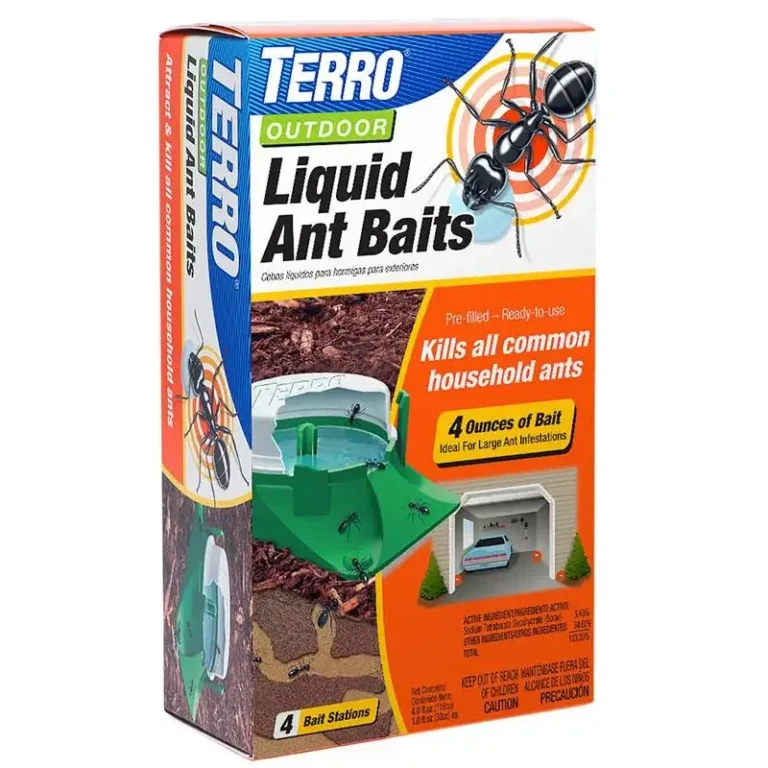
The standard TERRO Liquid Ant Baits, including model T300, list 5.4% sodium tetraborate decahydrate, commonly called borax, as their active ingredient. The bait also contains other ingredients, and the exact product matters when judging the risk. Borax can harm pets if enough is swallowed, so a bait station should never be treated as safe for a dog to eat.
The safest plan is to prevent access before setting a trap. Use the product only as its label directs, choose a location your dog cannot reach, and check the station often. If your dog has already eaten any bait or chewed the plastic housing, do not wait for symptoms before seeking veterinary advice.
Source: pestcontrolhacks.com
Are Terro Ant Traps Safe for Dogs?
Terro ant traps are not completely safe for dogs, but the risk depends on the exact product, the amount swallowed, and the dog’s size and health. A properly placed, intact station that a dog cannot reach presents a different risk from an opened station that a dog chews.
The standard TERRO Liquid Ant Baits use a slow-acting bait to attract ants. Workers carry the food back toward the colony, allowing the bait to affect more ants over time. That design helps control ants, but the sweet bait may also attract a curious pet.
The key distinction is between using a pesticide according to its label and allowing a pet to eat it. A product intended for household ant control is not meant for dogs to lick or swallow. Even if a small exposure does not lead to visible illness, that does not prove that every exposure is harmless.
For US households, the product label is the best starting point. Look for the exact model, active ingredient, concentration, first-aid directions, and any warnings about children and pets. Different products sold under the Terro name may have different formulas or uses.
Source: m.media-amazon.com
Lower exposure risk
The station is intact, placed in a secure area, and inaccessible to the dog. This is the goal, not a reason to ignore label instructions.
Possible exposure
The dog licks leaked bait, touches liquid on its paws, or chews a station. Call a veterinarian for advice based on the product and exposure.
Potentially serious exposure
The dog swallows bait, eats a station, or has symptoms after contact. Seek prompt veterinary guidance, and obtain emergency care for severe symptoms.
Why the Exact Terro Product Matters
Terro sells more than one ant-control product. Standard liquid bait stations, outdoor bait stations, liquid concentrates, and other pest-control products may differ in their ingredients, concentrations, packaging, and directions. Do not assume that advice for one product applies to every item with the Terro name.
Read the label on the package you own. If your dog has chewed the station, take a clear photo of the front and back of the package and keep the remaining container. A veterinarian can use those details to assess the likely exposure.
Check the model
Record the product name and model number if listed.
Check the active ingredient
Look for the chemical name and concentration rather than relying on the brand name alone.
Keep the label
The package gives product-specific safety and first-aid information that may matter during a veterinary consultation.
What Is in Terro Liquid Ant Bait?
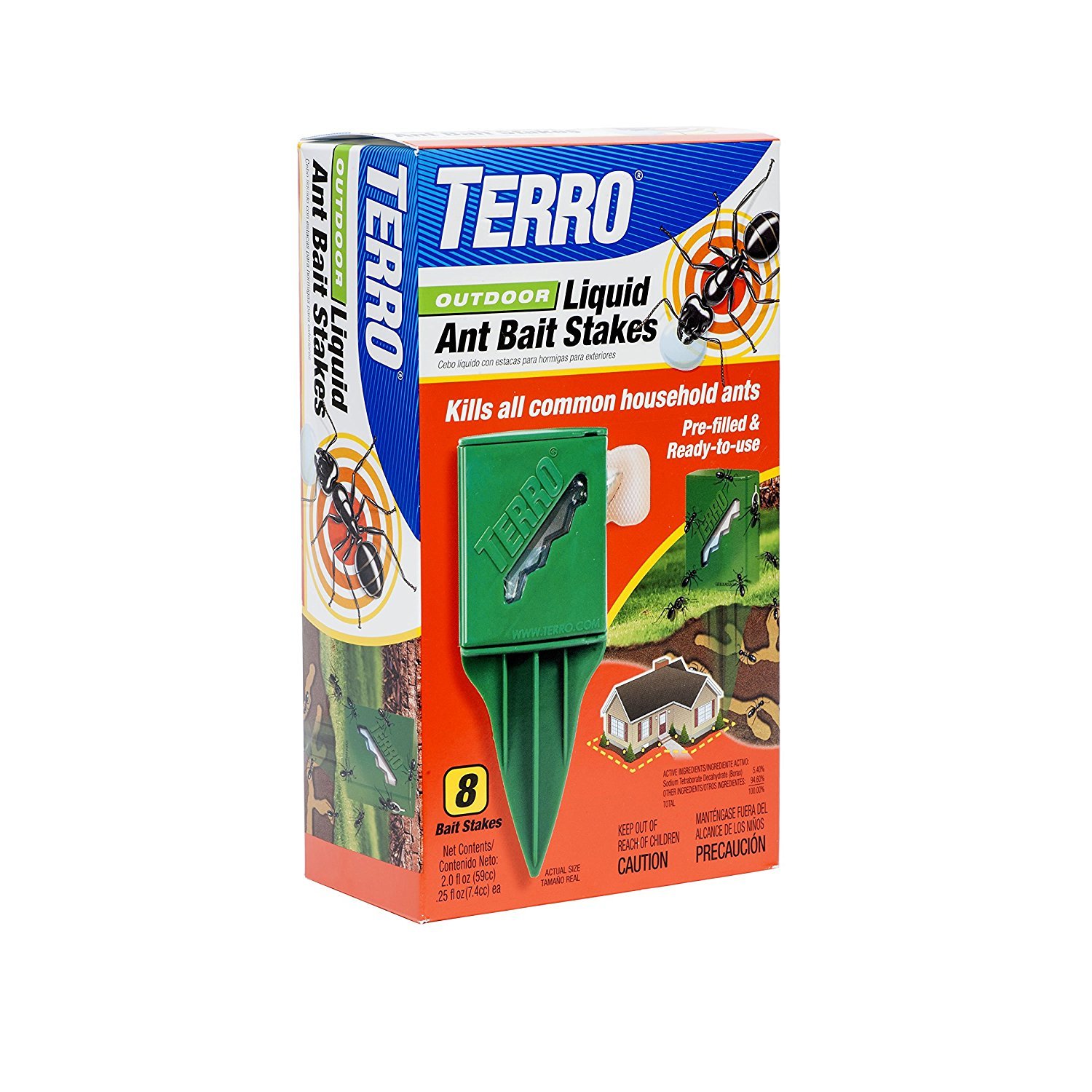
The standard TERRO Liquid Ant Baits, model T300, list 5.4% sodium tetraborate decahydrate as the active ingredient. This chemical is commonly known as borax. The bait also contains other ingredients that help form the liquid food source that attracts ants.
Borax is used in a range of household and industrial products, but its presence in a household product does not mean it is harmless to pets. The dose matters. A dog’s body weight, the amount swallowed, and the details of the exposure can all affect the risk.
The remaining ingredients matter, too. The complete mixture is not the same as pure borax, and the percentage printed on the label should not be used by itself to predict whether a particular dog will become ill. Do not try to calculate a safe dose at home.
Terro liquid bait is designed to work over time rather than kill ants instantly. Ants feed on the bait and carry some of it back toward the nest. That slow action is useful for ant control, but it is not a reason to delay help if a dog gets into the product.
Source: m.media-amazon.com
Active ingredient
Standard TERRO Liquid Ant Baits list sodium tetraborate decahydrate, or borax, at 5.4%.
Other ingredients
The bait mixture contains ingredients besides borax. Use the product label or safety data sheet for details about the specific product.
Dose and body size
A small dog may face a different risk from a large dog after the same exposure. Neither size nor the apparent amount swallowed can replace veterinary assessment.
Can Borax Poison Dogs?
Yes, borax can be harmful if a dog swallows enough of it. Possible effects include stomach and intestinal irritation, vomiting, diarrhea, and reduced appetite. More serious effects may occur after a substantial exposure, so a dog that eats ant bait needs an individual assessment.
Do not confuse a low concentration with zero risk. A liquid bait station contains a mixture, and a chewed station may release liquid in an unpredictable way. A pet may also swallow pieces of plastic or other parts of the station.
A dog that seems normal immediately after exposure may still need advice. The absence of symptoms is not proof that the exposure is safe. Contact your veterinarian or an animal poison service and follow their instructions.
Do not guess the dose
The amount left in a station may not show how much your dog swallowed or how much spilled.
Do not rely on online dose charts
Product formulas, animal size, and exposure details differ. A veterinary professional should assess the case.
What Happens If a Dog Eats a Terro Ant Trap?
If your dog eats a Terro ant trap, first prevent further contact and call your veterinarian or an animal poison service. Do not wait to see whether your dog gets sick. Keep the product packaging nearby so you can share the exact name, active ingredient, and concentration.
The outcome can vary. A dog that briefly licks a small amount of bait may have a different exposure from a dog that swallows liquid from a damaged station. Chewing the plastic housing creates another concern because pieces may be swallowed or cause injury.
A veterinarian may ask about your dog’s weight, age, health, the time of exposure, the type of station, and the amount that may be missing. Answer as clearly as you can, but do not delay the call while trying to work out an exact amount.
In the United States, you can contact your regular veterinarian, a nearby emergency veterinary hospital, or an animal poison service. The ASPCA Animal Poison Control Center can be reached at 888-426-4435, and Pet Poison Helpline at 855-764-7661. Consultation fees may apply, so confirm the current terms when you call.
Source: emergencyvetsusa.com
Move the dog away
Remove the bait station and any spilled liquid from the dog’s reach. Keep other pets away from the area.
Save the package
Keep the container, label, or a clear photo of the product. Do not discard the damaged station if it can be stored safely.
Call for professional advice
Tell the veterinarian what happened, when it happened, your dog’s weight, and whether the dog may have swallowed plastic.
Follow the treatment plan
A veterinary professional will decide whether home observation, an examination, or further treatment is appropriate.
Symptoms to Watch For
Signs of a possible reaction may include vomiting, diarrhea, drooling, stomach discomfort, or loss of appetite. Your dog may also seem unusually tired or act differently from normal.
These signs are not specific to borax exposure. Other illnesses and swallowed objects can cause similar problems, so do not assume that a symptom proves poisoning or that a lack of symptoms rules it out.
Seek emergency veterinary care if your dog has trouble breathing, collapses, has a seizure, becomes severely weak, or develops repeated or severe vomiting. If you suspect a large exposure, seek urgent advice even before symptoms appear.
Mild or early signs
Drooling, vomiting, diarrhea, or reduced interest in food still deserve a prompt call to a veterinarian.
Emergency signs
Collapse, seizures, severe weakness, breathing problems, or marked distress require immediate veterinary attention.
Possible swallowed plastic
Tell the veterinarian if the station is damaged or pieces are missing, even if your dog seems well.
What You Should Never Do at Home
Do not make your dog vomit unless a veterinarian or animal poison specialist specifically directs you to do so. Do not give hydrogen peroxide, salt, oil, milk, activated charcoal, or other home treatments on your own.
Do not force food or water into your dog’s mouth. Do not wait for symptoms before calling for help, and do not assume that a dog is safe because the bait station looks mostly intact.
If bait is on your dog’s fur or paws, prevent licking and ask the veterinary professional how to clean the affected area. If liquid is on your skin, use basic precautions while handling the damaged product and follow the label’s first-aid directions.
Avoid home remedies
Some common home treatments can make an exposure harder to manage or create additional risks.
Do not delay
A quick call allows a professional to decide whether the exposure needs urgent care.
How to Use Terro Ant Traps Safely Around Dogs
The safest way to use Terro ant traps around dogs is to block access to the bait station at all times. A shelf, counter, or open corner may look out of reach when your dog is calm, but some dogs can jump, climb, pull items down, or reach behind appliances.
Read the package directions before opening or placing a station. Use the product only in approved locations, and do not leave loose bait or an open container where a pet can reach it. If you cannot find a secure placement that still follows the label, choose another ant-control method.
Think about the whole home, not just the spot where you first saw ants. Ants may travel along baseboards, under sinks, behind appliances, or through gaps around doors. You can reduce the need for bait by removing food sources, cleaning spills, sealing food, and fixing moisture problems.
Check each station as part of your normal cleaning routine. Look for cracks, leaks, chewing, movement, or a missing station. Keep a written note of where you placed each bait station so you can account for all of them later.
Source: m.media-amazon.com
Choose a secure site
Use only a placement allowed by the label and one your dog cannot reach, paw at, lick, or knock over.
Keep bait away from food
Follow label instructions about food surfaces and storage. Never place bait where it can contaminate a pet’s food or water.
Inspect stations
Check for leaks, cracks, damage, or movement. Replace or dispose of stations according to the package directions.
Store unused bait securely
Keep unopened products in their original packaging and in a secure place that dogs and children cannot access.
Where Should You Place Ant Bait?
The best location is one that ants can reach but your dog cannot. A closed, secure space may work if the label allows that use and the dog cannot open or enter it. Never rely on a low cabinet door if your dog can nose it open.
Avoid putting bait stations beside dog bowls, pet beds, toys, crates, or places where your dog spends time sniffing. Do not place a station under a loose rug or behind a movable item if your dog could uncover it during play.
If the only active ant trail runs through an area your dog can access, do not leave a bait station there as a test. Try sanitation and sealing first, or seek advice from a qualified pest-control professional about a pet-conscious plan.
Better placement
A secured location that follows the label and stays inaccessible to every pet in the home.
Poor placement
An open floor, a spot beside a food bowl, or a place a dog can reach by moving furniture.
What If Your Dog Keeps Finding the Traps?
If your dog repeatedly finds or chews bait stations, stop using that placement. Do not assume a stronger container or a higher shelf will solve the problem unless it truly prevents access and remains consistent with the label.
Consider removing the attractants that draw ants inside. Wipe counters, sweep crumbs, seal sweet foods, rinse recycling containers, and fix leaks. If ants continue to enter, identify the trail and seal suitable entry gaps where practical.
A licensed pest-control professional can help assess the ant problem and discuss options for a home with pets. Explain that your dog investigates bait stations so the treatment plan can account for that behavior.
Stop risky placement
Remove any station your dog can reach and do not replace it in the same spot.
Reduce ant attractants
Clean food residue, store food in sealed containers, and remove standing water when possible.
Get help if needed
Ask a qualified professional about treatment options and placement limits for your home.
Are Terro Ant Traps Safer Than Ant Sprays?
Bait stations and ant sprays create different exposure risks. A bait station holds a small amount of attractant and pesticide inside a housing, while a spray may leave residue on a treated surface or create droplets during application. Neither type is automatically safe for dogs.
An intact, well-placed bait station may reduce the chance of broad contact with treated surfaces. However, that benefit disappears if a dog chews the housing or spills the bait. Sprays also vary widely in their active ingredients, application directions, and restrictions around pets.
Choose a product based on its label, the ant species, the area that needs treatment, and your ability to keep your dog away from it. Do not spray an insecticide over a bait station unless the label specifically allows it. Sprays can interfere with bait use and may add another chemical exposure.
For many household ant problems, simple steps can help reduce the need for pesticides. Keep food sealed, clean spills quickly, empty indoor trash regularly, repair leaks, and seal entry points where possible. If you need a pesticide, use the least complicated approach that fits the problem and the label.
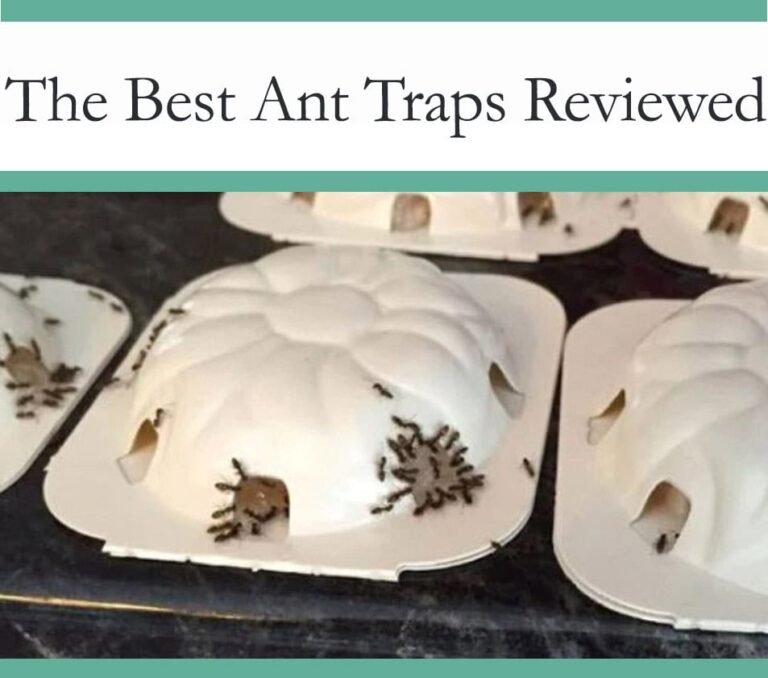
Source: petproductguide.co.uk
Bait stations
They contain bait within a housing, but pets can still be exposed if the station leaks, breaks, or is chewed.
Sprays
They can leave treated surfaces or droplets that require strict adherence to the product’s application and re-entry instructions.
Nonchemical measures
Cleaning, food storage, moisture control, and sealing entry points can reduce ant activity without adding pesticide exposure.
Are Pet-Friendly Ant Killers Always Safe?
No. The phrase pet-friendly can mean different things, and it does not guarantee that a product is harmless if swallowed. A product may be suitable for use in a home with pets when its label directions are followed, yet still cause harm after direct contact or ingestion.
Read the active ingredient, directions, warnings, and first-aid details. Avoid relying only on packaging colors, marketing phrases, or a claim that an ingredient is natural. Natural substances can still harm animals at certain doses.
If a product does not clearly explain safe placement around pets, contact the manufacturer or a pest-control professional before use. If your dog has already been exposed, ask a veterinarian for advice based on the exact product rather than switching to another product without assessing the current exposure.
Read the label
Look for specific use directions and warnings, not just a general pet-safe claim.
Check the ingredients
Different active ingredients can have different risks and treatment needs.
Prevent ingestion
No household ant bait should be left where a dog can chew it or swallow its contents.
Dog-Safe Ways to Reduce Ants at Home
You can often make a home less inviting to ants by changing what they can find, rather than starting with a pesticide. Ants seek food, water, and shelter, so small changes in the kitchen, bathroom, pantry, and garage can help reduce their activity.
Start by cleaning the path where you see ants. Use a suitable household cleaner on hard surfaces, then store food in sealed containers. Keep pet food in a closed container and clean the feeding area after meals, especially if your dog leaves crumbs behind.
Look for moisture around sinks, dishwashers, washing machines, and plumbing. Repair leaks when possible and dry wet areas. If ants enter through gaps around windows, doors, or pipes, seal suitable openings without blocking ventilation or damaging wiring and plumbing.
These steps may not solve every infestation, particularly when ants nest inside a wall or enter from outdoors. If the problem continues, a pest-control professional can help identify the species and choose a treatment that fits your home and pet-safety needs.
Source: m.media-amazon.com
Clean food spills
Wipe counters, sweep floors, and clean sticky spots that can attract ants.
Store food securely
Use sealed containers for pantry items, treats, and pet food.
Control moisture
Fix leaks and remove standing water where it is safe and practical to do so.
Seal entry points
Close small gaps around doors, windows, and pipes when appropriate.
Use pesticides carefully
If nonchemical steps are not enough, follow the exact label and keep pets away from treated areas as directed.
What About Vinegar, Essential Oils, and Homemade Baits?
Vinegar may help remove some ant scent trails from suitable surfaces, but it will not reliably eliminate every colony. Test cleaners on a small area first, and never mix household cleaning products unless the labels explicitly permit it.
Essential oils are not automatically safe for dogs. Some concentrated oils can harm pets through licking, skin contact, or inhalation. Do not apply concentrated oils to your dog, its bedding, or food bowls as an ant-control method.
Homemade borax and sugar mixtures pose a similar concern to commercial bait if a dog can reach them. They may also be easier for a pet to access because they lack a secure station. Do not leave homemade pesticide mixtures in open containers, on floors, or in places where pets eat or play.
The safest alternative is not always another chemical. Start with food storage, cleaning, moisture control, and sealing. If those measures fail, choose a registered product that fits the ant problem and follow its label closely.
Vinegar
It may help clean some ant trails but is not a dependable way to remove a colony.
Essential oils
Some oils can harm dogs, especially when concentrated. Avoid treating them as a risk-free pesticide.
Homemade bait
Open mixtures can be easy for dogs to reach and may create an ingestion hazard.
Common Mistakes Dog Owners Should Avoid
The most common safety mistake is assuming that a product is safe because it is sold for home use. Household pesticides still need careful placement, storage, and disposal, especially in homes with dogs that chew or investigate unfamiliar objects.
Another mistake is relying on the size of the station to judge the risk. A small station can release liquid when damaged, and a dog may swallow parts of the housing. The amount missing from the station is not always a reliable measure of the amount consumed.
Some owners also wait for symptoms before calling a veterinarian. That delay is unnecessary. A quick call can help determine whether the dog needs an examination or whether home observation is suitable under professional guidance.
Finally, do not treat every ant product as if it has the same ingredients. A liquid bait, a granular outdoor product, and a spray may have different hazards. Read the label each time you use a new product, even if the brand is familiar.
Source: m.media-amazon.com
Mistake: trusting the word safe
Correction: read the label and prevent access. Safe use does not mean safe ingestion.
Mistake: assuming a small amount cannot matter
Correction: ask a veterinarian to assess the product, the exposure, and the dog’s size.
Mistake: waiting for symptoms
Correction: call promptly after a suspected ingestion rather than using symptoms as the only test.
Mistake: making a dog vomit
Correction: follow professional instructions and avoid home treatment unless directed.
Mistake: ignoring the housing
Correction: report missing plastic pieces or a damaged station to the veterinarian.
How to Tell Whether a Bait Station Is Damaged
Check for bite marks, cracks, punctures, liquid on the floor, a loose cap, or a station that has moved from its original location. A station that looks partly intact may still have a damaged seal.
If you find damage, keep your dog away from the area and remove the station using the precautions on the label. Avoid touching leaked bait with bare hands. If you suspect your dog has licked or swallowed any liquid, contact a veterinarian and explain what you found.
Dispose of the damaged station and any contaminated materials according to the product directions and local requirements. Clean the area only in a way that is appropriate for the surface and the pesticide involved, and keep pets away until cleanup is complete.
Inspect the station
Look for leaks, cracks, bite marks, and missing parts.
Secure the area
Keep pets and children away from the station and any spill.
Seek advice if exposure is possible
Use the label and veterinary guidance to decide on the next step.
A Practical Decision Guide for Dog Owners
The right response depends on what happened, not simply on whether Terro was used in the home. Use the guide below to decide what to do next, while remembering that a veterinarian or animal poison specialist should make the final call on a suspected exposure.
If the station is intact and placed where your dog cannot reach it, continue to follow the label and inspect the location. If the dog can access the station, remove it from that location and choose a safer plan before using bait again.
If you know your dog licked bait or chewed a station, contact a veterinary professional promptly, even if the dog seems normal. If your dog has severe symptoms, swallowed a large amount, or may have swallowed plastic pieces, treat the situation as urgent.
Source: m.media-amazon.com
Station intact and inaccessible
Follow the label, inspect the station regularly, and keep it out of reach.
Station accessible but no known contact
Move the dog away, remove the risk safely, and choose a placement the dog cannot access.
Dog licked or chewed the station
Call your veterinarian or an animal poison service for exposure-specific advice.
Dog swallowed bait or station pieces
Seek prompt veterinary advice. Tell the professional about possible plastic ingestion.
Dog has severe symptoms
Go to an emergency veterinary hospital and bring the product package or a clear photo.
What Information Should You Have Ready?
A short list of details can make a veterinary call more useful. Write down the product name, active ingredient, concentration, your dog’s approximate weight, and the time you noticed the exposure.
Describe what you saw rather than guessing. For example, say that the station was chewed and some liquid was missing, if that is what happened. Mention any symptoms and whether your dog could have swallowed plastic.
If you are unsure how much was consumed, say so. An honest estimate with clear limits is more helpful than a precise number that you cannot support.
Product details
Name, model, active ingredient, concentration, and package label.
Exposure details
Approximate time, type of contact, visible damage, and amount that may be missing.
Dog details
Weight, age, health concerns, current symptoms, and any other products the dog may have reached.
Frequently Asked Questions
Q
Can a dog get sick from licking a Terro ant trap?
Yes, illness is possible, depending on the product, the amount licked, and the dog’s size and health. Standard TERRO Liquid Ant Baits contain borax, but the full mixture and the actual exposure matter. Contact your veterinarian or an animal poison service if your dog licks the bait, especially if the station is damaged or the amount is unknown.
Do not assume your dog is safe just because it licked the station briefly. A professional can help assess the risk and explain what signs to watch for.
Q
How long after eating Terro ant bait will a dog show symptoms?
There is no single time frame that applies to every dog or every product. Signs may vary with the amount swallowed, the ingredients, and the dog’s health. A dog that seems normal right after exposure may still need veterinary advice.
Do not wait for a set number of hours or for symptoms to appear. Call a veterinarian promptly and share the product label and exposure details.
Q
Can I use Terro ant traps in a house with puppies?
You may be able to use a labeled ant bait product in a home with puppies, but only if you can prevent access and follow every direction on the package. Puppies often explore objects with their mouths, so a location that seems safe for an adult dog may not be safe for a puppy.
If you cannot guarantee that the bait station will remain inaccessible, do not use that placement. Consider sanitation and entry-point control, or ask a pest-control professional about other options.
Q
Are Terro outdoor ant bait stations safe for dogs?
Outdoor stations are not meant to be eaten by dogs. Some Terro outdoor liquid bait products also list borax as the active ingredient, but you should check the exact package because products can differ. A dog may reach an outdoor station while exploring a yard, deck, garden, or garage.
Place outdoor bait only as directed and where pets cannot reach, chew, or move it. If your dog damages or swallows a station, contact a veterinarian for advice.
Q
What should I do if my dog ate the plastic Terro ant trap but not the liquid?
Call your veterinarian if your dog swallowed any part of the plastic housing. The main concern may include choking, irritation, or an obstruction, depending on the size and shape of the pieces. It may also be hard to know whether any bait was swallowed.
Do not induce vomiting or try to pull an object from deep in your dog’s throat. Tell the veterinarian what is missing from the station and whether your dog has gagging, repeated vomiting, abdominal pain, or difficulty passing stool.
Q
Is borax-free ant bait automatically safe for dogs?
No. A product without borax may contain another active ingredient that can still harm pets if swallowed or used incorrectly. The words natural, plant-based, or pet-friendly do not prove that a product is harmless.
Read the full label and follow the placement and handling directions. Keep all ant-control products out of reach, and ask a veterinarian about any suspected exposure.
Q
Can I put Terro ant traps under the kitchen sink if my dog cannot usually get there?
Only use that location if the product label allows it and your dog truly cannot access the station. A loose cabinet door, an open cupboard, or a station near cleaning supplies may create other risks. Dogs can sometimes open doors or reach into spaces that owners assume are secure.
Use a secure location and check it regularly. Keep the station away from dog food, water bowls, and any surface where food is prepared.
✦ Wrapping Up
Conclusion
Terro ant traps can help control household ants, but they should never be treated as harmless to dogs. Standard TERRO Liquid Ant Baits contain 5.4% borax, and swallowing the bait or chewing the station can create a risk that depends on the amount, the product, and the dog.
The best prevention is simple: read the exact label, place bait where your dog cannot reach it, store unused products securely, and check stations for damage. Clean food spills, seal food containers, fix leaks, and close suitable entry gaps to make your home less attractive to ants.
If your dog licks, chews, or swallows a Terro ant trap, contact a veterinarian or an animal poison service promptly. Keep the package available and do not try home treatments unless a veterinary professional directs you to use them. Quick, informed action is safer than guessing.
💡 Key Takeaway
Before using Terro ant traps, check the active ingredient and label, choose a location your dog cannot access, and keep your veterinarian’s contact information handy. If your dog may have swallowed bait or plastic, call for veterinary advice immediately.
If you’ve spotted a chunky black ant the size of a pencil eraser marching through your kitchen, the question “does terro ant killer work on carpenter ants” is…