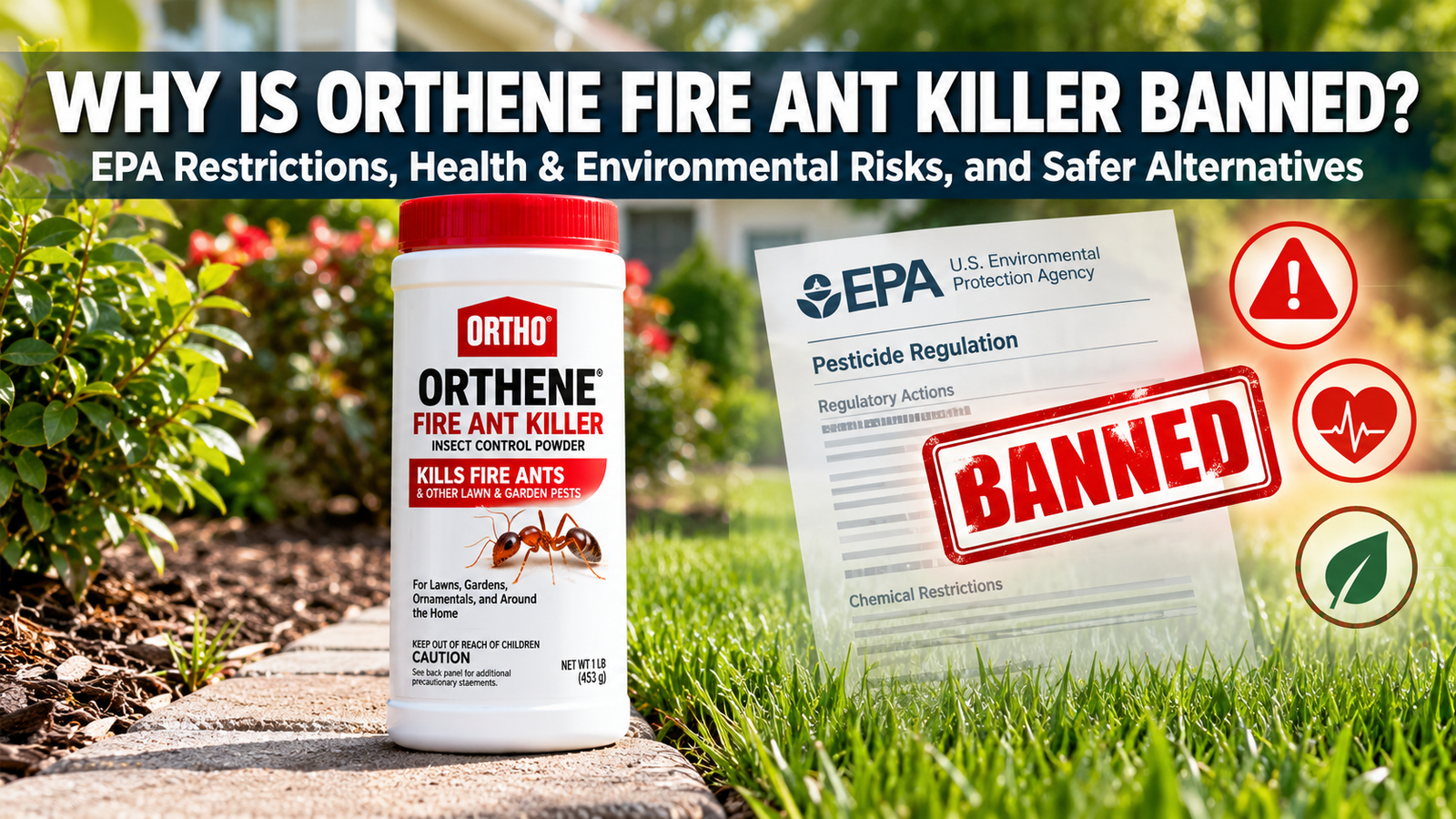
Why Is Orthene Fire Ant Killer Banned? The Truth About Acephate, EPA Rules, and Product Availability
Searches for **why is orthene fire ant killer banned** often lead to a confusing mix of old labels, discontinued formulations, state rules, and news about acephate. That can make a product that is still registered in some places look like it has been banned everywhere. The key is to separate the product, its active ingredient, the EPA registration, and state-level rules.
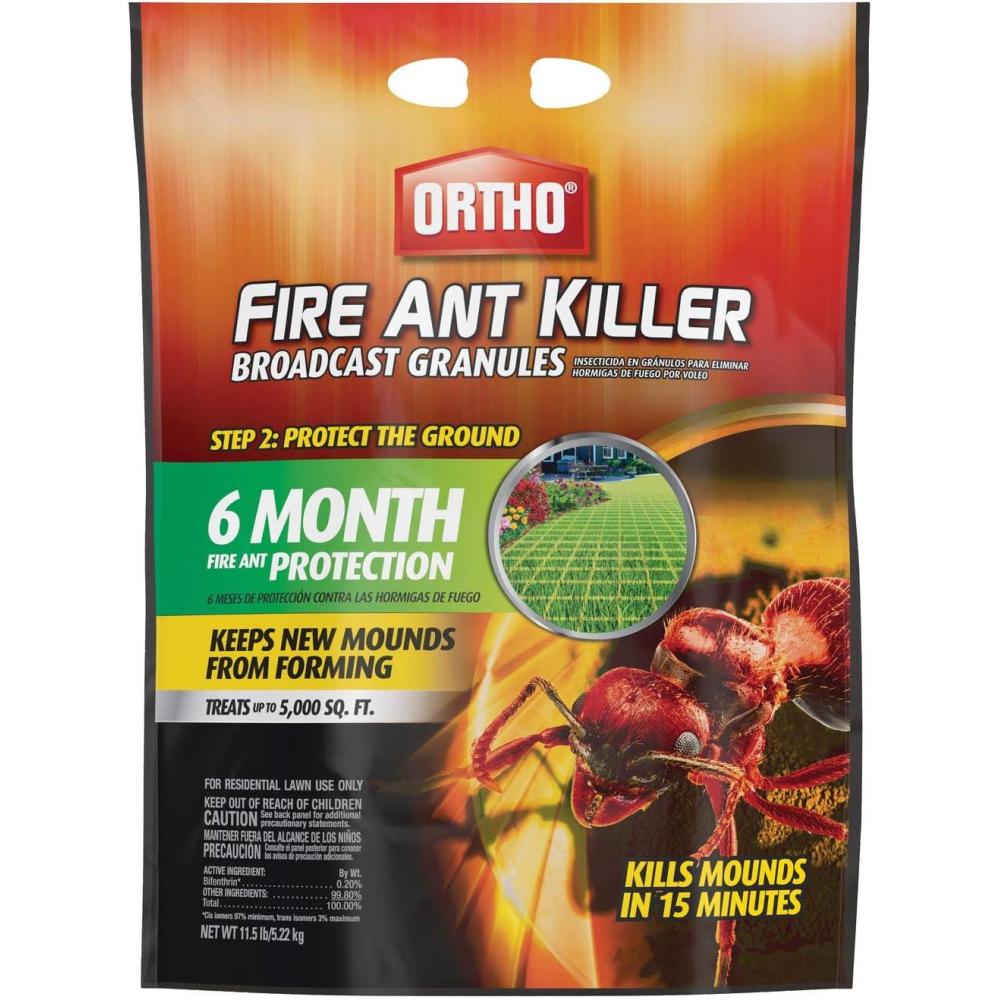
Orthene is a brand name linked to products that contain **acephate**, an organophosphate insecticide. Acephate has been used for many years to control insects, including fire ants. It works by blocking an enzyme called acetylcholinesterase, which is needed for normal nerve function. That same mode of action is why regulators pay close attention to exposure.
The most important answer to why is orthene fire ant killer banned is therefore more nuanced than a simple yes or no. EPA has raised important concerns about some acephate uses and proposed major changes in 2024. Yet EPA records also show an Orthene Fire Ant Killer registration, and state databases can show active registrations for the product.
For a U.S. homeowner, the practical lesson is simple: **do not assume an old product is legal just because you found it for sale, and do not assume it is banned just because one formulation disappeared.** Always read the current label and follow the rules for your state.
Is Orthene Fire Ant Killer Actually Banned in the United States?
The short answer is **no, not as a blanket nationwide ban**. The U.S. EPA pesticide database lists Orthene Fire Ant Killer II under EPA Registration No. 239-2632, with a registered status and acephate as the active ingredient. The product is also listed for fire ant and red harvester ant control.
State records support the same basic point. For example, California’s pesticide database lists an active registration for ORTHO ORTHENE FIRE ANT KILLER 1 under registration 239-2632-ZA. California also lists newer Orthene fire ant products as active. This means the word “banned” can be misleading when used for the entire product line.
That does not mean every Orthene product ever sold remains legal. Older formulations and labels can become inactive. A product may also be unavailable in one state while remaining registered in another. This is one major reason online discussions about why is orthene fire ant killer banned can appear to contradict official records.

- ✦ Federal registration
EPA records show an Orthene Fire Ant Killer registration rather than a blanket federal cancellation of the product.
- ✦ State rules
States may have their own registration and sale rules. A product can be active in one state and inactive in another.
- ✦ Older formulations
An old package or formulation may have an inactive registration even when a newer product with a similar name remains registered.
- ✦ Label controls use
A registered pesticide is legal only when used according to its approved label and applicable state rules.
Why Product Listings Can Be Confusing
Retail websites often keep old product pages online. They may show an old package, a new package, or a product with a similar name. A marketplace listing is not proof that a pesticide is currently registered for sale or use in your state.
This is especially important with pesticide products because the legal status can depend on the exact EPA registration number, formulation, label, and state registration. If you want to know why is orthene fire ant killer banned in your area, check the exact product rather than relying on the brand name alone.
What Is Orthene Fire Ant Killer Made Of?
Orthene is closely associated with **acephate**, an organophosphate insecticide. The exact percentage can vary by product and formulation. For example, the EPA record for Orthene Fire Ant Killer II, EPA Reg. No. 239-2632, identifies acephate at 50 percent.
Acephate has a long history in U.S. pest control. EPA documents identify Orthene as a trade name for acephate and classify acephate as an organophosphate insecticide. It has been used in agriculture, ornamental plants, turf-related settings, forestry, and ant control.
The chemical works by interfering with acetylcholinesterase. In simple terms, this enzyme helps control nerve signals. Blocking it can kill insects, but excessive exposure can also affect people and other animals. That is why the safety of acephate depends on dose, exposure route, protective steps, and the specific use.

- ✦ Active ingredient
Acephate is the key insect-killing ingredient in the Orthene Fire Ant Killer formulation discussed in EPA registration records.
- ✦ Chemical family
Acephate belongs to the organophosphate group of pesticides.
- ✦ Mode of action
It affects acetylcholinesterase, an enzyme involved in normal nerve signaling.
- ✦ Why this matters
The same biological action that makes acephate effective against insects creates the need for careful exposure controls.
Does Acephate Mean the Product Is Automatically Unsafe?
Not necessarily. Pesticide safety is based on the amount and type of exposure, the use pattern, and the risks compared with the benefits of the registered use. A pesticide can be registered when regulators determine that its approved uses can meet the legal safety standard with required controls.
At the same time, registration does not mean a chemical has zero risk. The label exists because exposure can matter. This is why homeowners should never use more product than the label allows or apply a pesticide to a site that the label does not cover.
Why Did EPA Raise Concerns About Acephate?
The answer to why is orthene fire ant killer banned is closely tied to the broader regulatory review of acephate. EPA’s updated assessments found concerns linked to **drinking water exposure** from registered uses. EPA also identified worker, homeowner, and ecological risks that it said would need mitigation.
In April 2024, EPA proposed an interim decision that would cancel all but one use of acephate. The proposal was not the same thing as an immediate nationwide ban. EPA described the action as part of the pesticide’s registration review process and proposed keeping tree injection as the remaining use under specified conditions.
The human health concern is important because acephate can inhibit acetylcholinesterase. EPA said this was the most sensitive human health effect used in evaluating acephate exposure. At high organophosphate exposure levels, this type of nerve-system effect can cause symptoms such as nausea, fatigue, and tremors.
EPA’s concerns also included drinking water. This matters because a pesticide applied outdoors can move through soil and water pathways. A product can work well against insects while still raising questions about how much chemical reaches people, wildlife, workers, or water sources.
- ✦ Drinking water
EPA’s 2024 proposal cited significant dietary risks from drinking water for some currently registered acephate uses.
- ✦ Human health
Acephate affects acetylcholinesterase, so regulators consider exposure to people as a key safety issue.
- ✦ Worker exposure
Mixing, loading, and applying pesticides can create higher exposure than casual contact, so worker protections matter.
- ✦ Ecological risk
EPA also considered environmental risks when evaluating continued acephate uses.
The Difference Between a Proposal and a Ban
This distinction is crucial. A proposed EPA decision is part of the rulemaking and registration review process. It does not automatically make every product containing the chemical illegal on the day the proposal appears.
This difference explains much of the confusion around why is orthene fire ant killer banned. News about proposed acephate cancellations can be repeated online as a simple “Orthene is banned” claim, even though the regulatory process is more specific.
Why Is Orthene Fire Ant Killer Banned in Some Places or Hard to Find?
A product can become difficult to find without being federally banned. Manufacturers may change a formulation, stop making an older version, update a label, change distribution, or focus on another product. State registration can also affect what retailers can legally sell.
California provides a useful example of why exact product records matter. Its pesticide database lists one older Orthene Fire Ant Killer registration as inactive while a related Orthene Fire Ant Killer registration is active. It also lists other active Orthene fire ant products. The brand name alone therefore does not tell the whole story.
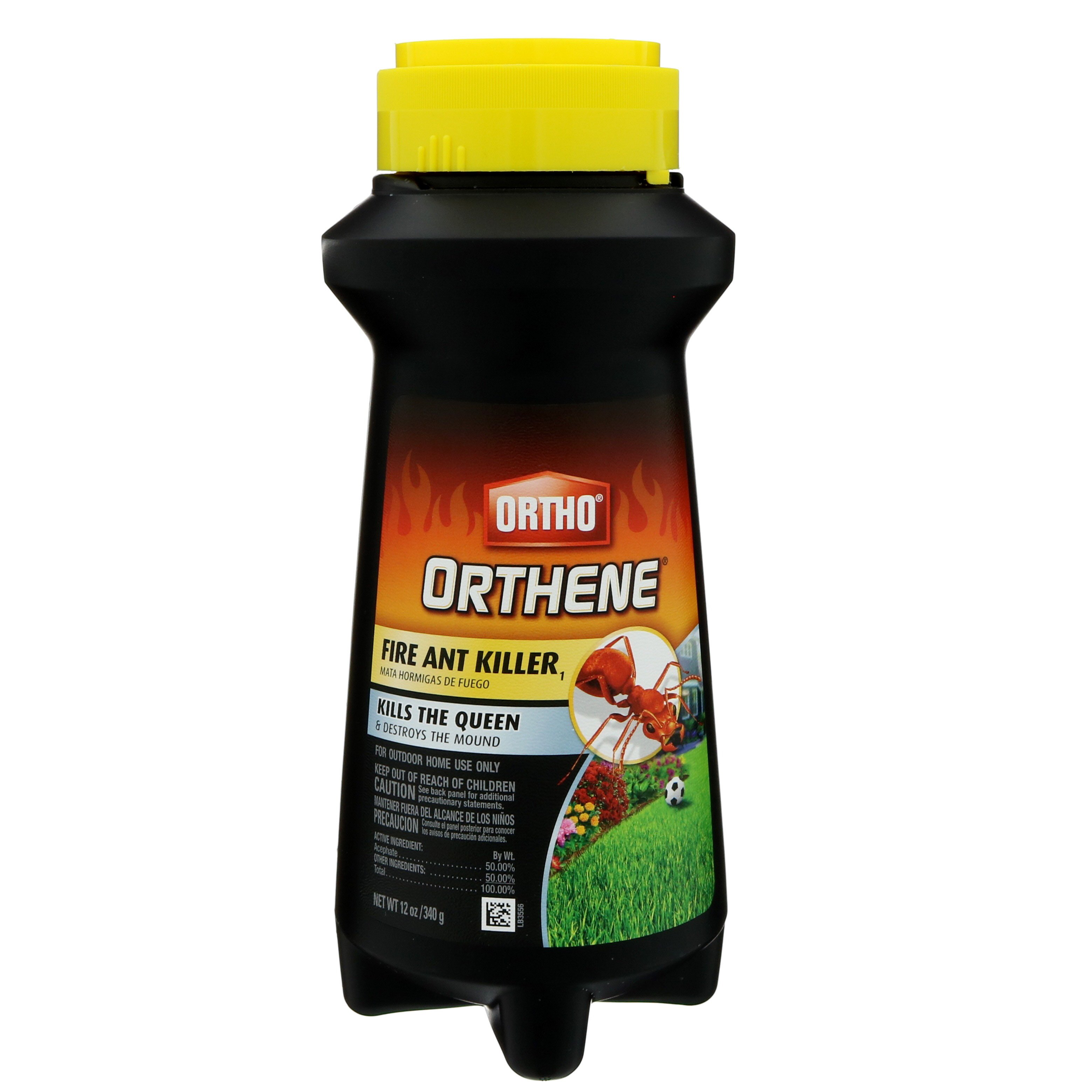
If someone searches why is orthene fire ant killer banned after failing to find the old 12-ounce package at a local store, the answer may have nothing to do with a nationwide ban. Retail availability can change much faster than the underlying federal registration record.
- ✦ Discontinued package
A company may stop selling one package size or formulation while continuing another product.
- ✦ Inactive state registration
A product may lose registration in a particular state while remaining registered elsewhere.
- ✦ Label changes
Changes in permitted sites, pests, application rates, or safety instructions can lead to different products or labels.
- ✦ Retail supply
Local stores may stop stocking a pesticide even when the product remains registered.
Federal Registration Versus State Registration
The EPA registers pesticides at the federal level under FIFRA, while states also play a role in pesticide registration and use. This creates a two-level system that consumers often overlook.
That system is one reason a product can appear on an online store but still raise legal questions in a particular state. When in doubt, check the exact EPA registration number and your state’s pesticide regulator.
How Does Orthene Kill Fire Ants?
Orthene Fire Ant Killer is designed to control fire ants through acephate exposure. Older EPA labels for the product describe workers carrying the treated material into the mound, where the active ingredient can affect the colony, including queens.
The appeal of mound treatments is easy to understand for a U.S. homeowner. Fire ants can build large colonies in lawns, gardens, and other outdoor areas. A treatment that reaches the colony can be more useful than simply killing ants seen on the surface.
However, effectiveness does not remove the need for safe use. The label is the legal instruction set. Application outside the listed site, dose, method, or timing can turn a legal pesticide use into an improper one.

- ✦ Worker contact
Fire ant workers can contact treated material and carry it through the colony.
- ✦ Colony control
The goal of mound treatment is broader colony control rather than simply killing ants visible on the surface.
- ✦ Label limits
The legal use pattern depends on the current product label, not on instructions from an old package or an online forum.
Why Fire Ant Control Can Be Difficult
Fire ant colonies can extend below the visible mound. Killing a few workers does not always solve the problem because the colony may contain a queen and many workers underground.
This is why fire ant products are often designed around mound treatment or colony control. The correct method depends on the specific pesticide and its current label.
What Are the Main Safety Concerns With Orthene and Acephate?
Acephate is not a harmless household substance. It is a pesticide that can affect the nervous system, so careless handling can create unnecessary exposure. The risk depends on factors such as concentration, route of exposure, duration, and the way the product is used.
For homeowners, the most important issue is following the current label. Avoid contact with the product, keep children and pets away from treated areas as directed, wear any required protective equipment, and never use a pesticide in a way that the label does not permit.
Older advice can be especially risky. A label from ten or twenty years ago may not match the current instructions. If a package has an old label, damaged directions, or unclear registration information, do not guess at the application rate.

- ✦ Read the label
The current pesticide label provides the legal directions for application, storage, disposal, and precautions.
- ✦ Protect children and pets
Keep people and animals away from treated areas according to the current label instructions.
- ✦ Avoid unnecessary exposure
Do not touch, breathe, spread, or handle pesticide material more than the label requires.
- ✦ Do not reuse containers
Pesticide containers should be handled and disposed of according to the label and local rules.
What Should You Do With an Old Container?
Do not assume an old container is safe to use simply because it still contains powder. First identify the exact product, EPA registration number, active ingredient, and label. If you cannot confirm that the product is currently registered and permitted for your intended use, contact your state pesticide regulator or a local extension service.
Never pour pesticide into a drain, storm sewer, pond, or stream. Disposal rules vary by product and location, so follow the label and local household hazardous-waste guidance.
What Did EPA Propose for Acephate?
In April 2024, EPA proposed to cancel all but one use of acephate as part of its registration review. EPA said the proposal was based on its updated human health and drinking water assessments, along with earlier ecological findings.
The proposed approach would retain tree injection for non-food-producing trees under specified conditions. EPA said this use did not contribute to drinking water exposure and did not present the same worker and environmental risks identified for other uses.
This proposal is important when researching why is orthene fire ant killer banned, but it should not be described as proof that every Orthene product was immediately banned. The regulatory process can involve proposed decisions, public comments, mitigation, revised labels, and final agency action.
EPA’s registration review schedule also shows that acephate remains within the broader pesticide review process. Consumers should therefore treat claims of a simple nationwide Orthene ban with caution unless they refer to a specific product, registration, state, or final regulatory action.
- ✦ Proposed cancellation
EPA proposed ending most acephate uses in 2024 rather than announcing a blanket ban on every acephate product.
- ✦ One proposed retained use
EPA proposed retaining tree injection for trees that do not produce food for human consumption, with conditions.
- ✦ Public process
The proposal was part of the registration review process and included an opportunity for public comment.
- ✦ Not the same as a product ban
A proposed chemical-use restriction and a nationwide cancellation of one retail product are different regulatory actions.
Why the 2024 Proposal Matters to Homeowners
Homeowners should pay attention because changes to an active ingredient can eventually affect labels, product availability, and permitted uses. A manufacturer may change a product even before a chemical receives a final regulatory decision.
The safest approach is to use the current label for the exact product in your hands. Do not rely on an old article, an old YouTube video, or a package photo when deciding whether a pesticide is legal to use.
Why Is Orthene Fire Ant Killer Banned: Common Myths Explained
Online discussions often reduce a complex pesticide issue to one sentence. The result is a mix of accurate safety concerns and inaccurate claims. Understanding the difference can help homeowners make safer choices.
The most common myth is that an EPA review automatically means the product has already been banned. It does not. Another myth is that a product being unavailable at one store proves that the federal government prohibited it. Retail availability is not the same as regulatory status.
- ✦ Myth: Orthene is banned everywhere
Federal and state records show that at least some Orthene Fire Ant Killer registrations remain active, so a blanket statement is inaccurate.
- ✦ Myth: Acephate is already banned for every use
EPA has proposed major restrictions, but acephate has not simply disappeared from all U.S. pesticide registrations.
- ✦ Myth: Hard to find means illegal
A product can become scarce because of manufacturing, distribution, reformulation, or retailer decisions.
- ✦ Myth: An old label is always valid
Older labels may no longer reflect the current legal use pattern. Always check the current registration and label.
The Best Way to Check a Pesticide’s Status
Start with the exact product name and EPA registration number. Then check the EPA pesticide database and your state pesticide regulator. If the product is sold through a retailer, treat the retailer listing as a shopping reference rather than the final legal authority.
For the specific question why is orthene fire ant killer banned, this method quickly separates three different issues: whether the federal product registration is active, whether the state permits the product, and whether the exact use on your property is allowed.
What Should Homeowners Do If They Have Fire Ants?
The right control method depends on the size of the infestation, the location of the colony, nearby water, pets and children, and the pesticide label. For a few mounds, a properly labeled mound treatment may be enough. For larger infestations, an integrated approach can work better.
Integrated pest management means using several sensible steps rather than relying on one chemical. These can include monitoring colonies, reducing conditions that support ants, using approved baits or mound treatments, and repeating treatment only when the product label allows it.
If you choose an acephate product, confirm that the exact product is registered in your state and labeled for the site you want to treat. Never substitute a different acephate product because you think all products with the same active ingredient work the same way.
- ✦ Identify the pest
Make sure you are dealing with fire ants before selecting a treatment.
- ✦ Check the current label
Confirm that the product is labeled for your site, pest, application method, and location.
- ✦ Use only the labeled amount
More pesticide does not mean better control and can increase exposure and environmental risk.
- ✦ Consider non-chemical steps
Monitoring and integrated pest management can reduce unnecessary pesticide use.
- ✦ Ask for local help
County extension offices and state pesticide agencies can help identify pests and explain local rules.
When a Professional May Be Worth It
Professional help can make sense when colonies cover a large area, keep returning, or sit near sensitive locations. It can also help when you are unsure which product is legal or appropriate for your property.
A licensed professional should know the applicable state rules and pesticide label requirements. Ask what active ingredient will be used, where it will be applied, and what precautions you need to follow.