Yes, ant traps can be effective, especially bait traps that let worker ants carry poison back to their colony. Results depend on the ant species, bait type, placement, and time allowed for the bait to work.
In American homes, ants often show up near kitchen sinks, pantry shelves, pet food bowls, and doors that open onto patios or lawns. A few ants can quickly turn into a steady trail, making it tempting to grab a spray or set out the first trap you find. The good news is that the right ant trap can help control the source of the problem, not just the ants you see.
The key is knowing what kind of trap you have. Poison bait stations work differently from sticky traps, which catch ants that touch their surfaces. Bait stations can help reduce a colony because worker ants carry food back to the nest. Sticky traps can help catch individual ants and show where activity occurs, but they usually do little to eliminate a colony on their own.
Research-based pest management guidance from university extension programs supports using suitable ant baits alongside basic home care. Still, no single trap works equally well on every ant species. The best results come from matching the bait to the ants, placing it along their travel routes, removing competing food, and giving the treatment enough time.
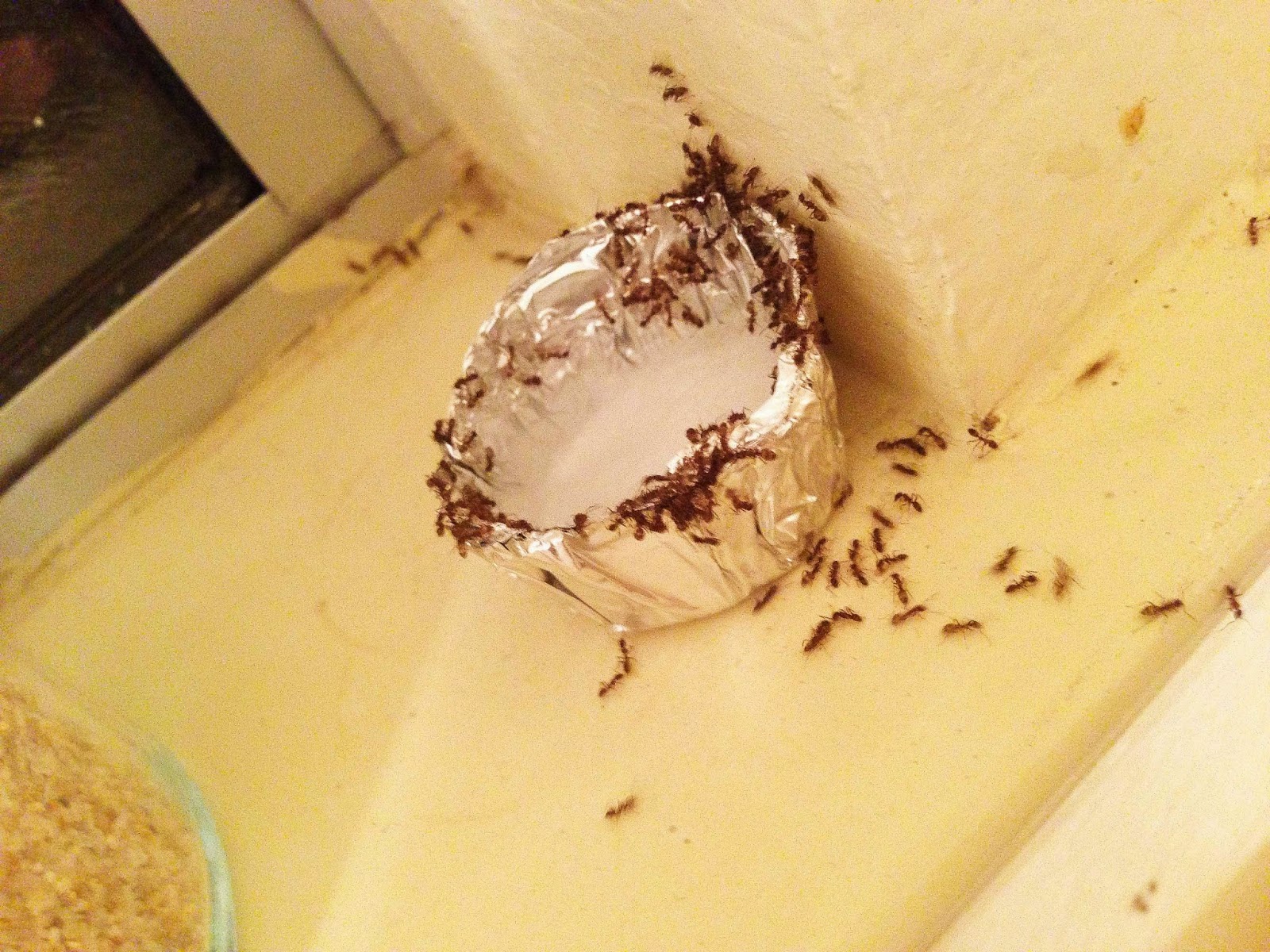
Source: blogspot.com
How Effective Are Ant Traps?
Ant traps can be highly useful when they contain a suitable bait and the target ants accept it. However, the word trap covers several products with different purposes. A bait station is designed to attract ants to a food source containing an insecticide, while a sticky trap mainly catches insects that walk onto its adhesive surface.
Bait stations offer an important advantage: they can reach ants that never appear in your kitchen. Worker ants search for food, collect the bait, and carry it back to the nest. Depending on the product and ant species, the bait may then spread through food sharing and affect workers, larvae, and queens.
This process takes time. A bait that kills every ant on contact may look impressive, but it can fail to reach the colony. Many effective baits use an active ingredient that works slowly enough for workers to return to the nest before they die. The goal is not simply to kill the ants at the station; it is to reduce the colony that keeps sending them out.
No trap guarantees complete control. Ants may ignore a bait that does not match their food preference, find a better food source nearby, or enter from an untreated nest. Some species have complex colonies with several queens or multiple nesting sites, which can make control more difficult.
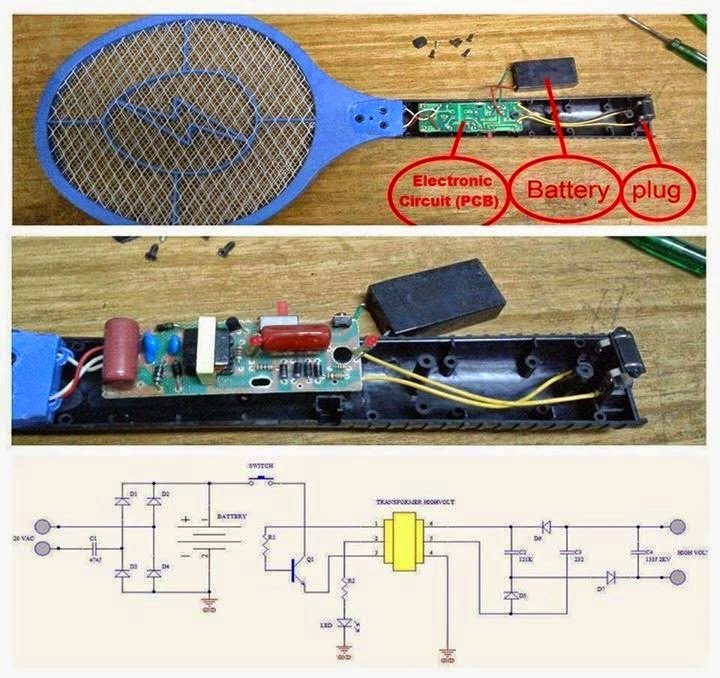
Source: thepestadvice.com
Bait stations
Often the best first option for household ant trails because they offer food mixed with an insecticide and can help deliver it to the colony.
Sticky traps
Useful for catching individual ants, monitoring activity, and checking where ants travel, but not usually enough to remove a colony.
Contact-kill products
Can kill ants that touch the product, but may provide only short-term relief when the nest and queen remain active.
Can help target ants traveling near foundations, trails, or nests when the label allows outdoor use and the stations are placed correctly.
What Does Success Look Like?
Success does not always mean every ant disappears on the first day. At first, you may see ants gathering around a bait station. That can be a normal sign that they have found the food source and are feeding on it.
Over the following days, look for a gradual decline in the number of ants on established trails. Check whether the bait is being consumed, whether new trails appear, and whether activity returns after the initial decline. A steady reduction is more useful than judging the treatment by one quick glance.
Good signs
Ants feed on the bait, the station is replenished when needed, and trail activity gradually falls.
Warning signs
Ants ignore the bait, the station stays untouched, activity increases for an extended period, or new trails appear far from the treated area.
How Do Ant Bait Traps Work?
Ant bait traps work by combining a food attractant with an insecticide. The food draws in worker ants, and the active ingredient helps kill ants after they consume the bait. With a suitable slow-acting formula, workers have time to carry some of the bait back to the colony.
An ant colony is more than the ants you see marching across a counter. It may contain workers, young ants, and one or more queens hidden in a wall void, soil, paving crack, or other sheltered place. Killing only the workers that enter your home may leave the colony able to produce more workers.
Baits aim to use the workers’ normal feeding behavior to spread the treatment. The exact effect depends on the active ingredient, how much bait ants consume, how the species shares food, and whether the product is suitable for that species. Some colonies may be reduced substantially, while others need a different bait or a broader control plan.
The bait’s food base matters as much as the insecticide. Many products use sugar-based liquids or gels, while others use protein- or oil-based materials. Ant food preferences can change with species, season, and the foods available nearby, so an untouched bait does not always mean traps are ineffective.
Source: pestsupplycanada.ca
Food attractant
Encourages worker ants to visit the station and consume the bait.
Active ingredient
Provides the insecticidal effect. Check the product label for the ingredient, target pests, permitted locations, and use directions.
Worker activity
Allows foraging ants to carry bait toward the colony when the formulation and feeding behavior support that transfer.
Colony reduction
Can reduce the number of ants over time, although the degree of control varies by species, colony structure, and correct use.
Why Do Ants Gather Around a Trap?
Ants may gather around a bait station because its food attractant has drawn them in. Worker ants can leave scent trails that help other ants find the same food source. A sudden increase in visible activity around a new bait station can therefore be expected at first.
Do not assume that more ants around the bait mean the product has failed. If the ants are feeding, the station may be doing its job. Avoid crushing every ant near the station or moving it repeatedly while the ants are actively using it.
Let feeding continue
When ants are actively consuming bait, leave the station in place unless the label or a safety concern requires you to move it.
Watch for a decline
Check activity over several days rather than expecting instant results.
Do All Ant Species Respond to the Same Bait?
No. Some household ants readily feed on sweet liquid baits, while others may prefer proteins or oils. Even ants of the same broad group can change what they seek as the colony’s needs and the season change.
If the ants will not feed on a correctly placed bait, try another product labeled for the target ants. Where the species is uncertain, a licensed pest management professional can help identify it and choose a suitable treatment.
Sweet bait
May suit ants that seek sugary liquids or carbohydrate-rich food.
Protein or oil bait
May work better for ants seeking other food types, including some species that do not readily take sweet bait.
How Long Do Ant Traps Take to Work?
Ant traps usually need more time than contact sprays. Some bait products may produce a visible decline within about five to ten days, while other infestations take several weeks or longer to control. These are general expectations, not a guarantee for every product or ant species.
The delay is part of how colony baiting works. Workers need to find the station, accept the bait, and carry it back to the nest. The active ingredient must also work at a pace that allows the bait to reach other ants before the exposed workers die.
A large infestation, several nesting sites, a poor bait match, or competing food sources can extend the process. An outdoor colony may continue sending ants toward the house even after indoor activity begins to fall. For that reason, monitor both the treated area and likely entry points.
Read the product label for its expected performance and replacement instructions. Some stations dry out or become empty before the problem is controlled. Others remain in place longer, but their useful life depends on the formulation, conditions, and label directions.
Source: nerdtechy.com
First few days
Look for ants discovering and feeding on the bait. An early increase in activity can occur as workers locate it.
Around one week
Check whether the trail is smaller and whether the bait remains available. Some products begin showing a clear decline in this period.
Several weeks
Continue monitoring when activity persists but is declining. Reassess the bait choice and placement if the trail does not improve.
Ongoing activity
If ants remain numerous or repeatedly return, check for competing food, a poor bait match, additional entry points, or a larger infestation.
Should You Replace a Trap That Looks Empty?
Replace or refill a station when its label says to do so and the bait has been used up, dried out, or become unsuitable. Ants cannot carry away bait that is no longer available, so a depleted station may stop contributing to control.
Do not open, refill, or modify a disposable station unless the label permits it. Use only approved refills for reusable stations, and dispose of empty containers as directed on the product label.
Check the bait
Look for empty reservoirs, dried bait, damage, or contamination.
Check the trail
Confirm that ants still travel near the station before changing its location.
Where Should You Place Ant Traps for the Best Results?
Place ant bait stations near the paths ants already use, provided the product label allows that location. Common places include along baseboards, near entry gaps, under a sink, beside a pantry, or near a point where ants enter from outdoors. The aim is to make the bait easy for foraging ants to find without putting it where people or pets may touch it.
Follow an ant trail far enough to identify its likely entry point. Ants often move along pipes, wires, wall edges, window frames, and foundation cracks. Finding these routes helps you place the bait more precisely and shows where sealing or other prevention may be needed.
Do not place bait directly on a food preparation surface, inside food packaging, or where water will wash it away. Avoid locations exposed to children, pets, extreme heat, direct sun, or heavy rain unless the product is designed for those conditions. An enclosed, tamper-resistant station may be a better fit for an accessible area, but it must still be placed according to its label.
Indoor placement is not always the best option. If ants are coming from a known outdoor nest, a product labeled for outdoor use may help target the source. However, never assume an indoor bait can be used outdoors or that an outdoor product is suitable for kitchen use. The label determines where and how each product may be applied.
Source: backyardalpha.com
Along active trails
Choose a stable location near a route ants already follow, rather than placing a station far from any activity.
Near entry points
Look around doors, windows, pipes, and small cracks where ants enter the home.
Near food or moisture sources
Inspect the area around sinks, pet food, pantry shelves, and waste bins, while keeping bait away from food and food-contact surfaces.
In protected locations
Keep stations dry when required and out of reach of children and pets.
Should Ant Traps Go Inside or Outside?
The answer depends on the source of the ants and the product label. Indoor bait can be useful when ants are actively foraging inside, especially when their entry point is hard to locate. Yet indoor bait can also draw more ants to that area while they feed.
Outdoor bait may be preferable when ants travel from a nearby nest or follow a trail along the foundation. Place it only where the label permits, protect it from weather when needed, and keep it away from children, pets, drains, and water sources.
Choose indoor bait
When the product is labeled for indoor use and the ants are feeding inside the home.
Choose outdoor bait
When the product is labeled for outdoor use and activity can be traced to a suitable outdoor trail or nest.
Why Ant Traps Sometimes Fail
When ant traps fail, the most common explanation is not that all bait products are useless. The bait may be wrong for the species, the ants may have easier food nearby, the station may be poorly placed, or the colony may be too large or complex for a simple treatment.
Start by watching the ants. If they walk past the bait without feeding, try a different formulation labeled for the target ants. If they feed but the station becomes empty, replace it according to the directions. If activity continues without a clear decline, check for new entry points and additional food or water sources.
Avoid using contact sprays on or near the bait station unless the label explicitly allows it. Sprays can kill foraging ants before they return to the nest, repel ants from the bait, or interfere with the feeding behavior that makes bait useful. If you need to remove ants from a counter, clean that surface separately and keep the bait in a suitable location nearby.
Some ant problems need more than traps. Carpenter ants may indicate a damp or damaged wood issue, while fire ants can pose a painful sting risk outdoors. Ants nesting in wall voids, repeated infestations across several rooms, or persistent activity after careful baiting may require a professional inspection.
Source: plantingguys.com
The bait is ignored
Try a different bait type that suits the ant species, and remove competing food sources.
The bait dries out
Replace or refill the station according to the label, and choose a suitable protected location.
The ants keep returning
Inspect for more entry points, outdoor nests, untreated trails, and food or water sources.
The colony is difficult to locate
Consider professional help when repeated attempts fail or the ants may be nesting in inaccessible spaces.
Do Ant Traps Attract More Ants?
Bait traps can attract more visible ants to the station because they contain food the ants want. Worker ants may also leave scent trails that help other workers locate the food. This can make the problem look worse at first, even when the bait is being used as intended.
The key difference is between a temporary increase in feeding activity and a lasting increase in the infestation. If ants feed on the bait and their numbers decline over time, the station may be working. If activity stays high without improvement, reassess the bait and placement rather than assuming the product will eventually solve every problem.
Do not move active bait too soon
If ants are feeding and the station is safely placed, give it time to work as directed.
Remove other food
Clean crumbs, sticky spills, pet food residue, and open food containers so ants have fewer alternatives.
How to Make Ant Traps More Effective
The most reliable approach combines baiting with cleaning, exclusion, and regular checks. Traps target the ants that feed on them, while home care reduces the food, water, and access points that keep attracting ants. Using both methods gives you a better chance of controlling the current problem and reducing repeat visits.
Begin by removing easy food sources. Wipe counters, sweep crumbs, clean sticky spills, store dry goods in sealed containers, and remove pet food when it is not being used. Fix leaking taps and dry wet areas, since ants may seek water as well as food.
Next, identify how the ants enter. Follow the trail to a gap around a pipe, door, window, or foundation. Seal suitable cracks with an appropriate material once you have identified the route, taking care not to seal over an active bait station or interfere with the product’s use.
Place the correct bait near the trail, then monitor it. Check whether the ants feed, replace bait as directed, and avoid spraying near the station. If the ants ignore the bait, change to another labeled formulation rather than adding more of a product they do not want.
Finally, keep records of what you observe. A quick note about where the ants appeared, which bait they used, and whether the trail shrank can help you spot a pattern. If the infestation persists despite correct use, use a qualified pest professional who can identify the species and assess whether more targeted control is needed.
Source: blogspot.com
Clean daily during active infestations
Remove crumbs, food residue, and standing water while keeping bait stations undisturbed.
Use the right bait
Choose a product labeled for the ant problem and use a different food formulation if ants will not feed on the first one.
Follow label directions
Use only the listed amount, location, and application method. Do not improvise by mixing chemicals or opening sealed stations.
Check progress regularly
Look for changes in trail size, bait consumption, and new ant activity.
Seek help when needed
Call a qualified pest management professional for persistent infestations, suspected carpenter ants, or difficult-to-reach colonies.
Are Ant Traps Safe Around Children and Pets?
Ant bait stations can reduce exposure when used correctly, but they are not harmless. They contain insecticides, and a child or pet that chews, opens, or swallows a station may be exposed to the bait. Even products sold for household use must be handled according to their labels.
Choose a tamper-resistant station when appropriate, place it where children and pets cannot reach it, and keep it away from food, dishes, pet bowls, and food preparation areas. Never assume that a station is safe to touch just because the bait is enclosed.
If a person or pet may have swallowed bait, follow the product label’s emergency instructions and seek prompt advice from poison control, a medical professional, or a veterinarian as appropriate. In the United States, Poison Control can be reached at 1-800-222-1222. For a pet exposure, contact a veterinarian or an animal poison control service.
Keep the label
Retain the package so the active ingredient and emergency directions are available if exposure occurs.
Do not transfer bait
Never move bait into food containers or unmarked dishes, and never place homemade bait where children or pets can reach it.
Store products securely
Keep unused stations in their original packaging and follow the label’s storage and disposal instructions.
Ant Traps Compared With Other Control Methods
The best ant control method depends on whether you need to catch visible ants, reduce a colony, or prevent ants from entering. Bait stations are often useful for colony control, while cleaning and sealing gaps help reduce access and food. Contact sprays may kill ants quickly, but they do not necessarily affect the nest.
A simple comparison helps show why one product rarely solves every ant problem. For many household infestations, baiting and prevention work better together than relying on a single spray or trap.
Sticky traps can be useful as monitoring tools, especially when you need to see where ants are active. However, catching a few ants does not tell you that the colony has been eliminated. Use the change in activity over time, along with bait consumption and the presence of new trails, to judge whether the broader plan is working.
Source: pestsupplycanada.ca
Bait stations
Best suited to feeding ants and potentially spreading an insecticide through the colony. They require the right bait, placement, and patience.
Sticky traps
Useful for catching individual insects and monitoring movement. They usually do not control a colony by themselves.
Contact sprays
Can kill visible ants quickly, but may leave the nest intact and may interfere with baiting.
Cleaning and sealing
Reduces food sources and entry routes. It is an essential part of prevention but may not remove an established colony alone.
Professional pest control
Useful for persistent infestations, difficult species, inaccessible nests, or situations that require a more targeted inspection and treatment plan.
Should You Use Traps and Sprays Together?
Usually, you should not spray directly on or around ant bait unless the product labels specifically allow it. A spray can repel ants from the station or kill workers before they carry bait to the nest. This can reduce the benefit of a bait treatment.
You can still clean surfaces and remove ants from food preparation areas while using bait. Use soapy water on the trail when needed, then keep the bait in a nearby location that follows its label directions and remains away from food-contact surfaces.
Prioritize bait and prevention
For many indoor ant problems, use suitable bait with sanitation and entry-point control.
Check both labels
If considering more than one pesticide, confirm that each label allows the intended use and that the combination will not interfere with the bait.
Frequently Asked Questions
Q
Are ant traps effective for a large infestation?
Yes, bait traps can help with a large infestation, but success depends on the ant species, bait preference, number of nests, and placement. Large or widespread colonies may need several correctly placed stations and a longer treatment period. If activity remains high despite correct use, a pest management professional can identify the species and recommend a suitable plan.
Q
Why are there more ants after I put out a trap?
A bait station contains food that attracts foraging ants, so more ants may gather around it at first. Worker ants can also leave scent trails that help other ants find the bait. If the ants are feeding, leave the station in place when it is safe and follow the label directions while monitoring activity over the next several days.
Q
How long should I leave ant traps out?
Follow the product label for replacement and removal instructions. Some baits may begin reducing activity within about five to ten days, while other infestations can take several weeks or longer. Replace bait when needed, and do not assume the problem is solved just because fewer ants appear for a day.
Q
Do ant traps kill the queen?
Some bait traps can help kill a queen indirectly when workers carry the bait back to the nest and share it with other colony members. The result depends on the bait, the ant species, colony structure, and how much bait reaches the nest. A trap that only catches or kills individual workers is unlikely to eliminate the queen.
Q
Are sticky ant traps better than poison bait stations?
Neither is better for every purpose. Sticky traps catch individual ants and can help monitor activity, but they usually do not eliminate a colony. Poison bait stations are often more useful for colony control because workers can carry the bait back to the nest. Choose based on your goal and follow the product’s instructions.
Q
Can ant traps stop ants from coming back?
They may reduce the colony and lower ant activity, but they cannot guarantee that ants will never return. Nearby outdoor nests, unsealed gaps, moisture, and accessible food can lead to new activity. Combine suitable bait with cleaning, sealed food storage, leak repairs, and entry-point control to reduce the chance of another infestation.
Q
What should I do if ants ignore the trap?
First, check that the station is fresh, correctly placed, and suitable for the location. Remove competing food and observe whether the ants feed on the bait. If they continue to ignore it, try another product labeled for the target ants, since some species prefer sweet baits while others favor protein or oil. Ask a pest management professional for help if the ants remain uncontrolled.
✦ Wrapping Up
Conclusion
Ant traps can be effective, especially when they use a suitable bait that worker ants carry back to the colony. They are often more useful for long-term control than products that kill only the ants you see. Still, results depend on the species, bait preference, placement, and time allowed for the treatment to work.
For the best chance of success, place a correctly labeled bait station near an active trail, keep it away from children and pets, remove competing food, and monitor activity over several days or weeks. Avoid spraying near the bait, replace it as directed, and change the approach if the ants do not feed on it.
If ants keep returning despite careful baiting and prevention, look for additional entry points or nests. A qualified pest management professional can help identify the species and choose a more targeted approach. The goal is not just to catch a few ants today, but to reduce the source of the problem and make your home less inviting tomorrow.
💡 Key Takeaway
Start by identifying the ant trail, cleaning up nearby food and water, and placing a suitable bait station along the route according to its label. Check whether ants feed on it, replace the bait as directed, and look for a gradual decline before changing methods.
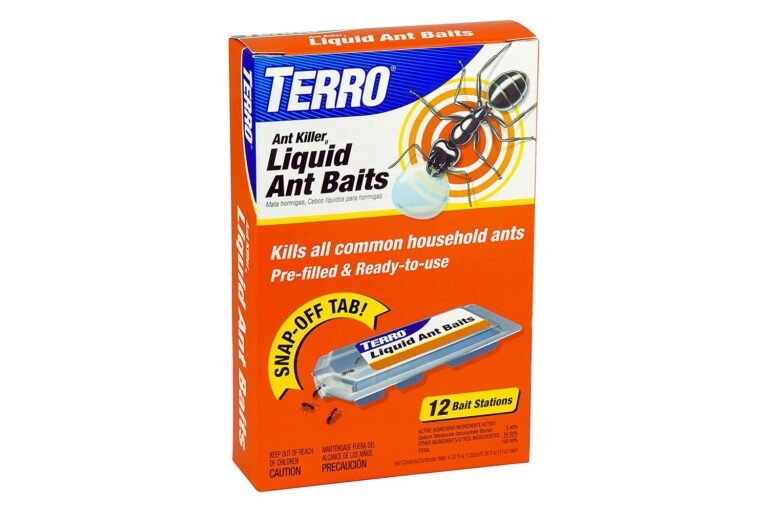
Does TERRO ant killer work? Learn how TERRO liquid ant bait works, how long it takes, which ants it targets, common mistakes, safety tips, and when to call a pest pro.