Does TERRO Ant Killer Work? A Complete Guide to Liquid Ant Bait, Results, and Common Mistakes
If you search for “does TERRO ant killer work,” you are likely dealing with a simple but frustrating problem: ants keep showing up in your home. TERRO liquid bait takes a different approach from a fast contact spray. Instead of trying to kill every ant on sight, it uses the ants’ feeding and sharing behavior to move the bait into the colony.
That difference explains why TERRO can seem slow at first. You may see ants gather around a bait station before the trail gets smaller. This does not automatically mean the product has failed. The goal is to let worker ants feed and take the bait back to other ants in the nest.
In U.S. homes, liquid ant bait can be useful for common nuisance ants that are attracted to sweet food. Still, no bait is a universal fix. Ant species, food choices, nest location, weather, cleanliness, and bait placement can all affect the result.
How Does TERRO Ant Killer Work?
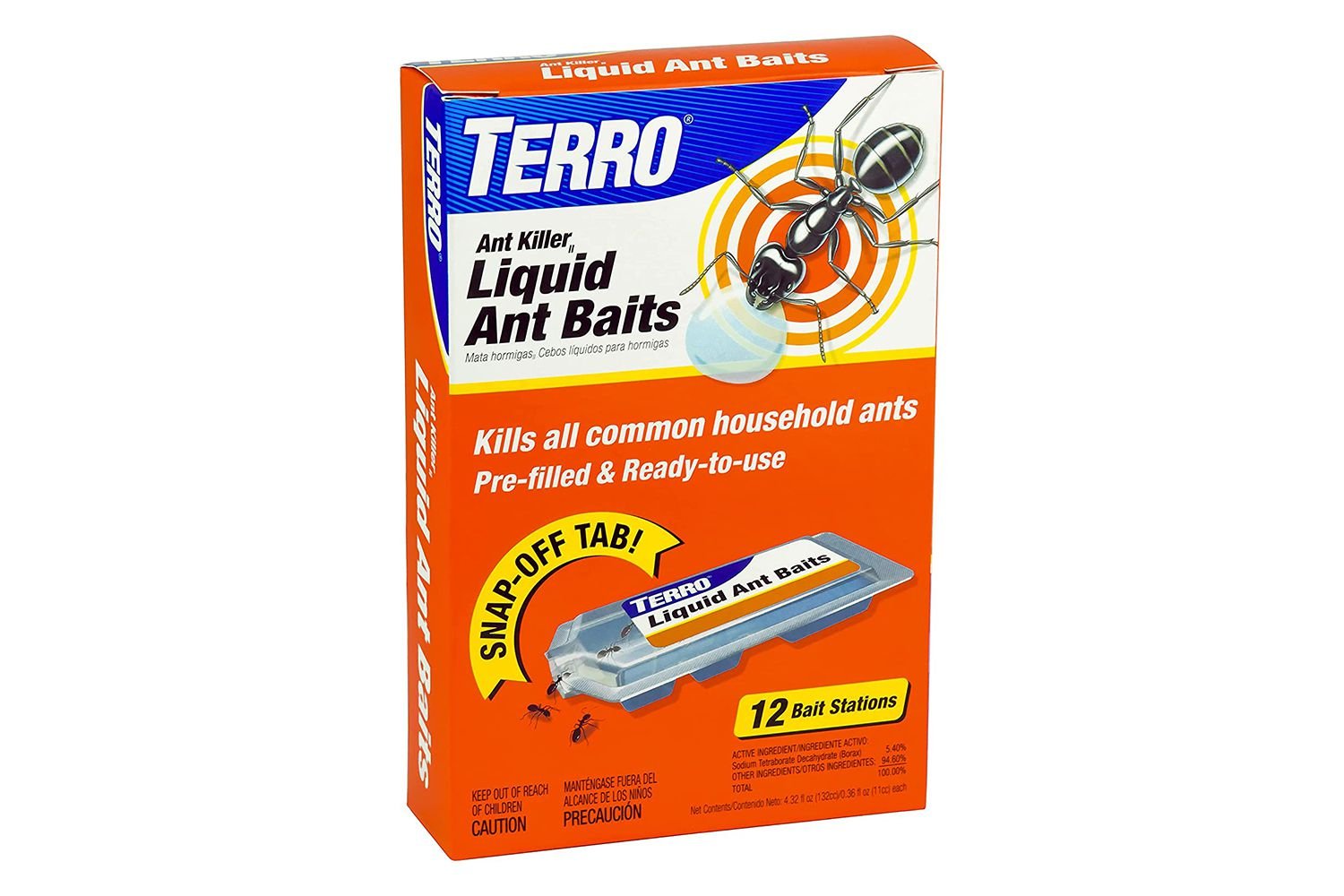
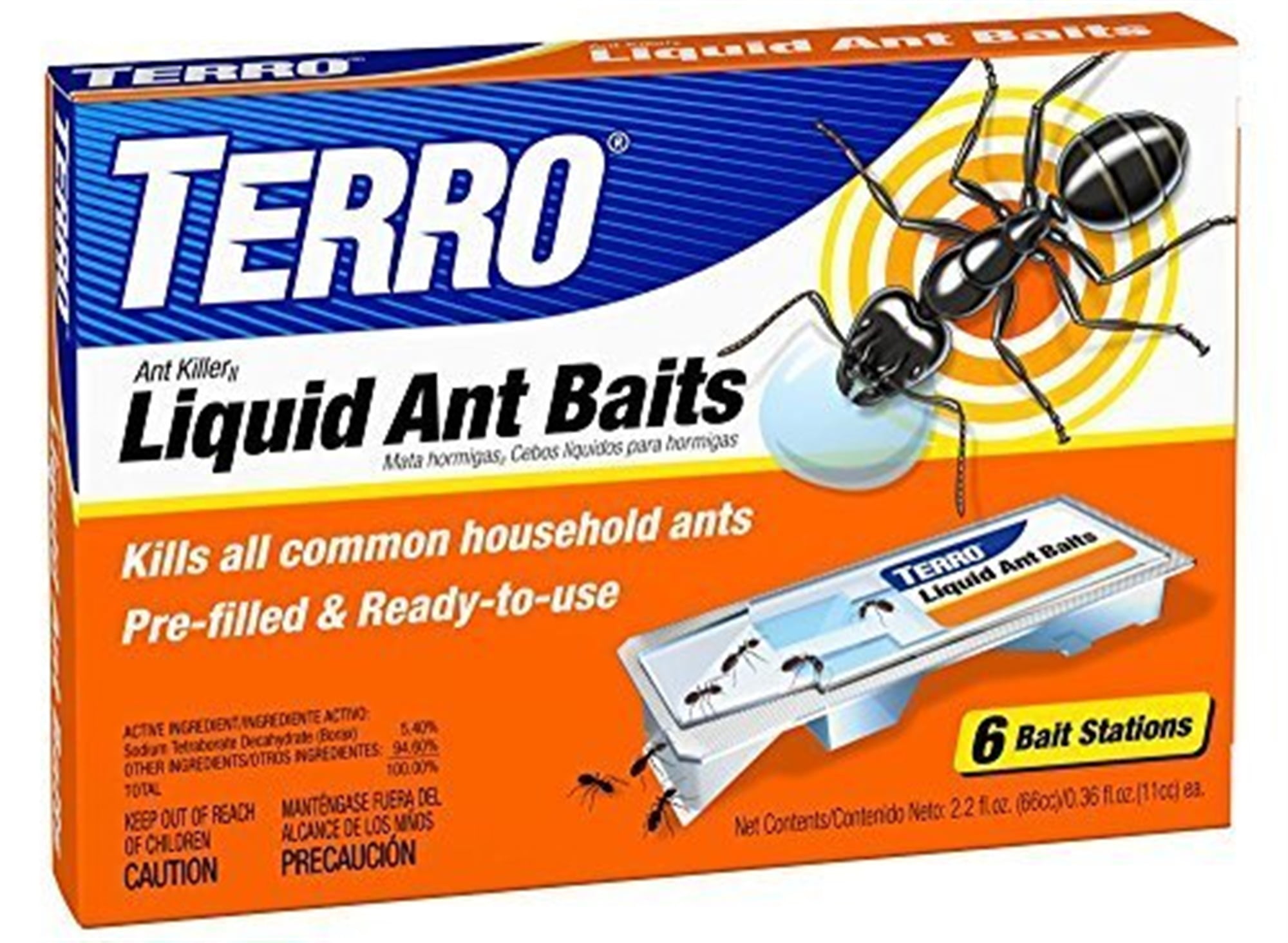
TERRO liquid ant bait is designed to use an ant colony’s own behavior against it. Worker ants search for food, find the bait, and feed on it. They can then carry food back to the nest, where other ants may consume it.
The active ingredient in many TERRO liquid ant bait products is borax-based bait. The exact formula can vary by product, so always read the current product label before use. The important point is that the bait is made to be eaten by ants rather than sprayed directly onto them.
This is why asking only whether TERRO kills ants misses part of the story. The bigger question is whether ants will eat the bait and move it through the colony. When that process works, the effect can reach beyond the ants you see on your counter.
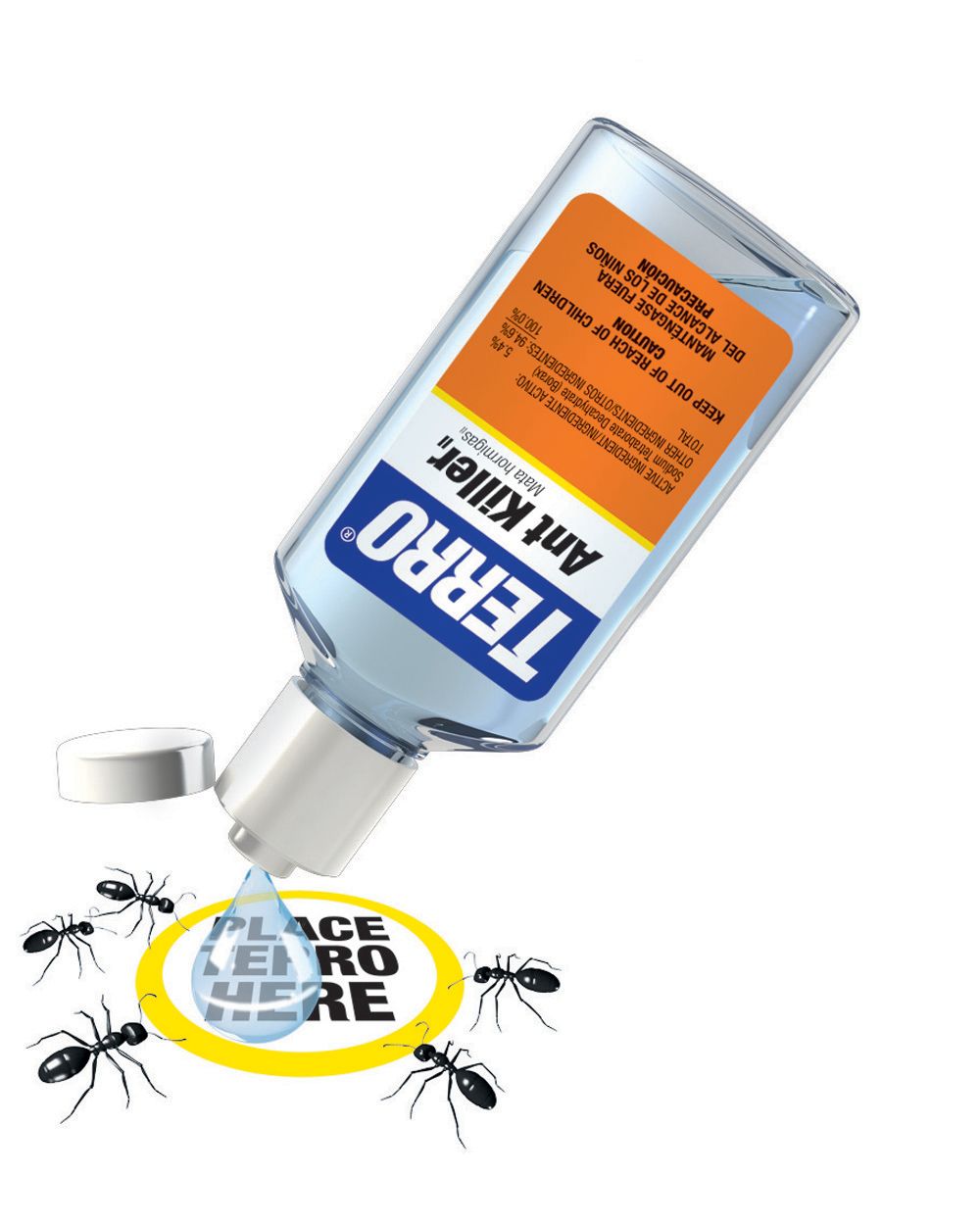
- ✦ It attracts worker ants
The sweet liquid bait is designed to attract ants that are looking for food.
- ✦ Workers feed on the bait
Ants consume the bait rather than simply contacting a sprayed surface.
- ✦ The bait can reach the nest
Worker ants may carry food back to the colony and share it with other ants.
- ✦ The process takes time
The colony may not decline right away because the bait needs time to move through the ant population.
Why Ants May Gather Around TERRO
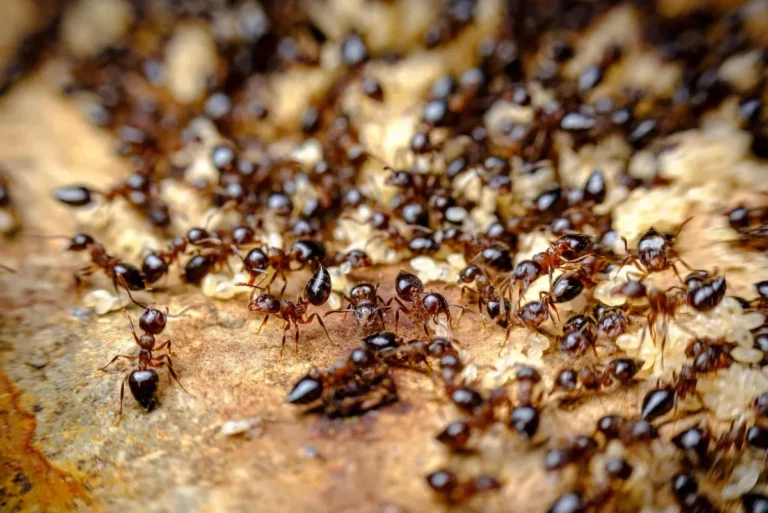
A common mistake is to place a bait station down, see more ants, and assume the product made the infestation worse. In many cases, the opposite is happening. A good bait can create a visible feeding spot because ants have found a food source.
For that reason, do not kill or spray the ants feeding on the bait unless the product label tells you to do so. You want worker ants to keep feeding and moving the bait through the colony.
- ✦ More ants at first
A visible increase can happen when ants discover and recruit others to a food source.
- ✦ Less activity later
If the bait works for the colony, ant activity should usually decline rather than remain constant.
How Long Does TERRO Ant Killer Take to Work?
TERRO is not meant to behave like a contact spray that kills an ant within seconds. The bait needs to be eaten and moved through the colony. That means visible ant activity can continue after you place the bait.
In many home situations, users may notice a change over several days rather than within a few hours. The exact timeline varies with ant species, colony size, bait use, temperature, food competition, and where the nest is located.
If you are wondering, “does TERRO ant killer work if I still see ants?” the answer can be yes. Continued feeding during the early stage is not proof of failure. Watch the trend over time instead of judging the bait after one afternoon.

- ✦ First stage
Ants find the bait and begin feeding. Activity near the station may become more noticeable.
- ✦ Middle stage
Workers continue collecting food and carrying it toward the nest.
- ✦ Later stage
If the bait reaches enough of the colony, visible activity should begin to fall.
- ✦ Possible delay
A large colony or a nest in a hard-to-reach place can take longer to affect.
When Should You Decide TERRO Is Not Working?
Do not make the decision based on a few hours of activity. First check whether ants are actually feeding on the bait and whether you placed it beside an active trail.
If there is no meaningful decline after following the label directions and giving the bait reasonable time, look for another cause. The ants may prefer a different food source, the bait may not suit that species, or the nest may require a different control method.
- ✦ Check the bait
Make sure ants can reach it and that the bait has not dried out or become contaminated.
- ✦ Check the trail
Place bait near active ant traffic rather than in a random location.
- ✦ Check competing food
Crumbs, sugar, pet food, grease, and spills can compete with the bait.
What Types of Ants Can TERRO Help Control?
TERRO liquid bait is mainly useful for ants that are attracted to its food base. Many small household ants will investigate sweet bait, which makes a liquid ant bait a practical option for indoor trails.
But ant species do not all eat the same foods at every time. Some ants may prefer protein or fat, while their food needs can change with the colony’s life cycle. This is one reason a bait that works well in one home may perform poorly in another.
Species also matter because some ants have nesting habits that make indoor bait less effective as a complete solution. If you cannot identify the ant, focus first on behavior and follow the product label.
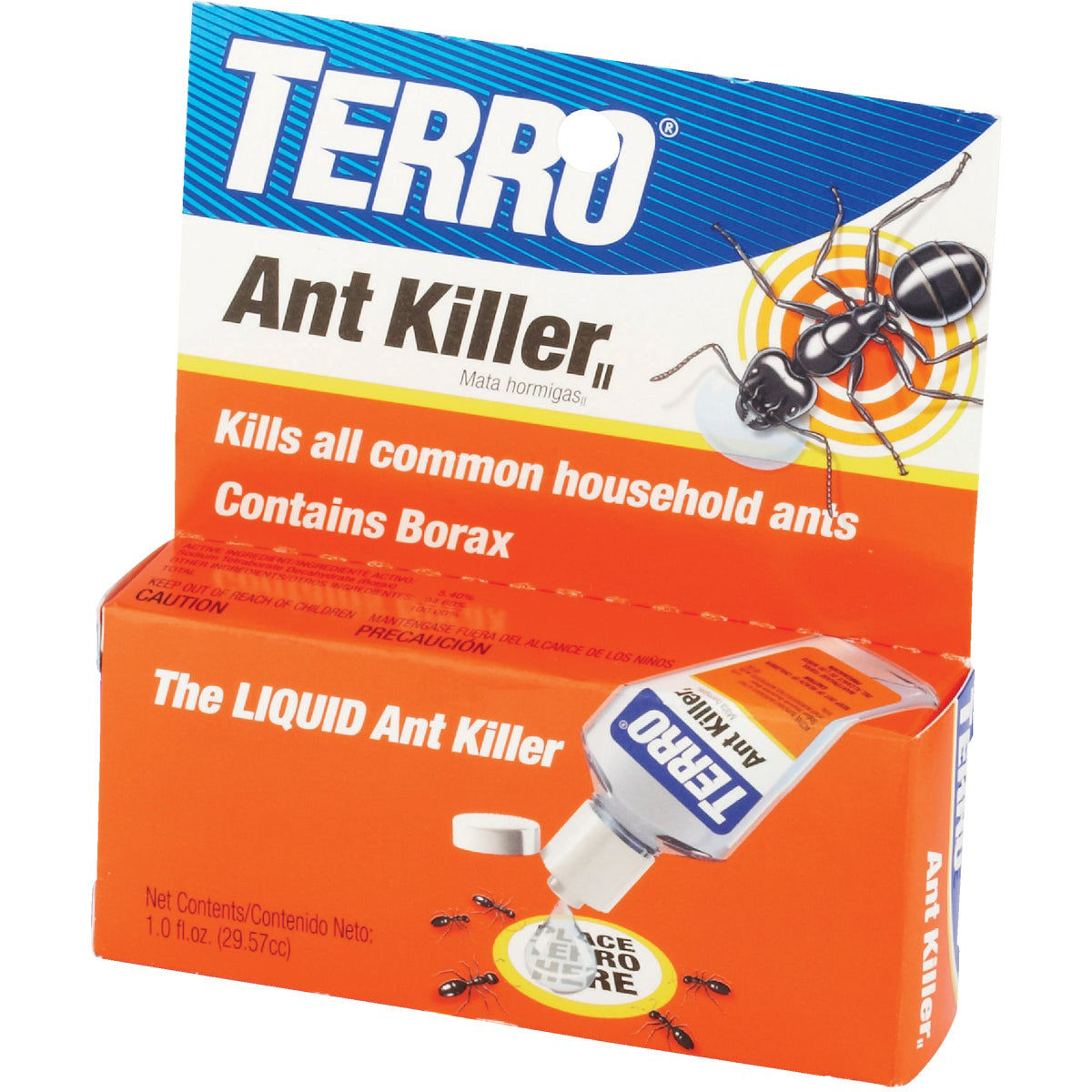
- ✦ Small household ants
Small ants that seek sweet food are often good candidates for liquid sugar-based bait.
- ✦ Ants with indoor trails
Bait can be useful when ants are actively traveling inside and feeding from the station.
- ✦ Carpenter ants
A carpenter ant problem can be more complex because nests may be associated with damp or damaged wood. Bait alone may not address the source.
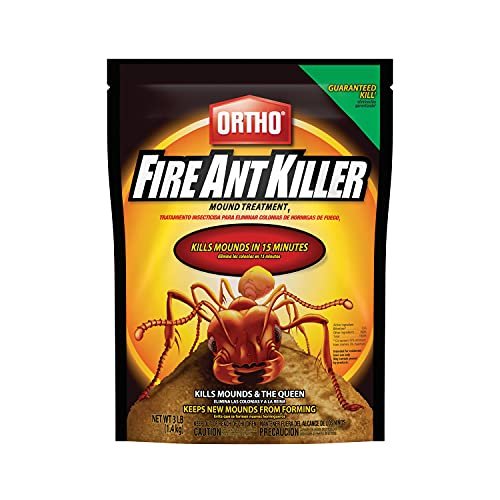
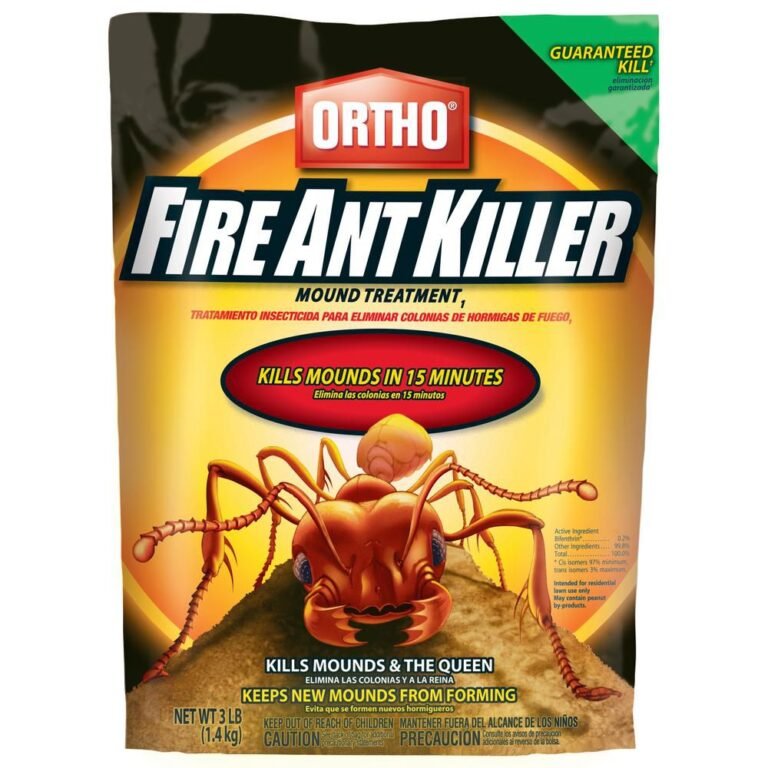
- ✦ Fire ants
Fire ants need control methods suited to outdoor colonies and local label directions. A product made for indoor liquid bait should not automatically be treated as a complete fire ant solution.
Why Ant Identification Matters
Ant control becomes easier when you know what you are dealing with. Size, color, nesting site, trail behavior, and food preference can provide useful clues, but visual identification can be difficult.
If ants keep returning despite careful bait use, consider getting help with identification. A pest professional can inspect the trail and nesting conditions and suggest a control plan that fits the species.
- ✦ Look at behavior
Notice whether ants prefer sweet food, protein, moisture, or another food source.
- ✦ Look for nesting clues
Check wall gaps, windows, foundations, soil, wood, and other areas where ants may enter or nest.
How to Use TERRO Ant Bait Correctly
Correct placement can make a major difference. Put the bait close to an active ant trail or another place where ants are already searching for food. The goal is to make the bait easy for worker ants to find without forcing them to cross a large area.
Follow the product label for the exact setup, placement, replacement, and disposal instructions. Different TERRO products can have different directions, so do not assume that one package works exactly like another.
One of the most important rules is to avoid contaminating the bait with household cleaners or insecticide spray. If ants are driven away from the bait, they cannot carry it back to the colony.

- ✦ Find an active trail
Watch where ants travel and place the bait near that route.
- ✦ Let ants feed
Avoid disturbing the bait station while ants are actively using it.
- ✦ Do not spray nearby
A contact insecticide can kill or repel ants before they carry bait into the nest.
- ✦ Remove competing food
Clean crumbs, spills, pet food, and other attractive food sources from nearby areas.
- ✦ Follow the label
Use only the amount and placement method stated on the current product label.
Where Should You Put TERRO Ant Bait?
Good spots often include areas close to active ant trails, entry points, or places where ants repeatedly appear. The bait should be accessible to the target ants but kept away from children and pets according to the label.
Do not place bait directly on food preparation surfaces unless the label specifically allows that use. When in doubt, choose a protected location and follow the package directions.
- ✦ Near active trails
This gives worker ants a better chance of finding the bait.
- ✦ Near entry points
Bait can be useful near gaps where ants enter, provided the product label permits that placement.
- ✦ Away from children and pets
Use the product only as directed and keep access controlled.
Common Reasons TERRO Ant Killer May Not Work
Even a well-designed bait can fail when the conditions are wrong. The most common problem is often not the bait itself but what happens around it. Ants may ignore the station because they have access to a more appealing food source or because the product does not match their current food preference.
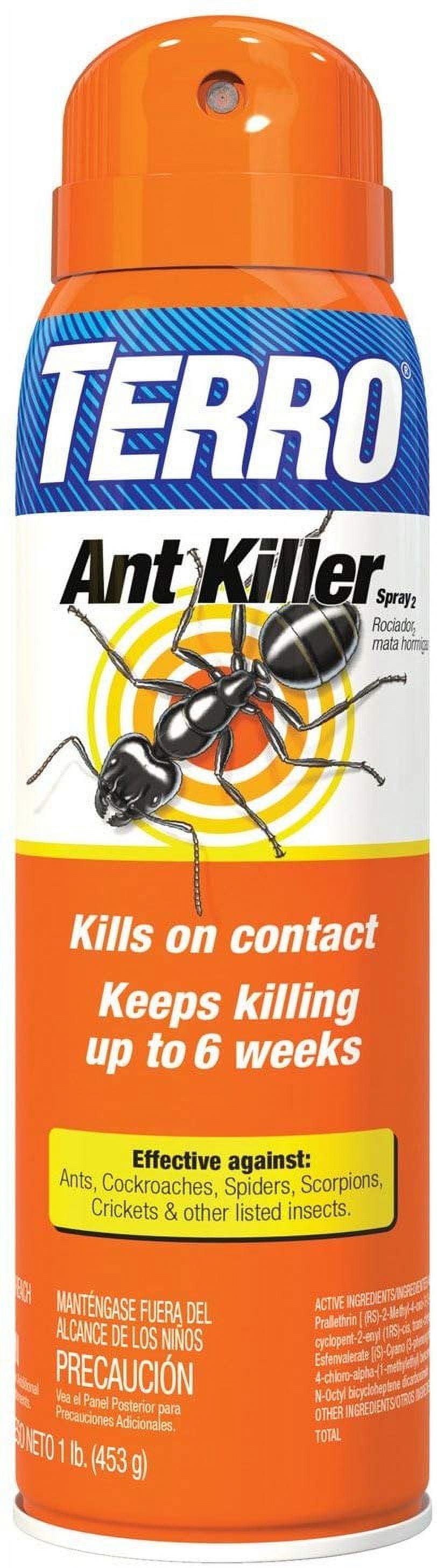
Another issue is using a contact spray at the same time. Spraying the trail may kill visible workers, but it can also prevent them from carrying bait back to the nest. That can make it harder to achieve colony-level control.
If ants keep appearing from the same place, the colony may be nearby or the building may offer an easy entry route. In that case, bait can reduce activity while sealing entry points and correcting moisture or food issues helps prevent repeat visits.
- ✦ Wrong food preference
The ants may not want the bait at that time or may prefer another food source.
- ✦ Poor bait placement
Bait placed far from active trails may be overlooked.
- ✦ Spray used nearby
Repellent or contact insecticides can disrupt normal feeding and bait transfer.
- ✦ Bait has dried out
Liquid bait needs to remain usable. Replace it according to the product directions.
- ✦ Large or hidden colony
A large nest or a colony in a wall, void, or outdoor area may need more than a simple indoor bait station.
- ✦ Easy access to food
Sugar, grease, crumbs, pet food, and other food sources can draw ants away from the bait.
Should You Kill Ants Around the Bait?
Usually, the goal is to let ants feed on the bait rather than kill them immediately. Worker ants that survive long enough to return to the nest are part of the reason bait can reach ants you never see.
This is different from using a contact spray for quick knockdown. If you need both approaches, read the labels carefully and avoid actions that repel ants from the bait station.
- ✦ For colony control
Allow feeding ants to collect and move the bait as directed.
- ✦ For immediate knockdown
A contact product may act faster, but it does not provide the same bait-transfer strategy.
TERRO Bait vs. Ant Spray: What Is the Difference?
Bait and spray solve different parts of an ant problem. A spray is designed for direct contact and can give faster visible results. A bait takes longer but is intended to use worker ants to move the active ingredient toward the colony.
This difference matters when choosing a method. If you only want to remove ants from a countertop right now, a labeled contact product may seem faster. If your goal is to reduce the colony, a properly used bait can offer a different strategy.
For many indoor ant problems, the best approach is also about prevention. Clean food spills, store food well, fix leaks, reduce entry points, and use pest products only according to their labels.
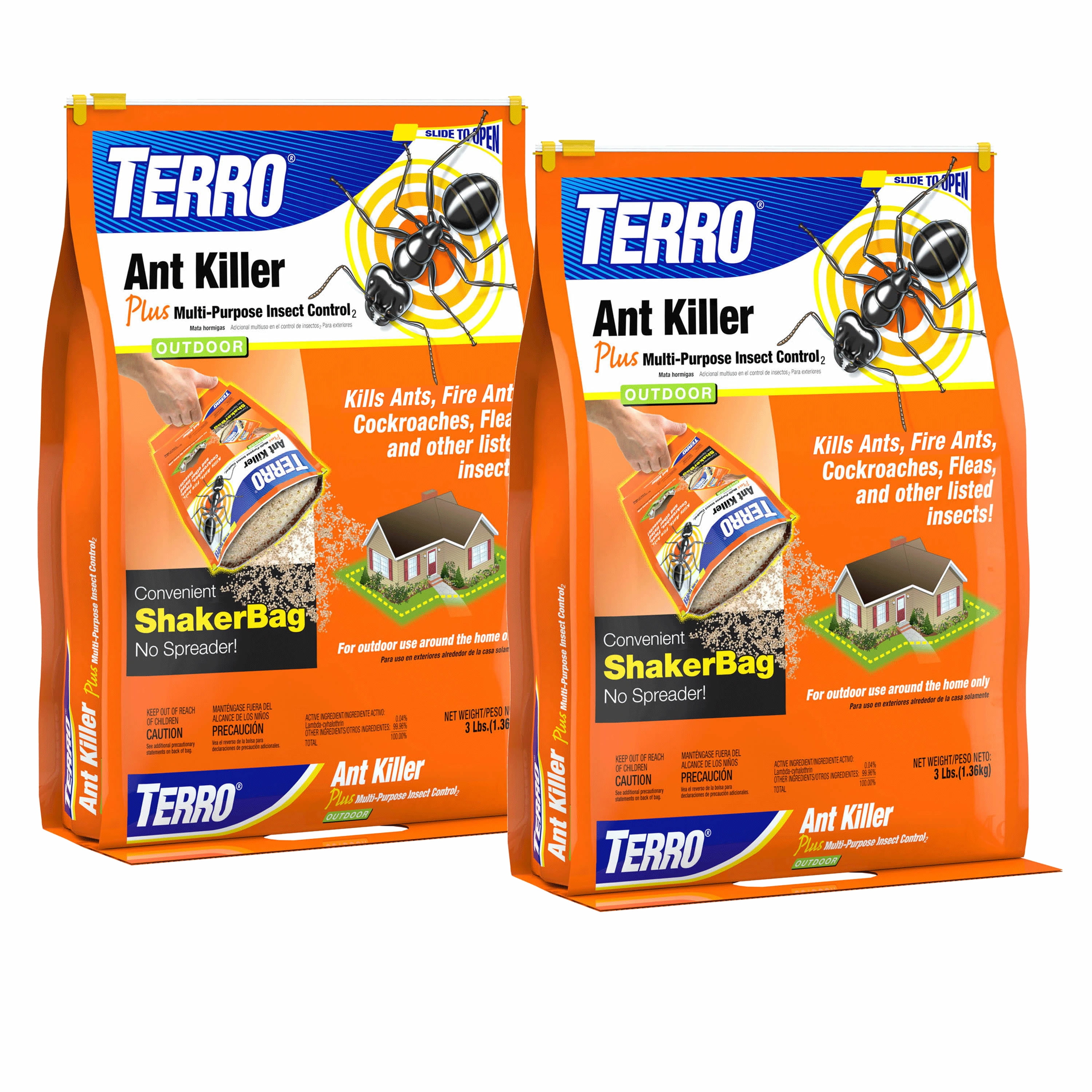
- ✦ TERRO liquid bait
Uses food-seeking behavior to encourage ants to eat and transport bait.
- ✦ Ant spray
Targets ants that contact the treated area and can provide quicker visible knockdown.
- ✦ Bait strategy
Usually makes more sense when you want to target ants beyond the visible workers.
- ✦ Prevention strategy
Cleaning, sealing gaps, and correcting moisture problems can reduce future ant activity.
Why Spraying the Ant Trail Can Backfire
When ants are actively feeding on bait, spraying them can remove the very workers you need to transport the bait. Repelling ants from the area can also interrupt their normal trail behavior.
That does not mean sprays have no place in pest control. It means the method should match the goal. Read the label and avoid combining products in ways that could reduce bait feeding.
- ✦ Fast does not always mean complete
Killing visible ants can reduce what you see without addressing ants inside the nest.
- ✦ Bait needs cooperation
The bait strategy depends on worker ants finding, eating, and moving the food.
Is TERRO Ant Killer Safe to Use at Home?
Pesticide safety depends on the specific TERRO product, its active ingredients, and how it is used. Always read the current label before placing bait in your home. The label is the main source for directions, warnings, storage, and disposal.
Keep ant bait away from children, pets, food, and food preparation areas unless the label specifically permits the placement. Do not transfer pesticide bait into food containers or other containers that could cause confusion.
If a person or pet accidentally ingests a pesticide product, follow the product label’s first-aid directions and contact the appropriate poison control or veterinary resource. Keep the package available so the active ingredient and product information can be identified.
- ✦ Read the label
Product formulas and directions can differ, so use the instructions on your exact package.
- ✦ Protect children and pets
Place bait where they cannot reach it and follow all label restrictions.
- ✦ Protect food
Keep pesticides away from food and food preparation areas unless the label says otherwise.
- ✦ Store products safely
Keep unused pesticide products in their original containers and follow storage directions.
When Should You Call a Pest Professional?
Consider professional help when ants keep returning despite careful bait use, when you cannot find the source, or when you suspect a nest inside a wall or damaged wood. Professional inspection can help identify the species and nesting conditions.
Get prompt help when the problem involves a large infestation, structural concerns, or pests that you cannot safely manage with a consumer product. A professional can also help build a broader prevention plan.
- ✦ Repeated infestations
Ants return again and again even after correct bait use and basic prevention.
- ✦ Hidden nesting
You suspect ants are nesting inside walls, ceilings, insulation, or damaged wood.
- ✦ Unclear species
You cannot identify the ants and the treatment response does not make sense.