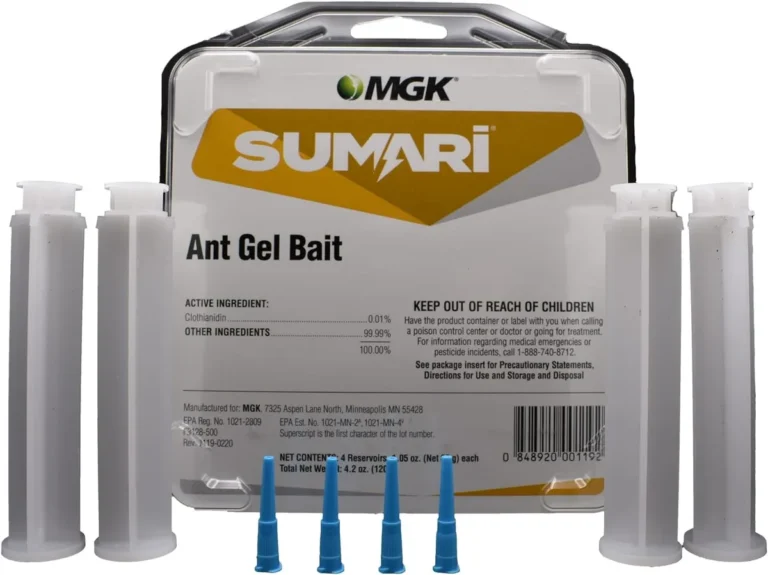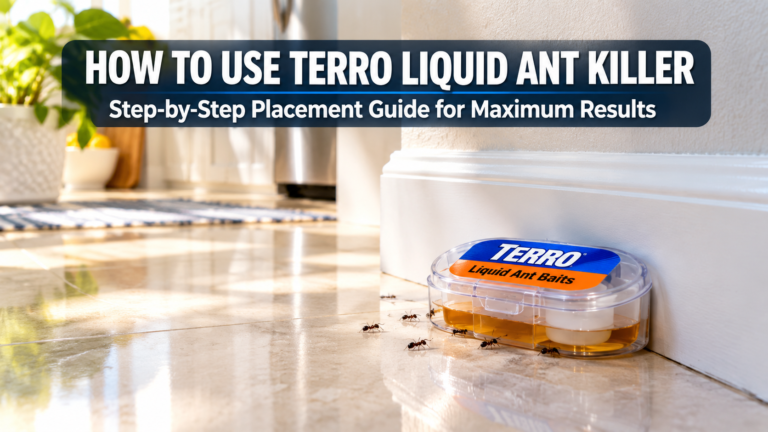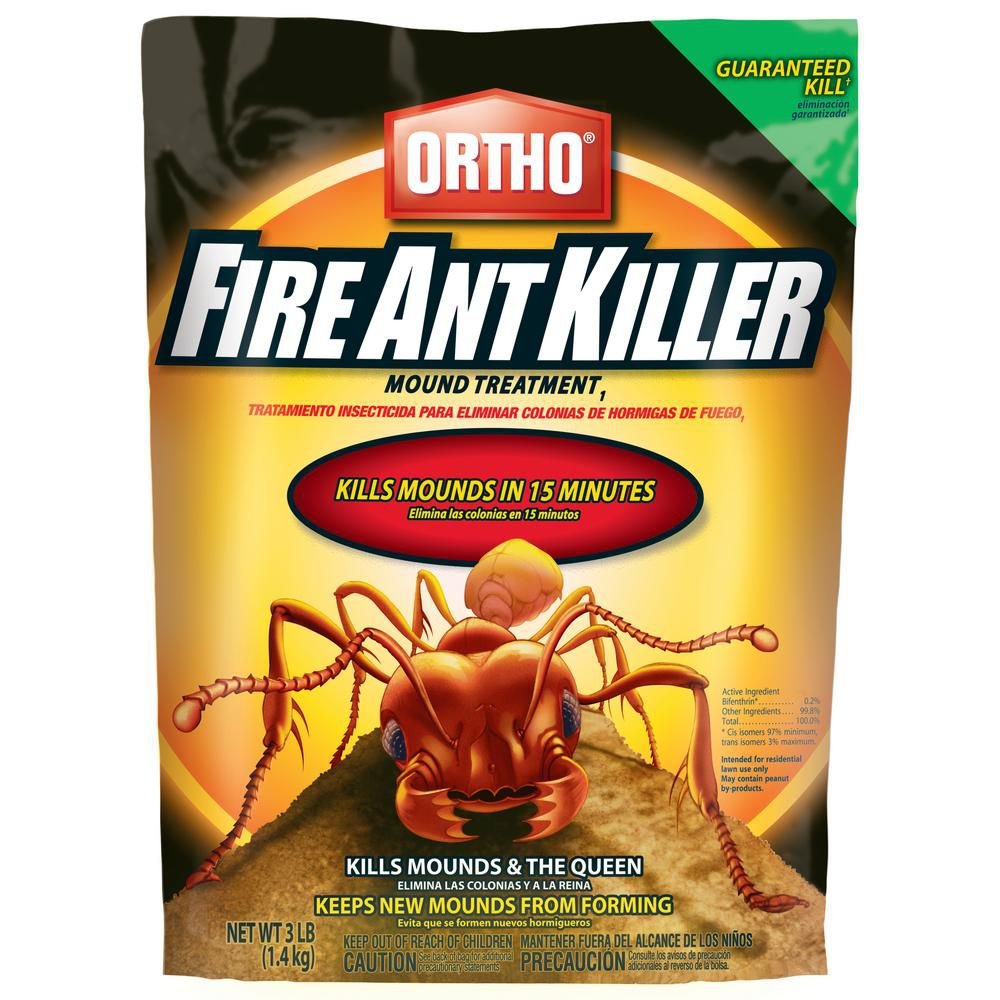
Will Fire Ant Killer Kill Regular Ants? What You Need to Know
If you are asking, “will fire ant killer kill regular ants,” the short answer is **sometimes**. The label matters more than the words “ant killer” on the front of the package. Different ant species can prefer different foods, and a bait that works well for red imported fire ants may not attract pavement ants, odorous house ants, Argentine ants, or carpenter ants in the same way.
The same rule applies to both indoor and outdoor pest control. A product can contain an insecticide that harms ants but still perform poorly if the ants do not find the bait attractive. In U.S. homes and yards, the best approach is to identify the ant, check the product label, and then use a treatment made for that pest and location.

Will Fire Ant Killer Kill Regular Ants?
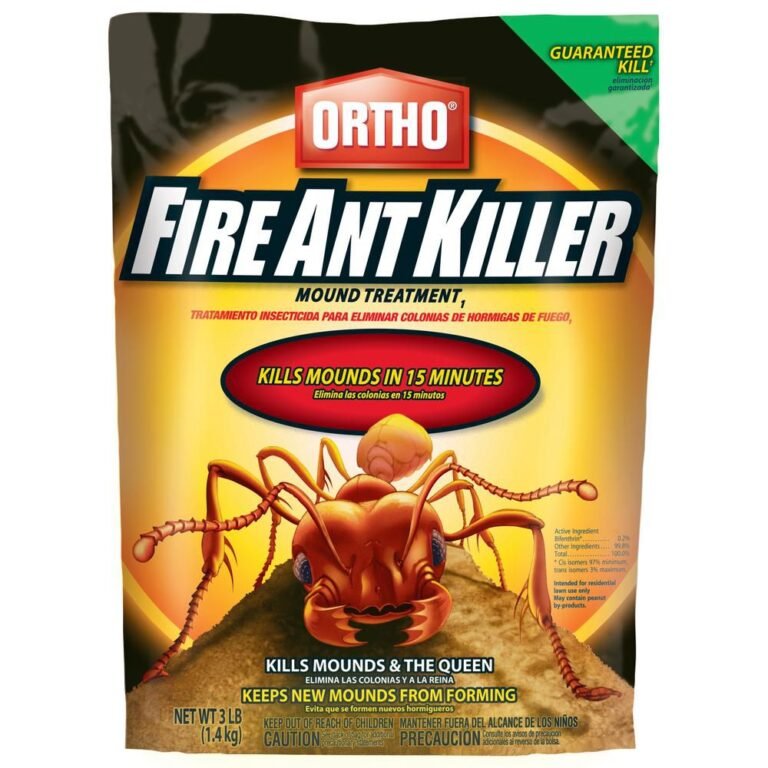
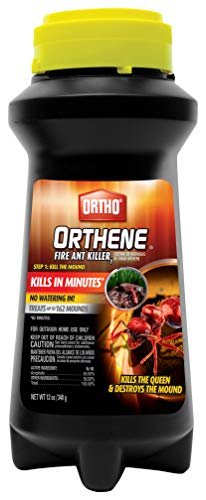
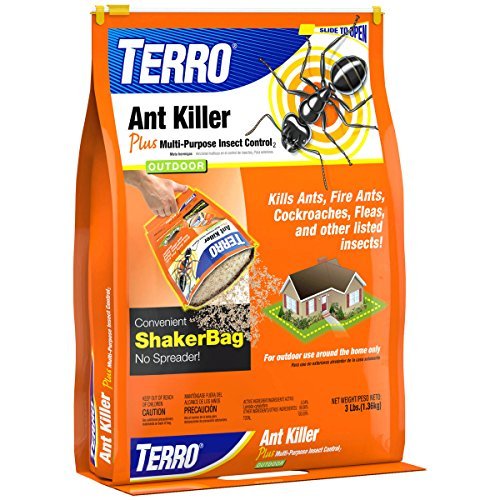
The answer depends on what you mean by “fire ant killer.” Some products are broad ant insecticides and can affect several ant species. Others are fire ant baits made with food ingredients that strongly attract fire ants but may not appeal to common household ants.
This is why **will fire ant killer kill regular ants** does not have one answer for every product. An insecticide may be toxic to many ants, yet the product may still fail as a practical treatment if the target ants do not eat the bait.
Fire ant baits also use a different strategy from many contact sprays. Workers find the bait, carry it into the colony, and share it with other ants. Some products work slowly so the bait can spread through the colony before the workers die.
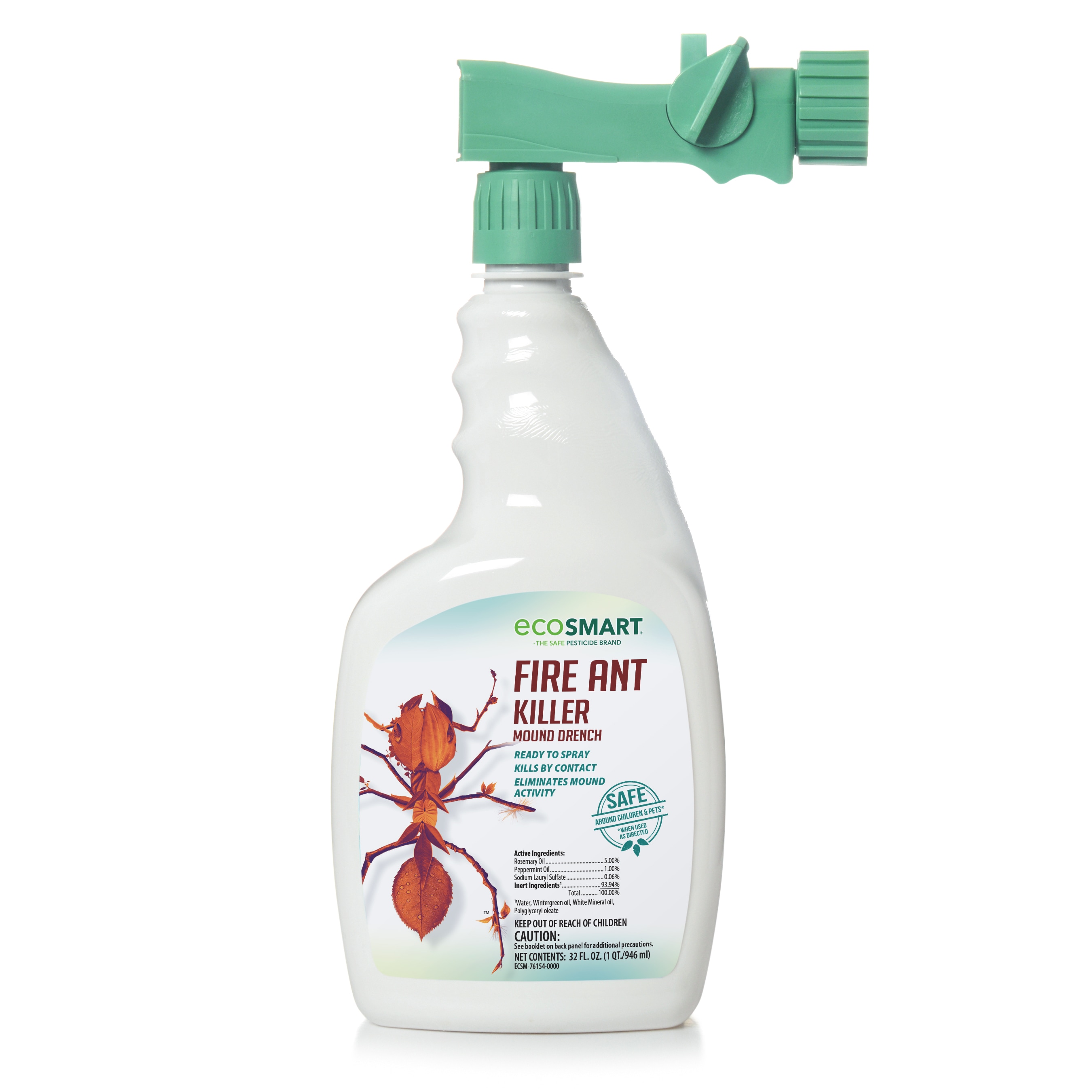
- ✦ The active ingredient
Ingredients such as hydramethylnon, indoxacarb, spinosad, methoprene, and pyriproxyfen are used in different ant control products. Their effects and approved uses vary by product.
- ✦ The bait formula
The food part of a bait matters. Ants may prefer sugar, protein, grease, or other food sources at different times and under different conditions.
- ✦ The ant species
Fire ants, pavement ants, odorous house ants, Argentine ants, and carpenter ants do not always respond to the same bait.
- ✦ The product label
The label tells you which pests the product is designed to control and where you can legally use it. Follow that label rather than guessing from the product name.
Why a Fire Ant Product May Work on One Ant but Not Another
Ants have different feeding habits and colony behavior. A fire ant worker may eagerly collect a certain granular bait while an odorous house ant may show little interest. Even when both species encounter the same insecticide, the treatment may not work equally well.
This is a key point when comparing fire ant control with regular ant control. **Will fire ant killer kill regular ants?** It may kill individual ants that contact or eat it, but reliable colony control requires the ants to accept the treatment and carry enough of it back to the nest.
- ✦ Attraction comes first
An ant cannot be controlled by a bait it refuses to eat or carry.
- ✦ Colony habits matter
Some ant species share food differently or have nesting habits that make certain baits more or less useful.
How Fire Ant Bait Works
Fire ant bait is not simply a stronger version of ordinary ant spray. It is usually a slow-acting treatment built around food. Worker fire ants collect the granules and take them back to the nest, where the bait can move through the colony.
This slow action is important. If the worker dies too quickly, it may never return to the nest. A delayed effect gives the colony time to receive the toxic material.
Some fire ant baits use insecticides that kill ants after they feed. Others use insect growth regulators that disrupt the development of young ants. Some products combine more than one type of active ingredient.
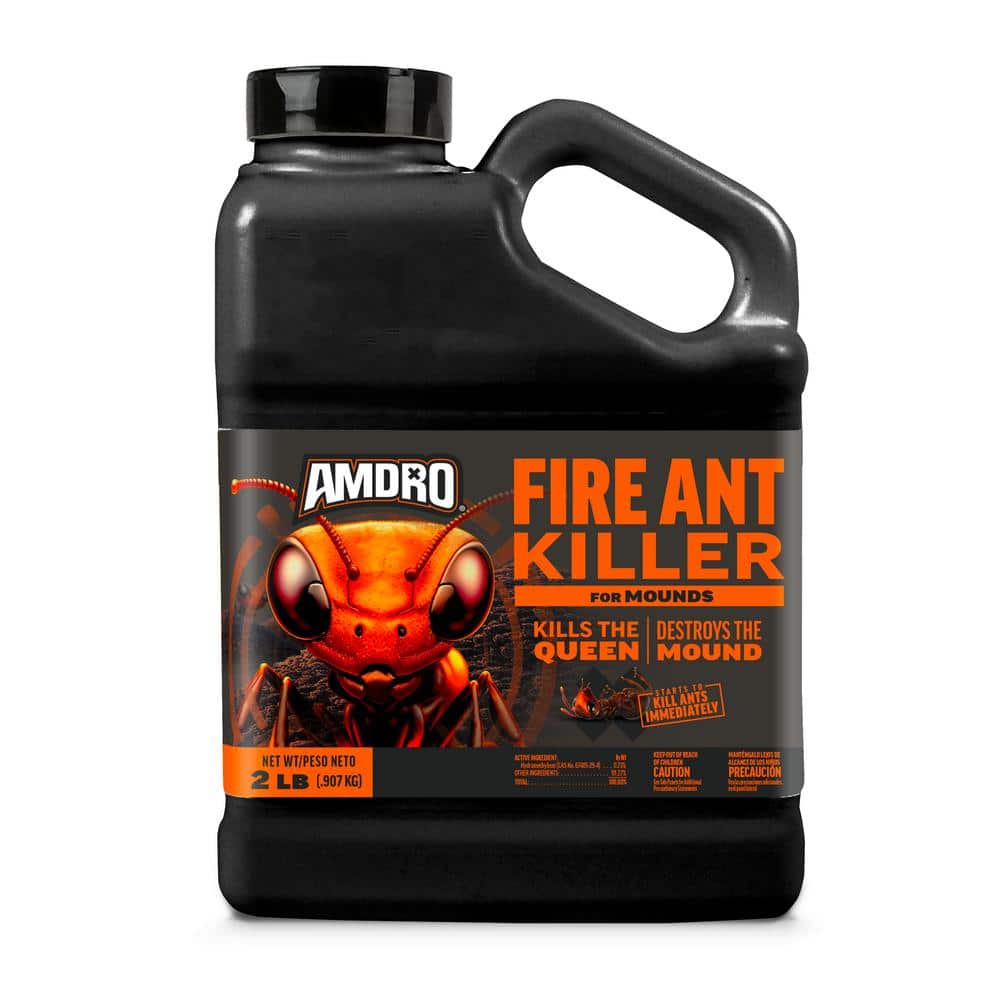
- ✦ Workers collect the bait
Foraging ants find food-like granules and carry them toward the colony.
- ✦ The bait enters the colony
Workers share food with other colony members, allowing the active ingredient to spread.
- ✦ The colony declines
Depending on the active ingredient, the treatment may kill workers, affect immature ants, or eventually eliminate the queen and colony.
Why Slow-Acting Bait Can Be Better Than Fast Contact Kill
Seeing dead ants quickly can feel like success, but killing only the ants you see does not always solve a colony problem. A colony may contain many workers and reproductive ants underground or inside a wall.
A properly chosen bait can reach ants that never come into direct contact with a spray. That is why bait control is often used when the goal is to reduce an entire colony rather than only kill visible workers.
- ✦ Contact treatment
Usually works on ants that directly contact the treated surface or spray.
- ✦ Bait treatment
Relies on ants finding, eating, and sharing the bait with the colony.
Fire Ant Killer vs. Regular Ant Killer
The biggest difference is often the target pest and the bait design. A product sold specifically for fire ants may be tested and labeled for fire ant control, while a household ant bait may name species such as odorous house ants, pavement ants, Argentine ants, or other common ants.
If your goal is to control ants around a kitchen, bathroom, garage, patio, or foundation, do not assume that a lawn fire ant product is the right choice. The product may have a different food base, application method, concentration, or approved use.
When people ask **will fire ant killer kill regular ants**, they often want to know whether one bag can solve every ant problem. In practice, one product may control several species, but you should confirm the listed pests before applying it.

- ✦ Fire ant bait
Usually targets fire ants in lawns, landscapes, or other outdoor areas listed on the label.
- ✦ Household ant bait
Often targets ants that invade buildings and may be formulated for indoor or perimeter use.
- ✦ Broad-spectrum insecticide
May affect many insects, including ants, but the approved pests and application sites still depend on the label.
- ✦ Contact spray
Can provide fast knockdown of exposed ants but may not eliminate the hidden colony.
Can Fire Ant Killer Kill Pavement Ants?
It can, but the answer depends on the product. Pavement ants may eat some ant baits, yet a fire ant bait is not automatically a good pavement ant treatment. Check whether pavement ants or general ants are listed on the current product label.
For ants entering a home, a bait made for household ants may be more suitable than a lawn product. The correct product also depends on whether the ants are nesting indoors, outdoors, or along the building perimeter.
- ✦ Do not judge by the name
A product called fire ant killer may not be labeled for every common ant species.
- ✦ Match the pest to the label
Choose a product that specifically lists the ant you need to control or gives an appropriate broader ant claim.
Can Fire Ant Killer Kill Odorous House Ants?
It may kill exposed odorous house ants if they consume an effective insecticide, but that does not mean the product will provide reliable colony control. Odorous house ants can have complex nesting patterns and may respond better to baits designed for household ants.
If you see long trails of small ants inside your home, focus on finding the food source and entry point while using a labeled ant bait. Spraying every visible ant can scatter workers and may not reach the colony.
- ✦ Look for trails
Ant trails can lead you toward food, water, nesting areas, or entry points.
- ✦ Use the right bait
Household ant baits are often a better match for indoor ant problems than outdoor fire ant granules.
Which Active Ingredients Matter?
The active ingredient can tell you a lot about how an ant killer works, but it is not the only factor. The product formulation, bait food, concentration, target pest, and application site all affect the result.
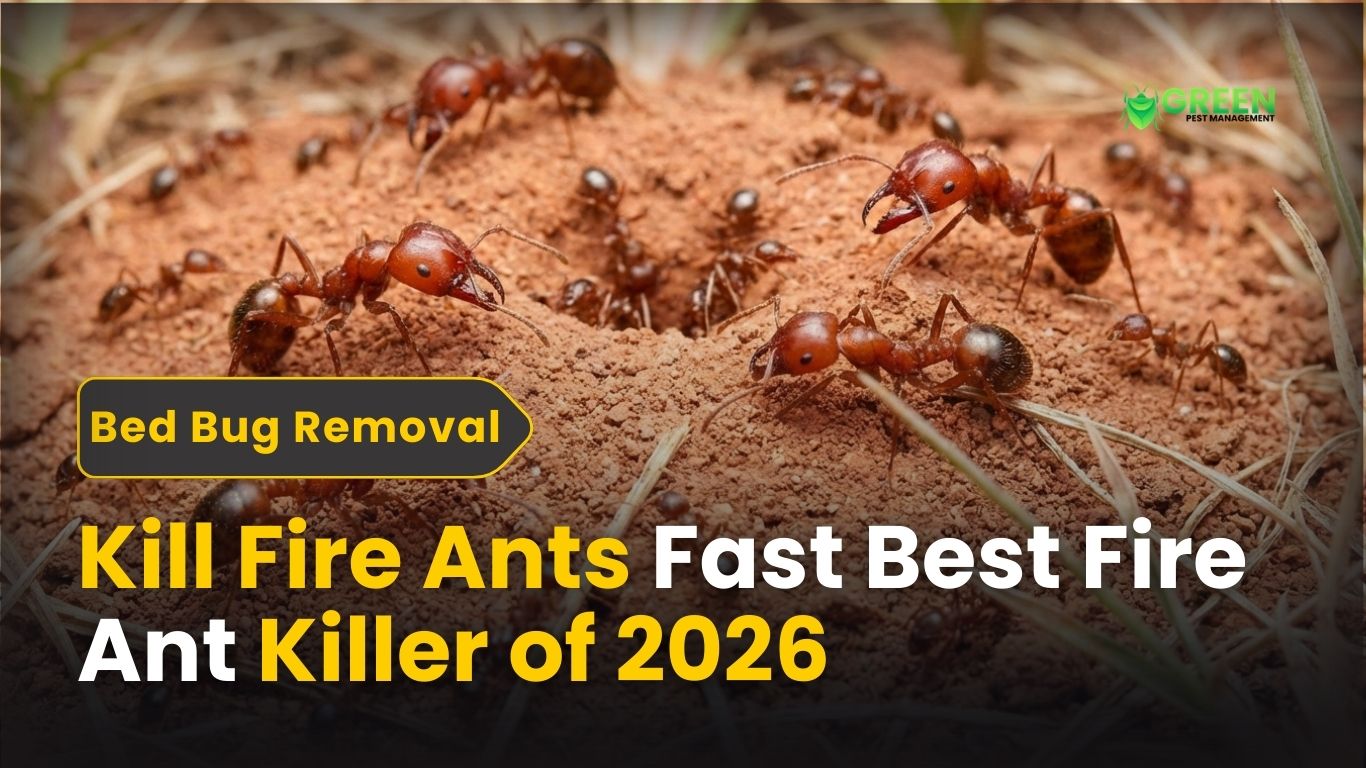
Common active ingredients used in fire ant control include hydramethylnon, indoxacarb, spinosad, methoprene, pyriproxyfen, and metaflumizone in various products and markets. A product’s exact label determines how that formulation may be used.
This also explains why searching only for the strongest insecticide can be misleading. **Will fire ant killer kill regular ants?** The answer can change when the same active ingredient appears in a different bait or product designed for a different ant species.
- ✦ Hydramethylnon
Used in some ant baits and works after ants consume the bait. It is found in products designed for specific ant control uses.
- ✦ Indoxacarb
Used in some fire ant baits and other insect control products. It becomes active after the insect consumes and processes the material.
- ✦ Spinosad
A naturally derived insecticide used in some fire ant bait products. It affects insects after ingestion.
- ✦ Methoprene and pyriproxyfen
These are insect growth regulators. They work by disrupting insect development rather than acting like a simple fast contact spray.
Why the EPA Label Matters
In the United States, pesticide labels are not just marketing text. The label gives legally approved directions for use, including target pests, application sites, rates, warnings, and other restrictions.
Before using any fire ant killer on regular ants, read the current label. If your ant species or treatment site is not covered, choose a product that is.
- ✦ Check the target pest
Look for the exact ant species or a broad ant-control claim that covers your situation.
- ✦ Check the application site
A product approved for lawns may not be approved for indoor surfaces, vegetable gardens, or other locations.
- ✦ Follow the rate
Using more product does not automatically improve control and can increase pesticide exposure or damage.
How to Choose the Right Ant Killer for Your Problem
Start with the ant, not the product. If you see large mounds in a sunny lawn and the ants sting aggressively, fire ants may be the target. If you see tiny ants marching along a kitchen counter, you may be dealing with a household species that needs a different bait.
Next, decide whether you need bait, a contact treatment, or both. For colony control, bait often has an important advantage because workers can carry it back to the nest. For an immediate problem, a labeled contact treatment may provide faster visible results.
If you still wonder **will fire ant killer kill regular ants**, use the label as the final test. Do not assume that a product works on every ant just because it contains an insecticide.
- ✦ Identify the location
Note whether the ants are inside the home, around the foundation, in the lawn, on a patio, or in a garden.
- ✦ Identify the ant if possible
Size, color, behavior, nesting site, and sting or bite response can help narrow down the species.
- ✦ Choose the right formulation
Use bait when colony feeding behavior makes it suitable, and use contact products when the label and situation call for direct treatment.
- ✦ Read the label
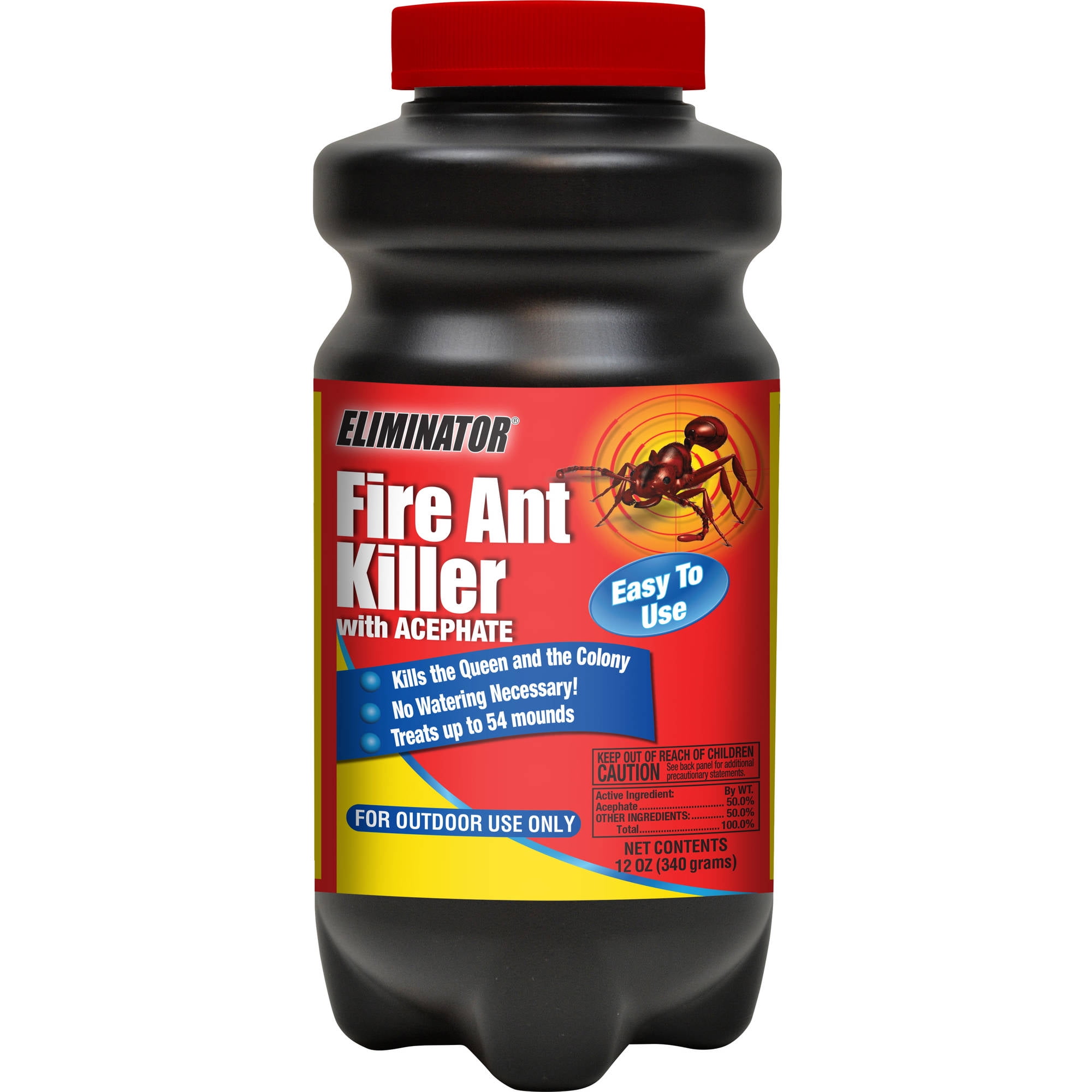
Confirm the pest, application area, dose, safety directions, and restrictions before treatment.
- ✦ Give bait time
A bait is not supposed to act like a fast spray. Avoid disturbing bait trails unless the product label tells you to do so.
A Simple Example for a U.S. Homeowner
Imagine you find fire ant mounds across a Southern lawn. A fire ant bait labeled for lawns may be a logical option because the workers forage for the granules and take them back to their colonies. The goal is not simply to kill ants sitting on the mound.
Now imagine small ants appearing around the kitchen sink. Sprinkling fire ant granules indoors would be the wrong approach unless the product label specifically allows that use. A household ant bait labeled for indoor use is a much better starting point.
- ✦ Outdoor fire ant problem
Look for a fire ant bait labeled for your lawn or landscape and follow the broadcast or mound directions.
- ✦ Indoor household ant problem
Use an indoor ant product that specifically permits the location and target pest.
Common Mistakes That Make Ant Treatment Fail
Many failed ant treatments are not caused by a weak insecticide. They happen because the wrong product is used, the bait is applied incorrectly, or the colony is disturbed before the treatment can work.
One common mistake is treating only the ants that are easy to see. Another is using too much bait. With many fire ant baits, the correct application rate is quite small, so more product is not better.
Weather can also matter. Rain or irrigation soon after a granular bait application can reduce bait attractiveness or move the product. Always follow the product’s label for timing, watering, and reapplication.
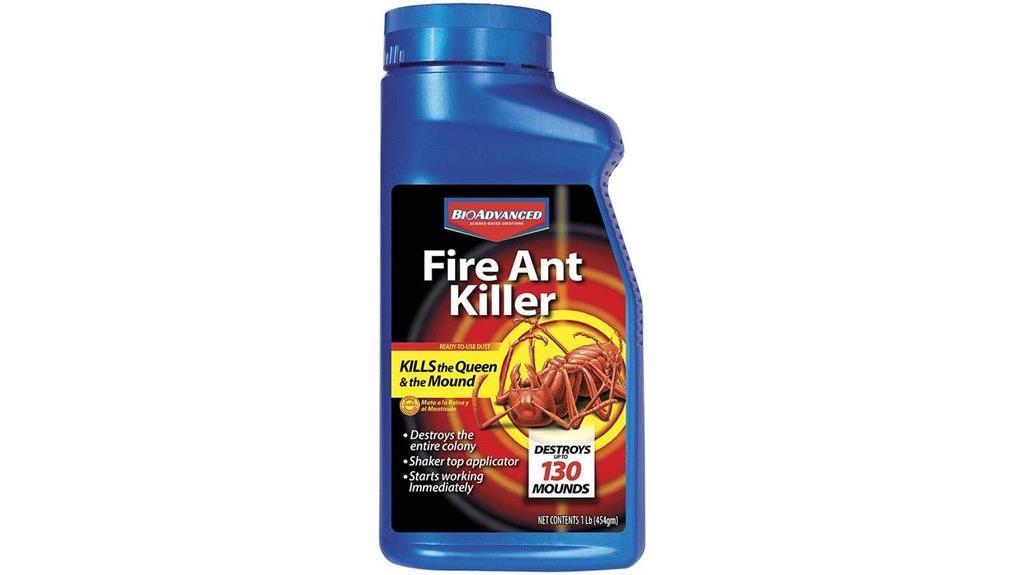
- ✦ Using a fire ant bait indoors
Do not use an outdoor lawn product inside unless its label specifically allows indoor use.
- ✦ Applying too much bait
More pesticide does not guarantee faster or better control and can create unnecessary exposure.
- ✦ Treating only visible ants
The colony may remain hidden in soil, wall voids, mulch, pavement cracks, or other protected areas.
- ✦ Spraying bait trails immediately
If you are using a colony-killing bait, killing or repelling workers before they carry it home can reduce the value of the bait treatment.
- ✦ Ignoring food and water
Crumbs, pet food, leaks, trash, and standing water can keep attracting ants even after pesticide treatment.
- ✦ Skipping the label
A product’s legal directions are specific to its formulation. Always use the current label as the main guide.
What to Do If the Ants Keep Coming Back
Recurring ants often mean the colony has not been reached or the conditions attracting the ants have not changed. Check for food, moisture, cracks, vegetation touching the building, and nearby nests.
For serious or repeated infestations, especially when ants are entering wall voids or damaging structures, a licensed pest professional can help identify the species and nesting site. Species identification can save time because different ants can need very different control plans.
- ✦ Remove food sources
Keep food sealed, clean crumbs quickly, and manage pet food and garbage.
- ✦ Fix moisture problems
Repair leaks and reduce damp areas near the building when possible.
- ✦ Seal entry points
Caulk cracks and gaps around doors, windows, pipes, and other openings where practical.
Safety Tips for Using Fire Ant Killer and Other Ant Pesticides
Pesticides can be useful tools, but they should be handled with care. Keep children and pets away from treated areas when the product label requires it, and store pesticides in their original containers.
Never mix different pesticides unless the label specifically allows the combination. Do not increase the dose because you want faster results. The correct rate is part of the product’s tested directions.
If a product is intended for outdoor fire ant control, do not bring it indoors simply because it contains an ingredient that can kill ants. The application site is part of the label.

- ✦ Read before use
Read the entire label before opening or applying the product.
- ✦ Protect people and pets
Follow all label directions about protective equipment, re-entry, pets, children, and treated areas.
- ✦ Keep the container
Store the pesticide in its original labeled container and keep it away from food, children, and animals.
- ✦ Do not improvise
Do not use a product on a crop, indoor surface, lawn, or other site unless that use appears on the label.
- ✦ Seek professional help when needed
For large infestations, hard-to-identify ants, or ants linked to structural damage, consider contacting a licensed pest professional.
When You Should Not Use Fire Ant Killer
Do not use a fire ant product simply because it is available and the label says it kills ants. If the product does not list your target pest or treatment area, choose another product.
This is especially important around edible plants, ponds, play areas, pet spaces, and indoor living areas. Different products have different restrictions, so there is no single safe application rule for every fire ant killer.
- ✦ Unknown application site
Stop and check the label before treating a location that is not clearly listed.
- ✦ Food crops
Use only products whose labels permit the specific crop and application method.
- ✦ Sensitive areas
Take extra care around children, pets, water, wildlife, and areas where people spend time.