Does Fire Ant Killer Work on Regular Ants? What You Need to Know
If you see ants in your yard, driveway, patio, or home, it is tempting to grab the fire ant killer already sitting in the garage. But the answer to “does fire ant killer work on regular ants” is not simply yes or no. Different ant killers use different active ingredients, bait foods, and ways of reaching the colony.
The key issue is the product label. Some fire ant products are made only for fire ants. Others list several ant species and can control both fire ants and other ants. A product that kills fire ants does not automatically work on every ant that you may find around a U.S. home.
A practical pest-control rule is simple: identify the ant, check the active ingredient and formulation, then read the label for the exact ant species and place where you plan to use it. This small step can prevent wasted product and can also help avoid unsafe pesticide use.
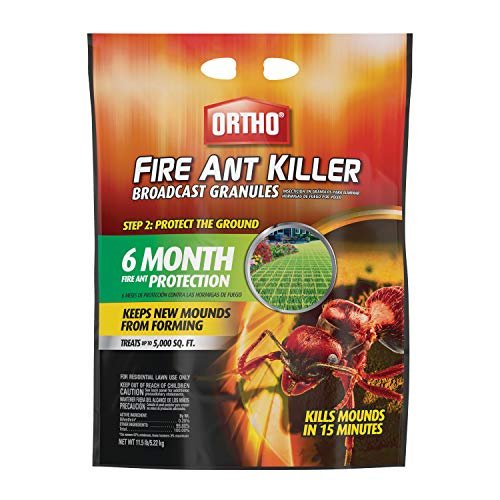
:max_bytes(150000):strip_icc()/ortho-insect-killer-granules-020550605-64_1000-654edb341bf4458ebdfe7a6b2421e0d3.jpg "Granular ant killer used for outdoor pest control")
Does Fire Ant Killer Work on Regular Ants?
The short answer is: **sometimes**. Whether fire ant killer works on regular ants depends on what the product contains and which ants you are trying to control. The words “fire ant killer” describe the target use of a product, not a guarantee that it will kill every ant species.
Many fire ant products contain insecticides that affect a wide range of insects. For example, some products use contact insecticides such as bifenthrin. Other products use slow-acting bait ingredients such as hydramethylnon, methoprene, or spinosad. These products behave very differently once ants encounter them.
A product may therefore kill a pavement ant, field ant, or other listed species while another fire ant product may not be labeled for that species at all. The safest answer to does fire ant killer work on regular ants is to check the label rather than judge the product by its name.
- ✦ Check the ant species
Common outdoor and household ants include pavement ants, odorous house ants, little black ants, field ants, Argentine ants, and carpenter ants. Their behavior and food preferences differ.
- ✦ Check the active ingredient
The active ingredient helps explain how the product works, but it does not replace the label. The label tells you where, how, and against which pests the product may legally be used.
- ✦ Check the formulation
Granules, bait, dust, and liquid sprays can have very different uses. A product designed for fire ant mound treatment may not be suitable for an indoor ant trail.
- ✦ Check the label
Use only the pest, site, rate, and application method listed on the product label. In the United States, the pesticide label is a key safety and legal guide.
Why the Product Name Can Be Misleading
A product called fire ant killer may contain an insecticide that affects other ants. Yet the manufacturer may have tested and labeled it only for fire ants or selected outdoor pests. That means the product name alone cannot tell you whether it is the right choice for a regular ant problem.
This distinction matters because pesticide performance is not just about whether a chemical can kill an insect. The dose, delivery method, ant behavior, placement, and label-approved use all affect the result.
Why Some Fire Ant Killers Work on Other Ants
The reason some fire ant killers can affect regular ants is that many insecticides are not limited to one ant species. If a contact insecticide reaches a susceptible ant, the chemical can interfere with its nervous system or other biological processes, depending on the active ingredient.
For example, bifenthrin is a pyrethroid insecticide used in some outdoor fire ant products. Certain bifenthrin products are labeled for fire ants and other listed ants. This shows why the exact product label matters more than the phrase “fire ant killer.”
However, killing an individual worker is not the same as controlling an entire colony. If ants keep entering your home, killing visible workers may give short-term relief while the nest remains active.
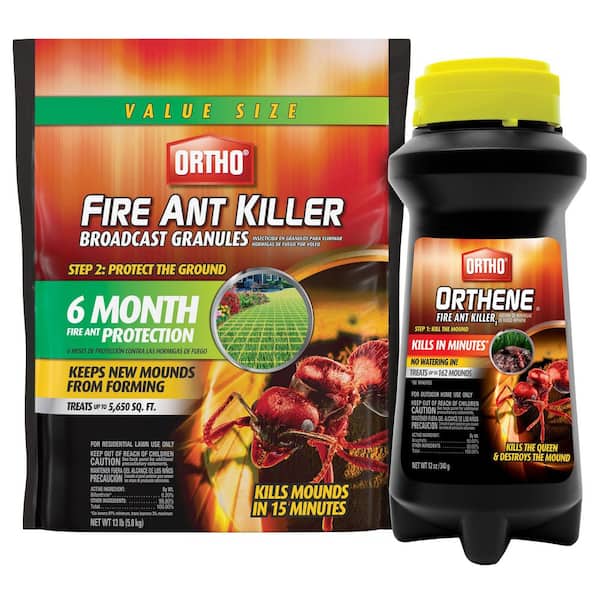
- ✦ Contact action
A contact insecticide can kill ants that encounter a treated surface or sufficient dose. It may provide quick visible control when used according to the label.
- ✦ Residual action
Some outdoor insecticides remain active on treated surfaces for a period of time. Weather, sunlight, soil, and the product formulation can affect how long they remain effective.
- ✦ Species coverage
A product can have broad insecticidal activity but still have a label that names only certain pests. Do not assume that broad chemical activity means every ant is covered.
The Difference Between Killing Ants and Controlling a Colony
Ant colonies can contain workers, brood, and one or more reproductive ants, depending on the species. A spray that kills workers outside the nest may not remove the source of the infestation.
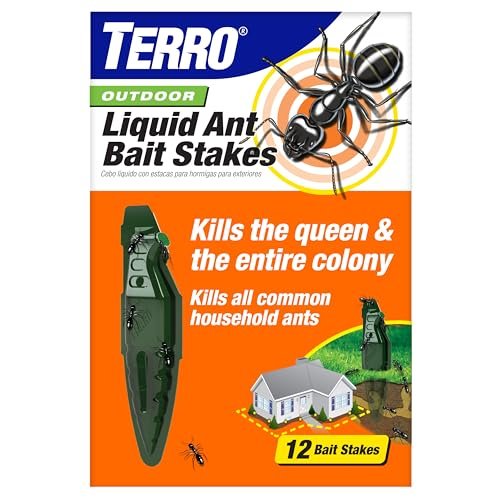
This is why bait can be useful for some ant problems. Worker ants collect food and may carry suitable bait back to the nest. A properly designed slow-acting bait can then spread through the colony. But the bait must appeal to that ant species, and the product must be labeled for that pest and location.
Fire Ant Bait vs. Regular Ant Bait
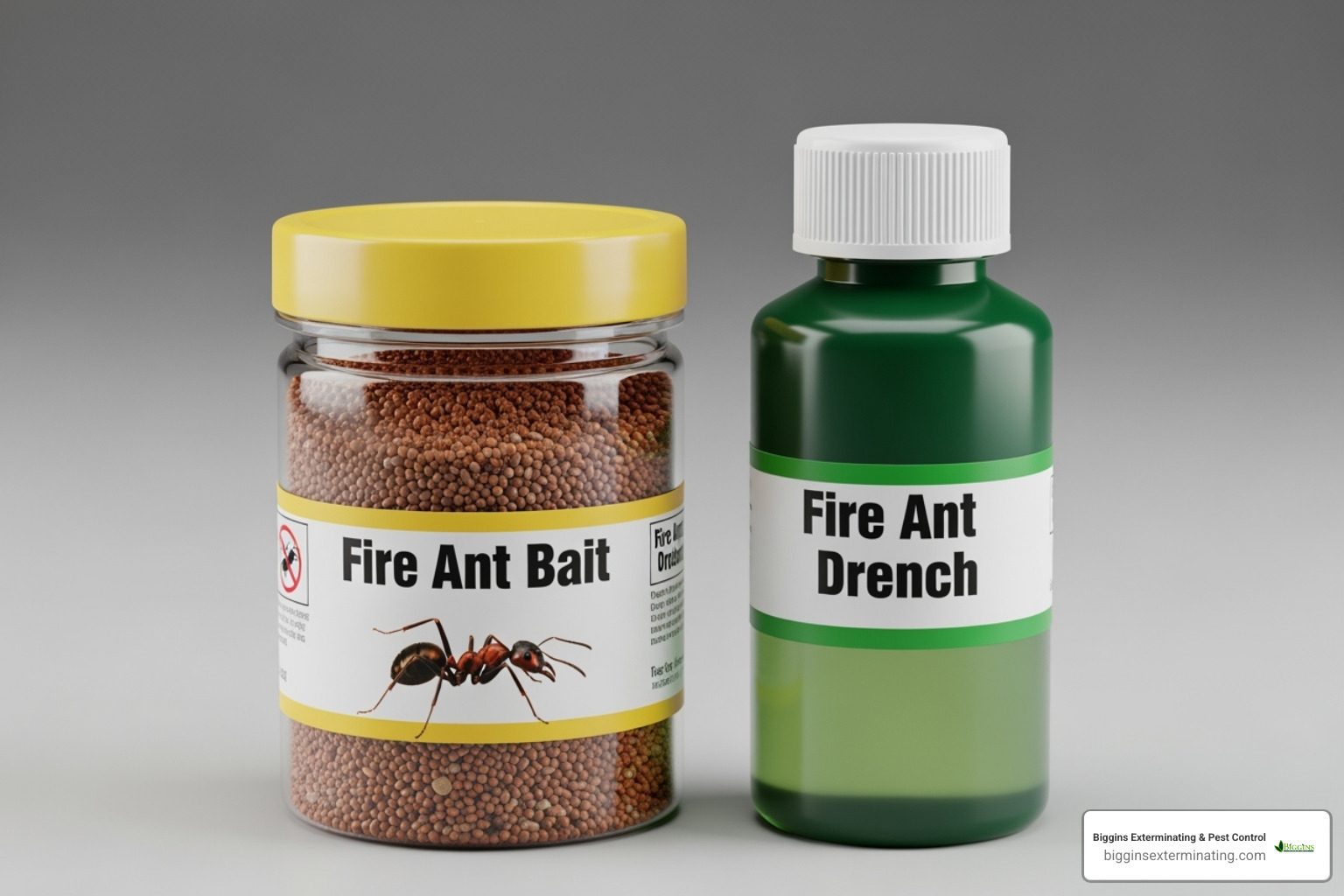
One of the biggest reasons people get confused about does fire ant killer work on regular ants is the word “bait.” Ant bait is not simply poison placed where ants can find it. It is a food-based delivery system designed to exploit ant feeding and social behavior.
Fire ant baits often use small food particles that foraging workers collect and carry back to the colony. Extension guidance notes that fire ant baits are usually slow acting because the worker needs time to return to the mound and share the material with other ants.
Regular household ants can have different food preferences. Some prefer sugars. Others prefer protein or greasy foods. A bait that attracts one species may receive little attention from another. That is one major reason a fire ant bait may appear to do nothing against a regular ant infestation.
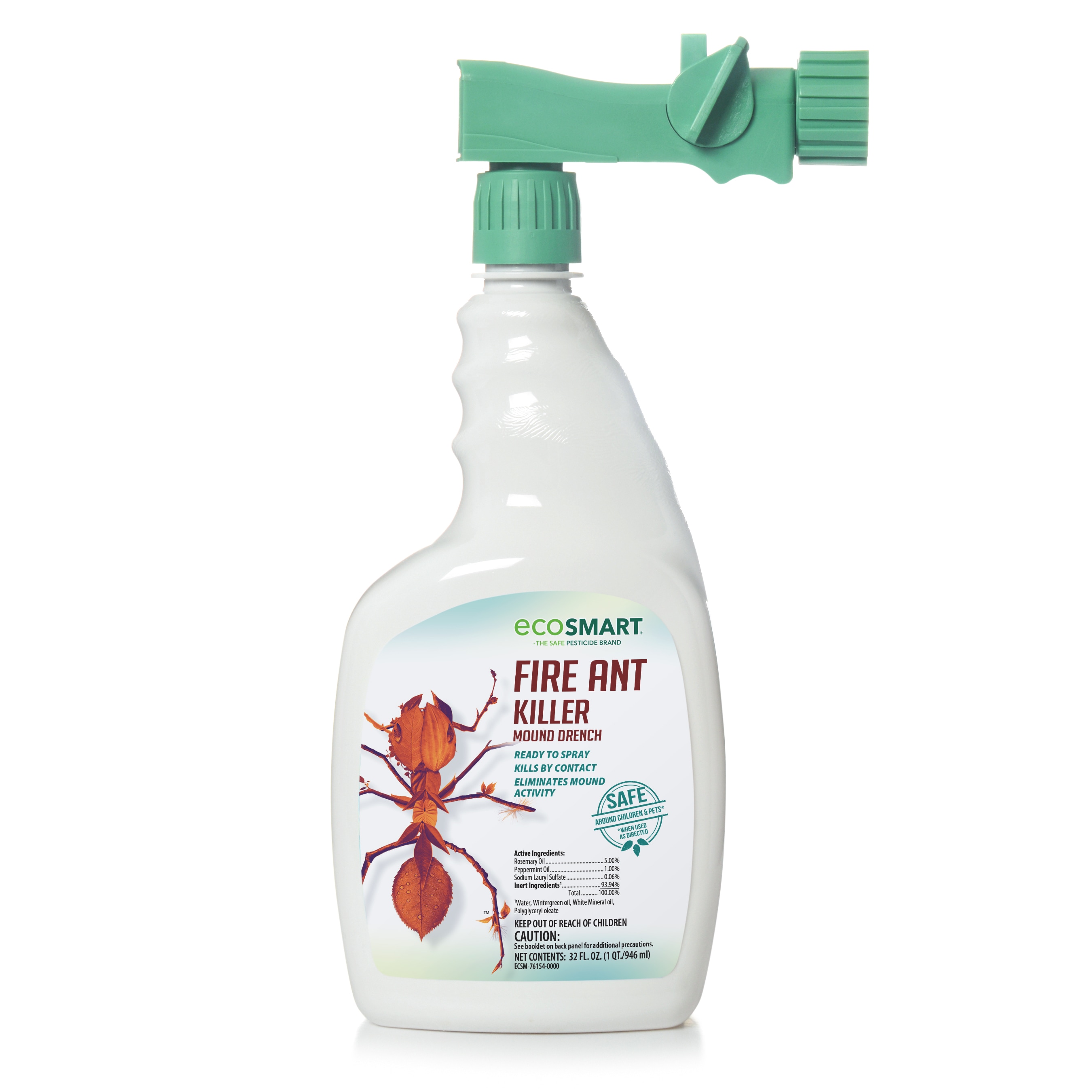
- ✦ Fire ant bait
Usually targets the feeding behavior of fire ants and is often intended for outdoor lawns, mounds, or other labeled areas.
- ✦ Household ant bait
Often uses a food base designed to attract common indoor ants. Some products are made for specific species or groups of household ants.
- ✦ Slow action matters
A bait that kills too quickly may stop a worker before it can return to the colony. Slow action can help spread the bait through the nest.
- ✦ Fresh bait matters
Old, contaminated, wet, or poorly stored bait may become less attractive. Follow the storage and application instructions on the label.
Why Ants May Ignore Your Bait
If ants walk around a bait station without feeding, the problem may not be the insecticide. The bait may simply be a poor food match for that species, or other food may be easier for the ants to find.
Indoor ants may also change food preference over time. A colony that wants sugary food today may show more interest in protein or fat at another stage. For this reason, species identification and correct bait selection can make a major difference.
Which Regular Ants Can Fire Ant Killer Affect?
There is no single list that applies to every fire ant killer. Some registered ant baits and insecticides list several ant species, while other products have a much narrower label. The same active ingredient can also appear in products with different uses and application directions.
Common ants that may appear on labels for broader ant-control products include pavement ants, field ants, little black ants, Argentine ants, odorous house ants, big-headed ants, ghost ants, and other species. Carpenter ants are a special case because their nesting habits and control needs differ from many small nuisance ants.
This is why does fire ant killer work on regular ants should always be answered at the product level. If the label lists the ant species and the site where you have the problem, the product may be an appropriate option when used exactly as directed.
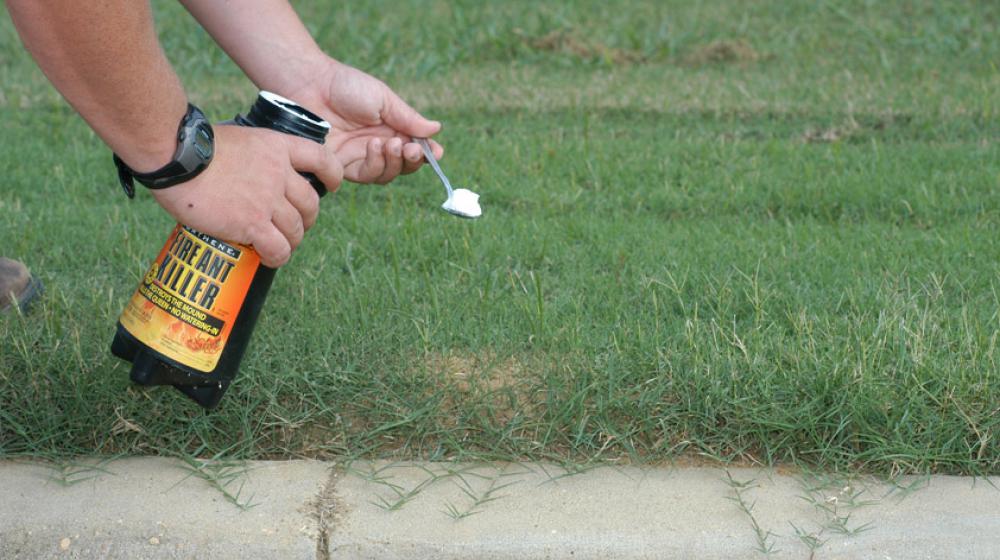
- ✦ Pavement ants
These small ants often nest under pavement, stones, slabs, and other protected spaces. A bait or treatment labeled for pavement ants may work better than a fire-ant-only product.
- ✦ Odorous house ants
These ants often invade homes while searching for food. Their colony behavior can make bait-based control useful when the bait is attractive and properly labeled.
- ✦ Field ants
Field ants often nest outdoors in soil or under objects. Outdoor products may help when the label specifically covers field ants and the treatment site.
- ✦ Carpenter ants
Carpenter ants can nest in wood and may be linked to moisture problems. A general fire ant treatment may not solve the source of a carpenter ant infestation.
Why Ant Identification Matters
Ant identification helps you choose the right control method. Size, color, nesting site, trail pattern, and behavior can provide clues, but some ants look very similar to the untrained eye.
If you have repeated indoor infestations, large carpenter ants, winged ants emerging inside, or an infestation that returns after treatment, consider getting help from a pest professional. Finding the nest or entry point is often more useful than repeatedly killing visible workers.
When Fire Ant Killer May Not Work on Regular Ants
There are several reasons a fire ant killer may fail against regular ants. The most common is a mismatch between the product and the pest. A fire ant product may be excellent for fire ants but have no label claim for the ant invading your kitchen.
Another issue is bait acceptance. Even when an insecticide can kill an ant, the ant may never consume enough of it to matter. If the food base does not attract the colony, the bait can sit untouched while the ants continue to feed elsewhere.
Application can also make a big difference. Fire ant mound treatments are often designed for outdoor soil and specific mound behavior. Using such a product along an indoor baseboard, inside a wall void, or near food without label approval can be unsafe and ineffective.

- ✦ Wrong ant species
The product may not be labeled for the species you have.
- ✦ Wrong location
A product approved for lawns may not be approved for indoor use, vegetable gardens, food areas, or other sensitive sites.
- ✦ Wrong formulation
Granules, dusts, sprays, and baits work in different ways. Choosing the wrong type can reduce control.
- ✦ Poor timing
Ant activity changes with temperature, moisture, rain, and food availability. Some outdoor bait treatments work best when ants are actively foraging.
- ✦ The nest remains active
Killing visible workers may not eliminate the colony. Repeated activity can mean the source has not been addressed.
Fast Kill Does Not Always Mean Better Control
A fast-acting spray can be useful when you need to remove ants from a high-traffic area. But fast action is not always the best approach for colony control.
With bait, the goal is often different. The worker needs to collect the material and carry it back to the nest. A product that kills the worker immediately can prevent that transfer. This is why some ant baits are intentionally slow acting.
How to Choose the Right Ant Killer for Your Problem
Start with the location. An ant trail inside a kitchen is a different problem from fire ant mounds spread across a lawn. The best product depends on the ant, the site, and the goal of treatment.
Next, read the label before buying or applying anything. Look for the pest name, approved treatment site, application rate, safety directions, and any limits involving children, pets, edible plants, water, or other sensitive areas.
For many small household ant problems, a labeled indoor ant bait can be a better fit than an outdoor fire ant granule. For widespread fire ants in a lawn, a labeled fire ant bait or mound treatment may make more sense. The right choice comes from matching the product to the actual problem.

- ✦ For ants inside the home
Look for a product specifically labeled for indoor household ants and indoor use. Place bait where ants are active and keep it away from children and pets as directed.
- ✦ For fire ants in a lawn
Use a product labeled for fire ants and the lawn treatment you need. Follow the application rate and weather restrictions on the label.
- ✦ For ants around foundations
Use only products labeled for exterior structural or perimeter treatment. Follow directions about treated surfaces and re-entry.
- ✦ For vegetable gardens
Do not assume a lawn fire ant product is safe around edible crops. Check the label for the exact crop or garden use.
- ✦ For serious or recurring infestations
Consider professional identification and treatment, especially when ants emerge from walls, damaged wood, electrical areas, or other hard-to-reach spaces.
Read the Active Ingredient and the Pest List
The active ingredient tells you what chemical does the pest-control work. The pest list tells you whether the manufacturer has labeled that product for the ant you want to control.
These are not the same thing. A chemical may affect many insects, but you should use a pesticide only according to its registered label directions. This is especially important in the United States, where pesticide labels provide legally enforceable directions for use.
Bait or Spray: Which Is Better?
Neither is always better. A spray can provide fast control of ants that contact the treated area, while bait can be useful when the goal is to transfer insecticide into a colony.
For a trail of ants inside a home, a suitable bait can sometimes address the colony more effectively than spraying every visible ant. For an outdoor mound that needs rapid treatment, a labeled mound treatment may be more appropriate.
How to Use Fire Ant Killer Safely
Pesticides can be useful tools, but more is not better. Applying extra product does not guarantee better control and can increase exposure to people, pets, wildlife, and the environment.
Always read the full product label before use. Pay attention to the active ingredient, application rate, protective equipment, treated areas, rain restrictions, storage instructions, and any waiting or re-entry period.
Keep children and pets away from treated areas as required by the label. Do not use an outdoor fire ant product indoors unless the label specifically allows indoor use. Also avoid moving pesticide granules into food areas or storing them in unmarked containers.
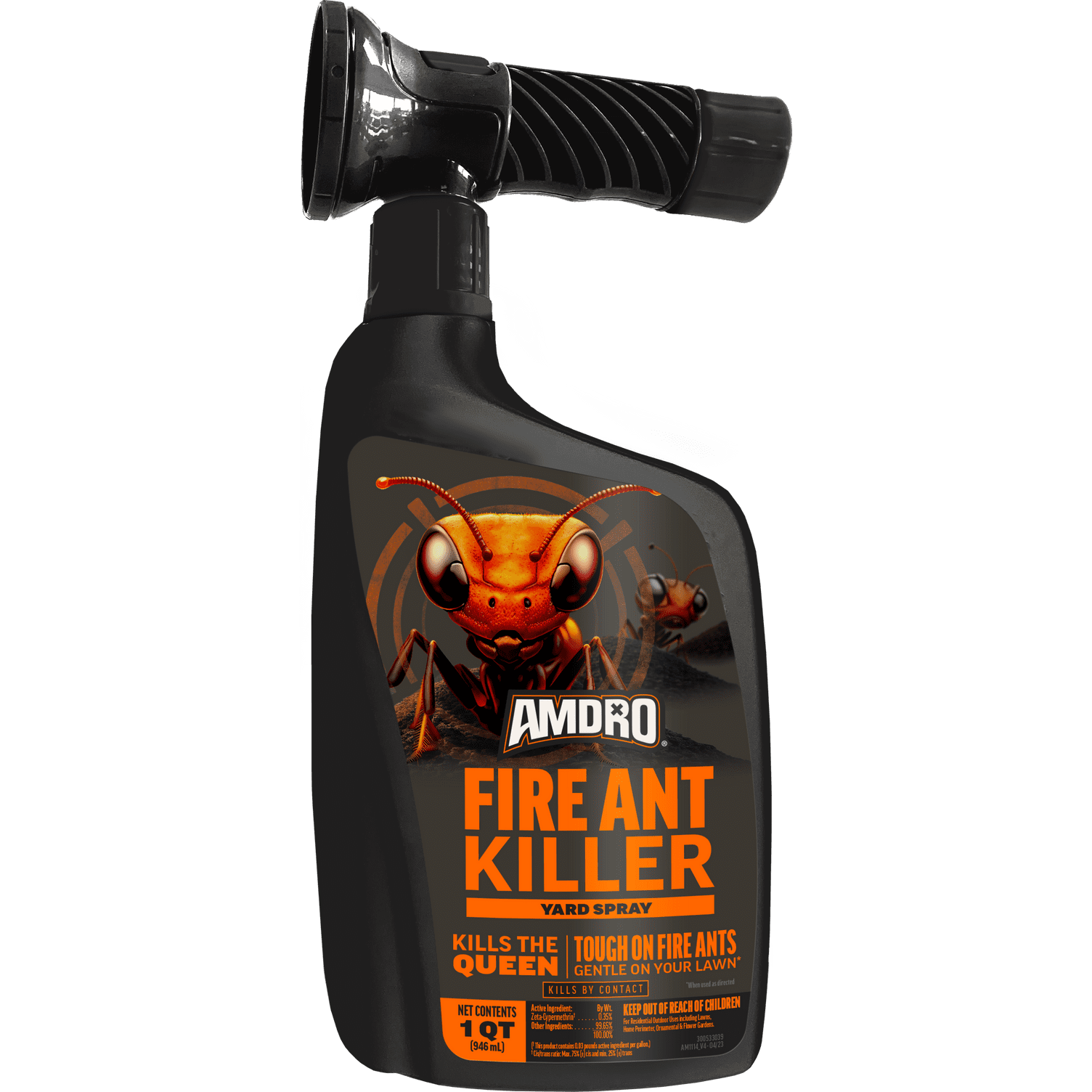
- ✦ Never exceed the label rate
Using more pesticide does not necessarily improve results and may increase risk.
- ✦ Do not mix products casually
Combining pesticides or household chemicals can create unwanted risks and may violate the product label.
- ✦ Protect pets and children
Follow the label for removal from treatment areas, re-entry times, and safe storage.
- ✦ Protect food and water
Keep pesticides away from food, drinking water, animal feed, and edible crops unless the label specifically permits the use.
- ✦ Use fresh, properly stored bait
Bait depends on ants finding it attractive. Heat, moisture, sunlight, and poor storage can reduce bait quality.
What to Do If You Are Unsure
If you cannot identify the ant or understand the product label, pause before applying the pesticide. A local university Extension office, qualified pest professional, or the product manufacturer may help you identify the pest and select an appropriate treatment.
For recurring indoor problems, also look for the reason ants are entering. Food crumbs, moisture, pet food, leaks, cracks, and vegetation touching the structure can all create conditions that support ant activity.
A Simple Step-by-Step Approach to a Regular Ant Problem
If you are dealing with regular ants and already have fire ant killer at home, do not apply it immediately. First, watch where the ants travel. Their trail can lead you toward a crack, food source, nest site, or other entry point.
Next, identify the ants as closely as you can. Then read the fire ant killer label and look for the exact species or pest group and the exact place where you plan to use it. If either one is missing, choose a product specifically labeled for your situation.
After treatment, give the product enough time to work. With bait, avoid spraying or killing ants that are actively carrying the bait unless the label tells you to do so. If the infestation continues, reassess the species, food source, nest location, and product choice.
- ✦ Step 1: Follow the ant trail
Observe where ants enter, where they feed, and where they disappear.
- ✦ Step 2: Identify the ant
Use size, color, nesting behavior, and location as clues. When in doubt, seek expert identification.
- ✦ Step 3: Read the label
Confirm the pest, site, application method, rate, and safety instructions.
- ✦ Step 4: Choose bait or contact treatment
Use the formulation that matches the problem and the product label.
- ✦ Step 5: Remove food and moisture sources
Clean spills, seal food, repair leaks, empty pet food dishes when practical, and seal obvious entry gaps.
- ✦ Step 6: Monitor the result
Watch for changes in ant activity rather than judging the treatment only by how many ants die in the first few minutes.
A Useful Example
Imagine you find a line of tiny ants near a kitchen window. You also have a bag of fire ant granules intended for outdoor lawn use. Even if the insecticide could kill ants, that does not make the lawn granules a good indoor treatment.
A better approach is to identify the household ant and select an indoor ant-control product whose label covers that pest and location. At the same time, clean the food source and seal the entry point. This tackles both the ants and the conditions that attracted them.
Common Mistakes to Avoid When Killing Ants
Ant control often fails because people focus only on visible ants. Seeing fewer ants for a day does not always mean the colony is gone. Ants may also return when food, water, or a hidden nest remains nearby.
Another common mistake is using a product simply because it worked on a different ant. Ant species vary in behavior and food preference. A product that worked well for fire ants in a lawn may not be the right choice for odorous house ants in a kitchen.
Finally, avoid mixing control methods without a reason. Spraying a repellent insecticide directly around a bait can sometimes interfere with the ants’ willingness to reach or carry the bait. Follow the product instructions and use a simple, targeted plan.
- ✦ Do not assume every ant is a fire ant
Different ants need different control strategies.
- ✦ Do not use lawn products indoors
Outdoor approval does not mean indoor approval.
- ✦ Do not ignore moisture
Leaks and damp areas can encourage some ant problems and should be corrected when possible.
- ✦ Do not rely only on visible kills
Effective colony control may take longer than killing individual ants.
- ✦ Do not ignore the label
The label provides the legal directions for where and how a pesticide may be used.