How Does Ant Killer Work? A Complete Guide to Ant Baits, Sprays, Powders, and Colony Control
If you have ever watched ants vanish after using a store-bought product, you may wonder what is really happening. The answer depends on the type of ant killer. A contact spray can kill an ant within minutes, while a slow-acting bait may take longer but can affect many ants that never touch the original bait station.
Understanding how does ant killer work helps you choose the right product and avoid a common mistake: killing only the ants you can see. Ant colonies can contain many workers and may have more than one nest. Good control often means reaching the source, not just removing visible ants.
In U.S. homes, common ant control products include liquid baits, gel baits, bait stations, sprays, dusts, and outdoor granules. Each works in a different way. The product label matters because the active ingredient, target pest, application site, and safety directions can vary.

How Does Ant Killer Work in General?
To understand how does ant killer work, start with the basic idea: an ant killer contains an active ingredient designed to harm or kill ants. The ingredient may enter through the mouth, body surface, or both. The effect can be fast or slow, depending on the product.
Many products also contain ingredients that make the treatment useful in a real home. Baits need food that ants want to eat. Sprays need a formula that can reach and remain on a surface. Powders need to stay in areas where ants will contact them.
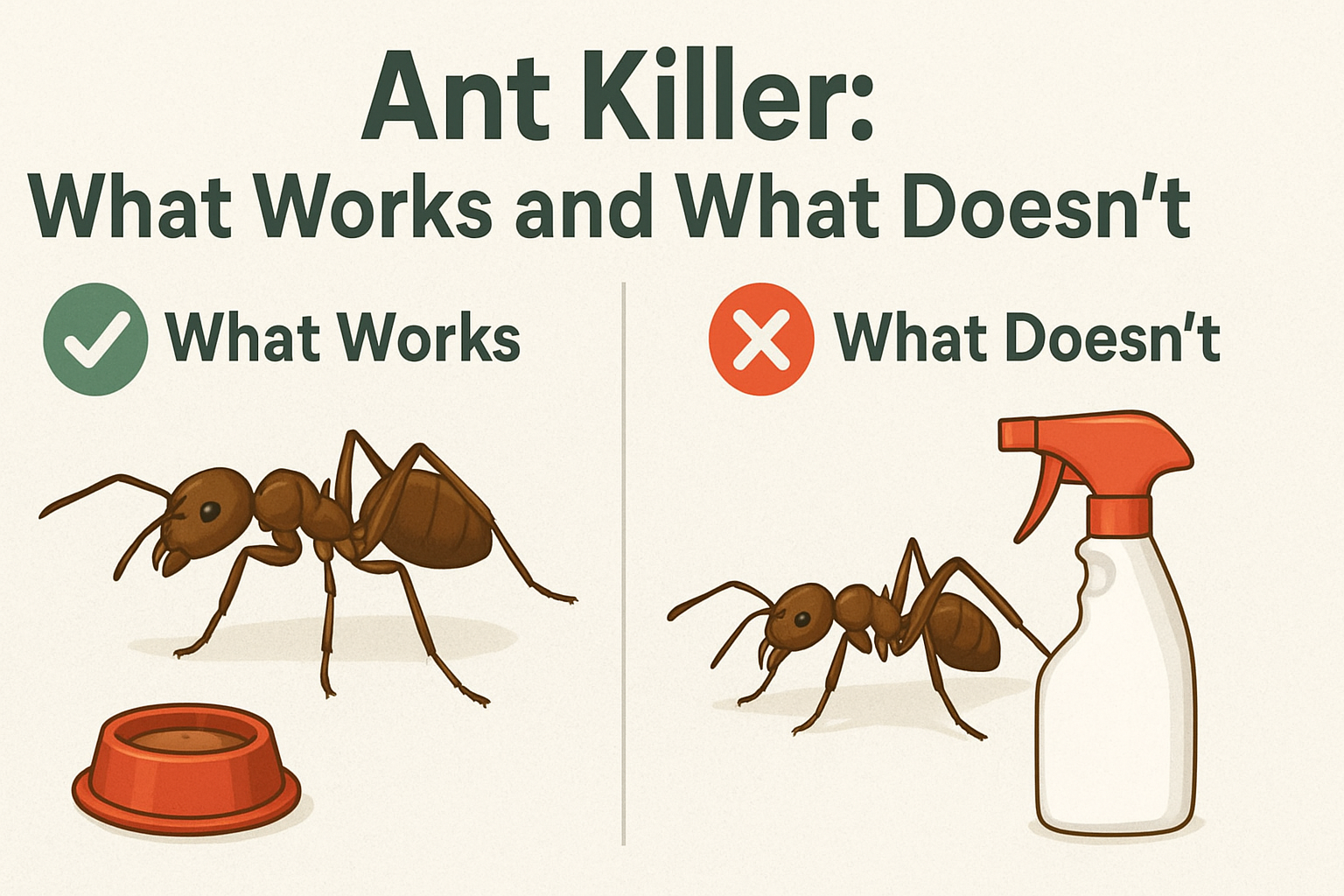
The key difference is **where the poison acts**. A contact product mainly targets ants that touch the treated area. A bait can target ants farther away because workers may carry food back to the nest and share it with other colony members.
This explains why a bait may seem less powerful at first. You may still see ants for a while. That does not always mean the product has failed. A slow-acting bait can be designed to let workers return to the nest before the toxic dose takes effect.
- ✦ Contact action
The ant contacts the active ingredient and may die soon after exposure.
- ✦ Ingestion
The ant eats the toxic material. The active ingredient then affects its body after digestion or absorption.
- ✦ Colony transfer
A worker carries bait into the nest or shares it with other ants, allowing the treatment to reach ants that never visit the bait.
Why Some Ant Killers Work Slowly
Fast action is not always the goal. A bait that kills an ant too quickly may stop that worker from reaching the nest. A slower product can give the worker time to return and share the food before the active ingredient takes effect.
This is one reason people sometimes see more ants around bait at first. The ants may be feeding on it and taking small amounts back to the colony. The label should explain how the product is meant to be used and how long results may take.
- ✦ More time for transfer
A slower effect can allow workers to return to the nest before they die.
- ✦ Less visible activity does not always mean failure
A bait may work through the colony even while some ants remain visible for several days.
How Does Ant Bait Work?
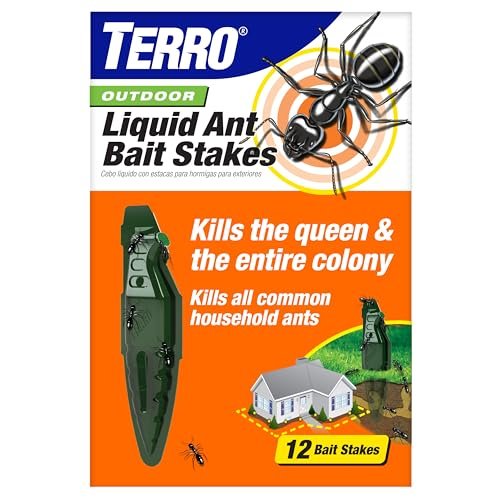
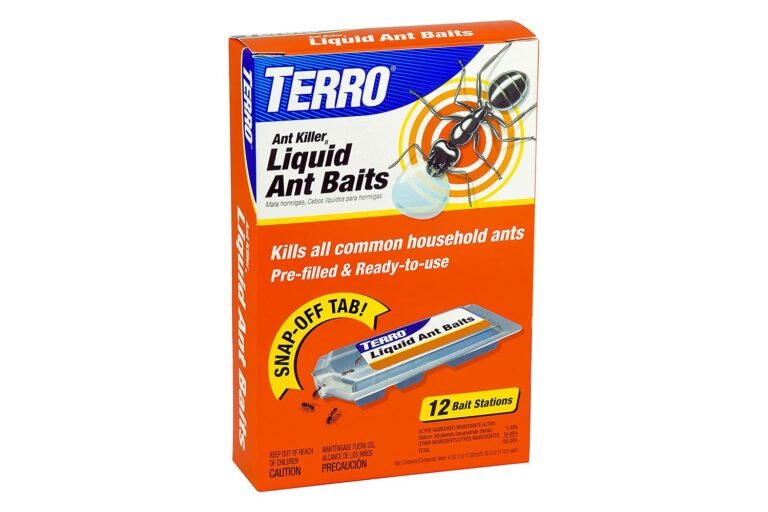
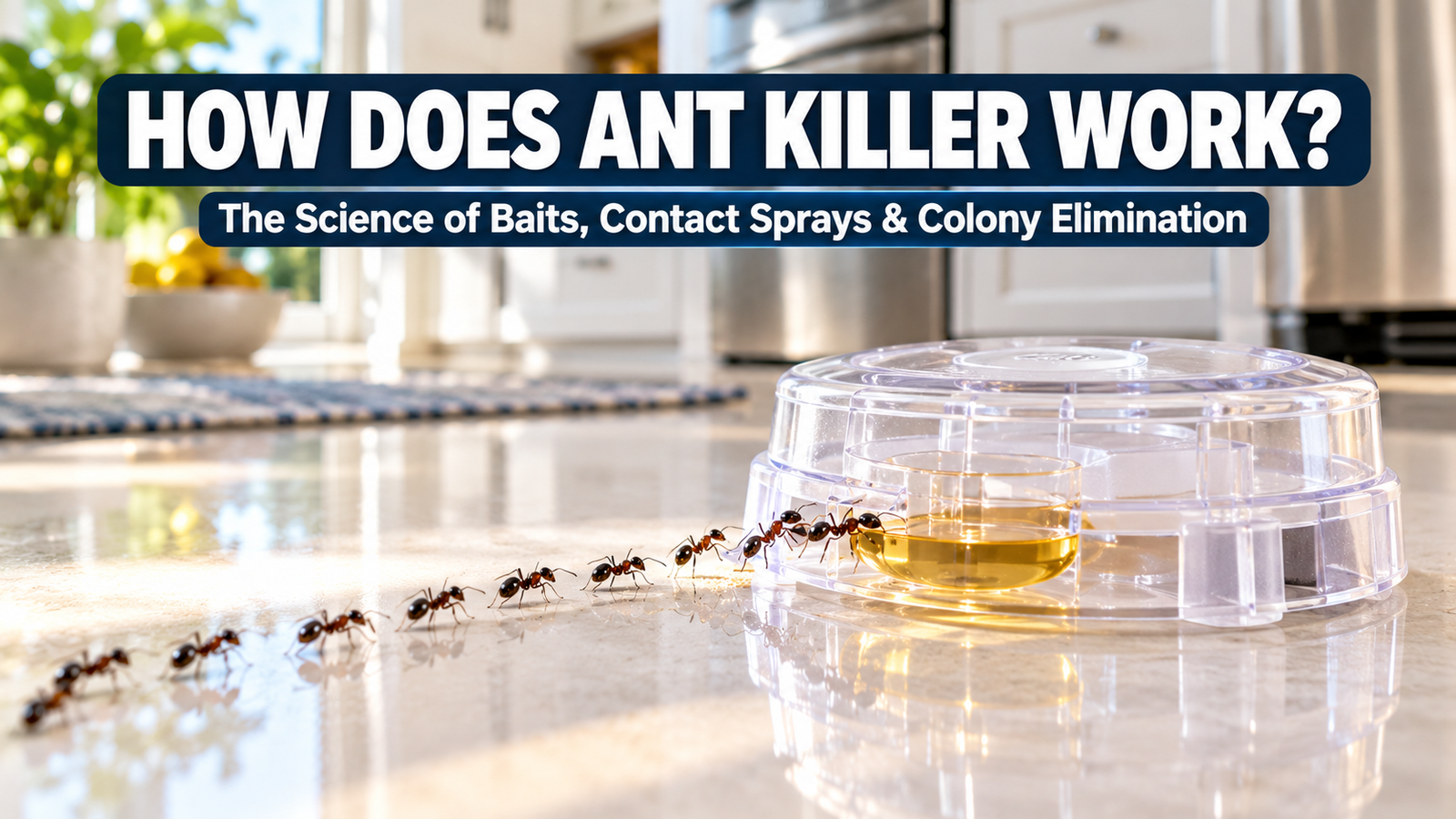
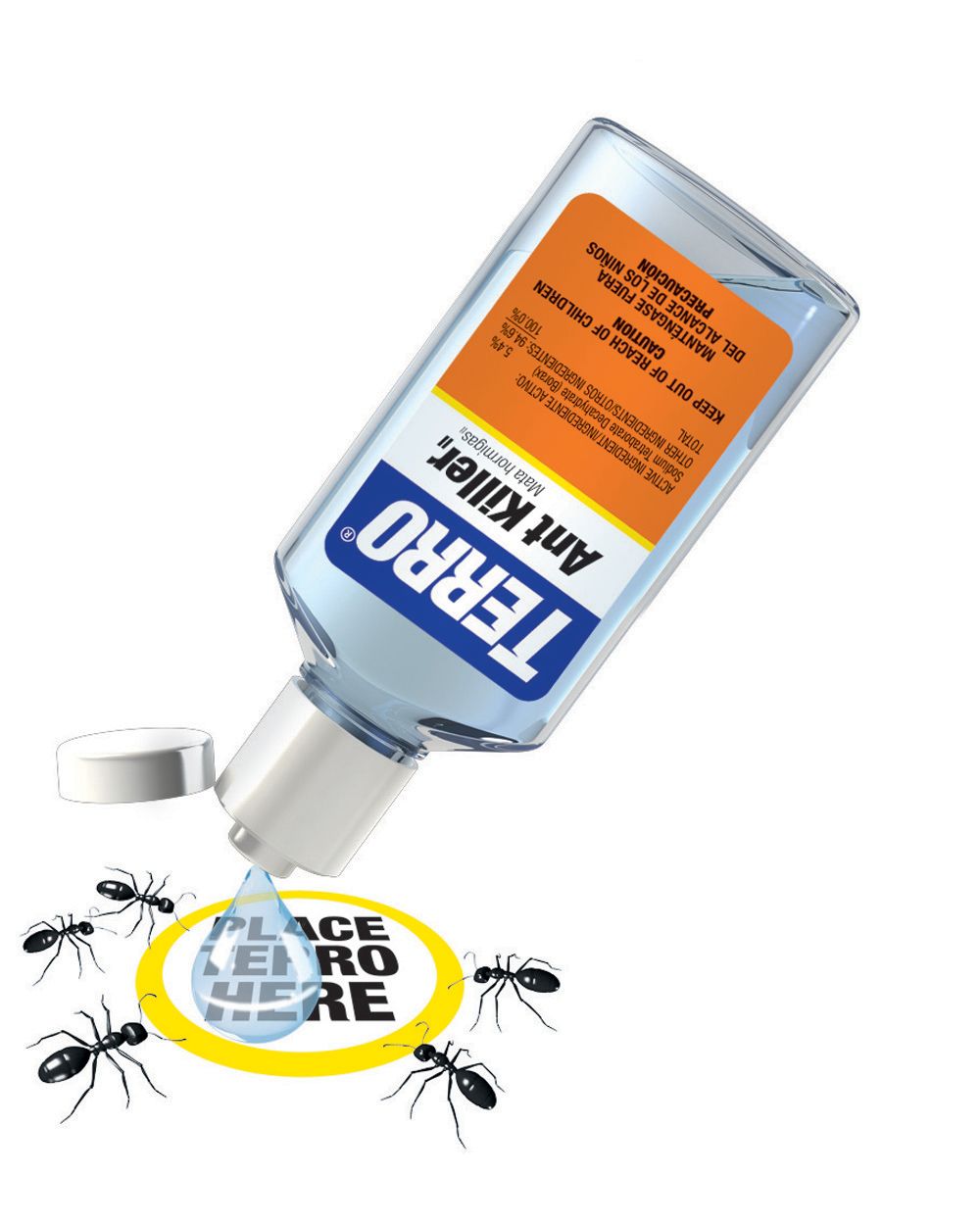
Ant bait uses a different strategy from a typical contact spray. The bait combines an attractive food source with a toxic active ingredient. Worker ants find the bait, feed on it, and may carry some of it back to the nest.
Inside a colony, ants share food through a process called trophallaxis. This behavior can help move food between workers and other colony members. Because of this social behavior, a well-placed bait can affect ants that never directly visit the bait station.
When asking how does ant killer work, this is one of the most important ideas to understand: **bait is designed to use ant behavior against the colony**. The product does not need to kill every ant that you see.
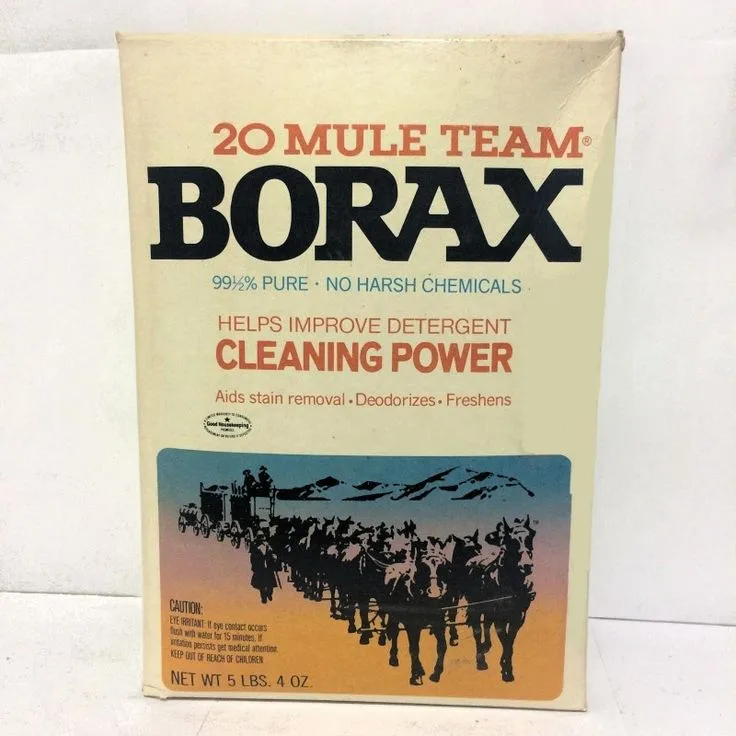
Common household bait products may use active ingredients such as boric acid, borax compounds, fipronil, indoxacarb, or certain other insecticides. The exact effect depends on the active ingredient and its concentration, so never assume that all ant baits work in the same way.
- ✦ Workers find the bait
Foraging ants locate the food-based bait and begin feeding.
- ✦ Workers return to the nest
Some bait may be carried back to the colony or shared with other ants.
- ✦ The active ingredient takes effect
The toxic ingredient interferes with important biological processes and eventually kills exposed ants.
- ✦ Colony activity can decline
As more ants are affected, the colony may become smaller and less active.
Why Ants Sometimes Ignore Bait
Ants do not always want the same food. Their food needs can change with the colony, season, species, and available food nearby. A bait that works well for one ant species may attract another species poorly.
Household food can also compete with bait. If ants have easy access to sugar, grease, pet food, or crumbs, they may show less interest in a bait station. Cleaning food sources can make the bait more useful.
- ✦ Food preference
Different ants may prefer sweet foods, proteins, fats, or other food sources.
- ✦ Competing food
Crumbs, spills, pet food, and open food containers can reduce bait interest.
- ✦ Wrong placement
Bait works best when placed close to active ant trails or other areas where ants naturally forage, while following the product label.
How Do Ant Sprays and Contact Killers Work?
Ant sprays usually work faster than colony baits. Many contain insecticides that affect an ant’s nervous system after contact or ingestion. Depending on the active ingredient, the ant may become unable to move normally and eventually die.
Some sprays are made for direct treatment of visible ants. Others are labeled for use on specific surfaces or around the outside of a building. Some products also leave a residue that can kill insects after they cross a treated area.
The main advantage is speed. If ants are crawling across a kitchen floor or entering through a crack, a contact product can reduce visible activity quickly. The main limitation is that killing foraging workers does not always remove the nest.
This distinction is central to understanding how does ant killer work. **A dead worker is not the same thing as a dead colony.** If the nest remains active, new workers may continue to appear.

- ✦ Fast visible results
Direct sprays can reduce the number of exposed ants quickly.
- ✦ Limited colony effect
A spray may kill workers without reaching the queen or other ants inside the nest.
- ✦ Residual control
Some labeled products leave an active residue that can affect ants after they cross the treated area.
Why Spraying the Ant Trail May Not Solve the Problem
Ant trails are routes to food, water, or shelter. The trail itself is not usually the source of the infestation. Ants can rebuild a trail when the colony still needs to forage.
Spraying every visible ant can also interfere with baiting. A strong repellent spray may drive ants away from a bait before they feed on it. When using bait, follow the product directions and avoid mixing control methods in a way that prevents ants from reaching the bait.
- ✦ The nest may remain active
New workers can replace ants that die outside the nest.
- ✦ Repellency can change ant behavior
Some products can cause ants to avoid treated areas, which may make bait less attractive or redirect the trail.
How Does Ant Killer Powder Work?
Ant killer powder can work through contact, ingestion, or both. Fine particles may stick to an ant’s body as it walks through the treated area. The ant can then ingest some of the material while cleaning itself.
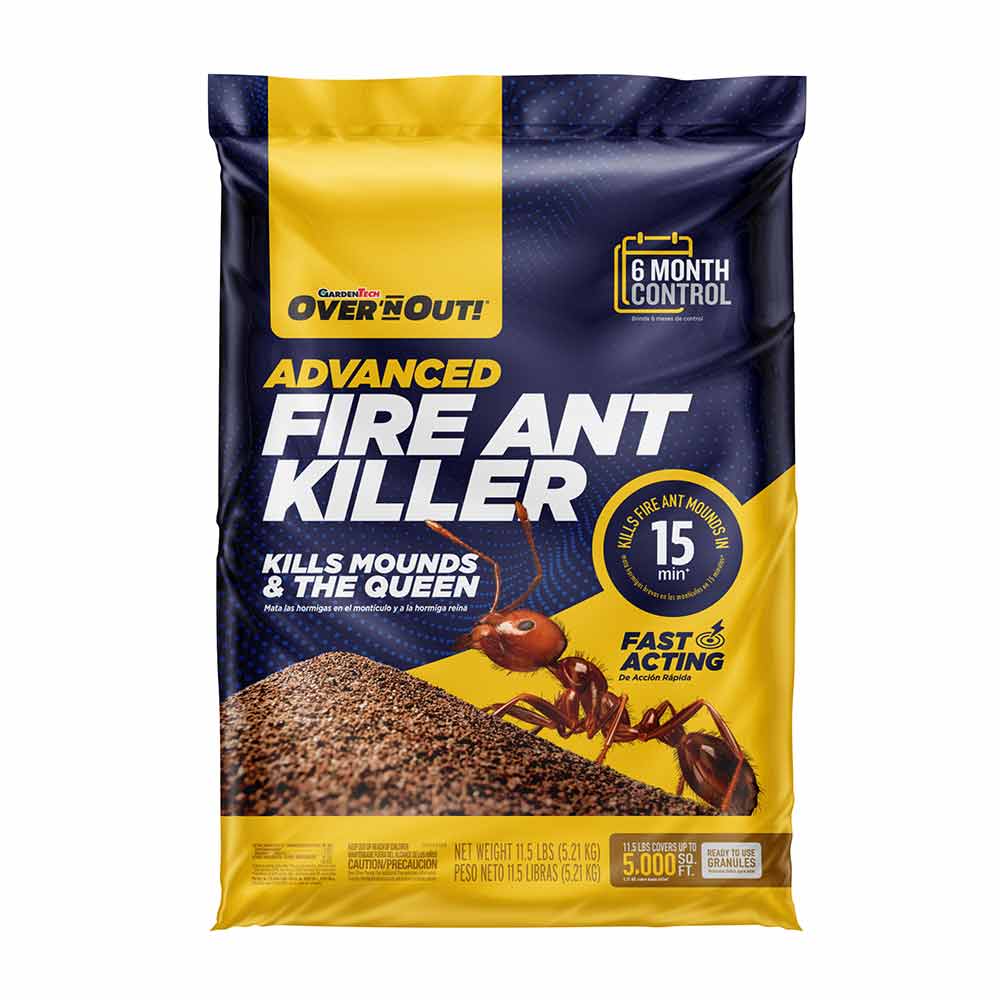
Some powders are designed for cracks, wall voids, outdoor areas, or ant nests. Others are granular products intended for outdoor use. The label determines where the product can legally and safely be applied.
Powders can be useful because they can reach places that sprays may not cover well. However, more product is not automatically better. Applying too much can create unnecessary exposure and may cause ants to avoid the treated area.
If you are comparing how does ant killer work across product types, think of powder as a **physical exposure method** rather than a simple liquid spray. The active ingredient still determines how the poison affects the insect.
- ✦ Body contact
Particles can attach to an ant’s body when it crosses a treated area.
- ✦ Grooming
Ants clean themselves and may ingest particles that reached their bodies.
- ✦ Nest treatment
Some products are designed for direct use around or in specific nest areas, when the label permits it.
- ✦ Outdoor granules
Granular products can be spread in labeled outdoor areas and may work through contact, ingestion, or both.
Are Ant Killer Powders Safe Indoors?
Safety depends on the product, the active ingredient, and where you apply it. Never assume that an outdoor ant powder is suitable for indoor use. Read the label before applying any pesticide inside a home.
Keep pesticides away from food, food preparation surfaces, children, and pets unless the product label specifically allows the use. Do not apply more than the label rate.
- ✦ Check the label
Use the product only on the sites and pests listed on its label.
- ✦ Avoid food areas
Prevent pesticide contamination of food, dishes, utensils, and food preparation surfaces.
- ✦ Protect children and pets
Follow all label directions about keeping people and animals away from treated areas.
What Happens to Ants After They Eat Ant Poison?
The answer depends on the active ingredient. Ant poisons can disrupt different body systems, including the nervous system, energy production, or other vital processes. Some ingredients act quickly, while others take hours or days.
For bait products, the goal is often controlled toxicity. The ant needs enough time to feed and return to the nest. This is why a product that kills slowly can be useful for colony control.
When people ask how does ant killer work after an ant eats it, the simple answer is that the active ingredient is absorbed and then interferes with a biological process the insect needs to survive. The exact process varies by chemical.
A product’s active ingredient is therefore more important than the front label’s claim that it is strong or fast. Read the ingredient information and directions instead of judging a product only by how quickly visible ants die.

- ✦ Nervous system effects
Some insecticides interfere with nerve signals. This can cause abnormal movement, paralysis, and death.
- ✦ Energy disruption
Some insecticides interfere with processes that ants need to produce or use energy.
- ✦ Digestive or cellular effects
Other active ingredients can damage or disrupt vital functions after ingestion.
Why the Active Ingredient Matters
Two ant killers can look similar but work in very different ways. One may be designed as a fast contact insecticide, while another may be a slow bait intended for transfer through the colony.
The active ingredient also affects how long the product remains effective, where it can be used, and what precautions are needed. For U.S. pesticide products, the label provides key directions for legal use and safety.
- ✦ Read the ingredient list
Look for the active ingredient and concentration rather than relying only on marketing terms.
- ✦ Follow the label
The label tells you the approved application site, amount, target pest, and safety precautions.
Why Ant Killer Sometimes Does Not Work
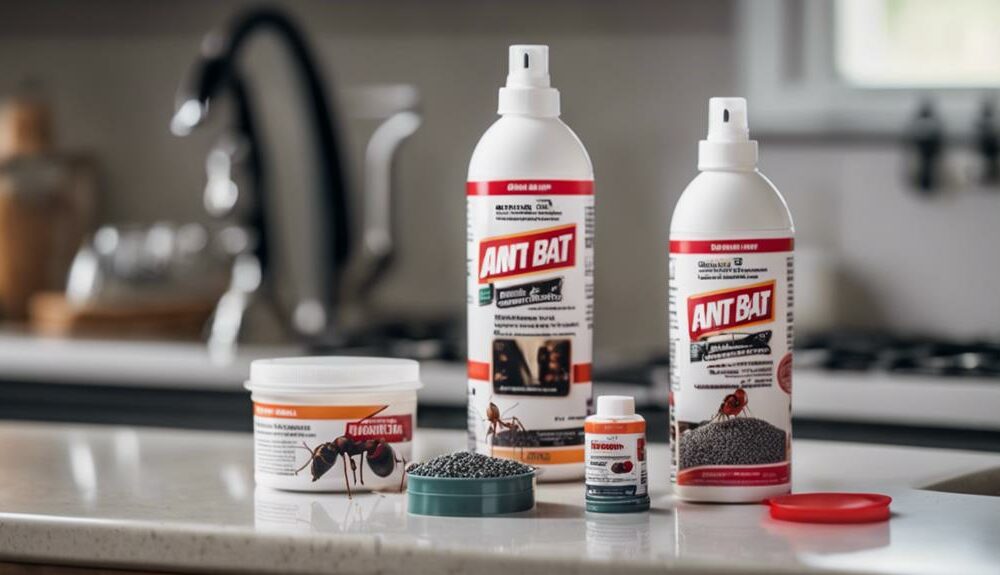
Knowing how does ant killer work also means knowing why treatment can fail. A product can be effective against ants but still produce poor results when the wrong species, bait type, placement, or application method is used.
Species matter because ants have different food preferences and nesting habits. A bait that attracts sugar-loving ants may perform poorly when the target ants prefer protein or grease. Identification can save time and prevent repeated treatment with the wrong product.
The location of the nest also matters. Ants may nest outdoors, inside wall voids, under slabs, near foundations, or in other hidden areas. If workers keep entering from the same area, look for the entry point and possible nest location rather than treating only the visible trail.
Environmental conditions can also affect treatment. Heat, rain, moisture, cleaning, and competing food can reduce the usefulness of some products. Always use a product in the conditions and locations allowed by its label.
- ✦ Wrong ant species
Different species can have different food preferences, nesting patterns, and responses to control methods.
- ✦ Wrong bait type
Ants may reject a bait if its food base does not match what they are seeking.
- ✦ Too much competing food
Crumbs, spills, pet food, and open containers can reduce the chance that ants will feed on bait.
- ✦ Nest remains active
Killing workers outside the nest may not stop the colony from producing more workers.
- ✦ Poor placement
Bait or treatment placed away from active ant routes may receive little or no contact.
- ✦ Incorrect application
Using too little, too much, or applying a product to an unapproved site can reduce results and increase risk.
How to Improve Ant Control
Start by finding where ants enter. Follow a trail without disturbing it and look for cracks, gaps, plumbing openings, windows, doors, or foundation entry points. This can reveal the route ants use to reach food or water.
Next, remove easy food and water sources. Clean spills, store food in closed containers, empty pet food bowls when appropriate, and repair leaks. Then use a labeled bait or other treatment that fits the ant species and location.
For repeated infestations, large colonies, or ants that may damage a building, professional pest control can help identify the species and nest. This is especially useful when ants keep returning after careful home treatment.
- ✦ Clean first
Remove crumbs, spills, grease, and other food sources that compete with bait.
- ✦ Track the trail
Observe where ants travel so you can identify entry points and likely nesting areas.
- ✦ Use one clear strategy
If you use bait, avoid products or cleaning actions that prevent ants from reaching it.
- ✦ Give treatment time
Slow-acting baits may need time to move through a colony, so follow the product directions before deciding that treatment failed.
How to Use Ant Killer Safely in a U.S. Home
Pesticides can be useful tools, but safe use matters. In the United States, pesticide products are sold with labels that provide directions for use, target pests, application sites, and safety precautions. The label is not just a suggestion; it is a key part of using the product correctly.
Do not assume that a product made for lawns is safe for kitchen surfaces. Do not mix pesticides unless the label specifically permits it. Avoid applying more product than directed because a larger dose does not necessarily mean better ant control.
Keep bait stations, powders, and sprays away from children and pets when the label calls for restricted access. Store pesticides in their original containers and follow the disposal instructions on the label.
If a pesticide gets into the eyes, is swallowed, or causes a concerning reaction, follow the product’s first-aid directions and seek appropriate medical or poison-control advice. In the U.S., Poison Control can be reached at 1-800-222-1222.
:strip_icc()/bhg-best-ant-killers-tout-8d34c3386bcf4003b5b8e2dd3d7b7416.jpg "Ant killer products used for household ant control")
- ✦ Read before use
Check the product label for the target ant, approved location, application rate, and safety instructions.
- ✦ Keep products in original containers
Original packaging helps preserve the label and prevents accidental misuse.
- ✦ Do not overapply
Using more pesticide than directed can increase exposure without improving control.
- ✦ Protect food and surfaces
Keep pesticides away from food and food-contact areas unless the product is specifically labeled for that use.
- ✦ Know when to call a professional
Persistent infestations, difficult-to-reach nests, or possible structural damage may require professional inspection and treatment.
Baits vs. Sprays: Which Approach Fits the Problem?
Baits and sprays solve different problems. Baits are often useful when the goal is to affect a colony through worker behavior. Sprays are useful when you need direct or residual control on approved surfaces.
There is no single product that works best for every ant problem. The right approach depends on the species, location, nest, food source, and product label.
- ✦ Bait
Best suited to situations where ants can find and carry attractive food back toward the colony.
- ✦ Contact spray
Useful for direct control of exposed ants when the product is labeled for the specific site.
- ✦ Professional treatment
Useful when the colony is hidden, the infestation persists, or the source is difficult to locate.