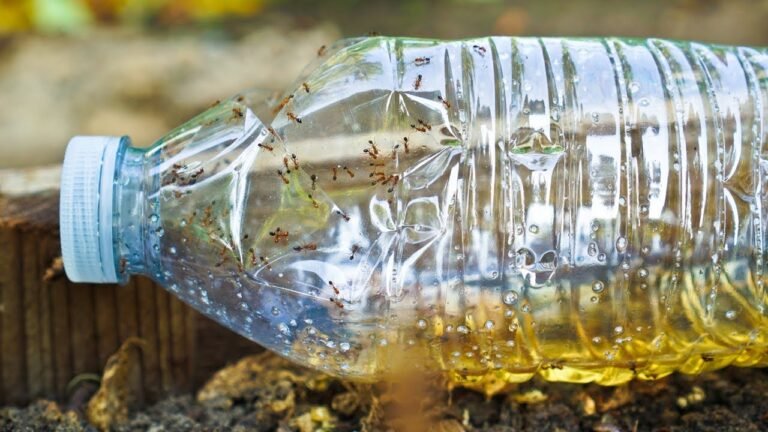
Most ant bait traps last from several days to a few weeks after placement, while some sealed bait stations remain effective for several weeks or longer under the conditions on their labels.
If you spot ants near the kitchen sink, pantry, or back door of your American home, you may reach for an ant trap right away. But how long will it keep working? The answer depends on the bait formula, the trap design, the number of ants feeding, and the conditions around the station.
Ant traps do not all work in the same way. Some contain liquid bait, while others use a gel or solid food mixed with an insecticide. A trap may still look full but attract few ants, or it may run out of usable bait before the colony is under control. The label is the best guide to its intended service life and replacement schedule.
This guide explains how long ant traps usually last, how to spot a spent station, and when to replace one. It also covers heat, rain, pets, children, and common mistakes that can make bait less effective. The goal is to help you get the most from each station without using more pesticide than needed.
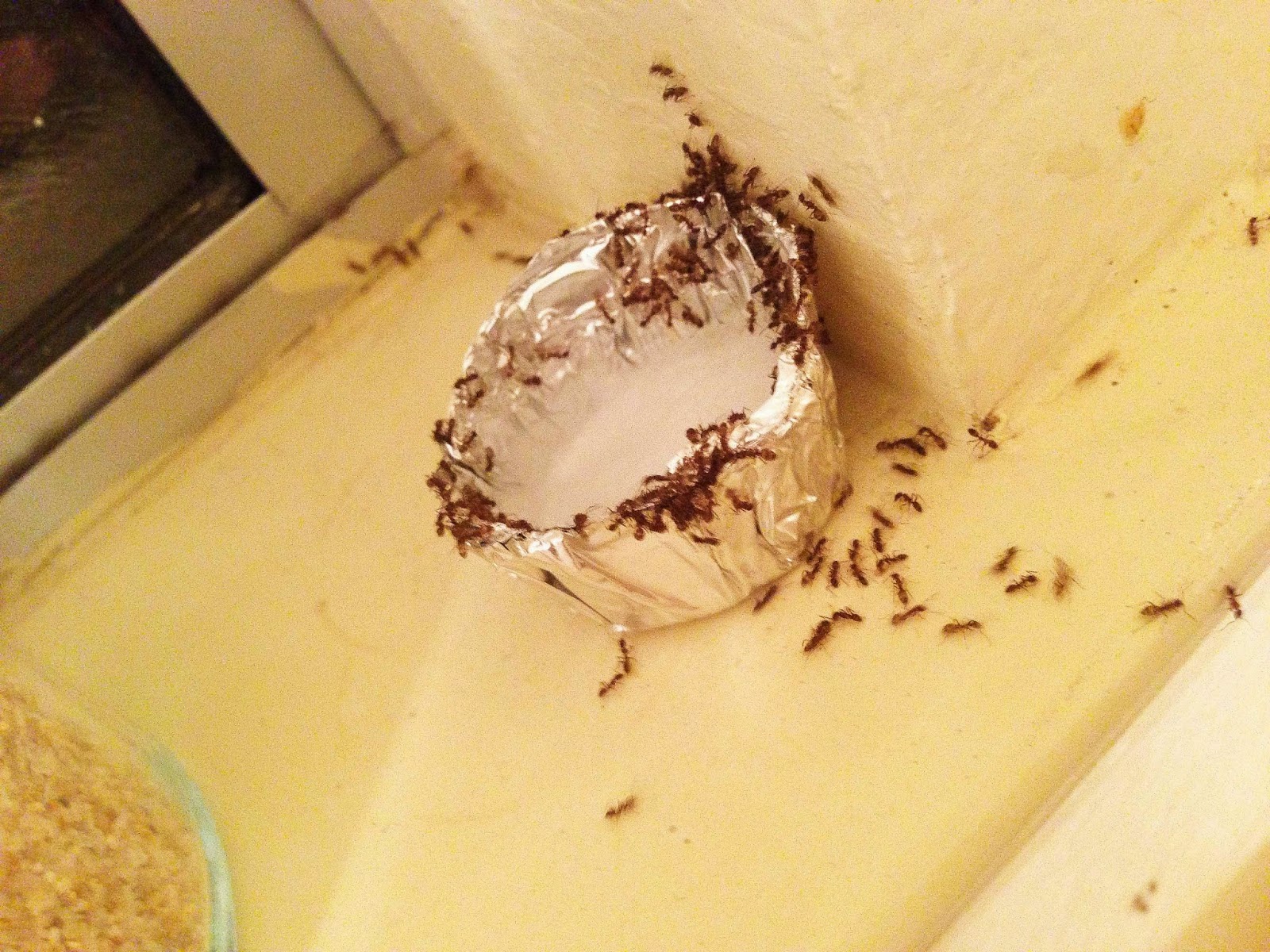
Source: 4.bp.blogspot.com
How Long Do Ant Traps Usually Last?
Most household ant bait traps are intended to remain in place for several days to a few weeks, although some products specify a longer service period. There is no single lifespan that applies to every trap. The exact answer depends on the active ingredient, bait type, station design, and directions supplied by the manufacturer.
A sealed bait station may protect its contents from dust and minor contact better than exposed bait. Even so, a sealed station can become empty, lose moisture, or become less attractive to ants. An intact plastic shell does not prove that the bait inside remains effective.
Use the product label as your main guide. Look for instructions about how long to leave the station in place, when to replace it, whether it is suitable for indoor or outdoor use, and how to handle unused stations. Do not assume that all brands share the same replacement schedule.
Source: cdn.shopify.com
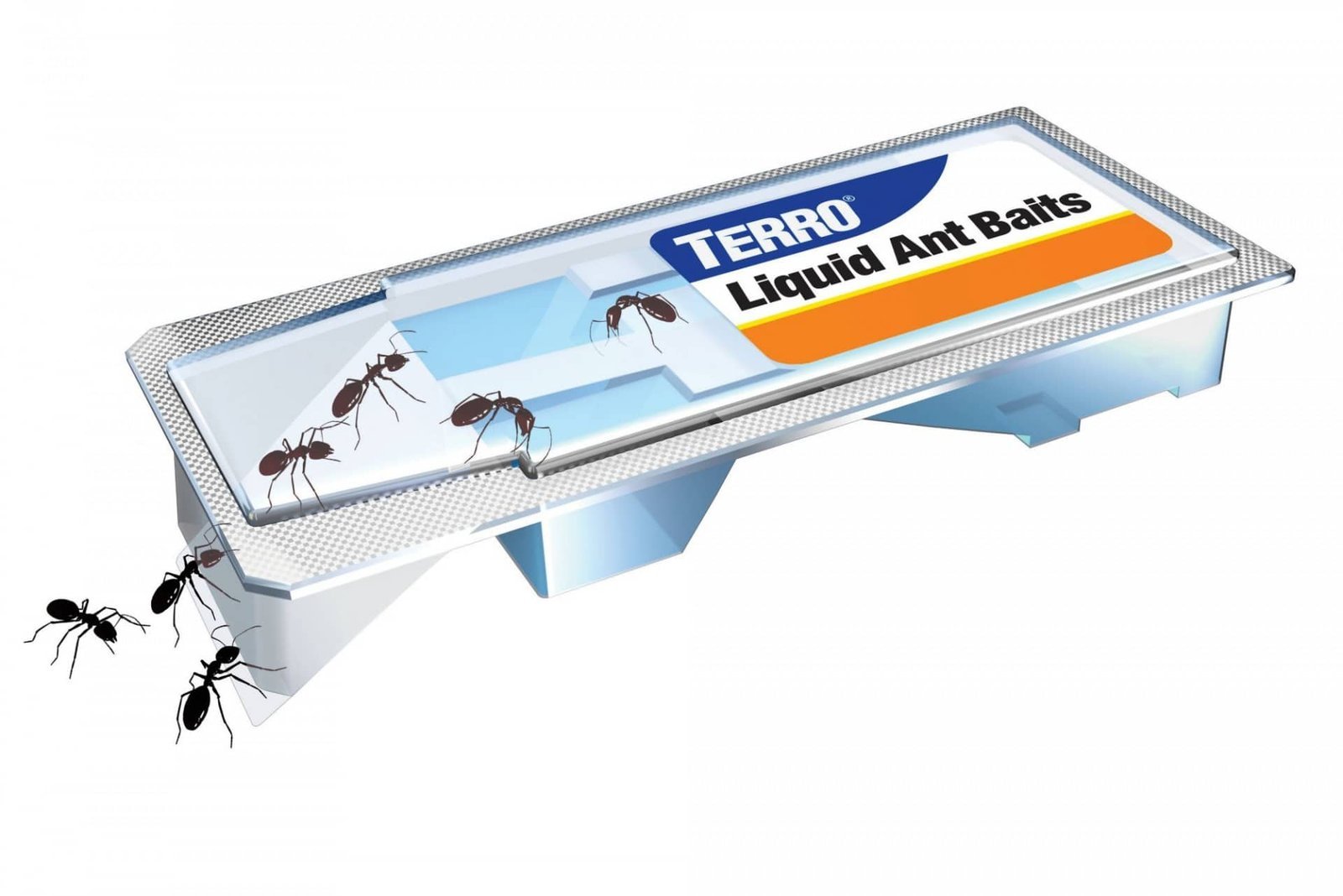
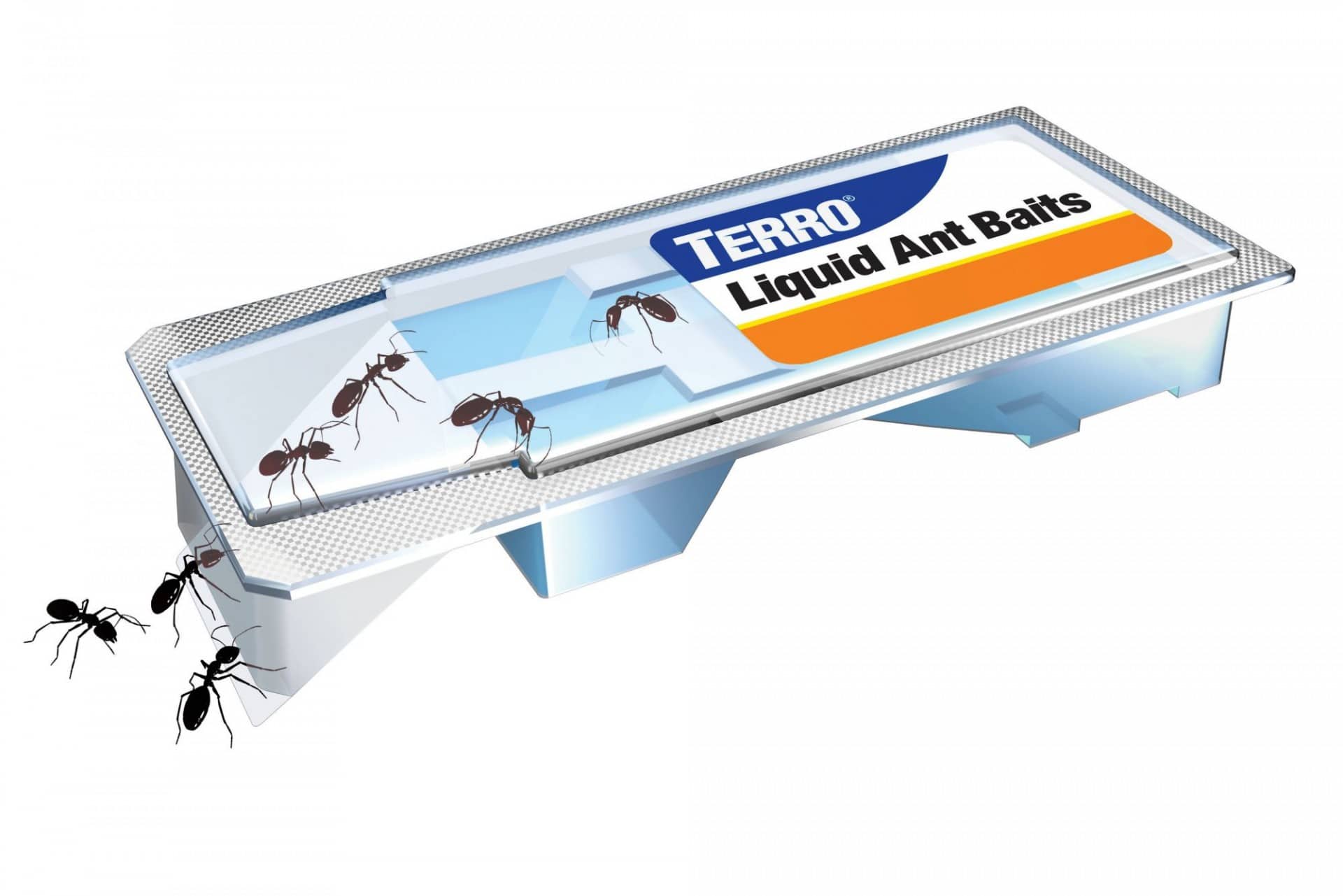
Liquid ant bait
Liquid bait may remain usable for days or weeks, depending on the formula and exposure. Evaporation, spills, and heavy feeding can shorten its useful life.
Gel ant bait
Gel bait may dry out or become less attractive over time, especially in warm or dry areas. Follow the product’s instructions for application and replacement.
Solid bait stations
Solid bait inside a station may last for weeks or longer under suitable conditions. The actual period varies by product and should not be guessed from the station’s appearance.
Homemade ant traps
Homemade mixtures have no universal shelf life or proven service period. Their contents can dry, spoil, or attract unwanted insects, and mixtures containing pesticides may create extra safety risks.
Does a Longer-Lasting Trap Work Better?
Not necessarily. A station that remains usable for a month may be convenient, but its longer service life does not prove that it controls ants faster or works better against every species. The bait must appeal to the ants that are present and be placed where they can reach it.
A shorter-lasting bait may be useful during a heavy infestation if the ants consume it quickly and the label allows replacement. The important measure is whether the product remains suitable for use and helps reduce ant activity when used as directed.
Check the stated service period
Use the manufacturer’s timing rather than judging the product by its size or price.
Watch ant activity
Look for changes in feeding and the number of ants over time, while allowing for the product’s expected response period.
Ant Trap Lifespan Versus Time Needed to Kill a Colony
The lifespan of an ant trap and the time needed to control an infestation are two different things. A station can contain usable bait while the colony continues to send workers into your home. In some cases, ants may feed for several days before you notice a clear decline in activity.
Many bait products use a delayed-action insecticide. Worker ants collect the bait and carry food back to other colony members. This process can help expose ants that never visit the station, but it takes time and depends on the species, colony structure, bait acceptance, and product formula.
Some ants may gather around a new station at first. That can mean they have found a food source, not that the infestation is getting worse. If the bait is suitable and the station is placed correctly, feeding may continue while the product takes effect.
Do not expect every colony to disappear on the same schedule. A small trail near a kitchen counter may respond differently from a large colony nesting outdoors or inside a wall. Follow the label’s expected treatment period before deciding whether the product has failed.
Source: cdn.shopify.com
The bait is still present
This suggests the station has not been fully consumed, but it does not prove that the bait is fresh or attractive enough to control the colony.
Ants visit the station
Feeding is a useful sign that workers accept the bait. It does not confirm that every part of the colony has received it.
Ant activity starts to fall
A steady decline can suggest progress. Continue monitoring and follow the product’s full directions.
Ants remain active beyond the expected period
Check the species, station placement, alternative food sources, and replacement instructions before choosing another treatment.
How Soon Should You See Results?
The first sign of progress may be reduced ant activity rather than a completely ant-free room. Depending on the bait and infestation, visible improvement may take several days or longer. The product label should provide the most relevant guidance for the specific formulation.
Avoid moving or removing a working station too soon just because ants are still visiting it. If the bait is being consumed and the label does not direct you to replace it, give the treatment its intended time to work.
First few days
Observe whether ants find and feed on the bait. Keep the station in its approved location.
Following days or weeks
Look for a sustained decline in activity and inspect the station according to its label.
No improvement
Review the product instructions and consider professional pest control if the problem persists or the ants may be nesting inside the structure.
What Affects How Long Ant Traps Last?
Several factors affect how long an ant trap remains usable. The bait formula matters, but the location can be just as important. A station in a cool, dry spot may last longer than one exposed to heat, sunlight, spills, or rain.
Ant activity also affects bait consumption. A large number of workers may empty a station faster than a few ants. This does not automatically mean the trap is defective; it may mean the available bait has been consumed and the station needs replacement according to the label.
The type of food ants prefer can change over time. Some ants favor sweet foods, while others seek protein or fats. If ants ignore one bait, they may not find it appealing at that moment, even if the bait has not reached its stated expiration or replacement date.
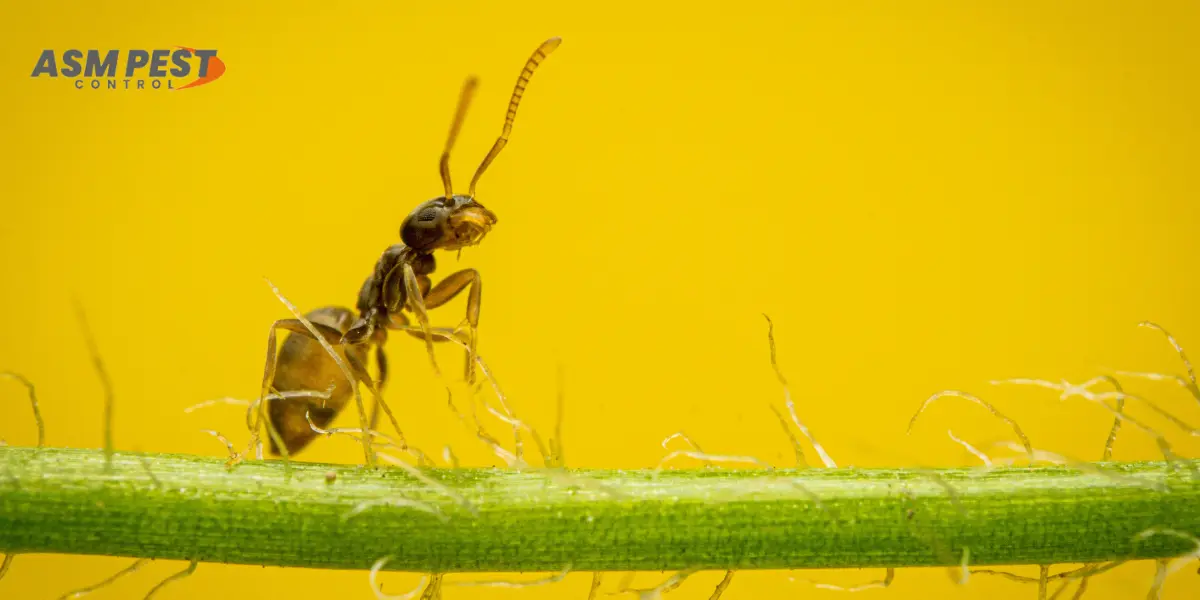
Source: asmpestcontrol.com
Temperature
High temperatures can affect moisture and bait condition. Avoid placing stations in hot areas unless the label permits it.
Sunlight
Direct sunlight may heat the station and affect some formulations. Choose a shaded location when the label allows that placement.
Rain and moisture
Water can dilute or wash away exposed bait and damage products not designed for outdoor use.
Dust and cleaning products
Dust, grease, and nearby cleaning chemicals can interfere with access or bait acceptance. Keep stations away from areas that are routinely washed.
Ant population
Heavy feeding can use up bait sooner. Inspect the station as directed rather than waiting for a fixed number of days.
Storage before use
Unopened products may have a different storage life from opened stations. Check the package date, storage directions, and expiration information where provided.
Do Ant Traps Expire?
Some ant bait products have an expiration date, manufacture date, or other storage guidance. Others provide a service-life or replacement instruction rather than a clear expiration date. These terms do not mean the same thing.
An expiration date or storage limit applies to the product as described by its manufacturer. The usable period after opening or placement may be shorter. If the package is damaged, the bait has changed in appearance, or the label’s storage conditions were not followed, contact the manufacturer or replace the product as directed.
Before opening
Store the product in its original packaging under the conditions on the label.
After placement
Use the stated service period and inspect the bait as directed.
When the date is unclear
Check the manufacturer’s product instructions or customer support instead of assuming the station remains effective indefinitely.
Signs That an Ant Trap Needs Replacing
Replace an ant trap when its label says to do so, when the bait has been used up, or when the station is damaged or contaminated. You do not need to wait until the entire shell falls apart. A station can look fine on the outside while its bait is no longer available to ants.
Check the station without opening or handling the bait unless the label tells you to. Some products are designed to remain sealed, and opening them can increase exposure to the insecticide. If the station leaks, stop using it and follow the label’s cleanup and disposal directions.
A lack of ant visits is not always proof that a station has expired. Ants may have shifted their route, found another food source, or stopped accepting that type of bait. Inspect the surrounding area and look for other causes before deciding that the station itself is spent.
Source: howigetridof.com
The bait is gone
If the station is empty or the bait has been fully consumed, replace it only as directed by the label.
The bait has dried or changed
Visible drying, hardening, leakage, or unusual changes can mean the bait is no longer suitable for use.
The station is cracked or open
A damaged station can expose people or pets to bait. Remove access to the area and follow the product’s safety instructions.
The station is contaminated
Grease, dust, cleaning products, or spilled liquids may make bait less attractive or compromise the station.
The label’s service period has ended
Follow the stated replacement interval even if some bait remains inside.
What If the Trap Still Looks Full?
A full-looking station may still be usable, but appearance alone cannot confirm its effectiveness. Check the label, look for visible damage, and see whether ants can access the bait through the station’s intended openings.
If ants have stopped visiting, first remove competing food sources and check whether the station sits along an active trail. Do not add chemicals or mix another bait into the station. If ants continue to ignore it, use a labeled product suited to the infestation or ask a licensed pest professional for help.
Keep the station accessible
Place it near an active trail where the label permits, without blocking the station’s openings.
Remove competing food
Clean crumbs and spills, seal food, and empty indoor trash regularly.
Avoid unnecessary replacement
Do not discard a working station early unless its label, condition, or safety requirements call for replacement.
How to Make Ant Traps Last as Long as Intended
Correct placement and basic upkeep help ant bait stations remain usable for their intended period. You do not need to handle the bait every day. Instead, inspect the station at the intervals stated on the label and keep the surrounding area clean and dry.
Start by finding the ant trail. Workers often move along edges, wall gaps, cabinet corners, pipes, or other routes between a food source and their nest. Place the station near an active route only if that location is allowed by the product label.
Avoid spraying insecticide directly on or near a bait station unless the product instructions specifically allow it. Repellent sprays can deter ants from approaching the bait. They may also interfere with the feeding process that helps some baits reach other colony members.
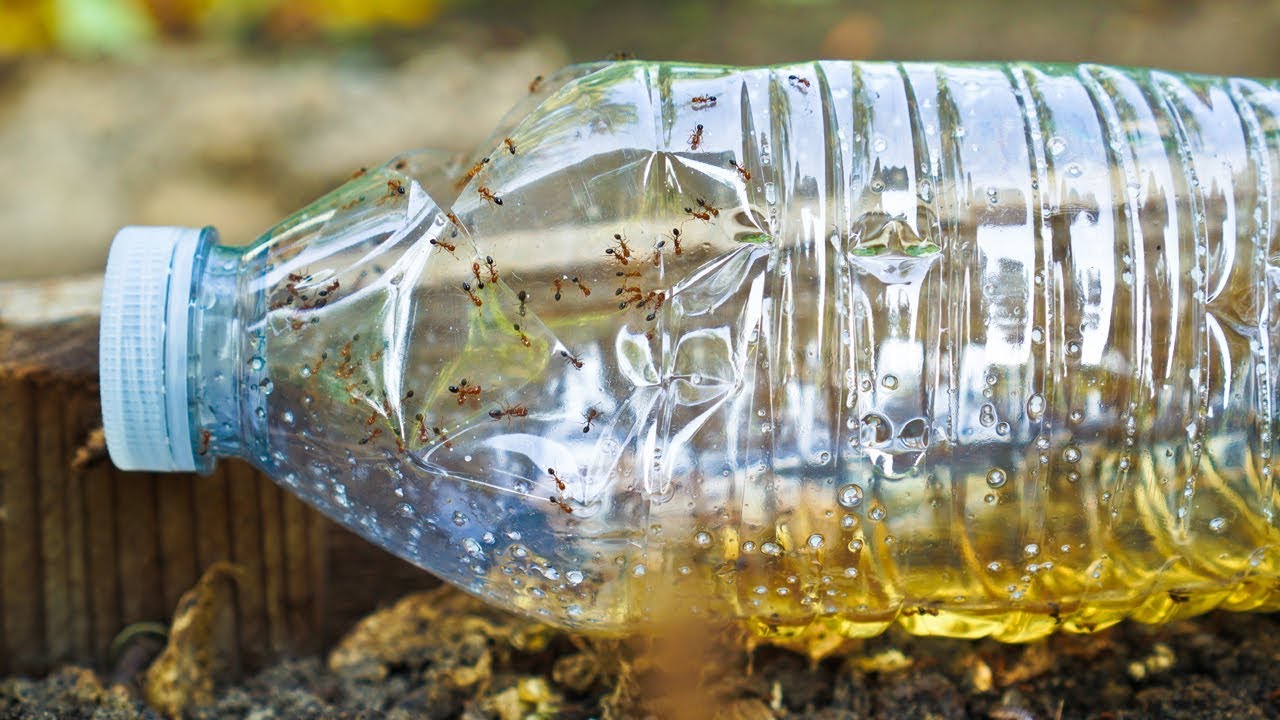
Source: i.ytimg.com
Step 1: Read the label
Confirm the approved location, placement method, service life, replacement schedule, and safety precautions before opening or placing the station.
Step 2: Choose an active trail
Look for repeated ant movement near edges and entry points. Do not place bait on food preparation surfaces or in locations prohibited by the label.
Step 3: Remove competing food
Wipe away crumbs and spills, store sweets in sealed containers, and keep pet food from sitting out longer than necessary.
Step 4: Protect the station
Keep it away from water, direct heat, and routine cleaning. For outdoor use, choose only a product labeled for that setting.
Step 5: Inspect it as directed
Check for bait loss, damage, contamination, and ant feeding. Replace the station according to the label rather than an assumed universal schedule.
Step 6: Track the result
Note whether ant activity falls over the treatment period. If it does not, review placement and product suitability before increasing pesticide use.
Where Should You Place Ant Traps Indoors?
Indoor bait stations often work best near active ant routes, provided the product label permits the location. Common areas include the edges of cabinets, spaces near plumbing, and points where ants enter a room. Avoid placing a station directly on a food preparation surface or where it can contact dishes and utensils.
A station should be accessible to the target ants but protected from children and pets. If you cannot find a location that meets both requirements, choose another approved placement or a product designed for safer placement in that setting.
Kitchen
Look near ant trails and entry points, away from food, dishes, and food preparation areas.
Bathroom
Check around pipe entry points and dry edges where ants travel, if the label allows placement there.
Garage or utility area
Inspect entry gaps and wall edges, and protect the station from dust, moisture, and accidental contact.
Indoor Versus Outdoor Ant Trap Lifespan
Indoor and outdoor bait stations face different conditions, so their useful lives may differ. Indoor stations are often protected from rain and direct sunlight, while outdoor stations may face temperature changes, windblown dust, and moisture. The station’s design and label determine whether it is suitable for each setting.
Never assume that a product made for indoor use is suitable for a yard, patio, or foundation. Outdoor exposure can affect bait and may allow pesticide to reach places where people, pets, wildlife, or water can be exposed. Use only products labeled for the intended location.
In the United States, pesticide labels provide important directions for approved uses and safe handling. Follow the instructions for placement, exposure limits, storage, disposal, and protection of children and pets. If a product does not list the intended setting, do not use it there.
Source: spiderzoon.com
Indoor stations
They may last longer in stable, dry locations, but spills, cleaning, heat, and heavy feeding can shorten their usable life.
Outdoor stations
They need to be specifically labeled for outdoor use. Rain, heat, and debris can affect their condition and may require more frequent inspection.
Covered outdoor locations
A sheltered spot may reduce exposure, but it does not make an indoor-only station suitable for outdoor use.
How Long Do Outdoor Ant Bait Stations Last in Rain?
There is no single rain-exposure limit for all outdoor bait stations. Some products are designed to resist weather, while others can be damaged or lose bait when exposed to water. Check the packaging for weather-resistance claims and placement restrictions.
After heavy rain, inspect an outdoor station only as the label directs. If it has flooded, cracked, leaked, or lost its bait, follow the stated replacement and disposal instructions. Do not assume that a weather-resistant shell means the bait remains effective after every storm.
Before rain
Choose a label-approved location that reduces unnecessary exposure to water.
After rain
Look for damage or flooding without opening the station. Replace it if the instructions or its condition require replacement.
Common Mistakes That Shorten Ant Trap Life
Many bait problems begin with placement or handling rather than the product itself. A station placed where ants cannot reach it may remain full for weeks without helping. Another station placed near a sink may be exposed to water every time someone cleans the counter.
Using several different pest products at once can also create problems. Repellent sprays may push ants away from bait, while unapproved mixtures can increase exposure risks. Follow the product directions and avoid combining treatments unless the labels permit the combination.
Do not judge a station only by how many ants you see around it at one moment. Ant activity can change with food availability, temperature, and colony behavior. Look at the overall trend across the recommended treatment period.
Source: i.ytimg.com
Moving the station too often
Frequent changes may interrupt feeding. Once you find a suitable active trail, keep the station there unless safety or label directions require a move.
Spraying around the bait
Some sprays repel ants and can reduce visits to the bait. Follow all label directions and avoid unapproved combinations.
Ignoring food spills
Crumbs and open food can compete with the bait and make it less appealing.
Using indoor bait outside
An indoor product may not withstand weather and may not be labeled for outdoor exposure.
Opening a sealed station
Opening the station can expose bait and create unnecessary contact risks. Use it as designed.
Keeping damaged stations
Cracked or leaking stations should not remain accessible. Follow the product’s safety and disposal directions.
What If Ants Keep Coming Back?
Ants may return because the original colony remains active, another colony is nearby, or the home still offers food and water. A bait station can help manage a colony, but it does not seal entry points or remove the conditions that attract ants.
Clean food spills, store pantry items in sealed containers, repair leaks, and seal suitable gaps around doors and windows. If ants keep appearing despite correct bait use, identify the species if possible and review whether the selected bait matches its feeding habits.
Check entry points
Look for gaps around pipes, window frames, door sweeps, and other routes into the home.
Look for moisture
Repair leaks and dry damp areas that may attract ants.
Consider professional help
Persistent activity, suspected nesting inside walls, or signs of structural wood damage may require a licensed pest control professional.
Ant Trap Safety, Storage, and Disposal
Ant traps contain substances designed to control insects, so treat them as pesticides even when the bait station looks small or harmless. Read the label before use and keep stations away from children, pets, food, dishes, and surfaces used to prepare meals. A closed station reduces direct access but does not remove every risk.
Store unused stations in their original packaging, in a secure place and under the temperature and moisture conditions on the label. Do not transfer bait to food containers or leave opened packages where a child or pet could reach them. Keep the product label available in case you need its safety or first-aid instructions.
Dispose of spent or damaged stations according to the label and local waste rules. Do not pour leftover bait into a drain or place it where runoff could reach storm drains, streams, or ponds unless the label specifically directs a safe disposal method. If a person or pet may have swallowed bait, contact a poison control service or veterinarian promptly and follow their advice.
Source: everythingbackyard.net
Children and pets
Place stations where they cannot reach or handle them. Do not rely on a small station’s size as proof that it is harmless.
Food areas
Keep bait away from food, utensils, and food-contact surfaces, following all label restrictions.
Leaking bait
Keep people and pets away, avoid direct contact, and follow the label’s cleanup and disposal instructions.
Accidental exposure
Use the product label to identify the active ingredient and seek prompt guidance from the appropriate poison control service or veterinarian.
Can You Reuse an Old Ant Trap?
Do not refill or reuse a disposable bait station unless the manufacturer specifically says it is designed for that purpose. Opening or refilling a sealed station can expose you to the bait and may change how the product works.
A station that has run out of bait should be replaced according to its label. If the manufacturer sells a refill for a reusable system, use only the specified refill and follow its instructions. Never combine leftover baits from different products.
Disposable station
Replace it as directed rather than opening or refilling it.
Refillable station
Use the approved refill and follow the manufacturer’s instructions.
A Simple Schedule for Checking Ant Traps
A simple inspection routine helps you catch empty or damaged stations without handling them more than necessary. The schedule below is a general monitoring plan, not a replacement interval for every product. If the label gives different instructions, follow the label.
Check the station after placement to confirm that it is secure and correctly positioned. Then inspect it at the intervals listed by the manufacturer, and after events that may have damaged it, such as a spill or heavy rain outdoors. Do not open the station to check its contents unless the instructions explicitly permit it.
Keep a brief record of the date you placed each station, its location, and changes in ant activity. This makes it easier to tell whether the treatment is helping and prevents you from replacing stations too often or leaving depleted ones in place.
Source: cdn.shopify.com
At placement
Record the date and location, and check that the station is secure and suitable for that setting.
During the first few days
Observe ant feeding from a safe distance and remove competing food sources.
At label-directed intervals
Inspect for bait loss, damage, contamination, and signs that replacement is needed.
At the end of the stated service period
Replace or dispose of the station as directed, even if its outer shell still looks intact.
If the infestation persists
Reassess the bait, placement, ant species, and entry points instead of adding more pesticide without a plan.
How to Estimate Replacement Needs
You can estimate how many stations you may need to replace by tracking actual use rather than relying on a universal lifespan. For example, if a station is empty at a label-directed inspection, record the date and replace it if the instructions call for a new station. The next inspection will show whether bait consumption has changed.
Do not treat a short observation period as proof of the product’s total lifespan. A station used quickly during a heavy infestation may last longer once ant numbers fall. Conversely, a station that receives no visits may remain full without providing useful control.
Record actual changes
Write down when bait is depleted, damaged, or replaced.
Follow label timing
Use the manufacturer’s service-life guidance when deciding whether an intact station should remain in place.
Frequently Asked Questions
Q
How long do ant traps last once opened?
The answer depends on the product. Some stations are designed to stay in place for days, while others may remain usable for several weeks or longer. Once opened or placed, follow the label’s service period and replacement directions rather than relying on the package’s unopened storage life.
Q
How often should I replace ant bait stations?
Replace a station when the label directs you to, when its bait is depleted, or when it becomes damaged or contaminated. Heavy ant activity may use up bait quickly, while a station in a low-activity area may remain full. The product instructions take priority over a fixed schedule.
Q
Do ant traps stop working if the bait dries out?
Drying can make some liquid or gel baits less attractive or unsuitable for use. The effect depends on the formula, so appearance alone cannot establish whether a bait remains effective. Follow the label’s inspection and replacement directions, and replace visibly dried bait when instructed.
Q
Should I leave ant traps out all year?
Not every home needs ant bait stations all year. Use them when there is a suitable pest problem and the product label permits the intended use. Once activity is controlled, remove or dispose of stations according to the label and focus on sealing entry points, cleaning food spills, and fixing moisture problems.
Q
Can ant traps lose effectiveness before they are empty?
Yes. Heat, moisture, contamination, damage, or changes in bait condition may affect performance before all the bait is consumed. Ants may also stop visiting because they have found other food or do not prefer that formula. Check the station’s condition and placement, and follow the label’s service-life guidance.
Q
Why are ants still around after I put out traps?
Ants may continue to visit while a delayed-action bait reaches other colony members. If activity does not decline within the product’s stated treatment period, check whether ants are feeding on the bait, whether other food sources compete with it, and whether the product suits the ant species. Persistent infestations may need a different labeled treatment or professional assessment.
Q
Are ant bait stations safe around cats and dogs?
Risk depends on the active ingredient, amount, and type of exposure. Keep stations out of reach and follow all label precautions. If a pet chews a station or may have swallowed bait, contact a veterinarian or animal poison control service promptly and keep the package available.
✦ Wrapping Up
Conclusion
Most ant bait traps are intended to last from several days to a few weeks, although some products remain usable longer. Their lifespan depends on the formula, station design, ant activity, storage, and exposure to heat or moisture. The product label provides the most reliable replacement schedule.
A trap’s service life is not the same as the time needed to control an ant colony. Look for steady changes in ant activity, keep competing food sources under control, and place stations only in approved locations. Replace depleted, damaged, or contaminated stations as directed, and avoid mixing bait with other pest products unless their labels allow it.
If ants persist despite correct use, reassess the placement and bait type. A licensed pest control professional can help identify the species and locate nests that are difficult to reach.
💡 Key Takeaway
Check your ant trap’s label today, record when you placed it, inspect it for damage or depleted bait as directed, and replace it only when the instructions or its condition call for replacement.
Does fire ant killer kill other ants? Learn how fire ant baits work, which ants they can kill, why results vary, and how to choose the right treatment.