Touching an active bug zapper can cause a painful electric shock, tingling, muscle movement, or a small skin burn. The risk depends on the device, the contact, and how electricity passes through your body.
On a warm summer evening in the United States, many families use electric bug zappers on patios, porches, decks, and in backyards. These devices attract flying insects with light and kill them with an electrified metal grid. Although the outer cage on many models helps prevent accidental contact, the inner grid can still deliver an unpleasant electric shock.
What happens if you touch a bug zapper depends on which part you touch. Contact with an exposed active grid can cause a sudden sting, a sharp shock, involuntary muscle movement, or a small electrical burn. A brief touch may cause only temporary discomfort, but no electric shock should be treated as completely harmless.
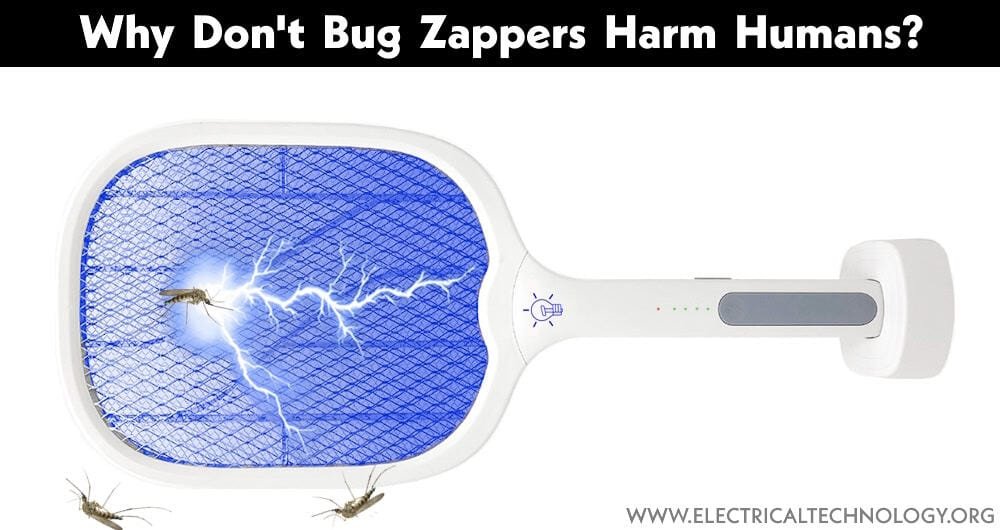
There is also a difference between a plug-in outdoorbug zapper and a handheld electric fly swatter. Their designs, power supplies, protective layers, and electrical systems vary. Some handheld models can retain an electrical charge for a short time after use, so turning off the device does not always mean its grid is immediately safe to touch.
The safest rule is simple: never touch the metal killing grid while a bug zapper is operating. If someone receives a shock, stop the electrical supply safely, check for warning signs, and seek medical advice when an electrical injury has occurred. Serious symptoms require emergency help.
Source: manuals.plus
What Happens When You Touch an Active Bug Zapper?
When your skin touches an active electrified grid, electricity can pass through your body. Your nerves and muscles respond to that electrical activity, which can produce a sudden painful sensation. You may pull your hand away before you fully understand what happened.
For many brief contacts with small consumer bug zappers, the immediate effect may be a sharp sting or tingling feeling. Some people notice a small muscle twitch or a brief burning sensation. However, the exact result cannot be predicted from the product’s voltage rating alone.
An electrical shock does not always leave a visible mark. A person can feel pain without seeing a burn, while another person may develop a small contact burn. The absence of a mark does not prove that an electrical injury is impossible.
The most important point is that an active bug zapper is an electrical device, not an ordinary insect screen. Its protective design helps reduce accidental contact, but it does not make direct contact with the working grid safe.
Source: www.youtube.com, Fusion Kidd
A sudden electric sting
The first sensation may feel like a quick, sharp pinch or a small electric jolt. The pain can stop quickly after contact ends.
Tingling or numbness
Electrical activity can affect nerves and cause temporary tingling, unusual sensations, or numbness around the contact area.
Muscle movement
The electrical current may trigger an involuntary muscle contraction. This can make your fingers or hand move suddenly.
A possible skin burn
Direct electrical contact can create a small burn where the skin touches the grid. The severity depends on the exposure and electrical conditions.
An unexpected fall
A sudden reaction may cause someone to drop the device, lose balance, or hit a nearby object.
Why Does the Shock Feel So Sudden?
Your nervous system uses electrical signals to control movement and sensation. An external electrical current can interfere with those signals, causing an unexpected response in the muscles and nerves.
Think of it as an unwanted interruption in a system that normally works in a controlled way. The sudden sensation can make you jerk your hand away before you have time to react.
Can You Touch the Outside of a Bug Zapper?
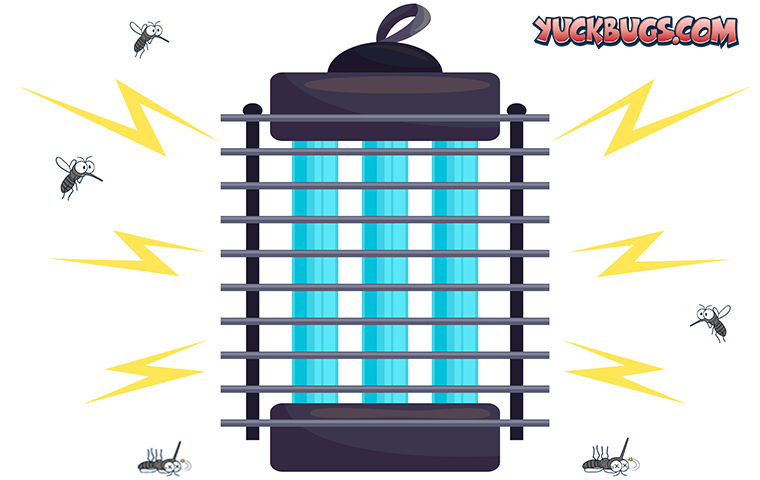
Many stationary bug zappers have an outer protective cage surrounding the electrified inner grid. The cage is designed to keep fingers and other objects away from the active wires during normal use.
However, not every model has the same construction. A damaged cage, missing cover, exposed wire, or incorrectly assembled unit can create a hazard. Do not assume every visible metal part is safe to touch.
Why Does a Bug Zapper Give You an Electric Shock?
A bug zapper works by creating an electrical field across a metal grid. When an insect reaches the electrified section, electricity passes through its small body and kills it. The same basic electrical principle explains why direct contact with the grid can shock a person.
Most traditional stationary bug zappers use an ultraviolet light source to attract flying insects. Behind the protective housing, closely spaced metal wires form the killing grid. The device applies a high voltage across parts of this grid so that an insect bridging the wires completes an electrical path.
The high voltage helps electricity cross the small gap between the wires. However, voltage alone does not tell you how dangerous a shock will be. Current, exposure time, electrical resistance, and the route electricity takes through the body also matter.
Many consumer insect zappers are designed with electrical components that limit the available current. This helps explain why a brief accidental contact may produce a quick sting rather than the same injury associated with household wiring. Still, current-limiting design does not make direct contact safe.
Source: slideserve.com
High voltage
Voltage is the electrical pressure that drives current through a circuit. Bug zappers use high voltage to create an effective insect-killing grid.
Electrical current
Current is the flow of electric charge. The amount of current passing through the body is a key factor in electrical injury.
Electrical resistance
Skin and body tissues resist electrical flow to varying degrees. Moisture, contact area, and skin condition can change that resistance.
Exposure time
Longer contact can increase the opportunity for injury. A person should never deliberately hold or test an electrified grid.
Does High Voltage Always Mean a Deadly Shock?
No. A high voltage rating does not automatically mean that touching a bug zapper will cause a fatal injury. The electrical design, available current, duration of contact, and path through the body all affect the outcome.
This does not mean that a high-voltage grid is harmless. A person cannot reliably judge the risk by looking at a label or comparing the voltage with another appliance. The safest approach is to avoid the electrified parts entirely.
Can Electricity Travel Through Your Body?
Yes. Human tissues conduct electricity, and a current can travel through the body when a complete electrical path exists. The route depends on where contact occurs and what other conductive surfaces the person touches.
Electrical injuries can affect the skin, nerves, muscles, and heart. Serious internal injury is less likely with some brief, low-energy consumer-device contacts than with major electrical exposures, but the actual risk cannot be established from appearance alone.
Can Touching a Bug Zapper Hurt You Seriously?
A brief accidental touch does not automatically mean that a person will suffer a serious injury. However, an electrical shock can cause more than temporary pain, and its severity cannot be determined by the number of volts printed on a product label.
Electrical injuries may affect the skin and deeper tissues. In some cases, electrical current can interfere with the heart’s normal rhythm or cause muscle and nerve damage. A fall or sudden movement can also create a separate injury.
The risk depends on several conditions. A quick touch to a small battery-operated device is not the same exposure as prolonged contact with a damaged plug-in appliance. It is important to identify the device and the circumstances rather than treating all bug zappers as identical.
If a person experiences a shock, medical assessment is sensible, particularly if the current may have crossed the chest, contact lasted more than a moment, or symptoms developed. Serious symptoms should never be watched at home in the hope that they disappear.
Source: gleecon.com
Skin injury
Direct contact can cause a localized electrical burn. The skin may become painful, red, or damaged.
Nerve effects
Some electrical injuries cause tingling, numbness, weakness, or unusual sensations in the affected area.
Muscle injury
A current can trigger muscle contractions. More significant exposure may cause muscle pain or tissue injury.
Heart rhythm problems
Electrical current passing through the body can interfere with the heart’s electrical activity. Chest pain, palpitations, fainting, or breathing problems need urgent attention.
Secondary injuries
A sudden reaction may lead to a fall, impact injury, or another accident near the device.
Can a Bug Zapper Shock Cause a Heart Problem?
Electrical current can affect the heart’s natural electrical system. Depending on the exposure, an electrical injury may cause an abnormal heart rhythm, also called an arrhythmia.
This does not mean that every brief bug zapper shock causes a heart problem. The risk depends on the actual current, its route through the body, and the duration of contact.
Call 911 if someone develops chest pain, trouble breathing, fainting, an irregular heartbeat with concerning symptoms, or loss of consciousness after an electrical shock.
Can a Bug Zapper Cause Permanent Damage?
Permanent damage is not the expected outcome of every brief contact with a consumer bug zapper. However, more serious electrical injuries can damage nerves, muscles, and other tissues.
Do not assume that a person is completely safe because the pain disappears. If there was a definite electrical shock, especially with persistent symptoms or a visible burn, contact a healthcare professional for guidance.
Does It Matter Which Type of Bug Zapper You Touch?
Yes. Different bug zappers have different electrical designs, protective structures, and power sources. A stationary outdoor insect killer is not identical to a handheld electric fly swatter.
A stationary model often has a protective outer cage around the active grid. A handheld racket usually has a layered metal mesh, with the inner layer carrying the electrical charge. Some models require you to hold a button to activate the grid, while others have an automatic operating mode.
The design changes what happens during accidental contact. For example, a properly assembled protective cage may prevent your fingers from reaching the killing grid. A damaged or exposed handheld racket may present a more direct contact hazard.
Some rechargeable models also have a residual-charge warning. Their instructions may require users to wait after switching them off before touching or cleaning the mesh. Always follow the exact manual for your model.
Source: ninjachoice.blog
Stationary outdoor bug zapper
Usually has a protective housing and an internal electrical grid. Never reach through openings or remove the protective cover while the unit is powered.
Handheld electric fly swatter
Uses a racket-shaped mesh to kill insects. Contact with the active inner mesh can produce an electric shock.
Rechargeable bug zapper
Uses a rechargeable battery and an electrical circuit. Some models warn about residual electrical charge after operation.
Automatic mosquito trap
May combine an insect-attracting light with an enclosed killing grid. Its electrical parts should remain protected by the original housing.
What Happens If You Touch an Electric Fly Swatter?
Touching the active mesh of an electric fly swatter can produce a sudden electric shock. Depending on the design and contact, you may feel a sharp sting, a muscle twitch, or a burning sensation.
Some handheld rackets have three mesh layers. The outer layers are intended to reduce accidental contact with the active inner layer, but the protection should not be treated as permission to touch or squeeze the mesh.
The manufacturer’s instructions are especially important for rechargeable models. One published racket manual, for example, warns that its grid can retain a charge for several seconds after operation. That timing is model-specific and should not be applied to every racket.
What Happens If You Touch a Bug Zapper After Turning It Off?
Switching off a bug zapper stops its normal operation, but some electrical designs may retain stored energy briefly. Capacitors are electronic components that can store electrical charge even after the power supply has been disconnected.
This is why some product manuals give a waiting period before cleaning or handling the grid. A few devices may have an automatic discharge feature, while others require a different procedure.
Do not touch the mesh immediately after switching off the device. Unplug it, follow the manufacturer’s discharge instructions, and use only the recommended cleaning tools.
What Factors Make a Bug Zapper Shock More Dangerous?
The danger of an electric shock depends on more than the device’s voltage rating. The type of current, available current, contact time, electrical path, and the person’s health can all influence the outcome.
A dry fingertip briefly touching a small exposed grid may create a different exposure from a wet hand gripping a damaged electrical part. These examples cannot be used to predict an individual’s injury, but they explain why the conditions around contact matter.
Electricity also behaves differently when it has a path through several body areas. Contact involving both hands or a hand and another part of the body may create a different risk from contact limited to one small area.
Children may be especially vulnerable to accidental contact because they may not understand electrical warnings or know how to avoid the grid. Keep all bug zappers out of their reach and do not allow them to use electric fly swatters as toys.
Source: ninjachoice.blog
Wet skin or moisture
Water and moisture can change electrical resistance and create additional hazards around powered equipment. Never handle a bug zapper with wet hands.
Damaged protective housing
Broken cages, loose wires, cracked insulation, or missing covers can expose electrical components that should remain inaccessible.
Longer contact
Prolonged contact can increase exposure. Never deliberately hold an electrified grid or try to test its strength.
Electrical path
The route current takes through the body matters. A path involving the chest can be especially concerning.
Health and individual factors
A person’s health and the presence of symptoms can affect the medical significance of an electrical injury.
Power source
Plug-in, rechargeable, and battery-operated devices have different electrical systems. Their risks should be assessed according to their actual design.
Is Touching a Bug Zapper With Wet Hands More Dangerous?
Wet hands can make electrical contact more concerning because moisture changes the resistance of the skin. Water around a powered appliance can also create additional paths for electricity.
For this reason, never handle, clean, or move an operating bug zapper with wet hands. Do not use an electric insect racket in the rain or near standing water unless the manufacturer specifically permits the conditions of use.
Even a product marketed for outdoor use may have limits on exposure to rain, water spray, and wet electrical connections. Check the manual instead of assuming that outdoor use means unrestricted waterproof protection.
Are Children at Greater Risk From Bug Zappers?
Children may touch exposed grids out of curiosity or mistake an electric fly swatter for an ordinary toy. They may also have difficulty explaining what happened after a shock.
Place stationary units where children cannot reach them. Store handheld rackets in a secure location, and supervise their use according to the manufacturer’s age and safety instructions.
What Should You Do If You Accidentally Touch a Bug Zapper?
If you accidentally touch an active bug zapper, move away from the device and stop further contact. Do not touch the grid again to check whether it is still working. The first priority is to make the electrical area safe.
If you can safely disconnect the power, unplug the unit from the outlet or switch off its electrical supply. Do not handle a damaged cord, exposed wire, or wet appliance while it is energized.
After the electrical source is safe, check the affected person for burns, pain, numbness, weakness, breathing problems, or other symptoms. If an electrical injury occurred, seek medical guidance rather than relying only on how the skin looks.
For a serious injury, call 911 immediately. Do not delay emergency care to search for the product manual or determine the device’s voltage.
Source: electricaltechnology.org
Step 1: Stop contact
Move away from the active grid. Do not grab the device or attempt another touch.
Step 2: Disconnect the power safely
Unplug the appliance if you can do so without touching damaged or energized parts. Otherwise, switch off power at a safe electrical control.
Step 3: Check for symptoms
Look for pain, burns, tingling, numbness, muscle contractions, dizziness, breathing problems, or changes in alertness.
Step 4: Seek medical advice
Contact a healthcare professional after a definite electrical shock. Describe the device, the contact area, the duration, and any symptoms.
Step 5: Get emergency help when needed
Call 911 for serious burns, chest pain, breathing difficulty, fainting, seizures, confusion, or an abnormal heartbeat.
How to Treat a Small Electrical Contact Burn
If a small skin burn is present and the person is no longer in contact with electricity, cool the affected area with cool running water. Do not use ice, butter, cooking oil, or home remedies.
Remove nearby jewelry or clothing only if it is not stuck to the burned skin. Cover the area loosely with a clean, non-fluffy dressing if needed.
Electrical burns deserve medical attention because visible skin damage may not show the full extent of an injury. A healthcare professional can determine whether further assessment or treatment is needed.
Use cool water
Cool the burn with cool running water. Avoid ice or very cold water.
Protect the skin
Use a clean, non-fluffy covering if the area needs protection.
Avoid home remedies
Do not apply butter, toothpaste, oil, or other household substances to the injury.
Get medical advice
Have an electrical burn assessed rather than assuming that a small mark means a minor injury.
What If Someone Else Is Being Shocked?
Never grab a person who is still in contact with an energized bug zapper or electrical source. Electricity may pass from that person into your body, creating a second victim.
Turn off the electricity at its source if you can do so safely. If you cannot disconnect the supply, do not touch the person or the equipment. Follow emergency dispatcher instructions and wait for qualified help when the electrical hazard cannot be made safe.
Once the person is safely separated from the electrical source, check whether they are responsive and breathing normally. Call 911 for a serious shock, and begin CPR if the person is unresponsive and not breathing normally, following dispatcher instructions and your training.
When Should You Call 911?
Call 911 if an electrical shock is followed by chest pain, trouble breathing, loss of consciousness, seizures, confusion, severe burns, or symptoms of a serious heart rhythm problem.
An absent pulse or abnormal breathing is an immediate emergency. Follow the dispatcher’s instructions and use an automated external defibrillator if one is available and you can use it safely.
Do not drive yourself to the hospital if you have serious symptoms after an electrical injury. Get emergency medical assistance.
How to Avoid Getting Shocked by a Bug Zapper
The best way to prevent a bug zapper injury is to keep your hands away from the active grid and follow the manufacturer’s instructions. Most accidental contacts happen when someone tries to clean, repair, move, or inspect an operating device.
Before installing a stationary unit, choose a stable location away from children’s reach and areas where people may accidentally bump into it. Make sure the protective housing is complete and the electrical cord is not damaged.
For handheld rackets, use the handle and intended controls only. Keep your fingers away from the metal mesh, and never press the active grid against another person, an animal, or a conductive object.
Cleaning is another important safety step. Insects and debris may collect around the grid, but removing them while the device is powered can expose you to electrical contact. Disconnect the power and follow the exact cleaning and discharge procedure in the manual.
Source: storage.googleapis.com
Read the instruction manual
Check the model-specific warnings, operating instructions, electrical requirements, and cleaning directions before using the device.
Keep the protective cage intact
Never operate a stationary zapper with a broken, loose, or missing protective cover.
Keep devices away from children
Install stationary units out of reach and store handheld rackets securely after use.
Avoid water and wet conditions
Do not handle electrical components with wet hands or use a device in conditions outside its stated rating.
Unplug before cleaning
Disconnect the power supply before removing insect debris or performing routine maintenance.
Wait as directed
Follow any manufacturer-specified discharge period before touching or cleaning the mesh.
Replace damaged equipment
Stop using a zapper with exposed wires, broken mesh, damaged insulation, or a faulty power cord.
How to Clean a Bug Zapper Safely
Start by switching off the device and disconnecting it from its power source. For rechargeable or battery-operated products, follow the manufacturer’s instructions for disabling the electrical system.
Allow the recommended waiting period if the manual identifies a residual-charge risk. Do not assume that every model discharges at the same speed.
Use the cleaning brush supplied with the device or another tool specifically approved by its manufacturer. Avoid fingers, metal tools, wet cloths, and water sprays around electrical components.
If the grid is bent, exposed, or damaged, stop cleaning and stop using the product. Contact the manufacturer or a qualified repair service rather than trying to repair a high-voltage grid yourself.
Where Should You Place an Outdoor Bug Zapper?
Place an outdoor bug zapper where people are unlikely to bump into it or reach through its protective openings. A secure mounting point can reduce accidental contact and prevent the unit from falling.
Keep cords and electrical connections away from standing water, traffic paths, and areas where children play. Follow the manufacturer’s instructions for outdoor electrical connections and weather protection.
A location that is safe for installation is not automatically safe for maintenance. Disconnect the power before moving or cleaning the unit.
Common Myths About Touching a Bug Zapper
Several common beliefs make people less careful around electric bug zappers. Some assume that the devices are harmless because they kill tiny insects, while others believe that switching off the power instantly removes every electrical hazard.
Neither assumption is reliable. Bug zappers are designed to control insects, not to provide a safe surface for human contact. Their protective features reduce certain risks but do not remove the need for careful handling.
Understanding the difference between voltage, current, protective housing, and stored electrical charge helps explain why the safety instructions matter. It also prevents people from using dangerous experiments to test whether a device is working.
Source: electricaltechnology.org
Myth: Bug zappers cannot hurt people
Fact: Direct contact with an active grid can cause an electric shock and possible skin injury.
Myth: High voltage always means instant death
Fact: Voltage alone does not determine the outcome. Current, exposure time, electrical path, and other conditions matter.
Myth: The outside of every zapper is safe
Fact: Protective structures differ. Damaged or poorly assembled units may expose electrical parts.
Myth: Turning off the switch makes the grid immediately safe
Fact: Some models can retain stored electrical charge. Follow the manual’s discharge instructions.
Myth: No visible burn means no injury
Fact: Electrical injuries can occur without an obvious skin mark.
Myth: A quick shock never needs medical attention
Fact: The need for assessment depends on the exposure and symptoms. Serious symptoms require emergency care.
Can You Test a Bug Zapper by Touching It?
No. Touching the grid is not a safe or reliable way to check whether a bug zapper works. You could receive a shock, and the result would not tell you whether the device is operating within its intended electrical specifications.
Use the manufacturer’s approved operating indicators or inspection method instead. If the device does not work, disconnect it and follow the troubleshooting instructions.
Can Rubber Gloves Make It Safe to Touch the Grid?
Do not rely on ordinary rubber gloves as permission to touch an active bug zapper. Household gloves are not necessarily tested or rated for the electrical conditions involved.
Electrical protective equipment must be specifically designed, tested, and used for the relevant hazard. Routine bug zapper cleaning should be performed only after the device has been safely disconnected and prepared according to its manual.
How to Decide Whether an Accidental Shock Needs Medical Attention
The safest decision after a definite electrical shock is to contact a healthcare professional for advice. A medical professional can consider the type of device, the contact area, the exposure, and any symptoms before deciding whether an examination is needed.
Do not use a simple checklist to diagnose an electrical injury at home. The following table is a practical guide to recognizing warning signs, not a substitute for medical assessment.
A small visible mark does not tell the whole story. Equally, a brief sting does not automatically mean that severe internal damage has occurred. The goal is to respond to the actual exposure without ignoring symptoms or creating unnecessary panic.
Source: slideserve.com
Brief pain or tingling
Move away from the source and contact a healthcare professional for advice after a definite electrical shock. Watch for symptoms that persist or develop.
Visible electrical burn
Arrange prompt medical assessment because the visible injury may not show the full extent of electrical damage.
Persistent numbness or weakness
Seek medical assessment, especially if symptoms continue, worsen, or affect normal movement.
Chest pain or breathing difficulty
Call 911 immediately.
Fainting, seizures, or confusion
Call 911 immediately and follow emergency dispatcher instructions.
What Information Should You Give a Doctor?
Try to describe what happened clearly. Tell the healthcare professional whether the device was plugged in, battery-operated, rechargeable, or a handheld electric racket.
Explain which part touched your body, how long contact lasted, and whether the current may have passed through more than one body area. Mention any visible burns, tingling, muscle pain, weakness, dizziness, or heart-related symptoms.
If you know the product model, keep its manual or packaging available. This information may help the medical professional understand the device’s design, but it should never delay emergency treatment.
Device type
Identify whether it was a stationary plug-in zapper, rechargeable unit, or battery-operated racket.
Contact location
Describe where the device touched your body and whether more than one contact point was involved.
Exposure duration
Explain whether the contact was brief or whether you could not immediately pull away.
Symptoms
Report all symptoms, including those that appeared after the initial shock.
Frequently Asked Questions
Q
Can Touching a Bug Zapper Kill You?
A brief accidental touch with some consumer bug zappers is more likely to cause a painful shock than a fatal injury. However, it is not possible to guarantee that every contact is harmless.
Electrical current can affect the heart and other body tissues. The actual risk depends on the device, current, contact time, and electrical path through the body. Seek emergency help for chest pain, breathing problems, fainting, seizures, or serious burns.
Q
Will Touching a Bug Zapper Leave a Burn?
It can. Direct contact with an electrified grid may cause a small electrical burn where the skin touches the metal. The area may feel painful or show a visible mark.
However, an electrical injury does not always leave a visible burn. If you receive a definite shock, seek medical guidance, especially if pain, numbness, or other symptoms continue.
Q
Can You Touch a Bug Zapper When It Is Turned Off?
You should not assume that a switched-off bug zapper is immediately safe. Some models may retain electrical charge after operation, particularly in their electronic components.
Disconnect the power and follow the manufacturer’s instructions about waiting for discharge before cleaning or handling the grid. The required waiting time varies by model.
Q
Can a Bug Zapper Shock You Through Clothing?
Clothing is not a dependable way to protect yourself from an electrical shock. Thin, damp, or damaged fabric may provide little protection, and exposed skin can still come into contact with the grid.
Never use clothing as a barrier when handling an active bug zapper. Disconnect the power and follow the product’s safety instructions instead.
Q
Is a Bug Zapper More Dangerous Than an Electric Fly Swatter?
Neither device is automatically more dangerous in every situation. A stationary zapper often has a protective outer cage, while an electric fly swatter may have an exposed or partially protected mesh.
Both can deliver an electric shock if a person reaches an active electrical component. Their voltage, current-limiting circuits, protective layers, and stored-charge behavior depend on the specific model.
Q
Can You Touch the Outer Mesh of an Electric Fly Swatter?
Some electric fly swatters use multiple layers of mesh, with outer layers intended to keep fingers away from the active inner grid. However, designs differ, and damaged mesh may expose the electrical parts.
Do not deliberately touch or squeeze any part of the mesh while the device is operating. Follow the manufacturer’s instructions for safe use and storage.
Q
What Should You Do If Your Child Touches a Bug Zapper?
Move the child away from the device and safely disconnect its power. Do not allow the child to touch it again, even if the initial shock seems brief.
Contact a healthcare professional for guidance after a definite electrical shock. Call 911 if the child has breathing problems, chest pain, fainting, seizures, confusion, serious burns, or another severe symptom.
Q
Can a Bug Zapper Shock You When It Is Unplugged?
Some bug zappers contain capacitors that can store electrical energy for a short time after the power is disconnected. This means unplugging a device does not always remove every immediate contact hazard.
Follow the model-specific discharge instructions and do not touch the electrical grid until the manufacturer says it is safe to handle.
Q
Should You Go to the Hospital After Touching a Bug Zapper?
The need for hospital care depends on the electrical exposure and the person’s symptoms. A healthcare professional should assess a definite electrical injury, particularly if there is a burn, ongoing pain, numbness, weakness, or uncertainty about the exposure.
Call 911 for serious burns, breathing difficulty, chest pain, abnormal heart rhythm symptoms, seizures, confusion, or loss of consciousness. Do not wait for symptoms to become worse.
Q
How Long Does a Bug Zapper Shock Last?
The electrical contact may last only a brief moment, and the initial sting may fade quickly. However, the duration of discomfort depends on the exposure and any injury that occurred.
Persistent pain, tingling, numbness, muscle weakness, or a visible burn should not be ignored. Seek medical advice rather than using the duration of the initial shock as a measure of safety.
✦ Wrapping Up
Conclusion
Touching an active bug zapper can cause a painful electric shock, tingling, muscle contractions, and sometimes a skin burn. A brief accidental touch may produce only temporary discomfort, but the outcome depends on the electrical design, current, contact time, and path through the body.
The protective cage on a stationary insect zapper and the layered mesh on an electric fly swatter help reduce accidental contact. They do not make the active electrical grid safe to touch. Some rechargeable models may also retain electrical charge briefly after being switched off.
If an accident happens, move away from the device, disconnect the power safely, and check for symptoms. Contact a healthcare professional after a definite electrical injury, and call 911 for serious burns, chest pain, breathing problems, fainting, seizures, confusion, or other emergency signs.
Prevention is much easier than dealing with an electrical injury. Keep bug zappers out of children’s reach, avoid wet conditions, inspect protective covers, and disconnect the power before cleaning. Never use your hand to test whether a bug zapper is working.
💡 Key Takeaway
Remember three safety rules: never touch an active bug zapper grid, always disconnect the power and follow the manufacturer’s discharge instructions before cleaning, and seek medical help after an electrical injury. If serious symptoms occur, call 911 immediately.
You’ve watched the same thin line of ants crawl across the kitchen counter for the third straight week. You’ve wiped them off. You’ve sprayed. The trail is…