Yes, Raid ant traps can work against ants that eat the bait, carry it back to the colony, and expose other ants to the active ingredient.
In American homes, ants often show up near kitchen sinks, pantry shelves, pet bowls, and patio doors. A few tiny ants can turn into a daily nuisance when they find crumbs or a sweet drink. Raid ant traps can help, but success depends on the ant species, the bait formula, and where you place the stations.
The key is to understand what an ant bait station does. It is not simply a box that catches ants. Worker ants enter the station, feed on the bait, and may carry food back to their nest. This can help the bait reach ants that you cannot see. Results take time, so a sudden drop in visible ants is not the only sign of success. This guide explains what to expect, how to use Raid ant traps, and when another approach may be needed.
Source: animalia-life.club
How Do Raid Ant Traps Work?
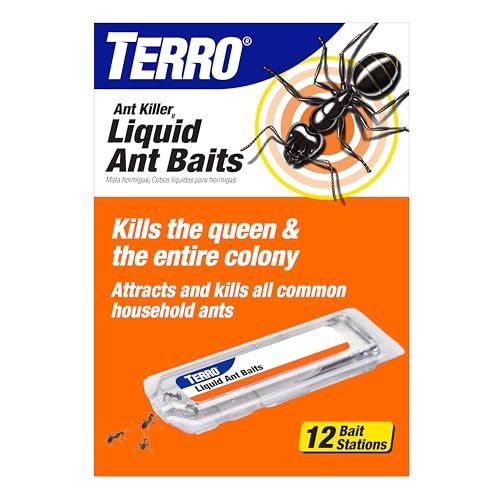
Raid ant traps work by offering ants food that contains an insecticide. The station gives worker ants access to the bait while helping contain it in a small area. When the bait appeals to the ants in your home, they may feed on it and transport some of the food to their nest.
Many ant colonies include a queen, young ants, and workers that search for food. Killing a few workers does not always solve the problem because the nest can continue to produce more ants. A suitable bait can reach more of the colony than a treatment that kills only the ants you see.
The exact mechanism depends on the product. Check the package for the active ingredient, its concentration, the target pests, and directions for use. Do not assume every Raid station uses the same chemical or has the same speed of action.
Source: www.pinterest.com
Attract
The bait offers food that may appeal to foraging worker ants. Ant preferences vary by species, colony needs, and available food.
Feed
Worker ants enter the station and eat the bait. They may also share food with nestmates, depending on the ant species and the bait.
Spread
Some workers carry bait back to the nest or pass food to other ants. This gives the treatment a chance to affect ants beyond the station.
Reduce activity
If enough ants consume a suitable bait, the colony may decline. The result is not guaranteed, and some infestations need a different treatment.
Why Bait Can Work Better Than Killing Ants on Contact
A contact insecticide can kill an ant soon after the ant touches a treated surface. That may provide quick relief from visible ants, but it does not necessarily reach the nest. Bait uses a different strategy: it lets ants take food to places you cannot reach.
Think of the bait station as a food delivery point. The workers do the traveling, which may help distribute the bait through the colony. However, this method depends on ants accepting the food and carrying it where it can do useful work.
Contact treatment
Can reduce ants that touch the treated area, but may not control the nest.
Bait treatment
Can affect ants that feed on the bait and share it with nestmates, but often needs more time.
How Long Do Raid Ant Traps Take to Work?
Raid ant traps do not always produce instant results. Some ants may visit the station soon after you place it, while a noticeable decline in activity can take several days or longer. The time depends on the specific product, the ant species, the size of the infestation, and how readily the colony accepts the bait.
Read the product package for its stated performance expectations. A claim made for one bait station should not be applied to every Raid product. If the label gives a treatment period or replacement schedule, use that information instead of relying on a general estimate.
Do not judge success by counting ants at the station just once. Early activity may rise because the workers have found a food source. Look for a trend over time, such as fewer trails, fewer ants near food, and less activity at the places where you first noticed them.
Source: www.pinterest.com
Early visits
Ants may begin feeding soon after discovering the station, but this does not prove that the nest has been controlled.
Continued feeding
A steady stream of workers can mean that the bait is attractive. Keep observing and follow the label rather than moving the station without a reason.
Declining activity
Fewer ants over several observations can be a useful sign that the bait and other control steps are helping.
No clear improvement
Check the placement, competing food sources, product suitability, and label instructions. Consider professional pest control if the problem persists.
Should You Worry If More Ants Appear at First?
Not necessarily. A bait station can attract ants that were already foraging nearby, making their activity easier to see. This can look like the problem is getting worse even when the workers are simply feeding.
Still, increased activity alone does not prove the bait is working. If ants gather at the station but visible trails remain unchanged over the period stated on the label, review the setup. Keep the station in place only as directed, and do not add unapproved chemicals around it.
Observe the trail
Check whether ants are reaching the bait and whether the trail changes over time.
Avoid hasty changes
Do not replace or combine treatments without checking the label and allowing the stated time for the product to work.
Which Ants Do Raid Ant Traps Work On?
Raid ant traps can work on certain common household ants, but no single bait should be expected to control every species. The most useful question is whether the ants in your home will eat that particular bait and whether the product label covers them.
Ants have different feeding habits. Some readily take sweet foods, while others prefer protein or greasy foods. Their preferences can also shift with the needs of the colony. If the bait does not match what the ants are seeking, they may walk past it even when the station is placed near a trail.
A product labeled for ants is not automatically suitable for every ant problem. Check the package for its listed pests and approved locations. If you cannot identify the ants, a local pest management professional may help determine the species and the best control method.
Source: www.pinterest.com
Small ants in the kitchen
Bait may help when these ants accept the formula. Clean up crumbs and spills so competing food does not draw workers away.
Sweet-feeding ants
A bait that appeals to their current food preference may attract them, but preferences differ by species and colony.
Protein- or grease-seeking ants
A sweet bait may be less attractive at a given time. Check the label and avoid assuming that all ants prefer the same food.
Carpenter ants
Large ants around damp or damaged wood may signal a different problem. Bait alone may not address a nest in a wall or structural wood, so inspect for moisture and seek professional advice when needed.
Why Ants Sometimes Ignore the Bait
Ants may ignore a station because they have found a better food source, the bait does not match their current preference, or the station sits outside their usual route. Heat, dryness, contamination, or an expired station may also affect its usefulness.
Start with simple checks. Confirm that the product is intended for the ants and the location, that the station is intact and within its use period, and that food scraps are not competing with the bait. Watch where the ants travel before moving the station to another label-approved location.
Competing food
Seal food, wipe up spills, empty crumbs from drawers, and clean sticky areas near the trail.
Wrong placement
Place the station near a route where ants are active, following the package directions.
Poor bait match
If ants continue to avoid the bait, ask a pest professional whether another bait type or control method fits the species.
Where Should You Place Raid Ant Traps?
Place Raid ant traps where ants already travel, provided the product label permits use in that spot. A station near an active trail is more likely to be found than one placed at random in the middle of a room.
In a typical American kitchen, useful areas to inspect include the back of a cabinet, the gap near a pantry, and a route along a baseboard. Other possible locations include spots near a door or window where ants enter. Do not place stations directly on food, dishes, countertops used for meal preparation, or areas where children and pets can reach them.
Before placing a station, watch the ants for a few minutes. Their trail can reveal where they enter and where they search for food. Use that information to choose a safe, label-approved location instead of spreading stations across the room without a plan.
Source: dnaindia.com
Near active trails
Choose a location close to the route ants use, while keeping the station away from food and direct contact with people or pets.
Along entry points
If ants enter near a door or window, consider a nearby approved spot where the station will remain undisturbed.
Inside cabinets
Use a cabinet location only if the product label allows it and the station can be kept away from food, dishes, and accessible items.
Away from water
Avoid spots where the station may become wet, washed away, or contaminated, unless the label specifically permits those conditions.
How Many Raid Ant Traps Do You Need?
The correct number depends on the exact product instructions and the size and layout of the affected area. Some packages state how many stations to use and where to position them. Follow those directions instead of guessing based on the number of ants you see.
Adding extra stations beyond the label directions does not guarantee faster control. It can increase exposure risks and make it harder to tell which location is helping. Use only the number and placement pattern the manufacturer specifies.
Follow the package
Use the stated number of stations for the approved area and replace them as directed.
Track activity
Note where ants appear before and after placement so you can assess whether the setup is helping.
How to Use Raid Ant Traps for Better Results
The best way to use Raid ant traps is to pair correct placement with basic sanitation and careful observation. The station provides the bait, while your cleaning and food storage habits help make that bait more appealing to foraging ants.
Start by reading the entire label. Check the approved indoor or outdoor uses, target pests, active ingredient, precautions, placement rules, and replacement instructions. If your station has a tamper-resistant design or a specific opening method, follow the instructions rather than cutting or altering it.
Source: animalia-life.club
Step 1: Find the trail
Watch where ants move and identify the food source or likely entry point. Avoid disturbing the trail more than needed before deciding where to place the bait.
Step 2: Remove competing food
Store pantry goods in closed containers, clean crumbs, wipe spills, and rinse food residue from dishes. Keep trash covered and remove pet food when it is not in use, where practical.
Step 3: Place the station
Set the station in a label-approved location along the active route. Keep it stable and inaccessible to children and pets.
Step 4: Let ants feed
Avoid spraying insecticide on or around the bait unless the label specifically allows it. Repellent products can interfere with ants reaching the bait.
Step 5: Monitor progress
Check activity at regular intervals without opening or tampering with the station. Follow the label for replacement and disposal.
Step 6: Review the result
If ant activity declines, continue prevention and follow the product directions. If the problem persists, reassess the species, food sources, and placement.
Should You Spray Raid Around an Ant Trap?
Do not automatically combine an ant bait station with a spray. A spray may kill ants before they reach the bait or repel them from the feeding area. This can undermine the bait’s purpose, even if the spray kills visible ants quickly.
Check both product labels before combining any treatments. If the directions do not clearly permit the combination, use one suitable method as directed or ask a pest management professional for advice.
Avoid spraying the station
Do not apply spray insecticide to the bait or its opening.
Avoid unapproved mixtures
Never mix pesticides or use products in a way their labels do not permit.
Common Reasons Raid Ant Traps Fail
When Raid ant traps do not seem to work, the problem may be the bait, the placement, the ant species, or a food source that keeps attracting workers elsewhere. Failure does not always mean the product is defective, but it does mean the setup deserves a closer look.
Check one factor at a time when possible. This helps you identify the likely cause instead of adding more stations or several chemicals at once. Keep children and pets away while you inspect or adjust the setup.
Source: mid-day.com
The ants do not eat the bait
The formula may not match their current feeding preference. Confirm that the product covers the target ants and consider professional identification if you cannot tell which species is present.
The station is away from the trail
Ants may never find a station placed far from their normal route. Observe their movement and reposition the station only as the label permits.
Food remains available
Crumbs, grease, sugary drinks, and open pet food may compete with the bait. Clean and store food carefully while keeping the station accessible to ants but not to children or pets.
The station is old or damaged
A station that has passed its labeled use period or has been damaged may not perform as intended. Check the package and replace or dispose of it as directed.
The nest is difficult to reach
Ants nesting in a wall void, under a slab, or in damp wood may require a more targeted approach. Continued activity may call for professional inspection.
The wrong pest has been identified
Other small insects can be mistaken for ants, and different ant species respond differently to treatments. Confirm the pest before continuing.
What to Do If Ants Keep Coming Back
Recurring ants often point to an unresolved source of food, moisture, or access. Once activity drops, inspect for gaps around pipes, doors, windows, and baseboards. Seal suitable gaps with an appropriate material after checking that you are not trapping an active nest inside a structure.
Keep food in sealed containers, repair leaks, and clean areas where sugary or greasy residue builds up. If ants return despite correct bait use and sound prevention, a pest professional can assess the species and locate nesting sites that are difficult to reach.
Reduce food access
Clean counters and floors, secure trash, and avoid leaving food or sugary drinks out overnight.
Reduce moisture
Fix leaks and dry damp areas when practical, especially near sinks and pipes.
Seal entry points
Close suitable cracks and gaps once you understand where ants are entering and have considered whether a nest is present.
Are Raid Ant Traps Safe Around Children and Pets?
Raid ant traps contain pesticide, so they should not be treated as harmless toys or food containers. The risk depends on the product, its active ingredient, the amount involved, and the type of exposure. Always read the safety instructions on the exact package you own.
Place stations where children and pets cannot reach, chew, move, or open them. Do not put them beside pet food or water bowls, on food-preparation surfaces, or in locations where a child may find them while exploring. A station’s enclosed design does not remove the need for careful placement.
If a station breaks or leaks, keep people and animals away and follow the package directions for cleanup. Do not improvise with household chemicals or mix cleaners. If someone may have swallowed bait or had a significant exposure, contact Poison Control in the United States at 1-800-222-1222 or seek urgent medical or veterinary advice as appropriate.
Source: animalia-life.club
Read the label
Check the active ingredient, first-aid directions, storage rules, and disposal instructions for the exact product.
Prevent access
Keep stations in secure, approved locations that children and pets cannot reach.
Do not transfer bait
Never move bait into an unmarked container or use a damaged station in a way the label does not allow.
Get help after exposure
Follow the product’s first-aid directions and contact a suitable poison information service, medical professional, or veterinarian based on who was exposed.
Can You Put Raid Ant Traps on a Kitchen Counter?
A kitchen counter used to prepare food is generally a poor place for an ant bait station. Food, utensils, and hands may come into contact with pesticide residue if the station is moved, damaged, or disturbed.
Choose a label-approved location away from food, dishes, and meal-preparation surfaces. If the package does not clearly permit the intended placement, do not use the station there.
Use a safer location
Consider an approved spot along a baseboard or another area ants visit but people and pets cannot reach.
Keep surfaces clean
Continue normal food hygiene, but do not spray cleaners or other products directly onto the station.
Frequently Asked Questions
Q
Do Raid ant traps kill the whole colony?
They may help control a colony if the ants accept the bait, consume enough of it, and carry it back to the nest or share it with nestmates. They do not guarantee that every ant or the queen will be killed. Results depend on the ant species, the product formula, and the location of the nest.
Q
Why are more ants coming to my Raid ant trap?
The bait may be attracting workers that were already searching for food nearby. This can cause a temporary rise in visible activity. Watch for a decline over time and follow the product label. If ants do not appear to feed on the bait or activity does not improve, reassess the station’s location and suitability.
Q
Can I use Raid ant traps and ant spray together?
Do not combine them automatically. Spray can kill ants before they reach the bait or repel them from it, which may reduce the bait’s effectiveness. Check both labels, avoid applying spray to the station, and do not combine treatments unless the instructions permit it.
Q
How often should I replace Raid ant traps?
Use the replacement schedule printed on your exact package. The schedule can vary by product and its intended use. Replace a station when directed or when the label indicates it should no longer be used, and dispose of it according to the instructions.
Q
Do Raid ant traps work on tiny ants?
They can work on some tiny household ants if the product is labeled for the target pest and the ants feed on its bait. Small size alone does not identify the species. If the ants ignore the station, check their food sources, placement, and the label’s target-pest information.
Q
What should I do if Raid ant traps do not work?
Confirm that the station is fresh, intact, correctly placed, and approved for the ant problem. Remove competing food, avoid interfering sprays, and allow the time stated on the package. If ants persist or appear to nest in walls or damaged wood, seek help from a qualified pest management professional.
Q
Can Raid ant traps be used outdoors?
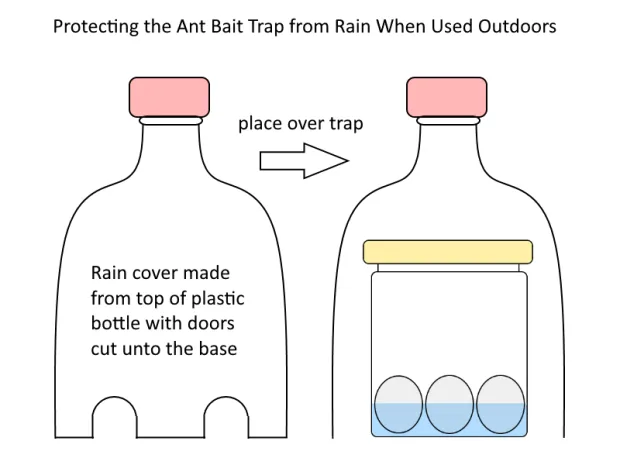
Only use a particular station outdoors if its label explicitly permits outdoor use. Indoor stations may not be designed for rain, heat, or other outdoor conditions. Follow the package directions for approved sites, weather exposure, placement, and disposal.
✦ Wrapping Up
Conclusion
So, do Raid ant traps work? Yes, they can help control some household ant problems when the bait suits the species, workers feed on it, and the station is placed correctly. Their main advantage is that ants may carry bait back to the nest, giving the treatment a chance to reach ants that are not visible in your home.
They are not an instant fix for every infestation. Results can vary, and bait stations may fail when ants prefer other food, cannot find the station, or belong to a species that needs a different approach. Cleaning up food, reducing moisture, and blocking suitable entry points can improve your overall control plan.
Start with the product label, place the station near an active trail in a safe approved spot, and monitor changes over time. If ants keep returning despite correct use, identify the species or consult a pest management professional rather than adding more chemicals at random.
💡 Key Takeaway
Read the label, place Raid ant traps beside an active ant trail where children and pets cannot reach them, remove competing food, and monitor activity over the period specified on the package.
You’ve probably sprinkled sugar on a counter, watched a line of tiny workers trudge past, and wondered why the next morning looked exactly the same. If you’ve…