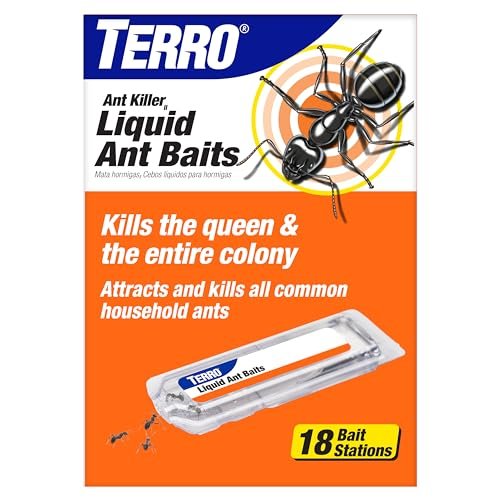
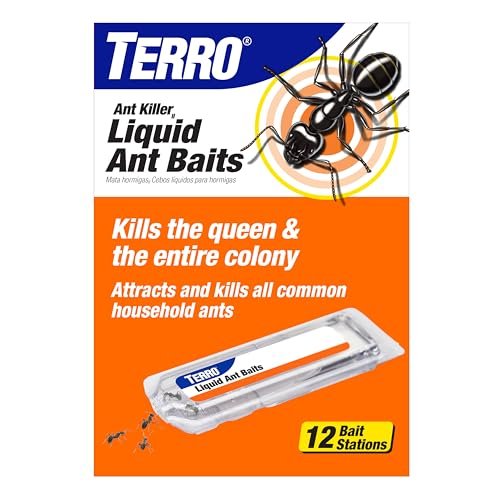
A do it yourself roach killer can help control cockroaches using sticky traps, careful cleaning, sealed food storage, and targeted bait. The best results come from combining these methods rather than relying on one homemade spray.
Cockroaches can turn a clean American home into a stressful place. You may spot one near the kitchen sink in the middle of the night, find droppings inside a cabinet, or see a small roach run behind your refrigerator. These pests can hide in tiny gaps and come out when the house is quiet.
The good news is that you can start fighting roaches with common household supplies. Soap and water can help clean affected areas, sticky traps can catch and track pests, and a simple jar trap can catch some wandering roaches. You can also make your home less inviting by removing food, water, and hiding spots.
However, not every popular home remedy kills cockroaches. Vinegar, baking soda, essential oils, and sugar mixtures do not all have strong proof behind them. A homemade spray may kill a roach that you hit directly, but it will not reach eggs or hidden groups.
This guideexplains practical do-it-yourself methods, what each one can and cannot do, and how to use them safely. It also explains when a ready-to-use bait or a licensed pest control service may be a better choice. The goal is lasting control, not just killing the roach you happen to see.
Source: storage.googleapis.com
What Is a Do It Yourself Roach Killer?
A do it yourself roach killer is a homemade or self-applied method used to catch, kill, or control cockroaches inside or around a home. It may use simple tools, household materials, traps, or a properly labeled pest control product. The method you choose should depend on the number of roaches and where you find them.
Some DIY methods kill roaches on contact. Others attract them into traps or help reduce the food and water they need. These methods have different jobs, so using one method for every problem can lead to poor results.
For example, a jar trap may catch a few roaches near a sink, but it will not treat a large nest behind a kitchen cabinet. A bait program can reach hidden pests, while cleaning and sealing gaps help stop new roaches from finding a home in your kitchen.
The most useful approach combines monitoring, sanitation, exclusion, and suitable pest control. This is known as integrated pest management, or IPM. It focuses on solving the cause of the problem instead of spraying every room.
Source: thesoccermomblog.com
Contact control
A method that kills a roach when it touches or receives the treatment directly.
Bait control
A method that attracts roaches to food containing an insect-killing ingredient.
Physical control
Traps, vacuuming, and other methods that capture or remove cockroaches.
Prevention
Cleaning, drying, sealing, and storing food properly to make the home less attractive to pests.
Why Do Cockroaches Enter Homes?
Cockroaches enter homes because they need food, water, warmth, and shelter. A kitchen with crumbs, a bathroom with damp corners, or a cabinet with old cardboard can provide what they need. Even a small water leak can help support an infestation.
Some species live mainly indoors, while others often enter from drains, outdoor areas, or damp spaces. German cockroaches are especially common indoor pests. American and Oriental cockroaches may enter through plumbing routes, drains, gaps, and other openings.
Food
Crumbs, grease, pet food, uncovered trash, and food residue attract cockroaches.
Water
Leaking pipes, wet sinks, damp floors, and standing water give roaches a source of moisture.
Shelter
Cardboard, paper piles, cabinet gaps, and spaces behind appliances provide hiding places.
How to Make a Simple DIY Roach Trap
A jar trap is one of the easiest do-it-yourself methods for catching a few cockroaches. It does not require an insecticide, and you can make it with a clean glass jar, a small amount of food, and petroleum jelly. It works best as a monitoring and capture tool rather than a complete treatment for an infestation.
Cockroaches can climb many rough surfaces, but a smooth glass wall can make it difficult for them to escape. A small food lure inside the jar may attract a roach that is already moving through the area. Place the trap near a wall or another route where you have seen pest activity.
Source: www.pinterest.com
Materials needed
Use a clean glass jar with smooth sides, a small piece of bread or another food lure, petroleum jelly, and a secure location away from children and pets.
Step 1: Prepare the jar
Wash and dry the jar. Remove any labels or loose material that could give cockroaches a way to climb.
Step 2: Add a small food lure
Place a tiny piece of bread or another food item at the bottom. Avoid adding so much food that it becomes a source of odor or attracts other pests.
Step 3: Coat the inside wall
Apply a thin band of petroleum jelly to the inner wall near the opening. This can make it harder for captured roaches to climb out.
Step 4: Choose a location
Set the jar near a wall, behind an appliance, or close to a suspected travel route, provided the location is safe and stable.
Step 5: Check the trap
Inspect it each day. Dispose of captured insects in a sealed bag and clean the jar before reusing it.
Does a Jar Trap Kill Every Roach?
No. A jar trap catches only the roaches that enter it. It cannot reach eggs, hidden insects, or roaches living inside wall spaces. Some cockroaches may also ignore the food lure.
Use the trap to learn where roaches travel. If you catch several near one cabinet or appliance, inspect that area for crumbs, moisture, cracks, and possible hiding places. Add other control methods when the trap shows ongoing activity.
Best use
Catching occasional roaches and checking whether a particular area has pest activity.
Main limitation
It cannot eliminate a breeding population or provide reliable control by itself.
Homemade Roach Killer Recipes and Methods
Several household ingredients are often suggested as homemade cockroach killers. Some can help with direct cleaning or physical capture, but others have limited evidence as insect killers. Before trying a recipe, understand what it actually does and whether it creates a risk for people, pets, or food surfaces.
A useful DIY method should have a clear purpose. A cleaner removes food residue. A trap captures pests. A properly labeled insecticide kills pests through a tested use method. These are not interchangeable jobs.
Source: tipsbulletin.com
1. Dish Soap and Water for Direct Contact
A small amount of ordinary dish soap mixed with water can help kill a cockroach when the insect is directly wetted. The soap may affect the insect’s outer surface and breathing openings. However, this method only works when you reach the individual roach.
For a simple cleaning solution, add a little dish soap to a spray bottle of water. Use it to clean washable surfaces after removing visible insects. Do not assume that spraying a cabinet or wall with soapy water will kill hidden cockroaches.
Keep the mixture away from electrical outlets, appliances, and food. Do not use it as a general insecticide or spray it into cracks where electrical wiring or plumbing may be present.
Useful for
Direct treatment of a visible insect and cleaning washable surfaces.
Not useful for
Reaching egg cases, hidden colonies, or cockroaches behind walls and appliances.
2. Boric Acid for Cockroach Control
Boric acid is an insecticide used in some cockroach control products. It can work when roaches contact or ingest the dust. Small amounts cling to their bodies, and the insects may swallow some while grooming. It acts slowly, so you should not expect every roach to die immediately.
The important difference is between a properly labeled boric acid insecticide and an improvised homemade poison. A product made for pest control includes directions for its approved use. Do not assume that household borax, laundry products, or another powder can replace a registered cockroach treatment.
If you use a boric acid insecticide, follow its label exactly. Keep it in inaccessible, dry locations where children and pets cannot reach it. Do not spread visible piles across floors, countertops, food shelves, or other places where people may touch or breathe the dust.
A thick layer is not better than a thin application. Excess dust can become airborne, and a large pile may be avoided by insects. Use only the amount and placement allowed by the product label.
Main benefit
It can provide lasting control when a suitable labeled product is correctly placed in dry, hidden locations.
Main limitation
It works slowly and may not reach every hiding place or every cockroach.
Never leave boric acid or other insecticidal dust where children, pets, or household members can contact it.
3. Baking Soda and Sugar Mixture
Baking soda and sugar are often presented as a natural roach killer. The idea is that sugar attracts cockroaches while baking soda is supposed to harm them after they eat it. However, reliable evidence for this mixture as an effective way to control a household infestation is limited.
A cockroach may feed on the sugar, but that does not mean the mixture will kill enough insects to solve the problem. It also does not reach hidden roaches or egg cases. A bowl of sweet powder can attract other insects and may be unsafe if a pet or child eats it.
For these reasons, do not rely on baking soda and sugar as your main treatment. If you want a homemade approach without insecticide, use a physical trap and remove food and water sources instead.
Claim
The mixture is often advertised as a natural poison that kills cockroaches.
Evidence limitation
Its effectiveness as a dependable household cockroach treatment has not been established.
4. Vinegar and Water for Cleaning
Vinegar is useful for some household cleaning jobs, but it is not a dependable cockroach poison. A vinegar spray may help remove certain food residues and odors from suitable surfaces. It does not provide lasting protection or reliably kill cockroaches hiding in cracks.
You can mix equal parts water and ordinary white vinegar for a basic cleaning solution when the surface can safely tolerate vinegar. Test a small hidden area first. Avoid natural stone, sensitive finishes, and surfaces that may be damaged by acidic cleaners.
Never mix vinegar with bleach. That combination can release dangerous chlorine gas. Keep cleaning products separate and follow their labels.
Best use
Cleaning suitable surfaces after food spills and removing some residue.
What it cannot do
It cannot reliably eliminate a cockroach colony or replace a proper bait treatment.
5. Diatomaceous Earth for Dry Areas
Diatomaceous earth is a mineral powder found in some pest control products. Certain insecticidal formulations damage the protective outer layer of insects and cause them to lose moisture. This can kill cockroaches that contact the material.
Only use a product specifically labeled for the pest and location you want to treat. Food-grade diatomaceous earth should not automatically be treated as an approved indoor pesticide. Fine dust can irritate the lungs, so avoid breathing it or spreading it through the air.
Do not place powder on open counters, food preparation areas, or floors where people and pets walk. If the product label permits indoor use, follow the stated application method and keep treated areas inaccessible.
Useful for
Certain dry, protected hiding areas when an approved insecticidal product allows that use.
Avoid
Large visible piles, wet areas, airborne dust, and any placement that exposes people or pets.
How to Make a DIY Roach Control Plan for Your Home
The best DIY roach control plan starts with finding the problem areas. Do not spray the entire house just because you saw one cockroach. First, find out where they are traveling, what is attracting them, and whether the problem is limited to one room.
A simple plan can help you avoid wasting time on treatments that never reach the pests. Follow these steps in order and check your results as you go.
Source: wavehooks.com
Step 1: Inspect the home
Check kitchen cabinets, under sinks, behind refrigerators, near stoves, bathroom corners, and around plumbing. Look for live insects, droppings, shed skins, and egg cases.
Step 2: Place monitoring traps
Set sticky traps along wall edges and near suspected hiding areas. Check them regularly and record where the most roaches appear.
Step 3: Remove food sources
Clean crumbs and grease, wash dirty dishes, seal food, and empty trash often. Do not leave pet food out overnight.
Step 4: Remove moisture
Repair leaking taps, dry wet areas, and check for condensation around pipes and appliances.
Step 5: Remove hiding places
Clear unnecessary cardboard, paper bags, and clutter. Vacuum cracks and spaces behind appliances when safe.
Step 6: Seal entry points
Use suitable caulk to close small gaps around cabinets, baseboards, pipes, and other openings. Install door sweeps where needed.
Step 7: Add targeted control
If roaches remain, consider a labeled bait station or gel bait placed according to its instructions. Keep it away from children and pets.
Step 8: Check progress
Inspect traps and treatment areas regularly. Replace bait only as directed and look for signs of new activity.
Where Should You Place Roach Traps?
Cockroaches often travel along edges and avoid crossing open spaces. Place monitoring traps close to walls and near likely feeding or hiding areas. A trap in the middle of a large room may catch fewer insects than one placed along a wall.
Focus on areas where food, warmth, and moisture meet. Behind a refrigerator, beside a kitchen cabinet, and beneath a sink are useful places to inspect. Keep all traps out of reach of children and pets.
Kitchen
Under the sink, near the refrigerator, beside the stove, and inside suitable cabinet areas.
Bathroom
Near plumbing, behind storage units, and close to damp wall edges.
Laundry area
Near water pipes, appliance gaps, and areas where moisture collects.
Storage areas
Near cardboard, clutter, and wall gaps where cockroaches may hide.
How to Know Whether Your DIY Treatment Is Working
The number of roaches caught in monitoring traps should begin to fall if your control plan is working. You may still see occasional insects during the early stages because some treatments take time and hidden roaches may continue to emerge.
Do not judge success from one quiet night. Check the same trap locations over time and compare the number of insects caught. Also look for fewer fresh droppings and less activity near food and water sources.
If activity remains high, move your inspection to nearby rooms and look for missed leaks, food sources, or entry points. In an apartment building, roaches may move between connected units, so treating only one room may not solve the problem.
Positive sign
Fewer roaches appear in the same monitoring locations over repeated checks.
Warning sign
New droppings, egg cases, or frequent live insects continue to appear.
Next action
Review the treatment, inspect neighboring spaces, and consider professional pest control if activity does not fall.
DIY Roach Killer Methods Compared
Different homemade methods solve different parts of a cockroach problem. A jar trap catches insects, dish soap can help with direct contact, and vinegar can clean suitable surfaces. A labeled bait product can offer more reliable control of hidden populations when placed correctly.
The following table compares common options by purpose and limitation. It is a practical guide, not a ranking based on laboratory testing.
Source: artofit.org
Jar trap
Best for catching a few roaches and monitoring movement. It does not eliminate a hidden population.
Sticky trap
Useful for monitoring and capturing insects that cross its adhesive surface. It does not normally control a large infestation alone.
Dish soap and water
May kill an insect when directly wetted. It has no reliable effect on hidden roaches.
Vinegar and water
Useful for some cleaning tasks, but not a proven long-term roach killer.
Baking soda and sugar
A popular home remedy with limited evidence for dependable cockroach control.
Labeled boric acid product
Can provide slow control in approved, protected application areas. It requires careful handling.
Labeled cockroach bait
A useful option for targeting hidden cockroaches when placed close to their activity areas.
Which DIY Method Should You Choose?
If you see one or two roaches, begin with inspection, cleaning, and monitoring traps. You may have an occasional visitor rather than an established infestation. Look for a possible entry point before using stronger treatments.
If you see small roaches repeatedly in the kitchen, you may have an indoor breeding population. A labeled bait program, combined with sanitation and crack sealing, is usually more useful than repeated contact sprays.
If large roaches appear near drains, basements, or exterior doors, inspect plumbing routes and outside entry points. The solution may involve repairing gaps, managing moisture, and treating the correct outdoor or indoor location.
Occasional sightings
Start with sticky traps, cleaning, and sealing possible entry points.
Repeated kitchen activity
Inspect cabinets and appliances, remove food and water sources, and consider targeted bait.
Widespread infestation
Use a coordinated treatment plan and seek professional help when needed.
Common DIY Roach Killer Mistakes to Avoid
A homemade treatment can fail even when the ingredients seem reasonable. The most common reason is that people focus on killing visible insects instead of removing the conditions that support them. Cockroaches can hide for long periods in small, protected spaces.
Avoid these mistakes before spending more money or adding more chemicals to your home.
Source: thesoccermomblog.com
Using too much powder
More boric acid or diatomaceous earth does not mean better control. Excess dust may become airborne or create an exposure risk. Follow the approved product label.
Spraying everything
Broad spraying can expose people and pets without reaching hidden cockroaches. Targeted control is usually more useful.
Ignoring water leaks
Roaches need moisture. A clean kitchen with a leaking pipe may still support pest activity.
Leaving food uncovered
Open food containers and dirty dishes provide alternative food sources that can reduce the appeal of bait.
Using only one trap
A single trap may miss other activity areas. Use several monitoring locations where allowed and check them consistently.
Expecting instant results
Many bait treatments work slowly. A decline may take a week or longer, depending on the infestation and product.
Mixing household chemicals
Never mix bleach with vinegar, ammonia, or other cleaners. Dangerous gases or chemical reactions can result.
Ignoring neighboring units
Cockroaches can move through shared walls and utility openings. A single apartment may need coordinated building-wide treatment.
Why You Should Avoid Bug Bombs and Foggers
Total-release foggers, often called bug bombs, are not a good first choice for cockroach control. Their mist may not reach the deep cracks and protected spaces where roaches hide. They can also expose people and pets to insecticide.
Some sprays can cause cockroaches to move away from treated areas without solving the infestation. This can spread activity into other rooms. The University of California Statewide Integrated Pest Management Program advises focusing on sanitation, exclusion, and targeted control rather than relying on foggers and broad aerosol use.
If you are considering any pesticide, read the full label first. Check that the product is approved for indoor cockroach control and for the exact location where you plan to use it.
Do not spray
Food, dishes, utensils, bedding, or surfaces not permitted by the product label.
Do not combine
Different insecticides or household cleaners unless the product instructions specifically permit the use.
Do follow
Application instructions, ventilation requirements, re-entry periods, and storage warnings.
How to Keep Cockroaches Away After Treatment
Preventing another infestation is just as important as killing the roaches you already have. Once food, water, and hiding places become harder to find, your home becomes less attractive to these pests. Small daily habits can make a meaningful difference.
You do not need to clean every hour. Focus on the places where cockroaches find food and moisture, especially kitchens, bathrooms, laundry rooms, and storage spaces.
Source: www.pinterest.com
Store food correctly
Keep dry food in sealed containers made of suitable plastic, glass, or metal. Close food packages after every use.
Clean kitchen surfaces
Wipe away crumbs, grease, drink spills, and food residue. Clean beneath small appliances when safe.
Manage household waste
Use bins with tight-fitting lids and remove waste regularly. Clean sticky residue inside trash cans.
Protect pet food
Avoid leaving pet food bowls full overnight. Clean spills and store extra food in sealed containers.
Control moisture
Repair leaking pipes, dry wet sinks, and improve ventilation in damp rooms.
Reduce clutter
Remove unused cardboard boxes, paper bags, and old newspapers that provide hiding places.
Seal openings
Close gaps around plumbing, cabinets, baseboards, windows, and doors with suitable materials.
Inspect incoming items
Check grocery cartons, used appliances, furniture, luggage, and delivery boxes for insects or egg cases before storing them.
A Simple Daily and Weekly Prevention Routine
A short daily routine can reduce the food and water that cockroaches depend on. Wash dishes, wipe counters, clean food spills, and keep trash covered. These steps are especially helpful in kitchens where small food particles collect under appliances.
Once a week, inspect under sinks and behind movable appliances. Check for new droppings, damaged food packages, leaks, and openings around pipes. Vacuum suitable cracks and remove any clutter that has built up.
Continue checking monitoring traps after the main treatment. If you see new activity, investigate it early instead of waiting until roaches appear in several rooms.
Daily
Wash dishes, wipe surfaces, store food, dry wet areas, and remove kitchen waste.
Weekly
Inspect traps, clean behind appliances, check leaks, and remove clutter.
Monthly
Review entry points, inspect stored items, and check whether monitoring locations show new activity.
When Should You Call a Pest Control Professional?
DIY cockroach control is reasonable for a small, limited problem, but some infestations need professional treatment. If roaches appear in several rooms, you see them during the day, or activity continues despite careful cleaning and targeted control, the problem may be larger than it first appears.
A professional can identify the species, inspect hiding places, and choose treatments that match the infestation. This matters because German cockroaches, outdoor-invading species, and other cockroaches do not always respond to the same control plan.
Apartments, condominiums, hotels, and other shared buildings can be especially difficult. Roaches may move through shared walls, plumbing openings, and utility spaces. In these cases, building management and pest control staff may need to coordinate treatment across several units.
Source: artofit.org
Frequent sightings
You see roaches almost every day or find them in several rooms.
Daytime activity
Cockroaches appear during daylight hours, which can indicate a substantial population or limited hiding space.
Repeated treatment failure
Monitoring traps continue to catch insects after you have corrected food, water, and entry problems.
Uncertain species
You cannot tell whether the insects are indoor-breeding cockroaches or occasional outdoor visitors.
Shared building infestation
Roaches continue returning despite treatment in your own apartment or room.
What to Ask Before Hiring a Pest Control Company
Ask the company to explain which cockroach species it has identified and where the pests are likely hiding. A good treatment plan should address food, water, entry points, and suitable insecticide use rather than depend on spraying every surface.
Ask which products will be used, where they will be applied, and what precautions are needed for children, pets, and household members. You should also know whether follow-up inspections or additional treatments are part of the plan.
Identification
Ask which cockroach species is present and what evidence supports that identification.
Treatment plan
Ask whether the company uses monitoring, targeted bait, sanitation advice, and entry-point control.
Safety
Ask for product names, application details, and any required precautions.
Follow-up
Ask how progress will be checked and what happens if roaches remain.
Frequently Asked Questions
Q
What Is the Best Homemade Roach Killer?
There is no single homemade recipe that reliably eliminates every cockroach infestation. A jar trap, sticky traps, careful cleaning, and moisture control are useful starting points. For an established infestation, a properly labeled cockroach bait may provide more dependable control than common kitchen ingredients.
Q
Does Baking Soda and Sugar Really Kill Roaches?
Baking soda and sugar are popular in homemade pest control recipes, but there is limited reliable evidence that the mixture controls a household cockroach population. Sugar may attract insects, but attraction alone does not prove that the mixture will kill enough roaches. Use monitoring traps and proven control methods instead.
Q
Can Vinegar Kill Cockroaches Instantly?
Vinegar is not a dependable instant cockroach killer. It can help clean some household surfaces, but it does not provide lasting insect control. A direct-contact method or a suitable labeled bait is a better option when you need to control cockroaches.
Q
How Long Does It Take for DIY Roach Killer to Work?
The time depends on the method. A physical trap may catch an insect as soon as one enters, while a bait treatment can take seven days or longer to show a noticeable reduction. Some infestations need repeated inspections and treatment. Follow the product label and monitor activity instead of expecting every roach to disappear overnight.
Q
Is Boric Acid Safe to Use Around Pets and Children?
Boric acid is an insecticide, not a harmless household powder. Exposure can be harmful if children or pets swallow it or come into contact with it. Use only a product labeled for cockroach control, follow every safety instruction, and keep treated areas inaccessible. If you cannot protect the treatment area, choose another control method.
Q
Can I Use Dish Soap to Kill Cockroaches?
Dish soap mixed with water may kill a cockroach when it is directly wetted. However, it cannot reach insects hiding behind cabinets, inside wall gaps, or beneath appliances. Treat it as a limited contact method rather than a complete pest control solution.
Q
Why Do I Still See Roaches After Cleaning My House?
Cleaning removes food and water sources, but it does not immediately remove cockroaches already hiding in the home. They may remain inside wall gaps, appliances, plumbing spaces, and cabinets. You may also have an entry problem or a nearby infestation in a shared building. Use traps to locate activity and combine cleaning with targeted control.
Q
Do Coffee Grounds Keep Cockroaches Away?
Coffee grounds are sometimes suggested as a natural roach repellent, but there is not enough dependable evidence to recommend them as a reliable control method. Used grounds can also remain damp and create another maintenance problem. Keep food waste and organic residue out of areas where cockroaches travel.
Q
Will a Homemade Roach Spray Kill Cockroach Eggs?
Most homemade contact sprays will not reliably kill cockroach eggs protected inside egg cases. This is one reason that spraying visible insects alone often fails. Cleaning, vacuuming accessible egg cases, monitoring, and a suitable ongoing control plan are more useful. Seek professional advice if egg cases and repeated activity continue.
Q
What Should I Do If Roaches Keep Coming Back?
First, inspect for water leaks, open food, clutter, and gaps around plumbing. Check monitoring traps to identify the most active locations. Review whether any pesticide spray may be interfering with bait placement, and follow the instructions for every product you use. If the infestation continues or spreads, contact a licensed pest control professional.
✦ Wrapping Up
Conclusion
A do it yourself roach killer can help you take control of a small cockroach problem without immediately treating every room with chemicals. A simple jar trap, sticky traps, dish soap for direct contact, and regular cleaning can all play useful roles. However, common recipes made with vinegar, baking soda, and sugar should not be treated as proven solutions for a serious infestation.
For lasting results, focus on the conditions that attract cockroaches. Remove food crumbs, seal stored food, repair leaks, clear cardboard, and close gaps around plumbing and cabinets. Use a properly labeled bait or insecticidal product when needed, and always protect children and pets from treated areas.
Remember that seeing fewer roaches is only part of the goal. You also want to stop new insects from entering and remove the conditions that allow them to breed. If the problem keeps growing, professional pest control can help identify the source and build a more complete treatment plan.
💡 Key Takeaway
Start today by inspecting your kitchen and bathroom, cleaning food residue, fixing visible leaks, and placing monitoring traps near suspected hiding areas. Check them regularly, use targeted control only when needed, and seek professional help if cockroach activity continues.