Does Stem Ant Killer Work: Best guide
You've spotted the trail. Grabbed a spray can. Hit a few foragers.
They stopped showing up. For about 48 hours. Then the line is back, thicker than before.
That's when the real question hits you: does stem ant killer work, or do you just need something that reaches the queen?
Here's the short version. Stem ant killer, the slow-acting bait station, targets the colony itself. Manufacturer specs back a 5-to-7-day kill window for single-queen species.
The catch? Species matters. Carpenter ants often ignore sugar-based gels entirely.
Let's break down what actually happens inside that station, when it delivers, and when you need a different tool.
Quick Answer: Does Stem Ant Killer Actually Kill the Colony?
Does stem ant killer work? Yes, for single-queen species. The slow-acting bait kills the queen via trophallaxis.
You'll see trail reduction by day 3. Full colony elimination happens in 5 to 7 days. Multi-queen species like Argentine ants take 10 to 14 days.
What Stem Ant Killer Is and How It Differs From a Spray Can
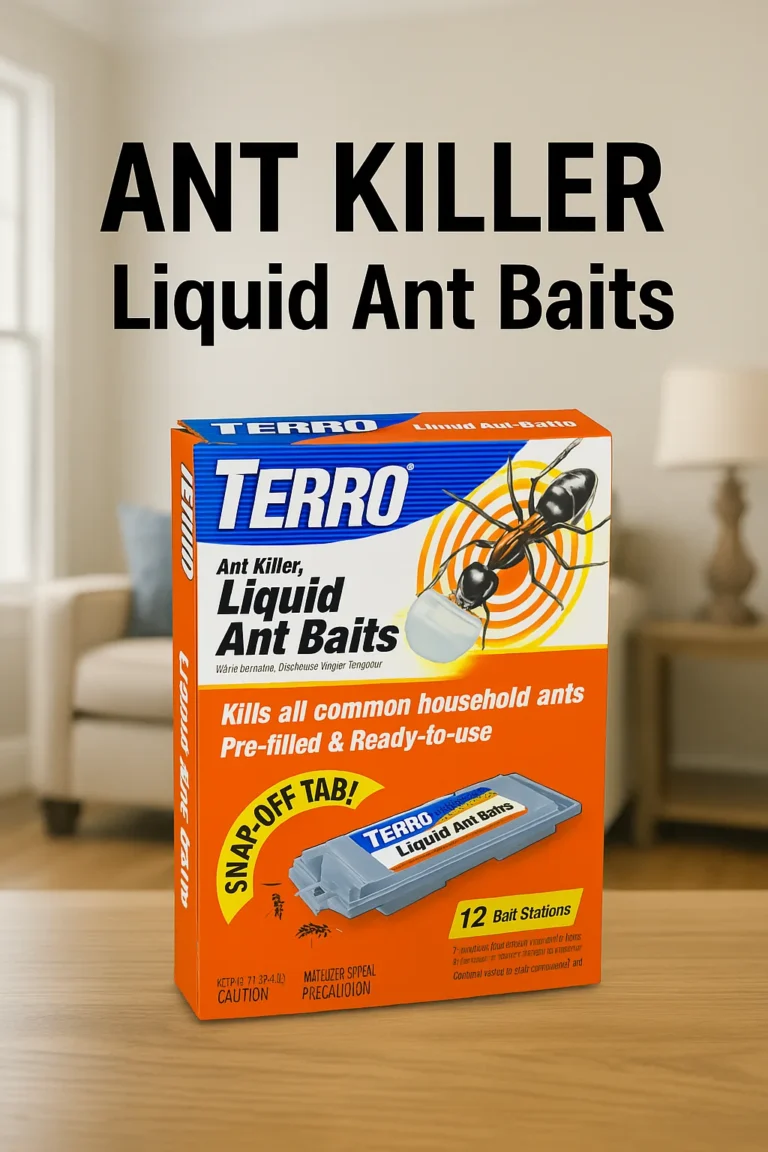
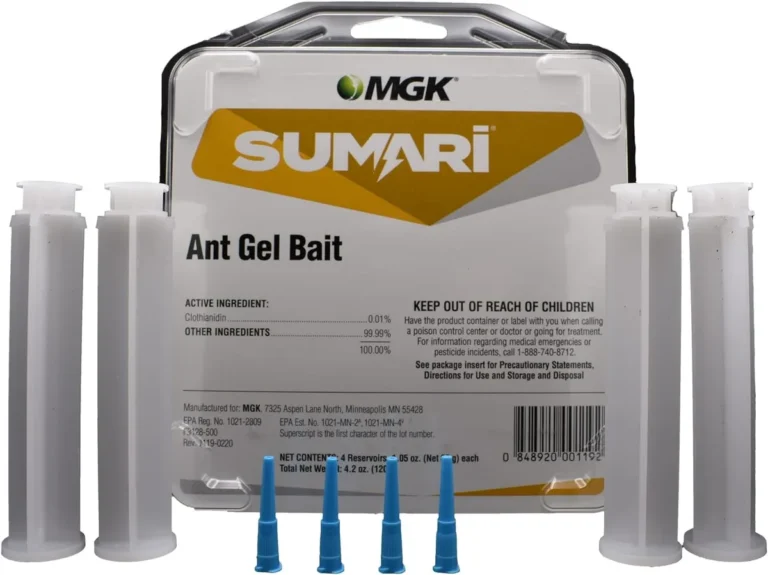
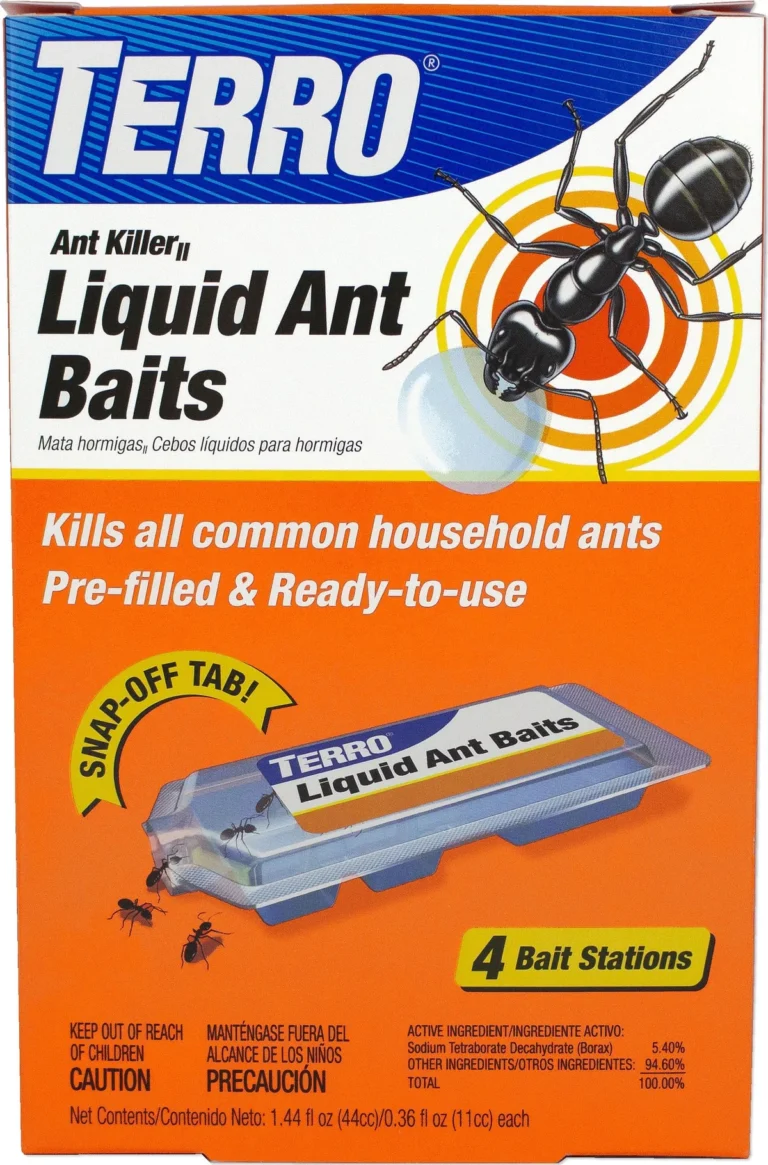
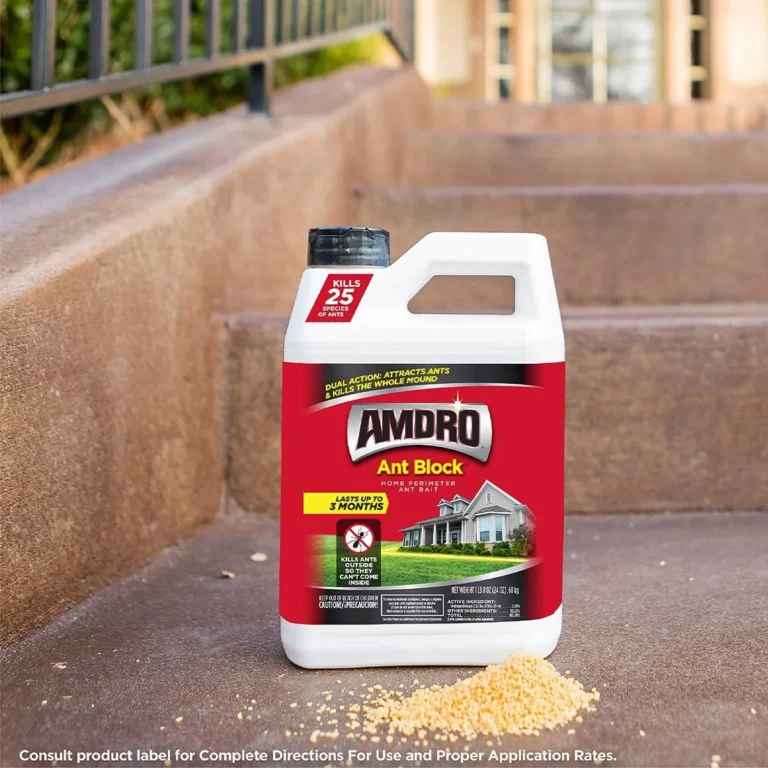
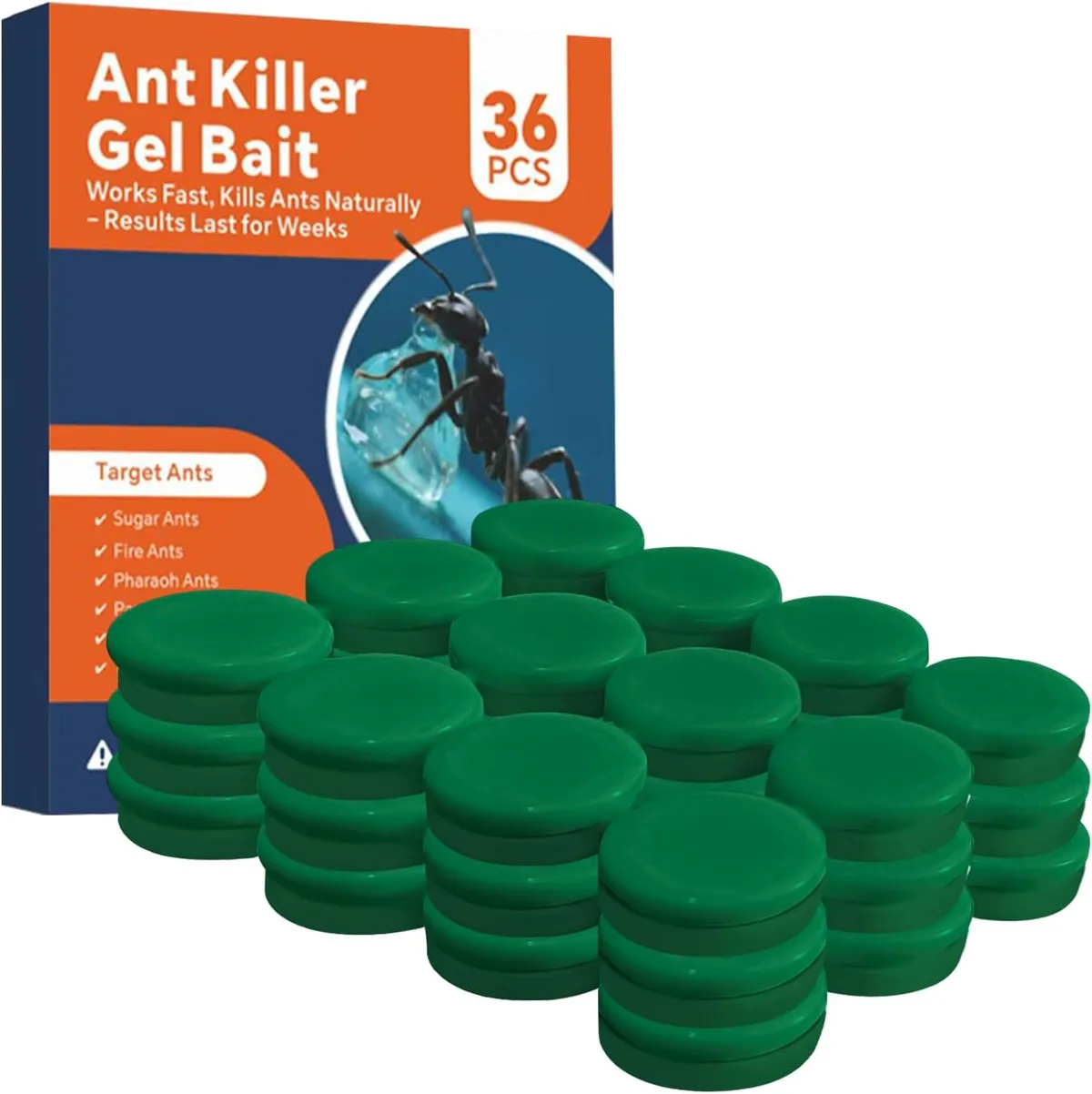
Stem ant killer refers to a class of bait stations that deliver a slow-acting active ingredient (AI) to the whole colony. The most common AIs are boric acid at 0.06% concentration, fipronil, hydramethylnon, or imidacloprid. The form is usually a small plastic tube of gel, a liquid feed station, or a pre-baited granule.
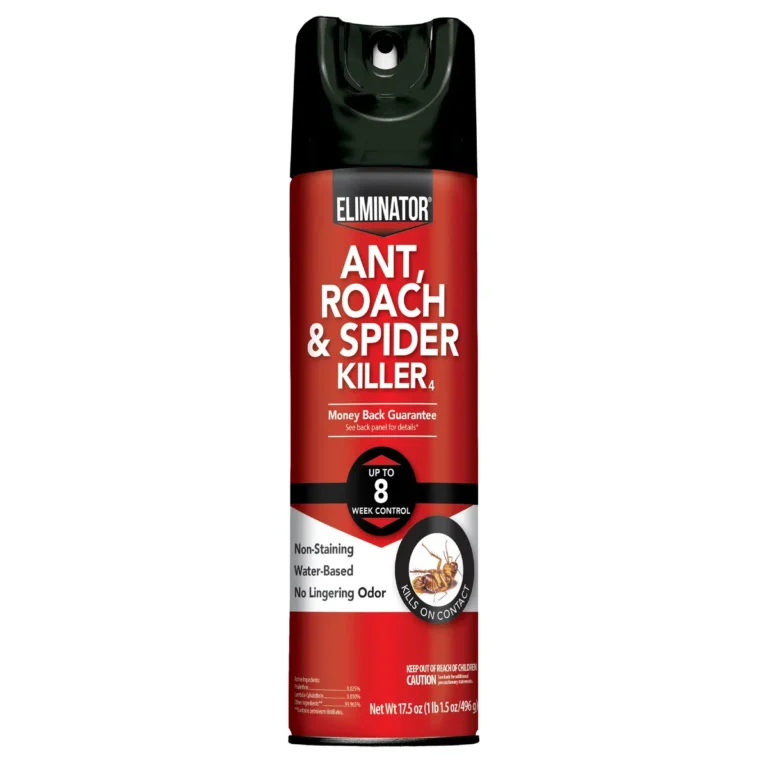
A contact spray works differently. You aim the can at the ant, it dies in 30 seconds, and the forager never makes it home. The colony never gets the message.
The queen keeps laying. The trail refreshes within a day or two. That's why the trail keeps coming back after you "mow them down" with Raid or Ortho spray.
The bait station flips the model. It's non-repellent. The ant can't tell it's poison.
It eats, walks home, and shares the load with nestmates. The AI degrades over hours, not seconds. That gap is what kills the queen instead of the workers.
| Bait Station (Stem Killer) | Contact Spray | |
|---|---|---|
| Kill target | Queen, brood, full colony | Foragers only |
| Time to effect | 3–7 days | 30 seconds |
| Repellent? | No | Yes (residue blocks trail) |
| Re-treat frequency | 60–90 days | Weekly until you give up |
The Real Mechanism: Trophallaxis and Secondary Poisoning
The whole system rides on one behavior: trophallaxis. That's the mouth-to-mouth food transfer ants do to share nutrients with nestmates, including the queen and larvae. A forager that eats a slow-acting boric acid gel doesn't die on the spot.
It walks back to the nest. It feeds the queen. It regurgitates for the larvae.
The poison spreads.
Boric acid disrupts the ant's gut and depletes its energy reserves. Fipronil hits the nervous system but at a low enough dose that the ant is still mobile for 12 to 48 hours. That window is the entire point.
The ant has to survive long enough to deliver the dose to the queen.
Secondary poisoning means the queen and brood get the toxic load without ever touching the bait station. Tertiary poisoning covers the next generation of workers. One forager can theoretically infect 20 to 30 nestmates before it stops moving.
That's why a single station can take down a colony of 1,000+ workers over a week.
If the AI acts too fast, the forager dies in the field. The message never gets home. The colony adapts.
Trails shift to a new entry point. You'll think it "didn't work."
What You'll See: A Day-by-Day Timeline of Results
This is where most people bail out. Day two, the trail is still there. Day three, a few ants are gone.
You pull the station and the colony survives. Here's what the actual timeline looks like for a single-queen odorous house ant colony, based on manufacturer data and peer-reviewed bait-efficacy trials.
| Day | What you observe | What's happening inside the nest |
|---|---|---|
| 0 (placement) | Nothing. Maybe 2–3 foragers on the trail | Foragers haven't found the station yet |
| 1 | 5–10 ants arriving at the station | Foragers feeding, carrying AI back |
| 2–3 | Trail activity still visible. Don't panic | Trophallaxis spreading through worker caste |
| 4–5 | Trail thins noticeably. Fewer ants at entry | Queen and brood receiving secondary dose |
| 6–7 | Trail gone. No new foragers at entry | Queen dead. Brood fails to pupate. Colony collapses |
As of 2026, most EPA-registered gel bait stations still list a 5-to-7-day kill window on their labels for single-queen species. If you're dealing with Argentine ants (satellite queens, multiple colonies sharing a foraging network), stretch that to 10 to 14 days and double your station count.
The key rule: do not disturb the station on day 2 or 3. The foragers are still doing their job. Pulling the bait early is the single most common reason people conclude it "didn't work."
When It Works and When It Flat-Out Doesn't (Species Is Everything)
Species selection is where stem ant killer either delivers or falls apart. A sugar-based gel that wipes out an odorous house ant colony in five days will sit untouched for weeks next to a carpenter ant trail. The foraging preferences are completely different.
Here's how the major indoor species respond:
- Odorous house ants (Tetramorium): Sugar-loving, single-queen (mostly). A $1 boric acid gel station handles them cleanly in 5 to 7 days. This is the "it just works" scenario.
- Pavement ants (Tetramorium) and pharaoh ants (Lineopithecia): Also sugar-preferring. Bait works, but pharaoh ants fragment the colony when disturbed. You need more stations and longer patience.
- Argentine ants (Linepithema humile): Multiple satellite queens. One station is a drop in the bucket. You need 6 to 8 stations spread across the foraging range. Kill window stretches to 2 weeks.
- Carpenter ants (Camponotus): Protein-preferring in summer, sugar-preferring in winter. A sugar gel placed in July gets ignored. You need a protein-based gel or a professional IGR (insect growth regulator) treatment. This is the most common "it didn't work" complaint.
- Fire ants (Solenopsis): Outdoor mounds. Standard kitchen-aimed gel stations don't reach the mound architecture. Granular baits applied directly to the foraging zone work better.
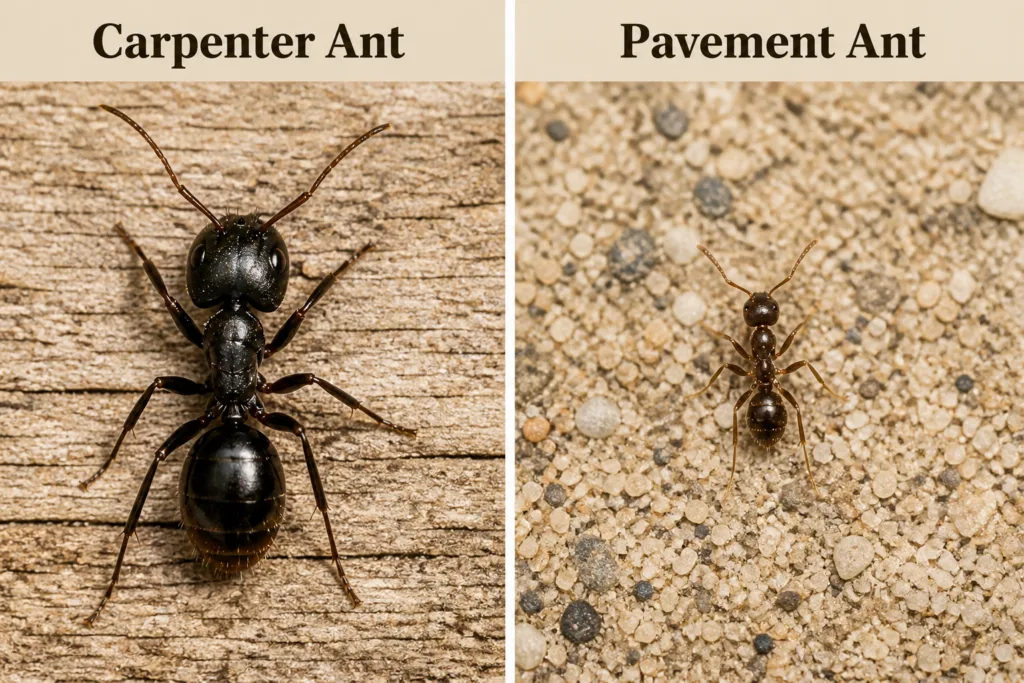
Our research across University of Minnesota Extension publications on indoor ant species confirms that misidentifying the ant is the number one reason bait fails. If you can't tell whether those are odorous house ants or small carpenter ants, the bait choice changes completely. A carpenter ant is 5 to 8 mm long, dark brown to black, with a single-node waist.
An odorous house ant is 2.5 to 3 mm, tan, and crumbles into a foul smell when crushed.
The rule is simple: match the attractant (sugar or protein) to the species and the season. Wrong match, and you'll stare at an empty station for two weeks and call it a failure. Right match, and the colony is gone in a week.
That's the difference between "stem ant killer doesn't work" and "I used the wrong bait for that species."
For species identification and regional bait-preference data, the EPA Pesticide Product Search lets you filter registered products by target pest and AI. Cross-reference that with your local extension office's ant ID guide before you commit to a gel. It saves you the wasted two weeks.
The Five Reasons People Think "It Didn't Work" (and What's Actually Happening)
Most "it didn't work" verdicts are actually timing or placement errors. Here's what's really going on:
- You sprayed the trail first. Any contact residue (even a puff of diatomaceous earth) blocks foragers from reaching the station. The colony never gets the bait. The trail thins because you killed foragers, not the queen.
- You pulled the station on day 2. The foragers are still mid-delivery. You interrupted trophallaxis. The queen got a partial dose. The colony adapts and shifts entry points.
- Wrong attractant for the species. Sugar gel, protein-preferring carpenter ants. Station sits empty. You see zero forager contact. You conclude it's a dud. It's a species mismatch.
- A closer food source is pulling them away. Pet kibble left out overnight, a sticky honey jar on the counter, syrup on the fridge shelf. Ants take the path of least resistance. Your station gets ignored.
- Multiple satellite colonies (Argentine ants). One station services one foraging node. You've got four active nodes. Three stay alive. The trail "comes back" in a week because you only killed one quarter of the system.
Each of these is fixable. None of them mean the product is broken. They mean the setup was off.
Step-by-Step: Placing Stations So the Colony Actually Dies
Follow this sequence and the colony dies. Skip a step and you reset the clock.
- Identify the species first. Size, color, body shape, season. If you can't ID it, start with a sugar gel (covers 80% of indoor cases). Escalate to protein gel if nothing lands by day 4.
- Remove competing food sources. Wash the counter. Take the pet bowl up. Wipe sticky spots. Give the bait an uncontested window.
- Mark the foraging trail. Follow the line to where it enters. Note the gap, the crack, the window sill. That's your placement zone.
- Place 2 to 4 stations along the trail. Space them 12 to 18 inches apart. Position them at the entry gap, not in the middle of the counter where a kid can nudge them.
- Do not spray, vacuum, or dust the trail for 7 days. This is the step everyone skips. The foragers need an undisturbed route.
- Check on day 3. You should see ants at the station. If zero contact by day 3, add a second station closer to the entry point or switch attractant type.
- Evaluate on day 7. No foragers at the entry gap means the colony is gone. Seal that gap with caulk or expanding foam now.
- Re-treat at 60 to 90 days if a new trail appears. That's a new satellite or a re-located colony, not a treatment failure.
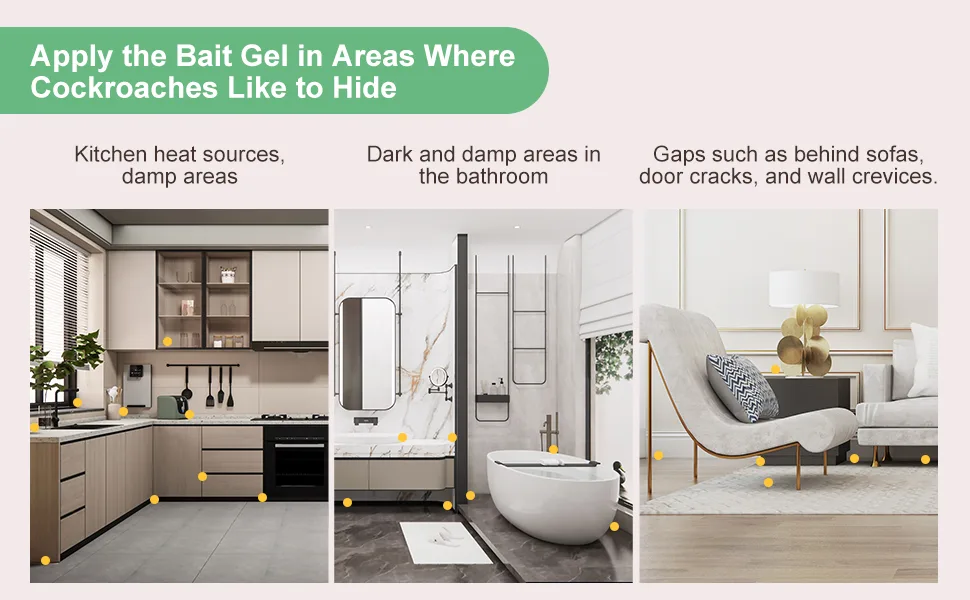
For Argentine ants or any multi-colony situation, bump the count to 6 to 8 stations and extend your eval window to 14 days.
Bait vs. Spray vs. Diatomaceous Earth vs. Pro Treatment: Where Each One Fits
No single method covers every scenario. Here's the honest split:
| Method | Best For | What It Actually Does | Limit |
|---|---|---|---|
| Slow-acting bait (stem killer) | Single-queen indoor colonies | Kills queen and brood via trophallaxis | Fails on protein-preferring species and multi-queen systems without extra stations |
| Contact spray | Visible foragers in a pinch | Kills 20 to 30 ants in 30 sec | Colony survives. Trail resets in 24–48 hr |
| Diatomaceous earth (food grade) | Outdoor perimeter, under appliances | Physical desiccation of exoskeleton | Slow. Ants avoid the powder line. No queen effect |
| Pro IGR + bait program | Recurring carpenter ants, subfloor infestations | Disrupts molting. Colony can't produce new workers | Cost: $200–$400 per visit. Best when DIY has failed twice |
If you're dealing with odorous house ants in the kitchen, the $12 bait station is the whole job. If you've got carpenter ants chewing the studs behind your bathroom wall, a gel tube won't reach the nest cavity. You need a professional to inject an IGR foam or dust into the void.
Knowing where each tool stops is what saves you the "bought the same gel three times" frustration.
Safety, Placement Rules, and What the Label Is Actually Telling You
The EPA registers every bait station as a pesticide. The label isn't fluff. It's your legal and safety map.
- Keep stations out of reach of kids and pets. Use the tamper-resistant enclosures that come with most kits. A toddler can tip a tube and spread gel on the floor.
- Don't place bait within 6 inches of food prep surfaces, open food, or pet bowls. The label will say this. Ignore it and you risk secondary ingestion.
- Indoor vs. outdoor ratings are separate. A station labeled "for indoor use" applied to an outdoor deck can wash into storm drains. Check the label before you deploy.
- Dispose of expired or dried-out stations in the trash. Don't flush. Don't burn. Follow the label's disposal section.
- Boric acid is not USDA-organic-approved. If your property carries a certification, that ingredient is off the table. Fipronil is also excluded from organic programs.
One more rule from the label you'll see on every EPA-registered product: "For use only as directed." That line is what keeps a product registered. Deviate from the stated rate or placement, and the manufacturer's safety data no longer applies to you.
Three Real Scenarios: Kitchen Trail, Patio Fire Ants, Post-Renovation Carpenter Ants
Scenario 1: Kitchen counter, odorous house ants, spring.
You spot a thin line from the sink gap to the pantry. Sugar gel. Three stations at 15-inch spacing.
Remove the jam jar and the pet bowl. Day 4, trail thins. Day 6, gone.
Seal the gap with silicone. Total cost: $14 in gel tubes. Time invested: 10 minutes of placement.
Done.
Scenario 2: Back patio, fire ant mounds, Gulf Coast August.
The mounds are active. Foragers are on the concrete. A sugar gel tube on the patio gets ignored.
You need a granular fire ant bait (hydramethylnon or spinosyn) pushed directly into the mound opening. Apply 2 to 3 tablespoons per mound. The workers carry it down.
Colony dies in 7 to 10 days. Repeat in 30 days for any new mounds. A kitchen gel tube won't touch this problem.
Scenario 3: Post-reno, carpenter ants in the subfloor, winter.
You hear the rustle. You see the 7 mm dark brown ant on the baseboard. You set out a sugar gel.
Nothing happens. That's expected. In winter, carpenter ants shift to protein preference.
A protein-based gel (or a commercial IGR dust like a bifenthrin granular pushed into the frass piles) is what works. If the frass is in a wall void you can't reach, that's a pro job. Don't keep shuffling tubes around the baseboard hoping for a different result.
When to Stop Tweaking the Bait and Call a Pest-Control Pro
You've placed the stations. You've waited the full 7 days. You've tried protein gel.
The trail is still there or it's back within two weeks. That's your signal to stop and call.
Two more triggers that mean DIY is over:
- You're hearing wood-shaving rustle inside a wall and see frass (fine, sawdust-like pellets) at a baseboard. That's a carpenter ant colony in a void you can't reach. An IGR foam or dust injection is the only reliable fix.
- You've treated three separate areas and each one rebounds within 30 days. That points to a larger structural issue or a species (like pharaoh ants) that fragments into dozens of micro-colonies when disturbed. A pro brings a different AI class and placement strategy.
Budget for $200 to $400 per visit. Expect two visits for stubborn species.
FAQs People Actually Search for After Day Three
Why are ants not eating the bait?
Nine times out of ten, a competing food source is closer. Wipe the counter. Take the pet bowl up.
Clear sticky syrup from the fridge shelf. Give the bait a clean, uncontested trail for 48 hours before judging it.
Can I use baking soda and sugar instead of a commercial gel?
You can, but the kill window stretches to 14 to 21 days and reliability drops sharply. Baking soda's action is slow and inconsistent across species. For a single kitchen trail, a $12 boric acid gel station outperforms it every time.
What if I see fewer ants but the trail never fully disappears?
That's usually a satellite colony or a second entry point you haven't found. Add two stations at the new gap. Don't pull the original stations.
The colony is partially stressed, not dead. Give it another 5 days.
Is it safe if my dog licks the gel station?
A small lick is low risk, but the label exists for a reason. Use tamper-resistant enclosures. Keep stations behind cabinets or under the sink.
If your dog chews a tube, call your vet or the National Pesticide Information Center at 800-858-7377.
The Bottom Line: Will It Solve Your Specific Problem?
For the average homeowner with a sugar-preferring indoor species, yes. One $12 pack of boric acid gel stations handles the job in a week. For multi-queen Argentine ants, you need more stations and patience.
For carpenter ants in a wall void, you need a pro. The product works. The species and placement determine whether you get the result.
Match the bait to the ant, respect the 7-day window, and the colony goes down.