Yes, ant traps can be toxic to dogs, but the risk depends on the active ingredient, amount eaten, and whether your dog swallowed the plastic trap. Many enclosed ant baits contain small amounts of insecticide, yet they are not safe for dogs to chew or eat.
Across the United States, many families use ant traps in kitchens, bathrooms, garages, and patios to control household pests. These small bait stations may look harmless, but their sweet or greasy bait can attract curious dogs. A dog may lick the bait, chew through the plastic shell, or swallow pieces of the trap while exploring a familiar room.
The good news is that many common ant bait stations contain relatively small amounts of insecticide, so swallowing a little bait does not always lead to serious poisoning. However, the product ingredients, your dog’s size, the amount eaten, and any symptoms all matter. Swallowed plastic can also cause a separate problem, including choking, internal injury, or an intestinal blockage.
If your dog has eaten an ant trap, remove any remaining pieces and contact your veterinarian or an animal poison control service promptly. Keep the package or take a clear picture of its label. Do not induce vomiting or give home remedies unless a veterinary professional specifically tells you to do so. If your dog has trouble breathing, collapses, has seizures, or develops severe tremors, seek emergency veterinary care immediately.
Source: k9ofmine.com
Are Ant Traps Toxic to Dogs?
Yes, ant traps can be toxic to dogs. The level of danger depends on the specific product, its active ingredient, the amount swallowed, and the dog’s size and health. Some bait stations have a relatively low risk of serious insecticide poisoning after a small exposure, but that does not make every ant trap harmless.
Ant traps work by attracting ants to food mixed with an insecticide. The ants carry some of the bait back to their colony, where it can affect other ants. Because the bait is designed to attract insects, its food-like smell or taste may also interest a dog.
A single lick of a common enclosed bait may cause no symptoms or only mild stomach upset. Eating a larger amount, encountering a more hazardous formulation, or swallowing the entire station can create greater risks. Never assume that a product is safe just because it is small or sold for indoor household use.
The safest response is to identify the exact product and get advice based on the exposure. A veterinarian can assess the ingredients, amount, timing, and your dog’s condition rather than relying on a general rule about all ant traps.
Source: thepestinformer.com
The bait may cause poisoning
The insecticide can harm a dog if enough is swallowed. Some products can cause digestive problems, while certain active ingredients can affect the nervous system or other body functions.
The casing creates a separate risk
Hard plastic, sharp fragments, or a metal shell can cause choking, mouth injuries, or a blockage if swallowed.
The product label matters
Two ant traps can have different active ingredients and concentrations. Check the exact product name and label instead of assuming that all brands carry the same risk.
Why Some Ant Baits Cause Less Harm Than Others
Many household bait stations contain a small quantity of insecticide. That can limit the dose a dog receives from a small accidental exposure. The bait may also contain food ingredients that cause stomach upset when eaten in excess.
Still, the small amount of bait does not guarantee a safe outcome. Dogs differ in body weight and health, and active ingredients differ in how they affect animals. A small dog may receive a larger dose relative to its body weight than a large dog that eats the same amount.
Small exposure
A tiny lick may carry a lower risk than swallowing a full bait station, but a veterinary professional should assess the exact product.
Large exposure
Chewing several traps or consuming loose bait can increase the dose and may require urgent veterinary assessment.
What Ingredients in Ant Traps Can Harm Dogs?
The active ingredient is one of the most important clues when judging an ant trap exposure. Household ant baits can contain different insecticides, including boric acid or borates, fipronil, indoxacarb, hydramethylnon, and other compounds. The risks are not identical across these ingredients or across product formulations.
The label may list an active ingredient and its concentration, but a percentage alone cannot tell you whether a particular exposure is safe. The amount swallowed, the dog’s weight, and the formulation also affect the risk. A veterinarian or animal poison specialist can use those details to assess the likely danger.
The bait also contains other ingredients that attract ants. Sugars, oils, and other food-based materials may contribute to nausea, vomiting, or diarrhea after a dog eats the bait. The casing and any sharp fragments introduce additional physical hazards that are separate from chemical toxicity.
Do not rely on the word natural, household, or pet friendly as proof that a product is harmless. Always read the full label and follow the instructions for use, storage, and accidental exposure.
Source: animalnerdz.com
Boric acid or borates
These compounds appear in some pest control products. Swallowing enough can cause digestive upset and potentially more serious effects. The amount and formulation determine the risk.
Fipronil
This insecticide is used in some pest control products. Its effects depend on the dose and exposure route, so a dog that eats a bait containing fipronil needs product-specific advice.
Indoxacarb
Some ant baits use this insecticide. A small amount in a particular bait station may carry a lower risk than a larger exposure, but the label and exposure details still need review.
Other insecticides
Ant bait formulations vary. Never transfer safety information from one product to another unless the active ingredients and formulation match.
Can the Other Ingredients Make a Dog Sick?
Yes. A dog can develop stomach upset after eating bait even if the amount of insecticide is small. The food-like ingredients, the quantity swallowed, and irritation from chewing the station may all play a role.
Vomiting or diarrhea does not automatically prove pesticide poisoning, but neither should it be dismissed. Tell your veterinarian about the bait exposure and any symptoms. The timing and severity of those signs can help guide the next step.
Do not judge by taste or smell
A sweet smell does not mean the bait is edible or safe for pets.
Do not guess from the brand alone
Different products from the same manufacturer may use different ingredients. Identify the exact label.
What to Do If Your Dog Eats an Ant Trap
If your dog eats an ant trap, act promptly and focus on safe first aid. Do not wait for symptoms before seeking advice, because some effects may take time to appear. A quick call with the product information can help a veterinarian decide whether home observation or an examination is needed.
First, move your dog away from the remaining bait stations. Keep other pets away as well, and pick up any loose bait or casing pieces without exposing yourself to the product. If your dog is choking, struggling to breathe, collapsing, or having a seizure, go to an emergency veterinary clinic immediately.
Next, identify the product. Keep the package, take a picture of the label, or write down the brand, product name, active ingredient, and concentration if shown. Estimate how many traps may be missing and whether your dog swallowed the plastic shell or only licked the bait.
Call your regular veterinarian, an emergency veterinary clinic, or an animal poison control service. In the United States, the ASPCA Animal Poison Control Center can be reached at 888-426-4435, and Pet Poison Helpline is available at 855-764-7661. Fees may apply. Follow the professional’s instructions and do not delay emergency care to make a phone call if your dog has severe symptoms.
Source: petshun.com
Step 1: Remove access
Move your dog away from the trap and prevent further licking or chewing. Put the remaining stations somewhere secure.
Step 2: Save the label
Keep the original packaging or take clear pictures of the front, ingredient panel, and first-aid instructions.
Step 3: Estimate the exposure
Tell the professional when it happened, how many traps may have been eaten, whether the casing is missing, and your dog’s approximate weight.
Step 4: Get veterinary advice
Call promptly, even if your dog appears well. Follow the recommended plan for examination, monitoring, or treatment.
Step 5: Watch for changes
Observe your dog closely and report any new signs. Seek emergency care if serious symptoms develop.
Should You Make Your Dog Vomit?
No, do not make your dog vomit unless a veterinarian or animal poison specialist specifically directs you to do so. Home vomiting methods can cause further harm, and sharp plastic fragments may injure the throat or be inhaled during vomiting.
Do not give hydrogen peroxide, salt, milk, oil, human medicines, or activated charcoal on your own. These remedies are not suitable for every exposure and may complicate treatment. A veterinary professional can decide whether any decontamination method is appropriate.
Avoid home remedies
Do not try to dilute or neutralize the bait with food, drink, or household products.
Do not force food or water
Ask the veterinarian whether your dog should eat or drink while the exposure is being assessed.
What Information Should You Give the Veterinarian?
Clear details help the veterinary team estimate the risk. Tell them the exact product name, active ingredient, estimated amount eaten, time of exposure, your dog’s weight, and any symptoms. Mention if the trap was crushed or if pieces of plastic or metal may have been swallowed.
If you cannot identify the product, say so. A photo of the damaged trap or its packaging may help. Do not spend so long searching for a label that you delay urgent care.
Product details
Brand, product name, active ingredient, concentration, and label warnings.
Exposure details
Time, likely amount, number of missing traps, and whether the casing was swallowed.
Dog’s condition
Approximate weight, current behavior, known health issues, and any vomiting, diarrhea, shaking, or weakness.
Signs of Ant Trap Poisoning in Dogs
Signs after ant trap exposure can range from mild stomach upset to serious neurological problems. The type and severity depend on the ingredient, amount swallowed, exposure route, and your dog’s health. A dog may also develop symptoms from swallowing the casing rather than from the insecticide itself.
Watch for unusual drooling, repeated vomiting, diarrhea, loss of appetite, weakness, or a sudden change in behavior. More serious signs can include muscle tremors, stumbling, poor coordination, difficulty breathing, seizures, or collapse. These symptoms need urgent veterinary assessment.
Do not wait for a specific symptom to appear before calling for advice. Some dogs initially look normal after an exposure, and the absence of early signs does not prove that no harm will occur. A veterinary professional can tell you how closely to monitor your dog and whether an examination is needed.
If your dog swallows part of the trap, also watch for ongoing vomiting, abdominal discomfort, reduced appetite, trouble passing stool, or marked lethargy. These signs can occur with a gastrointestinal blockage or injury and should not be treated as ordinary stomach upset without veterinary advice.
Source: emergencyvetsusa.com
Mild warning signs
Drooling, one episode of vomiting, loose stool, or reduced appetite can occur after exposure. Call your veterinarian for guidance rather than assuming these signs will pass.
Seizures, severe tremors, collapse, difficulty breathing, or inability to stand require immediate emergency veterinary care.
Possible blockage signs
Persistent vomiting, abdominal pain, appetite loss, or difficulty passing stool after swallowing plastic may indicate a physical obstruction.
How Long After Eating an Ant Trap Can Symptoms Start?
There is no single timeline for every ant trap. Some dogs may show digestive signs relatively soon, while other effects can take longer or depend on the active ingredient and dose. A blockage from swallowed plastic may also develop differently from chemical poisoning.
Because the timing varies, do not use a symptom-free period as proof that your dog is safe. Ask the veterinarian how long to monitor your dog based on the exact product and exposure. Follow any instructions about food, activity, repeat checks, or a return visit.
Do not rely on a fixed waiting period
A universal rule such as waiting a few hours cannot safely cover every ingredient or swallowed object.
Record changes
Write down when signs start and whether they improve or worsen. Share this information with the veterinary team.
Can a Dog Die From Eating an Ant Trap?
A fatal outcome is not expected after many small exposures to common enclosed ant baits, but it cannot be ruled out for every product or situation. Serious harm is possible if the product contains a more hazardous ingredient, the dog consumes enough, or treatment is delayed when symptoms develop.
The risk also depends on what the dog swallowed. A bait station may contain only a small quantity of insecticide, yet a swallowed casing can cause a blockage or internal injury. A dog that eats several traps may face a different level of risk from one that briefly licks a single station.
Small dogs, puppies, and dogs with existing health problems may need particular care because their size or condition can change how an exposure affects them. Still, body size alone cannot predict the outcome. The ingredient, dose, and physical parts swallowed remain important.
The best way to reduce the risk of a severe outcome is to seek advice early. Do not wait for your dog to become ill, and do not assume that a normal appearance means the exposure is harmless. Prompt veterinary guidance can help determine the safest next step.
Source: video-streaming.ezoic.com
A small exposure may have a good outcome
Many common bait stations contain relatively small amounts of insecticide, but the exact product must be assessed.
A large or unknown exposure needs prompt advice
Multiple missing traps, loose bait, an unknown ingredient, or a very small dog are reasons to contact a veterinary professional without delay.
Severe symptoms are an emergency
Seizures, breathing problems, collapse, and severe tremors should never be watched at home while waiting for an effect to pass.
What If My Dog Seems Fine After Eating the Trap?
If your dog seems normal, that is encouraging, but it does not settle the question. Some exposures may cause little or no illness, while others need monitoring or treatment before signs become obvious.
Call your veterinarian or an animal poison control service and share the product details. They can help decide whether observation at home is reasonable or whether your dog needs an examination. Do not give medicine or attempt to make your dog vomit unless instructed.
Keep your dog under close observation
Follow the monitoring period and specific warning signs given by the veterinary professional.
Escalate if anything changes
New vomiting, diarrhea, weakness, shaking, abdominal pain, or behavior changes should be reported promptly.
Are Raid and Terro Ant Traps Safe for Dogs?
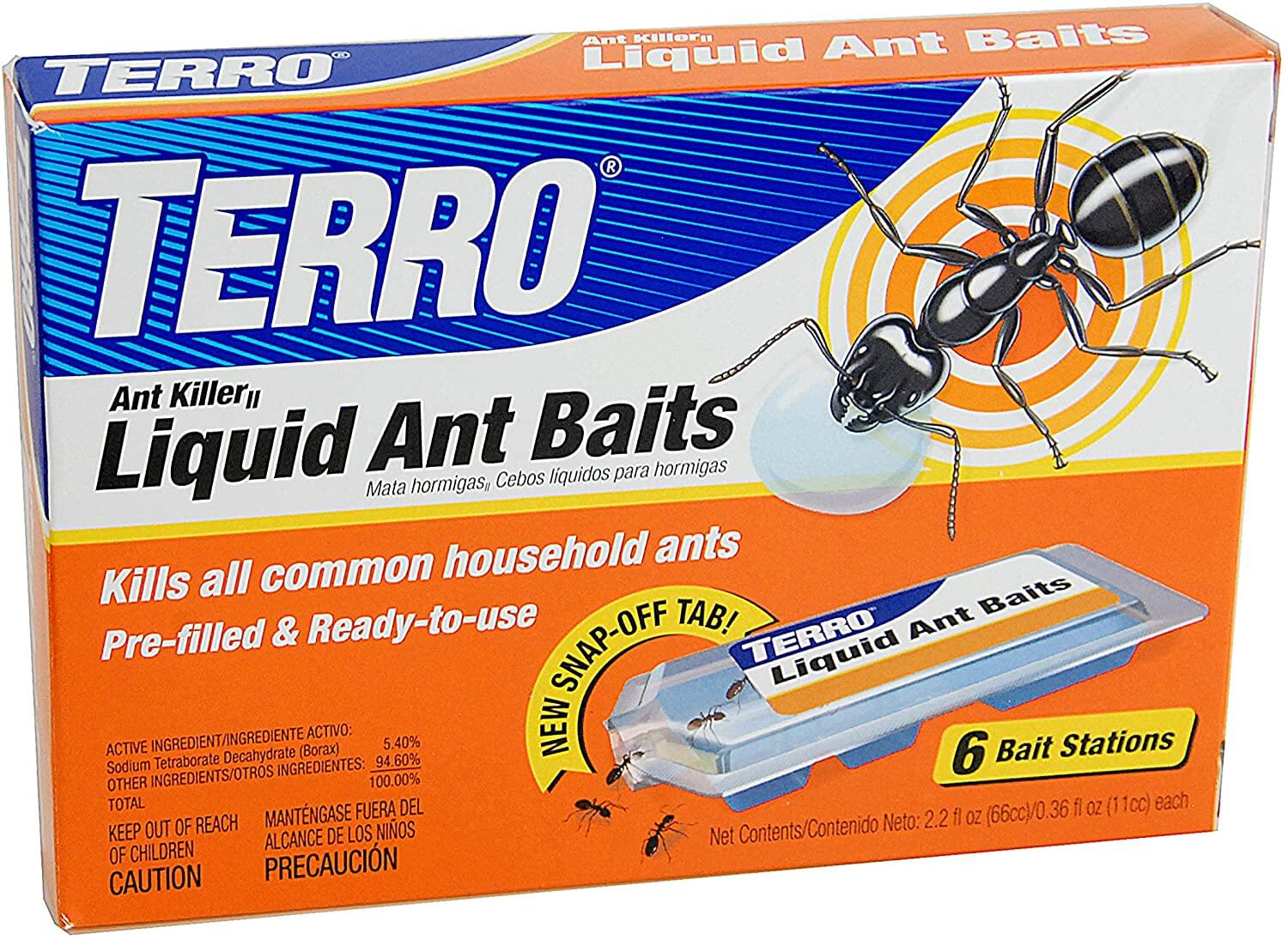
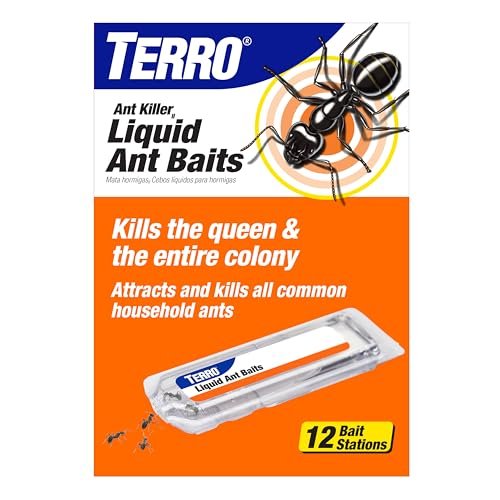
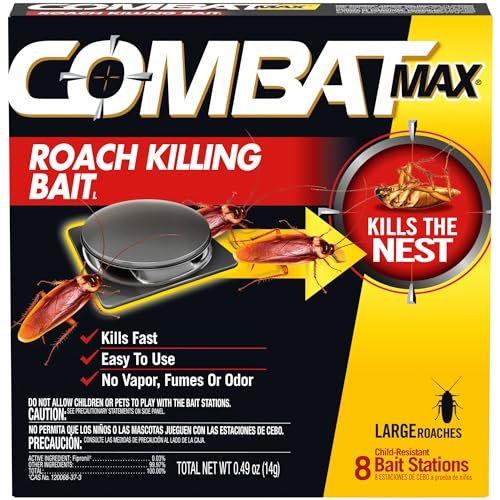
Raid and Terro sell ant control products, but you should not treat every product under either brand as identical. Formulas, active ingredients, and bait amounts can differ by product and may change over time. Read the exact label before using a product in a home with dogs.
Enclosed bait stations can reduce direct contact with bait when used as directed, but they are not chew-proof. A dog that can reach the station may bite through its shell or pull it from a corner. The product is not safe for unrestricted pet access simply because the bait is inside a housing.
If your dog has chewed a Raid or Terro station, check the package for the active ingredient and contact a veterinarian. Explain whether the dog swallowed bait, plastic, or both. The brand name alone is not enough to estimate the dose or decide whether treatment is needed.
When choosing a product, consider whether you can place it somewhere your dog cannot reach. If you cannot keep the station secure, choose another pest control method with professional guidance. Follow the product label and never put bait near food bowls, water bowls, toys, or bedding.
Source: doggysaurus.com
Check the exact product
Use the ingredient list and first-aid instructions on the package, not general advice about a brand.
Keep bait out of reach
Place stations behind secure barriers or in inaccessible areas only when the label permits that use.
Consider swallowed plastic
If any part of the station is missing, tell the veterinarian because the physical object can be a separate hazard.
Are Ant Bait Stations Safer Than Ant Sprays?
An enclosed bait station may reduce the chance of direct contact compared with an exposed spray or loose bait when it is used correctly. However, no product type is automatically safe in every home. A dog can chew a station, lick wet spray, walk through treated areas, or groom pesticide residue from its coat.
Sprays also differ in their active ingredients and application rules. Some require people and pets to stay out of a treated area until specific conditions are met. Follow the exact label, and ask a veterinarian or pest control professional about a method that fits your home and your dog’s behavior.
Bait stations
They can limit access to bait but still need secure placement and regular checks.
Sprays
They may leave residue on surfaces. Keep pets away as directed by the product label.
Loose powders or gels
These may be easy for a curious dog to lick or eat if left within reach.
How to Keep Ant Traps Away From Dogs
The best way to prevent ant trap poisoning is to stop your dog from reaching the bait in the first place. Think about your dog’s habits, not just the location where you usually see ants. A small station behind a kitchen appliance may still be reachable by a dog that noses into narrow spaces or pulls objects out.
Before placing any ant control product, read the label and identify areas where your dog cannot reach it. Never place a station beside a food bowl, water bowl, dog bed, toy basket, or feeding area. Avoid locations where your dog can chew the housing, knock the station loose, or carry it away.
Store unused bait in its original packaging in a secure cabinet. Keep the label available in case of an exposure, and dispose of used stations according to the instructions. Do not leave damaged or empty housings on the floor, since dogs may chew and swallow the plastic.
If your dog is persistent about investigating bait, consider alternatives that do not leave accessible pesticide products around the home. Cleaning food spills, storing pet food in sealed containers, sealing cracks where practical, and fixing sources of moisture can help reduce ant activity. A licensed pest control professional can advise on an approach that accounts for pets.
Source: k9ofmine.com
Choose inaccessible locations
Use only locations permitted by the product label and beyond your dog’s reach, even when you are not watching.
Secure stored products
Keep unopened and used products away from pets, children, pet food, and water supplies.
Inspect stations regularly
Check that stations remain intact and have not been moved, chewed, or pulled into an accessible area.
Reduce what attracts ants
Clean crumbs, wipe sticky spills, seal food, and address moisture where possible.
Follow all label instructions
Use only the stated amount and placement method. Do not modify a station or transfer bait into another container.
What If Your Dog Keeps Finding the Bait?
If your dog can reach a station despite your efforts, stop using that placement. Do not rely on verbal commands or supervision alone, especially when you are away from home or asleep.
Ask a pest control professional about methods that fit a home with pets. You can also focus on removing food sources and closing entry points. If you use another pesticide, read its label carefully because a different form does not automatically mean a lower risk.
Remove accessible stations
Secure or remove the product in line with its label and prevent further access.
Use barriers only when suitable
A barrier must truly prevent access and must not conflict with the product instructions.
Ask for a pet-aware plan
Tell a pest control professional that a dog lives in the home and explain where the ants appear.
When Does a Dog Need Emergency Veterinary Care?
Seek emergency veterinary care if your dog has trouble breathing, collapses, has seizures, develops severe tremors, or cannot stand normally after a suspected ant trap exposure. These signs may indicate a serious reaction and should not be managed by waiting at home.
Prompt veterinary assessment is also important when your dog has swallowed a whole station, a large or unknown amount of bait, or sharp casing fragments. Repeated vomiting, severe weakness, a painful or swollen abdomen, blood in vomit or stool, and an inability to pass stool can also point to a serious problem.
If your dog has no symptoms, the situation may still need a prompt phone assessment. The veterinarian may decide that careful home observation is suitable, or may recommend an examination based on the active ingredient, amount, and physical material swallowed.
Do not delay care while searching online for a toxicity chart or trying to estimate a safe dose yourself. Ant trap formulas vary, and advice that applies to one product may not apply to another. Take the packaging with you if your dog needs to be seen.
Source: animalnerdz.com
Go to an emergency clinic now
Difficulty breathing, seizures, collapse, severe tremors, or sudden inability to stand.
Get prompt veterinary assessment
Repeated vomiting, significant weakness, abdominal pain, bloody stool, or possible ingestion of the casing.
Call for exposure-specific advice
A dog that appears normal after licking or eating bait still needs guidance based on the product and estimated dose.
What Treatment Might a Veterinarian Provide?
Treatment depends on the product, amount, timing, symptoms, and whether the casing was swallowed. The veterinarian may recommend monitoring, an examination, supportive care, or treatment for a specific toxic effect. Some exposures require hospital care, while others may be managed with professional guidance and observation.
A veterinarian may consider decontamination in selected cases, but the method and timing matter. Do not attempt to copy a treatment you read about online. A method that is useful for one exposure can be unsafe for another, especially if a dog has swallowed plastic or is already showing symptoms.
Exposure assessment
The veterinary team reviews the label, dose estimate, time of exposure, dog size, and symptoms.
Supportive care
Depending on the case, care may address vomiting, dehydration, or other effects.
Monitoring or imaging
If a swallowed casing may cause a blockage, the veterinarian may recommend further assessment.
Ant Traps and Dogs: Risk Comparison
The table below compares common exposure situations to help you understand why the details matter. It is a general guide, not a way to diagnose poisoning or calculate a safe dose. The actual risk can change with the active ingredient, product concentration, amount swallowed, and the dog’s size.
A brief lick of a common enclosed bait station may be less concerning than eating several stations, but the label still needs to be checked. Swallowing the casing can create a physical hazard even if the bait’s insecticide is present in a small amount. When the exposure is uncertain, professional advice is the safest choice.
Source: emergencyvetsusa.com
Use the comparison as a starting point
The situations below explain broad differences in exposure. They do not replace veterinary assessment.
How Different Exposure Situations Compare
Consider both chemical exposure and physical injury when deciding what information to give your veterinarian. A dog that licks a small amount of bait may need a different response from a dog that swallows the whole station or several bait pods.
Brief contact with an intact station
Risk may be lower if the station remains intact and no bait is swallowed. Remove access and check for damage.
Licking or eating exposed bait
The dog may swallow insecticide and food-based ingredients. Contact a veterinary professional for product-specific guidance.
Chewing the station
Both bait exposure and casing fragments may be involved. Check whether any pieces are missing.
Swallowing the entire station
Chemical exposure and blockage or injury from the casing are concerns. Seek prompt veterinary advice.
Eating multiple stations
A larger potential dose and more swallowed material may increase the risk. Call a veterinarian or animal poison control service promptly.
Frequently Asked Questions
Q
Are ant traps toxic to dogs if they only lick one?
A brief lick of some common enclosed ant baits may cause no illness, but the risk depends on the exact ingredient and amount swallowed. Check the label and contact your veterinarian for advice. Do not assume that no symptoms means there is no risk.
Q
What should I do if my dog ate a Terro or Raid ant trap?
Remove any remaining traps, save the packaging, and call your veterinarian or an animal poison control service. Tell them the exact product name, active ingredient if listed, your dog’s weight, when the exposure happened, and whether the plastic casing was swallowed. Do not induce vomiting unless instructed.
Q
How long does it take for ant trap poisoning symptoms to appear in dogs?
There is no single timeline for all ant traps. Symptoms may appear at different times depending on the ingredient, dose, and type of exposure. A swallowed casing may also cause problems on a different timeline. Contact a veterinarian instead of waiting for symptoms to appear.
Q
Can ant trap plastic cause an intestinal blockage in dogs?
Yes. Swallowed pieces of plastic or other casing material can cause choking, internal injury, or an intestinal blockage. Seek veterinary advice if your dog chewed or swallowed the station. Persistent vomiting, abdominal pain, appetite loss, or trouble passing stool needs prompt assessment.
Q
Should I give my dog milk after eating ant poison?
No. Do not give milk, oil, salt, human medicines, or other home remedies to treat an ant trap exposure unless a veterinarian specifically recommends something. These remedies may not help and can create additional problems. Call a veterinary professional and follow their instructions.
Q
Can I use ant traps if I have a dog at home?
You may be able to use a labeled ant bait product safely when you follow every instruction and keep it completely out of your dog’s reach. Enclosed stations are not chew-proof, so placement matters. If you cannot prevent access, ask a pest control professional about other methods that suit a home with pets.
Q
Will my dog be okay after eating a small amount of ant bait?
Many small exposures to common enclosed baits do not lead to severe poisoning, but no general answer can guarantee that your dog will be fine. The active ingredient, amount, body weight, and possible casing ingestion all matter. Call your veterinarian or animal poison control service to assess the specific exposure.
✦ Wrapping Up
Conclusion
So, are ant traps toxic to dogs? Yes, they can be. Many enclosed ant bait stations contain relatively small amounts of insecticide, and a small accidental exposure may cause little or no illness. Still, the risk depends on the active ingredient, amount swallowed, your dog’s size, and whether any plastic or metal parts were eaten.
If your dog has eaten an ant trap, remove access, save the package, and contact your veterinarian or an animal poison control service. Do not make your dog vomit or give a home remedy unless a veterinary professional tells you to do so. Seek emergency care for breathing trouble, seizures, collapse, severe tremors, or other serious symptoms.
Prevention is simpler than dealing with an accidental exposure. Read the label, store ant control products securely, inspect stations for damage, and place them where your dog cannot reach them. If your dog can get to a bait station, change the placement or ask a pest control professional about a safer plan for your home.
💡 Key Takeaway
If your dog may have eaten an ant trap, keep the product label handy and call your veterinarian now. In the United States, Pet Poison Helpline is available at 855-764-7661, and the ASPCA Animal Poison Control Center can be reached at 888-426-4435; fees may apply. For seizures, collapse, or breathing trouble, go straight to an emergency veterinary clinic.
Most ant killers won’t kill spiders. A colony bait is built for social insects. Spiders don’t forage in groups or share food. A labeled residual contact spray…