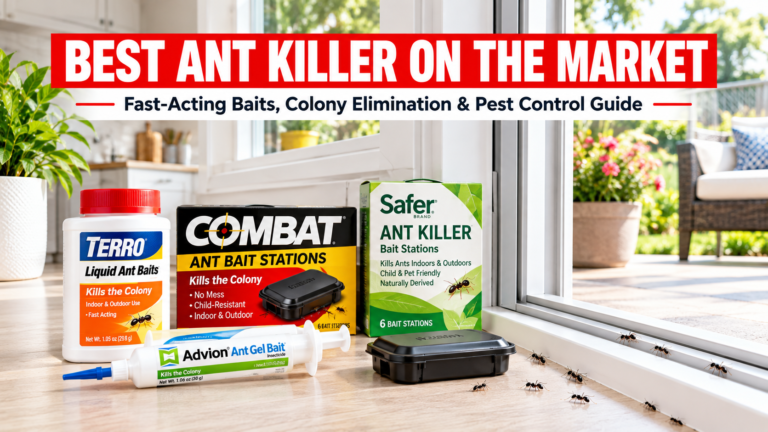
Ant bait stations are often a safer choice than loose bait or sprays when used exactly as labeled and kept completely out of a cat’s reach, but no poison bait is automatically cat-safe.
Across homes in the United States, ants can show up in kitchen cabinets, around pet food bowls, beside windows, and near doors. Getting rid of them becomes harder when a curious cat lives in the house. Cats may sniff a bait station, lick spilled liquid, chew plastic, or paw at an object that looks like a toy.
The safest plan is to choose a clearly labeled ant bait product, check its active ingredients, and place it where your cat cannot reach it. A product described as pet-friendly is not necessarily harmless if swallowed. The risk depends on the poison, the amount eaten, the product’s other ingredients, and your cat’s size and health.
This guide explains which ant traps may be suitable for homes with cats, what to avoid, and how to deal with an accidental exposure. It also covers ways to reduce ants without relying on pesticides. Product labels and veterinary advice matter more than a broad claim that any trap is safe for every pet.
Source: m.media-amazon.com
What Ant Traps Are Safe for Cats?
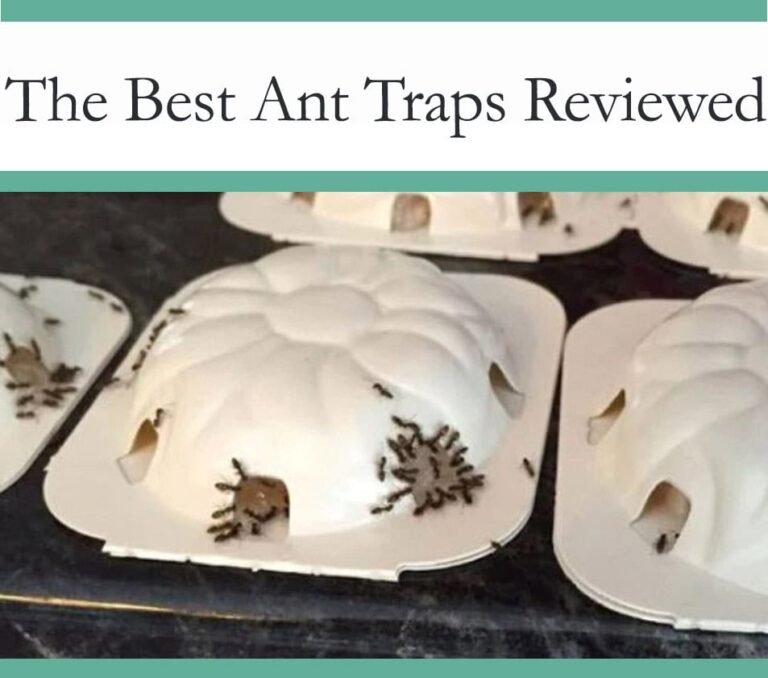
The better option for a home with cats is usually a sturdy, enclosed ant bait station that has a clear label, directions for indoor use, and a placement method that keeps it inaccessible to pets. The station should remain intact and should not sit on an open floor where your cat can bat it around.
An enclosed station is safer mainly because it limits access to the bait. It does not make the contents harmless. A cat that bites through the plastic or reaches the bait through an opening may still be exposed to the insecticide.
There is no single ant trap that can be declared safe for every cat in every home. Before choosing one, check the active ingredient, the intended location, the warnings, and any instructions about children and pets. If the label does not clearly permit the intended use, choose another approach.
Source: m.media-amazon.com
Enclosed commercial bait stations
These may be a reasonable option when the label allows indoor use and the station can be secured in a location your cat cannot access. Inspect it often for damage.
Tamper-resistant bait systems
A design that resists opening may help limit contact, but the term does not guarantee that a determined cat cannot damage it. Judge the actual design and label.
Non-chemical prevention
Cleaning food residue, sealing entry points, and storing food in sealed containers can lower ant activity without exposing your cat to bait.
Are Pet-Safe Ant Traps Really Safe?
The words pet-safe, natural, and family-friendly do not prove that a product is harmless if a cat swallows it. These phrases may describe how a product is intended to be used rather than what happens after a pet chews it open.
Look for the active ingredient, use directions, first-aid instructions, and warnings on the package. If the label is unclear or the product has no readable ingredient information, do not use it where your cat could be exposed.
Check the full label
Confirm that the product is intended for the type of ant problem and location you have.
Keep the packaging
Save the package or take a clear photo of the ingredient panel in case a veterinarian needs it.
Which Ant Trap Ingredients Matter Around Cats?
The active ingredient is a useful starting point, but it is not the only factor that matters. The concentration, amount of bait, other ingredients, packaging, and route of exposure all affect the risk.
Ant baits work by attracting ants to food mixed with a substance that kills them. Worker ants may carry the bait back to the colony, which can help control ants at their source. The same attraction that draws ants to bait can also draw a curious cat to a spill or an opened station.
Do not assume that a small amount is harmless simply because a product is designed for insects. Cats are small animals, and the effects of a swallowed product depend on its formula and the amount involved.
Source: m.media-amazon.com
Boric acid and borax
These compounds appear in some ant baits and homemade recipes. Swallowing enough can cause harm, including digestive upset. Never leave a loose borax mixture or exposed bait where a cat can lick it.
Fipronil
This insecticide is used in some pest-control products. Risk depends on the formulation and exposure. A product made for one pest or application must not be assumed suitable for use around cats.
Indoxacarb
This ingredient is found in some insect-control baits. Its presence does not establish that a bait is safe for a cat to eat. Follow the product label and prevent access.
Hydramethylnon
Some ant bait products use this insecticide. Keep the bait contained and out of reach, and seek professional advice if your cat may have swallowed it.
Does Borax Make a Cat-Safe Ant Trap?
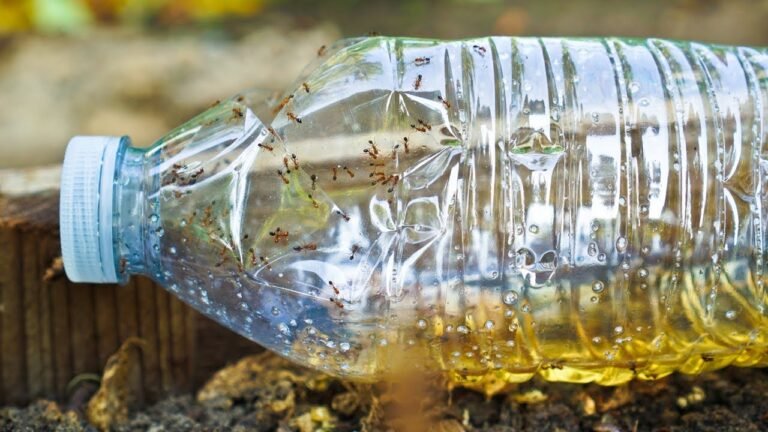
No. Borax is not a reliable way to make an ant trap safe for cats. It can be harmful if swallowed, and a homemade mixture may leave bait exposed on a plate, lid, or piece of cardboard.
A recipe shared online does not account for your cat’s size, how much bait it may eat, or whether the mixture contains other risky ingredients. Avoid homemade poison bait in any area a pet can reach.
Avoid exposed mixtures
Do not place sugar-and-borax mixtures on the floor, counters, windowsills, or near pet feeding areas.
Do not judge by dose alone
If ingestion occurs, a veterinarian should assess the actual product and possible amount rather than relying on a general internet estimate.
Are Gel and Liquid Ant Baits Safe for Cats?
Gel and liquid baits can be effective against ants, but their exposed form can make them easier for a cat to lick. A few drops on a counter or floor may be more accessible than bait inside an intact station.
Use an exposed gel or liquid only when its label permits the exact application and you can keep your cat away from the treated area. If you cannot prevent contact, choose a different method or ask a licensed pest-control professional for a pet-conscious plan.
Prevent access to spills
Clean up accidental spills according to the label while keeping pets away from the area.
Never leave bait on a cat’s route
Cats may walk across a treated surface and later groom residue from their paws.
Ant Traps and Pest Control Methods to Avoid Around Cats
Avoid any ant-control method that leaves toxic bait or wet pesticide where your cat can touch, lick, chew, or walk through it. The danger is not limited to swallowing a whole trap. Contact with a spill may also matter, especially if the cat later grooms its fur or paws.
A product can be intended for indoor use and still require strict separation from pets. Always follow its label, including any instructions about removing animals from the room, ventilation, drying time, and re-entry.
Source: m.media-amazon.com
Loose poison bait
Powders, granules, and homemade mixtures can spread across floors and become hard to see. Avoid them in areas a cat can access.
Unprotected liquid bait
Open containers and bait drops can be licked, tipped over, or carried onto a cat’s paws.
Insecticide sprays used without label precautions
Sprays may leave residues on surfaces or expose pets during application. Never spray a cat, its bedding, or its food area with an ant-control product.
Essential-oil remedies
Natural does not mean safe for cats. Concentrated oils, including peppermint and tea tree oil, may harm cats through licking, skin contact, or inhalation.
Damaged bait stations
Discard or replace a station that has cracked, leaked, or been chewed, following the label’s disposal directions.
Why Essential Oils Are Not a Safe Shortcut
Some homemade ant-control recipes use peppermint, citrus, or other essential oils. These may smell pleasant to people, but cats process many substances differently from humans, and concentrated oils can pose a poisoning risk.
Do not apply essential oils to your cat, its collar, its bedding, or surfaces it may lick. If you want a non-pesticide solution, focus on cleaning, sealing gaps, and removing the food and water sources that attract ants.
Skip concentrated oil sprays
Do not mist oil mixtures around feeding bowls, cat beds, litter areas, or places where your pet rests.
Choose physical prevention
Use sealed food containers, clean surfaces, and suitable door or window seals instead.
How to Use Ant Bait Safely in a Home With Cats
The safest use of ant bait starts before you open the package. Identify where the ants enter, choose a product labeled for that location, and plan how to keep your cat away from every treated spot.
Do not rely on telling a cat to stay away. Cats climb, squeeze into narrow spaces, knock objects over, and investigate new smells. Physical separation is more reliable than supervision alone.
Source: c8.alamy.com
Step 1: Read the Product Label
Read the complete directions before placing a bait station. Confirm the target pest, approved location, active ingredient, precautions, first-aid instructions, and disposal directions.
If the product requires a location that your cat can reach, do not use it there. Ask the manufacturer or a licensed pest-control professional about an alternative that fits your home.
Check the application type
A product labeled for outdoor cracks may not be suitable for a kitchen counter or a pet feeding area.
Follow all precautions
Do not change the bait, cut open the station, or combine it with another pesticide.
Step 2: Move Food and Water Away
Clean crumbs and sticky residue before placing bait. Store dry food in sealed containers, close pet food bags, and remove leftover wet cat food promptly.
Keep bait away from food and water bowls, feeding mats, litter boxes, cat beds, toys, and surfaces used for food preparation. Never put bait in a pet bowl or mix it with pet food.
Clean the ant trail
Use a suitable household cleaner on surfaces, then follow its directions and allow the area to dry before letting your cat return.
Store food securely
A sealed container helps keep ants away and reduces the need for pesticide use.
Step 3: Choose a Truly Inaccessible Location
Place a station only where the label allows and where your cat cannot reach it, such as a secured area behind a fixed barrier. A high shelf is not automatically safe because many cats can jump or climb.
Do not place a station inside a cupboard if your cat can open the door, or behind an appliance if the cat can squeeze into the gap. If you cannot find a secure location, skip the bait and use prevention or professional pest control.
Check for climbing routes
Look for nearby chairs, shelves, counters, and appliances that could let your cat reach the station.
Secure the station as directed
Use only the mounting or securing method allowed by the product instructions.
Step 4: Inspect and Monitor
Check stations as often as the label directs. Look for cracks, leaks, missing bait, displaced stations, or signs that your cat has chewed or pawed at the plastic.
Ant activity may remain visible for a while after bait placement because workers may continue visiting the bait. Follow the product’s stated timeline instead of adding more bait or spraying over the same trail without checking compatibility.
Replace damaged stations
Keep your cat away and follow the label’s directions for handling and disposal.
Reassess if ants persist
Check for uncovered food, leaks, entry gaps, or a colony source that may need professional treatment.
Cat-Safer Ways to Control Ants Without Poison
If your cat can reach every likely bait location, start with non-chemical controls. These steps will not always remove a large colony on their own, but they can reduce the food sources and entry points that let ants spread through your home.
Think of ant control as closing several small doors rather than fighting every ant you see. Cleaning, food storage, and sealing gaps work together. If the infestation continues, a pest-control professional can assess the colony and recommend a treatment plan that accounts for pets.
Source: m.media-amazon.com
Wipe up food residue
Clean counters, floors, cupboards, and the area under the cat’s food bowl. Empty trash regularly and rinse sticky containers before disposal.
Seal food and treats
Use tightly closed containers for pet food, treats, cereal, sugar, and other items that may attract ants.
Fix leaks and standing water
Repair dripping taps and dry damp areas when possible. Water can attract ants as well as food.
Seal entry points
Use an appropriate sealant for small cracks around windows, baseboards, and pipes after checking that the area is suitable for the repair.
Use a physical barrier when suitable
A barrier may help keep cats away from a treatment area, but it must not create a trap, block ventilation, or expose the cat to another hazard.
Do Sticky Ant Traps Create a Risk for Cats?
A glue trap may not contain an insecticide, but that does not make it risk-free. A curious cat can step on the sticky surface, get fur or a paw stuck, or chew the material.
For homes with cats, avoid placing exposed glue traps on the floor or anywhere a pet can investigate them. If one becomes stuck to your cat, do not pull hard on the fur or skin. Ask a veterinarian for safe removal advice, especially if the trap is near the face or the cat has swallowed part of it.
Do not leave sticky traps exposed
Use a different control method if you cannot keep the trap physically inaccessible.
Do not use harsh solvents on fur
Solvents and cleaning chemicals can irritate skin or cause harm if licked. Get veterinary guidance before attempting removal.
What to Do if Your Cat Eats an Ant Trap
If your cat bites a bait station, licks exposed bait, or may have swallowed part of a trap, contact a veterinarian or animal poison service right away. Do not wait for symptoms. The right response depends on the exact product, the possible amount swallowed, and the time since exposure.
Remove your cat from the area and prevent further contact. Keep the package, ingredient list, and any remaining station so the veterinary team can identify the product. If you can do so safely, take a photo of the label and note when the exposure may have happened.
Source: i.ytimg.com
Signs That Need Prompt Veterinary Advice
Possible signs of pesticide or bait exposure can include vomiting, diarrhea, drooling, reduced appetite, weakness, unusual behavior, tremors, or trouble breathing. The signs vary by ingredient and amount, and some exposures may not cause immediate symptoms.
Trouble breathing, seizures, collapse, severe weakness, or repeated vomiting require emergency veterinary care. Do not delay care to look up the ingredient online or wait to see whether your cat improves.
Keep the product information
Bring the original package or a clear photo of its label to the veterinary clinic.
Do not induce vomiting
Never give hydrogen peroxide, salt, oil, milk, or home remedies unless a veterinarian specifically directs you to do so.
Do not assume a small trap is harmless
A small product may still contain an ingredient that needs professional assessment, and the plastic itself can create a separate problem if swallowed.
Who Should You Call in the United States?
Call your regular veterinarian or the nearest emergency veterinary hospital for immediate instructions. In the United States, the ASPCA Animal Poison Control Center can be reached at 888-426-4435, and the Pet Poison Helpline can be reached at 855-764-7661. Fees may apply, and service details can change, so confirm the current instructions when you call.
Have your cat’s approximate weight, the product name, active ingredient, estimated exposure time, and any symptoms ready. Follow the professional’s instructions rather than trying to calculate a safe dose yourself.
If bait touched the fur
Prevent grooming if you can do so safely, and ask a veterinary professional how to remove the residue. Do not use solvents or apply other chemicals.
If the packaging was swallowed
Tell the veterinarian because a swallowed plastic shell or other packaging can create a separate concern from the bait itself.
How to Choose an Ant Trap for Your Home
The best choice depends on where ants appear, whether your cat can reach the area, and whether the product label permits the planned use. A bait station that works well in a sealed utility area may be unsuitable in an open kitchen where a cat jumps onto counters.
Use the table below as a practical screening tool, not as a guarantee that a particular product is safe. The ingredient and label of the exact product should decide whether it is appropriate.
Source: m.media-amazon.com
For ants near a cat’s food bowl
First remove spilled food, clean the floor, and move stored pet food into a sealed container. Do not place bait beside the bowl.
For ants in a closed cupboard
Consider a labeled bait station only if the cupboard remains inaccessible to your cat and the label allows that placement.
For a large or recurring infestation
Ask a licensed pest-control professional for an integrated plan that includes sanitation, entry-point control, and pet precautions.
Quick Comparison of Ant Control Options
This comparison focuses on exposure control rather than how quickly a product kills ants. The actual result depends on the ant species, bait formulation, colony location, and correct use.
Enclosed bait station
Potentially suitable when the exact label permits use and the station is truly inaccessible to the cat. Main limitation: a cat may chew or move it.
Exposed gel or liquid bait
May attract ants effectively, but is a poor choice where a cat can lick the bait or walk through it.
Loose powder or homemade bait
Often difficult to contain and easy for a pet to contact. Avoid use in accessible areas.
Cleaning and sealing
Avoids insecticide exposure and addresses the conditions that attract ants, though it may not eliminate an established colony by itself.
Professional pest control
Useful for persistent problems or homes where pets make safe bait placement difficult. Tell the provider that a cat lives in the home before treatment begins.
Frequently Asked Questions
Q
Are Terro ant traps safe for cats?
Do not assume that a Terro ant trap is harmless to cats. Product formulas and labels can vary, and some ant baits contain borax or related borate compounds. Keep the station completely out of reach, follow the exact package instructions, and contact a veterinarian if your cat chews it or may have swallowed bait.
Q
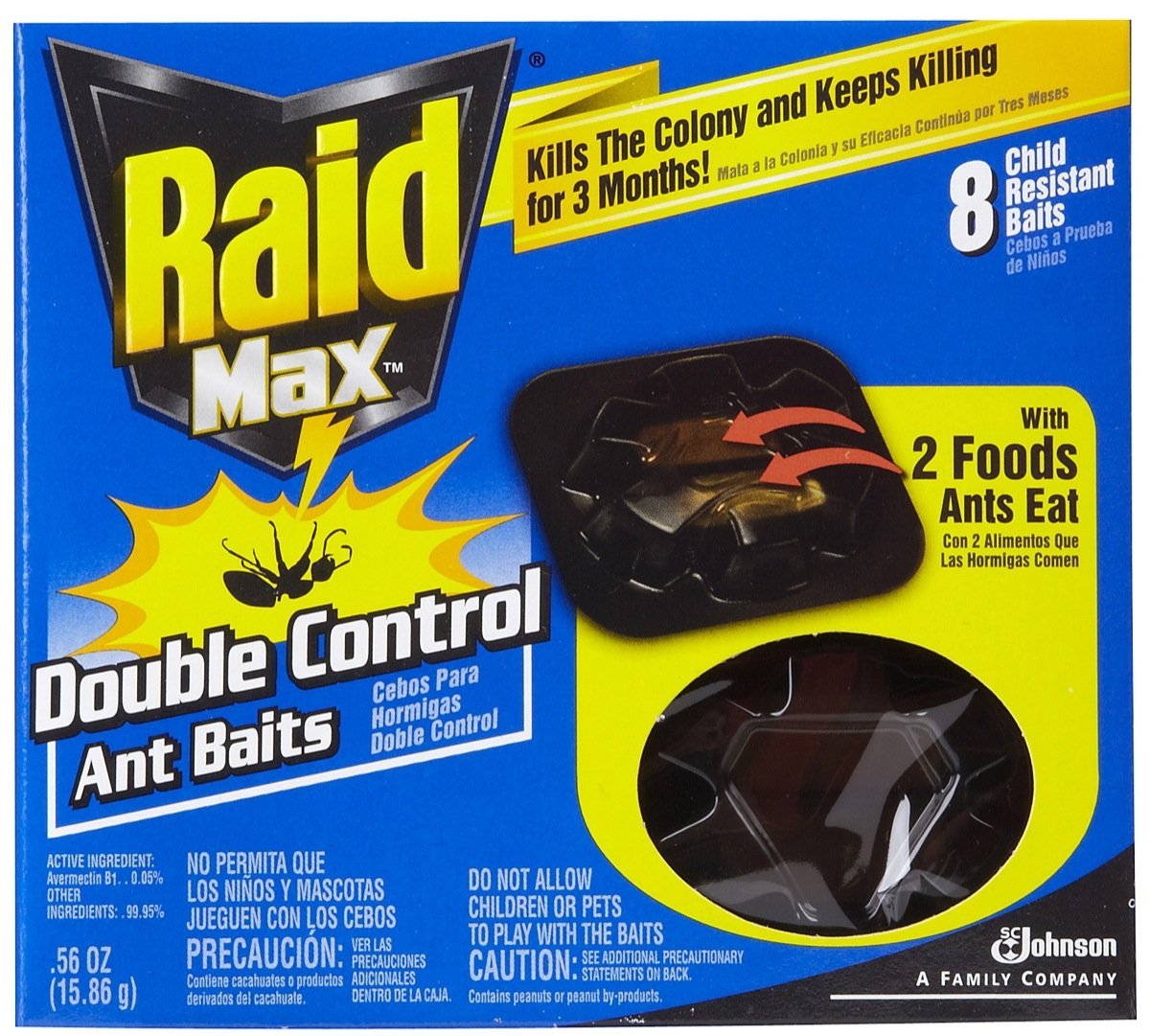
Are Raid ant traps safe to use around cats?
The answer depends on the exact Raid product and its label. Do not treat all products from one brand as having the same ingredients or risk. Read the active ingredient and pet precautions, and never allow a cat to lick, chew, or play with a station.
Q
Can cats smell ant bait?
Cats may notice bait stations through scent or by investigating a new object. Even if a cat seems uninterested, smell alone cannot tell you whether a product is safe. Place bait where the cat cannot reach it, and remove other attractants such as crumbs and spilled pet food.
Q
How long should I keep my cat away after using ant bait?
Follow the exact product label. An intact bait station may be designed to remain in place, while a spray or exposed treatment may require different precautions. If the label does not clearly explain when pets can return, contact the manufacturer or a licensed pest-control professional before allowing access.
Q
Are natural ant traps safer for cats than chemical traps?
Not necessarily. Natural ingredients can still irritate or poison pets, and some essential oils are risky for cats. Judge a product by its ingredients, exposure route, label, and placement rather than the word natural. Cleaning and sealing entry points are useful first steps that do not require poison bait.
Q
What if my cat only licked a little ant bait?
Contact a veterinarian or animal poison service promptly, even if the amount seems small and your cat looks well. The risk depends on the specific formula and dose. Do not induce vomiting or give home remedies unless a veterinary professional tells you to.
✦ Wrapping Up
Conclusion
When choosing ant traps for a home with cats, prioritize limited access, clear labeling, and careful placement. An enclosed bait station may be a more practical option than loose poison or exposed liquid, but no station should be treated as safe for chewing or eating.
Start by cleaning ant trails, sealing food, removing water sources, and closing entry gaps. If you need bait, check the active ingredient and full label, then place it only where your cat cannot reach it. For a stubborn infestation, a licensed pest-control professional can help plan treatment around your pet.
If your cat may have swallowed bait or part of a station, seek veterinary advice right away. Keep the package nearby and do not wait for symptoms. A careful setup before treatment is the best way to manage ants while reducing avoidable risk to your cat.
💡 Key Takeaway
Before using any ant trap, read its label, confirm the active ingredient, and make sure your cat cannot reach or damage it. If you cannot secure the bait, choose non-chemical controls or ask a licensed pest-control professional for a safer plan.
Learn what ant killer is safe for pets, which bait types have lower exposure risk, what to avoid, and how to control ants without harming dogs or cats.
Does fire ant killer kill regular ants? Learn how fire ant treatments work, which ants they can kill, when they may fail, and how to choose the right ant control.