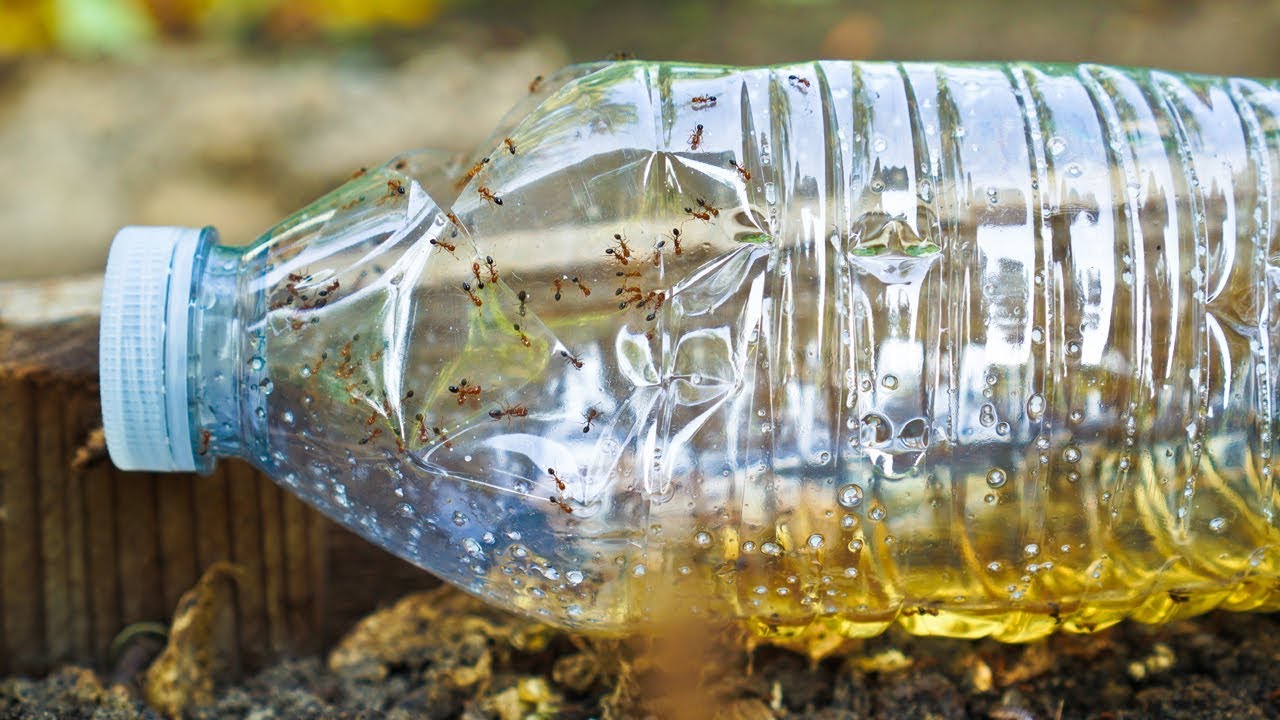
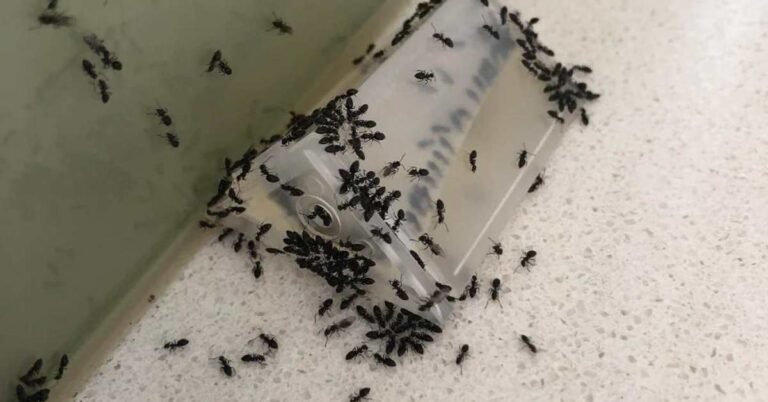
To make a simple ant trap, place a small amount of sugar water or honey on a piece of cardboard inside a shallow, covered container, then set it along an ant trail where children and pets cannot reach it. For colony control, a properly formulated ant bait is usually more effective than a homemade trap that only catches or kills the ants you see.
Ants can show up in kitchens, bathrooms, garages, and patios across the United States. A few crumbs near a pantry or a drop of juice on the floor may draw a steady line of tiny workers into your home. When that happens, a homemade ant trap can seem like a quick and low-cost fix.
The best method depends on your goal. A simple sweet bait can help attract ants to one spot, while a suitable slow-acting bait may let worker ants carry food back to other members of the colony. A sticky trap mainly catches individual ants and may not reach the nest. These methods do different jobs, so choosing the right one matters.
This guide explains how to make simple ant bait stations, how to use sugar-based bait, what to know about borax recipes, and where to place each option. It also covers common mistakes, pet and child safety, and signs that a homemade method is not working. No recipe can guarantee that an entire colony will disappear, especially when the ants are nesting inside a wall or entering from outdoors.
Source: deepgreenpermaculture.com
How Homemade Ant Traps Work
A homemade ant trap can work in several ways. It may attract ants to a food source, catch them on a sticky surface, or deliver bait that workers can carry back to the nest. Knowing which type you are making helps you set the right goal.
Many ants search for food along scent trails. When a worker finds a useful food source, it may return along the trail, helping other workers find the same spot. A bait station takes advantage of this behavior by offering food in one controlled place.
However, ants do not all eat the same foods. Some prefer sweets, while others seek fats or proteins. Their food choices may also change with colony needs and the season. A bait that attracts one group of ants may be ignored by another.
A useful homemade station should be easy to inspect, hard to spill, and placed where ants already travel. It should not be left in an open area where a child or pet could touch or eat the contents.
Source: www.pinterest.com
Food attractant
Sugar water or a small amount of honey may draw ants to a chosen location. This helps you observe activity, but the food alone is not a dependable colony-killing treatment.
Bait station
A station holds an attractive food source and, when appropriate, a suitable bait ingredient. Effective colony baits generally need the right formulation and a delayed effect.
Sticky trap
A sticky surface catches ants that walk across it. It can help monitor activity, but it usually catches individual workers rather than eliminating the nest.
Why a Trap May Attract More Ants at First
You may see more ants around a new bait station during the first part of treatment. That can happen because workers have found a food source and are recruiting others to it. More visible activity does not automatically mean the treatment has failed.
Watch the trend over time instead of judging the station after a few minutes. If ants visit the bait and activity gradually declines, the method may be helping. If activity stays high, the bait dries out, or ants ignore it, reassess the food type, location, and ant species.
Check the trail
Look for the route ants use to reach the station and place the station close to that route without blocking it.
Avoid panic spraying
Spraying the trail may kill visible workers or repel ants from the bait, making it harder to assess whether baiting is working.
What You Need Before Making an Ant Trap
Gather your materials before you begin. For a simple attractant station, you need a small piece of cardboard or a shallow disposable dish, a little sugar water or honey, and a larger container that can shield the bait from accidental contact. Choose materials that will not tip easily or leak.
For a bait that contains an insecticide, the safest choice is a product labeled for the target ants and the intended location. Homemade pesticide mixtures can have uncertain strength and exposure risks. A commercial bait station also provides a more controlled way to contain the active ingredient.
Do not use a food container that someone may later use for eating. Keep bait supplies separate from cooking tools, and wash your hands after handling the station. If you use any pesticide, read the full label before opening the package or preparing the bait.
Source: writeonnevada.com
For a simple attractant
Use sugar, clean water, a small dish or cardboard piece, and a protective outer container. This version is for attracting and observing ants, not for claiming colony control.
For a sticky trap
Use a purpose-made sticky insect monitor when possible. Keep its adhesive surface enclosed or out of reach, and do not place it where it can catch pets, children, or beneficial insects.
For colony control
Use an ant bait labeled for the ant type and indoor or outdoor location involved. The label determines where and how the product may be used.
Identify the Ants Before Choosing Bait
A line of tiny ants in a kitchen may be coming from a different species than the large ants found near damp wood. Their habits and food preferences can differ, so identification helps you avoid wasting time on a bait they will not take.
Look at the ants’ size, color, location, and trail pattern. Tiny ants near sweets may be seeking carbohydrates. Larger ants near damp or damaged wood may warrant closer inspection for a nest or moisture problem. If you are unsure, take a clear photo and compare it with a reliable pest identification guide or ask a pest professional.
Small ants near food
Check pantry shelves, counters, pet food, and trash areas for crumbs, spills, or open packages.
Large ants near wood
Inspect for damp wood, leaks, soft timber, and small piles of wood-like debris. A bait trap alone may not address a nest inside a structure.
Ants near plants
Look for aphids or other sap-feeding insects. Ants may be tending these insects for their sugary honeydew, so plant care may be part of the solution.
Method 1: Make a Simple Sugar Water Ant Station
A sugar water station is a basic way to attract ants to a single spot and observe what they prefer. It does not contain an insecticide, so do not expect it to eliminate a colony. Use this method when you want to monitor activity or learn whether ants are drawn to a sweet food source.
Sugar water can spill, become sticky, and attract other insects. Keep the amount small, use a stable dish, and place the station inside a protective container with an opening that ants can reach but children and pets cannot. If you cannot make the station inaccessible, do not use an open homemade setup.
Source: ThriftyFun
Step 1: Mix the attractant
Dissolve a small amount of ordinary sugar in a little clean water. You only need enough to dampen a small piece of absorbent material or form a shallow pool in a dish.
Step 2: Prepare the base
Place a small piece of cardboard or cotton in a shallow disposable dish. Add just enough sugar water to moisten the material without leaving a large pool that could spill.
Step 3: Protect the station
Set the dish inside a stable, ventilated container that shields it from accidental contact. Do not seal the container in a way that causes liquid to leak or makes inspection difficult.
Step 4: Choose a location
Set the station beside an active ant trail, near a baseboard or entry gap, while keeping it away from food preparation areas and out of reach of children and pets.
Step 5: Inspect the result
Check the station regularly. Note whether ants visit it, whether the liquid dries out, and whether activity changes. Remove the station if it spills, attracts unwanted pests, or cannot be kept secure.
How to Tell Whether the Sugar Station Is Working
The clearest sign that the attractant is doing its job is that ants visit it rather than continuing to ignore it. You may see a trail form around the dish as workers return to the food source. That confirms attraction, not successful colony treatment.
If no ants arrive, move the station closer to the trail or try a different food attractant. Do not leave sugary bait out for long periods without checking it. Replace it if it becomes dirty, dries out, or begins to smell.
Ants visit the station
The food source is attractive to the ants you observed. If your goal is colony control, switch to a suitable labeled ant bait rather than relying on sugar water alone.
Ants ignore the station
The ants may prefer another food, the station may be too far from their trail, or the species may not be attracted to the bait.
Other pests appear
Remove the station, clean the area, and use a more secure setup or a labeled enclosed product if appropriate.
Method 2: Make a Honey-Based Ant Attractant
Honey can attract ants that prefer sweet foods. It is thicker than sugar water, so a small amount may stay in place longer, but it can still spread across a surface or draw other insects. Like sugar water, honey alone is an attractant rather than a reliable ant-killing treatment.
Use only a tiny dab on a disposable piece of cardboard or inside a shallow dish. Put it inside a protected station and keep it away from children, pets, and areas where food is prepared. Never assume that a sweet mixture is safe for pets simply because it contains common kitchen ingredients.
Source: artofit.org
Step 1: Add a small amount
Place a small dab of honey on a disposable surface. Avoid filling a dish, as a large amount creates more mess and may attract unwanted insects.
Step 2: Set it near a trail
Choose a location where you have already seen ants moving. Do not place the bait on a countertop used for cooking or beside uncovered food.
Step 3: Observe and remove
Check whether ants visit the honey. Remove the station when you finish observing, and clean any residue with an appropriate household cleaner.
Honey Versus Sugar Water
Honey is thick and concentrated, while sugar water spreads more easily and can soak into absorbent material. Either can attract some ants, but neither is a universal bait. The best choice is the one the local ants will visit, provided you can use it without spills or unwanted exposure.
If you need to reduce an infestation, a food attractant by itself is unlikely to be enough. Use sanitation, exclusion, and a suitable labeled bait as needed.
Choose honey
Use a tiny amount when a thicker sweet attractant is easier to contain.
Choose sugar water
Use it when you want a thin, simple attractant that can be applied to a small piece of absorbent material.
Method 3: Understand Borax Ant Bait and Its Limits
Borax is a boron-containing compound used in some ant bait recipes and pest products. When ants consume a suitable bait, the active ingredient can affect them. A properly designed slow-acting bait may allow workers to carry food back to nestmates, but the result depends on the ant species, formulation, feeding behavior, and exposure.
The key problem with homemade borax recipes is that the concentration and feeding response can vary. A mixture that is too strong may kill workers before they carry enough bait back to the nest. A mixture that is too weak may not provide useful control. There is no single homemade ratio that is reliable for every ant species and setting.
Borax is not harmless. Swallowing it can be dangerous, especially for children and pets, and contact with the eyes or skin may cause irritation. Never leave a borax mixture in an open dish where a person or animal could reach it. Do not put it near food, dishes, pet bowls, or kitchen preparation surfaces.
For most households, a labeled ant bait station is a more controlled option than mixing borax at home. Read the product label for the approved target pests, placement, handling, and disposal instructions. Do not increase the concentration or mix ingredients beyond the label directions.
Source: www.pinterest.com
Why delayed action matters
A colony bait often needs to remain available long enough for workers to feed and share it. A product that kills every worker immediately may not reach the nest.
Why homemade mixtures vary
Ant species, food preference, mixture strength, moisture, and the location of the nest can all affect results.
Why containment matters
A bait that controls ants can still harm a child or pet if swallowed. Secure placement and label compliance are essential.
Should You Mix Borax With Sugar?
Sugar is often used as a food attractant in homemade borax recipes. However, adding sugar does not make the mixture safe, and the presence of borax does not guarantee effective colony control. The final result depends on the formulation and whether the target ants consume enough bait.
If you choose a pesticide bait, use a product labeled for your intended setting instead of guessing at a recipe. Do not transfer pesticide mixtures into food jars, drink containers, or dishes that could be mistaken for food.
Do not guess the dose
Avoid improvised concentrations and repeated additions of borax. More active ingredient does not automatically mean better control.
Do not leave open mixtures
Keep any pesticide bait secured and inaccessible to children and animals, following the product label.
Do not combine treatments casually
Avoid adding bleach, ammonia, cleaners, essential oils, or other substances to a pesticide mixture.
Method 4: Use a Sticky Ant Monitor
A sticky insect monitor is useful when you want to see where ants travel or check whether activity continues after cleaning. It works by catching insects that cross its adhesive surface. Unlike a bait station, it does not depend on ants eating food.
A purpose-made monitor is usually easier to handle than a homemade sticky board. If you make a simple monitor with cardboard and a suitable adhesive, keep it enclosed so children, pets, and beneficial insects cannot touch it. Avoid using strong household glues or sticky substances in a way that could trap an animal or damage a floor.
Sticky monitors provide information about ant activity, but they are not a dependable way to eliminate a colony. Use the results to find travel routes and entry points. If the ants keep appearing, combine monitoring with food cleanup, sealing gaps, and an appropriate baiting plan.
Source: ThriftyFun
Step 1: Select a stable base
Use a purpose-made insect monitor or a small piece of stiff cardboard that can fit inside a protective holder.
Step 2: Place it near activity
Set the monitor near a wall edge or suspected travel route, away from food preparation areas and out of reach of children and pets.
Step 3: Inspect the monitor
Check it regularly for captured ants and replace or dispose of it according to the product directions.
Step 4: Use what you learn
Follow the ant trail to possible entry points, then clean the route and seal accessible gaps where practical.
When a Sticky Trap Is the Wrong Choice
If you need to reduce a large indoor infestation, catching a few ants at a time may not make much difference. A sticky monitor can show where ants are active, but it cannot usually reach workers and other members of a nest hidden behind a wall or beneath a slab.
If you suspect carpenter ants or see signs of damage to wood, do not rely on a sticky trap alone. Check for moisture and possible nesting sites, and seek a qualified pest inspection when needed.
Large or persistent trails
Consider a labeled bait suited to the species and setting, along with sanitation and exclusion.
Possible structural damage
Investigate damp wood and hidden nesting areas rather than focusing only on visible ants.
Where to Place Homemade Ant Traps
Place a trap or bait station near an active ant trail, not in a random corner of the room. Ants often travel along wall edges, behind appliances, beneath cabinets, and near gaps around pipes or doors. Watch their route for a short time before choosing a spot.
Keep every station away from exposed food, dishes, food preparation surfaces, pet bowls, and places where children play. A bait station should not obstruct a walkway or create a spill risk. If you cannot keep a homemade station out of reach, choose a secure, labeled product or avoid baiting in that location.
Outdoors, use only products labeled for outdoor use and the target pest. Do not put homemade sugary mixtures near doorways, patios, or windows without considering whether they may attract more ants toward the building. Remove food scraps, clean spills, and address nearby sources of moisture.
Source: www.pinterest.com
Kitchen
Inspect cabinet edges, pantry corners, and gaps near plumbing. Remove crumbs and store food in sealed containers before setting a station nearby.
Bathroom
Check around pipes, drains, and damp areas. Repair leaks where possible and dry surfaces that provide water.
Garage or utility room
Look near door seals, wall gaps, and stored items. Keep bait away from tools, chemicals, pet supplies, and anything children may handle.
Outdoor entry point
Trace the trail to a gap or food source. Use outdoor pesticide products only as their labels direct, and avoid contaminating garden beds, drains, or water sources.
How Many Traps Should You Use?
There is no universal number that works for every home. The right number depends on the size of the affected area, the length of the trail, the ant species, and the directions on the bait product. A small monitoring setup may need only one station, while a labeled product may specify several placement points.
Start with the areas where ants are active and inspect them often. Follow the product label for spacing and quantity when using pesticide bait. Do not scatter extra bait across a room just because ants remain visible on the first day.
Use observed activity
Place stations near separate active trails or entry points when the product directions allow it.
Follow label limits
Use only the quantity and placement method allowed by the specific product.
How to Make Homemade Ant Traps Safer
Safety starts with knowing what is inside the station and who might reach it. A sugar water attractant is not a pesticide, but it can still cause a mess, attract other insects, or be unsafe for a pet with a particular dietary restriction. A bait containing borax or another pesticide creates a more serious exposure risk if swallowed.
Keep homemade stations away from children and animals. Do not place bait on a plate, in a cup, or in another container that could be mistaken for food. Label any container clearly, and never reuse it for eating or drinking. Store pesticide products in their original containers with their labels intact.
Follow the label for any registered pesticide. Do not use a product indoors if it is labeled only for outdoor use, and do not apply it to food, dishes, bedding, or surfaces where the label forbids use. Avoid pouring unused pesticide bait into a sink or storm drain.
If a person or pet may have swallowed a pesticide or borax mixture, do not wait for symptoms. In the United States, contact Poison Control at 1-800-222-1222 for human exposure guidance, or seek urgent veterinary advice for an animal. Follow emergency service guidance if severe symptoms occur.
Source: www.pinterest.com
Protect children
Keep stations out of reach and sight where possible. Do not rely on a homemade cover that a child can easily open.
Protect pets
Keep bait away from pet food, water bowls, bedding, and areas where animals sniff or lick surfaces.
Protect food and water
Never place bait on a food preparation surface or where liquid can run into food, a drain, or a drinking water source.
Handle spills carefully
Follow the cleanup instructions for the ingredients or product involved. If a pesticide has spilled, consult its label before cleaning or disposing of the material.
Are Natural Ant Traps Always Safe?
No. Natural, household, and plant-derived ingredients are not automatically harmless. Borax can cause harm if swallowed, essential oils can affect pets, and vinegar or other household liquids may damage some surfaces when used improperly.
Use the least hazardous method that meets your goal. For monitoring, a secure insect monitor may be enough. For colony control, choose a labeled bait and follow its directions rather than assuming a homemade mixture is safe because the ingredients are familiar.
Do not mix cleaners
Never combine bleach, ammonia, or other cleaning products to make an ant treatment. Such mixtures may release harmful gases or cause chemical burns.
Avoid unverified remedies
Do not assume cinnamon, coffee grounds, vinegar, or essential oils will eliminate a colony. Some may affect ant movement briefly, but that does not establish reliable control.
Common Mistakes That Make Ant Traps Fail
A homemade trap may fail because the bait does not suit the ants, the station is in the wrong place, or the method only catches individual workers. Before changing the recipe, look at what the ants are doing and whether the station is still usable.
Ant control usually works best when baiting is paired with basic prevention. A trap cannot compensate for open food, a steady water source, or a gap that lets ants enter from outside. Clean the area and correct the conditions that support the infestation.
Source: pinnaxis.com
Mistake: Using only sweet bait
Some ants may prefer fats or proteins. If a sweet attractant is ignored, use a labeled bait suited to the ant type rather than adding random ingredients.
Mistake: Placing the station far from the trail
Ants may never find a station placed in an inactive area. Observe their route and move the station only when it is safe to do so.
Mistake: Expecting instant results
Colony baits may take time to work. Follow the product directions and assess changes in activity over the stated treatment period.
Mistake: Spraying around the bait
Some sprays can repel ants or interfere with bait feeding. Avoid combining treatments unless the product instructions support doing so.
Mistake: Leaving bait until it spoils
Dried, dirty, or contaminated bait may lose its appeal. Inspect the station and replace or dispose of it according to the relevant directions.
Mistake: Ignoring the source
Food crumbs, leaks, tree branches touching the house, and open gaps may sustain the problem. Fixing these conditions helps reduce repeat activity.
Troubleshooting by Symptom
When a trap does not seem to work, change one thing at a time. This helps you identify whether the issue is the bait, the location, or a larger problem that needs a different approach.
No ants visit the bait
Check whether the trail is active, move the attractant closer to the route if safe, or choose a labeled bait with a different food base.
Ants visit but activity persists
Allow the treatment time stated on the product label. Check for competing food, an unsuitable bait, or multiple entry points.
Ants return after cleanup
Seal gaps, store food in closed containers, remove standing water, and inspect nearby areas for another trail.
Large ants keep appearing indoors
Check for damp wood, leaks, and possible nesting sites. Seek a professional inspection if structural damage or a hidden nest is suspected.
Homemade Ant Traps Compared With Other Control Methods
The best method depends on whether you want to observe ants, catch a few workers, or reduce a colony. Homemade attractants are simple to make, but they do not provide the same function as a formulated pesticide bait. Sticky monitors help reveal activity, while sanitation and sealing entry points address the conditions that allow ants to keep coming back.
The table below compares common options by their main purpose and limits. It does not rank them as universally best because ant species, placement, and household risks can change the result.
Source: www.pinterest.com
Sugar water or honey
Best for observing food preference or drawing ants to one spot. It does not reliably eliminate a colony and may attract other insects.
Sticky insect monitor
Best for monitoring travel routes and catching some individual ants. It usually does not control a hidden nest.
Labeled ant bait
Best suited to a planned colony-control effort when the product targets the ant type and is used according to its label.
Cleaning and exclusion
Best as a core prevention step. It removes food and water sources and blocks access, though it may not eliminate an established colony by itself.
Professional pest control
Useful for persistent infestations, suspected structural nests, difficult species, or situations where safe placement of bait is not practical.
Which Option Should You Choose?
If you only need to find out where ants are coming from, start with observation and a secure monitor. If you want to attract ants for a short period, a small sugar water or honey station can help you see their food preference. If your goal is colony control, use an appropriate labeled bait and combine it with good sanitation.
If the infestation continues despite correct bait use, or if you suspect carpenter ants inside wood, a professional can identify the species and locate the nest. This can prevent wasted effort on a trap that treats only the visible part of the problem.
For a few visible ants
Clean the trail, remove food sources, and seal the entry gap if you can find it.
Consider a labeled bait station suitable for the species and indoor setting, while keeping it inaccessible to children and pets.
For persistent or structural problems
Seek professional help if ants keep returning, nesting sites are hidden, or wood damage may be present.
Prevent Ants From Coming Back
Traps work better when you also make the home less attractive to ants. Wipe up spills, sweep crumbs, rinse food containers, and keep pantry goods in tightly closed containers. Take trash out regularly and clean under appliances where small food scraps can collect.
Water matters too. Repair dripping faucets and leaking pipes, dry damp areas, and check for moisture around sinks and bathrooms. Outside, keep plant debris away from the foundation and trim branches that create easy routes onto the house when practical.
Once you identify an entry point, seal the gap with a material suitable for that surface. Common access points include spaces around pipes, damaged door sweeps, window gaps, and cracks in trim. Do not seal over a suspected active nest without considering whether the ants may simply move to another opening.
Keep checking the area after the visible trail declines. A few remaining ants may still appear while the source is being addressed. If activity persists or spreads to new rooms, reassess the species, bait choice, and possible entry points rather than relying on the same homemade trap indefinitely.
Source: YouTube > Daisy Creek Farms with Jag Singh
Store food securely
Close sugar, cereal, pet food, and other pantry items in containers that ants cannot easily enter.
Remove competing food
Clean counters and floors, wash reusable dishes, and avoid leaving pet food out longer than needed.
Control moisture
Fix leaks, dry wet surfaces, and investigate recurring dampness near walls or cabinets.
Block access
Seal suitable gaps around windows, doors, pipes, and trim after checking how ants are entering.
Monitor progress
Check the same areas regularly and note whether ant activity falls, stays steady, or spreads.
When to Call a Pest Professional
Consider professional help if ants remain active after you have followed a suitable bait product’s directions, if several areas are affected, or if you cannot locate the source. A professional may be able to identify the species and choose a treatment based on its nesting habits.
Do not ignore signs of possible carpenter ant activity near damp or damaged wood. Carpenter ants do not eat wood as termites do, but their galleries can be associated with structural wood damage and moisture issues. An inspection can help determine whether there is a nest and whether repairs are needed.
Repeated infestations
Seek help when trails return despite sanitation, exclusion, and correct bait use.
Possible hidden nests
Get an inspection if ants emerge from walls, ceilings, or other areas that cannot be checked safely.
Safety concerns
Ask a qualified professional for a plan when children, pets, or other household needs make bait placement difficult.
Research Notes and Reader Questions to Address
This guide focuses on the practical steps readers need to make a simple ant station, understand the difference between an attractant and a colony bait, and use a control method safely. The recommendations distinguish basic pest-control principles from claims that would require direct testing of a particular homemade recipe.
No controlled test of these homemade stations was performed for this article. Therefore, it does not claim a measured kill rate, a fixed time to eliminate a colony, or a guaranteed borax mixture. Results can vary by ant species, bait formulation, placement, and competing food sources.
A useful editorial improvement is to make the limits of each method clear. A sugar-based station can attract ants, a sticky monitor can show where they travel, and a suitable labeled bait may help control a colony. These are different functions and should not be presented as interchangeable.
Source: artofit.org
Question: Will a simple sugar trap kill a colony?
Basis: Inferred next need from the main how-to task. Answer: Sugar water attracts ants but does not provide dependable colony control by itself. Reader benefit: prevents confusion between attraction and treatment.
Question: What if ants ignore the bait?
Basis: Inferred next need from the setup and troubleshooting stages. Answer: Check trail placement, food preference, and species, then consider a suitable labeled bait. Reader benefit: offers a practical next step without guessing a recipe.
Question: Can homemade ant traps harm pets?
Basis: Inferred next need because homemade bait may contain substances that are harmful if swallowed. Answer: Yes, depending on the ingredients and exposure. Reader benefit: makes containment and label directions part of the method.
Question: When should I stop using a homemade trap?
Basis: Inferred next need from the troubleshooting stage. Answer: Stop if it spills, attracts unwanted pests, creates an exposure risk, or fails to address persistent activity. Reader benefit: sets a clear limit for DIY treatment.
Evidence Limits and Verification
The core guidance in this article reflects general integrated pest management principles: identify the pest, reduce food and water access, block entry points, and choose a treatment appropriate for the species and setting. Exact pesticide use requirements depend on the product label and applicable rules.
The article does not claim that a particular recipe has been tested in a home, that any image demonstrates a verified result, or that a homemade trap is superior to a labeled bait station. Readers should use the product label and trusted public pest-control guidance when choosing a pesticide treatment.
Evidence type
General pest-control guidance and practical analysis, not first-hand experimental results.
Unestablished claim
No universal homemade recipe or fixed time to colony elimination is established here.
Decision-changing detail
Ant species, food preference, placement, and safe access determine which approach is appropriate.
Frequently Asked Questions
Q
What is the easiest homemade ant trap to make?
A small sugar water station is one of the simplest options. Moisten a little absorbent material with sugar water, place it in a shallow disposable dish, and keep the station protected from children and pets. It can attract ants for observation, but it will not reliably eliminate a colony by itself.
Q
Does a homemade sugar and borax trap kill ants?
Borax can affect ants when they consume a suitable bait, but results depend on the formulation, concentration, species, and feeding behavior. A mixture that is too strong may kill workers too quickly, while one that is too weak may not control the colony. Because borax can harm people and pets if swallowed, a labeled ant bait is generally a more controlled choice than an improvised mixture.
Q
How long does a homemade ant trap take to work?
There is no single timeline. A sweet attractant may draw ants within a short period if they are nearby and interested in that food, but attraction is not the same as colony control. A labeled colony bait may take several days or longer, depending on the product and infestation. Follow the product label and assess the trend in ant activity.
Q
Why are ants not going into my homemade trap?
The ants may prefer a different food, the station may be too far from their trail, or the species may not be attracted to the ingredient you used. Competing food sources can also reduce interest in a bait. Clean up spills and crumbs, observe the route, and consider a labeled bait formulated for the target ants.
Q
Are homemade ant traps safe around dogs and cats?
Not all homemade traps are safe around pets. Sugar and honey may attract an animal to the station, while borax and pesticide ingredients can be harmful if swallowed. Keep bait inaccessible, avoid open dishes, and follow all product directions. If a pet may have eaten a bait or pesticide, contact a veterinarian or animal poison service promptly.
Q
Can vinegar or cinnamon make an ant trap?
Vinegar and cinnamon are sometimes used as household ant deterrents, but neither should be treated as a proven way to eliminate an ant colony. Vinegar may help clean some ant trails, depending on the surface and cleaning method, while cinnamon may not deter every species. Use them only where suitable, and do not mix household cleaners or apply liquids to surfaces they may damage.
Q
Should I kill the ants that gather around a bait station?
If you are using a labeled colony bait, avoid spraying the ants or disturbing the bait unless its instructions say otherwise. Workers may need to feed on the bait and carry it back to the nest. Follow the label and monitor activity over the recommended treatment period. If you are using a plain sugar attractant, remember that it does not provide dependable colony control.
Q
When should I stop using DIY ant traps?
Stop using a homemade station if it spills, creates a risk for children or pets, attracts other pests, or cannot be kept secure. If ants persist despite proper sanitation and a suitable labeled bait, or if you suspect carpenter ants nesting in wood, consider a qualified pest professional. Repeated activity may point to a hidden nest or an entry point that a simple trap cannot address.
✦ Wrapping Up
Conclusion
Learning how to make ant traps starts with deciding what you want the trap to do. Sugar water and honey can attract ants to a chosen location, while sticky monitors help you track activity. Neither method should be confused with a dependable treatment for an entire colony.
If you need to control an infestation, focus on the full problem. Clean up food and water sources, watch where the ants travel, seal suitable entry gaps, and choose a labeled bait that matches the ant species and location. Avoid improvised pesticide mixtures and keep every station away from children, pets, food, and drinking water.
A small DIY station can help you understand ant activity, but it is only one part of a good control plan. If the ants keep returning or you suspect a nest inside the structure, get professional help rather than relying on the same homemade recipe.
💡 Key Takeaway
Start by observing one active ant trail and cleaning away nearby food crumbs. If you want to monitor the ants, use a small, secure sugar water station. If your goal is colony control, choose a suitable labeled ant bait, follow its directions, and keep it inaccessible to children and pets.
Does fire ant killer kill regular ants? Learn how fire ant treatments work, which ants they can kill, when they may fail, and how to choose the right ant control.