Boric acid is one of the most useful low-cost roach killers, but it is not the best choice for every infestation.
Cockroaches can turn a clean American home into a stressful place. They hide behind kitchen appliances, inside cabinets, near plumbing, and around warm spaces. When you spot one in an apartment in New York, a home in Texas, or a kitchen in California, you want a treatment that works without creating more problems.
Boric acid has a long record of use against cockroaches. It can kill roaches that contact or eat it, and it can provide lasting control when placed correctly in dry, hidden areas. However, it does not kill every roach at once. It also needs careful placement, especially in homes with children and pets.
The best treatment depends on the roach species, the size of the infestation, the room, and the way the powder is used. Gel baits, enclosed bait stations, and professional pest control may work better in some cases. The smart approach is to match the treatment to the problem rather than assume one powder can solve every roach issue.
Source: hishecozy.com
Is Boric Acid the Best Roach Killer?
Boric acid is among the best options for targeted cockroach control, especially when you need an affordable treatment for hidden areas. It can kill several common household roaches, including German and American cockroaches, when they receive a lethal dose. Its value comes from its ability to remain active in dry places and affect roaches that cross or consume the treated area.
Still, calling it the single best roach killer would be misleading. A heavy infestation may need several control methods at the same time. A gel bait may reach roaches inside tight cracks more easily, while a professional treatment may be needed when roaches spread through wall voids or several apartments.
Boric acid is best viewed as one tool in an integrated pest management plan. This means using targeted treatments along with cleaning, moisture control, monitoring, and prevention. Each part supports the others.
Source: m.media-amazon.com
Best for hidden, dry areas
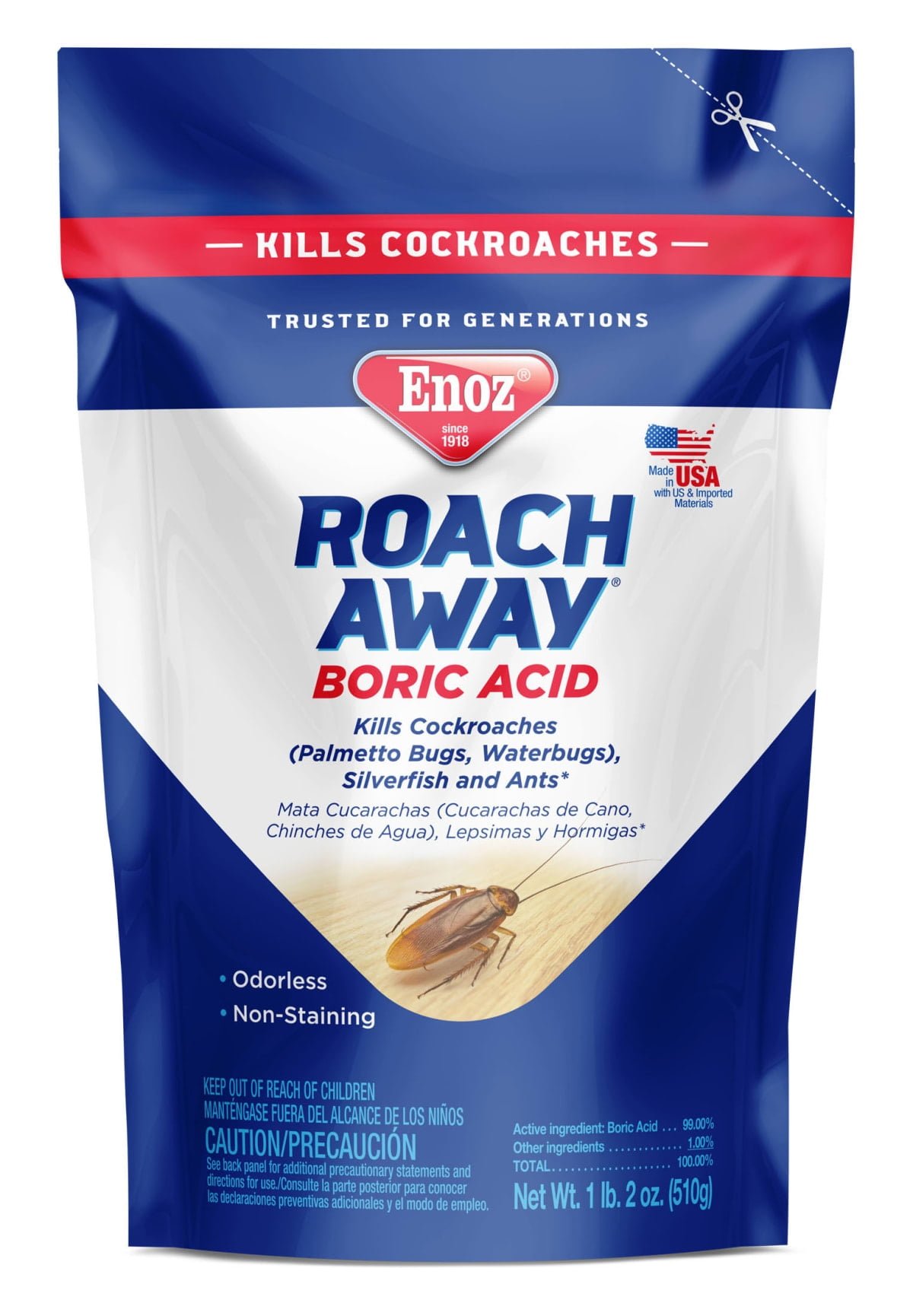
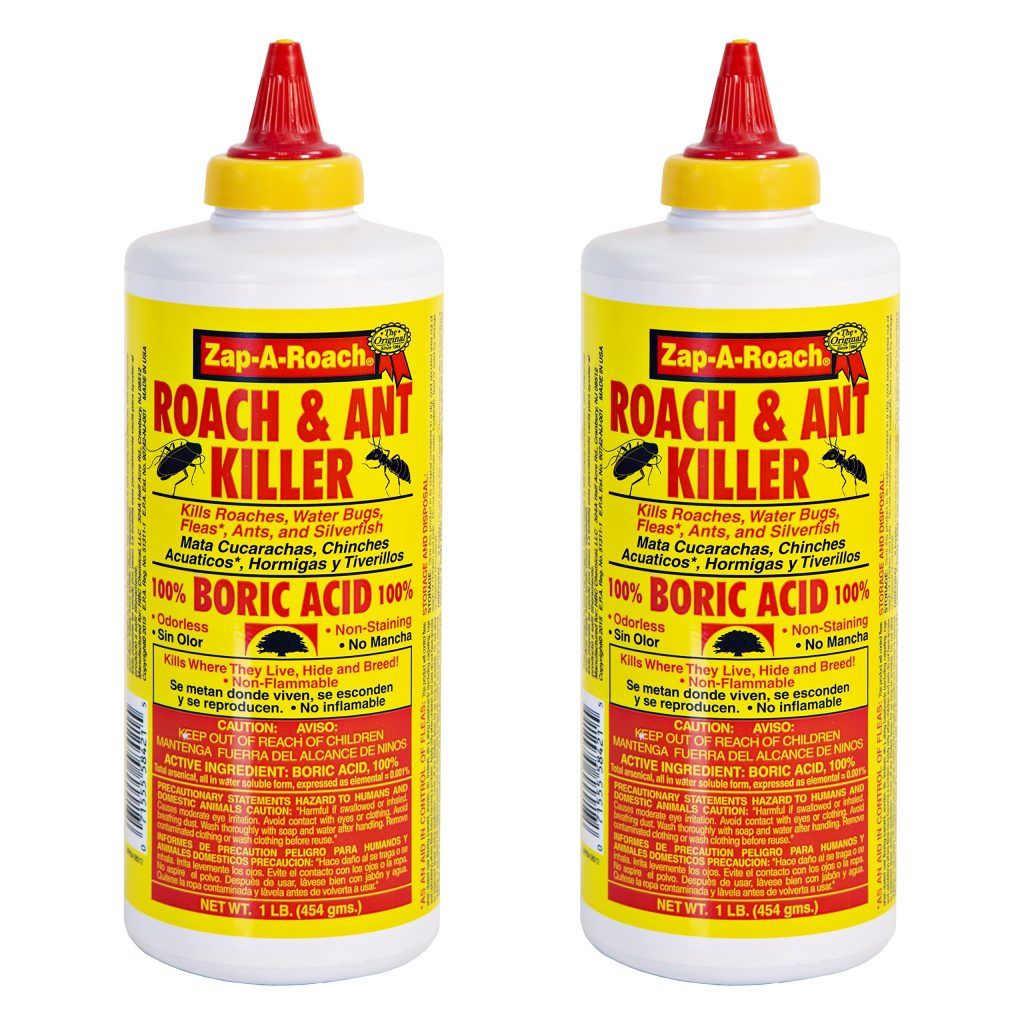
A labeled boric acid powder can help control roaches along suitable cracks, gaps, and other inaccessible spots where people and pets cannot reach it.
Useful for gradual control
It can kill roaches over time, but it is not a quick knockdown spray for insects you see moving across a floor.
Not ideal for every home
Loose powder may be unsuitable in damp rooms, open living areas, or places where children and pets can touch or spread it.
When Boric Acid Makes the Most Sense
Boric acid makes sense when you have identified roach activity in dry, protected spaces. Examples include a gap behind a refrigerator, a hidden void beneath a cabinet, or a crack near a pipe. The exact site must be allowed by the product label.
It can also support a wider treatment plan when roaches keep returning to the same hidden area. The key is to place the product where roaches travel, not where people prepare food or handle household items.
Small, localized activity
A few known hiding places can be easier to treat with a targeted powder application.
Dry locations
Moisture can reduce the usefulness of many dust treatments, so dry placement matters.
When Another Treatment May Be Better
If you see roaches during the day, find many young roaches, or keep seeing them after treatment, the infestation may be larger than it first appears. A bait-based plan or professional inspection may offer better coverage.
In a home with toddlers, curious pets, or open floor gaps, loose powder can be difficult to keep out of reach. An approved enclosed bait station may be easier to place in a controlled location.
Large infestations
Consider a coordinated baiting and monitoring plan, with professional help when activity is widespread.
Hard-to-reach cracks
A labeled gel bait may be easier to apply in narrow spaces than loose dust.
How Does Boric Acid Kill Cockroaches?
Boric acid is a chemical compound that can act as an insecticide when cockroaches take in a sufficient amount. Roaches may ingest it while grooming after walking through treated dust, or they may eat particles directly. Contact with the powder can also contribute to exposure.
Unlike a fast-acting contact spray, boric acid does not usually kill a roach the moment it touches the powder. The insect must receive enough exposure. This delay is one reason results can take several days or longer, depending on the product, the roach population, and the conditions in the treated area.
Boric acid is not a magic powder that spreads through a whole building by itself. A roach must contact or consume it. If the powder sits in a place the insects never visit, it will not solve the problem.
Source: backyardbossimages.com
Ingestion
Roaches can swallow particles while feeding or grooming. A sufficient dose can disrupt normal body functions and lead to death.
Contact
Powder can cling to an insect’s body and be swallowed during grooming. Exposure depends on the formulation and amount.
Delayed action
The treatment often works over time, so monitoring is more useful than judging success after one night.
Does Boric Acid Kill Roach Eggs?
Boric acid should not be treated as a reliable egg killer. Cockroach eggs develop inside a protective egg case called an ootheca. A powder placed in a hiding spot may kill exposed adults and young roaches, but it may not reach eggs protected inside these cases.
This matters because new nymphs can appear after you have treated the adults. Keep monitoring for young roaches and follow the product label for repeat treatment. Removing egg cases when you find them can also support control.
Egg cases can protect eggs
Do not assume that visible adult roaches dying means the full life cycle has been stopped.
Keep checking
Use sticky monitors and inspect known hiding places for fresh activity.
How to Use Boric Acid for Roaches Correctly
Correct placement matters more than using a large amount. Always choose a product whose EPA-approved label lists cockroaches and the intended indoor use. Follow its directions for the permitted sites, application rate, protective steps, and restrictions.
Do not use a homemade mixture or a product meant for a different purpose as a substitute for a labeled roach treatment. Household boric acid products can differ in concentration, formulation, and approved use. The word boric acid on a container does not mean every application is safe or permitted.
Before applying anything, remove food, dishes, pet bowls, and kitchen tools from the area. Clean crumbs and grease, fix leaks if possible, and make sure the treatment location will remain dry.
Source: i5.walmartimages.com
Read the full label
Check the target pest, approved indoor sites, application directions, and warnings before opening the container.
Use the labeled amount
Do not create piles or spread extra powder in the hope of killing roaches faster.
Keep people and pets away
Prevent access during application and as directed by the product label.
Store the container safely
Keep the original package closed and stored away from food, children, and animals.
Choose the Right Application Sites
Focus on hidden places where roaches travel and where the label permits treatment. Common areas to inspect include gaps around plumbing, spaces behind large appliances, and suitable cracks near cabinets. Avoid open floors and exposed surfaces.
Never put boric acid on countertops, cutting boards, shelves used for food, or inside food containers. Do not apply it to bedding, clothing, or any surface where people or pets may have direct contact unless the label specifically allows that use.
Behind appliances
Check dry, protected gaps near refrigerators and stoves, while avoiding hot components and food-contact areas.
Around plumbing gaps
Inspect suitable dry gaps beneath sinks and around pipe openings, following all label restrictions.
Cabinet voids
Treat only approved hidden spaces that children and pets cannot reach.
Why a Thin Layer Is Better Than a Pile
A thick mound of powder can act like a barrier that roaches avoid. A thin, even application in an approved hidden spot is more likely to contact insects as they move through the area.
Do not use this advice to override the product directions. Some formulations have specific application methods, and the label always takes priority.
Avoid visible heaps
Excess powder can spread, become airborne, and increase unwanted exposure.
Keep the site dry
Wet or damp powder may clump and become less useful.
How Long Does Boric Acid Take to Kill Roaches?
Boric acid usually works over several days rather than within minutes. The exact time depends on how much product a roach contacts or eats, the formulation, the insect’s size, and whether the powder stays in place.
You may still see live roaches after the first application. That does not automatically mean the treatment failed. However, continued sightings over time can mean that the insects are avoiding the treated area, the powder has become wet or displaced, or the infestation has more hiding places than you first found.
Use sticky monitors to track activity. Place them in safe locations near suspected travel routes, such as behind appliances or beneath sinks, where children and pets cannot reach them. Compare the number of insects caught over time instead of relying on a single sighting.
Source: marketcol.com
First few days
Some exposed roaches may die, but you may still notice activity.
Following weeks
Check monitors and hiding places to see whether the number of roaches is falling.
No improvement
Recheck placement, moisture, sanitation, and the product label. Consider a different control method or a licensed pest professional.
Signs the Treatment Is Working
The strongest sign is a steady drop in roach activity. Fewer insects on sticky monitors, fewer fresh droppings, and fewer sightings can suggest that the population is declining.
Do not judge success only by finding dead roaches. Some insects may die in hidden places, while others may move away from the treated area. A clean, consistent monitoring record gives you a better picture.
Fewer monitor catches
A falling count across repeated checks is more useful than one empty trap.
Less fresh evidence
Reduced droppings and fewer new sightings can support the result.
Boric Acid vs. Other Roach Killers
Boric acid is not always the strongest or most convenient option. Gel baits, enclosed bait stations, contact sprays, and professional treatments each serve a different purpose. The right choice depends on where the roaches hide and whether you can place the product safely.
Baits can be useful because roaches feed on them. Some bait formulations are designed to attract insects to a food source containing an insecticide. Contact sprays can kill insects that are directly reached, but they may not control a hidden population on their own.
Avoid spraying insecticide over or near bait placements unless the product labels allow it. Some sprays can repel roaches or contaminate bait, making the bait less attractive. Follow both labels and use compatible methods.
Source: mobileimages.lowes.com
Boric acid powder
Useful for approved dry, hidden locations. It can provide gradual control but needs careful placement and protection from moisture.
Gel bait
Useful for targeted placement in cracks and crevices when the label allows it. It can be easier to control than loose dust.
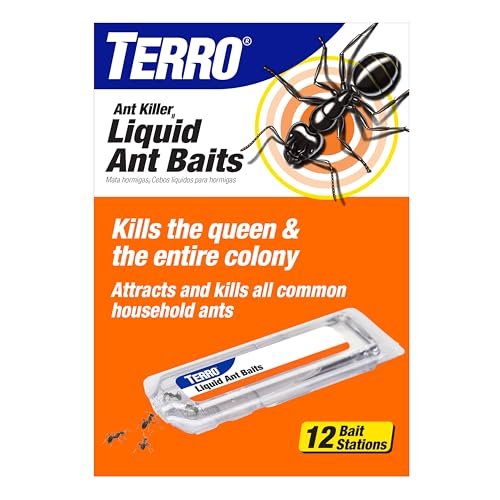
Bait stations
Useful when you want an enclosed bait format that can limit direct contact with the bait, though the station must still be kept out of children’s and pets’ reach.
Contact spray
Useful for direct treatment of exposed insects when the label permits it. It may not reach roaches hidden deep inside walls or cabinets.
Professional pest control
Useful for severe, recurring, or building-wide infestations that need inspection and a coordinated treatment plan.
Which Treatment Is Best for German Cockroaches?
German cockroaches often live close to food, water, and warmth. Kitchens and bathrooms can provide all three. They also hide in narrow gaps around cabinets, appliances, and plumbing, which makes careful inspection important.
A bait-centered integrated plan is often a practical starting point for an established German cockroach problem. Boric acid may have a supporting role in suitable hidden locations, but it should not replace monitoring or a well-planned bait program when the infestation is widespread.
In apartment buildings, roaches may move between units through shared walls and service openings. Treating one kitchen without addressing connected areas can lead to repeated activity. Contact property management and consider a licensed pest professional.
Inspect close to food and water
Look around refrigerators, dishwashers, sinks, and cabinet hinges.
Use monitors
Sticky traps can help identify the main hiding areas and track changes.
Coordinate treatment
In multi-unit housing, report recurring activity and request a building-wide response where needed.
Is Boric Acid Safe Around Children and Pets?
Boric acid is a pesticide, not a harmless household powder. Swallowing it or getting it into the eyes can cause harm. Breathing airborne dust can also create an exposure risk, so avoid creating clouds of powder during application.
Children and pets may touch, lick, or spread loose powder. Cats and dogs may investigate treated areas, while young children may put contaminated fingers or objects in their mouths. For this reason, use only labeled products and place them where people and animals cannot reach them.
Never apply boric acid to pet bedding, feeding areas, toys, food bowls, or places where animals groom themselves. Do not use it on kitchen counters or food preparation surfaces. If a product label rules out a location, do not use it there.
Source: mobileimages.lowes.com
Prevent accidental swallowing
Keep powder and treated areas out of reach. Store the product in its original container.
Avoid airborne dust
Apply only as directed and do not scatter or blow powder into open spaces.
Protect food areas
Keep all pesticides away from food, dishes, utensils, and preparation surfaces.
Follow the label
Use the required protective equipment and observe all re-entry and cleanup directions.
What Should You Do After Accidental Exposure?
If someone swallows boric acid or a product containing it, do not guess at a home remedy. Contact Poison Control in the United States at 1-800-222-1222 for prompt advice. Have the product container or label available so the specialist can identify the ingredients.
If the product gets into the eyes or onto the skin, follow the first-aid directions on the label. For serious symptoms, trouble breathing, collapse, or an emergency, call 911. For a pet exposure, contact a veterinarian or an animal poison service promptly.
Human exposure
Call Poison Control at 1-800-222-1222 in the United States and follow its instructions.
Pet exposure
Contact a veterinarian and provide the exact product name and label information.
Serious symptoms
Call 911 for a medical emergency.
Why Boric Acid Sometimes Fails to Kill Roaches
Boric acid can fail when roaches do not contact or eat enough of it. The powder may be in the wrong place, too thick, wet, or disturbed during cleaning. A treatment that is not placed along an active travel route may have little effect.
Another common issue is treating only the insects you can see. Cockroaches hide in small gaps and may feed at night. If the main nesting and feeding areas remain untreated, the population can continue to grow.
A third problem is relying on powder alone. Food scraps, standing water, clutter, and unsealed gaps can keep supporting the infestation. Pest control works better when you remove these resources and monitor the results.
Source: bhg.com
Wrong placement
Move the inspection effort to actual roach routes and use only approved treatment sites.
Too much powder
Do not create piles. Follow the product’s exact application directions.
Moisture
Check for leaks and damp areas. Replace or manage treated material only as the label directs.
Untreated hiding places
Inspect behind appliances, beneath sinks, and around cabinet gaps.
Ongoing food sources
Clean crumbs, remove grease, seal food, and empty trash regularly.
What to Do If You Still See Roaches
Start by checking sticky monitors and looking for fresh droppings. Confirm that the powder is still in a dry, approved location and that roaches can reach the treated area. Do not add more product without checking the label.
If activity remains high, consider a labeled gel bait or enclosed bait station in suitable locations. Avoid mixing products without checking compatibility. For a large or persistent infestation, ask a licensed pest control professional to inspect the property.
Recheck the source
Find where activity is strongest before changing the treatment.
Improve sanitation
Remove food residue, standing water, and excess clutter.
Escalate when needed
Seek professional help if roaches remain widespread or keep returning.
How to Prevent Roaches From Coming Back
Prevention is what turns a short-term reduction into lasting control. Roaches need food, water, warmth, and shelter. Make those resources harder to find, and your home becomes less inviting.
Start with the kitchen. Wipe up spills, clean grease near the stove, store food in sealed containers, and avoid leaving dirty dishes overnight. Empty indoor trash often and clean beneath appliances when practical.
Next, deal with moisture and access. Repair leaking taps, dry damp areas, and seal gaps around pipes or baseboards where suitable. In apartments, report leaks and recurring pest activity to the property manager.
Source: bhg.com
Remove food sources
Store food in sealed containers and clean crumbs, spills, and grease.
Reduce moisture
Repair leaks, dry wet areas, and avoid leaving standing water overnight.
Seal entry points
Use suitable sealant around gaps and openings where roaches may travel.
Reduce clutter
Limit cardboard piles, paper stacks, and unused items near walls.
Keep monitoring
Check sticky traps and inspect common hiding places after treatment.
A Simple Weekly Roach Prevention Routine
A short weekly check can help you catch activity before it spreads. Look beneath sinks, behind kitchen appliances when safe, and around food storage areas. Check for droppings, egg cases, and new gaps.
Keep a record of trap catches and sightings. If the numbers rise, act early instead of waiting until roaches appear throughout the home.
Every day
Clean food spills, store food, and avoid leaving dirty dishes out overnight.
Every week
Inspect likely hiding spots and check monitoring traps.
When needed
Repair leaks, seal suitable gaps, and arrange further treatment if activity returns.
Frequently Asked Questions
Q
Is boric acid better than baking soda for roaches?
Boric acid is a pesticide with a known role in cockroach control when used in a properly labeled product. Baking soda is not a proven substitute for a registered roach treatment. If you need reliable control, choose a product labeled for cockroaches and follow its directions.
Q
Can boric acid kill German cockroaches?
Yes. Boric acid can kill German cockroaches when they receive enough exposure. However, German cockroaches often hide in tight spaces near food and water, so placement and monitoring matter. A bait-centered integrated plan may be more useful for a large infestation.
Q
Can I mix boric acid with sugar to attract roaches?
Do not assume that a homemade sugar-and-boric-acid mixture is safe or effective. Mixing a pesticide with food can increase the risk of accidental exposure to children and pets, and it may not follow the product’s approved directions. Use a labeled roach bait or powder as directed instead.
Q
Does boric acid lose its strength over time?
Dry boric acid dust can remain active for a long time when it stays in place and is protected from moisture. However, wet, clumped, contaminated, or disturbed material may no longer perform as intended. Follow the product label for inspection, replacement, and cleanup.
Q
Can I use boric acid in my kitchen?
Only use a product whose label permits the specific kitchen application. Never put loose powder on counters, cutting boards, food shelves, dishes, or other food-contact surfaces. If the label allows treatment in a hidden crack or void, keep the product inaccessible to children and pets.
Q
Should I use boric acid and roach gel bait together?
They may have different roles in an integrated treatment plan, but placement and compatibility matter. Do not put powder over gel bait or apply sprays near bait unless the labels permit it. A pest professional can help plan treatments when the infestation is severe or the products may interfere with one another.
✦ Wrapping Up
Conclusion
So, is boric acid the best roach killer? It can be one of the best affordable choices for targeted treatment in dry, hidden areas. It kills cockroaches that receive enough exposure, but it works gradually and does not reliably destroy protected egg cases.
For a small, localized problem, a properly labeled boric acid product may help. For German cockroaches, heavy activity, or recurring infestations, gel baits, enclosed bait stations, monitoring, sanitation, and professional pest control may provide a better plan. The right choice depends on the roach species, the home, and the level of activity.
Safety should guide every step. Read the label, use only approved sites, avoid food-contact areas, and keep the product away from children and pets. A careful, targeted plan is more useful than spreading extra powder throughout the house.
💡 Key Takeaway
Inspect the areas where roaches hide, choose an EPA-registered product labeled for the target pest and location, apply it exactly as directed, and track activity with sticky monitors. If the infestation persists or spreads, contact a licensed pest control professional.