The safest homemade approach is to avoid untested pesticide mixtures. Dish soap, vinegar, and essential oil sprays are not proven ways to eliminate a cockroach infestation. Use cleaning, sealing, traps, and properly labeled roach baits for better results.
Cockroaches can turn a clean American home into a stressful place. You might spot one near the kitchen sink in Texas, find another behind your refrigerator in Florida, or see them crawling around a bathroom drain in New York. When that happens, reaching for a spray bottle and making a quick homemade roach killer can seem like an easy fix.
Many online recipes suggest mixing dish soap, water, vinegar, baking soda, or peppermint oil. These ingredients are common in American homes, but familiar does not always mean effective or safe. University extension guidance warns that homemade soap mixtures are not reliable, tested cockroach pesticides.
This guide explains what homemade sprays can and cannot do, why some popular recipes fail, and what you can use instead. You will also learn how to find cockroach hiding places, protect children and pets, and build a practical pest control plan without filling your home with unnecessary chemicals.
The goal is simple: get rid of cockroaches rather than just make them disappear for a few hours. A spray may affect a single exposed insect, but a lasting solution must also address the places where roaches hide, find food, drink water, and reproduce.
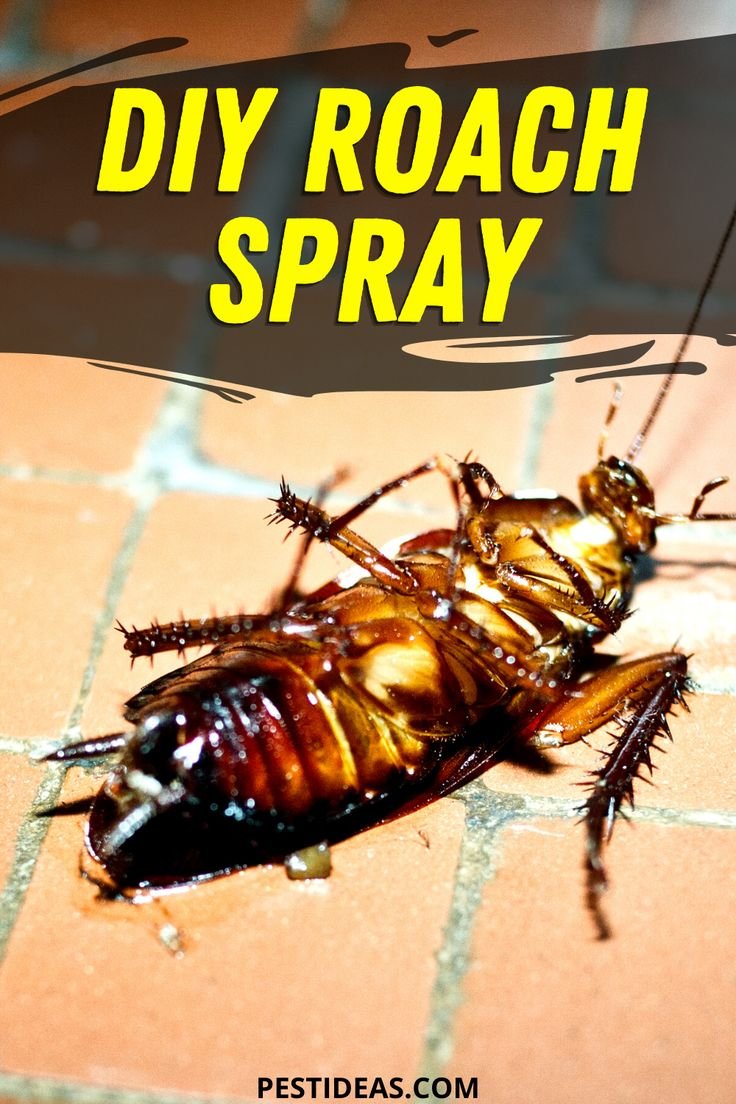
Source: i.pinimg.com
Can You Make an Effective Homemade Roach Killer Spray?
You can make many mixtures with household ingredients, but that does not mean they are effective cockroach pesticides. There is no well-established household spray recipe that can reliably kill all roaches, reach their hiding places, destroy egg cases, and prevent a colony from growing.
Some homemade mixtures may affect a cockroach when sprayed directly on it. However, direct contact is very different from controlling an infestation. German cockroaches, for example, hide in narrow spaces around kitchen cabinets, appliances, plumbing, and wall openings. A spray bottle rarely reaches every hiding place.
The University of Nebraska-Lincoln Extension Cockroach Management Manual explains that several popular home remedies lack adequate scientific support. These include soapy water and baking powder mixtures. The manual also explains why baits and a broader pest management plan are more useful.
Colorado State University Extension also warns against using household liquid soaps or cleaning products as homemade pesticides. Their ingredients and strength are not designed or tested for that purpose.
For this reason, the best answer to how to make homemade roach killer spray is to understand the limits of homemade mixtures before applying anything around your home. If you want lasting control, focus on proven pest management steps instead of relying on a kitchen recipe.
Source: i.pinimg.com
Direct contact is not complete control
A mixture that affects one visible cockroach may not reach the insects hiding behind appliances or inside wall gaps.
Homemade recipes are not standardized
Ingredient strength, concentration, surface effects, and application rates can vary from one household mixture to another.
Long-term control needs several steps
Removing food, water, and hiding places while using suitable traps or baits addresses more of the infestation.
Why a Quick Spray May Not Solve the Problem
Think of a cockroach infestation as a hidden network. The insect you see on the kitchen floor may be only one member of a much larger group. Others may be inside cabinets, under the refrigerator, or behind a dishwasher.
Spraying the visible insect does not tell you how many others remain. It also does not remove egg cases or stop new cockroaches from entering through gaps around pipes and doors.
A good control plan must reach the source of the problem. That is why monitoring, cleaning, sealing, and targeted treatment matter more than repeatedly spraying the same open floor.
Common Homemade Roach Spray Ingredients and What They Actually Do
Several household ingredients appear in DIY cockroach spray recipes. Before using them, it helps to separate traditional advice from methods that have reliable evidence behind them.
A common mistake is assuming that an ingredient must kill cockroaches because it smells strong, cleans surfaces, or harms another type of insect. Cockroach behavior and biology are different, so a remedy that works against one pest may not work against another.
The following comparison explains the limits of common homemade ingredients. It is not a list of proven pesticide recipes.
Source: tipsbulletin.com
Dish soap and water
Dish soap is a cleaning product, not a tested cockroach pesticide. Some insects may be affected by direct contact with soapy mixtures, but household detergents have variable ingredients and are not a dependable way to control roaches.
White vinegar
Vinegar can help clean some household surfaces, but it is not a proven treatment for cockroach colonies. Its strong smell does not establish that it kills roaches or keeps them away.
Baking soda
Baking soda is often promoted in DIY pest recipes, but ordinary baking soda mixtures are not a reliable cockroach control method.
Peppermint oil
Some essential oils have shown insecticidal or repellent effects in research. However, results depend on the oil, concentration, insect, and exposure. A homemade peppermint spray does not provide dependable household infestation control.
Lemon juice
Lemon juice may leave a fresh smell and help with some cleaning tasks, but there is no sound basis for treating it as a complete roach-killing solution.
Garlic
Garlic is sometimes included in natural pest recipes. Its smell does not make a homemade garlic spray a proven way to kill cockroaches or remove an infestation.
Is Dish Soap and Water a Good Roach Killer?
Dish soap and water are among the most common ingredients in homemade insect sprays. Some online instructions claim that a mixture can suffocate insects by affecting their outer body surface. However, household dish soap is not formulated or tested as a cockroach pesticide.
The strength and ingredients of dishwashing products vary. Some contain fragrances, degreasers, preservatives, and other additives that may irritate skin or damage surfaces. Spraying these mixtures on kitchen counters, floors, or cabinets can also leave unwanted residue.
Colorado State University Extension recommends against homemade pesticide mixtures made from household cleaning products. If you need an insecticidal soap for a suitable pest, choose a product specifically designed and labeled for that purpose. Do not assume that a plant insecticidal soap is appropriate for indoor cockroach control.
Does Vinegar Kill Cockroaches?
Vinegar is useful for some ordinary cleaning tasks, but it is not a dependable cockroach killer. A vinegar and water mixture may help remove certain food residues or odors from suitable surfaces, yet that is different from eliminating the insects.
Cockroaches can continue living in cracks, cabinets, and other protected spaces after a room has been cleaned with vinegar. Use an appropriate household cleaner for the surface and deal with the insects through a proper control plan.
Never mix vinegar with bleach. The combination can release chlorine gas, which can cause serious breathing injuries.
Are Essential Oil Roach Sprays Effective?
Peppermint, clove, thyme, and rosemary oils are often promoted as natural insect control ingredients. Some plant oils have shown effects against cockroaches under particular research conditions.
However, promising laboratory results do not prove that a homemade spray will work throughout a real home. Cockroaches may avoid treated areas, and many insects may never come into direct contact with the mixture.
Essential oils can also irritate skin, eyes, and airways. Some oils are harmful to cats and other pets, depending on the oil and exposure. Never assume that a natural ingredient is automatically safe around children or animals.
If you choose to use an essential oil product, check its intended use and safety directions. Do not spray concentrated oils around pets, food, bedding, or surfaces without checking the product guidance.
A Safer DIY Alternative: Make Your Home Less Attractive to Roaches
If your goal is to control cockroaches without making unnecessary chemical mixtures, start with a simple cleaning and prevention routine. This method does not require a homemade pesticide and helps remove the conditions that support a cockroach population.
Cockroaches need food, water, and shelter. A kitchen with crumbs under the stove, leaking pipes under the sink, and cardboard boxes in a dark corner gives them several reasons to stay.
Removing these resources will not instantly kill every cockroach. However, it makes your home less suitable for them and improves the results of targeted baits and traps.
Source: i.pinimg.com
Clean food residue
Wipe counters, sweep floors, and remove crumbs from under appliances. Pay special attention to cooking areas and places where children eat.
Remove standing water
Repair dripping faucets, dry wet sinks, and check for leaks around refrigerators, dishwashers, and bathroom plumbing.
Store food securely
Keep cereal, flour, sugar, snacks, pet food, and other dry goods in tightly sealed containers.
Manage household waste
Use a garbage can with a secure lid and empty it regularly. Wash the inside when food residue builds up.
Reduce hiding places
Remove unnecessary cardboard, paper piles, and clutter from kitchen cabinets, storage rooms, and utility spaces.
Step 1: Prepare Your Cleaning Supplies
Gather a vacuum cleaner, suitable household surface cleaner, disposable cloths, a trash bag, and sealed food containers. You do not need vinegar, bleach, essential oils, or a homemade pesticide mixture.
Read the instructions for your household cleaner before using it. Never combine cleaning products, even if several ingredients are commonly recommended in DIY recipes.
Move food, dishes, utensils, and pet bowls away from the area you plan to clean. This helps prevent contamination and makes it easier to reach hidden crumbs.
Step 2: Clean the Most Important Hiding Areas
Start under and behind the refrigerator, stove, dishwasher, and kitchen cabinets. These places can collect grease, crumbs, moisture, and other food sources that attract roaches.
Vacuum visible insects, droppings, and loose debris where practical. Empty the vacuum contents into a sealed bag and dispose of them safely outside the living area.
Clean suitable hard surfaces according to their care instructions. Allow wet surfaces to dry before placing food, appliances, or other items back in position.
Step 3: Remove Water Sources
Check under the kitchen sink and around bathroom plumbing. Even a small leak can provide a regular water source for cockroaches.
Repair dripping faucets and leaking pipes when possible. Dry sink basins at night, avoid leaving wet dishcloths in piles, and fix standing water around appliances.
If moisture comes from a hidden pipe leak, contact a qualified plumber. Cleaning alone will not solve a moisture problem inside a wall or cabinet.
Step 4: Seal Entry Points
Inspect gaps around plumbing, baseboards, windows, doors, and utility lines. Small openings can provide access between rooms or from outdoor areas.
Use an appropriate caulk or sealant for small stationary gaps. Install door sweeps where needed and repair damaged weather stripping.
Do not block ventilation openings or areas that require access for maintenance. If a gap is part of an electrical, plumbing, or fire safety system, use a suitable professional to address it.
Step 5: Monitor the Results
Place sticky monitoring traps along walls, under sinks, and near appliances where children and pets cannot reach them. These traps help reveal where cockroaches are most active.
Check the traps regularly and record where you catch insects. A concentration of catches near one appliance or cabinet can help identify a hiding area.
Keep cleaning and moisture control in place while you use a suitable treatment. A cleaner home is helpful, but monitoring tells you whether the cockroach population is actually declining.
What Works Better Than Homemade Cockroach Spray?
Cockroach baits, monitoring traps, sanitation, and targeted professional treatments are generally more useful than homemade sprays for an established infestation. The best method depends on the cockroach species, the size of the problem, and where the insects are hiding.
The University of California Statewide Integrated Pest Management Program recommends a combination of prevention, monitoring, and targeted treatment. It also warns that ordinary sprays and foggers may fail to reach cockroach hiding places.
Instead of spraying every visible surface, use a treatment designed for the pest and the location. Follow the product label closely, especially when children, pets, food, and cooking equipment are present.
Source: i.pinimg.com
Gel bait
Gel bait contains an attractive food source mixed with an insecticide. Place it in locations allowed by the label and close to known cockroach activity.
Enclosed bait stations
Ready-to-use bait stations keep the bait contained. They can be useful in homes where accessible loose bait would create an unnecessary exposure risk.
Sticky monitoring traps
These traps help identify active areas and track changes in cockroach numbers. They are useful monitoring tools but should not be expected to eliminate a large infestation by themselves.
Labeled insecticidal dust
Certain products containing boric acid or other approved dust ingredients can help in suitable dry, inaccessible hiding places. Use only products labeled for cockroach control and the intended indoor location.
Professional pest management
A licensed pest control professional can identify the species, inspect hidden areas, and choose treatments suited to the infestation.
Why Cockroach Gel Bait Can Be More Useful
Cockroach gel bait works differently from a contact spray. Rather than requiring you to hit a visible insect, bait attracts cockroaches to a food source containing an active ingredient.
A cockroach consumes the bait and may carry the effects back into its hiding area. Depending on the product and insect behavior, other cockroaches may also encounter contaminated material. The precise effect depends on the bait formulation and the species.
Place small amounts in suitable cracks and crevices according to the label. Avoid areas that have been treated with repellent sprays, because some sprays can discourage cockroaches from approaching bait.
Do not place gel bait on food preparation surfaces, inside food containers, or where children and pets can reach it. Follow all label directions for placement, inspection, and replacement.
When Should You Consider Boric Acid?
Boric acid is used in certain registered cockroach control products. It works as an insecticide when cockroaches contact or consume an appropriate formulation.
However, boric acid is not a spray ingredient that should be casually mixed into water. Some products are designed as dusts, and their performance depends on keeping them in suitable dry locations.
If the product label allows indoor cockroach treatment, apply it only as directed. A thin application in a protected area may be appropriate for some products, while visible piles of powder on open floors or counters are not.
Keep boric acid away from children, pets, food, dishes, and areas where people can touch or breathe the dust. If you cannot place it in an inaccessible location, choose another suitable treatment or seek professional help.
Why Foggers and Bug Bombs Are Often a Poor Choice
Total-release foggers release pesticide into the room, but the mist may not reach the narrow cracks where cockroaches spend much of their time.
Some foggers can increase exposure to people and pets. They may also create fire or explosion risks if used incorrectly near ignition sources.
Cockroaches can move away from treated areas and hide in other parts of a building. For these reasons, targeted baits and a proper inspection are often better choices than filling a room with insecticide mist.
Homemade Roach Killer Spray vs. Other Pest Control Methods
Choosing the right method is easier when you compare what each option can realistically accomplish. A homemade mixture may be inexpensive, but a low purchase price does not guarantee good results.
This table compares common approaches by their main purpose and limitations. It is a practical guide, not a claim that every product or household situation will produce the same results.
Source: i.pinimg.com
Homemade soap spray
Low initial cost, but not a standardized or proven cockroach treatment. Household detergents can damage surfaces and may cause unwanted exposure.
Vinegar spray
Useful for some cleaning tasks, but not a reliable method for killing a cockroach population.
Essential oil spray
Some oils have shown insect-related effects, but homemade mixtures have uncertain strength, coverage, and safety.
Gel bait
Designed for targeted cockroach control and can reach insects that feed in hidden areas. Results are not always immediate.
Sticky traps
Useful for locating activity and tracking results, but usually insufficient as the only treatment for a large infestation.
Professional treatment
Useful for widespread, recurring, or difficult infestations. Costs more than a DIY approach but allows a trained professional to inspect and target the source.
Which Method Should You Choose?
For an occasional cockroach, start by identifying where it came from. Use a sticky trap to monitor the area, clean nearby food residue, and check for gaps or leaks.
For repeated activity in a kitchen, consider labeled gel bait or enclosed bait stations along with sanitation and monitoring. These methods are generally more suitable for an ongoing problem than repeatedly spraying visible insects.
For a widespread infestation, especially one involving several rooms, professional inspection may save time and reduce the chance of using unsuitable products. In apartment buildings, treatment may also need to address nearby units and shared spaces.
How Long Does Cockroach Control Take?
Results depend on the cockroach species, the size of the population, the treatment, and how well food and water sources are controlled.
Some contact products can affect exposed insects quickly, but that does not mean the entire infestation is gone. Bait products may take seven days or longer before a noticeable reduction occurs.
Keep monitoring the same areas and follow the bait label for inspection and replacement. Avoid adding random sprays when you do not see an immediate result, because some spray ingredients can interfere with bait activity.
Important Safety Rules for Homemade Roach Control
Safety matters even when a recipe uses ordinary household ingredients. A mixture can become harmful if it is concentrated, swallowed, inhaled, or combined with another cleaning product.
The National Pesticide Information Center warns that homemade pesticide recipes may lack tested application rates and can create unexpected exposure risks. Familiar ingredients are not automatically safe for every person, pet, or household surface.
Before attempting any pest control method, think about who lives in your home, where the treatment will be used, and whether food, pets, or children could come into contact with it.
Source: i.pinimg.com
Never mix cleaning chemicals
Do not combine bleach with vinegar, ammonia, toilet cleaners, or other household products. Dangerous fumes may result.
Protect children
Keep cleaning products, pesticides, bait, and pest control equipment locked away or otherwise inaccessible to children.
Protect pets
Do not assume that essential oils, household sprays, or insecticides are safe for dogs, cats, birds, or other animals.
Keep food areas clean
Never apply an unapproved pesticide mixture to counters, cutting boards, dishes, food containers, or cooking equipment.
Avoid electrical hazards
Never spray liquids into electrical outlets, switches, appliance openings, or other electrical equipment.
Follow pesticide labels
Use registered pest control products only for the pests, locations, and application methods listed on their labels.
Why Natural Does Not Always Mean Safe
People often choose homemade pest remedies because they want fewer harsh chemicals in the home. That is a reasonable concern, but natural substances can still cause harm.
Essential oils can irritate the skin or eyes, and certain oils can be dangerous to pets. Concentrated plant extracts may also create greater exposure than the original plant material.
Household cleaning products can damage paint, wood finishes, plastics, and other surfaces. A mixture that looks harmless in a spray bottle may leave residue or cause an unwanted reaction.
A safer choice is to use cleaning products for cleaning and pest control products for the specific pest and location listed on their labels.
What to Do After Accidental Exposure
If a homemade mixture or pesticide gets into someone’s eyes or onto their skin, follow the product label or the appropriate first-aid guidance. Move away from fumes and get fresh air if inhalation occurs.
If someone swallows a pesticide or an unknown homemade chemical mixture, contact Poison Control in the United States at 1-800-222-1222 for immediate guidance. Do not induce vomiting unless a medical professional tells you to do so.
For severe breathing trouble, loss of consciousness, seizures, or another life-threatening reaction, call 911. Keep the product container or ingredient list available for medical staff.
How to Know Whether Your Cockroach Control Plan Is Working
A successful cockroach control plan should produce a steady drop in cockroach activity. Seeing one dead insect after treatment is not enough to prove that the infestation has ended.
Use monitoring traps and regular inspections to check for changes. Look at the same locations each time so you can compare the results instead of relying on memory.
The number of live cockroaches, droppings, egg cases, and trap catches can help show whether the problem is improving. The absence of visible insects for a short period is encouraging, but it does not always mean every hidden insect has been eliminated.
Source: i.pinimg.com
Fewer trap catches
A consistent decline in cockroaches caught in the same monitoring locations suggests that activity may be decreasing.
Less fresh droppings
Regular cleaning makes it easier to see whether new droppings appear around cabinets, appliances, and other hiding places.
Fewer live sightings
Seeing fewer cockroaches during normal household activity can be a positive sign, especially when monitoring traps show the same trend.
No new signs of breeding
Continued inspections should show fewer signs of active cockroach activity and no new areas of infestation.
A Simple Seven-Day Monitoring Plan
During the first day, place monitoring traps in likely activity areas and record their locations. Clean the kitchen, remove food waste, and check for water leaks.
Over the next few days, inspect the traps and note where insects are being caught. If using a labeled bait, check that it remains in place and has not been disturbed.
By the end of the first week, compare the results with your starting observations. Some bait treatments may need more time, so do not assume failure simply because you still see a few cockroaches.
Continue monitoring and follow the treatment instructions. If the number of insects remains high or activity spreads, reassess the hiding places and consider professional help.
What If Cockroaches Keep Coming Back?
Recurring cockroach activity may mean that a hiding area was missed, a water source remains, or insects are entering from outside. In apartments and shared buildings, roaches can also move through plumbing openings and shared walls.
German cockroaches are especially difficult to manage in multi-unit buildings because one apartment may not be the only source. Coordinated inspection and treatment of affected units may be needed.
If your cleaning and baiting routine does not reduce activity, contact a licensed pest management professional. Ask for an inspection, the proposed treatment method, and clear safety instructions for your household.
Common Mistakes to Avoid When Making DIY Roach Spray
Many DIY pest control attempts fail because people expect one homemade mixture to solve a problem that requires several steps. A spray bottle may feel like a direct answer, but it cannot replace inspection, monitoring, and treatment of hidden areas.
Avoid these common mistakes before trying another internet recipe. They can waste money, expose your household to unnecessary chemicals, or make the infestation harder to manage.
Source: i.pinimg.com
Using too much dish soap
More detergent does not mean better pest control. Strong household mixtures can leave residue and damage some surfaces.
Adding several ingredients together
Combining vinegar, bleach, ammonia, essential oils, and other cleaners can create dangerous reactions or unwanted exposure.
Spraying without identifying hiding places
Treating open floors while ignoring cabinets, appliance gaps, and plumbing openings leaves many cockroaches untouched.
Ignoring food and water sources
Roaches may continue to survive when crumbs, open food, pet bowls, and leaking pipes remain available.
Using sprays near bait
Some insecticide sprays repel cockroaches and can interfere with bait. Keep treatments separate according to their labels.
Expecting instant results
Some effective bait treatments take days or longer to show a clear reduction. Follow the product instructions instead of repeatedly adding treatments.
Ignoring a building-wide problem
In apartments, cockroaches may travel between units. Treating only one room may not solve a shared infestation.
Should You Store Homemade Roach Spray for Later?
It is better not to store an untested homemade pesticide mixture for future use. Its ingredients may separate, change, or become contaminated, and there may be no reliable information about its shelf life.
Never place a homemade mixture in a bottle that once held a commercial pesticide, food, or drink. This can cause dangerous confusion, especially in a household with children.
Keep cleaning products in their original labeled containers. For pest control, choose a ready-to-use product with clear storage, handling, and disposal instructions.
Frequently Asked Questions
Q
What is the best homemade spray to kill roaches instantly?
There is no well-established homemade spray recipe that reliably kills cockroaches instantly and controls an infestation. Dish soap and water mixtures are often recommended online, but household detergents are not tested cockroach pesticides.
For a visible insect, physical removal may be a better immediate option. For ongoing activity, use suitable cockroach bait, monitoring traps, and sanitation.
Q
Can I mix vinegar and dish soap to kill cockroaches?
Mixing vinegar and dish soap does not create a proven cockroach pesticide. Although both products have household cleaning uses, their combination has not been established as a reliable way to eliminate roaches.
Use each cleaning product according to its intended directions. Never mix vinegar with bleach because that combination can release dangerous chlorine gas.
Q
Does baking soda and sugar kill roaches?
Baking soda and sugar mixtures are popular DIY pest control suggestions, but they are not a dependable or well-established way to eliminate cockroach infestations. The presence of sugar may attract insects, but that does not prove that the mixture will control a colony.
A labeled cockroach bait is a more reliable choice because its ingredients and intended pest control use are defined by the manufacturer.
Q
Can peppermint oil spray keep cockroaches away?
Peppermint oil may have repellent effects under certain conditions, but a homemade spray cannot guarantee that cockroaches will stay away. Its effect depends on the formulation, concentration, exposure, and insect species.
Essential oils can also cause irritation and may pose risks to pets. Use proper prevention methods, seal entry points, remove food sources, and monitor activity instead of depending on peppermint oil.
Q
What homemade ingredients should I never mix?
Never mix bleach with vinegar, ammonia, toilet bowl cleaners, or other household cleaning chemicals. These combinations can release dangerous gases or cause other harmful reactions.
Do not combine pesticides or cleaning products unless their labels specifically allow it. Mixing products can change their chemical behavior and create risks that are difficult to predict.
Q
Is homemade roach spray safe around dogs and cats?
Not necessarily. Dish soap, concentrated essential oils, vinegar mixtures, and other household ingredients may irritate animals or cause harm if swallowed or inhaled.
Keep pets away from pest control products and treated areas. Check the exact product label for animal safety instructions, and ask a veterinarian if your pet may have been exposed to a harmful substance.
Q
How do I get rid of roaches without spraying chemicals?
Start by removing food, water, and hiding places. Clean under appliances, store food in sealed containers, fix plumbing leaks, remove cardboard clutter, and seal suitable gaps around pipes and doors.
Use sticky monitoring traps to identify active areas. If additional control is needed, consider properly placed enclosed bait stations according to their labels. A professional can help if the infestation is large or recurring.
Q
How long does it take to get rid of cockroaches with bait?
The time varies with the cockroach species, population size, bait formulation, and household conditions. Some people may notice fewer insects after about seven days, while larger infestations can take longer.
Continue removing food and water sources, inspect bait according to the label, and monitor activity with sticky traps. Do not add repellent sprays near bait unless the product directions allow it.
✦ Wrapping Up
Conclusion
Learning how to make homemade roach killer spray can seem like the fastest way to handle an unwanted cockroach problem. However, common household recipes made with dish soap, vinegar, baking soda, and essential oils do not offer a dependable solution for an established infestation.
A better approach is to understand where cockroaches hide and what allows them to survive. Clean food spills, remove standing water, seal suitable entry points, and use monitoring traps to find areas with the most activity.
For ongoing problems, labeled cockroach gel baits and enclosed bait stations can provide more useful control than repeatedly spraying open surfaces. Follow every safety instruction and keep treatments away from children, pets, food, and household items.
If cockroaches keep appearing despite your efforts, do not waste time making stronger homemade mixtures. A licensed pest control professional can inspect the home, identify the species, and recommend a targeted plan.
💡 Key Takeaway
Start today by cleaning behind your refrigerator and stove, drying your kitchen sink, sealing food containers, and checking for leaks. Place monitoring traps in safe locations and consider a properly labeled cockroach bait if activity continues. Focus on removing the source of the infestation rather than relying on a homemade spray.