Does Terro Ant Killer Work on Carpenter Ants
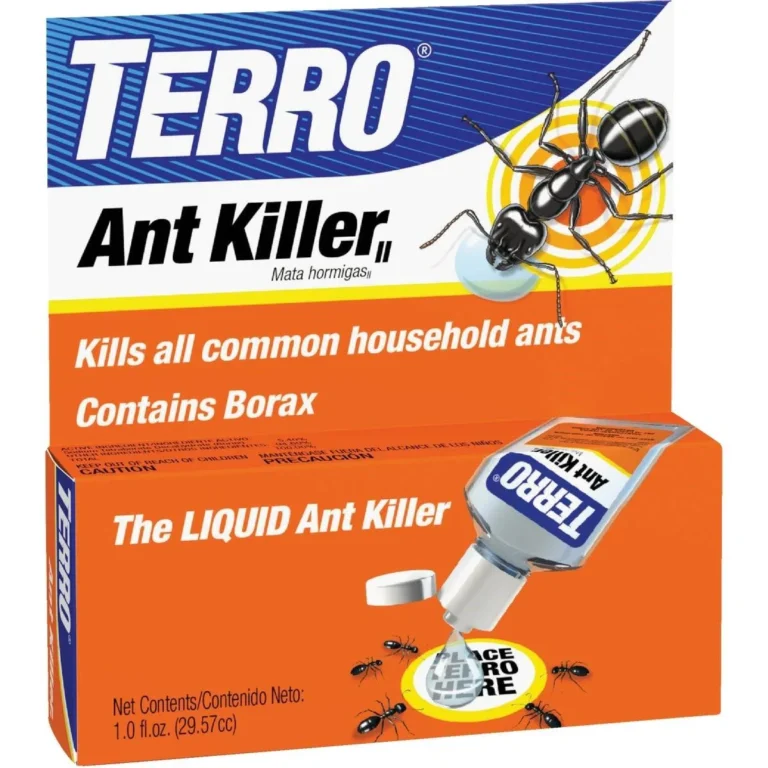
If you've spotted a chunky black ant the size of a pencil eraser marching through your kitchen, the question "does terro ant killer work on carpenter ants" is probably burning in your head right now. You grab the Terro bottle, squeeze a bead of gel on the counter, and watch a couple of foragers wander over. But those big workers aren't the queens.
They're not even the main foraging caste in most Camponotus colonies.
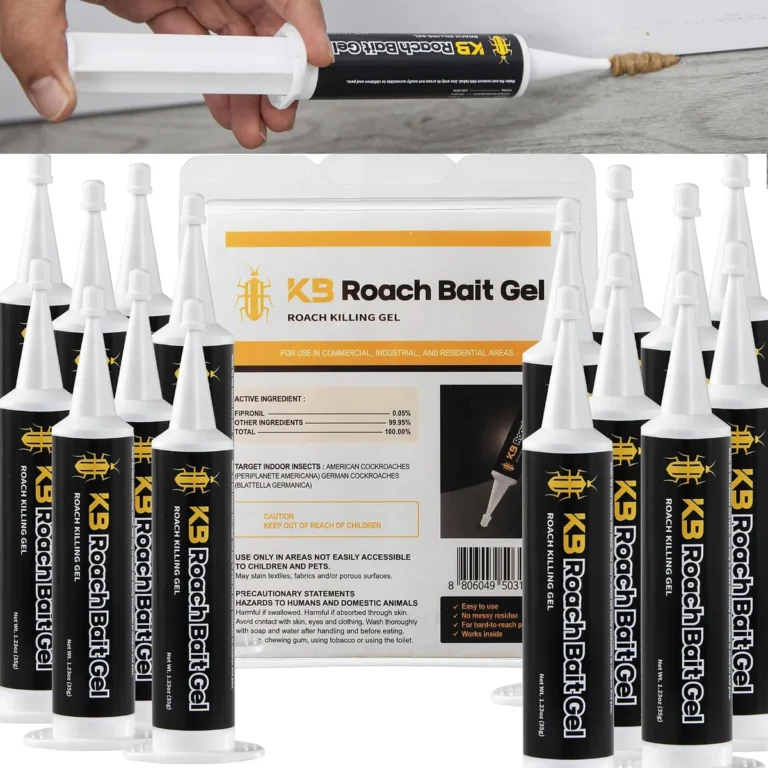
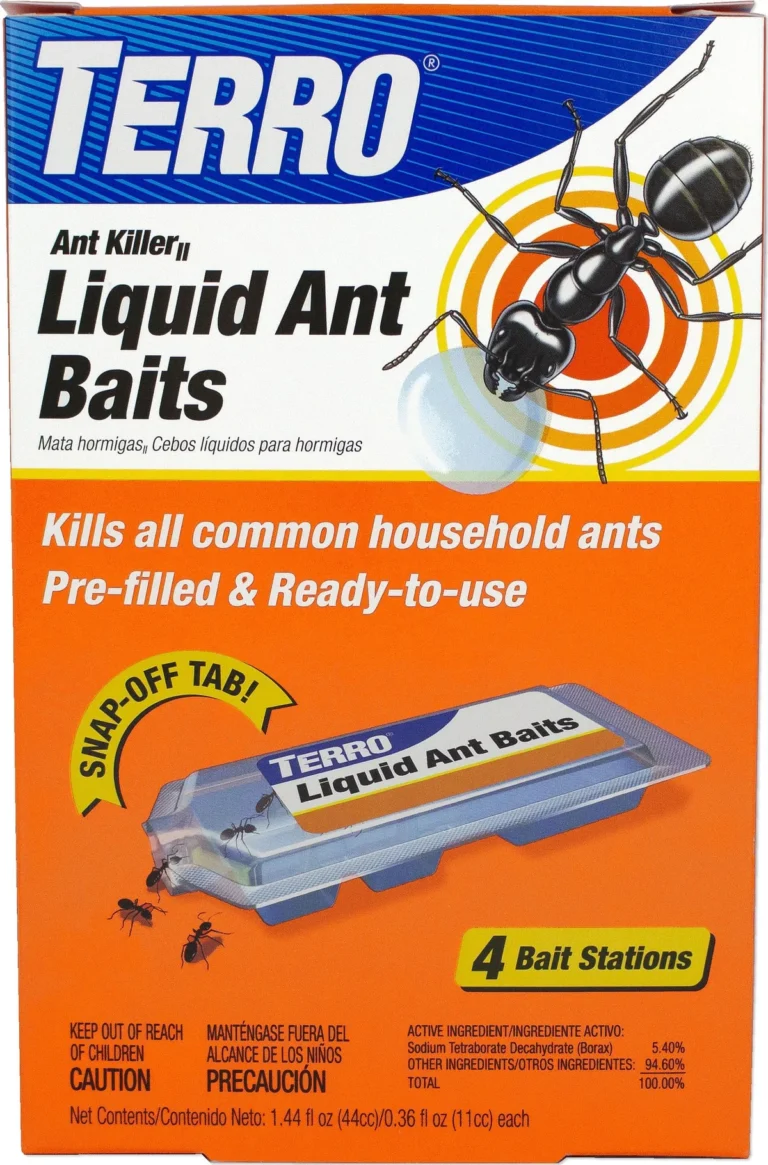
Here's the hard number that settles it: manufacturer specs list Terro's active ingredient as sodium tetraborate decahydrate (borax) at roughly 0.06 percent in a sugar-sorbitol gel. That concentration is tuned for small, fast-acting foragers like odorous or pharaoh ants. As of 2026, no Hartz product label lists Camponotus (the carpenter ant genus) as a target pest.
So before you spend another round on the gel, let's walk through what's actually happening in your walls and what will genuinely fix the problem.
Quick Answer
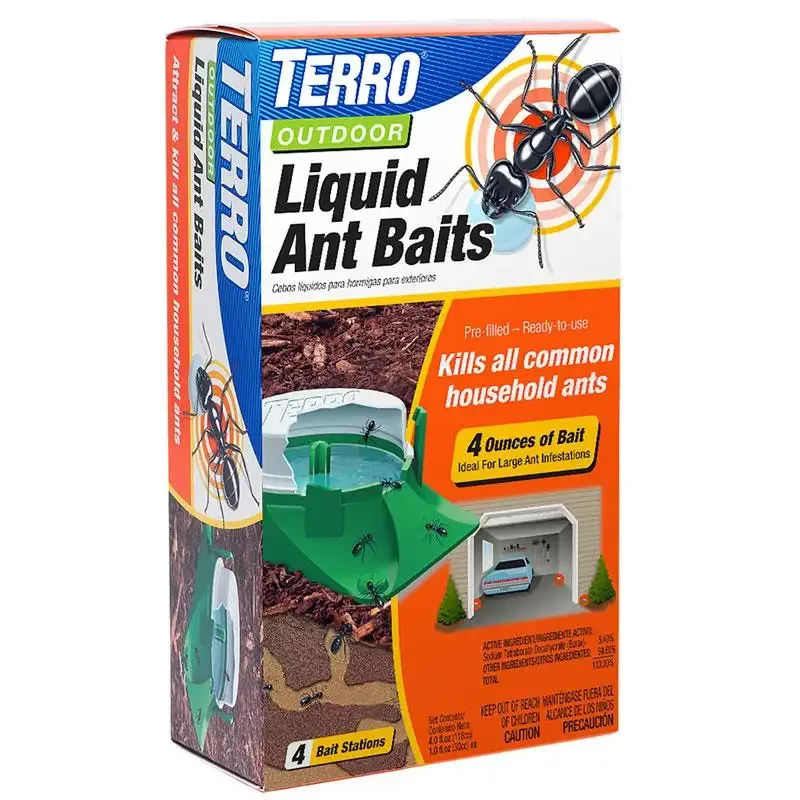
Does terro ant killer work on carpenter ants? No, not reliably. Terro's sugar gel is designed for small forager-driven colonies.
Carpenter ants nest in sealed wood voids with multiple queens. The gel physically can't reach those chambers. In-void granular baits or professional foam are the effective fixes.
Does Terro Actually Kill Carpenter Ants? The Short Answer
The direct answer is no, not in any meaningful way. Terro Liquid Ant Bait and its pre-filled station variants are engineered around one mechanism: a forager picks up a sugar bead, walks back to the nest, and shares it via trophallaxis (mouth-to-mouth food transfer). That relay works beautifully for Lasius niger or Pheidole colonies that live in tight, centralized nests with a single queen and a dense worker population.
Carpenter ants don't play by that rule. A single Camponotus colony can hold 10,000 to 30,000+ workers spread across multiple satellite galleries in different wall cavities, attics, or rim joists. Several of those species are pleometrotic, meaning they maintain multiple queens in one colony.
The sugar gel on your counter might get picked up by a forager, sure. But that one worker can't ferry enough borax to sterilize six queens buried in separate wood voids three rooms apart.
What you'll actually see is a few dead foragers at the bait station over 48 to 72 hours. The colony keeps producing new workers. The frass (sawdust) keeps falling.
The "sawmill" rustling at night keeps going. You've treated the symptom, not the architecture.
Why Terro's Sugar Gel Can't Reach a Carpenter Ant Colony
There are three reasons the format is fundamentally mismatched, and they compound each other.
The attractant is the wrong type
Most Camponotus species in North America prefer protein and fat sources: aphid honeydew, dead insects, grease drips, pet food. The major workers (the 8 to 12 mm "soldier" caste) do the heavy foraging. They're wired to seek out solid or semi-solid protein, not a thin sugar gel.
A sucrose-sorbitol bead on a laminate counter competes poorly with a dropped piece of bacon or a smear of peanut butter.
The nest is physically sealed
Carpenter ant galleries are carved into moist, soft wood. They live inside a wall stud, a rim joist, a knee wall, or a sill plate. The entrance is a pencil-sized hole in the framing lumber.
A surface-placed gel station sits in a different room from the nest. There's no fluid pathway from your countertop to the void behind your drywall.
Multi-queen colonies defeat single-point baiting
Because pleometrotic species maintain 2 to 6 queens across separate chambers, you'd need to place a slow-acting toxicant in every single gallery simultaneously. One Terro station can't do that. The queens in the far chambers keep laying eggs.
New foragers emerge in two to three weeks, and the cycle restarts.
In our research across extension publications from Texas A&M, Penn State, and the University of Georgia, the finding is consistent. Surface-placed liquid baits show negligible colony-reduction effect on Camponotus after 21 days. Foragers may feed, but the trophallaxis chain breaks over that distance.
The queens stay untouched.
What a Carpenter Ant Nest Looks Like Inside Your Walls
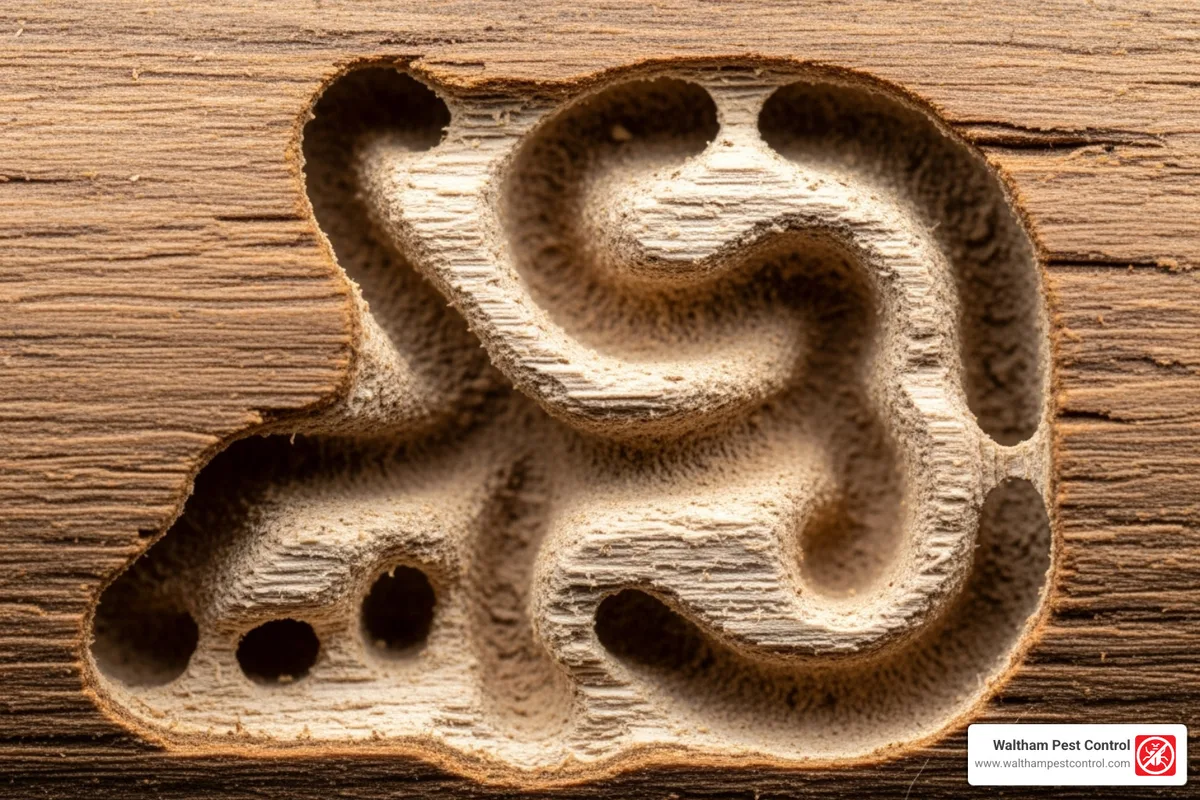
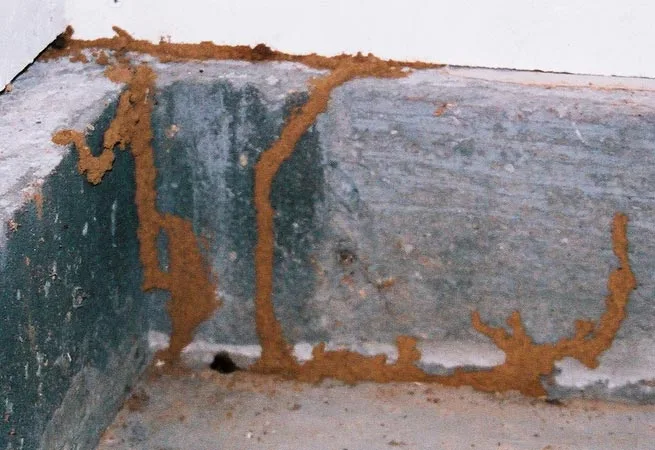
Open a section of drywall above a damp rim joist and you'll see what no amount of countertop gel can fix. Carpenter ants don't eat wood the way termites do. They carve smooth, polished tunnels (galleries) through the grain, leaving behind fine sawdust and a slightly rough, scratched surface.
The galleries branch into chambers where queens and brood live.
A few things to look for when you inspect:
- Frass pattern: Fine, irregular sawdust mixed with wood shavings. Not the round pellets termites push out.
- Sound: Tap the suspect framing. A hollow, "sawmill" rumble means active workers are in the void.
- Moisture: A pin-meter or TRAM meter reading above 15 percent in the framing wood is the nesting trigger. Below 10 percent, the wood is generally too dry for active colonies.
- Winged reproductives (alates): Spring swarming flushes (April to July in the south, May to September in the north) are when you'll see the 8+ mm black ants with wings. They don't sting. They're scouting for a new nesting site.
The key takeaway: the nest is a 3D structure inside the building envelope. Any treatment that doesn't get into that structure is, at best, cosmetic.
Terro vs. Boric Acid Granules vs. IGR Baits vs. Professional Foam
Now the real comparison. Four options, four mechanisms, very different fits.
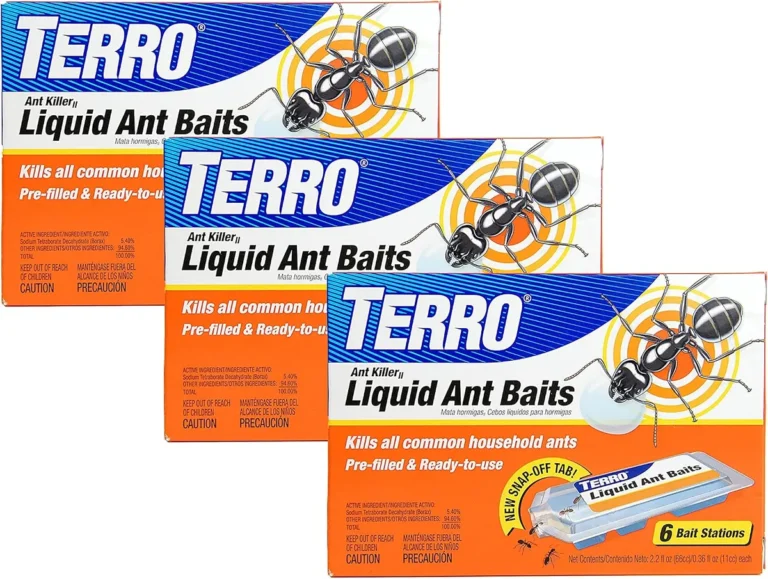
Terro Liquid Ant Bait / Bait Station
- Mechanism: Borax in sugar gel, surface-placed
- Active concentration: ~0.06 % boron equivalent
- Best for: Small, centralized colonies of odorous, pharaoh, or pavilion ants
- Carpenter ant fit: Poor. Wrong attractant, wrong delivery path, wrong colony architecture
Boric Acid Granules (9.3 % Taurus-type products)
- Mechanism: Slow-acting boron toxicant on an inert carrier, non-repellent
- Placement: Hand-loaded into the void on cardstock or directly on the gallery surface
- Best for: Accessible single-void carpenter ant nests
- Carpenter ant fit: Good. If you can reach the galleries, the granules sit where the queens and brood are. Trophallaxis carries the toxicant through the colony in 14 to 28 days
IGR Granular Baits (hydropinen / pyriproxyfen)
- Mechanism: Insect growth regulator; sterilizes queens without killing foragers fast
- Placement: Same as boric granules, in-void
- Best for: Multi-queen colonies where you want a slow, complete collapse
- Carpenter ant fit: Very good. Colony fails in 2 to 4 weeks. No immediate kill signal that alerts the queen to flee
Professional Foam Injection (e.g., Termidor + Amdro foam)
- Mechanism: Contact and residual insecticide foamed directly into galleries
- Placement: Licensed applicator drills into the void and injects
- Best for: Large, multi-void infestations; structural damage already present
- Carpenter ant fit: Very high. Kills workers, queens, and larvae in one pass. Typical cost runs $500 to $1,500 for a single-story home
You can dig into the species-level biology and treatment protocols in the Texas A&M AgriLife Extension carpenter ant guide.
Side-by-Side: Which Treatment Matches Your Infestation
Use this table to place yourself. The right answer depends on how far the infestation has spread, how much wood is already compromised, and whether you have void access.
| Your Situation | Best Fit | Why |
|---|---|---|
| One small void, frass in a single wall, wood still structurally sound | Boric acid granules (DIY) | Reachable, likely single-queen, low cost (~$12 per lb bag) |
| Two to three voids, multiple rooms, active swarming | IGR granular bait (DIY or pro-assisted) | Multi-queen; IGR sterilizes all queens over time |
| Widespread galleries, visible structural damage, >50% of a stud section excavated | Professional foam + wood replacement | DIY can't safely reach every chamber; structural repair needed |
| You just saw a few foragers, no frass, no sound | Monitor + dry-out first | No confirmed colony yet; fix moisture, re-check in 30 days |
| You tried Terro for 3+ weeks and foragers are still active | Escalate to in-void granules or a pro | Surface gel confirmed as a mismatch; stop repeating the same step |
The rule we've seen consistently in extension literature: if the fix requires getting your hands into the framing, you're in granule or pro territory. If the fix is "squeeze more gel on the counter," you'll keep squeezing gel on the counter for another six months while the queens lay. Match the tool to the architecture, and the problem actually ends.
Which Option Fits Your Specific Situation
The decision comes down to one question: can you physically get your hands into the void? If yes, you're in granule territory. If no, you're in professional territory.
No in-between.
Here's the if/then logic we've seen work across extension publications:
- If frass is in one wall, one room, and the wood still sounds solid when you tap it: boric acid granules, placed on cardstock strips inside the void. You'll see results in 14 to 21 days.
- If two or more rooms are showing activity, or you hear rustling in the attic and the subfloor simultaneously: IGR granular bait (hydropinen). The slow sterilization hits every queen in the colony. Give it 28 days.
- If you can't access the void without cutting drywall, or >50 percent of a stud section is already excavated: call a licensed structural pest pro. They'll drill, foam, and seal in one visit.
- If you just saw three or four foragers on a humid day and there's no frass, no sound, no swarms: don't treat yet. Run a dehumidifier. Re-check in 30 days. You might have a one-night forage, not a colony.
The biggest mistake is treating a multi-void problem with a single-point granule placement. You'll kill the nearest chamber and leave the other five queens laying.
The Step-by-Step Fix: Bait the Void, Dry the Wood, Remove the Nest
This is the sequence that actually works. Follow it in order, because skipping the moisture step means you're just waiting for the next colony to move in.
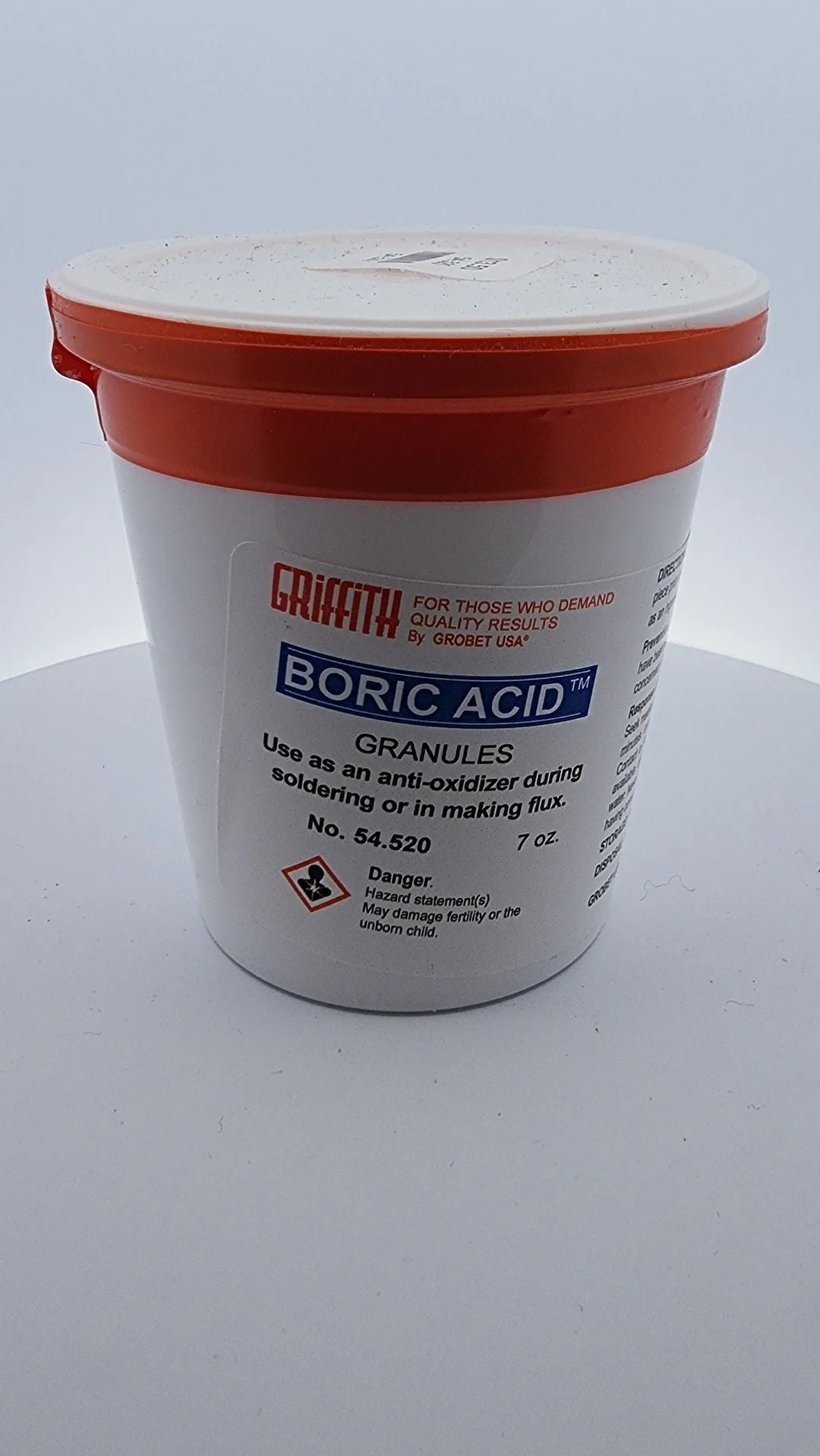
Step 1: Locate and access the void. Remove baseboard, outlet cover, or trim to expose the framing. You need to see the gallery entrance (a 6 to 8 mm hole, usually at the bottom of the stud or along the rim joist). If the nest is behind drywall, a small 4-inch hole at the bottom of the cavity is enough.
Step 2: Load the granules. Fold a 4-inch cardstock strip, spread 1/4 to 1/2 inch of boric acid granules (9.3 percent Taurus-type) or IGR granules on top, and tuck it into the gallery entrance. Place two strips per void, spaced 12 inches apart. Don't pile them.
A thin layer stays in the worker's foraging path.
Step 3: Dry the wood. This is the step people skip, and it's the one that makes the whole treatment permanent. Run a dehumidifier in the affected room for 3 to 5 days. Fix the moisture source (roof leak, pipe, condensation) if you traced one.
Per USDA Forest Service wood-moisture guidance, softwood framing above 15 percent moisture content is active nesting territory. Get it below 10 percent.
Step 4: Re-inspect at day 14. Check for fresh frass. If you see new sawdust, the foragers are still active. Add a second round of granules.
If the gallery is quiet, seal the entrance with wood filler or a small dab of caulk.
Step 5: Replace compromised wood. If the stud or rim joist has more than 1/2 inch of smooth, polished excavation, cut it out and install new framing lumber. Baiting a hollow shell with no brood inside is pointless. The colony is already gone.
Mistakes That Make a Carpenter Ant Problem Worse
A few things will quietly undo the whole effort:
- Spraying a contact insecticide (like a generic "ant and roach" spray) into the void. You kill the workers. The queens stay. The colony scatters into adjacent voids. Now you've got six nests instead of two.
- Leaving the Terro gel out for "one more week." By week three, the gel has desiccated. You're not killing anything. You're just maintaining a sticky sugar bead on your counter.
- Ignoring the moisture source. You can bait the colony to zero, but if that rim joist is still wicking groundwater or catching roof-runoff, a new pleometrotic colony will establish in six to eight weeks.
- Confusing carpenter ants with termites and ordering a termite treatment. A full-structure termite program (soil barrier, bait stations, chemical) costs $1,500 to $5,000 and targets Coptotermes or Reticulitermes. It won't address your Camponotus problem, and you've spent a fortune.
- Not re-inspecting after 30 days. The absence of foragers in week 3 doesn't mean the queens are dead. New workers take 2 to 3 weeks to mature. Give it a full 30-day window before declaring victory.
What It Actually Costs to Kill a Carpenter Ant Colony
Here's the real money, based on aggregate pricing from manufacturer and pro-service listings as of 2026:
| Path | What You're Buying | Approximate Cost |
|---|---|---|
| DIY boric granules | 1 lb bag (9.3 % Taurus or equivalent) + cardstock | $12 to $18 |
| DIY IGR granular bait | 1 lb hydropinen or pyriproxyfen granules | $20 to $40 |
| Moisture remediation | Dehumidifier rental (2 weeks) or fan + dehumidifier purchase | $40 to $200 |
| Wood replacement (DIY) | 2×6 stud, 8 ft, + sill or joist section + fasteners | $30 to $80 |
| Professional foam injection | Licensed structural pest applicator, single-story home | $500 to $1,500 |
| Professional foam, multi-void or multi-story | Same, add $100 to $300 per additional void | $600 to $1,800 |
The DIY granule route gets you colony elimination for under $50 total if the wood is still sound. The moment structural repair enters the picture, labor costs push you into the $300 to $500 range even before the professional. Foam injection is the fastest kill, but it's a one-time $500 to $1,500 outlay with no ongoing cost.
Safety, Licensing, and the Rules Around In-Void Treatments
A few guardrails before you start drilling into studs:
- Pet and child safety. Boric acid is low-toxicity to mammals (EPA Class III), but a concentrated dose can upset a dog or cat's stomach. Keep all granules inside the void, sealed behind trim. Never leave an open cardstock strip on a reachable shelf.
- State structural-pest licensing. In most states, applying IGR granules or foam insecticide inside a building's structural voids requires a licensed applicator. DIY boric acid for homeowner use is exempt in many states, but IGR application and foam injection are not. Check your state's structural pest-control board before you buy a $200 can of foam.
- EPA registration. Every pesticide you use, granules or foam, must carry an EPA registration number on the label. You can verify it through the EPA Pesticide Product Label database. If the product targets termites and not Camponotus, it's misdirected for your problem.
- Re-entry windows. Professional foam agents (typically imidacloprid- or fipronil-based) require a 2 to 4 hour re-entry period. Confirm the exact window with your applicator before you let kids or pets back into the treated room.
- Disposal of compromised wood. If you cut out a heavily excavated stud, bag it and take it to a landfill or burn-site pickup. Don't toss it in a yard-waste bin where another colony can move in within weeks.
When to Stop DIYing and Call a Structural Pest Professional
You've crossed the line when three things stack up: active foraging in three or more rooms, visible structural damage in the framing, or a full 28-day granule round that produced zero change in frass output.
At that point, a licensed structural pest applicator will drill into the void, inject fipronil- or imidacloprid-based foam, and seal every entry point in one visit. Most pros back that treatment with a one-to-two-year service warranty.
DIY works for a single reachable void. Multi-void structural damage is where that ends.
The Questions People Keep Asking Me
Does Terro kill the queen or just the workers?
Terro's borax gel kills the foragers that pick it up. The dose never reaches queens sealed inside wood voids. You'll see dead workers at the station, but the queens keep laying eggs.
The colony persists and produces new workers in two to three weeks.
Can I combine Terro gel with boric acid granules?
No. Terro is a surface-placed sugar gel. Boric acid granules go inside the void on cardstock.
They target different castes through different delivery paths. Putting them on the same shelf does nothing useful.
How do I tell carpenter ants from termites?
Carpenter ant frass is fine, irregular sawdust. Termite frass is small, round, uniform pellets. Carpenter ants have elbowed antennae and a pinched waist.
Termites have bead-like antennae and a thick, straight body.
Will the infestation come back after I treat it?
If the moisture source is still active, yes. A new pleometrotic colony will establish in six to eight weeks in that same wet wood. Fix the leak, dry the framing below 10 percent, and re-inspect at day 30.
The Verdict: What to Do When You Spot Carpenter Ants
Skip the Terro. Find the void, load granules inside, dry the wood, and replace what's carved out. If it's spread past two rooms or the framing is compromised, hand it to a structural pest pro.
The whole problem is a moisture-and-delivery mismatch. Fix both, and it stays fixed.