Place an outdoor bug zapper away from people, doors, windows, and dining areas, in a sheltered spot with little competing light. Follow the manufacturer’s mounting height and clearance instructions.
On a summer evening in the United States, a backyard barbecue, a quiet porch, or a family gathering can quickly become uncomfortable when flying insects gather around the lights. An electric bug zapper may help catch some flying insects, but its location matters. Put it in the wrong place, and it may attract insects toward the very area where people want to relax.
The best place for a bug zapper depends on the insect you want to catch, the size of your yard, the device design, and whether you plan to use it indoors or outdoors. A wall-mounted electric unit, a hanging outdoor zapper, and a solar-powered garden model may all need different setups. The manufacturer’s instructions should always guide the final installation.
There is also an important limit to understand before choosing a location. Traditional ultraviolet electric zappers are not reliable mosquito-control devices. Research discussed by university extension programs finds that these traps catch very few biting insects and can kill many harmless or beneficial insects. If mosquitoes are your main concern, removing standing water, using suitable insect repellent, and installing screens are more useful steps.
This guide explains where to place a bug zapper around a house, how high to hang it, which locations to avoid, and how to improve its performance without creating unnecessary risks for children, pets, or wildlife.
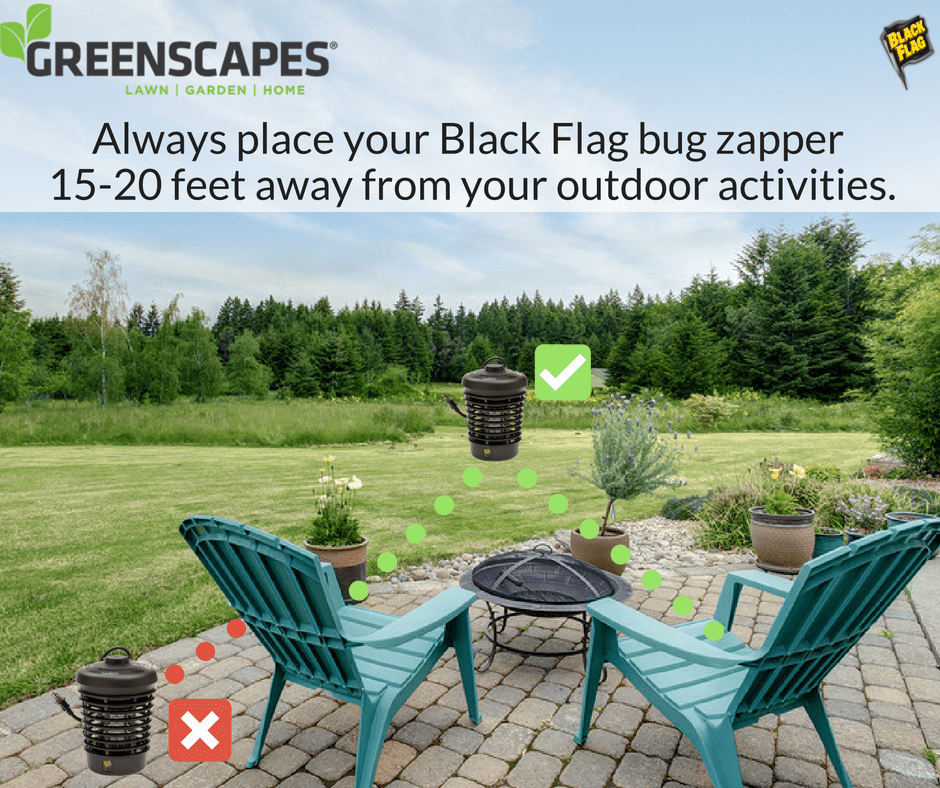
Source: greenscapesinc.net
Where Is the Best Place to Put a Bug Zapper?
The best location for an outdoor bug zapper is usually a sheltered part of the yard away from the main living area. Choose a place where flying insects can reach the device without passing through a busy patio, porch, or outdoor dining space.
A spot near the outer part of the yard may work better than a position beside your favorite chair. The idea is to keep the trap separate from the places where people gather. This also helps prevent the UV light from drawing additional insects toward doors and windows.
Look for a location with a stable mounting point, suitable electrical access, and enough clearance around the unit. Avoid placing the device where strong winds, rain, direct sunlight, or nearby lights may interfere with its operation.
Remember that different insect traps attract different species. A traditional electric zapper uses light, while some specialized mosquito traps use carbon dioxide, heat, or chemical attractants. Their ideal locations are not always the same.
Source: toolsli.com
Away from seating areas
Keep the zapper away from outdoor chairs, picnic tables, decks, and other places where people spend time.
Away from entrances
Do not position the light directly beside an exterior door or open window. This can encourage insects to gather near an entrance.
In a sheltered location
Choose a location protected from heavy rain and strong wind unless the device is specifically rated for those conditions.
With enough open space
Allow insects to approach the device from different directions without blocking the light or airflow.
Should You Put a Bug Zapper Near the House?
You can install a bug zapper near a house, but avoid placing it directly beside a door, window, or frequently used entrance. A bright UV light near an opening may attract flying insects to the same area where they can enter the building.
A separate mounting point in the yard is often a better choice. If the device must be near the house, choose a location away from windows and doors, and check whether its light is visible from outside the property.
Good option
A sheltered side area of the yard with safe electrical access and distance from entrances.
Poor option
Directly above the front door, beside a bedroom window, or next to an open patio entrance.
Should a Bug Zapper Be in the Center of the Yard?
Not necessarily. A central location may give a device more open space, but it can also bring insects toward the part of the yard where people spend time. A location away from the main activity area is generally a more sensible starting point.
For larger properties, consider the layout of the yard and the manufacturer’s stated coverage. Do not assume that placing several zappers around the property will automatically improve insect control. More devices can also increase the number of non-target insects killed.
Small yards
Choose a safe outer area away from the patio and house entrances.
Large yards
Consider the insect activity, power access, and device coverage before selecting a position.
Where to Place a Bug Zapper in Your Backyard
For backyard use, select a location away from outdoor activities, food, and open doors. A side garden, a suitable sheltered corner, or a separate area near the yard boundary may provide a better setup than a position beside a deck.
Walk around your yard before installing the device. Look for areas where flying insects are active, but do not place the zapper beside flowering plants simply because insects gather there. Many nighttime insects play useful roles in the environment, and an electric grid can kill species that are not household pests.
Think about how people use the space. If your family eats outside, children play in the grass, or pets move freely around the yard, the zapper should be installed where it cannot be reached or knocked over.
Also check the power source. Outdoor electrical equipment needs suitable weather protection, and extension cords must be approved for the intended outdoor use. Keep plugs and connections protected as required by the manufacturer.
Source: buzbug.com
Side garden
A quiet side area can keep the light away from the main outdoor living space.
Outer yard area
An area away from doors and seating may reduce the chance of drawing insects toward people.
Sheltered wall or mounting point
A secure mounting location can protect the device from accidental movement and provide easier maintenance access.
Open garden area
An unobstructed location can give the device a clear path for attracting insects that respond to its light.
Where to Put a Bug Zapper Near a Patio
Do not hang an electric bug zapper directly over a patio table, outdoor kitchen, or seating area. The device may attract insects toward people, and dead insect particles may fall from the electric grid.
Instead, select a separate location away from the patio. Keep the device outside the normal walking path and make sure its light does not shine directly through nearby windows or doors.
If the patio has a roof, do not assume that the covered space is automatically suitable. Check the device’s outdoor rating, ventilation needs, mounting clearance, and electrical requirements before installation.
Avoid
Hanging the unit above a barbecue, picnic table, outdoor sofa, or children’s play area.
Prefer
A separate sheltered area that does not interfere with normal patio use.
Where to Put a Bug Zapper Near a Garden
A garden may contain moths, beetles, and other insects that support pollination and natural pest control. Avoid placing an electric zapper beside flowering plants or areas where beneficial insects are active.
If you use a zapper for nuisance flying insects, choose a location away from flowers and other sensitive wildlife areas. The goal should be to reduce unwanted insect activity without unnecessarily affecting the local ecosystem.
A zapper should also stay away from sprinklers, garden hoses, ponds, and areas that become wet after rainfall unless the device is designed for the exposure.
Protect flowering plants
Avoid installing the zapper beside flowers that attract bees, moths, and other pollinators.
Avoid wet areas
Keep electrical equipment away from standing water and direct spray.
How High Should You Hang a Bug Zapper?
The correct height depends on the device design and the insects it is intended to catch. There is no single mounting height that works for every residential bug zapper.
Some commercial insect light traps are installed around 4 to 6 feet above the floor because this can place the light near the flight paths of common indoor flies. Other commercial guidance describes mounting heights around 5 to 8 feet for particular equipment.
These figures should not be treated as universal instructions for outdoor household zappers. A hanging garden model may require a different position, while a wall-mounted device may have a specific bracket height. Always check the manufacturer’s installation guide before drilling or hanging anything.
The unit should be high enough to prevent accidental contact but low enough for safe cleaning and maintenance. A stable position is more important than choosing an arbitrary height from an online recommendation.
Source: outdoorfixes.com
Check the product manual
Use the mounting height and clearance specified for your exact model.
Keep it out of reach
Prevent children and pets from reaching the electric grid, housing, or power connection.
Avoid unstable hanging
Use the supplied chain, hook, bracket, or mounting hardware as directed.
Allow cleaning access
Choose a height that allows the collection tray to be removed without unsafe climbing or reaching.
Does a Bug Zapper Work Better Higher Up?
Not always. Height affects the insect flight paths that a device can intercept, but it does not guarantee better results. The insect species, light output, surrounding lights, and device design also matter.
A unit installed too high may be difficult to maintain. One installed too low may be easier for children or pets to reach. The best position balances the product’s installation instructions with safe access and the expected insect activity.
Do not guess
Avoid copying the mounting height of a different model or commercial insect trap.
Check the surroundings
Make sure nearby walls, branches, furniture, or other objects do not block the light.
Where to Place an Indoor Bug Zapper
Indoor bug zappers need a different placement strategy from outdoor models. The best position is generally away from exposed food, food preparation surfaces, busy walkways, and areas where children or pets can touch the unit.
A commercial insect light trap may be installed in a room where flying insects enter or travel, but the position must match the device type and its intended use. Some commercial installations place traps along insect pathways while keeping them away from doors and windows that could draw additional insects inside.
An electric grid can break insects apart when they make contact with it. This creates a potential contamination concern around food, dishes, utensils, and food preparation equipment. Colorado State University Extension specifically warns against using electric bug zappers near places where food is prepared or consumed.
For a home, a separate utility area or suitable room may be more practical than a kitchen or dining room. Make sure the device is approved for indoor use and that the electrical supply meets its requirements.
Source: toolsli.com
Utility rooms
A suitable utility room may provide a separate location away from food and family activities.
Garages
A garage may be suitable if the device is rated for the environment and protected from moisture, dust, and accidental contact.
Indoor entry pathways
For suitable commercial light traps, a location near an insect pathway may help intercept flies that have entered the building.
Away from food
Never position an electric-grid unit over exposed food, countertops, dining tables, or food preparation areas.
Can You Put a Bug Zapper in the Kitchen?
An electric bug zapper should not be installed over a kitchen counter, food preparation surface, or dining table. Insects can break apart when they hit the grid, allowing particles to fall onto nearby surfaces.
If flying insects are a problem in the kitchen, first remove their food sources. Clean spills, store ripe fruit properly, cover waste bins, and check drains for organic buildup. Use screens and suitable non-electric traps where appropriate.
Commercial food premises may have specific pest-control and hygiene requirements. A glue-board insect light trap can be more appropriate near sensitive food areas, but it must still be installed away from direct food contact and maintained according to applicable rules.
Avoid electric grids near food
Do not let insect debris fall onto food, utensils, or surfaces used for meal preparation.
Remove the cause
Clean drains, remove food waste, and keep garbage covered to reduce the insects that enter the kitchen.
Can You Put a Bug Zapper in a Garage?
A garage can be a practical location for an indoor-rated bug zapper if flying insects gather there. Choose a position away from vehicles, stored flammable materials, water, and places where people work or move equipment.
Check the temperature and moisture limits in the manual. Some garage environments can become very hot, damp, or dusty, which may be unsuitable for certain electrical devices.
Mount the unit securely and keep the power cord away from vehicle tires, doors, tools, and walkways.
Secure mounting
Use a stable wall or ceiling support approved for the device.
Clear surroundings
Keep the unit away from stored items that could block airflow or create a fire or contact hazard.
Where Should You Place a Bug Zapper for Different Insects?
The insect you want to catch should influence the type of trap and its location. A traditional UV zapper attracts certain flying insects that respond to light, but it does not attract every species equally.
For example, some moths and beetles are active at night and may respond to light. Mosquitoes, however, rely heavily on cues such as carbon dioxide, body heat, and human odors when searching for hosts. This is why a basic electric zapper is generally a poor choice for reducing mosquito bites.
Before choosing a position, identify the main pest. If you are seeing small flies around houseplants, the breeding source may be wet potting soil. If flies gather around a drain, the problem may be organic buildup inside the plumbing. Moving a zapper will not solve either source.
A trap works best as one part of a broader pest-control plan. Cleaning, exclusion, removing breeding sites, and using the right type of trap can provide a more useful result than relying on the zapper alone.
Moths
Some moths respond to light, but avoid placing electric traps near flowering plants or other areas used by beneficial nighttime insects.
House flies
A suitable insect light trap may catch some flies, but sanitation and removal of breeding materials remain essential.
Mosquitoes
A traditional UV electric zapper is not a reliable way to reduce mosquito populations or prevent bites.
Fruit flies
Remove overripe fruit, clean food residues, and use suitable baited traps rather than relying on a UV zapper.
Fungus gnats
Allow overly wet houseplant soil to dry appropriately and remove decaying plant material.
Where to Put a Bug Zapper for Mosquitoes
The most useful answer may be that a traditional bug zapper should not be your main mosquito-control tool. University extension guidance from North Carolina State University explains that outdoor electrocuting traps catch very few biting insects and kill many other insects.
Colorado State University Extension also discusses research in which biting insects made up only a tiny fraction of the insects killed by conventional zappers. These findings show why a device that produces a large number of dead insects may still do little to reduce mosquito bites.
If mosquitoes are the problem, focus on standing water first. Empty water from plant saucers, buckets, old tires, and other containers. Keep gutters clear and maintain screens on windows and doors.
For personal protection, use an EPA-registered insect repellent according to its label. Fans can also help in some outdoor seating areas because moving air makes it harder for mosquitoes to fly toward people.
Remove standing water
Check the yard every week for containers and other places where rainwater can collect.
Maintain screens
Repair damaged window and door screens to reduce mosquito entry.
Use personal protection
Choose an appropriate registered repellent and follow its instructions.
Where to Place a Bug Zapper for Flies
Some flies respond to ultraviolet light, so an appropriate insect light trap can help catch certain indoor flying insects. In a commercial setting, placement may be based on the paths flies use to enter and move through a building.
However, electric zappers should remain away from food and exposed surfaces. For indoor flies, a glue-board light trap may be more suitable in sensitive areas because it captures insects without an electric grid scattering their remains.
The best result comes from combining a trap with good sanitation. Cover garbage, remove waste, clean spills, and correct moisture problems that allow flies to breed.
Identify the entry route
Look for doors, loading areas, and other places where flies enter.
Keep food protected
Install electric-grid devices away from food handling and storage areas.
Best and Worst Bug Zapper Locations: Comparison Table
Use this comparison to narrow down a suitable location before installation. The table describes general residential placement choices, not guaranteed insect-control results.
The safest location is one that keeps the device away from people, food, water, and sensitive wildlife while still allowing the trap to operate as intended. Product-specific instructions always take priority over general placement advice.
Best starting point
A sheltered, secure outdoor location away from doors, seating areas, and food.
Most important indoor rule
Keep electric-grid devices away from exposed food and food preparation surfaces.
Which Locations Should You Choose or Avoid?
A location can be convenient without being effective. For example, a porch ceiling may offer a simple mounting point, but it may also put the zapper close to people and open doors. Look at the whole area before choosing a final position.
Use the following comparison as a practical starting point.
Sheltered side yard
Generally a reasonable outdoor starting point if the device has suitable weather protection and remains away from people.
Beside a bedroom window
Avoid this position because the light may draw insects toward the window.
Above a dining table
Avoid because insects and debris may fall onto food and eating surfaces.
Beside flowering plants
Avoid where possible to reduce harm to beneficial insects and pollinators.
Wet garden corner
Avoid unless the unit is specifically rated for the expected moisture and the electrical setup is safe.
Suitable garage area
May work for an indoor-rated unit when it is securely mounted and away from stored hazards.
How to Install a Bug Zapper in the Right Location
A safe installation starts with reading the product manual, checking the mounting surface, and planning the electrical connection. Do not begin by hanging the device wherever a hook or outlet happens to be available.
Different models have different weight limits, mounting requirements, weather ratings, and electrical needs. A solar model may need access to sunlight for its charging panel, while a plug-in model needs a suitable outdoor power connection.
Before installation, make sure the selected spot does not interfere with walking paths, outdoor furniture, plants, or routine yard work. You should also be able to reach the collection tray safely for cleaning.
Step 1: Read the manual
Confirm the device is designed for indoor or outdoor use, as appropriate. Check its mounting, clearance, and electrical requirements.
Step 2: Inspect the area
Look for doors, windows, food areas, water sources, competing lights, and places where people or animals may reach the unit.
Step 3: Select a stable support
Choose a suitable wall, post, bracket, or hanging support that can safely hold the device.
Step 4: Check the power supply
Use an approved power source and outdoor-rated electrical accessories where required. Keep electrical connections protected from moisture.
Step 5: Mount the device
Follow the manufacturer’s instructions for height, clearance, orientation, and supplied mounting hardware.
Step 6: Test the installation
After installation, check that the unit is stable, the power connection is secure, and no one can accidentally touch the grid.
Step 7: Maintain the device
Disconnect power before cleaning if required by the manual. Empty the tray and clean the grid using the approved method.
How to Know If Your Bug Zapper Is Working
A working zapper should operate as described in its manual. Depending on the model, you may see its UV light turn on, hear occasional electrical zaps, or find insects in the collection tray.
However, a bright light or frequent zapping does not prove that the device is controlling the particular pest you want to eliminate. A trap can catch many harmless insects while catching very few mosquitoes.
Check the collection tray over time and identify the insects if possible. This gives you a more useful idea of what the device is actually catching.
Normal operation
The light and other features work according to the product instructions.
Regular collection
The tray contains insects that are consistent with the device’s intended target.
Safe operation
The housing, support, cord, and electrical connection remain secure and undamaged.
What If the Bug Zapper Does Not Catch Many Insects?
First, check whether the insects you want to catch respond to UV light. Mosquitoes and many other nuisance insects are not reliably controlled by ordinary electric zappers.
Next, inspect the light, collection tray, and grid. A dirty grid or an aging UV bulb may affect operation, depending on the device. Follow the manual for cleaning and bulb replacement.
Finally, review the location. Nearby lights, physical obstructions, direct sunlight, and an unsuitable environment may reduce the usefulness of some traps. Move the unit only after checking the manufacturer’s installation requirements.
Weak or missing light
Check the power supply, switch, bulb, and other components according to the manual.
Blocked light
Remove objects that interfere with the intended light exposure.
Wrong target insect
Choose a more suitable pest-control method if the target species is not attracted to the trap.
Dirty collection area
Disconnect the device and clean it as directed by the manufacturer.
Common Bug Zapper Placement Mistakes to Avoid
Even a properly working bug zapper can create problems when installed in the wrong place. Most placement mistakes happen because homeowners focus only on catching insects and overlook how the light affects the surrounding area.
A good setup should protect people, food, pets, and useful insects while allowing the device to operate within its intended limits. Avoid these common errors before switching on your zapper.
Placing it beside an open door
The light may draw insects toward an entrance, increasing the chance that they enter the house.
Hanging it over food
Electric grids can scatter insect remains, creating a contamination risk.
Installing it near flowering plants
The device may kill beneficial insects, including some nighttime pollinators.
Ignoring weather protection
Rain and moisture can create electrical hazards when a unit is not rated for outdoor exposure.
Using an unsuitable extension cord
Indoor cords and poorly protected connections may not be safe for outdoor electrical equipment.
Hanging it within children’s reach
Children may touch the grid or pull the unit down. Use a secure location that prevents access.
Expecting mosquito protection
A conventional UV zapper does not reliably reduce mosquito bites.
Ignoring maintenance
A dirty tray, damaged housing, or worn component can affect operation and safety.
Can a Bug Zapper Attract More Bugs to Your House?
A UV bug zapper attracts certain light-responsive insects. If you install it beside a window, door, or outdoor seating area, it may cause insects to gather in that part of the property.
This does not mean every insect attracted to the device will enter your home. However, placing the light directly beside an entrance is an avoidable mistake.
Keep the device away from openings and choose a separate outdoor location. Also reduce unnecessary outdoor lighting near doors and windows when practical.
Keep entrances separate
Do not place the zapper directly beside the main doors or windows.
Use window screens
Maintain tight-fitting screens to prevent flying insects from entering.
Is It Safe to Leave a Bug Zapper On Overnight?
Some outdoor bug zappers are designed for extended operation, but you should follow the manufacturer’s instructions rather than assume every model can run unattended overnight.
Before leaving a device operating, check its weather rating, electrical connections, mounting stability, and maintenance requirements. Never use a damaged unit or one with exposed wires.
If the manufacturer permits overnight operation, keep the zapper away from sleeping areas, windows, food, and places where pets can reach it. Disconnect it before maintenance or cleaning as directed.
Check the operating instructions
Confirm whether continuous or overnight use is allowed for the specific model.
Inspect the equipment
Look for damaged cords, cracked housing, loose supports, and moisture exposure.
Bug Zapper Safety Tips for Children, Pets, and Wildlife
A bug zapper contains an electrical grid or another insect-catching mechanism that needs careful handling. Keep the device out of reach of children and pets, even when it is mounted outdoors.
Never assume that a protective outer cage makes the device safe to touch. Small fingers, paws, and objects may still reach parts of the unit, depending on its design.
Electrical safety matters just as much as insect control. Use only the power source and accessories approved for the model. Outdoor units should have the required weather protection and suitable electrical protection under local codes.
Wildlife is another concern. Traditional electric zappers can kill moths, beetles, and other insects that help support food webs and pollination. Avoid installing them beside flowers, ponds, and other sensitive habitats.
Protect children
Mount the device securely where children cannot reach, pull, or play with it.
Protect pets
Keep pets away from the unit, hanging cords, and collection tray.
Protect wildlife
Avoid sensitive garden areas and do not use more devices than necessary.
Protect against electrical hazards
Use suitable outdoor-rated connections, follow the manual, and disconnect power before maintenance.
Protect food and water
Keep the device away from pet bowls, ponds, exposed food, and food preparation surfaces.
Can You Put a Bug Zapper Near a Dog or Cat?
A bug zapper should not be placed where a dog or cat can touch it, chew its cord, knock it over, or investigate the electric grid. A high mounting point may reduce contact, but it must also be secure and installed according to the manual.
Keep the collection tray away from pet food and water bowls. Remove dead insects regularly so pets cannot investigate or eat the remains.
If a pet damages the housing or power cord, stop using the device and disconnect it safely. Do not attempt to repair exposed electrical components unless you are qualified to do so.
Secure the unit
Use approved mounting hardware and prevent access to the electrical grid.
Protect the cord
Keep cables away from chewing, scratching, and normal pet movement.
Do Bug Zappers Kill Beneficial Insects?
Yes. Traditional UV electric zappers can kill insects that are not household pests. These may include moths, beetles, and other flying insects that contribute to local ecosystems.
University extension guidance warns that conventional outdoor zappers can kill many beneficial insects while catching very few mosquitoes. This is a good reason to avoid using them as a general solution for every insect problem.
Use targeted pest management whenever possible. Identify the insect, remove its breeding source, and select a control method that causes the least unnecessary harm.
Identify the insect
Determine whether the flying insect is actually causing a problem before choosing a control method.
Avoid unnecessary trapping
Do not install multiple zappers simply to increase the number of insects killed.
How to Choose the Right Location for Solar and Electric Bug Zappers
Solar and plug-in bug zappers have different installation needs. A solar unit depends on its charging panel, while a plug-in model needs a suitable electrical connection. Both still need a location that is safe and appropriate for the insect target.
For a solar model, check how much direct sunlight the panel needs and whether the panel is built into the unit or connected separately. A shaded position under a tree may reduce charging performance even if it seems like a convenient place to hang the device.
For a plug-in model, check the power cable length, outdoor rating, and approved connection method. Do not use an indoor extension cord outside or allow electrical connections to sit in water.
In either case, the device should be easy to inspect and clean. A location that is difficult to reach may lead to poor maintenance or unsafe attempts to remove the collection tray.
Solar bug zappers
Choose a position that gives the solar panel the sunlight required by the manufacturer while keeping the device away from people and sensitive areas.
Plug-in bug zappers
Choose a suitable outdoor power connection with the required weather protection and electrical safety features.
Rechargeable bug zappers
Install the unit where it can be removed and charged safely without exposing the charging connection to moisture.
Where Should You Place a Solar Bug Zapper?
Place a solar bug zapper where its panel receives the sunlight required for charging. A sunny part of the yard may be useful, but avoid positioning the unit in the middle of a busy seating or play area.
Check whether nearby branches, fences, roof overhangs, or buildings shade the panel during the day. If the model has a separate panel, position that component according to its instructions while keeping the zapper itself in a safe location.
Solar charging does not change the basic placement rules. Keep the unit away from food, entrances, children, pets, and sensitive wildlife areas.
Check sunlight
Make sure the solar panel receives enough direct light for the model’s charging requirements.
Check the mounting point
Use a stable support that can withstand the expected outdoor conditions.
Check charging performance
If the light does not operate as expected, inspect panel cleanliness and charging conditions.
Practical Placement Checklist Before Switching On Your Bug Zapper
A final inspection can help you catch problems before the device starts operating. Walk around the installation area and check the unit from the perspective of someone using the yard or entering the house.
The best location should balance insect access, safe operation, maintenance, and environmental concerns. If one of these conditions is not met, adjust the position before using the device.
Location
The device is away from outdoor seating, food, entrances, and open windows.
Height
The mounting height follows the manufacturer’s instructions.
Stability
The bracket, chain, hook, or support is secure and suitable for the device’s weight.
Weather protection
The unit and its electrical connections are suitable for the expected outdoor conditions.
Child and pet safety
The grid, power cord, and collection tray cannot be reached or disturbed.
Wildlife protection
The device is away from flowering plants and other sensitive insect habitats.
Maintenance
The collection tray and other serviceable parts can be accessed safely.
Correct pest target
The selected trap is suitable for the insect causing the problem.
What Should You Do After Installation?
Observe the device during normal operation and check whether insects are gathering around it or entering the collection tray. Do not judge success only by the number of zaps or the brightness of the light.
If the unit draws insects toward a patio or window, reconsider its position. If it catches mostly harmless insects, consider whether continued use is justified.
Keep a regular maintenance schedule based on the manufacturer’s instructions. If you notice a damaged cord, loose mounting hardware, unusual electrical behavior, or water inside the housing, disconnect the device and stop using it until the problem is addressed.
Observe insect activity
Check what types of insects the device catches rather than assuming every catch is a pest.
Review the location
Move the device if it causes unwanted insect activity around doors, windows, or people.
Maintain safely
Follow the cleaning and inspection schedule in the product manual.
Frequently Asked Questions
Q
Where is the best place to put a bug zapper outside?
Place an outdoor bug zapper in a sheltered area away from patios, doors, windows, outdoor kitchens, and flowering plants. Choose a secure mounting point with suitable weather protection and enough open space around the unit. Follow the manufacturer’s height and clearance instructions.
Q
How far should a bug zapper be from the house?
There is no universal distance for every household bug zapper. The main goal is to keep the UV light away from doors and windows so it does not draw insects toward entry points. Check the manufacturer’s guidance and select a separate outdoor location that does not interfere with normal household activities.
Q
Should I leave my bug zapper on all night?
Only leave it operating overnight if the manufacturer permits continuous use. Check its weather rating, electrical connection, mounting stability, and maintenance requirements. Keep the unit away from people, pets, sleeping areas, and open windows.
Q
Do bug zappers attract mosquitoes?
Some mosquitoes may encounter or be caught by certain light traps, but traditional UV electric bug zappers are not effective mosquito-control tools. Mosquitoes rely heavily on carbon dioxide, body heat, and human odors when locating hosts. Removing standing water and using appropriate repellents are more reliable ways to reduce mosquito exposure.
Q
Can I hang a bug zapper under a covered porch?
You may be able to hang a bug zapper under a covered porch if the manufacturer approves that type of installation. However, avoid placing it above seating, food, or an entrance. Check the outdoor rating, mounting clearance, ventilation requirements, and electrical safety instructions before installing it.
Q
Can I put a bug zapper near a window?
It is generally better to keep a bug zapper away from windows. The UV light may attract insects toward the opening, and some may enter the house. Choose a separate outdoor location and maintain tight-fitting window screens.
Q
What is the best height for hanging a bug zapper?
The correct height depends on the model and target insects. Some commercial indoor insect light traps are installed around 4 to 6 feet high, while other equipment uses different mounting ranges. These figures are not universal outdoor installation rules. Follow the exact height and clearance instructions for your device.
Q
Can I put a bug zapper in my bedroom?
A traditional electric bug zapper is usually not a good choice for a bedroom. Its light may disturb sleep, and the device can attract insects toward the room. It also needs a safe electrical position away from bedding and people. Window screens and suitable insect-control methods are generally more practical.
Q
Why does my bug zapper attract insects but not kill mosquitoes?
A traditional zapper uses ultraviolet light to attract certain flying insects. Mosquitoes often respond more strongly to carbon dioxide, body heat, and human odors. As a result, a zapper may collect moths and beetles while catching very few mosquitoes. A mosquito-specific trap uses different attractants and needs its own placement instructions.
Q
Can rain damage an outdoor bug zapper?
Rain and moisture can damage electrical equipment that is not designed for outdoor exposure. Check the product’s weather-resistance rating and installation instructions. Keep electrical connections protected and never handle a wet or damaged unit while it is connected to power.
Q
Should a bug zapper be placed near flowers?
Avoid placing an electric bug zapper beside flowers whenever possible. Flowers attract pollinators and other beneficial insects, and traditional electric zappers can kill non-target species. Choose a location away from flowering plants and sensitive garden habitats.
Q
How often should I clean a bug zapper?
Clean the collection tray and other serviceable parts at the intervals stated in the manufacturer’s instructions. Some devices need more frequent cleaning when insect activity is high. Always disconnect the power before cleaning and use only the recommended tools and methods.
✦ Wrapping Up
Conclusion
Knowing where to place a bug zapper can make a difference to how safely and sensibly you use it. For outdoor installations, a sheltered location away from patios, doors, windows, food, and flowering plants is a good starting point. Keep the unit securely mounted and follow its instructions for height, electrical connections, and weather protection.
Indoor placement requires even more care. Never hang an electric-grid zapper over food or food preparation surfaces because insect remains can create a contamination risk. A suitable garage or separate utility area may be more practical when the device is approved for indoor use.
Most importantly, choose the right pest-control method for the insect. Traditional UV zappers may catch certain flying insects, but they do not reliably control mosquitoes. Removing standing water, maintaining screens, cleaning breeding sources, and using appropriate repellents can provide better protection against mosquito bites.
A good bug zapper location should not simply be the place where the device is easiest to hang. It should be a place where the unit can operate as intended without creating problems for your family, pets, food, or local wildlife.
💡 Key Takeaway
Before switching on your bug zapper, choose a sheltered and secure location away from people, doors, windows, food, and flowering plants. Check the manufacturer’s mounting and electrical instructions, then inspect the unit regularly. If mosquitoes are your main concern, focus on removing standing water and using proven personal protection instead of relying on a traditional UV zapper.
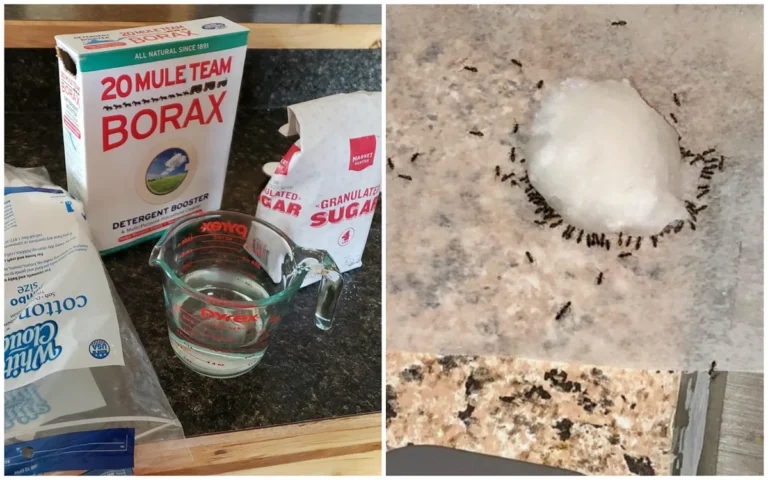
You’ve watched the same thin line of ants crawl across the kitchen counter for the third straight week. You’ve wiped them off. You’ve sprayed. The trail is…
You’ve got a trail of ants marching across your kitchen tile, and you’re halftempted to reach for the storebought spray. But first you’re Googling: is borax a…