Yes, many flies are attracted to bug zappers because they respond to ultraviolet light, but attraction varies by fly species and trap design.
If you spend time on a backyard patio in Texas, Florida, California, or another warm part of the United States, you may have noticed flies gathering around outdoor lights. A bug zapper seems like a simple answer. It uses light to draw flying insects toward an electric grid, where contact with the grid kills them. However, not every flying insect responds to that light in the same way.
House flies can respond to ultraviolet light, and research has documented their attraction to UV insect traps. Some other flies, including certain blow flies and moth flies, may also approach light-based traps. However, fruit flies, drain flies, and other small flies may respond more strongly to food odors, moisture, or breeding sites than to the light from a standard outdoor zapper.
The type of trap matters, too. A high-voltage outdoor bug zapper is not the same as an indoor UV light trap with a sticky board. Both can attract flying insects, but they work in different ways and have different uses. Understanding this difference can help you choose a better method for controlling flies without drawing more insects toward your home.
Source: ninjachoice.blog
Are Flies Really Attracted to Bug Zappers?
Yes, many flies can be attracted to bug zappers, especially devices that use ultraviolet light. Flies use several environmental signals to move through their surroundings. These signals include light, odors, temperature, moisture, and visual features. For some species, light can influence where they fly and where they settle.
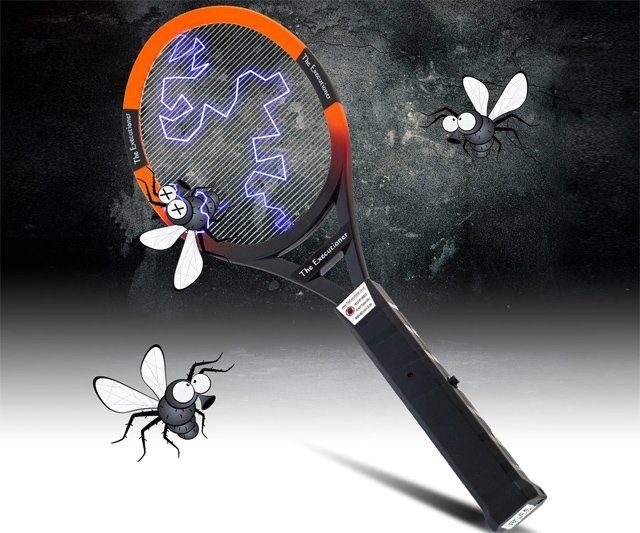
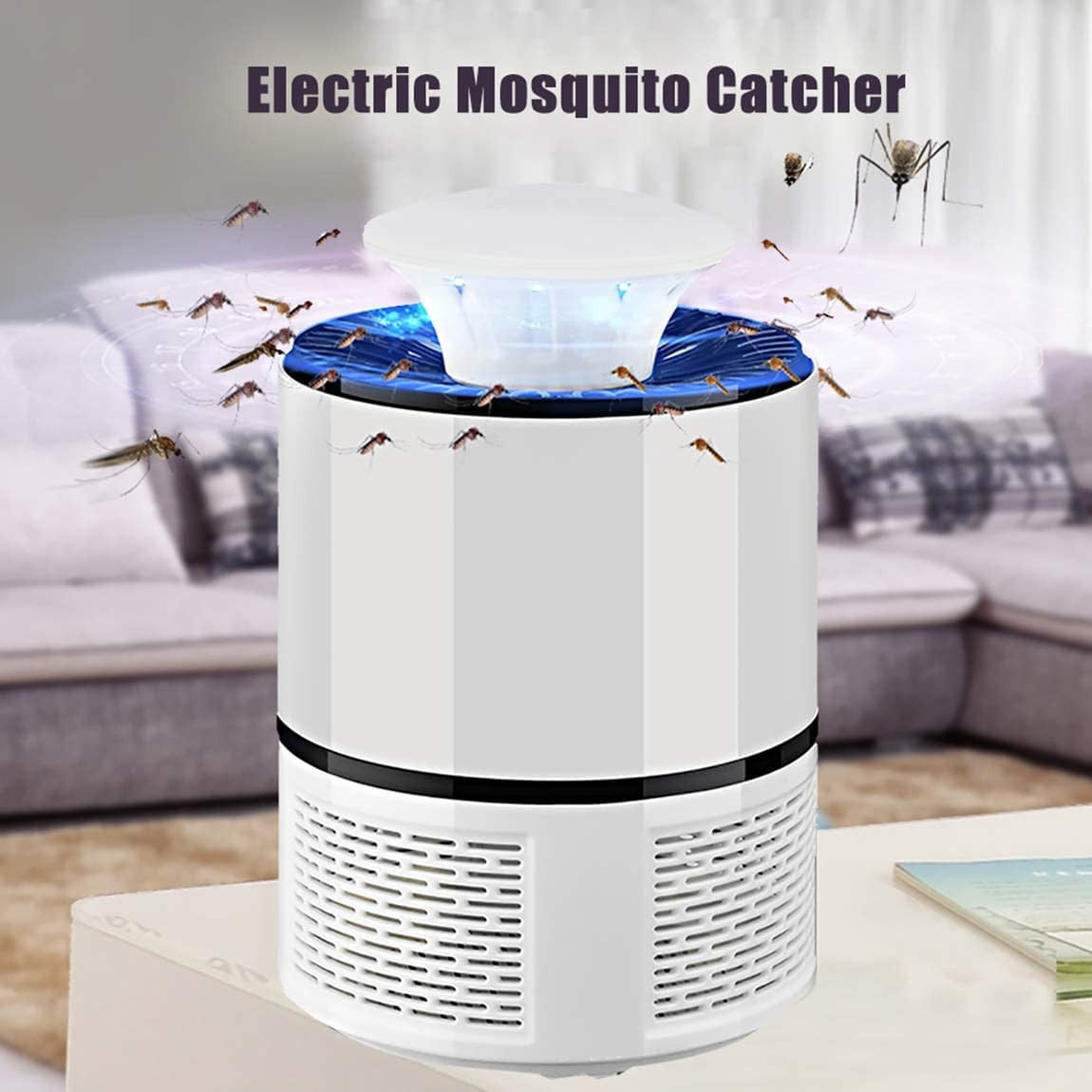
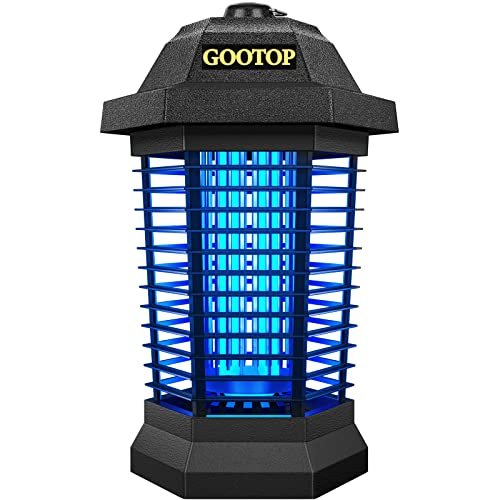
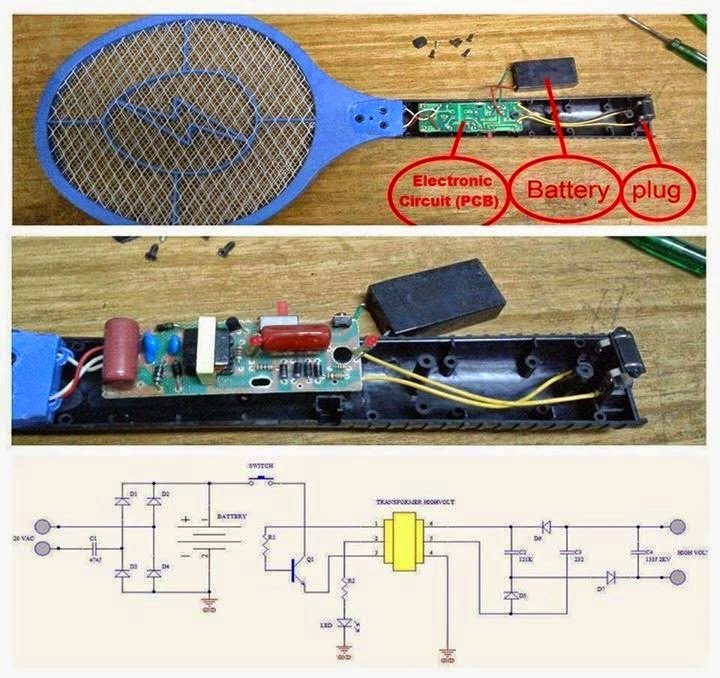
A typical electric bug zapper uses a UV light source to draw insects toward the device. When an insect reaches the electrified grid, it completes an electrical circuit and receives a fatal shock. This method can kill certain flies, but it does not attract every fly in the area.
Texas A&M AgriLife Extension explains that light traps use short-wavelength ultraviolet light to attract flies. Its guidance identifies house flies as among the larger flies that can be caught by these devices. Small flies and other flying insects may also enter the traps.
This distinction matters because seeing a few flies around a zapper does not mean the device will control every fly problem. A trap may catch some adult flies while the source of the infestation remains active in garbage, food waste, drains, or animal waste.
Source: bidfta.com
House flies
House flies can respond to UV light and may enter suitable light traps. Their attraction depends on the surrounding conditions and the trap design.
Blow flies
Some blow flies respond to light, but food odors and decaying organic material can also play a strong role in their movement.
Moth flies
Moth flies may respond to light, although they are commonly associated with damp areas, drains, and organic buildup.
Fruit flies
Fruit flies are often more interested in ripe fruit, fermenting liquids, and food residue than in the light from a standard outdoor bug zapper.
Why Do Some Flies Fly Toward Light?
Many insects use light as a visual signal when moving through the environment. Artificial lights can change their normal flight patterns. Some flies may approach a light source, circle around it, or move toward a brighter area.
Ultraviolet light is especially useful in insect traps because several flying insect groups can detect wavelengths that humans cannot see. However, the response is not universal. Different species have different visual systems and behaviors.
A UV lamp can therefore attract some flies without having the same effect on every species. This explains why one homeowner may see house flies near a zapper while another mainly notices moths, beetles, or other insects.
How Does a Bug Zapper Attract and Kill Flies?
A traditional bug zapper attracts insects with light and kills them with electricity. Its operation is simple, but several parts work together to complete the process. Understanding these parts helps explain why some flies approach the device while others ignore it.
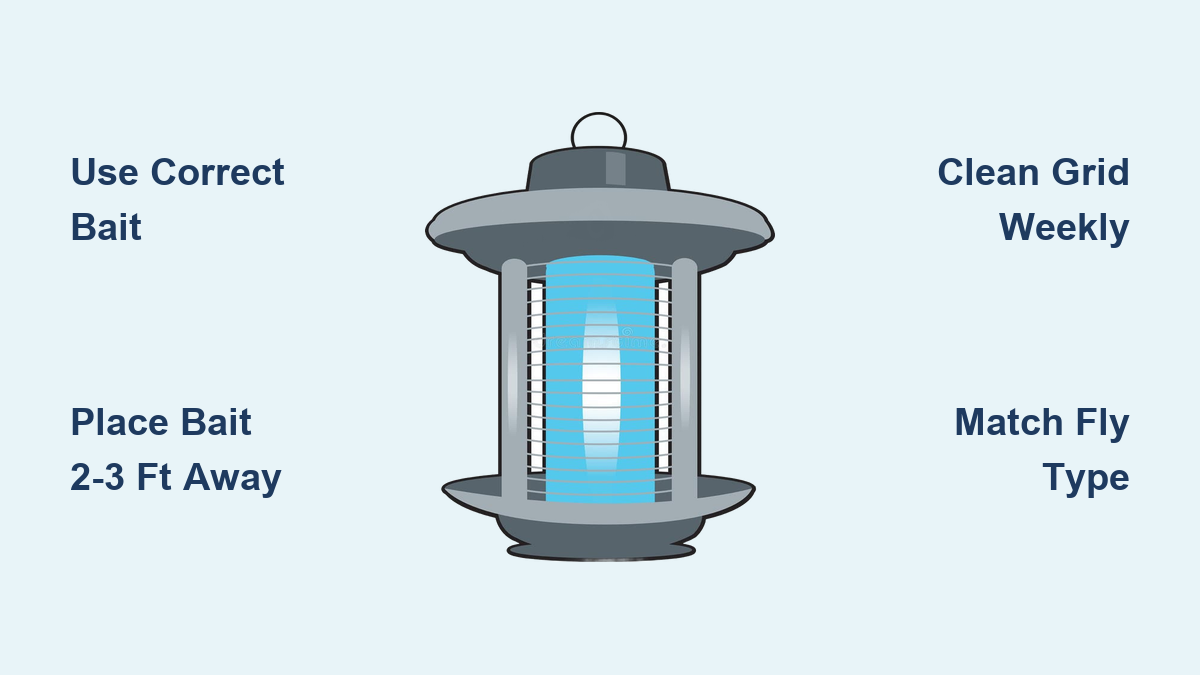
Most traditional electric zappers contain a UV lamp, an electrified grid, a protective outer cage, and a collection tray. The lamp provides the visual attraction. The grid carries an electrical charge, while the outer cage helps prevent people and larger animals from touching the energized parts.
When a susceptible insect approaches the light, it may fly through an opening in the protective housing. Contact with two electrical elements can complete the circuit. The resulting discharge kills the insect, and the remains may fall into a collection tray or onto the ground.
The light does not guarantee that every insect will reach the grid. Some flies may approach but turn away. Others may land on the outer housing or fly past the device. The distance between the insect and the lamp, competing light sources, and the insect’s natural behavior all influence the result.
Source: empocorp.com
UV lamp
Produces ultraviolet light that can attract light-responsive insects. Lamp output and wavelength influence how well the trap works.
Electric grid
Delivers the electrical discharge when an insect contacts the required parts of the grid.
Protective housing
Helps reduce accidental contact with the electrified components while allowing insects to enter.
Collection tray
Collects insect remains in models designed with a removable tray. It needs regular cleaning.
Does UV Light Attract Every Type of Fly?
No. UV attraction depends on the fly species and its behavior. House flies can respond to light traps, but a fruit fly searching for fermenting fruit may pay much more attention to food odors than to a UV lamp.
Some small flies also spend much of their time near the material that supports their breeding cycle. Drain flies, for example, commonly develop in the organic film found inside damp drains. A light trap may catch an occasional adult, but it will not remove the buildup where the insects reproduce.
This is why identifying the fly before choosing a trap is so useful. A device that catches one species may have little effect on another.
Can a Bug Zapper Attract Flies From Far Away?
A UV lamp can be visible to insects beyond the immediate area around the device, but there is no single attraction distance that applies to every bug zapper. The effective range depends on lamp strength, surroundings, insect species, weather, and competing light.
A bright outdoor zapper may draw some insects toward a patio or yard. However, it does not work like a powerful vacuum that pulls every fly from a large area. Insects must detect the light and respond to it.
For this reason, placing a zapper near an open door or window can be counterproductive. Some insects may approach the building instead of moving away from it.
Which Types of Flies Are Most Likely to Be Attracted?
House flies are among the fly species for which UV light traps have a documented practical use. However, other flies may show different responses. Their feeding habits, breeding sites, and natural movement patterns can make one trap more useful than another.
It helps to separate light attraction from food attraction. A fly that enters a room because it smells ripe fruit may not be especially interested in a UV lamp. Likewise, a fly that rests near a window may respond to natural daylight rather than an artificial trap.
The following table compares common household and outdoor flies. These are general tendencies, not guarantees. The actual response can vary with the species and conditions.
Source: www.pinterest.com
House Flies
House flies are among the better candidates for light-based fly traps. They often enter homes through open doors, damaged screens, and other openings. They also gather around garbage, food waste, animal waste, and other sources of organic material.
Texas A&M AgriLife Extension identifies house flies as suitable targets for indoor light traps. It recommends placing these traps around 4 to 6 feet above the floor, where house flies commonly fly. The light should not be visible from outdoors because it may attract additional insects into the building.
A UV glue-board trap can be useful in a suitable indoor setting. A high-voltage outdoor zapper, however, is a different device and should not be used indoors.
Fruit Flies
Fruit flies are usually more strongly associated with ripe fruit, fermenting liquids, and food residue. They can gather around fruit bowls, recycling containers, wine residue, juice spills, and kitchen drains.
A standard outdoor bug zapper is not the most dependable way to control a fruit fly problem. A small baited trap may be more useful because it targets the odors that attract these insects.
The best long-term approach is to remove the food source. Wash containers, clean spills, refrigerate ripe fruit, and empty waste bins often.
Drain Flies and Fungus Gnats
Drain flies often rest on bathroom walls and gather near sinks, showers, and floor drains. Their larvae develop in wet organic material that builds up inside plumbing fixtures. Fungus gnats are more commonly linked to moist potting soil and decaying plant matter.
These small insects may occasionally enter light traps, but removing their breeding conditions is more important. Clean drain surfaces and reduce excess moisture for drain flies. For fungus gnats, allow the upper layer of suitable potting soil to dry between waterings when the plant can tolerate it.
A zapper may catch a few adults, but it cannot remove the source of either problem.
Bug Zapper vs. Other Fly Traps: Which Works Better?
The best fly trap depends on the type of fly and where the problem occurs. A bug zapper may help catch light-responsive house flies, but it is not automatically the best option for a kitchen, bathroom, patio, or garbage storage area.
Indoor UV glue-board traps and outdoor electric zappers are often confused because both use light. The main difference is how they capture insects. A glue-board trap holds insects on an adhesive surface, while an electric zapper kills them with a high-voltage grid.
Baited traps work in another way. They use odors that appeal to particular flies. This makes them useful for fruit flies and some other species that respond more strongly to food-related signals.
Source: storage.googleapis.com
Electric bug zapper
Uses UV light and an electrified grid. It can kill light-responsive flies, but it may also kill non-target insects and scatter insect fragments.
Indoor UV glue-board trap
Uses light to attract flying insects and catches them on an adhesive board. It can be useful for monitoring and controlling certain indoor flies.
Fruit fly bait trap
Uses an attractive food-based scent or liquid to catch fruit flies. It works best when nearby food sources are also removed.
Sticky fly paper
Uses an adhesive surface to catch flies that land on it. It can help with a small number of house flies in suitable locations.
Fly swatter
Provides direct control of individual flies. It is simple but requires the user to locate and kill each insect.
Why an Indoor UV Glue Trap May Be Better
For some indoor settings, a UV glue-board trap is a better option than a traditional electric zapper. It attracts certain flies with light and holds them on a sticky surface instead of killing them with an electrical discharge.
This reduces the risk of insect fragments being scattered around the room. That feature matters in kitchens, restaurants, food storage areas, and other places where cleanliness is important.
The trap still needs correct placement and regular maintenance. Replace the adhesive board when it becomes full or loses its ability to catch insects. Follow the manufacturer’s instructions for lamp replacement and cleaning.
When Is a Baited Trap More Useful?
A baited trap is often more useful when fruit flies or certain blow flies are the main problem. These insects can respond strongly to food odors and other chemical signals.
For fruit flies, a small container with an appropriate commercial bait or a simple vinegar-based trap may catch adults. However, traps alone will not solve an infestation if fermenting food, dirty containers, or other breeding sources remain.
For outdoor garbage areas, a suitable commercial fly bait or trap may help reduce adult flies. Follow the product label and keep the device away from children, pets, food, and non-target insects.
Where Should You Place a Bug Zapper to Attract Flies?
Placement can make a major difference in how many flies a bug zapper catches. A device placed in the wrong location may attract insects without intercepting the paths they normally use. It may also draw more insects toward a house or outdoor seating area.
If you use an outdoor zapper, place it away from doors, windows, food areas, and places where people gather. The goal is to keep the light away from the area you want to protect while allowing the device to operate in a suitable location.
For indoor fly control, choose a purpose-built UV glue-board trap rather than an outdoor high-voltage zapper. Texas A&M AgriLife Extension recommends placing indoor light traps about 4 to 6 feet above the floor for house fly control. The light should not be visible from outdoors.
Source: amazon.com
Keep it away from entrances
Avoid placing a light trap beside an open door or window. Insects may approach the building rather than move away from it.
Avoid food areas
Do not position an electric zapper over a patio dining table, outdoor kitchen, food preparation surface, or serving area.
Consider normal fly activity
Look for common flight paths and areas where flies gather. Placement should reflect the target species and the device instructions.
Follow installation instructions
Use the recommended height, clearance, weather protection, and mounting method for the exact device.
Should You Place a Bug Zapper Near a Patio?
A bug zapper may be useful in a suitable outdoor location, but placing it directly beside a patio table is not a good idea. It may attract insects into the area where people eat, relax, or prepare food.
A better approach is to place the device away from the seating area, following the manufacturer’s instructions. Keep it away from doors and windows so its light does not encourage insects to approach the house.
Remember that a zapper does not replace sanitation. Outdoor garbage bins, pet waste, fallen fruit, and uncovered food can continue attracting flies even when a trap is running.
Should a Bug Zapper Run During the Day or at Night?
Many electric bug zappers are used after dark because their light is easier for insects to detect when there is less competing light. However, the best operating schedule depends on the target species and the device.
Daylight can reduce the visual contrast of a UV lamp. This may make some light traps less attractive under bright outdoor conditions. Indoor traps may perform differently in a controlled environment.
A study published in the Journal of Insect Science examined UV light traps and house flies. It found that traps operating continuously attracted more flies than the tested treatments involving repeated lighting interruptions. This supports following the intended operating schedule rather than assuming that frequent switching improves results.
If your device is designed for continuous operation, follow its manual. Do not change its electrical settings or modify its timer to imitate a research experiment.
How to Get More Flies Into a Bug Zapper Without Creating a Bigger Problem
If you want a bug zapper to catch more flies, start by improving its location and checking its condition. Adding extra attractants is not always necessary. In some cases, it can draw insects toward your home or create a new sanitation problem.
First, identify the flies. House flies, fruit flies, drain flies, and fungus gnats have different habits. A UV trap may help with some of them, while a baited trap or source removal may work better for others.
Next, check the lamp and the electrical components. A dirty grid, worn lamp, blocked entrance, or full collection tray can reduce performance. Never touch or clean an energized device.
Source: blog.entomologist.net
Choose the correct trap
Use a light trap for light-responsive flies and a suitable baited trap for species that respond more strongly to food odors.
Select a suitable location
Keep the device away from competing lights, open entrances, food areas, and places where people spend time.
Maintain the lamp
Replace the lamp according to the manufacturer’s instructions. A lamp can still appear to glow even when its useful UV output has declined.
Keep the device clean
Remove insect remains from the collection tray and clean the device only as directed in its manual.
Remove other attractants
Clean food spills, cover garbage, remove fallen fruit, and manage pet waste so flies have fewer reasons to gather near your property.
Should You Add Food or Vinegar Near a Bug Zapper?
Usually, there is no need to add vinegar, sugar water, fruit, or other food attractants beside a traditional UV bug zapper. These substances target different insect behaviors and may attract fruit flies or other insects that the zapper was not designed to control.
For example, a bowl of ripe fruit or fermenting liquid may attract fruit flies. Placing it beside a UV zapper does not guarantee that the flies will enter the electric grid. They may simply gather around the food.
If fruit flies are your target, use a purpose-built bait trap and remove the food source that supports them. Keep any homemade or commercial bait away from children and pets.
What If the Bug Zapper Is Not Catching Flies?
A working lamp does not always mean the device will catch the flies you have. Before replacing the entire unit, check whether the insect species responds to UV light and whether the trap is positioned correctly.
Inspect the lamp, grid, collection tray, and power connection according to the manual. If the device is damaged, has a frayed cable, or shows signs of overheating, stop using it and arrange repair or replacement as directed by the manufacturer.
If the trap still catches very few flies, switch to a method that matches the insect. A fruit fly bait trap, drain cleaning, sticky fly paper, or removal of breeding material may provide better results.
Are Bug Zappers Safe Around People, Pets, and Food?
Bug zappers require careful placement and regular maintenance. The electric grid can cause injury if someone touches an energized component. In addition, insects killed by a high-voltage zapper may break apart and scatter small body fragments around the device.
This is a major concern in food preparation and eating areas. Colorado State University Extension and UC Statewide Integrated Pest Management guidance warn against using electric zappers where food is prepared or consumed because insect remains can spread and contaminate nearby surfaces.
For a home kitchen, restaurant, food storage area, or outdoor dining space, an appropriate UV glue-board trap may be a better option. It captures insects without the same type of electrical discharge and fragmentation.
Source: uplarn.com
Electrical safety
Keep the device out of children’s reach and prevent pets from touching its housing, cable, or electrical components.
Food hygiene
Never install a high-voltage zapper above or beside food preparation, food storage, or eating areas.
Weather protection
Use only devices rated for the intended indoor or outdoor environment. Follow the manufacturer’s weather and mounting instructions.
Cleaning precautions
Disconnect power before cleaning or servicing the device. Follow the manual and never touch the grid while the unit is energized.
Beneficial insects
UV zappers can kill harmless and beneficial insects as well as pests. Avoid unnecessary use where insects support local ecosystems.
Can Bug Zappers Spread Germs?
Electric zappers can scatter insect fragments when flying insects contact the high-voltage grid. This creates a possible hygiene concern, particularly when the device is close to food or clean surfaces.
House flies can carry microorganisms on their bodies and legs after contacting waste, animal material, and other contaminated surfaces. Killing a fly does not automatically remove the contamination risk associated with its remains.
For this reason, use suitable traps away from food handling areas. In commercial food settings, follow applicable food safety requirements and professional pest management guidance.
Do Bug Zappers Kill Beneficial Insects?
Yes. Traditional UV electric zappers are not designed to identify harmful insects. They can kill moths, beetles, and other non-target insects that approach the light.
A 2024 review in the Journal of Insect Science discusses this lack of target specificity in electrocuting insect traps. The authors explain that UV-based devices can result in significant non-target insect bycatch.
This is one reason to avoid running an outdoor zapper without a clear need. A targeted trap, improved sanitation, or better screening may reduce pests with less unnecessary harm to other insects.
How to Control Flies When a Bug Zapper Is Not Enough
A bug zapper can catch some adult flies, but it cannot remove the conditions that allow them to breed. If you continue seeing flies every day, look for the source instead of relying only on the trap.
Flies often reproduce in garbage, animal waste, decaying food, wet organic material, and other suitable breeding sites. Removing these materials can reduce the number of new adult flies that appear.
An effective control plan combines sanitation, exclusion, monitoring, and a trap suited to the target species. This approach addresses both the flies you can see and the conditions that produce them.
Source: empocorp.com
Manage garbage
Use bins with tight-fitting lids, empty them regularly, and clean residue from the inside and outside.
Remove food sources
Clean counters, wash dishes, cover food, and remove ripe or rotting fruit.
Maintain drains
Clean organic buildup from drain surfaces when drain flies are present. Follow safe cleaning instructions for your plumbing fixtures.
Repair screens
Fix holes in window screens and door screens. Keep doors closed when possible.
Manage outdoor waste
Remove pet waste, fallen fruit, and other organic material that may support fly breeding.
Use the right trap
Choose a light trap, bait trap, sticky trap, or other control method based on the fly species and location.
A Simple Fly-Control Plan for American Homes
Start by observing where the flies gather. If they cluster around a fruit bowl or recycling container, inspect for food residue. If they appear near a bathroom sink, investigate the drain. If large flies gather around outdoor trash cans, check for leaking bags and organic waste.
Once you identify the likely source, remove it and clean the affected area. Repair gaps in screens and doors so new flies cannot enter as easily. Then use a suitable trap to catch or monitor the remaining adults.
Check the results over the following days. A successful plan should lead to fewer flies around the original source and fewer new insects appearing indoors. If the problem continues despite sanitation and exclusion, consider a qualified pest management professional.
When Should You Call a Pest Control Professional?
Consider professional help when large numbers of flies keep returning, the breeding source is difficult to locate, or the infestation involves a commercial food facility, animal housing, or another sensitive setting.
A pest management professional can help identify the fly species and locate breeding conditions that may not be easy to see. This is especially useful when several types of small flies appear to be present.
For persistent indoor infestations, identifying the species is often the most important first step. Treating the wrong insect or using the wrong trap can waste time without solving the underlying problem.
Common Mistakes When Using a Bug Zapper for Flies
Many disappointing results come from using the wrong device or placing it in the wrong location. A bug zapper may be working correctly while the target flies simply have little interest in its light.
The biggest mistake is treating all flies as if they behave the same way. House flies, fruit flies, drain flies, and fungus gnats have different habits. A single light-based device cannot address every source of infestation.
Avoid these common errors before deciding that a bug zapper is ineffective.
Source: bidfta.com
Expecting every fly to approach UV light
Different species respond to different signals. Identify the fly before selecting a control method.
Putting the zapper beside a door
The light may attract insects toward an entrance. Keep the device away from doors and windows.
Using an outdoor zapper in a kitchen
High-voltage zappers can scatter insect remains. Choose an appropriate indoor glue-board trap for suitable locations.
Ignoring the breeding source
Adult flies will continue to appear if garbage, drains, food waste, or other breeding material remains.
Forgetting lamp maintenance
A lamp can still glow even when its useful UV output has declined. Follow the recommended replacement schedule.
Assuming a larger lamp always works better
Wattage alone does not establish real-world fly-control performance. Species, wavelength, design, placement, and maintenance also matter.
How Can You Tell Whether the Trap Is Working?
The simplest sign of activity is finding target insects in the collection tray or on the adhesive board. However, the number caught is only one part of the picture. You should also watch whether the number of flies in the surrounding area decreases.
If the device catches mostly moths or beetles while house flies remain common, it may be attracting non-target insects more successfully than the pest you want to control.
Record where and when you see the flies. Compare their activity before and after cleaning, changing the trap location, or removing a breeding source. This gives you a more useful picture than judging the device by its light alone.
Frequently Asked Questions
Q
Do bug zappers attract house flies?
Yes. House flies can be attracted to ultraviolet light traps. Research and Texas A&M AgriLife Extension guidance support the use of suitable indoor light traps for catching house flies. However, the number caught depends on placement, light output, competing light, and other conditions.
Q
Do bug zappers attract fruit flies?
A fruit fly may approach a light source, but fruit flies are generally more strongly associated with fermenting fruit, sugary liquids, and food residue. A baited fruit fly trap is often more useful than a standard outdoor electric zapper. Removing the food source is essential for lasting control.
Q
Do bug zappers attract more flies to your yard?
They can attract some light-responsive insects toward the area around the device. The actual attraction distance varies with the lamp, surroundings, weather, and insect species. Placing a zapper near a door or patio may bring insects closer to places where people gather, so location matters.
Q
Are flies attracted to bug zappers during the day?
Some flies can respond to UV light during the day, but bright sunlight and other light sources may reduce the contrast of the trap. A zapper may therefore catch fewer insects under some daytime conditions. Performance depends on the species, device, and surrounding environment.
Q
Can a bug zapper get rid of a fly infestation?
A zapper may kill some adult flies, but it cannot eliminate the breeding sources that maintain an infestation. Garbage, decaying food, animal waste, wet organic material, and other sources must also be addressed. For lasting control, combine suitable traps with sanitation and exclusion.
Q
Are UV glue traps better than electric bug zappers for indoor flies?
In many indoor settings, UV glue-board traps are a better option because they capture insects on an adhesive surface instead of electrocuting them. This helps reduce the risk of scattered insect fragments. The trap must still be placed correctly and maintained according to its instructions.
Q
Should I leave my bug zapper on all night?
Follow the operating instructions for your exact device. Some models are designed for continuous use, while others have specific operating limits. Keep the device away from food areas, entrances, children, and pets. Do not leave a damaged or improperly installed electrical device running.
Q
Why do flies ignore my bug zapper?
The flies may belong to a species that responds more strongly to food odors, moisture, or breeding sites than UV light. Other possible causes include a weak lamp, competing light sources, poor placement, or a dirty grid. Identify the species and inspect the device before choosing another control method.
✦ Wrapping Up
Conclusion
Yes, flies are attracted to some bug zappers, especially devices that use ultraviolet light. House flies are among the species that can respond to UV traps, while fruit flies, drain flies, and other small flies may respond more strongly to food odors, moisture, and breeding sites.
The most important factor is choosing a control method that matches the insect. An outdoor electric zapper may catch certain flying insects, but an indoor UV glue-board trap or a baited trap may be more suitable for specific indoor problems. Always consider placement, sanitation, and safety before installing a device.
A bug zapper should be one part of a wider fly-control plan, not the only solution. Keep garbage covered, clean food spills, remove breeding material, repair window screens, and maintain any trap you use. These simple steps can help reduce fly activity without relying on electricity alone.
💡 Key Takeaway
First identify the type of fly in your home or yard. For house flies, consider a properly placed UV glue-board trap in a suitable indoor location. For fruit flies, use an appropriate baited trap and remove fermenting food sources. Keep high-voltage outdoor zappers away from doors, windows, children, pets, and all food preparation or eating areas.