Yes, a bug zapper can kill certain flies, especially house flies, but it will not solve every fly problem or prevent new flies from entering your home.
During warm summers in the United States, flies often gather around kitchen doors, backyard grills, trash cans, patios, and outdoor dining areas. A few flies can quickly turn a family cookout into an annoying experience. That is why many homeowners consider buying an electric bug zapper to reduce the problem.
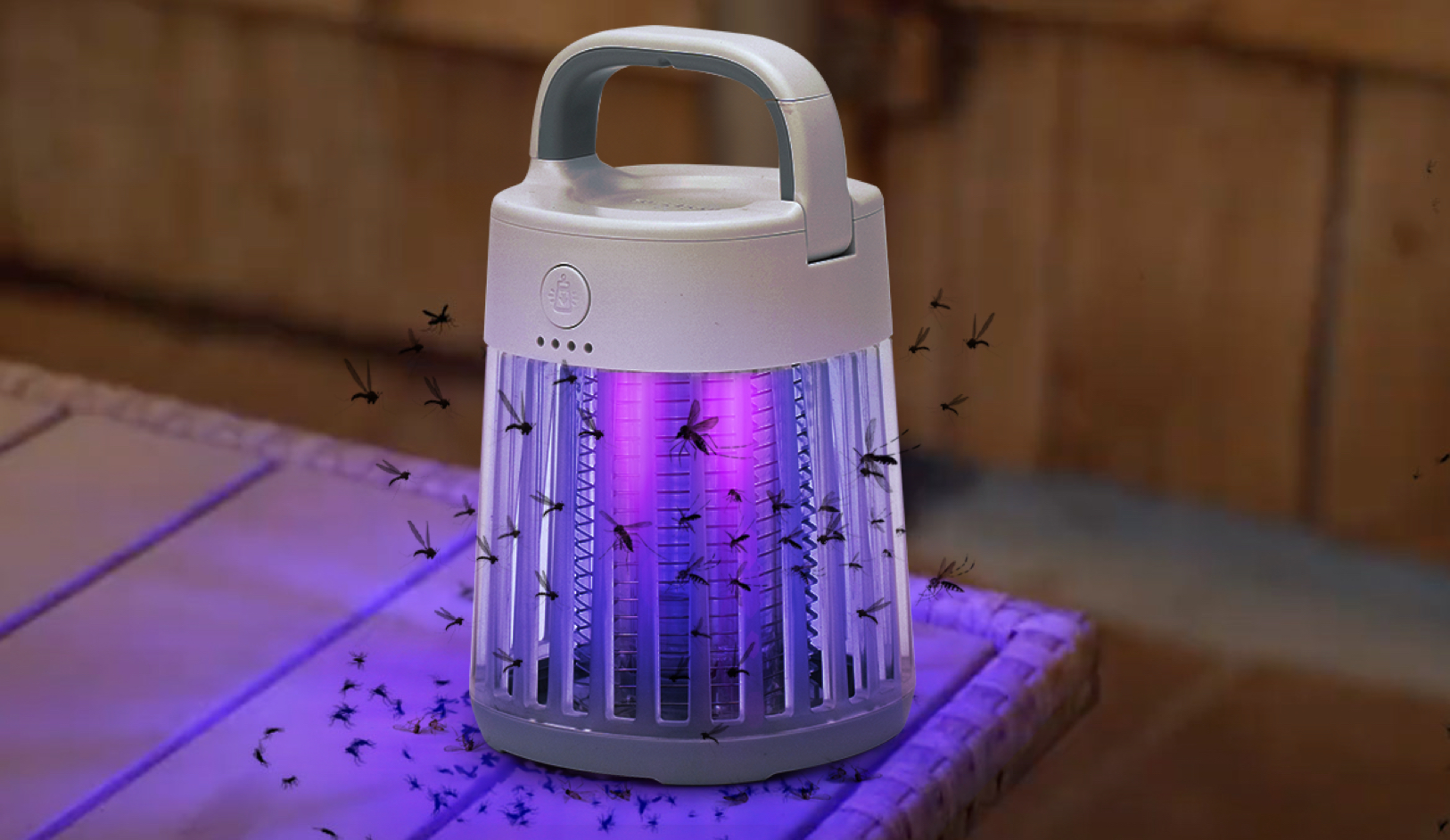
A bug zapper uses light to attract flying insects and an electric grid to kill them. Some flies respond to the light and may enter the device. However, results depend on the fly species, the type of trap, its location, and the number of flies nearby. A device that catches house flies may do little for fruit flies breeding in a kitchen drain or fungus gnats coming from wet houseplant soil.
The most useful approach is to treat a bug zapper as one possible control tool, not a complete pest solution. Indoor ultraviolet light traps with glue boards can help catch certain flies, while outdoor electric zappers have important limitations. Removing breeding sites, covering food, securing garbage, and repairing window screens remain essential parts of fly control.
Source: tiendamia.com
Does A Bug Zapper Actually Kill Flies?
Yes, a bug zapper can kill flies. Its ability to attract and kill them depends on how strongly the target species responds to its light and whether the insect reaches the electric grid. The device does not identify harmful insects. It simply attracts susceptible flying insects and kills those that contact the charged wires.
Most traditional electric zappers use ultraviolet or near-ultraviolet light. Many flying insects respond to certain wavelengths of light, especially in low-light conditions. When an insect flies toward the light and touches the electrical grid, the current kills it.
House flies can respond to light traps, which makes this technology useful in some indoor settings. However, catching individual flies is different from controlling an entire population. If flies keep entering through an open door or breeding near garbage, the zapper may continue catching insects without solving the source of the problem.
Research-based pest management guidance from university extension programs supports using insect light traps as part of a wider fly-control plan. Their usefulness is greatest when the breeding sources and entry points have already been addressed.
Source: empocorp.com
It can kill adult flies
Adult flies that respond to the light and touch the electric grid can be killed. This may reduce the number of flying insects in a suitable location.
It does not kill fly eggs
A zapper cannot reach eggs, larvae, or pupae developing in garbage, drains, animal waste, or other breeding materials.
It does not stop new flies from entering
Flies can continue coming through open doors, damaged screens, and other openings even when the device is operating.
Its results depend on fly behavior
Some flies respond to light more readily than others. A light trap may catch certain house flies but perform poorly against flies that mainly follow food odors or breeding-site odors.
How Does An Electric Bug Zapper Attract Flies?
The process starts with light. A lamp inside the device produces wavelengths that attract certain flying insects. The insects move toward the light source and may enter the area around the electric grid.
The grid contains electrically charged wires. When an insect bridges the gap between charged parts, an electrical current passes through its body and kills it. A collection tray beneath the grid catches many of the remains.
This process works only when an insect responds to the light and makes contact with the grid. A fly that ignores the lamp, stays near a food source, or flies elsewhere will not be affected.
Does The Light Attract Every Type Of Fly?
No. Different flies use different signals to locate food, breeding materials, and shelter. Some respond to light, while others are more strongly guided by odors, moisture, or the presence of suitable breeding materials.
This explains why a bug zapper may catch some flies while others continue to gather around fruit, drains, houseplants, or garbage. Choosing a trap based on the actual fly species is more useful than assuming every flying insect will respond to the same device.
Which Types Of Flies Can A Bug Zapper Kill?
A bug zapper can kill several types of flies, but its performance varies by species and trap design. Larger flies, such as house flies, are among the insects that may be caught by properly placed indoor light traps. Smaller flies may also enter some devices, but a light-based trap is not always the most effective choice for them.
Understanding the type of fly in your home is the first step toward choosing the right control method. A fly hovering around a fruit bowl may have a very different breeding source from one resting near a bathroom drain or flying around a houseplant.
The following table compares common household flies and explains whether an electric light trap is likely to help.
Source: empocorp.com
House Flies
House flies are among the more suitable targets for properly selected insect light traps. They are common around homes, farms, restaurants, garbage areas, and outdoor dining spaces in the United States.
Adult house flies may respond to suitable ultraviolet light and enter an insect light trap. Texas A&M AgriLife Extension identifies light traps as useful for larger flies, including house flies, when they are installed correctly.
However, house flies often gather around food, animal waste, and garbage. Removing those sources is essential because a zapper cannot stop new flies from developing or arriving from outside.
Best approach
Use a suitable indoor light trap away from food areas, while keeping garbage covered and entry points screened.
Fruit Flies
Fruit flies are small insects commonly found around overripe bananas, damaged vegetables, fermented drinks, recycling containers, and damp food waste. Their strong attraction to fermenting materials makes food-based traps more useful than relying on a traditional electric zapper.
A bug zapper may catch an occasional fruit fly, but it will not remove the material where the insects lay eggs. A small amount of decaying fruit or spilled juice can support a continuing infestation.
For fruit flies, remove spoiled produce, clean recycling containers, wash trash cans, and use an appropriate vinegar-based or commercial fruit fly trap. The source must be removed for lasting control.
Best approach
Remove fermenting food, clean damp surfaces, and use a suitable baited trap to catch remaining adults.
Drain Flies
Drain flies are small, fuzzy insects often seen resting near sinks, tubs, showers, and floor drains. They usually develop in the organic film that collects inside wet drains and similar damp locations.
A zapper may kill an adult drain fly if it enters the device, but this does not remove the breeding material. New adults can continue emerging as long as the drain contains a suitable source.
Clean the affected drain with a suitable mechanical method, such as a stiff drain brush, to remove the organic film. Also inspect nearby floor drains, condensate pans, and other damp areas.
Best approach
Find and clean the breeding site instead of relying on a light trap to catch adults.
Fungus Gnats
Fungus gnats are tiny, mosquito-like insects often seen flying around indoor plants. Their larvae develop in moist potting soil and feed on fungi and other organic material.
A light trap may catch some adult fungus gnats, but it will not remove larvae living in the soil. Overwatering can keep the potting mix wet and support continued breeding.
Allow the soil to dry as appropriate for the plant, improve drainage, and avoid watering on a fixed schedule when the soil is still wet. Yellow sticky cards can also help catch and monitor adult fungus gnats.
Best approach
Manage soil moisture and address the breeding conditions in plant pots.
Indoor Vs. Outdoor Bug Zappers For Fly Control
Indoor and outdoor bug zappers serve different purposes. The main difference is not simply their size or electrical power. Their collection methods, placement, and suitability for occupied areas also matter.
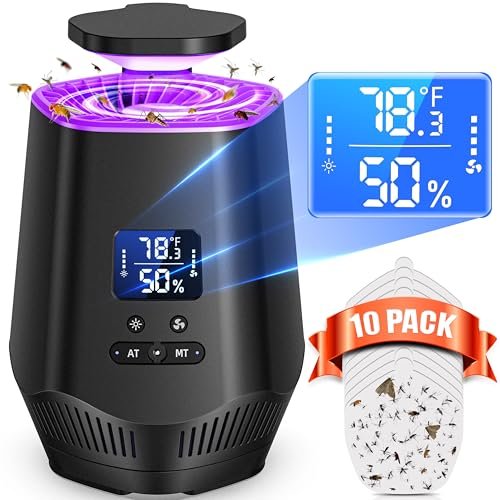
For indoor fly management, an ultraviolet insect light trap with a glue board is often a better option than a high-voltage electric grid. The glue board captures insects without exploding their bodies across nearby surfaces.
Outdoor electric zappers can kill flies that reach their grids, but they also attract and kill other flying insects. Their presence does not guarantee fewer flies around a patio, deck, or backyard dining area.
A useful choice depends on where the flies gather, whether food is nearby, and whether the target insects are actually attracted to the device.
Source: blog.entomologist.net
Indoor UV glue-board trap
Uses light to attract flying insects and captures them on an adhesive board. It is generally more suitable for indoor areas where hygiene matters.
Indoor high-voltage zapper
Kills insects with an electrical grid but can scatter insect fragments. Avoid using this type near kitchens, food preparation areas, or dining spaces.
Outdoor electric zapper
Can kill susceptible flies and other flying insects but may also affect beneficial insects. It should not be treated as a complete outdoor fly-control system.
Handheld electric fly swatter
Can kill an individual adult fly when the user makes contact. It is a direct-control tool rather than a device that attracts and continuously traps insects.
Are Indoor UV Light Traps Effective?
Indoor UV light traps can help reduce adult fly numbers in suitable enclosed spaces. Their performance improves when they are placed where flies are likely to travel and where competing light sources are limited.
Texas A&M AgriLife Extension recommends installing suitable light traps about 4 to 6 feet above the floor. This height corresponds to the typical flying height of house flies.
The same guidance recommends keeping the trap out of sight from the outdoors. Otherwise, its light may attract insects toward the building rather than simply catching flies already inside.
For locations where food is prepared or handled, choose an appropriate glue-board design rather than a high-voltage device that can scatter insect remains.
Placement
For suitable indoor light traps, consider the 4-to-6-foot mounting guidance and keep the light away from direct outdoor visibility.
Maintenance
Inspect and replace adhesive boards as directed. Replace fluorescent UV bulbs according to the manufacturer’s instructions because their UV output can decline with age.
Are Outdoor Bug Zappers Good For Backyards?
Outdoor bug zappers can kill some flies, but their overall value for reducing backyard fly problems is limited. Flies may be more interested in nearby food, animal waste, compost, or garbage than in the light.
An outdoor zapper also does not distinguish between nuisance flies and insects that provide useful ecological functions. Moths, beetles, and other flying insects may be killed as well.
For a patio or backyard, remove food scraps quickly, clean outdoor cooking areas, keep trash containers closed, and remove pet waste. These actions reduce the conditions that attract flies in the first place.
Where Should You Place A Bug Zapper For Flies?
The best location depends on the type of trap and the area where flies are active. A poorly placed device may catch very few insects, even when it is working correctly.
For an indoor UV glue-board trap, choose a suitable location away from competing daylight and outdoor visibility. Mount it at an appropriate height and avoid placing it directly beside food, open drinks, or food preparation surfaces.
For an outdoor device, follow the manufacturer’s instructions for weather protection, clearance, mounting, and electrical safety. Keep it away from areas where people prepare or eat food, and avoid placing it where children or pets can reach the electrical grid.
Do not assume that placing a zapper beside a trash can is always a good idea. The trash may attract more flies than the device can catch, and a zapper near a food-handling area can create an avoidable hygiene problem.
Source: bidfta.com
For indoor rooms
Use a suitable indoor light trap in a location where flies travel, away from food preparation and direct outdoor visibility.
For enclosed commercial areas
Use a suitable glue-board insect light trap as part of a planned pest-management program. Follow applicable food-safety requirements and device instructions.
For outdoor patios
Follow the outdoor installation instructions and keep the device away from dining and food-preparation areas.
For garages and utility spaces
A suitable trap may help monitor or catch flying insects, provided the location and device are appropriate for the environment.
Should You Put A Bug Zapper Near A Kitchen?
A high-voltage bug zapper should not be placed near a kitchen counter, food preparation surface, or dining area. When insects contact the electrical grid, their body parts can be scattered several feet from the device.
This creates a contamination concern, especially where uncovered food, dishes, utensils, and drinks are present. A glue-board insect light trap is a more suitable option when a light-based trap is needed in an indoor food-related setting.
Even then, follow the applicable food-safety rules for the location. A trap should never replace cleaning, covered food storage, waste management, or proper pest exclusion.
Can A Bug Zapper Attract More Flies Into Your Home?
A light trap can attract flying insects from nearby areas. If its light is visible through an open door or window, some insects may move toward the building instead of being caught.
This is why indoor light traps should be positioned so they are not visible from outside. Keep doors and windows screened, and avoid placing a bright trap directly beside an exterior opening.
If you notice more insects around an entry point after installing a device, review its position and check whether the light is visible outdoors.
Why A Bug Zapper May Not Be Working For Flies
A bug zapper that catches very few flies is not always defective. The insects may not be attracted to its light, the device may be poorly positioned, or the fly problem may come from a breeding source that the trap cannot reach.
Start by identifying the insects. If they are tiny flies around fruit, wet drains, or houseplants, a different trap or source-control method may work better.
Next, inspect the device. Check whether it has power, whether its lamp operates, whether the collection system is full, and whether the electrical grid is clean. Always disconnect the device from power before cleaning or inspecting internal parts.
Finally, examine the surrounding area. A continuing source of food waste, moisture, animal waste, or open entry points can overwhelm a trap. Correcting these conditions often makes a bigger difference than buying a more powerful zapper.
Source: storage.googleapis.com
Wrong fly species
The target insects may respond more strongly to food odors or moisture than to UV light. Identify the fly and select a suitable control method.
Poor placement
Competing daylight, nearby outdoor visibility, or an unsuitable mounting position may reduce the number of insects entering the trap.
Dirty collection area
Insect remains and dust may build up inside the device. Clean it according to the manufacturer’s instructions.
A worn lamp
Some fluorescent UV bulbs lose useful UV output as they age, even when they still appear to produce visible light.
An ongoing breeding source
Wet garbage, decaying food, dirty drains, or moist potting soil can continue producing new flies.
A damaged device
A faulty power cord, damaged housing, broken switch, or failed electrical component may prevent safe operation.
How To Check Whether Your Bug Zapper Is Working
You can check basic operation without touching the electrical grid. Begin by reading the manufacturer’s instructions and inspecting the device from the outside.
Look for a working indicator, a functioning lamp, and an unobstructed collection area. Some models make a sound when an insect contacts the grid, but the absence of that sound does not prove that the unit is faulty.
Do not touch the grid to test it, insert tools into the device, or attempt to create an electrical spark. If the device has damaged wiring, a cracked housing, or unusual electrical behavior, stop using it and arrange an appropriate repair or replacement.
Check the power supply
Confirm that the outlet and power connection are working as instructed by the manufacturer.
Inspect the lamp
Look for visible lamp operation and check the replacement schedule for the exact model.
Inspect the collection area
Look for excessive dust or insect buildup without touching electrical parts.
Review the location
Make sure the device is suitable for the room and is positioned according to its instructions.
How Long Does It Take To See Results?
There is no reliable universal time for a bug zapper to control flies. Results depend on the insect population, species, room layout, light conditions, and device design.
You may see individual insects caught soon after installation, but that does not prove the whole population is declining. Monitor the number of flies remaining in the room rather than judging success only by the number collected.
If fly activity remains high, investigate breeding sources and entry points. Continuing to collect insects without reducing the number of flies around the area is a sign that the wider control plan needs attention.
Better Ways To Control Flies Alongside A Bug Zapper
The most reliable way to manage flies is to remove the conditions that allow them to enter, feed, and reproduce. A zapper can catch some adults, but sanitation and exclusion address the cause of the problem.
Most household fly problems become easier to manage when you combine several simple actions. Start with the area where the insects gather, identify what attracts them, and remove that source.
For a home in the United States, this may mean keeping kitchen waste covered, cleaning outdoor grill areas after use, picking up pet waste, repairing window screens, and checking damp spaces around sinks and plants.
Different fly species need different solutions. Avoid using a fruit fly trap for a drain fly problem or relying on a UV device to control fungus gnats breeding in wet soil.
Source: empocorp.com
Remove food sources
Store ripe fruit appropriately, clean spills, rinse recyclable containers, and keep food covered.
Improve garbage management
Use containers with tight-fitting lids, clean residue from the inside, and remove waste regularly.
Repair screens
Fix damaged window and door screens and seal gaps around entry points.
Remove breeding materials
Clear decaying organic matter, pet waste, and other damp materials where flies may reproduce.
Choose species-specific traps
Use suitable food-based traps, sticky cards, or indoor insect light traps according to the fly type.
Use Baited Traps For Fruit Flies
Fruit flies respond strongly to fermenting food odors. A small trap containing apple cider vinegar or another suitable attractant can capture adults and help monitor their activity.
A simple homemade method uses a small container with apple cider vinegar and a few drops of dish soap. The soap reduces the surface tension of the liquid, making it harder for flies that land on it to escape.
Place the trap near the affected area, but keep it away from food preparation surfaces. Replace the bait as needed and remove the material where the flies are breeding.
Clean Drains To Control Drain Flies
Drain flies often reproduce in the organic film inside drains. Pouring a household cleaner into the drain may not remove all of this material.
Use a suitable drain brush to scrub the inside surfaces and remove the buildup. Clean nearby drain openings and inspect areas where water collects.
If the insects keep returning, check for hidden moisture, plumbing leaks, or inaccessible breeding sites. Persistent drain fly activity may require a qualified plumbing or pest-control professional.
Control Fungus Gnats In Houseplants
Fungus gnats often appear when indoor plant soil remains wet for long periods. Their larvae develop in the moist growing medium, so catching adults alone will not solve the problem.
Allow the upper soil to dry when suitable for the plant, avoid excess watering, and check that pots have working drainage holes. Yellow sticky cards can help monitor adult activity.
If the problem continues, inspect the potting medium and consider replacing heavily affected soil when appropriate for the plant. Do not let the plant dry beyond what its species can tolerate.
Keep Outdoor Areas Less Attractive To Flies
Outdoor fly control begins with regular cleanup. Remove fallen fruit, pet waste, food scraps, and decaying materials that may provide food or breeding sites.
Keep barbecue areas clean after cooking and avoid leaving uncovered food or drinks outside. Clean garbage containers when residue builds up and keep lids closed.
For some outdoor house fly problems, properly selected baited traps can help reduce adult numbers. Place odor-based traps away from occupied areas and follow the product instructions.
Frequently Asked Questions
Q
Do Bug Zappers Work Better At Night For Flies?
Many UV insect traps work more effectively when competing light is limited. At night, their light may be easier for susceptible insects to detect than during bright daylight.
However, darkness does not guarantee that every fly will approach the device. Species, placement, food sources, and trap design still influence the results.
Q
Will A Bug Zapper Kill Fruit Flies?
Yes, a bug zapper may kill individual fruit flies that approach its light and contact the grid. However, traditional electric zappers are not usually the best primary solution for a fruit fly infestation.
Fruit flies are strongly attracted to fermenting fruit and other organic materials. Remove overripe produce, clean food residue, rinse recycling containers, and use a suitable baited trap to capture remaining adults.
Q
Can A Bug Zapper Kill House Flies?
Yes. House flies can be attracted to suitable insect light traps and may be killed by an electric grid or captured on a glue board.
Indoor light traps can help reduce adult house flies in appropriate locations. However, sanitation, waste management, and window and door screens are still needed to prevent new flies from entering or developing nearby.
Q
Are Bug Zappers Safe To Use Inside The House?
Safety depends on the device type and its location. High-voltage electric zappers can scatter insect fragments, so they should not be used near food preparation or eating areas.
Indoor UV glue-board traps are generally more appropriate for many indoor settings because they capture insects on an adhesive surface. Follow the manufacturer’s instructions, keep devices away from children and pets, and inspect electrical cords and housings regularly.
Q
Do Bug Zappers Attract Beneficial Insects?
Yes. Traditional outdoor electric zappers are not selective. They can attract and kill moths, beetles, and other flying insects in addition to nuisance insects.
This is one reason to avoid relying on outdoor zappers as the main method of fly control. Removing breeding materials and using targeted traps can reduce unnecessary insect deaths.
Q
Why Are Flies Still Around My Bug Zapper?
Flies may continue to appear because they are not strongly attracted to the device, the trap is poorly positioned, or a nearby breeding source keeps producing new adults.
Check the lamp, power connection, collection area, and placement. Then inspect garbage, drains, spoiled food, pet waste, and other possible breeding sites. Use a trap suited to the actual fly species.
Q
Should I Leave A Bug Zapper On All Night?
Some insect light traps are designed for extended operation, but you should follow the operating instructions for your exact model. Check its electrical rating, intended environment, and any restrictions on unattended use.
Do not leave a damaged device running or use an indoor-only product outdoors. Keep it away from water, flammable materials, and places where children or pets can touch it.
Q
What Is Better Than A Bug Zapper For Flies?
The better option depends on the fly species. Baited traps can be useful for fruit flies and some larger nuisance flies, while drain cleaning addresses drain flies and soil moisture control helps manage fungus gnats.
For a few house flies, a fly swatter or suitable sticky fly paper may be enough. For ongoing problems, sanitation and exclusion are more important than relying on any single trap.
✦ Wrapping Up
Conclusion
So, does a bug zapper work for flies? Yes, it can kill flies that respond to its light and reach its electric grid. House flies and certain other flying insects may be caught by suitable insect light traps, but results vary with the species, location, and device design.
For indoor use, a UV glue-board trap is generally a more suitable option than a high-voltage zapper, especially where food is prepared or handled. Outdoor zappers have additional limitations because they can kill beneficial insects and may not provide meaningful control of a larger fly problem.
The most effective long-term approach is to identify the fly, remove its breeding source, secure food and garbage, repair screens, and use the right trap for the remaining adult insects. A zapper can support that plan, but it should never replace good sanitation and prevention.
💡 Key Takeaway
First identify the type of fly in your home or yard. Remove its breeding source, secure garbage and food, and repair entry points. If a light trap is appropriate, choose a suitable model, place it away from food areas and outdoor visibility, and monitor whether the number of flies actually decreases.
Does TERRO ant killer work? Learn how TERRO liquid ant bait works, how long it takes, which ants it targets, common mistakes, safety tips, and when to call a pest pro.