Yes, an electric bug zapper can kill fruit flies if they enter its electrified grid, but it is usually not the best way to control a fruit fly infestation.
In American homes, fruit flies often appear around kitchen counters, fresh produce, trash cans, recycling bins, and kitchen sinks. They are especially common during warm months and when ripe fruits or vegetables sit out for too long. A few tiny flies near a banana bowl can quickly become a frustrating household problem.
A bug zapper may kill some adult fruit flies, but that does not mean it will remove the source of the problem. Most standard electric zappers use light to attract flying insects. Fruit flies, however, are strongly drawn to fermenting fruit, sugary liquids, and damp organic waste. These food sources can be more attractive than a UV light.
The better approach is to remove the material where fruit flies breed, clean likely hiding places, and use a fruit fly trap to catch adults that remain. An electric zapper can play a limited supporting role, but it should not replace proper kitchen cleaning and targeted trapping.
Source: i5.walmartimages.com
Can a Bug Zapper Actually Kill Fruit Flies?
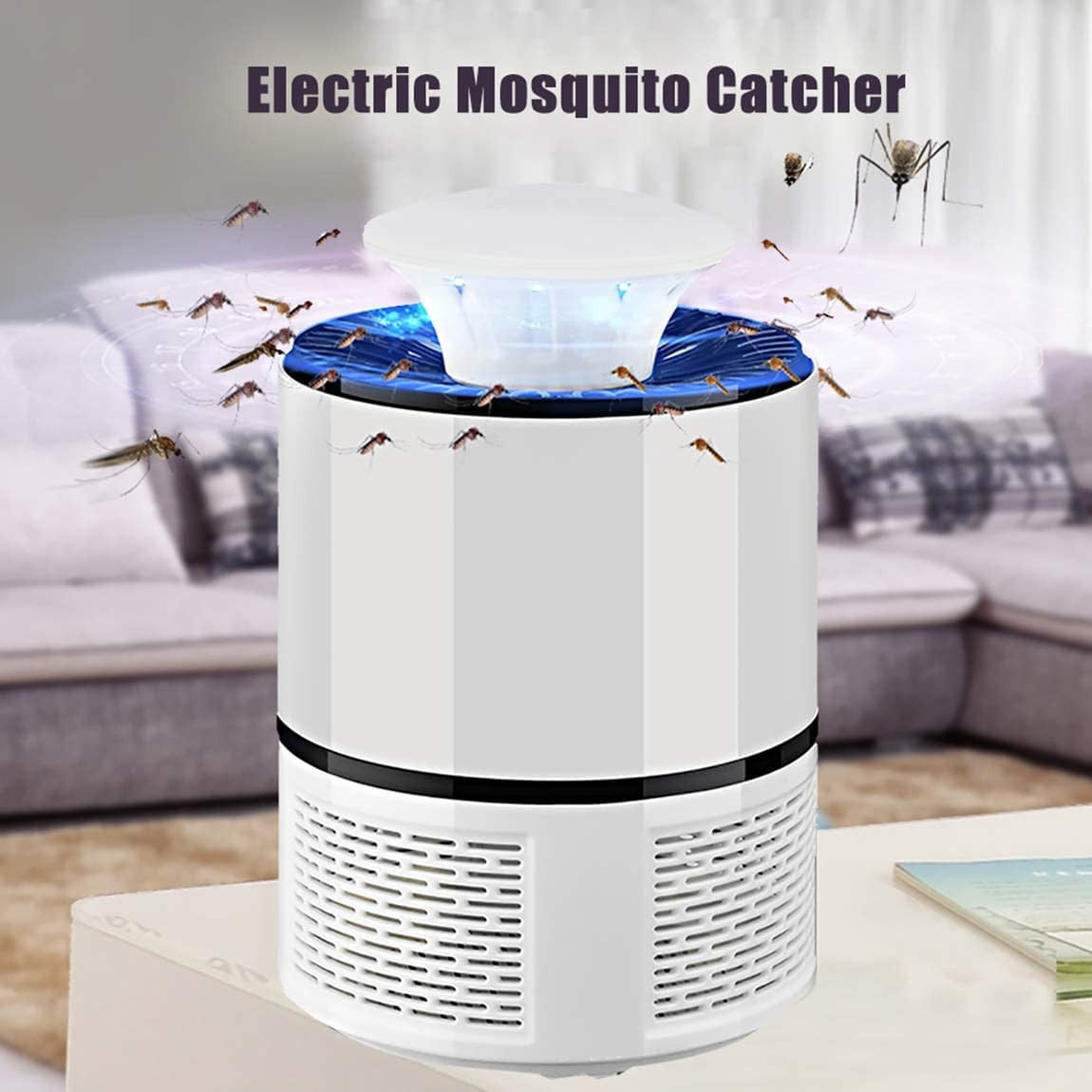
Yes, a bug zapper can kill a fruit fly through direct contact with its electric grid. When a flying insect enters the space between the energized metal bars, the electrical current can kill it. The problem is getting the fruit fly to approach the device in the first place.
Most traditional bug zappers use ultraviolet or other insect-attracting light to draw flying insects toward the grid. They are commonly used outdoors to control certain flying pests. Fruit flies behave differently from many larger insects because they spend much of their time searching for fermenting food and places to lay eggs.
A fruit fly may fly past a zapper without approaching it. Another may land on nearby fruit or hover around a recycling container instead. Therefore, a working electrical grid does not guarantee that the device will catch many fruit flies.
The distinction is simple: a zapper can kill a fruit fly that reaches it, but it does not necessarily attract fruit flies effectively. This is why a device can make occasional popping sounds without solving the problem in your kitchen.
Source: m.media-amazon.com
It can kill adult fruit flies
An adult fruit fly that contacts a properly functioning electric grid can be electrocuted.
Attraction is the main limitation
Fruit flies often respond more strongly to fermenting food and sugary liquids than to the light from a standard bug zapper.
It does not remove eggs or larvae
The electrical grid only affects insects that reach it. Eggs and larvae inside spoiled food, damp waste, or other breeding material remain untouched.
Why Killing Adult Flies Is Not Enough
Fruit flies have a short life cycle. Under favorable conditions, they can develop from eggs into adults in roughly eight to ten days. Females lay eggs on or near fermenting material that provides food for developing larvae.
This means a kitchen can continue producing new fruit flies even when an electric trap kills some adults every day. Think of the breeding site as a leaking faucet. Catching the drops does not stop the leak.
Eggs
Eggs may be present on moist, fermenting food or other suitable breeding material.
Larvae
Young fruit flies feed on microorganisms and decaying material.
Adults
Adult flies leave the breeding site, search for food, and reproduce.
Why Standard Bug Zappers Often Fail Against Fruit Flies
A standard bug zapper often fails to control fruit flies because its main attraction method does not match their strongest feeding and breeding preferences. Fruit flies are commonly associated with fermentation, ripe produce, and damp organic material.
For example, imagine placing a UV bug zapper beside a kitchen counter with a bowl of overripe bananas. The fruit provides an attractive food source and a possible breeding location. The zapper may attract a few insects, but many fruit flies will continue visiting the bananas.
Another issue is insect size. Common household fruit flies are tiny, often around one-eighth of an inch or smaller. Their small size and flight behavior can make them difficult to intercept with devices designed around larger flying insects.
Placement also matters. A zapper positioned across the room from the main fruit fly activity may have little effect. Even a well-positioned unit cannot solve an infestation if breeding material remains available.
Source: m.media-amazon.com
Wrong attraction method
A UV light does not provide the same food cues as ripe fruit, vinegar, wine, or fermenting juice.
Small insect size
Tiny fruit flies may not approach or enter every type of insect trap effectively.
Competing food sources
Open fruit, dirty recycling containers, and food spills can draw fruit flies away from the zapper.
Limited coverage
A zapper only affects insects that enter its effective attraction area and contact the grid.
Are Fruit Flies Attracted to UV Light?
Fruit flies can respond to visual light cues, but that does not mean every fruit fly will be attracted to a household UV zapper. Their behavior depends on several factors, including the species, light conditions, available food, and the surrounding environment.
A fruit fly trap that uses a suitable food-based lure is often more targeted. Some commercial traps combine an attractant with a sticky surface or enclosed collection area. These designs can capture adults without depending entirely on UV light.
UV attraction varies
Different insects respond to different light wavelengths and environmental conditions.
Food odors matter
Fermenting fruit and sugary liquids provide strong cues that help fruit flies locate food and breeding sites.
Bug Zapper vs. Fruit Fly Trap: Which Works Better?
A purpose-made fruit fly trap is generally a better choice than a standard electric bug zapper for a kitchen infestation. It targets the insects with food-based attractants instead of relying mainly on light.
An electric zapper is designed to kill insects that reach its grid. A baited fruit fly trap uses a different approach. It draws adult flies toward a suitable lure and keeps them inside a container or on a sticky surface.
Neither trap removes eggs or larvae from the breeding material. That is why cleaning remains essential. However, a baited trap can help reduce the number of adult fruit flies while you remove the source.
Source: m.media-amazon.com
Electric bug zapper
Can kill adult flies that contact the grid, but attraction may be weak for fruit flies. It also requires electrical power and careful placement.
Apple cider vinegar trap
Uses a fermenting-food scent to attract adult fruit flies. It is inexpensive and easy to make at home.
Commercial fruit fly trap
Often uses a food-based lure with a sticky or enclosed collection system. Follow the product instructions for placement and replacement.
Sticky insect trap
Can catch small flying insects that land on its adhesive surface. It is useful for monitoring activity, although it does not remove breeding sites.
Simple Comparison of Common Fruit Fly Control Methods
The following table compares common methods by their main purpose. Actual results depend on the number of flies, the location of the breeding source, and how consistently the control method is used.
Bug zapper: Adult killing
May kill individual fruit flies that reach the electrical grid. Usually a weak primary control method for kitchen infestations.
Vinegar trap: Adult capture
Uses a food-based scent to attract and capture adult fruit flies. A practical household option.
Sticky trap: Adult monitoring
Captures insects that land on the adhesive. Helps show where flying activity is concentrated.
Sanitation: Source removal
Removes food and moisture that support breeding. This is the most important step for lasting control.
Which Method Should You Choose?
For a small number of fruit flies around a kitchen, start with sanitation and a vinegar or commercial fruit fly trap. If you already own a bug zapper, it may catch occasional adults, but do not rely on it as your main solution.
For a recurring problem, inspect the entire area for hidden breeding sites. If the flies keep returning, the issue is more likely to involve an untreated source than a lack of killing power.
A few flies
Remove ripe or damaged produce, clean the counter, and set a baited trap.
Look for hidden breeding material and consider whether the insects have been identified correctly.
How to Get Rid of Fruit Flies Without a Bug Zapper
The most effective way to get rid of fruit flies is to remove their breeding material and capture the remaining adults. This approach addresses both the current insects and the conditions that allow new ones to appear.
You do not need expensive equipment to begin. A clean kitchen, a suitable trap, and a careful search for hidden food waste can make a major difference.
Source: m.media-amazon.com
Step 1: Remove Overripe and Damaged Produce
Check your kitchen counter, pantry, fruit bowl, and refrigerator. Remove fruit and vegetables that are spoiled, leaking, or badly damaged. Store ripe produce in the refrigerator when appropriate.
Pay special attention to bananas, tomatoes, potatoes, onions, and other produce that may decay unnoticed. Even a small piece of forgotten fruit can support fruit fly development.
Inspect fruit bowls
Remove damaged bananas, apples, pears, and other ripe produce.
Check pantry storage
Look for spoiled onions, potatoes, and vegetables stored in dark corners.
Clean food residue
Wipe away fruit juice, syrup, wine, and other sugary spills.
Step 2: Clean Trash and Recycling Containers
Fruit flies often gather around trash cans because food scraps and wet organic waste provide suitable conditions for breeding. Empty kitchen trash regularly and wash the inside of the container with soap and water.
Rinse empty soda cans, juice bottles, wine bottles, and food containers before placing them in recycling. Sticky residue can attract fruit flies even when the container appears empty.
Allow bins to dry before putting in a fresh liner. A damp container with food residue can continue attracting insects.
Empty the trash
Remove food waste before it sits for long periods.
Wash the bin
Clean the bottom and sides where spilled liquids and food particles collect.
Rinse recyclables
Remove sugary and fermented liquid residue before storage.
Step 3: Make an Apple Cider Vinegar Trap
An apple cider vinegar trap is a simple way to catch adult fruit flies. The vinegar gives off a fermenting odor that can attract them. A small amount of dish soap helps reduce the surface tension so flies that enter the liquid are less likely to escape.
Place the trap near the area where you see fruit flies, but keep it away from exposed food and food preparation surfaces. Replace the mixture when it becomes dirty or loses its appeal.
Get a small glass or jar
Choose a clean container with enough room for a small amount of liquid.
Add apple cider vinegar
Pour a small amount into the bottom of the container.
Add dish soap
Use one small drop to help trap flies in the liquid.
Cover the opening
Use plastic wrap secured with a rubber band and make a few small entry holes, or use another suitable funnel-style design.
Check the trap
Inspect it regularly and replace the mixture when needed.
Step 4: Inspect Kitchen Drains and Hidden Areas
If fruit flies remain after cleaning visible surfaces, inspect places where wet organic material can collect. Kitchen drains, garbage disposals, refrigerator drip areas, and spaces under appliances are common places to check.
Fruit flies and other small flies can develop in moist organic material. Clean drain openings and the inside surfaces where food residue collects. A stiff brush can help remove buildup that ordinary rinsing may leave behind.
Do not assume every tiny fly near a sink is a fruit fly. Drain flies and phorid flies can also appear in kitchens. Correct identification helps you find the right breeding source.
Kitchen sink
Remove food particles and clean around the drain opening.
Garbage disposal
Clean accessible surfaces and remove trapped organic residue according to the appliance instructions.
Under appliances
Look for forgotten food scraps, spills, and moisture.
Cleaning equipment
Wash dirty mop heads and cloths, then allow them to dry fully.
Step 5: Monitor the Results
After cleaning and setting traps, check the number of adult fruit flies each day. A falling number of captured flies is a useful sign that the control plan is working.
Do not judge success only by how many flies disappear immediately. Existing adults may remain for a short time, and hidden breeding material can continue producing new insects until it is removed.
If activity remains high, repeat the inspection. Look for a forgotten food source or a drain that was not cleaned properly.
Good sign
Fewer flies appear around fruit, sinks, and trash containers.
Warning sign
New adults continue appearing even after visible food waste has been removed.
Next action
Inspect hidden areas again and consider professional pest identification if the source remains unclear.
Can You Use a Bug Zapper Safely in a Kitchen?
A bug zapper should be used with care in a kitchen because food preparation areas need protection from insect debris and other contamination. An electric grid can break insects apart when they make contact with it.
This is an important difference between a standard electric zapper and an enclosed or adhesive-based insect light trap. Some professional indoor insect traps use a UV light and a sticky board to catch insects without electrocuting them.
For food preparation areas, avoid placing an open-grid zapper above counters, food storage, dishes, or cooking equipment. Follow the manufacturer’s instructions and any applicable food safety requirements.
Source: m.media-amazon.com
Keep it away from exposed food
Do not position an electric zapper where insect fragments could fall onto food or food contact surfaces.
Follow electrical safety instructions
Keep the device away from water, wet sinks, and areas where it could be splashed.
Protect children and pets
Use guards and placement restrictions specified by the manufacturer. Keep electrical insect traps out of reach.
Clean the collection area
Disconnect the unit as instructed before cleaning it. Never touch the electrical grid while the device is powered.
Choose a suitable indoor trap
For kitchens and food service areas, an appropriate enclosed or adhesive-based insect trap may be preferable to an exposed electric grid.
Are Glue-Based UV Traps Better for Kitchens?
Glue-based UV traps can be a more suitable option in some indoor food areas because they capture insects on an adhesive board instead of electrocuting them. This can reduce the risk of insect fragments scattering around nearby surfaces.
However, a UV glue trap is not automatically a reliable fruit fly solution. Its effectiveness still depends on insect attraction, placement, maintenance, and the presence of competing food sources.
For a fruit fly problem, a food-based trap placed near the activity is often more directly targeted. Always follow workplace food safety rules if you are managing a restaurant, commercial kitchen, or food preparation facility.
Adhesive collection
Insects remain attached to a replaceable sticky board.
Regular maintenance
Replace adhesive boards and inspect the device according to the manufacturer’s schedule.
Correct placement
Keep the trap away from exposed food and follow the required placement rules for the facility.
How to Tell Fruit Flies Apart From Other Small Flying Insects
Correct identification matters because not every tiny fly in a kitchen is a fruit fly. Fungus gnats, drain flies, and phorid flies can look similar from a distance, but they have different breeding habits.
Fruit flies are commonly tan or brown and may have red eyes. They often hover near ripe fruit, sugary spills, and fermenting liquids. Their presence usually points toward a food-related breeding source.
Drain flies tend to have fuzzy bodies and broad, moth-like wings. They are often seen resting near sinks, showers, or drains. Fungus gnats are usually slender, dark insects found around moist potting soil.
Source: s.yimg.com
Fruit flies
Often tan or brown, with a small, stout body. Look around ripe produce, wine, juice, and fermenting food.
Drain flies
Often fuzzy and moth-like, with broad wings. Look around drains and moist organic buildup.
Fungus gnats
Usually slender, dark, and mosquito-like. Look around damp potting soil and houseplants.
Phorid flies
Often have a small, humpbacked appearance and may run across surfaces before flying. They can breed in wet decaying organic matter.
Why Identification Changes Your Control Plan
A vinegar trap may catch fruit flies, but it will not solve a fungus gnat problem caused by constantly wet plant soil. Likewise, a clean fruit bowl will not remove drain flies breeding in organic buildup inside plumbing.
If the insects do not respond to a fruit fly trap, examine where they gather and how they move. Their location can provide useful clues about the breeding site.
Persistent phorid fly activity can sometimes point to a deeper moisture or plumbing issue. If cleaning ordinary surfaces does not help, a qualified pest professional or plumber may need to inspect the area.
Near fruit
Inspect produce, juice spills, trash, and recycling containers.
Near drains
Check drain walls, garbage disposals, and wet organic buildup.
Near houseplants
Check whether the soil stays too wet and whether fungus gnats are present.
Common Mistakes When Using Bug Zappers for Fruit Flies
Many people expect a bug zapper to remove every flying insect in a room. That expectation can lead to wasted effort when the real issue is a hidden breeding site.
A zapper is a killing device, not a complete pest management plan. Using one without cleaning and source removal can leave the conditions for a new generation of fruit flies unchanged.
Source: m.media-amazon.com
Relying only on UV light
A light source may not compete with the odor of fermenting fruit or sugary food residue.
Leaving fruit uncovered
Overripe produce can continue attracting adult flies and supporting egg development.
Ignoring the trash can
Wet food scraps and sticky residue can remain inside the bin even after the trash bag is removed.
Forgetting the recycling area
Unrinsed cans and bottles may contain enough sugary liquid to attract fruit flies.
Placing a zapper near food
An exposed electric grid can scatter insect debris, creating an avoidable food hygiene concern.
Misidentifying the insect
Drain flies and fungus gnats need different control methods, so the wrong trap may produce poor results.
Expecting instant results
Removing a breeding source and reducing the adult population can take continued cleaning and monitoring.
What If the Bug Zapper Is Not Catching Any Fruit Flies?
First, check whether the device is working according to its instructions. Look for a functioning power supply, an intact bulb if applicable, and a clean collection area. Disconnect the unit before inspecting or cleaning it.
Next, consider whether fruit flies are actually attracted to that model. A standard UV zapper may catch other flying insects while leaving fruit flies around your food and sink.
If the device works but captures very few fruit flies, switch to a baited fruit fly trap and focus on sanitation. Do not keep moving the zapper around the kitchen in the hope that it will eventually solve the infestation.
Check the power
Confirm that the device is connected and operating as directed by its manufacturer.
Inspect the collection area
Remove debris only after disconnecting the device and following its cleaning instructions.
Use a targeted trap
Try an apple cider vinegar trap or a commercial fruit fly trap.
Find the breeding source
Inspect fruit, trash, drains, and damp organic material.
How Long Does It Take to Get Rid of Fruit Flies?
The time needed to control fruit flies depends on how quickly you remove the breeding source and how many adults are already present. A small problem may improve within several days after cleaning and trapping, but a larger infestation can take longer.
Fruit flies can complete their life cycle in roughly eight to ten days under favorable conditions. This short cycle explains why a small amount of overlooked food waste can lead to a repeated problem.
A useful plan is to clean thoroughly on the first day, keep traps in place, and inspect the kitchen daily. Continue checking for new adults rather than assuming that a few quiet hours mean the infestation is gone.
Source: m.media-amazon.com
First day
Remove spoiled produce, wash trash containers, clean spills, and set suitable traps.
Following days
Check traps, clean food preparation areas, and inspect possible breeding sites.
After one week
Review whether the number of adult flies has fallen and look for any continuing source.
If the problem continues
Recheck drains, hidden food waste, and other moisture sources. Seek help if the breeding site cannot be identified.
Signs That Your Fruit Fly Problem Is Improving
The strongest sign of progress is a steady reduction in the number of adult flies. You should see fewer insects around the fruit bowl, sink, trash can, and other areas where they previously gathered.
A second sign is that traps capture fewer new flies over time. However, a single empty trap does not prove that the entire infestation has ended.
Fewer flying adults
You see fewer fruit flies during normal kitchen activity.
Clean food storage
No spoiled produce, sticky spills, or uncovered food waste remain.
Reduced trap activity
The number of newly captured flies declines.
No recurring clusters
Fruit flies no longer gather around the same sink, bin, or counter.
Frequently Asked Questions
Q
Will a bug zapper kill fruit flies instantly?
A bug zapper can kill a fruit fly almost immediately when the insect contacts its energized grid. However, it cannot kill fruit flies that remain around food or breeding sites. Its overall effectiveness depends on whether the insects approach the device.
Q
Are fruit flies attracted to regular bug zappers?
Some fruit flies may respond to light, but standard bug zappers do not always attract them effectively. Fruit flies are strongly associated with fermenting fruit, sugary liquids, and decaying organic material. A food-based fruit fly trap is usually a more targeted option.
Q
Can I leave a bug zapper on overnight to kill fruit flies?
You may operate a suitable indoor zapper overnight if its manufacturer permits continuous operation and the device is placed safely. Keep it away from water, exposed food, and food preparation surfaces. Leaving it on does not guarantee effective fruit fly control, especially if a breeding source remains.
Q
Do indoor UV bug zappers work better than outdoor bug zappers for fruit flies?
An indoor model may offer more suitable placement for a household setting, but indoor use alone does not make it effective against fruit flies. The attraction method, collection design, insect behavior, and location all matter. A dedicated fruit fly trap is generally a better choice for a kitchen infestation.
Q
What is the best homemade trap for fruit flies?
A small jar containing apple cider vinegar and a drop of dish soap is a common homemade option. Cover the opening with plastic wrap, secure it with a rubber band, and make a few small entry holes. Place it near fruit fly activity and replace the mixture when it becomes dirty.
Q
Why do fruit flies keep coming back after using a bug zapper?
Fruit flies often return because their eggs and larvae remain in the breeding material. A zapper only affects adults that reach its grid. Spoiled produce, dirty trash cans, damp cloths, recycling containers, and organic buildup in drains can continue producing new flies.
Q
Can a bug zapper kill fruit fly eggs and larvae?
No. An electric bug zapper is designed to kill flying insects that contact its grid. It cannot reach eggs or larvae inside fruit, vegetables, wet organic waste, or drain buildup. Removing and cleaning these breeding sites is necessary to stop new adults from emerging.
Q
Should I use a bug zapper near my kitchen fruit bowl?
No. Avoid placing an exposed electric-grid zapper near exposed produce or food preparation surfaces. Insects can break apart when they contact the grid, creating a contamination concern. Use a properly placed fruit fly trap instead and store ripe produce safely.
✦ Wrapping Up
Conclusion
So, will a bug zapper kill fruit flies? Yes, it can kill adult fruit flies that make contact with its electrical grid. However, a standard bug zapper is not usually the most effective way to control a fruit fly infestation because these tiny insects are strongly attracted to fermenting food and suitable breeding material.
For better results, remove spoiled fruit, clean kitchen surfaces, wash trash and recycling containers, and inspect drains and damp areas. Use an apple cider vinegar trap or a commercial fruit fly trap to catch the adults that remain. These steps address the problem more directly than relying on UV light alone.
A bug zapper may provide limited additional insect control, but it should not be your main fruit fly solution. If the flies keep returning, search for an overlooked breeding site or get help identifying the insects. The goal is not simply to kill the flies you see. It is to remove the conditions that allow new ones to appear.
💡 Key Takeaway
Start by removing overripe fruit and cleaning your trash can and kitchen drains. Then place an apple cider vinegar trap near the area where fruit flies gather and monitor the results over the next several days.
You see a black ant the size of a pencil tip crawling along your baseboard at 2 a.m. You grab the Terro from the garage shelf, set it on the counter, and wait.…