A bug zapper attracts certain flying insects with ultraviolet light, then kills them when they touch an electrically charged metal grid.
On a warm summer evening in the United States, flying insects can gather around a porch light, patio, or backyard gathering. A bug zapper offers a simple way to kill some of these insects without spraying insecticide into the air. It uses light to attract insects and electricity to kill them.
The process has two main parts. First, a special lamp draws light-sensitive insects toward the device. Next, the insects touch a high-voltage electrical grid and receive a shock that causes rapid injury or death. A collection tray or surrounding area catches the remains.
However, a bug zapper does not attract every insect in the same way. Many moths, flies, and other night-flying insects respond to its light, while mosquitoes are often less attracted to ordinary UV lamps. Understanding this difference helps explain what a zapper can do and where its limits begin.
How Does A Bug Zapper Work To Kill Insects?
A bug zapper works by combining light attraction with electrical contact. It does not chase insects or spray them with chemicals. Instead, it creates a light source that draws certain flying insects close to an energized metal grid.
When an insect flies toward the lamp, it must pass through or near the grid. If its body touches two sections with different electrical charges, it creates a path for current to flow. The resulting electrical discharge causes serious damage and usually kills the insect very quickly.
Think of the device as a small electric trap. The light acts like a signal, while the grid acts as the killing mechanism. Both parts must work properly for the device to catch and kill insects.
Most traditional models run from a household electrical outlet. Some smaller models use rechargeable batteries or other power sources. Regardless of the power source, the basic process remains similar: attract, make contact, and deliver an electric shock.
Attraction
The lamp produces light that certain flying insects can see and respond to.
Contact
The insect flies close enough to touch two electrically separated sections of the grid.
Electrocution
The electrical discharge passes through the insect and causes fatal injury.
Collection
Dead insects fall into a removable tray or onto the surface below the device.
Why Does The Insect Fly Toward The Light?
Many flying insects use natural light sources to guide their movement. The moon and other distant sources can help them maintain a direction during flight. Artificial lights can interfere with this behavior and draw some insects toward them.
A bug zapper uses this response to bring insects close to its electrical grid. Its lamp often produces ultraviolet-A or near-ultraviolet light. Some insects respond strongly to these wavelengths, even when the light looks faint or purple to human eyes.
Not every insect responds to the same light. Attraction depends on the species, its visual system, its activity period, and the surrounding light. This is why a zapper may collect many moths but very few mosquitoes on the same night.
What Happens When An Insect Touches The Grid?
The electrical grid contains separate conductive sections with a voltage difference between them. When an insect touches the right combination of sections, its body can complete an electrical circuit.
Electric current then passes through the insect. The sudden discharge can damage cells, muscles, nerves, and other tissues. The insect loses its ability to function and usually dies almost immediately.
The exact electrical effect depends on the device design, voltage, current, grid spacing, and insect size. A larger insect may create a different contact path from a tiny gnat, but both can be killed if they complete the circuit.
What Are The Main Parts Of A Bug Zapper?
A traditional electric bug zapper has several parts that work together. Each part has a specific job, from attracting insects to delivering the electrical shock and collecting dead insects.
The outside housing protects the internal parts and helps prevent accidental contact with the energized grid. A protective outer cage may also surround the electrical sections. Inside, the lamp and transformer provide the main attraction and killing functions.
Knowing these parts makes it easier to understand why a device may stop working. For example, a working lamp does not always mean the electrical grid is functioning correctly.
UV lamp
Produces ultraviolet or near-ultraviolet light that attracts certain flying insects.
Electrical grid
Contains charged metal sections that deliver the electrical discharge when an insect bridges them.
High-voltage transformer
Raises the voltage from the power supply to the level required by the electrical grid.
Outer protective cage
Creates a barrier around the internal parts and helps prevent accidental contact with the energized grid.
Collection tray
Catches dead insects and loose debris so the device can be cleaned.
Housing and power cord
Hold the components in place and supply electrical power to the device.
The Role Of The UV Lamp
The UV lamp is the attraction part of the system. Many traditional zappers use fluorescent black-light lamps that produce ultraviolet-A radiation. Some newer designs use UV LEDs.
UV-A is different from the more energetic UV-B and UV-C types. A bug zapper lamp is designed to attract insects, not to sterilize the surrounding area or disinfect surfaces.
A lamp can become dim or stop producing its intended output as it ages. In some devices, the visible light may still appear to work even when its ability to attract insects has declined.
The Role Of The Electrical Transformer
A household power supply does not normally provide the voltage used directly by the zapper grid. The transformer raises the voltage to a much higher level so a discharge can occur when an insect bridges the charged sections.
The voltage and current are different electrical measurements. Voltage is the electrical potential difference, while current measures the flow of electric charge. A high-voltage grid can produce a strong discharge even though the device is designed to limit the available current.
The transformer is a key reason the device can kill small insects so quickly. If it fails, the lamp may still glow while the grid no longer produces an effective shock.
Why Does A Bug Zapper Have A Protective Cage?
The protective cage helps keep fingers, pets, and larger objects away from the energized grid. Its openings are designed to allow small insects to enter while making accidental contact more difficult.
The cage does not make the electrical grid safe to touch. A damaged, missing, or poorly fitted guard can increase the risk of electric shock. Users should never insert tools, fingers, or other objects through its openings.
How Electricity Kills Insects Inside A Bug Zapper
Electricity kills insects by disrupting the normal operation of their bodies. When an insect completes an electrical path between charged grid sections, current can pass through its body and cause severe physical and electrical injury.
An insect has a nervous system that controls movement and other essential functions. It also has muscles that allow it to fly, walk, and react to its surroundings. A sudden electrical discharge can interfere with these systems and damage the tissues that keep the insect alive.
The grid is designed to produce a rapid discharge when contact occurs. This explains why an insect usually does not remain alive and moving for long after being struck. The exact injury depends on the electrical conditions and the insect’s body.
Nervous system disruption
Electrical injury can interfere with the signals that control movement and other body functions.
Muscle damage
The discharge can disrupt muscle function and prevent normal movement.
Cell and tissue injury
The electrical event can cause severe damage to body tissues.
Rapid death
The combined injury usually kills an insect shortly after it completes the electrical circuit.
Why Does A Bug Zapper Make A Popping Sound?
The familiar popping or snapping sound comes from the electrical discharge. When an insect bridges the grid, a brief arc can form across the contact points. This creates a small burst of heat and sound.
The visible flash is another result of this discharge. It is usually brief because the insect or the electrical path changes as contact ends.
A loud pop does not prove that the zapper killed a large insect or that it is working at maximum efficiency. Small insects can also produce an audible discharge.
Does A Bug Zapper Burn Insects?
A bug zapper does not work like a flame or a hot plate. Its main killing action comes from electrical discharge, not from heating insects over time.
The discharge can create intense, localized heat at the contact point. This may char or damage small parts of an insect’s body and can cause fragments to scatter. However, the main process is electrocution rather than ordinary burning.
Which Insects Do Bug Zappers Actually Kill?
Bug zappers can kill many types of flying insects, but their results depend on which species respond to the lamp. Moths, certain flies, beetles, and small flying insects may approach the UV light and contact the grid.
A zapper is not a selective insect trap. It does not know whether an insect is harmful, harmless, or beneficial. Any insect that approaches the grid and completes the electrical circuit may be killed.
This lack of selectivity matters in American yards and gardens. Moths and other insects play roles in food webs, pollination, and natural pest control. A device that kills large numbers of insects may also affect species that homeowners would rather keep.
Moths
Many night-flying moths respond to artificial light and may approach a UV lamp.
Certain flies
Some flying flies can be attracted to the lamp and killed by the grid.
Beetles
Some flying beetles respond to light and may enter the electrical grid.
Gnats
Some small flying insects may be caught, depending on their species and attraction to the lamp.
Mosquitoes
Ordinary UV bug zappers generally catch few mosquitoes compared with other flying insects.
Do Bug Zappers Kill Mosquitoes?
Bug zappers can kill an occasional mosquito, but ordinary UV models are not a reliable way to control mosquito populations. Mosquitoes use several cues when searching for people and animals, including carbon dioxide, body odors, and heat.
A UV lamp alone does not provide the same signals that guide a female mosquito toward a person. As a result, many mosquitoes may ignore the zapper and continue looking for a blood meal.
Colorado State University Extension explains that conventional bug zappers are ineffective at reducing mosquito biting rates. Its educational guidance also describes how these devices can kill many harmless insects while catching very few biting flies.
For mosquito protection around a home, remove standing water, maintain window screens, and use an EPA-registered insect repellent according to its label. These steps address mosquito breeding and human exposure more directly.
Do Bug Zappers Kill Beneficial Insects?
Yes. A bug zapper can kill beneficial insects as well as nuisance insects. The electrical grid does not distinguish between a pest and an insect that supports the local ecosystem.
Moths, beetles, and other night-flying insects may serve as food for birds, bats, and other wildlife. Some insects also contribute to pollination or help control other pest populations.
This is a key trade-off of traditional electric zappers. A device may produce a visible pile of dead insects without providing much benefit against the specific pest that bothers a household.
What Affects How Well A Bug Zapper Works?
A bug zapper’s performance depends on more than its electrical power. The type of insect, lamp output, surrounding light, placement, weather, and maintenance can all affect how many insects reach the grid.
A powerful electrical grid cannot kill insects that never approach the device. Likewise, a bright lamp cannot deliver results if the grid is dirty, damaged, or unable to produce a proper discharge.
The best way to understand performance is to separate attraction from electrocution. Attraction determines how many insects approach the device. The electrical system determines what happens after contact.
Insect species
Different insects respond to different wavelengths and environmental signals.
Lamp condition
An aging or damaged lamp may produce less useful attraction.
Ambient light
Strong outdoor lighting can reduce the relative attraction of the zapper.
Placement
A device placed away from the area where target insects travel may catch fewer of them.
Grid condition
Dead insects, dust, and other debris can interfere with normal operation.
Weather
Rain, moisture, and wind can affect outdoor use and electrical safety.
Does The Placement Of A Bug Zapper Matter?
Yes. Placement affects which insects can see the lamp and how easily they can reach the device. A zapper hidden behind an object or placed far from flying insect activity may catch fewer insects.
For outdoor use, follow the manufacturer’s placement instructions. Keep the device away from areas where people eat, prepare food, or spend long periods. Do not place it where dead insect debris can fall onto food or food-contact surfaces.
For mosquito control, placing a conventional UV zapper near a patio is not a dependable solution. It does not create the carbon dioxide and body-odor cues that mosquitoes commonly use to locate people.
Does A Brighter UV Light Kill More Insects?
A brighter lamp does not automatically mean better insect control. Lamp wavelength, insect vision, device design, and the amount of light in the surrounding area all affect attraction.
The electrical grid performs the killing action. Increasing lamp brightness does not necessarily increase the strength of the electrical discharge. These are two separate parts of the device.
A useful comparison should consider the lamp type, rated electrical performance, intended insect targets, and the manufacturer’s stated coverage rather than brightness alone.
Can A Bug Zapper Work During The Day?
Yes, a bug zapper can operate during daylight if its design allows it. However, sunlight and other bright surroundings can make its lamp less noticeable to insects.
Some insects also change their activity patterns throughout the day. A device may catch different species at different times, depending on the insects in the area and their attraction to artificial light.
For many traditional light-based models, nighttime use provides a clearer contrast between the lamp and its surroundings. Follow the product instructions when choosing an operating schedule.
How To Tell If A Bug Zapper Is Working Properly
A working bug zapper should have a functioning attraction lamp and an electrical grid that can deliver a discharge when an insect makes the right contact. A glowing lamp alone does not prove that the whole device is working.
If the zapper seems ineffective, check the simple and safe causes first. A dirty collection tray, an old lamp, poor placement, or the wrong target insect may explain the results.
Never test the electrical grid with your fingers, a metal tool, or another object. High voltage can cause injury, and opening the housing may expose dangerous components.
Check the lamp
Look for signs that the lamp is illuminated. Replace it only with a compatible type listed by the manufacturer.
Inspect the exterior
Look for visible damage, broken guards, loose parts, or a damaged power cord without touching the internal grid.
Check the collection tray
Once the device has been unplugged and allowed to discharge as directed, inspect and clean the tray according to the manual.
Review the placement
Make sure the lamp is not blocked and that the device is positioned according to its instructions.
Consider the target insect
A low catch rate may reflect poor attraction to the lamp rather than an electrical fault.
Why Does The Light Work But The Zapper Does Not Kill Insects?
A working lamp with no visible electrical activity can point to a problem with the transformer, grid connections, or electrical components. It can also mean that insects are approaching the lamp but not touching the charged sections.
First, consider whether the device is attracting the right insects. If the target pest is a mosquito, the low catch rate may be normal for a conventional UV zapper.
If you suspect an electrical fault, unplug the device and follow the manufacturer’s troubleshooting instructions. Do not open the housing or attempt to repair the high-voltage circuit unless the manufacturer specifically permits the work and it can be performed safely by a qualified person.
Why Does A Bug Zapper Stop Making Popping Sounds?
A lack of popping sounds does not always mean that a zapper is broken. The device may simply have fewer insects reaching the grid at that moment.
Other possible causes include a worn lamp, poor placement, a dirty grid, or an electrical fault. Check the lamp and exterior condition without touching internal components.
If the unit remains inactive despite a proper power supply and correct setup, stop using it if damage is visible and contact the manufacturer or a qualified repair service.
Bug Zapper Safety: What Users Should Know
Bug zappers need careful handling because their internal grids use high voltage. The outer guard lowers the chance of accidental contact, but it does not remove the electrical hazard.
Keep the device away from children and pets. Never put fingers, metal objects, or cleaning tools through the protective openings. Even a device that appears switched off may need time to discharge according to its instructions.
Outdoor models must be suitable for outdoor conditions. An indoor-only unit should never be placed in a wet or exposed location simply because it has a protective cage.
Disconnect power before cleaning
Unplug the unit or isolate its power source before removing the tray or performing any permitted maintenance.
Follow discharge instructions
Wait for the period stated in the manufacturer’s manual before handling removable parts.
Keep children away
Install the device where children cannot reach it or play with its protective cage.
Protect pets
Place the zapper where pets cannot knock it over, chew its cord, or touch the grid.
Avoid wet conditions
Use only a model rated for the location and protect its electrical connection from moisture.
Do not modify the grid
Never bend, remove, bypass, or alter electrical components or protective guards.
Can You Touch A Bug Zapper While It Is On?
No. You should never touch the internal electrical grid while a bug zapper is operating. The grid carries high voltage and can cause an electric shock.
The outer protective cage is there to reduce accidental contact. It is not an invitation to reach inside or test the device. Even a small opening can expose internal components to fingers or metal objects.
If a person receives an electric shock, disconnect the power only if it is safe to do so. Seek medical help for serious symptoms, burns, chest discomfort, fainting, or other concerning effects.
Is It Safe To Leave A Bug Zapper On Overnight?
Some bug zappers are designed for extended operation, but this depends on the exact model and its intended location. Check the manufacturer’s instructions before leaving one running overnight.
Use a stable mounting point, keep the unit away from flammable materials, and protect the power cord from damage. Outdoor models must have the correct weather protection for the installation area.
Turn off and unplug a unit that has a damaged cable, cracked housing, loose guard, or signs of overheating. Do not continue using damaged electrical equipment.
How Should You Clean A Bug Zapper?
Clean the device only as directed in its manual. First, disconnect the power and allow the required discharge time. Never use a wet cloth or liquid cleaner on an energized grid.
Remove the collection tray if the design allows it. Empty the dead insects and use the recommended dry brush or cleaning method to remove debris from accessible areas.
Do not scrape, bend, or pull on the grid wires. If debris is trapped in an area that the manual does not permit users to clean, contact the manufacturer or a qualified service professional.
Bug Zapper Vs Other Insect Control Methods
A bug zapper is only one way to deal with flying insects. Its main benefit is that it can kill certain light-attracted insects without spraying insecticide. Its main limitation is that it does not target every pest equally.
The right method depends on the insect causing the problem. A light-based electric trap may catch some moths and flies, while screens, sanitation, targeted traps, and registered repellents may be more useful for other pests.
For mosquito control in particular, reducing breeding sites and preventing bites are more useful than relying on a conventional UV zapper.
Bug Zapper Vs Sticky Light Trap
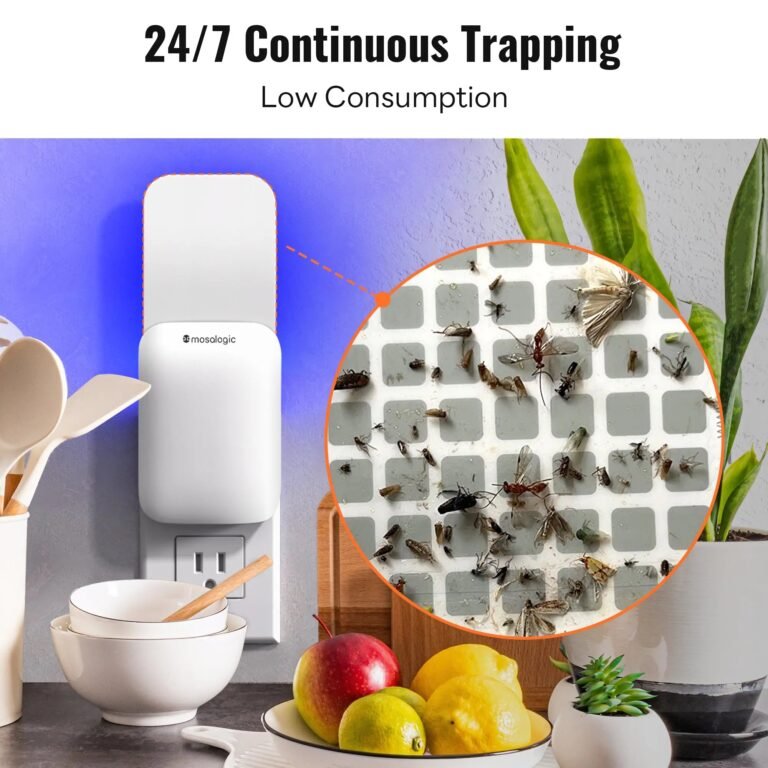
Both devices can use light to attract flying insects, but they kill or capture them in different ways. A traditional bug zapper uses an electrical grid, while a sticky light trap uses an adhesive board to hold insects after they land on it.
Sticky traps do not produce an electrical discharge and can be useful for monitoring certain flying insects indoors. Their catch depends on the insect species, trap placement, and adhesive condition.
Electric zappers may be more suitable where an outdoor or enclosed electrical killing device is permitted and appropriate. Neither method should be assumed to control every type of flying insect.
Bug Zapper Vs Mosquito Trap
A conventional bug zapper mainly relies on light. Some specialized mosquito traps use other attraction methods, such as carbon dioxide, heat, or specific chemical lures, to imitate signals that mosquitoes use when searching for hosts.
These devices are not all the same. Their results depend on the trap design, mosquito species, lure, location, and environmental conditions. A specialized trap should be evaluated using evidence for its exact model and intended use.
For home mosquito protection, the basic steps remain important: remove standing water, repair screens, wear suitable clothing, and use an EPA-registered repellent as directed.
Which Method Should You Use?
Choose a control method based on the insect you want to manage rather than the number of insects a device appears to kill. A zapper that collects many moths may still do very little to reduce mosquito bites.
For flies, remove food waste and other attractants, keep doors and screens in good condition, and use suitable traps. For mosquitoes, focus on standing water and personal protection. For indoor flying insects, identify the source before selecting a trap.
A targeted approach is often more useful than adding several general-purpose devices around the home.
Frequently Asked Questions
Q
How does a bug zapper kill insects so quickly?
A bug zapper kills insects when their bodies complete an electrical path between charged sections of its metal grid. The resulting high-voltage discharge causes severe injury to their nervous system, muscles, and other tissues. The process usually happens very quickly after contact.
Q
Does a bug zapper use ultraviolet light to kill insects?
No. The UV light attracts insects, but it is not the main killing mechanism. The electrical grid delivers the fatal shock. The lamp and grid have separate jobs: one draws insects toward the device, and the other kills them when they make contact.
Q
Why do bug zappers kill moths but not many mosquitoes?
Many moths respond to artificial light, including ultraviolet wavelengths. Mosquitoes rely more heavily on cues such as carbon dioxide, body odors, and heat when locating people. A standard UV lamp does not provide these signals, so ordinary bug zappers generally catch relatively few mosquitoes.
Q
Can a bug zapper kill insects without touching them?
A traditional electric bug zapper normally needs an insect to contact the energized grid and complete an electrical path. Its UV lamp attracts insects, but the light does not normally kill them. Some specialized insect-control devices use other methods, so their operation depends on their design.
Q
Why does a bug zapper flash and make a popping noise?
The flash and popping noise come from the brief electrical discharge that occurs when an insect bridges the charged grid sections. A small electrical arc produces light, heat, and sound. The noise is a normal result of contact, although it does not prove that the device is catching the target pest effectively.
Q
Can a bug zapper work without a UV bulb?
A traditional light-based bug zapper needs its attraction lamp to draw insects toward the grid. Without a working lamp, it may still deliver an electrical shock if an insect happens to touch the grid, but its ability to attract insects will be greatly reduced. Some newer devices use other attraction methods, depending on their design.
Q
Do bug zappers attract more insects to a yard?
A bug zapper can attract light-responsive insects from nearby areas toward its lamp. This does not mean it will reduce the overall number of nuisance insects in the yard. It may also attract and kill harmless insects that were not causing a problem.
Q
How long does a bug zapper take to kill an insect?
The electrical discharge usually causes fatal injury very quickly after an insect bridges the grid. The exact time can vary with the insect, electrical contact, and device design. There is no single timing that applies to every model and insect.
✦ Wrapping Up
Conclusion
A bug zapper kills insects through a simple combination of light and electricity. Its UV lamp attracts certain flying insects, while a high-voltage metal grid delivers an electrical shock when an insect makes contact. The discharge causes severe physical injury and usually kills the insect rapidly.
The device can catch moths, certain flies, beetles, and other light-responsive insects. However, it is not a reliable way to reduce mosquito bites. Mosquitoes use body odors, carbon dioxide, and heat to locate people, so ordinary UV bug zappers often miss the main target.
Safety and placement also matter. Keep the device away from children and pets, follow the manufacturer’s electrical and cleaning instructions, and use outdoor models only in suitable locations. Remember that a zapper can kill beneficial insects along with nuisance pests.
The most useful approach is to match the control method to the insect. Identify the pest first, understand what attracts it, and choose a control method that addresses the actual source of the problem.
💡 Key Takeaway
Before using a bug zapper, identify the insect you want to control. Check that the device is designed for that purpose, install it according to its manual, keep its electrical grid protected, and clean it only after disconnecting the power. For mosquitoes, prioritize removing standing water, maintaining screens, and using an appropriate registered repellent instead of relying on a standard UV zapper.
You spot a line of ants marching across the kitchen counter. You grab the Terro bottle from the pantry and… do what? If you’re asking how to use terro ant…